
2027 Do Online Medical Billing & Coding Programs Offer Weekly Start Dates? Enrollment Calendar & Start Options

Co-Founder and Chief Data Scientist
Choosing an online medical billing and coding program is not only about curriculum and cost. Start dates matter because they determine how quickly you can move from researching programs to completing coursework, preparing for certification, and applying for healthcare administration roles. For working adults, parents, military spouses, and career changers, waiting months for a traditional semester can be a real barrier.
Many programs now advertise weekly, monthly, or rolling start dates, but those terms do not always mean immediate access to classes. Admissions paperwork, transcript reviews, transfer credit evaluations, financial aid processing, and international document requirements can still affect when you actually begin. Nearly 40% of online learners now prioritize programs with rolling enrollment, and medical billing and coding programs have seen a 25% increase in flexible start offerings over the last two years.
This guide explains how weekly start dates work, what an enrollment calendar may look like, which requirements can delay your start, and how to compare flexible options without overlooking cost, support, and completion timelines.
Key Things to Know About Online Medical Billing & Coding Program Enrollment
- Many online medical billing & coding programs offer weekly or rolling start dates, enabling students to begin coursework anytime rather than waiting for traditional semester schedules.
- These flexible calendars differ from fixed academic terms by providing self-paced modules that accommodate varied learning speeds and work commitments.
- With online healthcare administration enrollments growing over 20% annually, flexible start options significantly benefit working adults and career changers seeking immediate training access.
Do Online Medical Billing & Coding Programs Offer Weekly Start Dates?
Yes, many online medical billing and coding programs offer weekly start dates, rolling enrollment, or frequent monthly entry points. These calendars are designed for students who cannot wait for a fall, spring, or summer term and want to begin training soon after admission.
Weekly start dates are most common in career-focused certificate, diploma, and online workforce training programs. Instead of admitting one large class on a semester schedule, schools open new online sections regularly and place students into the next available course sequence once they complete enrollment steps.
Institutions such as Southern Careers Institute and Penn Foster are examples of schools that use rolling start options, allowing eligible students to enroll and begin classes within a short timeframe. However, “weekly start” does not always mean “start tomorrow.” A student may still need to submit transcripts, complete funding arrangements, verify technology access, or finish orientation before being cleared for the first course.
The main advantage is reduced waiting time. Traditional programs may open enrollment only two or three times per year, while flexible programs allow students to begin when their work schedule, family responsibilities, and finances are ready. Industry data indicates that over 40% of accredited online health administration and billing programs now feature weekly or rolling starts, reflecting demand for student-centered scheduling in healthcare education.
When comparing programs, ask admissions three direct questions: how often new classes actually begin, whether all required courses are available on that schedule, and what must be completed before your start date is confirmed. Students comparing other flexible healthcare pathways may also review online DNP programs to see how start-date flexibility differs by credential level.
What Does the Enrollment Calendar Look Like for Online Medical Billing & Coding Programs?
An online medical billing and coding enrollment calendar is usually more flexible than a traditional college calendar. Instead of one long semester with a fixed add/drop period, many programs use short course blocks, modular lessons, and repeated start windows throughout the year. Recent data from the Healthcare Career Institute shows enrollment in these courses increased by over 15% between 2021 and 2023, which helps explain why schools are expanding flexible scheduling options.
The calendar format affects how soon you can start, how quickly you can finish, and how predictable your weekly workload will be.
- Weekly starts: New students may begin almost every week after completing enrollment, payment, and orientation requirements. This is usually the most flexible model, but course availability should still be confirmed.
- Bi-weekly or monthly starts: Some programs open new sections every few weeks or once per month. This still reduces waiting time compared with semester-based enrollment, but it may create a short delay if you miss a cutoff.
- Rolling admission with assigned cohorts: A school may accept applications year-round but place students into the next available cohort. This can be convenient, though it is not the same as unlimited immediate entry.
- Modular course design: Coursework may be divided into smaller units covering medical terminology, coding systems, billing procedures, reimbursement, insurance claims, and compliance topics. Modular design can help part-time learners maintain progress without taking multiple full-length courses at once.
- Year-round access: Many online programs do not rely on traditional academic terms, which is helpful for adult learners planning around work schedules, childcare, or relocation.
Before enrolling, request a written academic calendar or sample schedule. Look for the first day of class, orientation deadline, payment deadline, refund deadline, expected weekly hours, and the date when the next course begins after you finish the first one. Students considering other fast-track healthcare roles can also compare medical assistant programs to understand how accelerated calendars vary by occupation.
Do Admission Requirements Delay Start Dates for Online Medical Billing & Coding Programs?
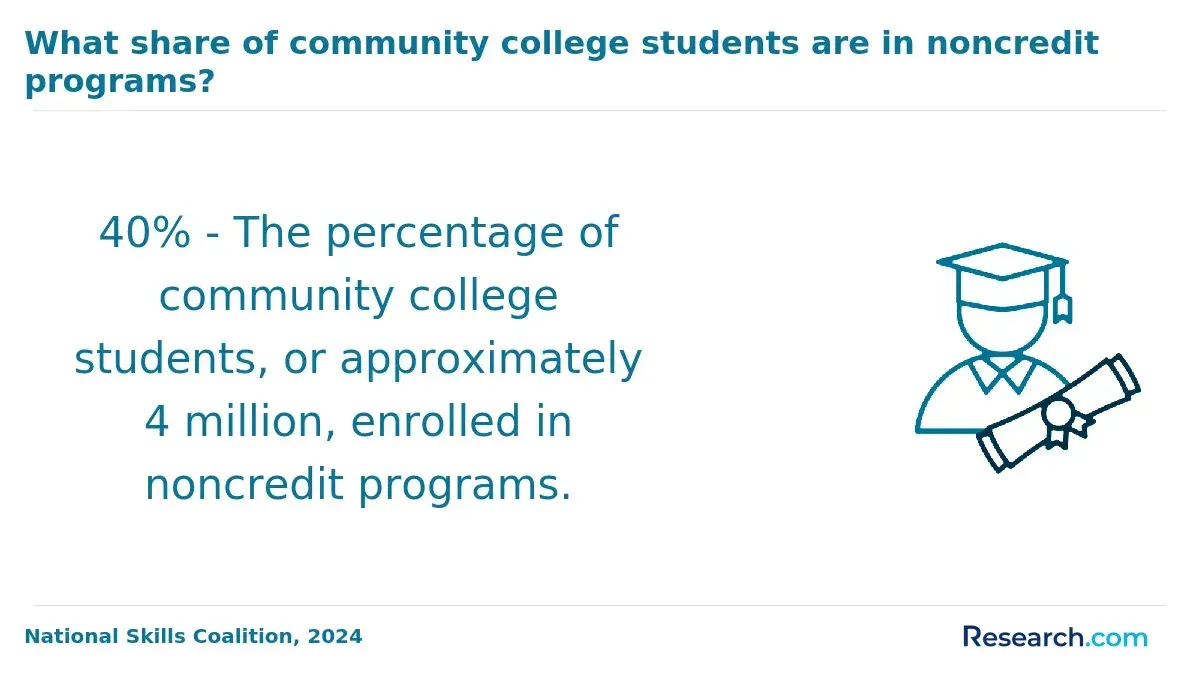
Yes. Admission requirements can delay your start date even when a program advertises weekly or rolling enrollment. According to the National Center for Education Statistics, around 25% of online students experience setbacks due to admissions paperwork or prerequisite verification. In practical terms, the program may have frequent start dates, but you cannot begin until the school clears your file.
The most common delays involve documents, prerequisite checks, and transfer reviews.
- Transcript verification: Programs often require proof of high school graduation, GED completion, or prior college coursework. If official transcripts must be sent directly from another institution, the process can take one to three weeks and may push you into a later start window.
- Prerequisite confirmation: Some schools require evidence of basic English, math, computer, or keyboarding skills. If your records do not clearly show that you meet the requirement, you may need an assessment or additional documentation before enrolling.
- Transfer credit evaluation: Students with prior college coursework may ask the school to review credits. This can save money and time later, but the review itself can slow your initial start if the program will not finalize placement until the evaluation is complete.
- Standardized testing requirements: These are less common for medical billing and coding programs, but some schools may use placement tests or alternative assessments to confirm readiness. Scheduling and submitting results can add time.
- Incomplete applications: Missing signatures, unpaid application fees, name mismatches on documents, or unclear residency information can create avoidable delays.
To reduce risk, apply earlier than the advertised start week, request transcripts immediately, use the same legal name on every document, and ask admissions for a checklist of items required before course access is granted. A program with weekly starts is most useful when you are also prepared to complete enrollment quickly.
Do Online Medical Billing & Coding Programs Offer Immediate Enrollment for Transfer Students?
Sometimes, but transfer students should not assume enrollment will be immediate. A program may admit new students weekly while still requiring extra review for anyone bringing prior credits. The key question is whether the school allows you to start while your transfer evaluation is pending or requires the evaluation to be completed first.
Transfer timelines usually depend on five factors.
- Transfer credit evaluation: Schools review official transcripts to determine whether prior coursework matches program requirements. This review can take days to several weeks, depending on volume, documentation quality, and whether course descriptions are needed.
- Application processing: Transfer students still need to complete the standard application, identity verification, payment arrangements, and any required enrollment forms. Missing materials can delay the start even if the program has weekly openings.
- Prerequisite completion: If previous credits do not satisfy required foundational courses, the student may need to begin at an earlier point in the curriculum or complete a prerequisite before taking coding-focused courses.
- Program start dates: Rolling or weekly starts can reduce the wait after acceptance. If the evaluation is completed on a Tuesday and a new section opens the following week, the student may not lose much time.
- Institutional policies: Some schools set strict transfer review deadlines, while others allow provisional enrollment. Policies vary, so transfer students should ask for written confirmation before assuming credits will apply.
A medical billing and coding graduate described the transfer process as smoother than expected but not instant. Her previous coursework evaluation took about two weeks, and rolling start dates allowed her to begin soon after acceptance. Her advice was simple: submit every transcript early, follow up with admissions, and ask when the transfer review could realistically be completed.
Does Financial Aid Processing Affect Start Dates for Online Medical Billing & Coding Programs?
Yes. Financial aid processing can affect when you start an online medical billing and coding program, especially if you need aid approved before the school grants full course access. Approximately 30% of financial aid applications experience verification delays, and those delays can extend approval timelines.
Flexible start dates help, but they do not eliminate funding deadlines. Students should understand how payment, aid approval, and enrollment clearance interact.
- Grants, loans, and scholarships: Aid may require application review, eligibility checks, school certification, and disbursement processing. If tuition must be covered before classes open, an unresolved aid file can push your start date back.
- Verification delays: About one-third of financial aid applications undergo additional review. Students selected for verification may need to provide tax information, identity documents, or household details before aid is finalized.
- Payment-plan timing: Some programs allow students to begin with an approved payment plan, while others require the first payment before access to coursework. Ask whether a payment plan can secure your seat for the next start date.
- Weekly or rolling starts: Frequent start dates can soften the impact of aid delays. If funding is not ready this week, the next opening may be soon rather than months away.
Before choosing a start date, confirm the total tuition, fees, books, software, certification exam costs, and refund rules. If you are still comparing affordability, reviewing the average cost of medical billing and coding program can help you judge whether a school’s payment expectations are realistic for your budget.
Do International Students Have Different Start Date Options for Online Medical Billing & Coding Programs?
International students may have different start date options than domestic students, even in fully online medical billing and coding programs. Data from the National Center for Education Statistics reveals a steady rise in international enrollment within healthcare-related online fields, but global applicants often face additional document, regulatory, and scheduling issues before they can begin.
The exact impact depends on whether the student is studying from outside the United States, entering on a visa, or applying with non-U.S. academic records.
- Visa and regulatory requirements: Some international students must complete visa-related steps or institutional compliance checks before enrollment. These processes can take longer than standard domestic admission and may limit immediate start options.
- Credential review: International transcripts may need translation, course-by-course evaluation, or verification by an approved agency. Programs may use structured enrollment windows to give staff enough time to review these documents.
- Time zone challenges: Asynchronous courses are usually easier for international students because lectures, assignments, and discussions do not require live attendance at inconvenient hours. Weekly starts are most useful when paired with flexible course access.
- Technology and location restrictions: Some online platforms, payment systems, testing tools, or proctoring services may not work the same way in every country. Students should confirm access before choosing a start date.
- Rolling start calendars: Programs with rolling admission can help international students begin soon after documents are cleared, but the start date may still depend on credential review and school policy.
One international student described the process as stressful because he was waiting weeks for visa approvals while also coordinating paperwork with the admissions office. “I wasn't sure if I could start right away or would have to wait months,” he explained. The program’s limited but flexible start dates eventually aligned with his visa timeline, allowing him to begin without losing momentum.
Do Online Medical Billing & Coding Programs Allow Late Registration?
Some online medical billing and coding programs allow late registration, but the rules vary widely. A school may permit enrollment several days or up to a week after the official start date, while another may require students to wait for the next weekly, bi-weekly, or monthly opening.
Late registration is more realistic in asynchronous programs, where students can access recorded lectures, readings, assignments, and discussion boards on their own schedule. It is more difficult in programs with live sessions, strict weekly deadlines, or sequenced assessments.
- Institutional deadlines: Confirm the final date to register, the final date to pay, and whether late registration creates extra fees. Do not rely only on a general “rolling enrollment” statement.
- Missed coursework: Late starters may need to catch up quickly on readings, quizzes, introductions, or coding practice. Ask whether missed assignments can be submitted late without penalty.
- Financial aid restrictions: Aid eligibility and disbursement timing can be affected by late enrollment. If funding is not approved by the school’s deadline, the next start date may be safer.
- Course access limitations: Some platforms lock assignments after a certain date or require instructor approval to reopen work. This can make late starts harder than they appear.
- Weekly start alternatives: Since around 40% of programs offer weekly or rolling options as of recent studies, it may be better to start cleanly the following week than rush into a course already in progress.
If you miss a deadline, ask admissions whether late registration is recommended academically—not just whether it is technically allowed. A slightly later start can be the better choice if it gives you full access to orientation, advising, and the first week of assignments.
Do Weekly Start Dates Shorten the Time to Complete an Online Medical Billing & Coding Degree?
Weekly start dates can shorten the time it takes to begin a program, but they do not automatically shorten the total time needed to complete a medical billing and coding degree, certificate, or diploma. The real time savings come from reducing idle waiting periods between admission, orientation, and course starts. Programs with flexible starts and accelerated online learning models have seen completion rates rise by about 15%, but individual timelines still depend on course sequencing, workload, and student availability.
Weekly starts are most likely to reduce completion time when the program also offers continuous course progression.
- Accelerated course sequencing: Some programs use condensed course blocks that allow students to complete one subject and move quickly to the next instead of waiting for a new semester.
- Modular and self-paced formats: Coursework divided into smaller modules can help motivated students move steadily while allowing part-time learners to manage work and family responsibilities.
- Continuous enrollment: If students can begin the next course soon after finishing the previous one, they avoid the inactive gaps that often extend traditional academic timelines.
- Prerequisite limits: Some courses must be completed in order. If medical terminology is required before coding coursework, a weekly start will not remove that sequence.
- Practicum or exam-prep timing: Any required practicum, externship, proctored assessment, or certification preparation schedule may create fixed windows that limit acceleration.
The best question is not only “Can I start weekly?” but “Can I keep progressing weekly after I start?” Ask for a full program map showing every course, expected duration, prerequisite, break period, and completion requirement. Working adults and career changers comparing broader healthcare options may also review easy nursing schools to get into to understand how start dates and admission timelines differ in nursing pathways.
How Do Schools Prepare Students for Their First Week of Online Medical Billing & Coding Classes?
Strong first-week preparation can make the difference between a smooth start and early frustration. Online medical billing and coding students often need to learn the school’s technology platform while also adjusting to healthcare terminology, coding resources, assignment deadlines, and instructor expectations. Early support is especially important for working adults and career changers who may be returning to school after years away.
Most effective programs prepare students before the first graded assignment is due.
- Orientation modules: Orientation usually explains the learning management system, attendance expectations, grading policies, academic integrity rules, and communication standards.
- Technology setup assistance: Students may receive tutorials for course platforms, secure logins, browser requirements, document uploads, virtual meetings, and any coding or billing software used in the program.
- Academic advising: Advisors help students understand course order, pacing, certification goals, and how many hours per week they should reserve for studying.
- Learning platform navigation: Walkthrough videos, practice assignments, and discussion-board introductions help students become comfortable before coursework becomes more demanding.
- Faculty communication: Early instructor messages, welcome videos, office hours, or live check-ins can reduce confusion and make it easier for students to ask for help.
- Student engagement: Peer forums and introductory activities can help online students feel less isolated, even when classmates begin on staggered start dates.
According to the National Center for Education Statistics (NCES), early tech support and orientation significantly boost student confidence in online health-related fields. As programs expand weekly or monthly start dates, the quality of first-week support becomes even more important because students may be entering at different points throughout the year.
Students comparing healthcare programs that combine flexibility and support may also examine affordable NP programs, where early advising and online readiness resources are also important for persistence.
What Are the Pros and Cons of Weekly Start Dates for Online Medical Billing & Coding Programs?
Weekly start dates can be valuable, but they are not automatically better for every student. The healthcare education sector has seen significant growth in online enrollment, with health IT-related programs growing by over 20% from 2019 to 2023. Flexible calendars are part of that growth, but students should weigh convenience against structure, peer interaction, and course availability.
Pros
- Shorter wait to begin: Students can often start soon after being admitted instead of waiting for the next semester. This is useful for career changers who want to move quickly.
- Better fit for working adults: Weekly starts allow students to choose an entry point that aligns with job schedules, childcare, relocation, or financial readiness.
- Continuous progression: In well-designed programs, students can move from one module or course to the next with fewer gaps, which may help maintain momentum.
- Reduced pressure from missed deadlines: If a student is not ready this week, another start date may be available soon, reducing the risk of making a rushed enrollment decision.
Cons
- Less cohort connection: When students start at different times, they may have fewer opportunities to build relationships with a consistent group of classmates.
- Advising complexity: Staggered starts can make scheduling support, tutoring, and faculty communication more complicated if the school is not well organized.
- Uneven course availability: A program may allow weekly entry into the first course but not offer every required course every week, which can still create delays later.
- Risk of rushing enrollment: Frequent starts can make students feel they should enroll immediately. It is still important to verify accreditation, cost, support services, refund policies, and certification preparation.
The best choice depends on your learning style. If you are self-directed and ready to manage deadlines independently, weekly starts can be a strong advantage. If you prefer a stable cohort, live interaction, and a predictable academic calendar, a monthly or term-based schedule may feel more supportive. Students comparing flexible healthcare education costs may also review cheapest RN to BSN pathways, which often serve working adults who need both affordability and schedule flexibility.
What Graduates Say About Their Online Medical Billing & Coding Program Enrollment Calendar & Start Options
- Louis: "Choosing an online medical billing & coding degree with weekly start dates allowed me to begin my education exactly when I was ready, which made the whole process less stressful. The program cost was surprisingly affordable compared to traditional colleges, which helped me manage my finances better. Since graduating, I've noticed a significant boost in my job opportunities and confidence in handling complex coding tasks."
- Zain: "I was initially hesitant about enrolling in an online medical billing & coding degree, but the flexibility of weekly start dates made it easy to fit into my busy schedule. The cost was reasonable and definitely a smart investment for the career pivot I wanted. Reflecting on my experience, the qualification has opened doors I didn't think possible before, especially in remote healthcare roles."
- Myles: "The weekly start date feature of my medical billing & coding program really stood out; it gave me the freedom to commence studies without delay. Considering the moderate cost of attendance, I felt I received excellent value for a credential that has elevated my professional credibility. Overall, this program has been integral in advancing my role within healthcare administration."
Other Things You Should Know About Medical Billing & Coding Degrees
Yes, many online Medical Billing & Coding programs in 2027 offer flexibility in switching start dates due to personal circumstances. Students can often work with academic advisors to make necessary adjustments, ensuring they do not delay their progress while accommodating unforeseen personal issues.
Yes, many programs schedule mandatory orientation sessions aligned with their official start dates. These orientations introduce students to the online learning platform, program expectations, and administrative procedures. Students enrolling with flexible or non-traditional start dates may have access to recorded orientations or personalized onboarding to ensure readiness.
References
- Financial Aid Options for Medical Billing and Coding Programs: Navigating Funding Opportunities and Payment Plans - Simbo AI - Blogs https://www.simbo.ai/blog/financial-aid-options-for-medical-billing-and-coding-programs-navigating-funding-opportunities-and-payment-plans-30949/
- Returning to School - MedicalBillingandCoding.org https://www.medicalbillingandcoding.org/resources/returning-to-school/
- Medical Billing and Coding https://www.herzing.edu/healthcare/medical-billing-coding
- Online Medical Billing and Coding Training https://www.volstate.edu/workforce/online/medical-billing-coding-training
- Online Medical Billing and Coding (Voucher Included) from Western Carolina University https://onlinecareertraining.wcu.edu/training-programs/medical-billing-coding-voucher-included/
- Program/Course Outline https://www.careerstep.com/certify/health-data/medical-coding-billing/program-course-outline/
- Medical Billing and Coding https://www.utc.edu/academic-affairs/center-for-professional-education/professional-development/medical-career-academies/medical-billing-coding
- Medical Billing and Insurance Coding https://www.uei.edu/trade-school-programs/medical-billing-insurance-coding/
- Are There 4-Week Online Medical Billing and Coding Programs? https://nurse.org/healthcare/4-week-medical-billing-coding-programs/
- Online Medical Billing and Coding (Voucher Included) from Temple College https://careertraining.templecollege.edu/training-programs/medical-billing-coding-voucher-included/


