
2027 Fully Online vs Hybrid Library Science Degree Master's Programs: Which Is Better?

Co-Founder and Chief Data Scientist
Choosing a library science master’s program is not just a question of online convenience versus campus tradition. The format affects your weekly schedule, total cost, access to faculty, networking, internships, exam experience, and sometimes your path into the job market.
Fully online programs can work well for students who need maximum flexibility, live far from campus, work full time, or want to reduce travel and relocation costs. Hybrid programs can be a better fit for students who value in-person collaboration, local employer connections, structured class meetings, and easier access to campus resources. Fully online programs offer flexibility, attracting 60% of distance learners in library science fields, but some students still prefer the direct engagement hybrid formats provide.
This guide compares fully online and hybrid library science master’s programs across the factors that matter most: flexibility, cost, financial aid, admissions, curriculum, exams, networking, job placement, salary, and graduate experiences. Use it to decide which format best matches your schedule, budget, learning style, and career goals.
Key Things to Know About Fully Online vs Hybrid Library Science Degree Master's Programs
- Fully online programs offer maximum flexibility with asynchronous coursework, ideal for students balancing work or family, while hybrid formats require regular campus visits, limiting scheduling freedom.
- Hybrid programs provide more in-person engagement through on-site labs and networking, enhancing hands-on experience compared to predominantly virtual interactions in online formats.
- Students with strict professional commitments benefit from online programs' remote access, whereas hybrid students often gain direct mentorship and cohort collaboration that support career advancement.
How Do Hybrid and Online Library Science Master's Programs Differ?
Fully online and hybrid library science master’s programs usually cover similar academic ground, but they create very different student experiences. The biggest difference is not the degree title; it is how often you must be present at a specific time or place. Around 35% of graduate library science programs now offer hybrid formats, reflecting demand for programs that combine remote study with some face-to-face learning.
In a fully online program, coursework, advising, discussions, assignments, and many group projects are delivered through digital platforms. In a hybrid program, students complete part of the work online but also attend scheduled campus sessions, residencies, seminars, labs, workshops, or other in-person requirements.
| Factor | Fully Online Format | Hybrid Format |
| Learning format | All required coursework is delivered digitally, often through a learning management system. | Online coursework is combined with scheduled in-person sessions. |
| Residency expectations | Usually little to no campus residency, which gives students more geographic freedom. | May require campus visits during certain terms, weekends, intensives, or program milestones. |
| Scheduling structure | Often more asynchronous, although some programs still require live sessions. | More likely to include fixed meeting times for seminars, workshops, or group activities. |
| Participation methods | Discussion boards, video meetings, digital projects, online presentations, and electronic submissions. | Digital participation plus face-to-face collaboration, presentations, and campus-based activities. |
| Campus engagement | Access may be remote, so students must be proactive about advising, faculty contact, and career services. | Students generally have more natural access to faculty, campus events, peer groups, and local professional contacts. |
The best choice depends on what you need from graduate school. Choose fully online if location freedom and schedule control are your top priorities. Consider hybrid if you learn better through in-person discussion, want stronger campus ties, or hope to build a regional professional network while earning the degree.
Students comparing delivery models across graduate fields can also review how flexible professional programs are structured, such as online speech pathology programs, but library science applicants should always evaluate accreditation, field experience options, and local career goals before choosing a format.
Which Library Science Master's Program Format Is More Flexible?
Fully online library science master’s programs are usually more flexible than hybrid programs because they remove the need to commute or attend campus sessions. Recent data shows that nearly 70% of U.S. graduate students take at least one online course, which reflects the broad demand for programs that can fit around work, family, and location constraints.
However, “online” does not always mean self-paced. Some fully online programs still require live evening classes, group meetings, proctored exams, or synchronous presentations. Likewise, some hybrid programs keep campus visits limited and predictable. The right question is not simply which format is online, but how much control you will have over your time.
- Class schedule: Fully online programs often include asynchronous courses, allowing students to complete readings, lectures, and assignments within weekly deadlines. Hybrid programs are more likely to require attendance at set times for campus sessions.
- Location requirements: Fully online students can usually study from any location with reliable internet. Hybrid students must be close enough to campus, or able to travel, whenever in-person requirements occur.
- Course pacing: Some online courses allow more independent pacing within the term, which can help students with full-time jobs or caregiving responsibilities. Hybrid programs often follow a more traditional rhythm because in-person meetings anchor the schedule.
- Attendance expectations: Hybrid formats typically require physical attendance for selected classes, residencies, or workshops. Fully online programs may still require live virtual participation, but they usually offer more options for students outside commuting distance.
- Travel commitments: Eliminating commute time can make a major difference for working professionals. This is one reason students comparing library science options may also look at other highly flexible graduate models, such as a 1 year online master's in social work.
Before enrolling, ask the program for a sample course schedule, synchronous meeting expectations, residency dates, practicum rules, and exam requirements. A program advertised as flexible may still be difficult to manage if live sessions conflict with your job or if required campus visits are expensive to attend.
Which Library Science Master's Program Format Is Cheaper?
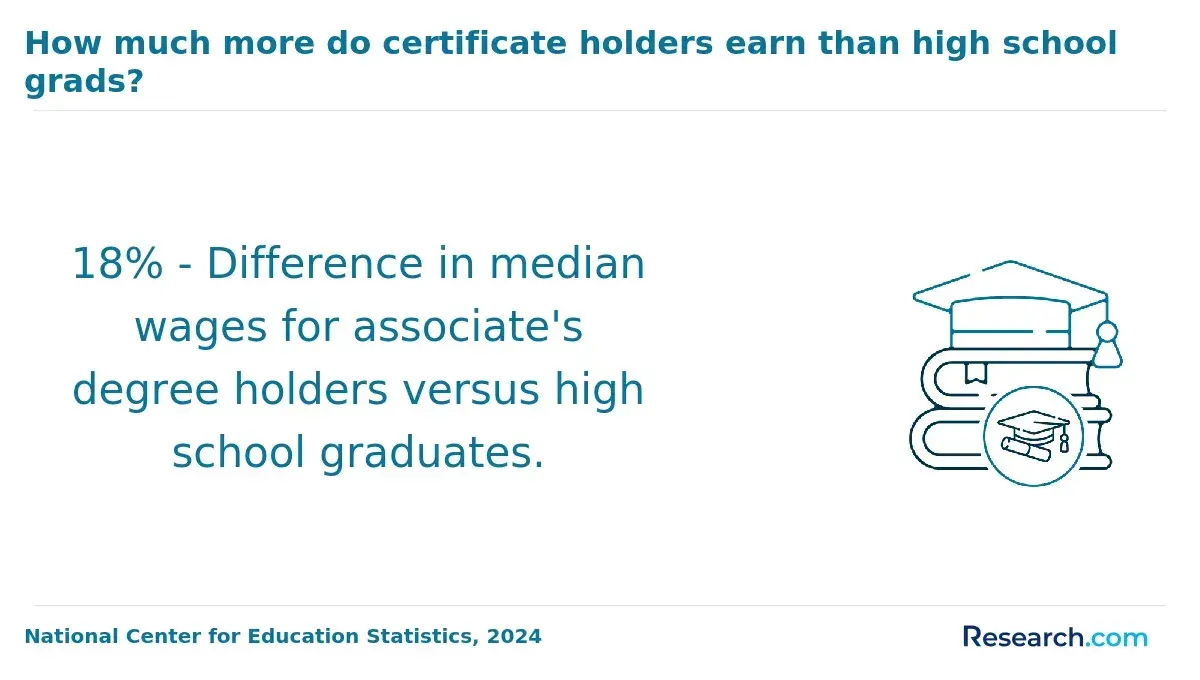
Fully online library science master’s programs are often cheaper overall, but tuition alone does not tell the full story. A report by the National Center for Education Statistics highlighted that online graduate tuition can be 15-30% less expensive than traditional or hybrid options. Even when tuition is similar, online students may save on commuting, parking, housing, and campus-based fees.
Hybrid programs can still be worth the higher cost for students who benefit from in-person faculty access, local internships, and stronger campus networking. The practical decision is whether the additional costs lead to career advantages you will actually use.
- Tuition structure: Many online programs charge per credit and may have fewer campus-related charges. Hybrid programs may include costs tied to maintaining facilities, in-person services, or campus access.
- Campus-related fees: Hybrid students may pay fees for technology, libraries, student services, facilities, or other campus resources. Online students may avoid some of these costs, though distance-learning fees can still apply.
- Commute or travel costs: Hybrid attendance can add recurring costs for gas, public transit, parking, tolls, rideshares, or airfare, depending on where the student lives.
- Housing expenses: Students who live far from campus may need short-term lodging during residencies, weekend sessions, or intensive courses.
- Technology and platform needs: Fully online learners need reliable internet, a suitable computer, webcam access, and current software. These costs are real, but they are often lower than repeated travel and campus attendance expenses.
When comparing programs, build a full cost estimate that includes tuition, fees, books, technology, travel, parking, housing, lost work time, and any required campus visits. Students focused on minimizing debt can also compare most affordable online mlis programs while checking that each option meets their academic and career requirements.
One graduate who completed an online library science master’s degree said the remote format required discipline and a dependable home setup, but the savings on commuting and campus fees made the decision easier. He explained, “Balancing work and study was tough, but not having to pay for parking or worry about fitting classes into my daily commute made a huge difference.”
Does Financial Aid Differ for Online vs Hybrid Library Science Master's Degrees?
Financial aid usually depends more on accreditation, enrollment status, citizenship or residency rules, satisfactory academic progress, and institutional policy than on whether a library science master’s program is online or hybrid. Approximately 70% of graduate students receive some form of financial aid, regardless of program format, so students in both delivery models should complete the required aid applications and speak with the school’s financial aid office.
The key is to confirm that the specific program, not just the institution, is eligible for the aid you plan to use. Some aid programs have rules tied to credit load, state residency, campus participation, or employment status.
- Eligibility criteria: Students in both online and hybrid programs generally qualify for federal aid if they enroll in an accredited, aid-eligible program and meet federal requirements. Hybrid attendance may also interact with state residency or campus-based eligibility rules.
- Types of aid: Federal loans and grants may be available to eligible students in both formats. Some state scholarships or grants may favor students who meet location, residency, or attendance conditions.
- Institutional scholarships: Hybrid students may have more access to campus-based scholarships, assistantships, or departmental opportunities. Fully online students should ask whether distance learners are eligible for the same awards.
- Federal or state funding: State policies vary, so online students should verify whether studying from another state affects eligibility for state-supported aid.
- Employer tuition assistance: Employers often care most about accreditation, relevance to the employee’s role, grades, and continued employment. This can benefit students in either format, especially when the degree supports advancement in information services, education, research, or related fields such as the most lucrative majors.
Before committing, ask the financial aid office three direct questions: Is this exact program eligible for federal aid? Are online and hybrid students eligible for the same institutional scholarships? Are there any residency, credit-load, or campus-attendance rules that could change my award?
Are Admission Requirements Different for Hybrid vs Online Library Science Master's Programs?
Admission requirements for online and hybrid library science master’s programs are often similar because both formats lead to the same graduate-level credential. Most differences appear in deadlines, cohort structure, expectations for professional experience, and how strongly a program evaluates fit for online or in-person learning.
Applicants should avoid assuming that online programs are easier to enter. A strong online program may still expect a competitive academic record, clear goals, professional references, and evidence that the student can handle graduate-level work independently.
- Academic prerequisites: Both formats generally require a bachelor’s degree from an accredited school, and many programs set a minimum GPA. This requirement usually does not change because of delivery format.
- Professional experience: Hybrid programs may place more emphasis on prior library, archival, education, research, or information services experience because in-person projects and local placements can draw heavily on professional context. Fully online programs may admit a broader geographic and career-changing applicant pool.
- Letters of recommendation: Both formats commonly require recommendation letters from academic or professional contacts who can speak to writing ability, reliability, service orientation, research skills, or readiness for graduate study.
- Standardized tests: The GRE is often optional or waived across both program types, although some hybrid options might still encourage scores as one way to assess readiness.
- Application deadlines: Hybrid programs typically follow stricter cohort or campus-based deadlines. Fully online programs may offer rolling admissions or more frequent start dates, which can help applicants with unpredictable schedules.
One professional preparing to enroll in a hybrid library science master’s program said the most time-consuming part was not the application form itself but coordinating recommendation letters while working full time. “Submitting letters of recommendation took longer than I anticipated,” she said. Her experience points to a common admissions mistake: waiting too long to contact recommenders.
Applicants comparing formats should prepare the same core materials early: transcripts, résumé, statement of purpose, references, and any writing sample. Then compare start dates and deadline flexibility. If your work schedule is unpredictable, rolling admissions may be helpful. If you prefer a structured cohort, a hybrid program’s fixed timeline may keep you on track.
Is the Curriculum the Same in Online and Hybrid Library Science Master's Programs?
The curriculum is often similar in online and hybrid library science master’s programs, especially when the same institution offers both formats. Studies show that about 85% of these programs provide similar foundational coursework regardless of the format. The main differences usually appear in how students complete projects, collaborate, access electives, and fulfill experiential requirements.
Students should compare curriculum maps instead of relying only on format labels. Two online programs may differ more from each other than an online and hybrid option at the same school.
- Core course content: Both formats generally cover foundational areas such as cataloging, information organization, reference services, research methods, digital library systems, information ethics, and user services.
- Elective options: Hybrid formats may offer more niche campus-based electives, especially when faculty teach specialized seminars in person. Online programs may concentrate electives that can be delivered effectively at a distance.
- Project-based learning: Hybrid students may complete in-person group projects, presentations, or community-based assignments. Online students usually collaborate through video meetings, shared documents, discussion tools, and digital project platforms.
- Capstone and thesis: Both formats typically require a capstone project or thesis that demonstrates research ability, applied problem-solving, and mastery of library and information science concepts.
- Experiential components: Hybrid programs may integrate on-site internships or practicums through campus and regional partners. Fully online students may complete local placements near where they live, virtual projects, or independently arranged field experiences.
When reviewing the curriculum, look for alignment with your intended career path. A student aiming for public librarianship may prioritize community engagement and youth services. A student interested in archives may need preservation, metadata, and archival practice. A student focused on digital information work should look closely at technology, data, digital collections, and systems courses.
How Are Exams Conducted in Fully Online vs Hybrid Library Science Master's Programs?
Exams in fully online library science master’s programs are usually conducted through digital platforms, while hybrid programs may use a mix of online assessments and in-person testing. A survey revealed that nearly 70% of online graduate programs use some form of remote proctoring to uphold academic integrity. This can affect privacy expectations, technology needs, and the way students prepare for assessments.
Library science courses may also rely heavily on papers, projects, presentations, case analyses, and applied assignments rather than traditional exams. Still, students should ask how tests are handled before enrolling, especially if they have limited internet access or privacy concerns about remote proctoring.
- Online proctoring: Fully online programs may use webcam monitoring, screen sharing, identity checks, lockdown browsers, or timed testing platforms. Hybrid programs are more likely to administer some exams under direct in-person supervision.
- Exam location: Online students usually test from home or another quiet approved location. Hybrid students may need to travel to campus or a designated testing site.
- Test format: Fully online exams may be timed, open-book, closed-book, essay-based, or project-based depending on the course. Hybrid exams may include more traditional closed-book assessments during scheduled class periods.
- Technical requirements: Online exams require stable internet, compatible devices, webcam access, and familiarity with the testing platform. Hybrid exams reduce some technology burdens but add travel and scheduling demands.
- Integrity measures: Fully online programs may use AI monitoring tools and lockdown browsers. Hybrid programs often rely on physical supervision and campus academic integrity procedures.
Students who choose a fully online format should test their equipment before the first exam, understand the proctoring rules, and avoid waiting until exam day to resolve software issues. Students in hybrid programs should confirm whether exams occur only on campus or whether some assessments still require remote proctoring.
Which Library Science Master's Program Format Offers Better Networking Opportunities?
Hybrid library science master’s programs often provide stronger built-in networking because students meet faculty, classmates, alumni, and local professionals in person. According to a recent survey, 68% of students in hybrid programs reported higher satisfaction with professional networking compared to 49% from fully online formats.
That does not mean online students cannot build strong networks. It means they usually need to be more intentional. Fully online students should look for programs that offer active virtual student groups, alumni events, career fairs, faculty office hours, professional association connections, and support for local placements.
- Peer interaction: Hybrid programs create more spontaneous opportunities for conversation before class, during campus sessions, and in group projects. Online students build peer connections through discussion boards, virtual meetups, team assignments, and messaging platforms.
- Faculty engagement: Hybrid students often have easier access to informal faculty conversations. Online students should use virtual office hours, email, webinars, and advising appointments to build similar relationships.
- Alumni access: Both formats may offer digital alumni networks. Hybrid students may also attend campus events and regional mixers that strengthen local career connections.
- Industry events: Hybrid students may be better positioned to attend local conferences, workshops, and employer visits. Online students can compensate by joining virtual conferences and professional associations.
- Collaborative projects: In-person collaboration can help hybrid students form lasting professional relationships. Online collaboration can work well, but it requires clearer communication, scheduling discipline, and active participation.
If networking is a priority, ask each program how students meet employers, whether online learners can attend the same events as campus students, and how the school supports internships or practicums outside the campus region. Students comparing professional graduate options may also examine flexible education models such as cheap online EdD programs to see how different fields handle online networking and career support.
Are Job Placement Rates Different for Hybrid vs Online Library Science Programs?
Job placement can differ between hybrid and fully online library science programs, but the format itself is only one part of the outcome. Research from a survey shows that graduates from hybrid programs had a job placement rate about 5% higher than those from fully online programs. The likely advantage comes from local employer relationships, in-person networking, and easier access to campus career services rather than from the word “hybrid” on a transcript.
Employers typically care about the quality of the program, relevant skills, field experience, references, interview readiness, and whether the graduate understands the needs of the library, archive, school, agency, or information organization. Format matters most when it changes access to those opportunities.
- Industry connections: Hybrid programs may have stronger relationships with nearby libraries, archives, museums, schools, and information agencies. These connections can lead to referrals, internships, and job leads.
- Internship or practicum access: Hybrid students may benefit from on-site placements coordinated through the institution. Online students should confirm how the program helps arrange local or virtual field experiences.
- Alumni networks: Hybrid programs may build stronger regional alumni communities. Online programs may have broader geographic reach but require more deliberate engagement from students.
- Career services support: Campus-based services can include in-person résumé reviews, mock interviews, employer events, and workshops. Online students should verify whether they receive equal access to career coaching and job boards.
- Regional employment opportunities: Hybrid students often study near the job market where they plan to work. Fully online students may live anywhere, which can be an advantage or disadvantage depending on local demand.
To evaluate placement claims, ask for recent job placement data, common employer types, internship support details, graduate job titles, and whether outcomes differ for online and hybrid students. Students researching related graduate pathways can also review an MFT program to compare how other professional degrees connect format, field experience, and employment outcomes.
Does Program Format Affect Salary After Earning a Library Science Master's?
Program format may influence salary indirectly, but it is rarely the only reason one graduate earns more than another. Graduates from hybrid programs tend to start with an average salary of about $58,000, slightly higher than the roughly $54,000 typical for fully online graduates. That difference may reflect networking, regional labor markets, prior work experience, internships, employer type, and geographic location.
Students should be careful not to treat format as a salary guarantee. A strong fully online program with relevant internships and a motivated student can lead to excellent outcomes. A hybrid program can offer advantages, but only if the student uses the in-person opportunities effectively.
- Networking opportunities: Hybrid programs may provide more face-to-face contact with classmates, instructors, and local professionals, which can support referrals and higher-quality job leads.
- Industry connections: In-person components may strengthen ties with regional libraries, archives, school systems, and information agencies that offer competitive roles.
- Program prestige: Some hybrid programs are connected to well-established institutions, which may improve employer recognition. Online programs can also be reputable, so students should evaluate the school and program carefully.
- Experiential learning: Practicums, internships, applied projects, and portfolio work can help graduates demonstrate job-ready skills, which may improve salary prospects.
- Geographic flexibility: Fully online programs attract students nationwide, and graduates may remain in lower-wage regions. Hybrid students may be more likely to stay connected to higher-paying urban or regional job markets near campus.
To make a salary-focused decision, compare each program’s career support, internship options, alumni outcomes, employer relationships, and relevance to your target role. Format can shape opportunity, but your specialization, experience, location, and professional network will usually play a larger role in compensation.
What Graduates Say About Fully Online vs Hybrid Library Science Degree Master's Programs
- : "Choosing a fully online library science master's program was the best decision for me because it allowed me to balance work and study without the stress of commuting. The cost savings compared to a traditional on-campus program were significant, making it accessible without compromising quality. Since graduating, I've noticed a clear upward trajectory in my career, especially in digital cataloging and information management. The flexibility truly enhanced both my learning and professional growth. — Luanne"
- : "The hybrid library science master's degree offered me an ideal blend of in-person interaction and online convenience, which was crucial for staying engaged while managing family responsibilities. While it was a bit more expensive than fully online options, the direct access to professors and networking opportunities made it worthwhile. Now, I'm applying advanced research and archival skills in my current role, which I attribute directly to the hybrid format's hands-on approach. — Katherine"
- : "Pursuing a fully online master's in library science was a strategic choice to maintain my full-time job while advancing my education. Compared to hybrid programs, the cost was more affordable, which helped me avoid student debt. Professionally, earning this degree opened doors to leadership positions in information services, and the self-paced learning environment taught me valuable time-management skills essential in my field. — Julianna"
Other Things You Should Know About Library Science Degrees
In 2027, most employers recognize fully online library science master's degrees as equivalent to hybrid degrees. The focus is often on the accreditation of the program and the candidate's skills and experiences. Some employers may value the interpersonal skills developed in hybrid programs, but overall, degree format is less significant than program quality.
Employers tend to value networking opportunities provided by hybrid programs slightly more because of the in-person interactions with faculty, peers, and professionals. However, many fully online programs offer virtual networking events and connections with industry professionals, which can also be effective if students actively participate.
Yes, fully online library science students can access many of the same resources as hybrid students in 2027. These often include digital libraries, academic databases, online forums, and virtual office hours with faculty. However, hybrid students might have additional access to physical resources on campus, such as labs and in-person networking events.
References
- Hybrid Flexible Learning studies at VIZJA - VIZJA University in Warsaw https://vizja.pl/en/studia-hfl-w-vizja/
- Online Master’s in Library Science https://www.mastersindatascience.org/programs/masters-in-library-science/
- Online MLIS Flexibility, Community, and Choice https://www.libraryjournal.com/story/online-mlis-flexibility-community-and-choice
- Get a Masters in Library Science Online - Is it Worth It? MLIS & MLS https://www.mastersinlibraryscience.net/why-get-a-masters-library-science-online/
- Online Master's in Library Science (MLIS): Review Schools https://www.publicservicedegrees.org/online-degrees/masters-in-library-science-mlis/
- Affordable Online Master's Degrees In Library Science | Gradschoolhub https://www.gradschoolhub.com/affordable/online/masters/library-science/
- An Analysis of Hybrid/Remote Work Eligibility in Academic Librarian Job Advertisements | Connell | College & Research Libraries https://crl.acrl.org/index.php/crl/article/view/26861/34784
- Best Online MLIS Degree Programs, Updated for 2025 https://www.librarysciencedegrees.org/programs/online/masters-mlis
- 78 No GRE Masters in Library Science (MLIS) Programs https://librarysciencedegreesonline.org/no-gre-required-masters-in-library-science/


