2027 Highest-Paying Jobs You Can Get With a Project Management Degree

Co-Founder and Chief Data Scientist
Choosing to pursue a project management degree often raises a critical question: does the investment truly pay off in terms of higher salaries and career advancement? Many wonder how much a graduate credential increases earning potential relative to experience alone-especially when professional licensure and certification can further boost wages. On average, project management degree holders earn approximately 20% more than peers without the credential, with notable variation depending on industry and region. This article dissects the salary premiums linked to degree levels, certification impacts, and ROI comparisons with alternative credentials-offering readers a clear, data-driven guide to deciding if project management is the right financial path forward.
Key Things to Know About the Highest-Paying Jobs You Can Get With a Project Management Degree
- Graduates with a project management degree earn on average 15% higher wages-reflecting a clear premium for advanced credentials over bachelor's-only qualifications.
- Professional certification-such as PMP-boosts salary potential by approximately 20%, underscoring its value beyond academic credentials alone.
- Return on investment for a project management degree generally exceeds alternative routes like boot camps, especially when factoring industry demand and mid-career salary growth.
What Exactly Does a Project Management Degree Qualify You to Do in Today's Job Market?
A project management degree prepares graduates to plan, lead, and execute complex initiatives across diverse industries-a skillset recognized by the U.S. Bureau of Labor Statistics (BLS) and the Project Management Institute (PMI). Employers seeking candidates with proven proficiency emphasize the degree's role in demonstrating mastery of managing resources, timelines, budgets, and team dynamics to meet organizational objectives efficiently. Job market outcomes for project management graduates reflect a premium on this credential due to combined technical, analytical, and interpersonal capabilities that often exceed those gained solely through work experience.
Core competencies distinguishing degree holders include:
- Technical Expertise: Skilled use of project planning tools, risk assessments, scheduling software, and quality control methods essential for guiding projects from start to finish.
- Analytical Skills: Capacity to analyze complex data, enabling problem-solving and optimizing project results amid evolving conditions.
- Interpersonal Abilities: Leadership, conflict resolution, and communication talents necessary for coordinating diverse teams and managing stakeholder expectations.
While a project management degree sets a foundational career platform, it does not grant professional licensure-key certifications like PMP (Project Management Professional) are often required for advancement in specialized fields. Unlike open-entry professions, credential-gated roles increasingly dominate this labor market segment, often commanding higher wages as confirmed by labor market insights from sources such as Lightcast and LinkedIn. Individuals evaluating these opportunities should consider how their credentials translate into tangible career and salary outcomes.
The degree prepares graduates for a range of positions, but not all titled "project manager" roles share the same scope or remuneration. This article reviews the highest-paying jobs attainable with a project management degree and highlights bachelor's, master's, and doctoral levels most correlated with top earnings. For more on related career paths, see this list of best college majors that align with high-value markets.
Which Project Management Jobs Command the Highest Salaries Right Now?
Project management jobs with the highest salaries in the US display a clear hierarchy shaped by role specialization, experience, and industry. Median salaries provide a baseline, while 75th-percentile and top-decile wages reveal earning potential for seasoned experts-illuminating the top project management careers with highest salaries.
- Construction Project Manager: These professionals consistently earn among the highest pay accessible to those with a project management degree.
- Median annual pay hovers around $98,000, with the 75th percentile near $125,000 and the top 10% exceeding $160,000.
- Experience managing large commercial or infrastructure projects significantly boosts compensation.
- Advanced degrees plus certifications like PMP deliver a measurable salary advantage over those without credentials.
- Salaries vary by region-major metro areas with construction booms offer premium wages.
- Information Technology (IT) Project Manager: IT project managers lead complex software, systems integration, and infrastructure projects.
- Median pay is about $95,000; 75th percentile approaches $130,000; top earners make over $155,000 annually.
- Advanced degrees in project management or technology and certifications improve salary prospects.
- Competitive roles demand degrees in computer science, business, or engineering along with project management.
- Finance, healthcare, and technology sectors offer the highest wages.
- Engineering Project Manager: Leaders in civil, mechanical, or aerospace engineering coordinate technical teams and capital projects.
- Median salaries start near $90,000, with top 25% earning over $125,000 and top 10% above $150,000.
- Combined technical and project management qualifications enhance pay significantly.
- Energy, manufacturing, and government sectors tend to offer higher compensation.
- Healthcare Project Manager: Focused on process improvement, compliance, and tech deployment in healthcare settings.
- Median salary is roughly $85,000; 75th percentile sits around $110,000; top decile reaches $140,000.
- Advanced degrees and certifications in health administration plus project management credentials increase earnings.
- Holders often compete with professionals possessing clinical and business degrees.
- Urban hospitals and specialized health systems typically pay the most.
The highest-paying project management jobs in the US tend to reward degree holders who combine education with certifications like PMP-delivering a tangible wage premium. Geographic markets heavily influence pay levels, with coastal metros and tech hubs leading compensation. Employer sector matters as well, with private industry generally paying more than public sector roles.
Differing degree levels-associate, bachelor's, or master's-and certifications contribute to widening salary gaps between entry-level and senior positions. Project management specialists benefit most when their credentials align with industry demands and geographic market trends.
Those evaluating career routes can also consider options like 1 year MSW programs online as alternative accelerated paths with distinct labor market outcomes.
Overall, a project management degree's financial worth depends on role specialization, industry sector, location, and credential level-factors that shape the evolving compensation landscape for project management degree holders across the US.
How Does Degree Level-Bachelor's vs. Master's vs. Doctoral-Affect Project Management Earning Potential?
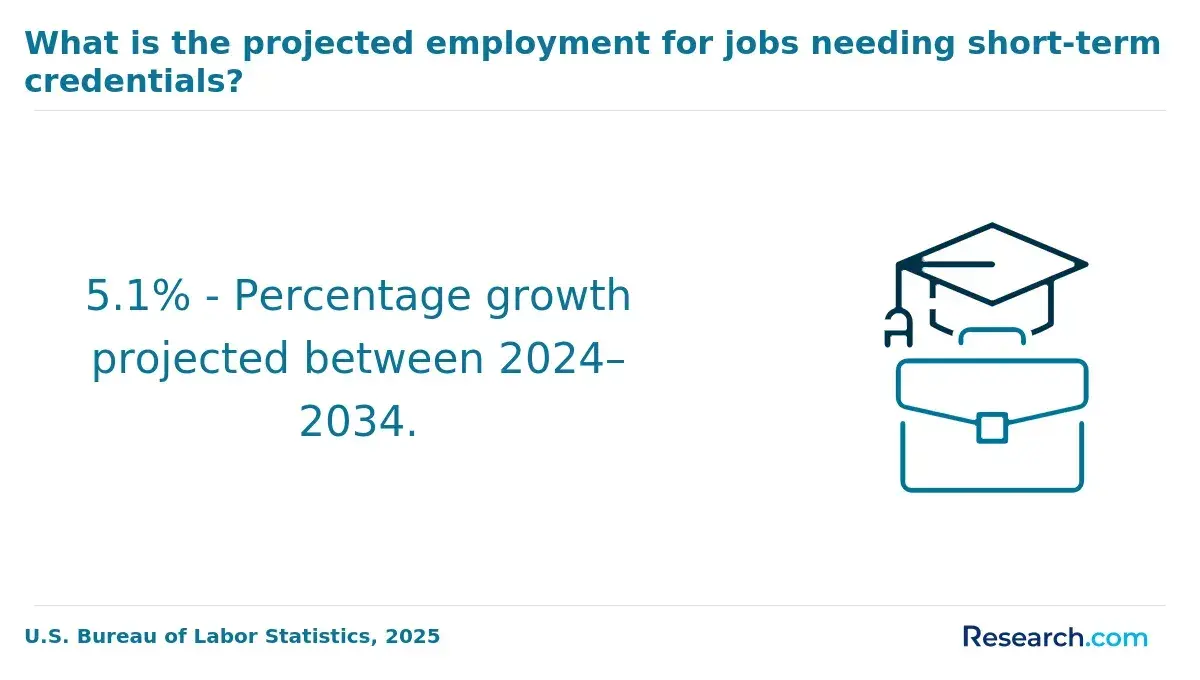
- Salary Differential: Median annual earnings for professionals holding a bachelor's degree in project management-related fields are around $75,000, based on Bureau of Labor Statistics and College Scorecard data. Those with master's degrees typically see a 15% to 25% increase, pushing median salaries to approximately $90,000-$95,000. Doctoral graduates, particularly those with research or professional doctorates, often command over $110,000, although these roles tend to be niche and less prevalent.
- Industry Impact: Graduate degrees pay off most significantly in sectors such as construction management, IT project management, and healthcare systems. Meanwhile, bachelor's credentials can suffice for top earnings in other domains that emphasize hands-on experience or certifications over advanced degrees.
- Credential-Gated Positions: Senior-level roles-like director of project management, program manager for complex government contracts, or chief project officer-usually require a master's or doctorate. These credentials are mandated by employers and licensing bodies due to the strategic leadership, regulatory compliance, and multifaceted skills involved. Along with degrees, certifications such as PMP or PgMP remain critical criteria.
- Time-to-Payoff: Prospective students must balance tuition expenses and opportunity costs against the expected salary bump. Master's programs, often completed within 1-2 years, can offer returns within 3-5 years post-completion in consistent-demand industries. Doctoral degrees require longer commitment, best suited to careers in academia, consultancy, or specialized leadership where higher compensation justifies the time investment.
Pathway Efficiency: For those with related bachelor's degrees-business, engineering, or IT-pursuing a master's is generally the fastest route to higher salaries. Career changers might leverage specialized master's programs for re-skilling but should rigorously evaluate program relevance and industry networking to optimize return on investment. Doctoral studies primarily benefit those targeting scholarly or policy-driven project management careers.
One professional who earned a project management degree recounted the challenges of balancing full-time work with graduate studies. "The most difficult part was managing late-night assignments while juggling project deadlines at work," he shared. "Yet, seeing the tangible salary increase and leadership opportunities after graduation made the effort worthwhile. Knowing when to invest in further education-aligned with your career stage and goals-really shaped my path forward."
Which Industries and Employers Pay Project Management Graduates the Most?
Several industries and employer types stand out for offering the highest-paying opportunities for project management graduates. Market dynamics, regulatory complexity, and organizational scale all shape compensation patterns within these sectors.
- Technology: Leading the wage spectrum, this sector rewards project managers who manage software development, IT infrastructure upgrades, or product deployments-especially within firms known for rapid innovation and competitive pressure.
- Construction and Engineering: Elevated pay arises from the sheer scope of infrastructure ventures and stringent regulatory oversight, creating demand for project managers able to navigate compliance and ensure safety on large-scale projects.
- Finance and Insurance: Organizations in this space entrust project managers with handling sensitive technology changes, compliance mandates, and risk assessments-skills that attract premium salaries due to the highly regulated environment.
- Healthcare and Pharmaceuticals: Rising requirements for clinical research coordination and regulatory expertise in these industries drive up wages, reflecting both talent scarcity and growing project complexity.
- Government and Defense: Compensation here tends to be competitive-particularly for those holding security clearances-owing to the high stakes and multifaceted nature of federal projects.
- Consulting and Professional Services: Firms offering business transformation and IT advisory services value project managers with diverse industry insight and strong client management abilities, resulting in lucrative pay packages.
- Self-Employment and Contracting: Veterans of the field who establish a strong reputation often command hourly or contract rates surpassing salaried roles, though with less predictable income.
Job title and academic achievement significantly influence salary within these fields. For instance, a project manager in technology holding a master's degree and PMP certification might earn upwards of $120,000 annually, while entry-level roles in nonprofit sectors could hover near $60,000. Industries like pharmaceuticals and government defense reward advanced credentials most generously, underscoring the importance of strategic credentialing.
To enhance salary prospects, one should focus on accumulating relevant skills-such as Agile methodologies in technology or regulatory compliance expertise in healthcare-and cultivating professional networks aligned with high-paying industries. Pursuing certifications alongside your online cybersecurity degree programs or equivalent credentials can further boost your marketability and earning potential on this competitive landscape.
What Geographic Markets Offer the Best-Paying Project Management Jobs?
High-paying project management roles cluster in metropolitan areas that combine strong employer demand with competitive wages adjusted for local living costs. According to adjusted BLS metropolitan wage data, several regions provide a balance of income and affordable living that enhances overall compensation value.
- San Francisco Bay Area: This tech-heavy locale offers top nominal salaries but carries a steep cost of living that diminishes real earnings despite premium pay.
- New York City Metro: Finance, media, and healthcare sectors here drive demand, and adjusted wages remain attractive due to high salaries linked to advanced certifications and graduate education.
- Seattle, Washington: Dominated by tech and aerospace industries, Seattle presents lucrative pay combined with a cost of living that supports a reasonable real income for project managers.
- Washington D.C. Metro: Federal agencies and consulting firms create demand, with adjusted salaries providing a favorable earning-to-expense ratio.
- Houston, Texas: Energy and infrastructure projects thrive here, and lower living costs elevate the true value of salaries earned.
- Denver and Boulder, Colorado: These innovation hubs in tech and renewable energy offer competitive pay alongside mid-level living expenses, attracting project managers seeking both income and lifestyle benefits.
The rise of remote and hybrid work arrangements is altering traditional geographic salary dynamics. While many IT, consulting, and engineering project management jobs can be performed remotely, enabling professionals to reside in lower-cost regions while accessing high-paying roles, some positions remain location-dependent due to licensing mandates, client interaction needs, or on-site facility requirements.
Choosing between relocation to a high-wage metro and pursuing remote opportunities from more affordable areas involves weighing adjusted salary potential, personal preferences, commuting considerations, and networking advantages. Such analysis helps project managers make strategically informed decisions about where and how to pursue their careers.
When discussing these dynamics with a professional who built her career after obtaining a project management degree, she reflected on her relocation process. Navigating the decision to move from a mid-sized city to a major metro was challenging-balancing the lure of higher pay against increased expenses and lifestyle changes. She recalled feeling uncertain at first but found that analyzing cost-of-living adjustments and job market demand clarified the benefits. Ultimately, she appreciated that embracing a hybrid work model gave her flexibility to negotiate better contracts while living in a nearby, less costly suburb. Her experience underscored how geographic flexibility, combined with informed financial assessment, can open rewarding pathways in project management careers.
How Do Professional Certifications and Licenses Boost Project Management Salaries?
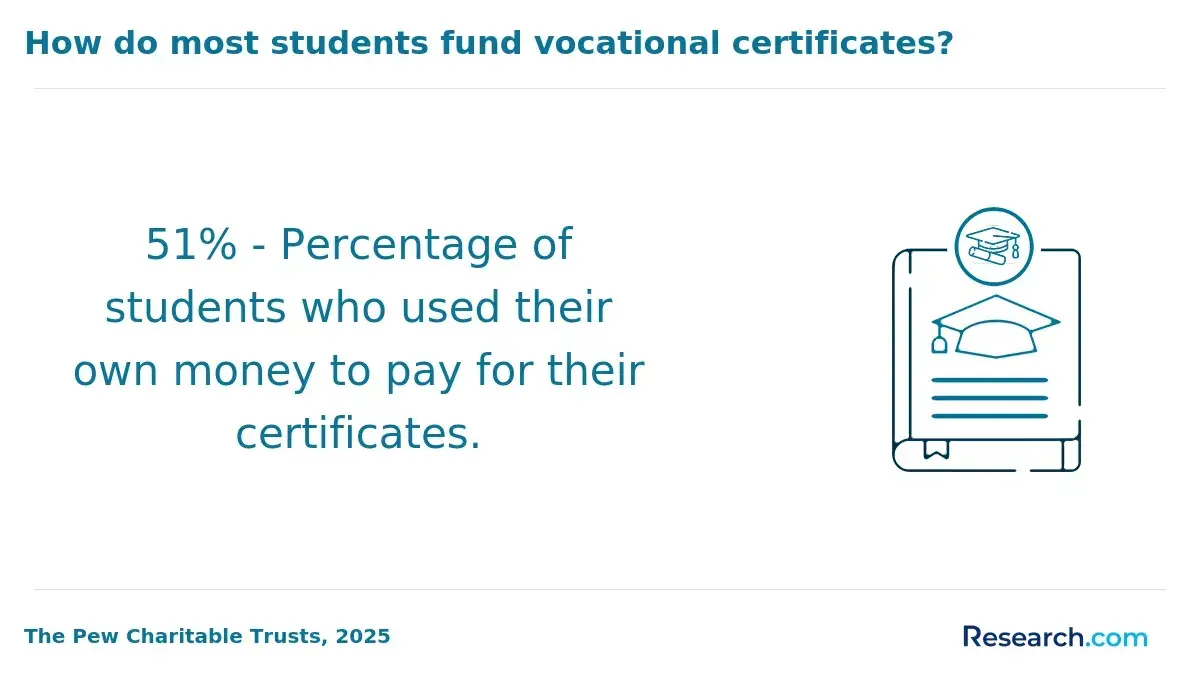
Professional certifications significantly enhance project management salaries, offering measurable financial benefits that complement formal degree qualifications. Surveys show certified project managers earn approximately 15% to 30% more than those without credentials, highlighting the monetary value of these certifications.
- PMP (Project Management Professional): This is the most recognized credential, requiring either a secondary degree with 7,500 hours of project leadership or a four-year degree with 4,500 hours, plus 35 hours of formal education. The certification exam covers five domains, including initiating and closing projects. Renewal demands 60 professional development units every three years. Exam fees range between $405 and $555. PMP holders typically see salaries about 20% higher than non-certified peers.
- CAPM (Certified Associate in Project Management): Targeted at beginners, this requires a high school diploma and 23 hours of project management education. The 150-question exam costs roughly $225 to $300. Renewal occurs every five years. Although salary increases are modest, CAPM improves employment prospects and serves as a stepping stone to PMP.
- PgMP (Program Management Professional): For senior professionals managing multiple projects, eligibility includes 6,000 hours in project management and 10,500 hours in program management over 15 years. The exam costs near $800, with three-year renewals requiring 60 PDUs. PgMP holders often earn 25% to 30% more than their uncertified counterparts.
- Employer Preferences: Certification requirements vary by industry-fields like IT and construction commonly favor PMP, while government positions might also mandate security clearances.
- Accreditation: It is crucial to ensure certifications come from ANSI- or NCCA-accredited bodies to avoid low-value credentials from unrecognized providers.
Share of Project Management Jobs by Sector (2025) in Percentage

What Is the Salary Trajectory for Project Management Professionals Over a Full Career?
Career earnings for project management professionals align closely with experience, credentials, and role specialization-data from the Bureau of Labor Statistics (BLS), Georgetown Center on Education and the Workforce, and industry compensation surveys confirm this pattern. The salary path unfolds through several key stages, each marking notable growth and shifts in responsibility.
- Entry-Level: Starting salaries for project management graduates range from modest to competitive compared with other business fields. During the first five years, wages typically rise steadily as professionals gain practical skills and on-the-job experience.
- Mid-Career Growth: Between five and ten years, salaries increase more rapidly, often doubling early-career earnings as professionals move into management roles or earn advanced certifications like the Project Management Professional (PMP). This stage signals a transition to strategic projects and leadership responsibilities.
- Specialization and Leadership: Focusing on high-demand industries-technology, healthcare, or construction-can substantially improve compensation. Additional leadership duties or business development roles further elevate earnings by demonstrating value beyond standard project delivery.
- Peak Career Earnings: Around 15 to 20 years into their careers, senior project managers and directors typically reach their highest salary levels. The wage premium is strongest for those holding graduate degrees or multiple professional certifications, illustrating the financial benefit of continuous education and credentialing.
- Strategic Decision-Making: Top earners pursue credential upgrades, expand professional networks, and transition into specialized or executive positions. These steps enhance reputation and influence, sustaining salary growth over time.
This nuanced salary trajectory reflects insights from BLS earnings data by experience, the Georgetown Center's lifetime earnings research, and industry compensation studies-offering realistic benchmarks for project management professionals at five-, ten-, and peak-career points.
Which Project Management Specializations and Concentrations Lead to the Highest-Paying Roles?
Among the highest-paying project management concentrations in the US, IT project management stands out due to the rapid growth of the digital economy and a shortage of professionals skilled in complex software development and cybersecurity projects. Construction project management also commands premium wages-driven by high financial stakes, regulatory compliance, and the critical need for on-time delivery in infrastructure projects. Healthcare project management benefits from strict regulations and evolving technologies, where leaders often manage large teams and multimillion-dollar budgets, contributing to strong salary growth. Aerospace and defense project management roles offer competitive compensation, reflecting technical complexity and security-clearance requirements.
Students deciding on top project management specializations for salary growth should analyze labor market data such as BLS wage reports and industry forecasts. Choosing concentrations aligned with sustained demand-rather than personal interest alone-maximizes long-term earnings. Employers often prefer interdisciplinary skills paired with certifications like PMP or Agile, which enhance salary potential across concentrations.
Those currently enrolled in general project management degrees can enhance future earnings by pursuing targeted internships, stacking certifications like Lean Six Sigma with PMP, or enrolling in specialized programs to enter high-paying niches without another degree. Some may also explore options like a blockchain degree when aligned with digital project management roles to expand expertise and career pathways.
- Return on Investment: Top online project management programs balance affordability with industry-recognized curriculum, enhancing employability in lucrative sectors.
- Certification Impact: Professional credentials increase salary potential markedly, especially when aligned with niche specialties.
- Market Adaptability: Specializing in sectors with talent shortages boosts negotiating power and career resilience.
How Does the Project Management Job Market's Growth Outlook Affect Long-Term Earning Stability?
The job market for project management professionals is projected to grow steadily over the next decade, according to U.S. Bureau of Labor Statistics (BLS) data. Key occupations-including construction managers, IT project managers, and engineering project specialists-are expected to see above-average employment increases as industries evolve and integrate new technologies. This positive trajectory supports long-term earning stability in project management careers.
- Demographic Demand: Rising population and a wave of retirements in the workforce are driving sustained need for skilled project managers capable of navigating complex initiatives.
- Technological Transformation: Digital platforms, automation, and data analytics are reshaping project management roles-elevating professionals into strategic coordinators rather than task supervisors.
- Automation Risk: This remains low for senior roles focused on leadership and decision-making, though entry-level coordination positions face higher automation threats.
- Outsourcing Risk: Some IT and manufacturing project coordination jobs are vulnerable to offshore relocation, reducing domestic availability.
- Budget Contraction: Economic downturns can limit corporate project funding, intensifying competition for lucrative positions.
- Credential Inflation: Employers increasingly demand advanced certifications or graduate degrees, raising barriers for entry-level candidates and emphasizing the importance of ongoing skill development. High-paying, stable opportunities align with roles exhibiting strong employment growth and low automation risk-construction project managers and IT project directors exemplify these traits. Differentiating between compensation rooted in stable demand versus wages elevated by market volatility or scarcity is critical for informed career planning. Positioning skills around emerging technologies, leadership, and certification credentials will help maintain competitiveness. Considering these factors alongside online interdisciplinary studies tuition costs will aid prospective students in evaluating the true worth of a project management degree in today's market. Integrating a credential-gated, salary-focused analysis of the project management job market growth trends provides a nuanced framework for assessing educational investments aligned with income goals and career longevity.
What Leadership and Management Roles Are Available to High-Earning Project Management Graduates?
Executive and leadership positions represent the apex of a project management career, including titles such as program manager, portfolio manager, director of project management, and chief project officer. These roles generally occupy mid-to-senior management levels, working closely with C-suite executives or serving on executive teams. While program and portfolio managers coordinate multiple projects, directors and chief project officers focus on strategic oversight and governance across the organization's project functions.
- Salary Premiums: Data from the Bureau of Labor Statistics reveals that professionals in project management leadership roles earn 30-50% more than individual contributors. For instance, median annual wages for project managers hover around $75,000, whereas directors and chief project officers often surpass $120,000 in compensation, reflecting their accountability for large budgets, timelines, and organizational success.
- Credential and Experience Profiles: Advancement requires solid professional certifications like the PMP and a minimum of 7-10 years of increasingly responsible experience. Many leaders also hold advanced degrees such as an MBA, which broaden business knowledge essential for managing interdisciplinary teams and company resources effectively.
- Career Pathways: Professionals commonly begin as project coordinators, progressing to project managers within 2 to 4 years. With senior certifications and leadership training, they move into program or portfolio management roles. Within 8 to 12 years, graduate education frequently enhances their qualifications for director or C-level positions.
- Strategic Career Decisions: To secure top-tier compensation and leadership roles, pursuing certifications early is crucial. Mid-career, obtaining an MBA or master's in project management boosts competitiveness. Ongoing development-including leadership workshops and industry networking-fast-tracks promotion and unlocks transformative career opportunities.
Which Emerging Project Management Career Paths Are Positioned to Become Tomorrow's Highest-Paying Jobs?
Rapid advances in technology and shifting regulatory landscapes are reshaping project management careers-creating high-demand roles with strong salary potential over the next decade.
- Agile and Digital Leadership: Expertise in agile frameworks like Scrum and SAFe will continue to be rewarded, as companies prioritize flexible delivery methods in technology-driven and product-centric sectors.
- Cybersecurity Project Management: Growing cyber risks and expanded security budgets increase the need for managers skilled in coordinating complex cybersecurity initiatives and regulatory compliance.
- Sustainability-Oriented Roles: Stricter environmental policies and corporate ESG goals drive opportunities for project managers leading energy transitions and carbon reduction efforts.
- Healthcare and Biotech Specializations: Expansion of personalized medicine and healthcare tech fuels demand for professionals familiar with life sciences regulatory environments-often commanding higher pay.
- Data and AI Management: Leadership in AI and data analytics projects requires both technical and ethical knowledge, with credentials in these areas boosting earning potential significantly.
To meet employer expectations, project management programs are integrating digital tools, cutting-edge methodologies, and industry-specific content. Supplemental certifications-such as agile credentials, cybersecurity badges, or sustainability boot camps-can provide a competitive advantage in these emerging fields.
However, pursuing niche roles involves uncertainty, since not all growth predictions materialize as anticipated. Candidates should weigh immediate benefits against long-term stability-focusing on roles with strong early mover advantages and proven market demand.
Remaining informed through professional bodies like PMI and labor market analytics platforms such as Lightcast and LinkedIn Economic Graph is vital for tracking evolving salary trends and opportunities in project management.
What Graduates Say About the Highest-Paying Jobs You Can Get With a Project Management Degree
- Dante: "After completing my online project management degree, I was amazed by the wage premium that graduates like me enjoy-it's included in almost every job offer I received. It's clear that earning the credential gives you a distinct edge in salary negotiations, especially when combined with professional certification. I personally found that becoming certified boosted my paycheck significantly, proving the tangible benefits of investing in these qualifications. This journey truly paid off in ways I hadn't initially expected."
- Collin: "Reflecting on my experience, one insight stands out: location truly matters. The industry and geographic factors can drastically alter earning potential in project management roles. Having a degree gave me the flexibility to pursue opportunities in high-paying regions where my credentials were recognized, and that strategic move made all the difference. It's not just what you know-but also where you apply that knowledge-that shapes your career earnings."
- Dylan: "Professionally speaking, I found that comparing the return on investment between a project management degree and alternative pathways was enlightening. While certifications and short courses offer value, the degree opened doors to senior roles that significantly outpaced those routes in compensation. The comprehensive education shaped my approach to complex projects and provided a solid foundation that employers highly value, making the degree a smart financial and career decision for me."
Other Things You Should Know About Project Management Degrees
In 2027, some of the highest-paying jobs for those with a project management degree include IT Project Manager, Construction Project Manager, and Engineering Project Manager. Salaries for these roles can range from $90,000 to $150,000 or more annually, depending on experience and location.
Entrepreneurship and self-employment allow project management graduates to leverage their skills by offering consulting services or managing their own projects and teams. This path can significantly increase earning potential by removing salary caps imposed by traditional employers. However, it requires strong networking, business development skills, and the ability to secure clients consistently.
Employer type has a notable impact on project management salaries. The private sector generally offers higher compensation, especially in industries like technology and finance. Public sector jobs tend to provide more stability and benefits but often come with lower pay. Nonprofits usually have the lowest salary ranges but may offer unique career experiences and intrinsic rewards.
Internships, practicums, and related early work experience greatly enhance starting salary prospects for project management graduates. These opportunities provide practical skills and demonstrate readiness to employers-qualities that often justify higher initial pay. Programs with strong placement support for hands-on experience tend to see better salary outcomes for their graduates.
References
- Salary with Project Management Degree + Masters vs Bachelors https://www.businessstudent.com/online-degrees/salary-outlook-with-project-management-degree/
- Top 10 Highest Paying Project Management Jobs 2025 https://www.knowledgehut.com/blog/project-management/highest-paying-project-management-jobs
- Top 10 High-Paying Project Management Jobs for 2024 https://www.study365.co.uk/high-paying-project-management-job-roles/
- Top MBA and PGDM College in Hyderabad, Telangana, India - IPE https://www.ipeindia.org/bachelors-masters-phd-management-degree-comparison/
- What Does a Project Manager Do? https://www.allbusinessschools.com/project-management/career-path/
- Study Reveals Key Trends for the Project Management's Future https://www.ebs.edu/en/study-reveals-key-trends-for-the-project-managements-future
- 5 Statistics on How the PMP Will Boost Your Salary & Career https://blog.iil.com/5-key-statistics-on-how-the-pmp-certification-will-boost-your-salary-and-career/
- What Jobs Can You Get with a Project Management Diploma? - MANCOSA https://www.mancosa.co.za/blog/what-jobs-can-you-get-with-a-project-management-diploma/
- Yes, project management offers growth, stability & rewards. https://www.icertglobal.com/blog/is-project-management-a-good-career-blog
- Exploring the Value of a Project Management Degree https://xmind.com/blog/project-management-degree