
2027 Which Communication Disorders Degree Careers Offer the Best Long-Term Salary Growth?

Co-Founder and Chief Data Scientist
Choosing a communication disorders career is not just a question of which role sounds meaningful. It is also a long-term earnings decision shaped by licensure requirements, graduate education, clinical setting, specialization, and the type of employer you target.
This field includes careers that support people with speech, language, swallowing, hearing, and related communication needs. Common paths include speech-language pathology, audiology, rehabilitation support, school-based services, clinical research, and administrative or leadership roles in healthcare and education.
Entry-level pay can be modest in some roles, but the broader outlook remains strong. Demand for skilled professionals in this area is expected to grow 16% from 2022 to 2032, outpacing many other health sectors. This guide explains which communication disorders degree careers tend to offer the strongest long-term salary growth, what drives earnings over time, and how to choose a path with better financial upside.
Key Benefits of Communication Disorders Degree Careers That Offer Long-Term Salary Growth
- Careers in communication disorders often see salary increases of 3%-5% annually, driven by rising demand and specialization in areas like speech-language pathology and audiology.
- Advanced certifications and accrued clinical experience directly contribute to salary growth, with seasoned professionals earning up to 40% more than entry-level counterparts.
- Long-term growth opportunities, including leadership and academic roles, enhance financial stability, supporting career advancement beyond traditional clinical practice.
Which Communication Disorders Careers Have the Highest Long-Term Salary Growth?
The communication disorders careers with the strongest long-term salary growth are usually those that require advanced clinical training, licensure, independent judgment, and the ability to serve complex patient or student populations. Speech-language pathologists and audiologists generally have the clearest paths to higher earnings because they can move into specialized practice, private practice, healthcare leadership, consulting, or supervisory roles.
Employment in speech-language pathology and audiology is projected to grow 21% from 2021 to 2031, which supports long-term opportunity for qualified professionals. Growth alone does not guarantee high pay, but it can improve bargaining power in regions or settings where demand exceeds supply.
- Speech-Language Pathologist: Speech-language pathologists often see steady salary growth as they gain clinical experience, complete licensure requirements, build caseload expertise, and specialize in areas such as swallowing disorders, pediatric language, neurological communication disorders, or augmentative and alternative communication. Earnings can also rise through school district salary schedules, hospital seniority, private practice, supervision, and program leadership.
- Audiologist: Audiologists can have strong long-term earning potential, especially when they build expertise in diagnostic audiology, hearing technology, vestibular assessment, cochlear implant services, private practice operations, or clinic management. The aging population and growing need for hearing health services can support demand, though earnings vary by employer type, region, and business model.
- Auditory and Speech Technician: Auditory and speech technicians may start with lower pay than licensed clinicians, but salary growth can improve with technical skill development, experience with testing equipment, supervisory responsibilities, and movement into more advanced healthcare or rehabilitation roles. This path can also help students decide whether to pursue graduate-level credentials.
For students comparing communication disorders degree careers with the highest salary growth, the main question is not only “Which job pays more?” but “Which path gives me room to advance?” Roles tied to licensure, specialization, leadership, and independent practice usually offer better long-term income mobility than support roles with limited advancement ladders.
Students considering adjacent allied health options may also compare admissions pathways across fields, including good nursing schools with high acceptance rates, when evaluating broader healthcare career options.
How Does Salary Growth Progress Over Time in Communication Disorders Careers?
Salary growth in communication disorders careers is usually gradual rather than dramatic. Most professionals increase their earnings by gaining experience, meeting licensure or certification requirements, developing specialized skills, changing settings, or moving into leadership roles.
Labor market studies indicate that those in speech-language pathology and audiology fields often see an average annual salary growth of about 3% to 5%. This pattern means the largest financial gains often appear over a full career, not in the first year after graduation.
Early-career professionals usually focus on supervised practice, clinical skill building, documentation, caseload management, and learning how to work within schools, hospitals, clinics, or rehabilitation settings. Raises may be modest at this stage because employers are still evaluating competence and productivity.
Mid-career growth tends to become more stable. Professionals may qualify for higher salary steps, take on more complex cases, mentor newer clinicians, supervise assistants, or specialize in high-need services. This is also when job changes can sometimes produce larger salary gains, especially when moving from lower-paying settings into medical, private practice, or leadership roles.
Late-career salary growth is often tied to seniority, reputation, administrative responsibility, ownership, consulting, research leadership, or advanced specialization. Professionals who plan intentionally for these transitions are more likely to improve long-term earnings than those who remain in the same role without expanding responsibilities.
Which Entry-Level Communication Disorders Jobs Lead to High-Paying Careers?
The best entry-level communication disorders jobs are the ones that build practical experience, expose graduates to licensed clinicians, and create a pathway toward advanced credentials. Starting salaries in this field typically range from $45,000 to $60,000 annually, but long-term growth depends heavily on whether the role leads to licensure, graduate study, specialization, or leadership.
- Speech-Language Pathology Assistant: This role provides direct exposure to therapy delivery under the supervision of a licensed speech-language pathologist. It can help graduates develop clinical judgment, documentation habits, and patient interaction skills before pursuing more advanced clinical roles.
- Audiology Aide: Audiology aides support hearing screenings, equipment preparation, patient flow, and basic clinic operations. This experience can be valuable for students considering doctoral-level audiology training or hearing healthcare careers.
- Rehabilitation Aide: Rehabilitation aides work with patients receiving therapy services, often in multidisciplinary environments. The role can help graduates understand recovery planning, patient communication, and team-based care, which are useful for later clinical or administrative advancement.
- Clinical Research Assistant: Research assistant roles can lead to stronger opportunities in academic medicine, university research, grant-funded projects, assistive technology development, or graduate study. This path is especially useful for students interested in evidence-based practice, data collection, and program evaluation.
The common mistake is treating an entry-level job as the final destination. A support role can be a smart starting point, but higher-paying communication disorders careers usually require a clear next step, such as graduate school, licensure, certification, a specialty area, or supervisory responsibility.
A new communication disorders graduate described the early stage this way: “Starting out, it was challenging to balance learning practical skills with understanding the broader impact.” He said the first tasks sometimes felt repetitive, but they helped build the confidence and judgment needed for advancement. “The process felt gradual, but each experience showed me how these entry roles truly set the stage for future career growth, both professionally and financially.”
What Industries Offer the Best Salary Growth for Communication Disorders Graduates?
The industries with the strongest salary growth for communication disorders graduates are typically those with high service demand, defined advancement systems, specialized patient needs, or funding structures that reward experience and credentials. Healthcare, education, research, and government roles each offer different trade-offs.
Healthcare employment is expected to increase by nearly 16% over the next decade, outpacing many other fields. For communication disorders professionals, that demand can support more openings in hospitals, outpatient clinics, rehabilitation centers, long-term care, and specialty practices.
- Healthcare: Healthcare settings often offer strong salary growth for clinicians who work with complex medical cases, swallowing disorders, neurological conditions, trauma recovery, hearing loss, or interdisciplinary care teams. Pay can be higher than in some school-based settings, but workloads, productivity expectations, and documentation demands may also be heavier.
- Educational Services: Schools may start at moderate pay levels, but salary schedules can provide predictable raises tied to years of service, credentials, contracts, and advanced degrees. School-based roles may appeal to professionals who value stable schedules, student-centered work, and public-sector benefits.
- Research and Development: Research organizations, universities, medical centers, and technology-focused teams can offer salary growth through funded projects, clinical innovation, assistive technology, speech and hearing science, and program leadership. This path may require strong research skills and, in some cases, advanced graduate training.
- Government and Public Administration: Federal, state, and public health agencies often use structured pay scales, defined benefits, and regular salary adjustments. Growth may be less flexible than private-sector compensation, but it can be more predictable for professionals who value stability.
Graduates should compare industries based on more than starting salary. A lower initial offer may be reasonable if the role includes benefits, tuition support, licensure supervision, predictable raises, or strong mentorship. A higher offer may be less attractive if it comes with limited advancement, high turnover, or weak professional development.
Students exploring allied health education options may also review admissions requirements in nearby healthcare fields, including nursing schools that do not require entrance exam, to compare how different healthcare careers structure entry and advancement.
What Factors Influence Long-Term Salary Growth in Communication Disorders Careers?
Long-term salary growth in communication disorders careers depends on a combination of credentials, experience, setting, geography, specialization, and career strategy. Two people with the same degree can have very different earnings after several years if one pursues high-demand specialties, leadership, or advanced credentials while the other remains in a limited-growth role.
- Experience Gain: Employers usually pay more for professionals who can manage complex cases, document accurately, collaborate with care teams, supervise others, and produce consistent outcomes. Experience matters most when it translates into stronger clinical independence or broader responsibility.
- Professional Networks: Relationships with supervisors, clinicians, professors, referral sources, and professional associations can lead to better jobs, mentorship, consulting opportunities, and leadership roles. Networking is especially valuable in specialized areas where openings may not be widely advertised.
- Location Influence: Salaries vary by region because of cost of living, local demand, school district funding, healthcare market competition, and state-level requirements. A higher salary in an expensive area may not always produce better real income, so graduates should compare pay against housing, commuting, and licensing costs.
- Career Advancement: Salary growth improves when professionals move into senior clinician roles, supervisory positions, department leadership, private practice, program coordination, consulting, or academic leadership. Advancement usually requires both technical competence and management ability.
- Economic and Policy Shifts: Changes in healthcare reimbursement, insurance coverage, school funding, disability services, telepractice rules, and public health priorities can affect hiring and compensation. Professionals who stay informed can adapt more quickly when demand shifts.
A professional with a Communication Disorders degree described her earnings path as gradual rather than immediate. Early in her career, she said, “It felt like I was investing a lot with little immediate return.” Over time, building trust with colleagues, accepting broader responsibilities, and adapting to healthcare policy changes helped her compensation improve. She described the process as “a steady climb that rewarded building trust and adapting to the evolving landscape.”

How Do Skills and Specializations Affect Salary Growth?
Skills and specializations can have a major effect on salary growth because employers pay more for professionals who can handle complex needs, reduce service gaps, support compliance, and improve outcomes. Generalist skills can get a graduate started, but specialized skills often create the strongest long-term income leverage.
Professionals with expertise in specific areas tend to earn 15-25% more than their generalist counterparts. The salary difference can widen over time when the specialization is tied to high demand, advanced certification, scarce expertise, or leadership responsibility.
- Clinical Specializations: Areas such as pediatric therapy, neurogenic disorders, swallowing disorders, fluency, voice, and augmentative and alternative communication can improve marketability. Specialized clinicians may qualify for roles that involve complex assessment, interdisciplinary care, or advanced intervention planning.
- Advanced Diagnostic Skills: Strong assessment skills can increase value in hospitals, specialty clinics, school evaluations, and audiology settings. Employers often need clinicians who can interpret results accurately, document defensibly, and recommend appropriate treatment plans.
- Leadership Opportunities: Specialized expertise can lead to supervisory roles, program development, caseload coordination, training responsibilities, or clinical management. These roles typically pay more because they combine clinical knowledge with operational responsibility.
- Interpersonal Soft Skills: Communication disorders work requires patient counseling, family education, cultural competence, collaboration with teachers or medical teams, and conflict management. These skills affect retention, referrals, patient satisfaction, and leadership readiness.
- Technological Proficiency: Telepractice tools, hearing technology, AAC devices, electronic documentation systems, and data-informed treatment planning can all strengthen employability. Technology skills are especially useful when employers expand remote services or invest in assistive communication tools.
The best specialization is not always the one that sounds most impressive. It should match employer demand, your preferred population, licensure rules, available supervision, and the kind of work you can sustain for years.
Do Advanced Degrees or Certifications Increase Long-Term Earnings?
Yes, advanced degrees and certifications can increase long-term earnings in communication disorders careers, especially when they are required for licensure, qualify a professional for independent clinical practice, or open access to leadership, research, academic, or specialized roles. However, the financial return depends on tuition cost, time out of the workforce, location, employer type, and the credential’s relevance to the target job.
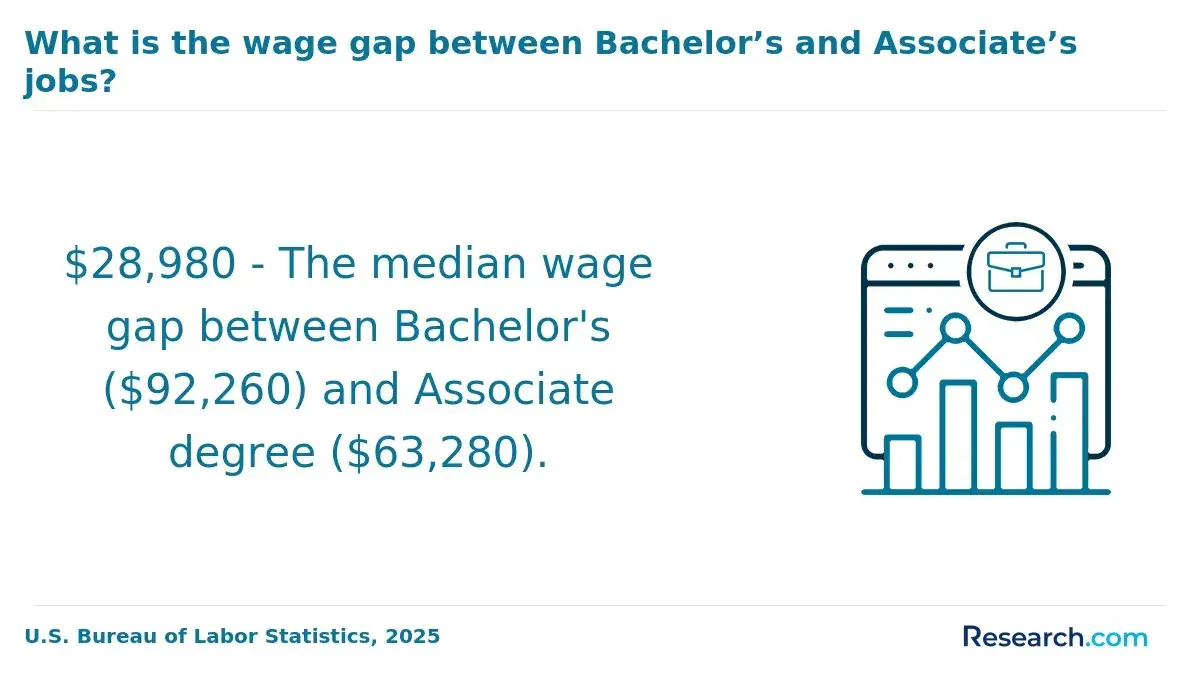
Those with master’s or doctoral degrees typically earn more than those with only a bachelor’s degree because many higher-paying clinical roles require graduate-level preparation. For students comparing cost and flexibility, slp programs online may be one way to research graduate options while weighing affordability, accreditation, and clinical placement requirements.
Certifications like the Certificate of Clinical Competence in Speech-Language Pathology (CCC-SLP) can also improve earning potential by supporting eligibility for advanced clinical positions. According to the American Speech-Language-Hearing Association, certified practitioners may earn between 10% and 25% more than non-certified peers over a 10-year span.
The value of advanced education is strongest when it aligns with a specific career outcome. A doctoral qualification may be especially useful for audiologists pursuing private practice, specialty care, or management. Doctoral study may also benefit professionals who want research, academic, or high-level administrative roles. By contrast, a credential that does not change licensure status, job eligibility, or advancement prospects may offer a weaker salary return.
Before enrolling, students should verify accreditation, clinical hour requirements, state licensure rules, certification eligibility, total program cost, and job outcomes. The right credential can raise lifetime earnings, but the wrong program choice can increase debt without improving career mobility.
How Does Job Stability Impact Long-Term Salary Growth?
Job stability can support long-term salary growth because communication disorders careers often reward accumulated experience, employer trust, licensure continuity, supervision history, and institutional knowledge. Staying employed consistently can also make it easier to qualify for raises, benefits, professional development, and promotions.
Research shows that employees with continuous job tenure can see about 10% higher wage growth over a decade compared to those with frequent job changes. In communication disorders roles, stable tenure may be especially useful in schools, hospitals, rehabilitation centers, and government agencies where pay steps, seniority, and benefits can build over time.
That does not mean professionals should never change jobs. Strategic job changes can improve pay when they lead to a higher-paying setting, a better geographic market, more responsibility, or stronger benefits. The key distinction is between intentional mobility and unstable job-hopping. Employers may view frequent unexplained moves as a risk, especially in roles that require continuity of care or long-term caseload management.
Stable employment can also help professionals build referral networks, gain access to employer-paid training, complete certification requirements, and earn supervisory trust. These factors can strengthen negotiating power later, whether the professional stays with the same employer or moves into a more advanced role.
For students seeking faster entry into stable allied health pathways, 1 year degree programs may be worth comparing with longer communication disorders pathways, depending on career goals and credential requirements.
What Are the Highest-Paying Career Paths After 10+ Years?
After 10+ years, the highest-paying communication disorders career paths usually combine clinical expertise with specialization, leadership, business responsibility, research productivity, or administrative authority. Experience alone helps, but the strongest salary growth typically comes from using that experience in higher-responsibility roles.
According to the American Speech-Language-Hearing Association (ASHA), speech-language pathologists with 10+ years of experience earn median salaries approximately 20-30% higher than those in early-career stages. This makes the 10-year mark an important point for reassessing whether your current role still offers growth.
- Senior Clinical Roles: Experienced speech-language pathologists who specialize in pediatric therapy, neurological therapy, swallowing disorders, voice, fluency, or AAC may command stronger compensation because they can manage complex cases and support less experienced clinicians.
- Clinical Management: Clinical managers, department heads, and program coordinators oversee staffing, quality, documentation, compliance, scheduling, and patient care systems. These responsibilities often produce higher pay than direct-service roles alone.
- Academic Leadership: Professors, research directors, and program leaders in communication disorders may earn competitive salaries through teaching, grant-funded research, clinical training, and assistive technology development. This route usually requires advanced academic preparation and a strong publication or research profile.
- Healthcare Administration: Experienced clinicians who move into healthcare administration, consulting, policy, or service-line management can use their clinical background to guide programs, improve access, manage budgets, or develop care models. These roles may offer strong compensation but require business, leadership, and systems-level skills.
The best-paying path after 10+ years is usually not accidental. Professionals who earn more over time tend to document outcomes, pursue high-demand specialties, accept leadership assignments, learn billing or reimbursement systems, and remain open to moving into settings with more growth potential.
Those comparing broader allied health advancement options may also review the best online radiology tech programs to understand how salary ladders differ across healthcare careers.
How Do You Choose a Communication Disorders Career Path With Strong Salary Growth?
To choose a communication disorders career path with strong salary growth, start with the end role you want, then work backward through the required degree, licensure, certification, supervised experience, setting, and specialization. Salary growth is strongest when your education directly supports roles with clear advancement and sustained demand.
Salary differences within this field can be substantial. Speech-language pathologists’ annual incomes range widely, reflecting differences in employer type, location, specialty, experience, and leadership responsibility. A good career choice should balance earning potential with work setting, patient population, training cost, and long-term fit.
- Demand Trends: Look for roles with consistent or rising demand in your target region. National growth can be encouraging, but local school districts, hospitals, clinics, and state agencies determine actual hiring conditions.
- Role Progression Patterns: Favor careers with visible advancement steps, such as assistant to licensed clinician, clinician to senior specialist, or clinician to manager. If a role has no clear next step, salary growth may flatten.
- Long-Term Earning Potential: Compare starting pay, mid-career pay, senior roles, benefits, and opportunities for private practice or leadership. A role with moderate starting pay may still be valuable if it has strong long-term advancement.
- Geographic Influences: Review state licensure requirements, local demand, cost of living, and salary norms. A higher wage in one city may not be better after housing and commuting costs.
- Industry Variations: Healthcare, education, research, government, and private practice each have different salary structures. Choose the setting that fits both your financial goals and preferred work environment.
A practical approach is to interview professionals already working in your target setting, review licensure rules before enrolling, compare program costs carefully, and ask employers what credentials they reward. Students comparing communication disorders with other movement, rehabilitation, or health-related fields may also review kinesiology programs to understand how career outcomes differ.
What Graduates Say About Communication Disorders Degree Careers That Offer Long-Term Salary Growth
- : "Choosing a degree in communication disorders was one of the best decisions I made. The ROI has been impressive—not just financially, but in terms of personal satisfaction. I’ve seen firsthand how this field offers stable growth and meaningful work, which makes the investment truly worthwhile. —Isla"
- : "Reflecting on my journey, the communication disorders degree opened doors I hadn’t imagined. The long-term salary growth potential in this career is significant, especially as demand for skilled professionals continues to rise. Beyond the numbers, it’s rewarding to make a tangible difference in people’s lives every day. —Carson"
- : "Professionally, graduating in communication disorders has been invaluable. It provides a strong foundation for career advancement in diverse settings, leading to promising salary increases over time. I recommend this path to anyone committed to a career that combines both impact and financial stability. —Quinn"
Other Things You Should Know About Communication Disorders Degrees
Communication disorders professionals with the best long-term salary growth often work in diverse settings such as hospitals, private clinics, universities, and corporate environments. Positions in medical centers or specialized rehabilitation facilities generally offer higher salaries. Private practice can also provide substantial income potential but may require entrepreneurial skills and business management.
Continuing education is crucial for long-term salary growth in communication disorders careers. Advanced certifications, specializations, and attending professional workshops can lead to higher earning potential by making professionals more competitive and qualified for senior roles or specialized positions with better pay in 2027.
Yes, salary growth varies by region due to demand, cost of living, and funding availability. Urban areas with extensive healthcare networks or educational institutions often offer higher wages. Some rural or underserved regions may provide loan forgiveness or incentive programs but might have slower salary growth long-term.
Leadership and administrative roles typically result in noticeable salary increases. Professionals who move into management, program coordination, or director positions often see higher compensation than clinical-only roles. These positions also allow communication disorders graduates to influence service delivery and organizational strategy, adding value beyond direct client care.
References
- How to Choose Your Speech Pathologist Career Setting https://speechpathologymastersprograms.com/speech-pathology-careers/slp-work-settings/how-to-choose-your-speech-pathologist-career-setting/
- How to Choose the Right Clinical Career Path A Guide by Specialty - MedicsPro https://www.medicspro.com/blog/how-to-choose-the-right-clinical-career-path-a-guide-by-specialty
- Is Speech Pathology a Good Career? https://www.speechpathologygraduateprograms.org/blog/should-i-be-a-slp/
- 3 Tips to Consider When Choosing Your CSD Career Path - NSSLHA Blog https://blog.nsslha.org/2022/05/10/3-tips-to-consider-when-choosing-your-csd-career-path/
- 5 Great Jobs in Communication Sciences and Disorders https://www.topeducationdegrees.org/lists/5-great-jobs-in-communication-sciences-and-disorders/
- Speech Pathologist Salary and Career Outlook https://teach.com/online-ed/healthcare-degrees/online-masters-speech-language-pathology/career-salary/


