
2027 Communication Disorders Degree Careers That Do Not Require Graduate School

Co-Founder and Chief Data Scientist
A bachelor's degree in communication disorders can open doors, but it does not qualify graduates for every role in speech, language, hearing, or swallowing services. The main decision is whether to enter the workforce now in a support, education, healthcare, research, or community role, or continue to graduate school for clinical licensure and broader practice authority.
Some positions, such as speech-language pathology assistants, rehabilitation aides, classroom support roles, and care coordination jobs, may welcome bachelor's degree holders. Many clinical and specialized roles, however, require graduate education, supervised clinical hours, certification, state licensure, or a combination of these requirements. Approximately 60% of communication disorders graduates pursue further training to meet licensure or advanced practice standards.
This guide explains what you can realistically do with a communication disorders degree without graduate school, which roles may pay more, what skills employers value, how to strengthen your qualifications, and when skipping graduate school may limit your long-term options.
Key Things to Know About the Communication Disorders Careers That Do Not Require Graduate School
- Many communication disorders careers allow direct workforce entry with a bachelor's degree, especially in assistant roles, rehabilitation support, and administrative positions.
- Employers often prioritize practical skills, certifications, and relevant internships over graduate-level degrees for access to entry-level communication disorders jobs.
- Hands-on experience and clear demonstration of competencies frequently outweigh advanced academic credentials, fostering accessible career paths that still support meaningful long-term growth.
What Career Paths Can You Pursue with a Communication Disorders Degree Without Graduate School?
With a bachelor's degree in communication disorders, you can pursue support, coordination, education, outreach, and administrative roles that use your knowledge of speech, language, hearing, development, and disability services. Approximately 35% of communication disorders degree holders begin their careers without pursuing graduate education, often in jobs that place them near clinical or educational services without making them independent clinicians.
The most important distinction is scope of practice. A bachelor's degree may qualify you to support licensed professionals, coordinate services, educate families, manage records, or assist clients in structured settings. It typically does not qualify you to diagnose communication disorders, independently provide speech-language pathology services, or practice as an audiologist.
- Rehabilitation Specialist: Rehabilitation specialists help clients work toward functional goals in community, residential, or healthcare-adjacent settings. Communication disorders graduates may be well prepared to support people with cognitive, language, developmental, or acquired communication challenges, especially when the role includes documentation, coaching, and interdisciplinary teamwork.
- Preschool Educator: Early childhood programs value employees who understand language milestones, developmental delays, and family communication. Depending on state and employer requirements, graduates may work as preschool teachers, assistant teachers, classroom aides, or early learning support staff.
- Behavioral Health Technician: These roles involve supporting people with developmental, behavioral, or mental health needs. A communication disorders background can help with behavior plans, social communication support, caregiver interaction, and consistent documentation.
- Communication Assistant: In schools, clinics, or therapy offices, communication assistants may prepare materials, schedule sessions, track progress notes, support clients under supervision, or help maintain therapy equipment. Requirements vary, and some employers distinguish this role from a regulated speech-language pathology assistant position.
- Case Manager: Case managers coordinate services, communicate with families and providers, document client needs, and help people navigate healthcare, disability, education, or social service systems. This path suits graduates who want client-facing work without pursuing direct clinical practice.
Graduates who want a quicker healthcare entry route may also compare adjacent training options, such as a medical assistant accelerated program, especially if they are interested in patient care operations, intake, scheduling, and clinical office support.
What Are the Highest-Paying Jobs for Communication Disorders Degree Graduates Without a Graduate Degree?
The highest-paying options for communication disorders graduates without a graduate degree are usually not independent clinical roles. They tend to be regulated assistant roles, technical hearing-related jobs, healthcare coordination positions, rehabilitation support roles, or program administration jobs where employers value communication expertise, documentation accuracy, and client service skills.
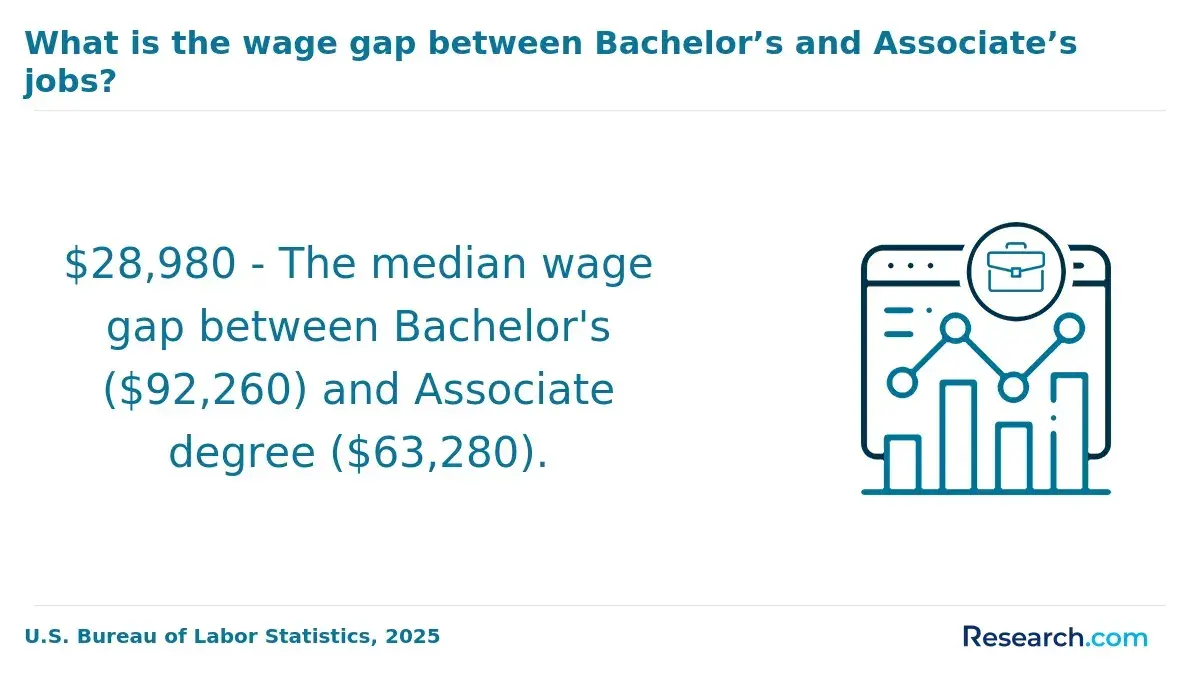
According to the U.S. Bureau of Labor Statistics, the median annual wage for related positions with only a bachelor's degree typically ranges from $50,000 to $70,000 or more depending on geographic location and industry. Actual pay can vary widely based on state rules, employer type, union status, certification, experience, and whether the role is in a school, hospital, private practice, nonprofit, or government agency.
- Speech-Language Pathology Assistant: Speech-language pathology assistants support licensed speech-language pathologists by carrying out assigned tasks within the limits allowed by the state and employer. This can be one of the more direct uses of a communication disorders degree, but requirements vary significantly by state, and some roles require registration, licensure, supervision, or specific coursework.
- Hearing Aid Specialist: Hearing aid specialists work with hearing devices, fittings, customer education, and follow-up support. This pathway can be attractive for graduates interested in hearing healthcare, technology, and client counseling, though state licensing and training requirements should be checked before applying.
- Rehabilitation Specialist: Rehabilitation roles can offer stronger pay when they involve complex caseloads, healthcare documentation, interdisciplinary coordination, or work with adults recovering from injury, illness, or neurological conditions.
- Case Manager in Healthcare or Social Services: Case managers who understand communication barriers can be valuable in disability services, Medicaid-related programs, rehabilitation agencies, and healthcare systems. Pay often improves with experience, specialized populations, and supervisory responsibilities.
- Education or Program Coordinator in Special Education: Program coordinators help organize services, training, family communication, compliance paperwork, and student support initiatives. These roles may pay more than classroom aide positions because they combine administrative responsibility with subject-matter knowledge.
When comparing higher-paying roles, look beyond the posted salary. Check whether the job requires travel, evening hours, productivity targets, state credentials, unpaid onboarding, or a narrow scope that may limit advancement.
What Skills Do You Gain from a Communication Disorders Degree That Employers Value?
A communication disorders degree builds a mix of human service, scientific, analytical, and communication skills. Those skills transfer well to healthcare, education, disability services, research support, customer success, training, and public-facing roles. According to recent research, 92% of employers emphasize transferable skills as a critical factor in hiring decisions, which makes it important to describe your degree in employer-friendly language.
Instead of saying only that you studied speech and language, connect your coursework to workplace tasks: interviewing, observation, documentation, accessibility, behavior support, data tracking, family communication, and problem solving.
- Effective Communication: Graduates learn how people understand, produce, and process language. Employers value that background in roles requiring active listening, clear explanations, client education, conflict reduction, and collaboration with families or care teams.
- Critical Thinking: Communication disorders programs require students to interpret symptoms, developmental patterns, assessment concepts, and case information. That training supports decision-making in jobs where employees must notice patterns, prioritize needs, and escalate concerns appropriately.
- Interpersonal Skills: Working with people who have communication differences requires patience, empathy, cultural awareness, and professionalism. These qualities matter in schools, clinics, social services, outreach programs, and customer-facing healthcare roles.
- Organizational Skills: Many communication-related jobs involve schedules, records, consent forms, progress notes, service plans, referrals, and follow-up. Employers value graduates who can manage details without losing sight of the client experience.
- Technological Proficiency: Coursework and field experiences may introduce students to screening tools, documentation systems, therapy materials, telehealth platforms, hearing technology, or assistive communication tools. Even basic familiarity can shorten training time in entry-level roles.
A graduate shared that early in their career, strong communication and problem-solving abilities helped them respond to unexpected workplace challenges: "I quickly realized that being able to listen carefully and adapt solutions made a real difference in meeting client needs." That is the practical advantage of the degree: it prepares graduates to observe carefully, communicate respectfully, and adjust support to the person in front of them.
What Entry-Level Jobs Can Communication Disorders Graduates Get with No Experience?
Communication disorders graduates with no professional experience should look for roles that provide supervision, structured training, and exposure to the populations they may want to serve long term. Nearly half of communication disorders graduates find entry-level positions soon after earning their bachelor's degree, often without prior professional experience.
For a first job, the goal is not only pay. It is also to build credible experience with documentation, client interaction, education systems, healthcare workflows, disability services, or research methods. Those experiences can later support promotion, certification, or graduate school applications if you decide to continue.
- Rehabilitation Aide: Rehabilitation aides assist with patient flow, materials, equipment setup, scheduling, and basic support tasks. These roles are useful for graduates who want exposure to therapy environments while working under licensed or experienced staff.
- Administrative Assistant: Administrative roles in speech clinics, audiology offices, hospitals, early intervention agencies, and school programs can help graduates learn terminology, insurance processes, scheduling, referrals, and family communication.
- Research Assistant: Research assistants may recruit participants, enter data, organize study materials, help with literature reviews, or support lab operations. This is a strong option for graduates considering future graduate study or policy-oriented work.
- Community Outreach Worker: Outreach workers help connect families, schools, agencies, and community members with services. Communication disorders graduates can use their background to explain communication needs clearly and respectfully to diverse audiences.
Entry-level applicants should tailor each resume to the setting. For schools, emphasize child development, classroom support, and family communication. For healthcare, emphasize documentation, confidentiality, scheduling, patient interaction, and teamwork. For research, emphasize coursework, data accuracy, writing, and reliability.
Graduates who later want to move toward leadership in healthcare settings may consider options such as a healthcare administration masters, but entry-level work can help clarify whether administration is the right direction before committing to another degree.
What Certifications and Short Courses Can Boost Communication Disorders Careers Without Graduate School?
Certifications and short courses can make a bachelor's-level communication disorders graduate more competitive, but they should be chosen carefully. The best credential is one that matches a specific job target, meets employer or state requirements, and can be completed without creating unnecessary debt. According to recent data, more than 60% of employers prioritize industry-specific certifications when hiring.
Before enrolling, verify eligibility rules, exam requirements, renewal fees, supervised experience requirements, and whether the credential is recognized in your state or industry. Some credentials may require education or experience beyond a bachelor's degree, so do not assume every certification is immediately available.
- Certified Rehabilitation Counselor (CRC): This credential is associated with rehabilitation counseling and may be relevant to long-term career goals in disability and vocational services. Graduates should review current eligibility requirements before planning around it.
- Assistive Technology Professional (ATP): ATP-related training can strengthen knowledge of communication devices, accessibility tools, and adaptive technology. This can support roles in schools, rehabilitation, equipment vendors, and disability services, though certification requirements should be checked carefully.
- ASHA Support Personnel Certification: This pathway may be relevant for graduates pursuing assistant-level work under speech-language pathology or audiology supervision. Requirements can vary by role and state, so candidates should compare professional certification rules with local licensure or registration requirements.
- Basic or American Sign Language (ASL) Courses: ASL coursework can broaden communication access and improve employability in schools, community programs, healthcare front desks, and disability services. Short courses are especially useful when paired with practical experience.
- Health Communication Certificate: Health communication training can help graduates move into patient education, outreach, care coordination, public health messaging, or healthcare customer support.
A professional with a Communication Disorders degree shared that pursuing the ATP certification was challenging but rewarding. They described learning to navigate complex assistive technologies as demanding yet inspiring, explaining, "It pushed me to deepen my understanding beyond coursework." The experience opened doors to technical roles they had not anticipated and helped them build confidence without immediately pursuing graduate study.
Which Industries Hire Communication Disorders Graduates Without Graduate Degrees?
Communication disorders graduates are hired in more than speech clinics. Recent studies indicate that around 30% of these graduates work in non-clinical fields that welcome bachelor's degree holders. The strongest opportunities are usually in industries that need employees who understand communication barriers, disability services, developmental needs, documentation, and client support.
When evaluating an industry, ask three questions: Does the role require licensure? Will you work under supervision? Does the job build experience that supports your next step? These questions help separate realistic bachelor's-level jobs from roles that sound relevant but require graduate credentials.
- Healthcare Administration: Hospitals, outpatient centers, rehabilitation clinics, audiology offices, and specialty practices may hire graduates for intake, patient coordination, scheduling, care navigation, insurance support, and client education roles.
- Educational Support: Schools, early childhood centers, special education programs, and after-school organizations hire graduates as classroom aides, instructional assistants, program assistants, and student support staff. These jobs can be especially useful for graduates considering school-based work in the future.
- Corporate Health Communication: Companies that sell healthcare products, hearing technology, assistive communication tools, educational materials, or patient engagement platforms may need employees who can translate technical ideas into clear customer or training content.
- Community Services: Nonprofits, government agencies, disability service providers, and family resource centers hire graduates for outreach, intake, advocacy support, service coordination, and public education.
- Research Support: Universities, hospitals, public health projects, and research labs may hire bachelor's-level graduates for participant coordination, data entry, project support, and study administration.
Industry choice affects both income and advancement. Schools may offer mission-driven work and schedule stability. Healthcare settings may provide stronger exposure to interdisciplinary teams. Corporate roles may offer remote or hybrid options. Community services may provide broad client experience but can involve heavier caseloads.
What Freelance, Remote, and Non-Traditional Careers Are Available for Communication Disorders Graduates?
Remote and non-traditional roles can be useful for communication disorders graduates who want flexibility, live far from major healthcare or school employers, or prefer writing, coordination, technology, or customer education over direct service. These roles generally do not replace licensed clinical practice, but they can use the same knowledge base in different ways.
For instance, a 2023 report by the Freelancers Union and Upwork found that about 40% of skilled freelancers with bachelor's degrees in health-related fields, including communication disorders, primarily work remotely. That reflects a broader shift toward project-based, virtual, and distributed work, especially in education technology, healthcare communication, and digital support services.
- Distributed Telepractice Services: Graduates may support telepractice operations by scheduling clients, preparing materials, troubleshooting technology, managing documentation, or assisting with supervised service workflows. They should avoid roles that ask them to provide clinical services outside their credentials.
- Digital Content Development: Freelancers can create plain-language educational materials, blog posts, lesson resources, parent handouts, training slides, or accessibility-focused content for schools, clinics, nonprofits, and health companies.
- Project-based Contract Work: Contract roles may include outreach campaigns, training modules, resource libraries, survey administration, or program coordination. These can help graduates build a portfolio and test different industries.
- Virtual Assistant Roles within Communication Services: Remote administrative support for therapy practices, audiology clinics, consultants, or educational service providers can build experience with scheduling, client communication, billing workflows, and documentation.
- Online Peer Support and Community Moderation: Moderating communities related to disability, caregiving, education, or communication needs can develop skills in respectful communication, escalation, resource sharing, and community safety.
Freelance graduates should be cautious about scope, confidentiality, and claims. Do not market yourself as a speech-language pathologist, audiologist, therapist, diagnostician, or clinical provider unless you hold the required credentials. Market the services you can provide: writing, coordination, education support, accessibility review, customer support, or operations assistance.
How Can You Build a Career Without Graduate School Using a Communication Disorders Degree?
Building a career without graduate school requires a deliberate plan. A bachelor's degree gives you a foundation, but your first few roles should help you gain supervised experience, document measurable accomplishments, and clarify whether you want to stay in support roles, move into administration, specialize through certification, or eventually pursue graduate study.
Data shows that about 60% of graduates secure employment related to their field within the first year after graduation. To improve your odds, focus your job search on roles that match bachelor's-level qualifications rather than applying only to clinical positions that require a master's degree, certification, or licensure.
- Choose a target setting: Decide whether you want to start in schools, healthcare, rehabilitation, research, community services, or corporate health communication. A focused search is usually more effective than applying broadly to every communication-related job.
- Translate your degree into employer language: Use resume phrases such as client communication, developmental knowledge, documentation, accessibility, data collection, family support, scheduling, case coordination, and interdisciplinary teamwork.
- Build experience close to licensed professionals: Roles that place you near speech-language pathologists, audiologists, occupational therapists, teachers, psychologists, nurses, or social workers can teach you how service systems operate.
- Add targeted training: Short courses in ASL, assistive technology, health communication, data management, special education support, or medical terminology can make your application more practical.
- Track outcomes: Keep records of caseload support, materials created, families served, schedules managed, reports completed, training delivered, or systems improved. These details help with promotions and future applications.
Some graduates also use flexible education options, including self paced bachelor's degree programs, to strengthen related skills while working. If your long-term goal becomes licensed speech-language pathology, compare prerequisites, clinical placement expectations, accreditation, and total cost before choosing an online slp program.
What Are the Pros and Cons of Skipping Graduate School for Communication Disorders Careers?
Skipping graduate school can be a smart choice if you want to earn income sooner, avoid immediate graduate debt, test the field before committing, or pursue non-clinical roles. It can also limit access to independent clinical practice, higher-level specialization, and positions that require certification or state licensure. Recent data indicates that about 60% of entry-level applicants for clinical communication disorders jobs without graduate degree hold or pursue advanced degrees, which shows how competitive clinical-facing pathways can be.
The decision should be based on your career target, not only on whether you are tired of school. If you want to diagnose and treat communication disorders independently, graduate school is usually central to that path. If you want education support, rehabilitation assistance, healthcare coordination, outreach, research operations, or communication-focused administration, entering the workforce first may be reasonable.
- Early Workforce Entry: You can start earning income, build professional references, learn workplace systems, and test whether you enjoy direct service, administration, research, or education support.
- Lower Immediate Education Cost: Delaying or avoiding graduate school can reduce short-term borrowing and give you time to make a more informed decision about advanced education.
- Career Exploration: Bachelor's-level work can help you discover which populations and settings fit you best before making a major academic and financial commitment.
- Opportunity Costs: Without graduate education, you may be excluded from many clinical, diagnostic, supervisory, and specialized roles. Over time, that can affect salary growth and professional autonomy.
- Long-Term Progression Limitations: Some large institutions, school systems, hospitals, and selective practices may reserve higher-responsibility roles for candidates with advanced credentials.
- Credential Complexity: Assistant-level, hearing-related, rehabilitation, and education roles can have state-specific rules. Skipping graduate school does not always mean skipping additional requirements.
For students who want to strengthen science preparation before moving into advanced health or clinical education, an accelerated biology degree may be relevant, depending on the intended career path and prerequisite needs.
What Are the Real-World Career Outcomes and Job Market Trends for Communication Disorders Graduates?
Real-world outcomes for communication disorders graduates without graduate school are mixed but viable. Many graduates find work in support, education, administrative, outreach, research, or coordination roles. Employment trends indicate that a majority fall into mid- to lower-tier salary brackets, earning between $35,000 and $50,000 annually, reflecting the accessibility and volume of these positions.
The strongest outcomes usually come from combining the degree with practical experience, location flexibility, state-recognized assistant credentials where available, and targeted skills such as ASL, assistive technology, healthcare documentation, or data coordination. Graduates who rely only on the degree title may struggle because employers may not immediately understand what a communication disorders bachelor's degree prepares someone to do.
Several job market trends matter for this major:
- Support roles remain important: Schools, clinics, and community agencies need staff who can help licensed professionals, manage communication with families, and keep services organized.
- Clinical roles remain credential-driven: Many direct diagnostic and treatment roles require graduate education, supervised clinical experience, certification, and licensure.
- Healthcare and education systems value coordination: Graduates who can manage records, referrals, schedules, and client communication may find stable entry points.
- Technology is expanding options: Assistive communication tools, telepractice operations, digital education, and health communication platforms create adjacent roles for graduates who are comfortable with technology.
- Location affects opportunity: State regulations, school district staffing models, healthcare systems, and local demand can all shape which jobs are available.
Candidates considering a broader healthcare transition may also research pathways such as direct entry MSN programs for non nurses online, especially if their interests shift toward nursing, care leadership, or clinical healthcare roles outside communication disorders.
What Graduates Say About Communication Disorders Careers Even Without Pursuing Graduate School
- Mordechai: "Graduating with a communication disorders degree gave me unexpected advantages in the workforce. While I chose not to continue with graduate school, the foundational skills I acquired enabled me to secure a role in educational support services quickly. Reflecting on it, the degree prepared me well to communicate effectively and understand diverse client needs without further advanced study."
- Casen: "Starting out with only a communication disorders undergraduate degree was challenging but rewarding. I often remind myself that the real-world communication and critical thinking skills I developed helped me thrive in customer relations and community outreach roles. I appreciate how the program equipped me with practical knowledge that employers valued, even though I didn't pursue a graduate path."
- Walker: "My experience shows that a communication disorders degree can be powerful beyond clinical settings. Although I didn't attend graduate school, the degree was instrumental in launching my career in healthcare administration. Employers recognized my ability to analyze communication challenges and implement solutions, which often comes from deep academic exposure paired with practical application."
Other Things You Should Know About Communication Disorders Degrees
Advancement is possible through gaining experience, obtaining relevant certifications, and demonstrating strong interpersonal and organizational skills. Some employers offer on-the-job training or promote employees who show initiative and proficiency in supporting therapy programs.
School districts often employ communication aides and paraprofessionals to assist licensed therapists. Rehabilitation centers, nursing homes, and non-profit organizations also hire individuals for support roles that do not require a graduate degree but benefit from an understanding of communication disorders.
Yes, there are several volunteer opportunities that can enhance experience in communication disorders for those without graduate school. Volunteering at speech and hearing clinics, participating in literacy programs, or assisting in special education classrooms are valuable ways to gain experience and make connections in the field.
References
- Communication Disorders Degree Guide: Programs & Careers https://www.speechpathologygraduateprograms.org/blog/what-can-you-do-with-a-communication-disorders-degree/
- What Can You Do with a Bachelor’s in Speech Pathology? https://speechpathologymastersprograms.com/speech-pathology-programs/bachelors-speech-pathology/what-can-you-do-with-bachelors-speech-pathology/
- 12 Alternative Careers for Speech Pathologists (SLPs) https://thenonclinicalpt.com/alternative-careers-speech-pathologists-slps/
- Best Bachelor’s Degree for Speech Pathology: Guide for Future SLPs - California Speech Pathology https://californiaspeechpathology.org/best-bachelors-degree-for-speech-pathology/
- pioneer-healthcare.com: Verifying that you are not a robot... https://pioneer-healthcare.com/blog/exploring-the-future-speech-language-pathologist-job-outlook/
- Interested in a Career in Speech-Language Pathology? Here Are 8 Skills You’ll Need. https://www.crosscountry.com/blog/interested-in-a-career-in-speech-language-pathology
- Your Guide to SLP Certifications and Specialties https://otpotential.com/blog/slp-certifications-and-specialties
- 8 Remote Flexible Non Clinical Roles for SLPs https://www.alternativehealthcarecareers.com/blog/8-remote-flexible-roles-for-slps
- Career Outlook https://www.sacredheart.edu/majors--programs/communication-disorders---bs/career-outlook/
- Remote Entry Level Communication Jobs | Working Nomads https://www.workingnomads.com/remote-entry-level-communication-jobs


