
2027 Is a 2-Year Communication Disorders Degree Worth It: Accelerated Bachelor's ROI & Time Trade-Offs

Co-Founder and Chief Data Scientist
A 2-year accelerated bachelor’s degree in communication disorders is built for students who want to move quickly toward speech-language pathology, audiology support, rehabilitation, education, or graduate study. The central question is not only whether you can finish faster, but whether the pace, cost, and career outcome make sense for your goals.
The field has strong demand signals: nationally, employment in speech-language pathology and related fields is projected to grow 21% through 2031, outpacing average job growth. Still, a faster degree is not automatically the better choice. Accelerated programs usually require heavier credit loads, shorter terms, year-round study, and less room for retaking courses or adjusting to academic pressure.
This guide explains how 2-year communication disorders programs work, what admissions teams typically look for, what a week may feel like, whether online study is realistic, how costs and financial aid compare, and what jobs and salaries students can reasonably expect. It is designed to help you decide whether the shorter timeline is worth the intensity and whether this degree should be your final undergraduate credential or a step toward graduate training.
Key Benefits of a 2-Year Communication Disorders Degree
- Accelerated 2-year communication disorders degrees reduce time to entry-level jobs by nearly half compared to traditional programs, enhancing early career earnings and minimizing tuition costs.
- Graduates often see ROI benefits through quicker access to certification and licensure, vital for speech-language pathology or audiology careers with median salaries surpassing $77,000 annually.
- Shorter programs allow students to balance work and study more effectively, decreasing opportunity costs and enabling faster professional advancement within healthcare or education sectors.
How Do 2-Year Communication Disorders Programs Work?
Two-year communication disorders programs compress undergraduate study into a much tighter academic schedule. Instead of spreading general education, major requirements, labs, and field-oriented coursework across four years, students move through courses continuously with limited breaks. The format can be efficient, but it leaves little margin for falling behind.
Most programs use several design features to make the shorter timeline possible:
- Accelerated pacing: A curriculum that normally takes four years is condensed into two years, so students must absorb new material quickly and keep up with overlapping assignments.
- Year-round enrollment: Many plans include fall, spring, and summer terms. This reduces downtime and helps students maintain forward progress toward graduation.
- Condensed course terms: Courses may run about 7 to 10 weeks instead of the standard 15 weeks, which means readings, exams, projects, and discussions arrive more frequently.
- Higher credit loads: Students usually take 15 to 18 credits each term rather than the 12 to 15 credits common in traditional programs. This is one of the biggest adjustment points for working adults and caregivers.
- Online, in-person, or hybrid delivery: Some programs combine online lectures with campus-based labs, observation hours, or structured activities. Hybrid formats can offer flexibility while preserving faculty interaction.
- Frequent assessment: Quizzes, case assignments, discussion posts, exams, and applied projects are often scheduled close together to confirm that students are mastering concepts before moving on.
- Strict progression rules: Because courses build on one another, a failed or delayed prerequisite can interrupt the entire graduation plan. Students should ask each school what happens if they need to repeat a course.
The best fit is usually a student who already has strong study habits, reliable weekly availability, and a clear reason for accelerating. If you are comparing fast-track health-related programs more broadly, resources on online PharmD programs can provide useful context on how intensive professional pathways are structured.
What Are the Admission Requirements for a 2-Year Communication Disorders Degree?
Admission requirements vary by school, but accelerated communication disorders programs often look for evidence that applicants can handle a compressed academic load. Meeting the minimum requirement is not always enough; students should also consider whether their academic background prepares them for a rapid sequence of science, language, hearing, development, and clinical foundation courses.
Common requirements include:
- Prior education: Applicants generally need a high school diploma or equivalent credential. Some programs also accept transfer credits, which can be especially important if the two-year plan depends on entering with completed general education or prerequisite coursework.
- GPA expectations: Many programs require a minimum GPA between 2.5 and 3.0. A stronger GPA may improve admission chances and signal readiness for the faster pace.
- Standardized tests: SAT or ACT scores are less commonly required in many accelerated or transfer-oriented pathways, although policies differ by institution.
- Prerequisite coursework: Schools may expect prior or early completion of foundational subjects such as biology, psychology, or introductory communication studies. These courses help students understand later content in speech, hearing, development, and language science.
- Work or volunteer experience: Experience in speech, hearing, education, rehabilitation, or healthcare settings is not always required, but it can strengthen an application and help students confirm that the field fits their interests.
- Transfer-credit review: Because the timeline is short, schools often review previous credits carefully. Students should request an official transfer evaluation before assuming they can finish in two years.
- Program selectivity: Accelerated tracks may be more selective about academic preparation because students have fewer chances to slow down, repeat prerequisites, or change course sequences.
Before applying, ask whether the degree is designed for first-time college students, transfer students, or students who already hold an associate degree. That detail can determine whether “two years” is realistic for your starting point. Students considering other fast healthcare training routes may also compare requirements with a certified medical assistant program.
What Does a Typical Week Look Like in a 2-Year Communication Disorders Program?
A typical week in a 2-year communication disorders program is structured and demanding. Students should expect school to function like a major weekly commitment, not a side project. The exact schedule depends on whether the program is online, campus-based, or hybrid, but the workload usually includes live or recorded instruction, readings, assignments, group work, and continuous exam preparation.
Common weekly responsibilities include:
- Class sessions and lectures: Students may attend daily or near-daily lectures, often totaling three to five hours each day. Courses may cover speech-language development, audiology, anatomy and physiology of speech and hearing, phonetics, linguistics, and clinical foundations.
- Assignments and assessments: Papers, quizzes, case studies, reflection activities, and exams may occur weekly or biweekly. The short terms make procrastination especially risky.
- Group work: Collaborative projects are common because communication disorders professionals often work with teachers, clinicians, families, and healthcare teams. Students may analyze cases, prepare presentations, or practice documentation together.
- Independent study: Outside class, students spend substantial time reviewing lecture material, reading research-based content, practicing terminology, and preparing for exams or discussions.
- Instructor interaction: Office hours, discussion forums, live meetings, and feedback sessions help students clarify difficult concepts before the program moves on to the next unit.
- Time management: Students need a weekly calendar that includes class time, study blocks, assignment deadlines, work shifts, family obligations, and recovery time. Without that structure, the pace can become overwhelming.
One professional who completed a bachelor’s degree in communication disorders in two years described the first weeks as a major adjustment. “It felt like there was no downtime,” he said, explaining that daily lectures and continuous assignments required sustained focus.
He found that strict scheduling, breaking assignments into smaller tasks, and relying on classmates during group projects helped him stay engaged. He also emphasized the value of contacting instructors early when course material felt difficult rather than waiting until exams approached.
His advice for prospective students was practical: prepare for intensive weeks, protect your study time, and build a support system before the term begins. The immersion can accelerate learning, but only if students manage the pace deliberately.
Are 2-Year Communication Disorders Programs Available Online?
Yes, some accelerated communication disorders programs are available online or in hybrid formats, but students should read the delivery details carefully. “Online” does not always mean fully self-paced, and communication disorders coursework may include synchronous meetings, observation requirements, labs, or supervised experiences that require scheduled participation.
Important online-format considerations include:
- Fully online vs. hybrid formats: Fully online programs may deliver lectures, assignments, discussions, and exams through a learning platform. Hybrid programs may combine online coursework with campus visits, live sessions, or field-based activities.
- Asynchronous and synchronous learning: Asynchronous courses let students access materials on their own schedule, while synchronous sessions require attendance at set times. Accelerated programs often use both.
- Technology requirements: Students generally need a reliable internet connection, a current computer, webcam and microphone access, and comfort using learning management systems, video platforms, and digital submission tools.
- Support services: Strong online programs provide academic advising, tutoring, library access, technical support, disability services, and career guidance in virtual formats.
- Pacing and accountability: Online delivery can make the program more accessible, but it also requires strong self-management. Students who need frequent in-person structure should compare hybrid or campus-based options.
- Graduate-school planning: Students who intend to become licensed speech-language pathologists should verify that their undergraduate coursework prepares them for master’s admission. It may also be useful to compare future graduate options, including online masters speech pathology programs, before choosing an undergraduate route.
Before enrolling, ask whether exams are proctored, whether live attendance is mandatory, how clinical observation or practicum-related activities are handled, and whether the program’s online format affects access to faculty or advising.
How Much Does a 2-year Communication Disorders Degree Cost?
The cost of a 2-year communication disorders degree depends on the school, residency status, transfer credits, delivery format, and fee structure. Accelerated programs do not always have lower tuition per credit, but they may reduce the total time students spend paying for housing, transportation, childcare, and other enrollment-related expenses.
Students should budget for more than tuition. Common cost categories include:
- Tuition and fees: Tuition is often charged per credit hour. Because students take more credits at once, each term may feel more expensive even if the total number of required credits is similar to a traditional program.
- Textbooks and learning materials: Communication disorders courses may require specialized textbooks, assessment-related materials, software, or digital resources.
- Technology and lab fees: Online platforms, lab activities, simulation tools, or clinical preparation components may carry additional fees.
- Transportation or campus costs: Hybrid students may need to budget for travel, parking, or occasional campus attendance even if most coursework is online.
- Reduced time-related costs: Finishing sooner may lower living expenses, commuting costs, and opportunity costs compared with a traditional four-year path.
- Risk of overload: If the pace forces a student to reduce work hours or retake a course, the financial advantage can shrink. Students should build a realistic budget based on their actual weekly availability.
When comparing programs, request a total cost estimate that includes tuition, mandatory fees, course materials, technology costs, and expected term-by-term payment timing. Students comparing accelerated programs in adjacent fields may also review a healthcare administration degree online to understand how costs are presented across fast-track healthcare education options.
Can You Get Financial Aid for 2-Year Communication Disorders Programs?
Students can often use financial aid for 2-year communication disorders programs if the school and program meet eligibility requirements. The key is to confirm accreditation, enrollment status, and aid eligibility before committing. Accelerated schedules can also affect timing because students may move through terms faster than traditional academic calendars.
Common funding options include:
- Federal student aid eligibility: Students in accredited 2-year communication disorders programs typically qualify for Pell Grants, federal loans, and work-study programs, depending on individual eligibility and enrollment status.
- Scholarships and grants: Professional associations, nonprofits, local organizations, and colleges may offer awards for students pursuing communication disorders, education, healthcare, or rehabilitation-related careers.
- Employer tuition assistance: Working adults may be able to use employer reimbursement or tuition assistance. Students should check grade requirements, repayment rules, and whether the employer pays upfront or after course completion.
- Payment plans: Some schools allow students to divide tuition into installments. This can help with cash flow, but students should ask about setup fees, deadlines, and what happens if a payment is missed.
- Accelerated program advantages: Completing the degree faster can reduce time away from full-time work and may lower total education-related expenses. The benefit is strongest when students can maintain satisfactory academic progress and avoid course repeats.
One graduate of an accelerated bachelor’s degree in communication disorders described the financial aid process as manageable but deadline-sensitive. “I had to be very organized with paperwork because the disbursement timelines were tighter than in traditional programs,” she said.
She used a mix of federal aid, scholarships, employer tuition assistance, and a payment plan to cover costs. The main lesson from her experience was to start early: submit aid forms promptly, monitor school email, and ask the financial aid office how disbursements align with shortened terms.
Students should also ask whether summer terms are included in the standard aid package. In year-round programs, summer enrollment can be essential to graduating on time.
What Jobs Can You Get With a 2-Year Communication Disorders Degree?
A 2-year communication disorders bachelor’s degree can prepare graduates for entry-level support roles in speech, hearing, rehabilitation, education, and human services settings. However, students should understand the credential limits. Independent practice as a speech-language pathologist typically requires graduate education, supervised clinical experience, and state licensure or certification requirements.
Common early-career options include:
- Speech-language pathology assistant: Graduates may assist licensed speech-language pathologists with therapy activities, documentation, preparation of materials, and client support where state rules allow this role.
- Audiology aide: Audiology aides may help with hearing screenings, equipment setup, patient intake, scheduling, and basic support tasks under professional supervision.
- Rehabilitation technician: Graduates may support rehabilitation teams by helping implement therapy plans, tracking patient progress, and assisting with communication-related exercises in clinical or educational settings.
- Educational or classroom support roles: Some graduates pursue positions supporting children with communication, language, developmental, or learning needs under the direction of licensed or certified professionals.
- Research or program assistant roles: Graduates may assist with data collection, participant coordination, outreach, or administrative work in clinics, universities, nonprofits, or healthcare programs.
- Graduate-school preparation: Many students use the degree as a foundation for a master’s program in speech-language pathology or a related field, especially if their long-term goal is full professional practice.
The accelerated format can help students enter support roles sooner and gain practical experience before applying to graduate school. That experience can clarify whether the field is a good fit and may strengthen future applications.
Students should verify job titles and scope-of-practice rules in the state where they plan to work. The same role may have different supervision, certification, or registration requirements depending on location.
For broader context on financing advanced healthcare education, prospective students can compare related affordability resources such as the cheapest online nurse practitioner programs.
How Do Salaries Compare for 2-year Communication Disorders Degree vs. Traditional Bachelor's Degrees?
Salary comparisons depend heavily on job title, state rules, employer type, location, and whether the graduate continues into a master’s program. A 2-year accelerated route may help students start earning sooner, but the highest-paying communication disorders careers usually require additional graduate education and licensure.
Key salary and career differences include:
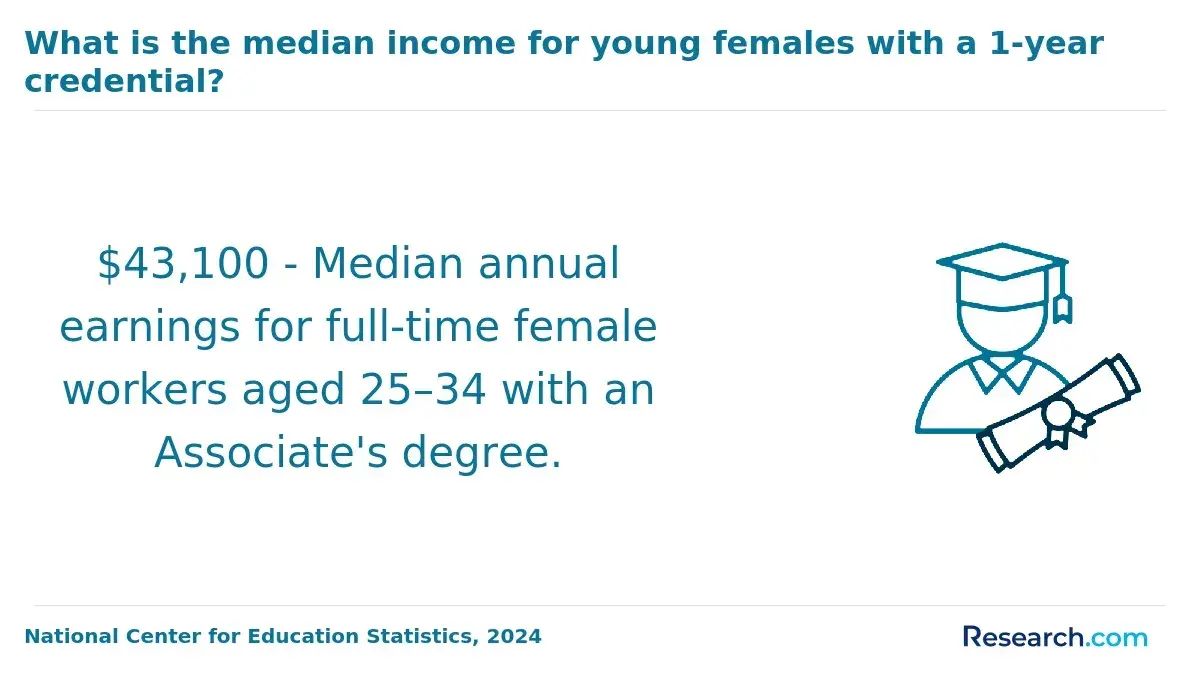
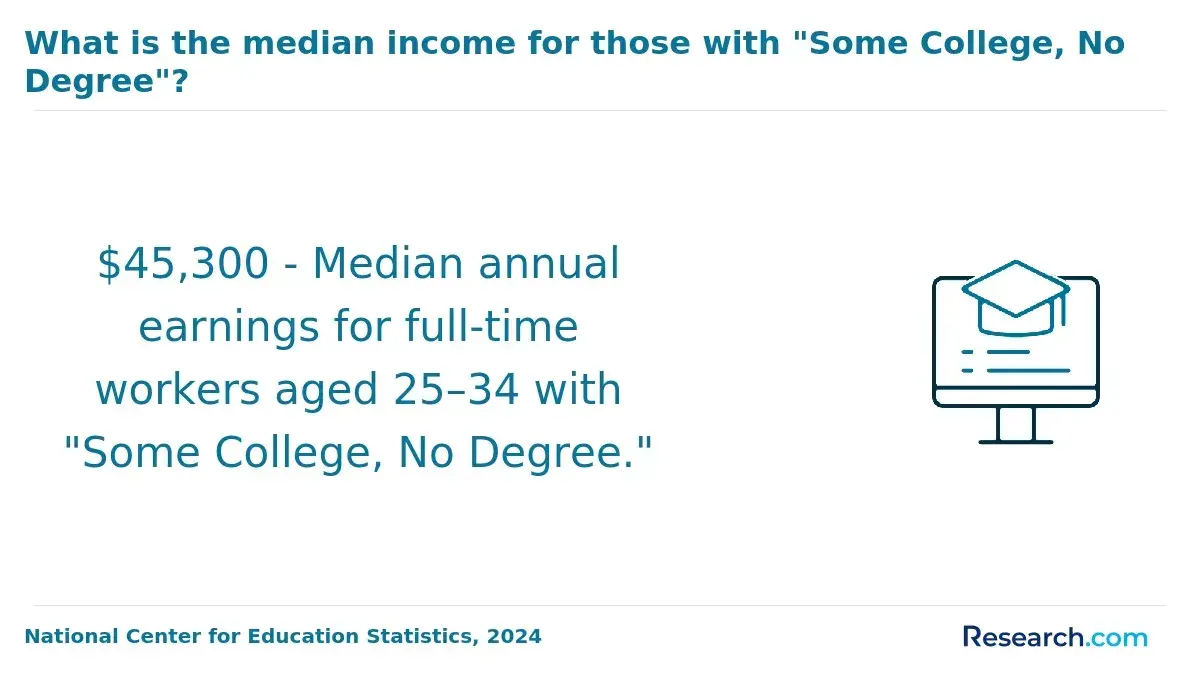
- Early-career earnings: Graduates holding a 2-year communication disorders degree generally start with salaries around $40,000 to $45,000, while traditional bachelor’s degree holders often earn between $60,000 and $65,000 annually. This gap usually reflects differences in job access, credential recognition, and advancement options.
- Long-term earning potential: Traditional bachelor’s degree holders may have stronger access to graduate study, advanced credentials, or broader roles, depending on their program quality and academic record. In communication disorders, many higher-paying speech-language pathology roles require a master’s degree.
- Employer perception: Employers may value a traditional bachelor’s degree for broader academic exposure, but an accelerated degree from a reputable program can still be competitive when it includes strong coursework, advising, and applied preparation.
- Career progression timelines: A faster degree can put students into the workforce sooner. However, advancement may be limited if the graduate does not pursue additional education or meet role-specific requirements.
- Faster workforce entry effects: Students may gain up to two years of work experience before traditional bachelor’s graduates enter the job market. That earlier experience can help, but it does not automatically erase salary differences over time.
The practical takeaway is that accelerated study can improve short-term speed to employment, while long-term earnings often depend on graduate education, licensure, location, and specialization. Students comparing efficient health-field pathways may also find it useful to review the cheapest BSN programs as part of broader career planning.
Which Factors Most Affect ROI for Accelerated Communication Disorders Degrees?
The return on investment for an accelerated communication disorders degree depends on both financial and career variables. A shorter program can be valuable if it reduces total costs, allows earlier employment, and keeps students on track for the roles they want. It can be a poor fit if the pace leads to burnout, lower grades, delayed graduation, or a degree that does not align with graduate-school or licensure plans.
The most important ROI factors include:
- Time-to-completion: Accelerated degrees often reduce the typical four-year period to two or three years. Finishing sooner can help students begin earning a full-time salary earlier and reduce time spent in school.
- Tuition and total cost: Per-credit costs may be similar or slightly higher, but the condensed schedule can reduce total enrollment-related expenses. Students should compare total program cost, not just annual tuition.
- Opportunity cost savings: Faster completion may mean fewer years out of the workforce. Considering the median annual wage for speech-language pathologists is around $80,000, the timing of graduate study and workforce entry can materially affect lifetime earnings.
- Employment outcomes and salary growth: Programs with strong advising, applied coursework, field exposure, and graduate-school preparation may create better long-term value than cheaper programs with weak placement support.
- Transferability of skills: Communication, research, documentation, developmental science, and clinical foundation skills can apply across healthcare, education, rehabilitation, and human services roles.
- Graduate-school alignment: If the student’s goal is speech-language pathology, the undergraduate program should support master’s prerequisites and academic competitiveness. A low-cost degree that does not prepare students for the next step may have weaker ROI.
- Personal capacity: ROI is not only a spreadsheet calculation. Students who must work full time, manage caregiving responsibilities, or need a slower learning pace should be cautious about programs with little scheduling flexibility.
The strongest ROI usually comes from a program that is affordable, accredited, realistically paced for the student, and connected to clear career or graduate-school outcomes.
How Do You Decide If a 2-year Communication Disorders Degree Is Right for You?
A 2-year communication disorders degree may be right for you if you want a faster route into the field, can manage an intensive academic schedule, and understand that some career goals require further education. The decision should start with your intended endpoint: entry-level support work, graduate school, a career change, or preparation for a licensed profession.
Use the following questions to test fit:
- Can you protect enough weekly study time? Accelerated programs require consistent attention. If your schedule is unpredictable, the pace may become difficult quickly.
- Do you learn well in short terms? Courses lasting about 7 to 10 weeks move quickly. Students who need more time to process complex material may prefer a traditional format.
- Are you prepared financially? Total costs may be lower, but term-by-term bills can be higher because students take more credits at once.
- Will the degree support your next step? If you plan to become a speech-language pathologist, confirm that the program prepares you for master’s admission and any prerequisite expectations.
- Is the school properly accredited and respected? Accreditation affects financial aid, credit transfer, graduate-school recognition, and employer confidence.
- What happens if you fall behind? Ask about course repeats, leave policies, tutoring, academic probation, and whether a delayed course pushes graduation back by a full term or year.
This path is often best for disciplined students who want to move quickly and can treat school as a major priority for two years. It may not be ideal for students who need maximum flexibility, are unsure about the field, or want a broader college experience before specializing.
Because demand for speech-language pathology professionals is expected to grow significantly over the next decade, the degree can be a strategic first step. But for many students, it is not the final credential. Plan from the beginning for whether you intend to work after graduation, apply to graduate school, or use the degree as a bridge into another health or education-related career.
What Graduates Say About Their 2-Year Communication Disorders Degree
- Tabitha: "Choosing the 2-year accelerated bachelor's degree in communication disorders was a game-changer for me because I wanted to enter the workforce quickly without compromising quality. The intensity of the schedule was challenging, but with strong time management and support from faculty, I stayed on track. This degree significantly boosted my confidence and opened doors to rewarding opportunities in speech therapy clinics."
- Will: "I opted for the 2-year program mainly due to its affordability; with an average cost of attendance lower than traditional four-year routes, it felt like a smart financial decision. Balancing coursework and personal life was tough but allowed me to hone discipline and focus. Now, reflecting on my journey, this accelerated path has allowed me to progress professionally faster than I expected."
- Imani: "The 2-year communication disorders degree fit perfectly with my goal to pivot careers efficiently. Handling such a rigorous schedule required a professional mindset and prioritization skills, which are vital in this field. Since graduating, I've found that this intensive program laid a strong foundation, making me well-prepared and competitive in the early intervention programs I work with today."
Other Things You Should Know About Communication Disorders Degrees
In 2027, the job market for graduates with a 2-year communication disorders degree is expected to be robust, with opportunities increasing due to a growing demand for qualified professionals in health and educational settings. A diverse range of careers is available, including speech therapy and audiology support roles.
In 2027, graduates with an accelerated bachelor's degree in communication disorders can expect annual earnings ranging from $50,000 to $70,000. Variability depends on geographical location, the institution attended, and additional certifications. Urban areas typically offer higher salaries, but cost of living adjustments must be considered.
Because accelerated programs have shorter durations and denser schedules, students may have fewer opportunities to build long-term relationships with faculty and peers. Networking and mentorship are valuable in communication disorders for career development and clinical placements. Prospective students should consider whether an accelerated format provides sufficient support and engagement to foster these connections.
References
- Communication Disorders | Degree Guide By All Bachelor Degrees https://allbachelordegrees.com/degrees/communications-media/communication-disorders/comprehensive-guide-to-getting-a-degree-in-communication-disorders/
- What Can You Do with a Bachelor’s in Speech Pathology? https://speechpathologymastersprograms.com/speech-pathology-programs/bachelors-speech-pathology/what-can-you-do-with-bachelors-speech-pathology/
- Communication Sciences and Disorders, M.S. https://www.longwood.edu/slp/
- A complete list of bachelor’s degrees in SLP through schools with CAA-accredited programs, for the most streamlined path to SLP certification. Learn more. https://www.speechpathologygraduateprograms.org/slp-undergraduate-programs/
- What does the strong employer demand for speech-language pathologists mean for your university? | EAB https://eab.com/resources/blog/adult-education-blog/employer-demand-speech-language-pathologists/
- Tuition and Financial Aid https://speech.emerson.edu/admissions/tuition-financial-aid/
- Master of Science Program (MS) https://communications-disorders.ecu.edu/education/masters-ms/
- Speech Communication Disorders: B.S.Ed. - Bachelor of Science in Education | UVA School of Education and Human Development https://education.virginia.edu/academics/programs/speech-communication-disorders-bsed-bachelor-science-education
- 12 Accelerated Speech Pathology Programs: Complete Guide - Speech Pathology Programs https://speechpathologyprograms.net/masters/accelerated/
- BA (Hons) Communication and Media | Bournemouth University https://www.bournemouth.ac.uk/study/courses/ba-hons-communication-media-2


