
2027 What Job Postings Reveal About Communication Disorders Careers: Skills, Degrees, and Experience Employers Want

Co-Founder and Chief Data Scientist
Communication disorders careers can be rewarding, but the hiring requirements are not always easy to interpret. One posting may emphasize licensure and clinical hours, while another may focus on school-based experience, documentation systems, or a specific patient population. For students, recent graduates, and career changers, the key question is practical: what qualifications will actually help you get hired?
Demand is one reason this decision matters. In the U. S., employment for speech-language pathologists and related professionals is expected to grow by 21% by 2030, which points to strong need but not automatic job access. Employers still screen carefully for the right degree, supervised experience, credentials, communication skills, and setting-specific competence.
This guide breaks down what communication disorders job postings commonly signal about degrees, experience, skills, industries, credentials, salaries, and resume strategy. Use it to compare your current qualifications with employer expectations and identify the next step that is most likely to improve your competitiveness.
Key Things to Know About Skills, Degrees, and Experience Employers Want
- Job postings consistently emphasize strong interpersonal and clinical skills, highlighting the need for clear communication and compassionate patient interaction in communication disorders roles.
- Employers typically require a minimum of a master's degree in communication disorders, often paired with clinical experience or internships for eligibility.
- Analyzing job listings reveals that hands-on experience and relevant certifications significantly impact hiring decisions, clarifying expectations for career preparation.
What Do Job Postings Say About Communication Disorders Careers?
Communication disorders job postings show a field where formal preparation and practical readiness matter equally. Employers are not only looking for people who understand speech, language, hearing, swallowing, and communication development; they also want candidates who can apply that knowledge with clients, families, educators, and healthcare teams.
The clearest pattern is the weight placed on graduate education for clinical roles. Specialized education is often treated as a baseline qualification, especially for speech-language pathology positions. Many listings also ask for supervised clinical hours, practicum experience, a clinical fellowship, state licensure eligibility, or documentation of hands-on work with specific populations.
Experience is another major signal. An analysis of over 500 job listings indicates that approximately 78% prefer candidates with prior clinical experience. That does not mean every entry-level applicant is excluded, but it does mean students should treat practicums, internships, assistant roles, and supervised placements as core career-building experiences rather than simple graduation requirements.
Across settings, postings tend to cluster around three employer priorities:
- Role readiness: Can the candidate assess, document, plan treatment, and communicate findings with appropriate supervision or independence?
- Setting fit: Does the candidate understand the needs of schools, hospitals, rehabilitation centers, private practices, early intervention programs, or community organizations?
- Professional judgment: Can the candidate collaborate, manage caseloads, follow regulations, and adapt care to each client?
The main takeaway is that communication disorders hiring is credential-driven, but not credential-only. A strong applicant connects education, clinical exposure, interpersonal skill, and setting-specific knowledge in a way that matches the job description.
What Skills Are Most Requested in Communication Disorders Job Postings?
The most requested skills in communication disorders job postings combine clinical competence with communication, collaboration, and documentation ability. Employers want candidates who can evaluate needs, support treatment goals, work with multiple stakeholders, and explain complex information clearly. Over 70% of listings emphasize teamwork and collaboration, which reflects how often these professionals work with teachers, physicians, occupational therapists, psychologists, caregivers, and administrators.
The skills below appear frequently because they directly affect client care, service quality, compliance, and team coordination.
| Skill employers request | Why it matters in communication disorders roles | How to show it on a resume or interview |
| Interpersonal communication | Professionals must explain evaluations, goals, progress, and recommendations to clients, families, and team members in language they can understand. | Describe family education, client counseling, team meetings, care coordination, or experience adapting communication for different audiences. |
| Assessment and diagnostic skills | Employers need candidates who can help identify speech, language, swallowing, fluency, voice, or hearing-related concerns using evidence-based tools and observation. | List assessment tools, populations served, supervised evaluation experience, or diagnostic documentation responsibilities. |
| Treatment planning and delivery | Effective care depends on individualized goals, appropriate interventions, progress monitoring, and adjustment when a client is not improving as expected. | Use examples of intervention planning, therapy sessions, measurable goals, progress notes, and outcome tracking. |
| Teamwork and collaboration | Communication disorders professionals often coordinate services across healthcare, education, and family systems. | Highlight interdisciplinary meetings, IEP participation, discharge planning, referrals, or collaborative case management. |
| Technology and documentation proficiency | Many roles involve electronic records, telepractice tools, diagnostic equipment, scheduling systems, and compliance-focused documentation. | Name relevant software, telepractice experience, electronic documentation, or assistive communication technologies when applicable. |
A common mistake is listing broad soft skills without proof. Instead of writing only “strong communicator,” connect the skill to a real task, such as explaining home-practice strategies to caregivers, documenting therapy outcomes, or collaborating with a school-based team.
Students considering advanced healthcare education should be careful to choose a path that matches the role they want. A 1-year MSN to DNP program online may support nursing leadership goals, but communication disorders clinical roles usually require field-specific preparation, supervised practice, and appropriate licensure.
What Degrees Do Employers Require for Communication Disorders Careers?
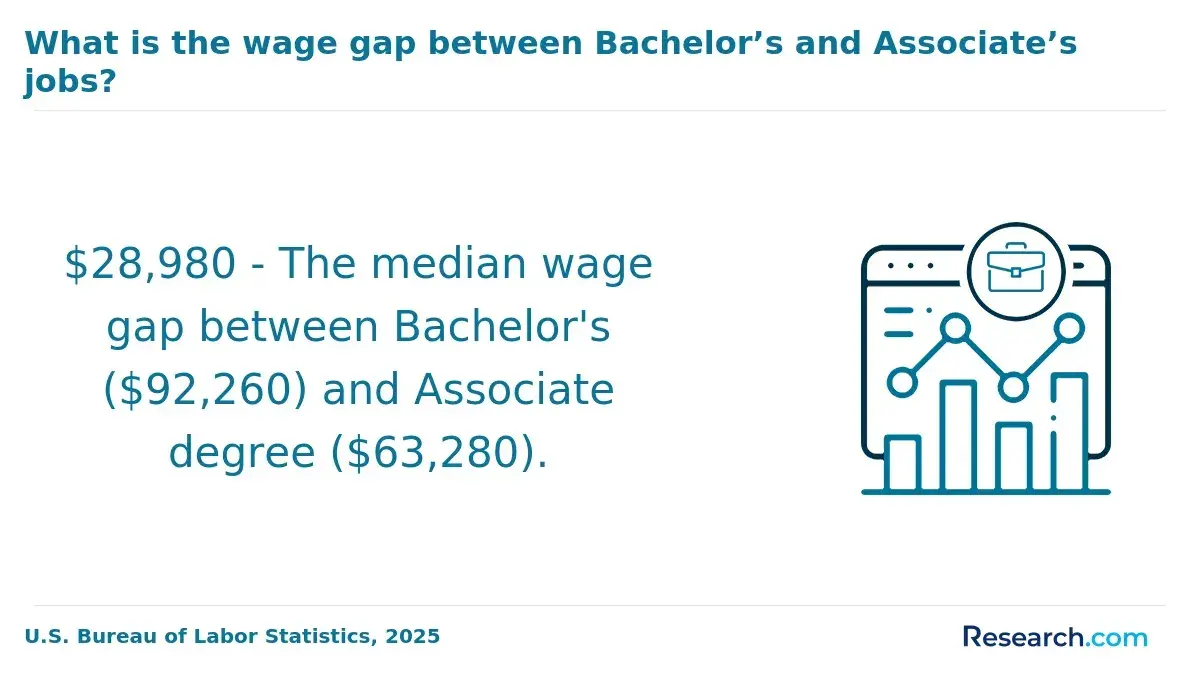
Degree requirements depend heavily on the job title, scope of practice, and work setting. Support roles may accept a bachelor's degree, while independent clinical roles commonly require graduate education and state authorization. For speech-language pathologist positions, over 90% of listings mandate at least a master's degree, which makes graduate school a central step for candidates seeking licensed clinical practice.
Employers use degree requirements as a quick way to determine whether an applicant has the academic foundation needed for assessment, therapy, ethics, clinical decision-making, and compliance. However, the degree alone is rarely enough. Postings may also ask for supervised hours, licensure, a clinical fellowship, or eligibility for professional certification.
| Degree level | Roles it may support | Important hiring considerations |
| Bachelor's degree | Assistant, aide, support, outreach, research support, or entry-level program roles depending on state rules and employer needs. | Often useful for gaining exposure before graduate study, but may not qualify a candidate for independent clinical practice. |
| Master's degree | Common requirement for speech-language pathology clinical roles and many direct-service positions. | Employers may look for accredited preparation, supervised clinical experience, licensure eligibility, and evidence of population-specific training. |
| Doctoral degree | Academic, research, advanced clinical, leadership, or audiology-related roles, depending on the specialization. | Often valued when the position involves research design, teaching, advanced diagnostics, program leadership, or specialized practice. |
| Additional training or certification | Roles involving AAC, swallowing, pediatric services, neurogenic disorders, school-based practice, or specialty clinics. | Can help distinguish candidates when the job posting asks for a specific population or intervention focus. |
If you are comparing graduate options, look closely at whether a program prepares you for the licensure, clinical hours, and practice setting you need. Cost and flexibility also matter, so applicants researching speech-language pathology pathways may want to compare online slp masters options alongside accreditation, clinical placement support, and state eligibility requirements.
A communication disorders degree graduate I spoke with described the process this way: “Obtaining my master's was demanding, but it opened doors I hadn't imagined. The job search revealed how crucial that advanced degree was, especially for clinical roles.”
He also emphasized the workload behind the credential: “knowing exactly what employers expect made the process clearer, even if it wasn't easy.” That perspective is important. The right degree can expand your options, but candidates should plan early for practicum hours, licensure steps, exam requirements, and the type of setting where they want to work.
How Much Experience Do Communication Disorders Job Postings Require?
Experience requirements vary by role level, client population, supervision structure, and setting. Some employers hire recent graduates into supervised positions, while others want candidates who can independently manage complex caseloads from the first day. The most useful way to read experience requirements is to separate “years worked” from “experience type.” A posting may ask for two years, but what it really needs may be pediatric feeding experience, school documentation knowledge, or comfort with neurological cases.
Common patterns in communication disorders job postings include the following:
- Entry-level roles: These positions usually require little formal work history and may welcome recent graduates, interns, clinical fellows, assistants, or candidates with practicum exposure. Employers still expect basic professionalism, documentation accuracy, and readiness to learn quickly.
- Mid-level positions: Many postings at this level expect about two to five years of relevant experience. Candidates are typically expected to manage a caseload more independently, communicate with families or teams, and make sound clinical or educational decisions within their scope.
- Advanced roles: Senior, lead, supervisory, or specialist positions often ask for more than five years of experience. These jobs may involve mentoring others, handling complex cases, supporting program development, or contributing to policy and quality improvement.
- Specialized roles: Positions in pediatric therapy, early intervention, dysphagia, neurogenic communication disorders, AAC, voice, fluency, or medical settings may care more about targeted experience than total years in the field.
For new professionals, the best strategy is to document experience in concrete terms. Instead of simply stating “completed practicum,” specify the setting, population, assessment or therapy tasks, documentation responsibilities, and supervision model. That gives employers a clearer picture of what you can do now and where you may need support.
Related healthcare pathways can broaden a candidate's understanding of care delivery, but they do not replace communication disorders credentials. For example, nursing programs that don't require TEAS test may interest students exploring healthcare more broadly, while communication disorders applicants still need to meet the field-specific education, clinical, and licensure expectations in job postings.
What Industries Hire Fresh Graduates With No Experience?
Fresh graduates can find opportunities in communication disorders, especially when employers have supervision structures, assistant roles, fellowships, or training systems in place. Recent data indicates that close to 35% of entry-level roles related to communication disorders accept applicants without any prior job experience. These roles may still require a relevant degree, practicum exposure, eligibility for licensure or certification, and strong references.
Industries most likely to consider candidates with limited work history include the following:
- Healthcare facilities: Hospitals, outpatient clinics, and therapy practices may hire new graduates into supervised or assistant-level roles. These settings can provide exposure to documentation, patient interaction, treatment plans, and interdisciplinary communication.
- Educational institutions: Schools, districts, and special education programs often need support for students with speech and language needs. Fresh graduates may gain experience with classroom collaboration, IEP-related processes, screenings, and child-focused intervention support.
- Rehabilitation centers: Rehabilitation settings may employ new professionals or assistants under close supervision, especially when they can support patient care, scheduling, therapy preparation, and documentation tasks.
- Nonprofit organizations: Advocacy groups, community programs, and service organizations may hire graduates for outreach, education, family support, program coordination, or communication-access initiatives.
Fresh graduates should read “no experience required” carefully. It usually means no paid professional experience is required, not that the employer has no expectations. A strong entry-level application should still show relevant coursework, practicum placements, volunteer work, client-facing experience, language skills, technology competence, and reliability.
A fresh graduate with a communication disorders degree described the transition as both challenging and motivating. She said entering the workforce without prior experience felt daunting, but mentorship and structured learning helped her build confidence.
“It was challenging at first to balance what I learned academically with real-world patient care,” she reflected, “but being in a supportive workplace made all the difference in adapting quickly and growing professionally.”
Which Industries Require More Experience or Skills?
Industries that serve higher-acuity clients, complex student populations, or specialized communication needs often require more experience. Research shows that nearly 45% of healthcare-related roles call for at least three to five years of prior experience. In these settings, employers may not have time to train someone from the ground up, so they look for candidates who can handle complex assessments, treatment planning, documentation, and team communication with limited ramp-up time.
The highest-expectation settings often include the following:
- Healthcare settings: Hospitals, rehabilitation centers, and specialized clinics may want candidates with multi-year clinical experience and credentials such as the American Speech-Language-Hearing Association's Certificate of Clinical Competence (CCC). These roles can involve medically complex cases, discharge planning, swallowing-related concerns, or coordination with physicians and other clinicians.
- Educational institutions: Public and private school districts may require state licensure, school-based experience, and familiarity with evidence-based interventions. Candidates are often expected to manage caseloads, participate in multidisciplinary meetings, support compliance, and communicate with families and teachers.
- Early intervention programs: These roles often prioritize experience with infants, toddlers, families, developmental delays, and home-based or community-based service models. Employers may value candidates who understand coaching, family-centered care, and developmental milestones.
- Specialized clinics: Speech and hearing centers may seek candidates with advanced skills in AAC, pediatric communication disorders, auditory processing, voice, fluency, swallowing, or neurogenic disorders. These postings may ask for documented success with a specific population or intervention type.
Applicants should not assume they are unqualified just because a posting asks for more experience than they have. If you meet the core degree, licensure, and clinical requirements and have strong related experience, you may still be competitive. However, if the posting emphasizes independent management of complex cases, supervision, or specialty certification, be realistic about whether the role matches your current readiness.
Which Credentials Are Most Valuable for Communication Disorders Careers?
The most valuable credentials are the ones that prove you can legally and competently perform the job. Employers in communication disorders use credentials to verify academic preparation, supervised clinical training, professional standards, and state practice authority. For clinical roles, credentials are often not optional; they may determine whether an employer can hire you at all.
Commonly valued credentials include:
- Master's Degree: A master's degree in speech-language pathology or a closely aligned field is typically the foundational academic credential for many clinical roles. Employers view it as evidence that the candidate has completed advanced coursework and clinical preparation relevant to assessment and intervention.
- Certificate of Clinical Competence (CCC): Issued by the American Speech-Language-Hearing Association (ASHA), the CCC signals completion of graduate education, a supervised clinical fellowship, and a national examination. Many employers value it because it reflects a recognized professional standard.
- State Licensure: Licensure gives legal authority to practice within a state and confirms that the professional has met state-specific requirements. Applicants should check whether a job requires active licensure, licensure eligibility, provisional licensure, or school-specific authorization.
- Specialized Certifications: Credentials or focused training in pediatric communication disorders, augmentative and alternative communication (AAC), swallowing disorders, fluency, voice, or other areas may strengthen applications for specialized roles.
Credential requirements can vary by state, setting, and job title. Before applying, compare the posting against your current status: degree completed, exam status, clinical fellowship status, state license, school credential if relevant, and any specialty training. If a requirement is unclear, it is reasonable to ask the employer whether they accept candidates who are license-eligible or in the process of completing a fellowship.
Are Salaries Negotiable Based on Experience?
Salaries can be negotiable in communication disorders roles, but the amount of flexibility depends on the employer, setting, budget, union rules, funding source, and the candidate's qualifications. Many postings list salary ranges rather than fixed pay, which gives employers room to place candidates based on experience, credentials, specialty skills, and role complexity.
Experience is one of the strongest negotiation factors. Research indicates that speech-language pathologists with five or more years of experience earn approximately 20% more than those just starting. That difference reflects not only years worked, but also the ability to manage more complex cases, work independently, mentor others, document efficiently, and contribute to program quality.
Negotiation room tends to look different by role level:
- Entry-level roles: Pay bands are often narrower, especially in schools, public systems, or structured fellowship positions. Candidates may have more success negotiating start date, supervision, professional development support, or schedule flexibility than base pay.
- Mid-level roles: Candidates with relevant setting experience, licensure, and strong references may have more leverage, especially when the employer needs someone who can begin with limited training.
- Advanced or specialized roles: Supervisory, clinical specialist, and hard-to-fill positions may offer wider ranges and stronger negotiation potential, particularly when the applicant brings specialty certification or experience with complex populations.
Before discussing compensation, prepare a clear case. Connect your request to the job description: years of relevant experience, credentials, specialty skills, caseload experience, bilingual ability if applicable, leadership responsibilities, and measurable contributions. Avoid relying only on personal financial need; employers respond better to evidence of role value.
Some candidates build broader healthcare experience through routes such as accelerated LPN programs, but salary leverage in communication disorders roles usually depends most on field-specific education, licensure, clinical experience, and specialty competence.
How Can You Match Your Resume to Job Descriptions?
The best communication disorders resume is not a generic list of duties. It should mirror the employer's priorities while staying accurate. Research indicates that approximately 75% of hiring managers use applicant tracking systems (ATS) to screen resumes, so the wording in the job description matters. If the posting asks for “multidisciplinary collaboration,” “evidence-based practice,” “AAC,” or “school-based experience,” use those terms when they truthfully describe your background.
Use this process to tailor your resume without overstating your qualifications:
- Identify the nonnegotiable requirements. Look first for degree, license, certification, fellowship, state authorization, and experience requirements. Place matching credentials near the top of your resume.
- Pull out repeated keywords. Terms that appear in the job title, summary, responsibilities, and qualifications are likely important. Use exact phrases when they fit your experience.
- Match your examples to the setting. For a school role, emphasize students, IEP-related collaboration, classroom teams, and child language support. For a medical role, emphasize clinical documentation, interdisciplinary care, rehabilitation, or patient populations you served.
- Quantify carefully when possible. Include caseload size, practicum hours, age groups, assessment types, or documentation responsibilities if accurate and relevant.
- Prioritize evidence over adjectives. Replace vague claims such as “hardworking team player” with specific examples of collaboration, family education, progress monitoring, or treatment support.
A strong resume summary might state your degree, licensure status, population experience, and strongest job-match skills in two or three lines. Then use bullet points under each experience entry to show tasks and outcomes that reflect the posting.
For candidates interested in moving toward healthcare administration or leadership roles, CAHME-accredited MHA programs may be relevant. For communication disorders hiring, however, your resume should first prove that you meet the clinical, educational, and credential requirements of the specific role.
The goal is not to copy a job ad word for word. The goal is to help both ATS software and human reviewers see quickly that your preparation matches what the employer is trying to hire for.
What Should You Look for When Analyzing Job Ads?
Communication disorders job ads are more than application notices; they are market signals. They show which credentials are required, which skills are preferred, what setting the role belongs to, and how much independence the employer expects. Over 75% of healthcare-related job listings specify detailed skill and qualification requirements, so careful reading can help you avoid poor-fit applications and prepare stronger ones.
When reviewing a posting, focus on these elements:
- Job responsibilities: Look for the daily work: evaluations, treatment planning, therapy delivery, screenings, documentation, family education, IEP participation, discharge planning, or team meetings. These details reveal the real scope of the role.
- Required qualifications: Separate minimum requirements from preferences. A master's degree, CCC, state licensure, or licensure eligibility may be required, while specialty experience may be preferred.
- Experience level: Note whether the role is designed for a new graduate, clinical fellow, assistant, independent clinician, specialist, or supervisor. Years of experience matter, but population and setting experience may matter more.
- Technical and soft skills: Identify both clinical skills and workplace skills. Employers may ask for assessment knowledge, AAC familiarity, documentation systems, empathy, collaboration, organization, and clear communication.
- Setting-specific clues: Schools may mention IEPs, caseloads, and collaboration with teachers. Hospitals may mention interdisciplinary teams, complex cases, and medical documentation. Early intervention roles may emphasize family coaching and developmental support.
- Compensation and workload details: Review salary range, schedule, travel expectations, caseload, productivity requirements, supervision, benefits, continuing education support, and contract terms.
Some ads include preferred credentials that are adjacent to, but not central to, communication disorders. For example, an online MBA healthcare may be useful for professionals pursuing management or administrative work, but it should not be confused with the clinical preparation required for communication disorders practice.
A practical approach is to mark each requirement as “meet,” “partly meet,” or “do not meet.” Apply when you meet the core requirements and can make a strong case for the preferred ones. If you repeatedly fall short on the same requirement, that is a clear signal for your next training, credential, or experience goal.
What Graduates Say About Skills, Degrees, and Experience Employers Want
- Mary: "As a fresh graduate, I found that job postings are invaluable in helping me identify roles that precisely match my credentials in communication disorders. They clearly outline the qualifications and skills required, which allowed me to tailor my applications with confidence and clarity. I appreciate how these ads guide newcomers like me toward opportunities that truly fit our training and passions."
- Casen: "Over the years, I've relied heavily on job ads to propel my career forward in communication disorders. Each posting offers insight into emerging specializations and required certifications, prompting me to pursue relevant continuing education. This proactive approach, inspired by the details in job listings, has expanded my expertise and opened doors I might not have considered otherwise."
- Walker: "The impact of job advertisements on my professional journey in communication disorders cannot be overstated. They serve as a clear barometer of industry expectations and evolving competencies, helping me stay aligned with current standards. Reflecting on my experience, I recognize that regularly reviewing these postings ensures I remain competitive and informed in a dynamic field."
Other Things You Should Know About Communication Disorders Degrees
Beyond basic degrees, job postings frequently require or prefer additional certifications or specialized training in areas like autism spectrum disorders, pediatric therapy, or assistive technology.
These qualifications demonstrate a candidate's commitment to staying current and expanding their professional competence. Employers regard such credentials as indicators of advanced skills and readiness to meet specific client or institutional needs.
Yes, many job postings stress soft skills such as empathy, patience, and strong interpersonal communication. These qualities are crucial for effective client interaction and for adapting therapy approaches to individual needs. Employers recognize that technical knowledge must be coupled with emotional intelligence to succeed in communication disorders roles.
Job postings typically reflect a preference for candidates who combine theoretical knowledge with practical, hands-on experience. Positions often require clinical placements, internships, or supervised practicum hours as part of the educational background. This balance ensures that candidates are not only academically prepared but also skilled in real-world settings.
References
- 12 Alternative Careers for Speech Pathologists (SLPs) https://thenonclinicalpt.com/alternative-careers-speech-pathologists-slps/
- Decoding job postings: Improving accessibility for neurodivergent job seekers https://lmic-cimt.ca/decoding-job-postings-improving-accessibility-for-neurodivergent-job-seekers/
- How SLPs Can Negotiate Job Offers and Salaries - Liricare https://www.liricare.com/blog/how-slps-can-negotiate-job-offers-and-salaries
- Communication Disorders Degree Guide: Programs & Careers https://www.speechpathologygraduateprograms.org/blog/what-can-you-do-with-a-communication-disorders-degree/
- The Guide to Speech Pathology Job and Salary Negotiations https://speechpathologymastersprograms.com/speech-pathology-careers/speech-pathologist-salary/speech-pathology-job-salary-negotiation/
- SLP Job Interview Guide: 8 Interests, Job Related Skills You Should Mention to Secure a SLP Job in Buena Park - Speech Improvement Centern https://speechimprovementcenter.com/interests-slp-job-related-skills/
- Tips for Negotiating SLP Salary https://www.crosscountry.com/blog/tips-for-negotiating-slp-salary
- 5 Great Jobs in Communication Sciences and Disorders https://www.topeducationdegrees.org/lists/5-great-jobs-in-communication-sciences-and-disorders/


