2027 Special Education Practicum Requirements Explained

Co-Founder and Chief Data Scientist
Many students pursuing a Special Education degree encounter challenges securing and completing required practicum hours, which can delay graduation or certification. These challenges often stem from strict supervision mandates, varying placement settings, mandatory background checks, and minimum GPA requirements established by universities and state licensing boards. In fact, a recent study found that nearly 45% of Special Education students reported difficulty accessing quality clinical placements, impacting workforce readiness. Understanding practicum requirements early helps students navigate these complexities and avoid unexpected setbacks. This article explains current practicum standards, highlights state and program variations, and offers practical advice to stay on track toward graduation and professional licensure.
Key Things To Know About Special Education Practicum Requirements
- Practicum training offers essential hands-on experience-students engage directly with diverse learners, which builds critical classroom management and instructional skills.
- Field experience and clinical placements foster professional growth by allowing supervised application of theory in real educational settings under expert guidance.
- Completing required internships or supervised hours enhances employability-practicum credentials demonstrate readiness for certification and effective special education teaching.
What Is A Practicum In Special Education Program?
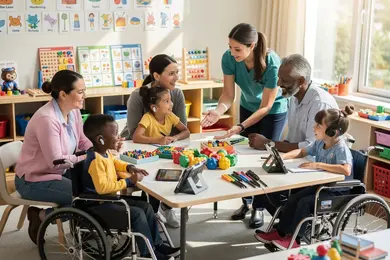
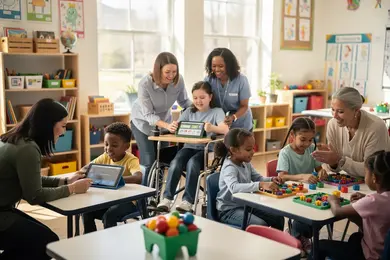
A practicum in a special education program is a structured, supervised field experience designed to connect academic learning with practical application in real classroom settings. It provides students an essential opportunity to implement teaching theories and develop instructional strategies under the mentorship of experienced educators. Practicums are typically integrated into U.S. higher education curricula to ensure candidates fulfill specific experiential requirements before graduation.
Research shows that over 85% of employers in education value applicants who have completed documented experiential learning, emphasizing the impact of practicum requirements for special education students in enhancing workforce readiness.
The following points explain key aspects of special education practicum role and purpose.
- Fieldwork Settings: Practicums primarily occur in K-12 classrooms or specialized environments tailored for students with disabilities. This hands-on setting enables students to work directly with diverse learners and practice individualized instructional techniques.
- Hours and Timing: Most programs mandate between 100 and 300 hours of supervised fieldwork, usually positioned later in the academic timeline after foundational coursework is completed. These hours help demonstrate teaching competence and readiness for professional responsibilities.
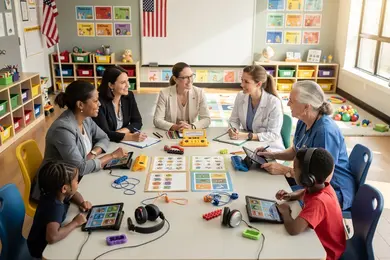
- Supervision and Feedback: University faculty and licensed special educators closely supervise candidates, providing structured feedback and formal evaluations focused on teaching skills, professional conduct, and ethical practice within the placement site.
- Distinct from Other Experiences: Unlike internships or clinicals, practicums emphasize applied learning through observation, guided teaching, and reflective practice rather than full classroom management. They often integrate with student teaching or culminating academic projects.
- Certification Integration: Completion of a practicum is generally required for state licensure and graduation, ensuring alignment with accreditation and professional standards that verify a candidate's readiness to enter the workforce.
Students exploring options for training can also consider online master's programs to fulfill these requirements with flexibility.
What Are The Eligibility Requirements For Special Education Practicum?
Eligibility standards for a special education practicum serve to ensure students are academically and professionally ready to engage in supervised, real-world teaching experiences. These criteria help maintain alignment between coursework mastery and field placement demands-research shows that nearly 75% of students who meet practicum eligibility requirements successfully complete their placements before initial licensure. This practical readiness positively influences graduate retention and workplace performance in special education roles.
Common eligibility criteria for a special education practicum typically include the following:
- Academic Performance: A minimum GPA-often around 3.0-is required to confirm mastery of foundational coursework. This threshold assures that students have absorbed the theoretical knowledge needed to translate classroom lessons into effective teaching strategies.
- Prerequisite Coursework: Completion of essential courses, including assessment techniques, behavior management, and instructional strategies, is critical. These prerequisites ensure students possess the core competencies for successful practicum participation and reflect the typical prerequisite coursework for special education practicum requirements.
- Faculty Approval: Departmental review or faculty recommendations usually verify a student's readiness by assessing professionalism, communication, and ethical understanding. This faculty endorsement supports the alignment of academic achievement with behavioral and interpersonal skills needed in practicum settings.
- Administrative Compliance: Programs require background checks, immunization records, drug screenings, and health clearances. These measures protect both students and vulnerable populations, meeting legal mandates of placement sites and institutional policies.
- Enrollment Status: Students must be actively enrolled in a special education program or related academic track at placement time. Policies on full- or part-time status vary but usually influence eligibility considerations.
Students interested in advancing their expertise in education may also explore flexible options such as a psychology masters online to complement their special education training and broaden their skill set.
How Many Practicum Hours Are Required For Special Education Program?
Practicum hour requirements in special education programs serve to ensure that students gain essential hands-on experience critical for their professional growth. These requirements vary widely depending on institutional guidelines, state mandates, and accreditation bodies, with many recommending between 100 to 600 hours of supervised clinical training.
Research shows that employers highly value candidates who complete extensive fieldwork as it significantly enhances practical skills and classroom readiness.
Several factors shape how practicum hours are structured and fulfilled in special education programs:
- Typical Hour Ranges: Requirements differ by program level-bachelor's candidates usually complete 100 to 200 hours, while master's or certification seekers often engage in 300 to 600 hours to align with licensure prerequisites.
- Observation vs. Hands-On: Early practicum phases tend to focus on observation and indirect support, allowing students to understand classroom dynamics before advancing to supervised direct teaching and intervention roles.
- Phased Structure: Practicums often occur in multiple segments or rotations, exposing students to a variety of educational settings such as elementary, secondary, and specialized disability classrooms, broadening their instructional competence.
- Supervision and Verification: Programs require documentation of completed hours through logs and supervisor endorsements, with performance assessments ensuring students meet competency standards throughout their practicum.
- Time Commitments: Students frequently commit 10 to 15 hours weekly spread over a semester or academic year, balancing practicum demands with ongoing coursework and flexibility needs.
What Courses Must Be Completed Before Starting Practicum?
Prerequisite coursework forms the essential academic foundation preparing students for hands-on practicum experiences in special education. Programs require this foundational training to ensure students possess the necessary knowledge and skills before field placements. Studies show that 85% of education employers prioritize prior coursework in applied topics as key to practicum readiness and career success.
Before engaging in practicum, students commonly complete coursework in several critical categories:
- Foundational Theory: These courses cover core principles in special education, including historical context, laws, and instructional strategies. They provide the theoretical framework required to understand diverse learning needs and effective teaching practices.
- Professional Ethics: Coursework emphasizes ethical standards, legal compliance, confidentiality, and student rights. This training equips students to handle real-world professional responsibilities with integrity during their practicum.
- Assessment and Research Methods: Students learn to conduct evaluations and interpret data to tailor individualized education plans. Research skills developed here help apply evidence-based interventions and track progress accurately in field settings.
- Communication Skills: Instruction focuses on collaboration with students, families, and multidisciplinary teams. These courses build interpersonal and cultural competence crucial for successfully navigating practicum environments.
- Field-Specific Competencies: Depending on the academic focus, prerequisites might include specialized training in behavioral interventions or assistive technologies, ensuring practical skills are ready for supervised placements.
Curriculum sequencing often varies across nursing, education, psychology, and counseling programs, influencing eligibility for practicum. Structured prerequisite coursework assures students entering practicum hold the required expertise to meet professional demands effectively.
For those considering advance degrees, exploring options such as the cheapest online doctorate can expand educational pathways aligned with their career goals.
How Does The Special Education Practicum Placement Process Work?
Practicum placements in special education programs provide essential experiential learning that links academic theory with practical application in real settings. Institutions arrange these placements in collaboration with schools and agencies, ensuring students engage in supervised, meaningful fieldwork. A 2023 Council for Exceptional Children survey found that over 85% of education employers favor candidates with documented field experience.
The practicum placement process typically includes the following key steps:
- Eligibility Verification: Students must fulfill academic and regulatory prerequisites such as completing specific coursework, meeting GPA requirements, and providing health and background clearances mandated by host organizations.
- Application and Matching: Placement offices collect applications and coordinate with partner sites to align student skills and preferences with available practicum opportunities, often involving preliminary screening of candidates.
- Institutional and Host Communication: Ongoing dialogue between the university and practicum sites helps establish schedules, clarify learning objectives, and ensure compliance with legal and professional standards.
- Interview and Screening: Host organizations frequently conduct interviews to evaluate professionalism, communication abilities, and student readiness for direct work in special education environments.
- Placement Confirmation and Onboarding: Once matched, students undergo orientation to understand site policies and expectations, followed by supervised practicum hours under both site mentors and university advisors.
- Faculty Oversight and Progress Monitoring: Faculty coordinators review student performance, maintain academic integrity, and address issues arising during the placement to support successful completion.
What Documents And Paperwork Are Required Before Practicum?
Before beginning field placements, students in special education programs must complete essential documentation to confirm compliance with institutional policies and professional standards. These requirements help ensure student preparedness and protect all parties involved in practicum settings. Research indicates that over 90% of education programs enforce such rigorous screenings to maintain quality and safety in experiential learning.
Key documents and approvals typically needed prior to starting a practicum include the following:
- Application Submission: Candidates must provide detailed academic and personal information through a formal application process. This allows program coordinators to verify eligibility and relevant coursework, ensuring students meet prerequisites for supervised field experience.
- Background Screening: Thorough criminal history checks are standard practice to safeguard sensitive educational environments. These screenings confirm that students do not have disqualifying offenses that could compromise the safety of children or violate placement agency policies.
- Health and Immunization Records: Students must supply current medical clearances, including proof of vaccinations and physical exams. These documents demonstrate the ability to participate safely in school settings and align with public health mandates commonly enforced across states and institutions.
- Consent and Confidentiality Agreements: Learners are required to sign forms acknowledging adherence to legal and ethical standards, especially regarding student privacy laws like FERPA and IDEA. These agreements underscore professional responsibilities expected during practicum activities.
- Liability Insurance Documentation: Some programs ask for verification of individual liability insurance or confirmation of coverage through the institution. This step mitigates legal risks during placements by protecting both students and hosting organizations.
- Placement Verification Forms: Practicum sites often require site-specific paperwork, such as emergency contact details or training acknowledgments. These materials ensure students comply with unique site protocols and safety procedures.
What Background Checks, Immunizations, Or Clearances Are Needed?
Pre-practicum compliance requirements in special education programs serve to safeguard both students and the vulnerable populations they will support during field experiences. These protocols ensure adherence to health, safety, and legal standards, which are essential for maintaining professionalism and trust in educational settings.
According to the National Association of School Nurses, over 90% of institutions now mandate thorough health and background screenings prior to placement.
Key background checks, immunizations, and clearances generally required include the following:
- Criminal Background Checks: These reviews, often including fingerprinting, identify past offenses and comply with state and federal laws protecting minors and individuals with disabilities. They ensure a safe environment and legal eligibility for practicum participation.
- Child Abuse Clearances: Mandatory clearances from child protective agencies confirm applicants have no history of abuse or neglect. This is crucial for legal authorization to work with children and varies by state in timing and documentation.
- Immunizations and Tuberculosis Testing: Proof of current vaccinations-such as MMR, varicella, and influenza-alongside recent TB screening, is required to prevent disease transmission in sensitive educational environments.
- CPR and First Aid Certification: Many programs require up-to-date certification to prepare students for emergency response during their practicum hours, reflecting workforce readiness standards.
- Drug Screening: Some placement sites mandate negative drug tests to maintain a professional and safe setting. Requirements and frequency of testing depend on the agency and placement field.
What Should Students Expect During Special Education Practicum Placement?
Practicum placements in special education programs connect academic learning with supervised practical experience, allowing students to develop essential skills needed for professional roles. Experiential learning has become increasingly valued in higher education and workforce readiness-research indicates that over 78% of employers prefer candidates who have completed hands-on practicum experiences due to their demonstrated practical abilities and confidence.
This form of applied learning is crucial for preparing students to meet real-world challenges effectively. Students can expect the following components during special education practicum supervision and evaluation expectations:
- Day-to-Day Responsibilities: Practicum students engage in observing classroom dynamics, assisting with lesson implementation, and supporting students' individualized needs. Typical tasks include adapting materials, monitoring student progress, and collaborating with educators to create inclusive learning environments.
- Supervision and Mentorship: Students work closely with licensed special education teachers or supervisors who offer guidance, feedback, and structured observation. This mentorship facilitates insight into effective teaching strategies and classroom management tailored to specialized settings.
- Professional Conduct: Expectations include punctuality, confidentiality, and respectful communication with students, families, and staff. Maintaining a professional demeanor is essential for building trust and demonstrating readiness for educational roles.
- Performance Evaluation: Regular assessments evaluate students' growth and ability to meet educational goals. Evaluation methods often include written reflections, supervisor observations, and competency checklists aligned with state certification requirements.
- Applied Skill Development: The practicum emphasizes hands-on skills such as behavior intervention techniques, individualized education program (IEP) implementation, and adaptive communication strategies. These skills provide a foundation for effective special education practice and career preparation.
- Communication and Collaboration: Students participate in team-based problem solving, share progress updates, and attend multidisciplinary meetings. Proficiency in communication is critical for supporting diverse learner needs and advancing inclusive education efforts.
- Common Learning Challenges: Navigating diverse student needs and adapting instruction can be complex. Practicum placements provide opportunities to develop resilience and flexibility-traits valued in professional special education settings.
Those interested in broadening their career options may also consider exploring an online hospitality management program, which offers flexible opportunities alongside education-focused training.
How Are Practicum Students Supervised And Evaluated?
Supervision and evaluation within practicum experiences are critical for guiding students' professional growth while ensuring academic standards and competency expectations are met. These oversight structures support the development of job-relevant skills and promote readiness for the workforce.
Recent research shows that over 80% of students in experiential learning programs report enhanced preparedness for employment through structured supervision and feedback.
Practicum students in special education are supervised and evaluated through coordinated roles and methods designed to uphold standards and foster continual improvement, including:
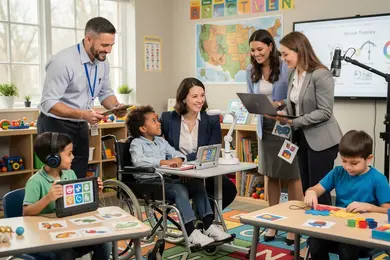
- Supervisor Roles: Onsite supervisors and mentors provide day-to-day support by modeling best practices in special education settings. They observe student interactions with clients, offer constructive feedback, and assist with problem-solving to encourage professional development within the practicum experience.
- Faculty Advisors: Academic faculty maintain ongoing communication with students and field supervisors to align practicum activities with course objectives. They review progress reports and facilitate reflective discussions that connect hands-on experience to theoretical frameworks in special education practicum supervision standards.
- Communication and Feedback: Regular meetings-typically weekly or biweekly-enable ongoing dialogue about student performance. Feedback is delivered through written evaluations, verbal conferences, and reflective journals, promoting student self-assessment and growth.
- Assessment Methods: Multiple tools assess learning outcomes, including direct observation checklists, competency-based evaluations, progress reviews, and final performance assessments. These methods measure applied skills, professionalism, and readiness to practice responsibly.
- Institutional Variability: Supervision models and evaluation criteria may vary among institutions and accrediting bodies. Regardless, all maintain core expectations of accountability and documented evidence of competency essential for certification or graduation.
Students interested in further academic options can explore programs such as online degree physics courses to complement special education practicum supervision standards and broaden their educational background.
How Does Practicum Help With Licensure Or Certification Requirements?
Practicum experiences play a critical role in meeting licensure or certification standards in special education-related fields by providing supervised, hands-on training that links academic theory to professional practice. These training hours are often mandatory to comply with state and national regulatory frameworks.
Studies indicate that more than 85% of employers favor candidates who have completed supervised practicum or internships, highlighting their importance in workforce readiness.
Key components of practicum requirements include the following:
- Clinical Hours: Practicum hours satisfy mandated minimum fieldwork or clinical experience designated by licensing authorities. Students engage directly in educational environments, practicing intervention methods and assessments while supervised.
- Competency Benchmarks: Progress is measured through performance in vital skills such as individualized teaching, behavior management, and collaborative teamwork. Students must meet established competency standards aligned with certification criteria.
- Supervision and Evaluation: Licensed professionals or qualified faculty oversee practicum activities, ensuring adherence to accreditation and licensing standards. Constructive feedback during evaluations supports students' professional growth and refinement of practice.
- Documentation and Verification: Programs maintain detailed records-including logs, evaluations, and official documentation-confirming successful practicum completion required for certification eligibility.
- Discipline-Specific Application: While core practicum elements remain consistent, criteria and focus vary across special education, counseling, healthcare, and other allied fields to fulfill discipline-specific credentialing requirements.
What Do Students Say About Their Special Education Practicum Experience?
- Aries: "My practicum experience in special education was truly eye-opening, especially as I faced unexpected eligibility requirements that initially delayed my placement. However, once I got started, the hands-on opportunities far exceeded my expectations-allowing me to connect theory to real classroom challenges. The consistent feedback and supportive supervision made me feel confident in my growing skills throughout the process."
- Massimo: "Reflecting on my special education practicum, I found the evaluation process to be both thorough and fair, which helped me recognize areas for growth I hadn't anticipated. Although some aspects of the placement didn't fully align with my initial hopes, the diversity of student needs I encountered expanded my understanding of adaptive teaching methods. Navigating the administrative requirements was a bit challenging, but it ultimately prepared me for the complexities of the field."
- Angel: "From the start, my special education practicum was a rewarding yet demanding journey that sharpened my professional skills under close supervision. I appreciated how my mentors provided constructive critiques that pushed me to reflect deeply on my approach with students. While the eligibility rules occasionally slowed my progress, meeting these standards reinforced my commitment to becoming a capable educator."
Other Things You Should Know About Special Education Degrees
Many Special education programs now allow a portion of practicum hours to be fulfilled through virtual or remote placements, especially when in-person access is limited. However, the extent of remote hours accepted varies by institution and state licensure requirements, so it is essential to verify specific guidelines with the program coordinator or state education board.
Special education practicum placements typically require experiences in diverse educational settings, including inclusive classrooms and specialized environments serving students with varying disabilities. Some programs mandate a combination of placements across different age groups or disability categories to ensure well-rounded exposure. Restrictions may apply if the site lacks qualified supervisors or does not meet accreditation standards.
Many education programs require practicum students to carry professional liability insurance as a safeguard for both the student and the placement site. Some universities provide this coverage automatically, while others require students to obtain their own policy. It is important to confirm the insurance requirement well before beginning the practicum placement.
References
- Immunization Requirements in Healthcare Higher Education https://blog.verifiedcredentials.com/immunization-requirements-in-healthcare-higher-education
- LibGuides: Internship Guide: Internship Documentation Checklist https://guides.centralpenn.edu/internship/documentationchecklist
- Professional internship | pracujgodnie.pl https://pracujgodnie.pl/en/blog/professional-internship/
- Could Vaccination Records Be Part of an Employment Background Check? https://blog.verifirst.com/could-vaccination-records-be-part-of-an-employment-background-check
- It’s Time for a Placement Decision: Here’s a List of Questions for Potential Programs — Gottlieb & Wang LLP https://www.gottliebfirm.com/blog-1/its-time-for-a-placement-decision
- Chapter 61: Theoretical Overview Of The Practicum Programs For Special Education Pre-Service Teachers https://www.europeanproceedings.com/article/10.15405/epes.22032.61
- MACP Practicum Portal https://practicum.yorkvilleu.ca/students/practicum-information/
- Practicum vs. Internship in Counseling Programs: What’s the Difference? https://www.nec.edu/news/practicum-vs-internship-counseling-programs
- Charter SELPA https://charterselpa.org/Partner-Services/Program-Support/Independent-Study/Independent-Study-Placement-Considerations-for-Students-with-Disabilities/index.html
- EN | The documents for starting an internship or job | XIRO.bg https://xiro.bg/en/career-adviser/section/2-selection/category/3-preparation/post/18-the-documents-for-starting-an-internship-or-job