
2027 Different Types of Communication Disorders Degrees and Their Salaries

Co-Founder and Chief Data Scientist
Choosing a communication disorders degree is really a choice about career eligibility. A bachelor's degree can introduce you to speech, language, hearing, and swallowing science, but most independent clinical roles require graduate education, supervised practice, and state licensure. The right path depends on whether you want to work as an assistant, become a licensed speech-language pathologist, practice audiology, teach, conduct research, or move into leadership.
This guide compares the major communication disorders degree types, common specializations, completion timelines, accelerated and online options, typical costs, job outcomes, and salary expectations. It is designed for prospective students, career changers, and working professionals who want a practical view of what each credential can and cannot do for their career.
Key Points About Different Types of Communication Disorders Degrees and Their Salaries
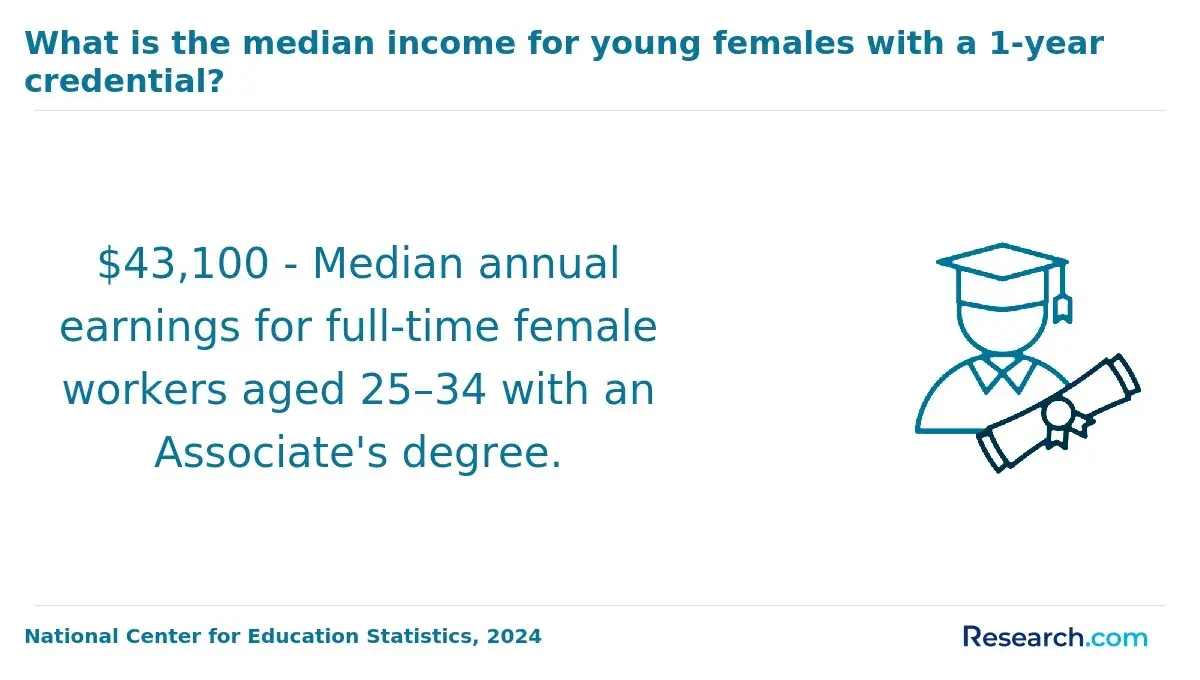
- Individuals with an associate degree in communication disorders typically qualify for entry-level support roles such as therapy assistants, earning median salaries around $40,000 annually, which reflects limited independent practice but valuable foundational experience.
- Bachelor's degree holders in communication disorders have access to broader employment opportunities including roles in rehabilitation counseling and educational aides, with average earnings ranging from $50,000 to $60,000 per year, benefiting from increased responsibilities and potential for career specialization.
- Master's degree graduates, especially licensed speech-language pathologists, command higher salaries averaging between $75,000 and $85,000 annually and experience stronger long-term job growth driven by certified clinical roles and growing demand in healthcare and educational settings.
What Are the Different Types of Communication Disorders Degrees Available?
Communication disorders programs are offered at several academic levels, but they do not all lead to the same professional options. Lower-level degrees usually prepare students for support roles or graduate study, while master's and doctoral programs are tied more directly to clinical practice, research, and advanced specialization.
The main degree types include:
- Bachelor of Science (BS) or Bachelor of Arts (BA) in Communication Disorders/Communication Sciences and Disorders: This undergraduate degree builds the foundation for understanding speech, language, hearing, swallowing, communication development, anatomy, physiology, and introductory disorders. It is often the starting point for students who plan to apply to graduate programs in speech-language pathology or audiology. By itself, it may qualify graduates for assistant, aide, education, research support, or related human services roles, depending on state rules and employer requirements.
- Master of Science (MS) or Master of Arts (MA) in Communication Disorders/Communication Sciences and Disorders: This graduate degree is the standard academic route for students preparing to become speech-language pathologists. Coursework typically combines advanced assessment, intervention, evidence-based practice, research methods, and supervised clinical practicum. Students should verify that the program aligns with certification and licensure expectations before enrolling.
- Doctor of Audiology (AuD): The AuD is a clinical doctorate for students who want to become audiologists. Programs focus on hearing and balance assessment, amplification technology, auditory rehabilitation, diagnostics, and extensive clinical training. This path is different from speech-language pathology because it prepares graduates for audiology practice rather than SLP licensure.
- Doctor of Philosophy (PhD) in Communication Disorders/Communication Sciences and Disorders: A PhD is research-focused and best suited for students interested in university teaching, independent research, grant-funded projects, policy work, or high-level scientific leadership. Students complete advanced research design, statistics, theory, and an original dissertation contribution to the field.
A useful way to compare these options is to ask what role you want at the end of the program. If your goal is independent diagnosis and treatment of speech, language, and swallowing disorders, a master's pathway is usually central. If your goal is hearing and balance care, the AuD is the more direct route. If you want to produce research or teach at the university level, a PhD is typically the strongest fit.
What Specializations Are Available in Communication Disorders Degrees?
Specializations help students focus their training on the populations, disorders, and work settings that best match their goals. They can also influence practicum placements, elective choices, research opportunities, and eventual job fit. Before choosing a specialization, students should check whether it is a formal concentration, an advising track, a certificate, or simply a set of recommended electives.
- Speech-Language Pathology (SLP): This specialization focuses on evaluating and treating speech, language, voice, fluency, cognitive-communication, and swallowing disorders across the lifespan. Students learn how to assess communication needs, create therapy plans, document progress, and work with families, educators, and healthcare teams. Graduates typically pursue work in schools, hospitals, rehabilitation centers, private clinics, and related settings.
- Audiology: Audiology centers on hearing and balance disorders, including prevention, testing, diagnosis, amplification, and auditory rehabilitation. Students study hearing assessment, hearing aid fitting, assistive listening technology, and patient counseling. Audiologists usually hold a doctoral degree and may work in healthcare systems, private practices, schools, universities, and specialty clinics.
- Deaf Education/Deaf Studies: This area prepares students to support people who are deaf or hard of hearing through education, communication access, advocacy, and cultural understanding. Programs may emphasize American Sign Language, Deaf culture, educational methods, language development, and inclusive practice. Career paths may include teaching, family support, counseling, advocacy, and community outreach, depending on credential requirements.
- Augmentative and Alternative Communication (AAC): AAC focuses on communication systems for people with complex communication needs. Students learn about communication boards, speech-generating devices, access methods, language intervention, and collaborative service delivery. This specialization is especially relevant for professionals working with clients who have severe speech or language impairments.
- Autism Spectrum Disorders: This specialization emphasizes social communication, language development, behavioral supports, assessment, and intervention for autistic children and adults. Graduates often work in schools, clinics, early intervention programs, or interdisciplinary teams. Students interested in this area should look closely at practicum experiences because hands-on training with diverse clients is especially important.
The best specialization is not always the one that sounds most interesting on paper. Compare each option against the clients you want to serve, the work setting you prefer, and the credentials required in your state or employer category.
How Long Does It Take to Complete Each Type of Communication Disorders Degree?
Completion time depends on degree level, enrollment status, clinical requirements, transfer credits, and whether the program is full-time, part-time, online, hybrid, or accelerated. Students should also account for application cycles, prerequisite coursework, practicum scheduling, and post-graduation licensure steps, not just the classroom calendar.
- Associate Degree in Communication Disorders: This option typically takes about 2 years of full-time study. Part-time students usually need longer, while students with transfer credits may finish sooner. Associate programs are less common in this field and are most useful as a lower-cost starting point before transferring into a bachelor's program or pursuing support roles.
- Bachelor's Degree in Communication Disorders: A bachelor's degree usually requires 4 years of full-time study. Some schools offer accelerated tracks that can reduce the timeline to 3 years. Online and hybrid options may help working students, but students should confirm that required labs, observations, or field experiences fit their schedule.
- Master's Degree in Communication Disorders: A master's degree commonly takes 2 years after earning a bachelor's degree. Students without a communication sciences and disorders background may need prerequisite or leveling coursework before beginning the graduate sequence. Clinical practicum requirements can also affect pacing, especially for part-time students.
- Doctoral Degree (PhD or AuD) in Communication Disorders: Doctoral study typically requires 3 to 5 years beyond the master's degree. Timeline differences often reflect dissertation research, clinical training requirements, assistantships, and whether the student attends full time. AuD programs emphasize clinical preparation, while PhD programs emphasize research and scholarship.
When comparing timelines, look beyond the advertised completion period. Ask whether summer enrollment is required, whether clinical placements are guaranteed or student-arranged, and how delays in practicum availability could affect graduation.
Are There Accelerated Communication Disorders Degree Programs?
Yes. Accelerated communication disorders programs are available in the United States, especially for students who plan early and can manage a demanding academic schedule. These pathways are designed to shorten the route to graduate-level preparation, often by combining undergraduate and graduate study or allowing students to complete prerequisites more efficiently.
A common option is the combined bachelor's-to-master's pathway in speech-language pathology. These programs may allow students to complete both degrees in about five years, compared with six or more years when the degrees are pursued separately. Schools may use condensed courses, year-round enrollment, summer terms, and graduate-level coursework taken during the undergraduate years.
Another common format is the dual degree or "3+2" model. In this structure, students complete three years of undergraduate coursework before moving directly into a two-year master's program. Some programs also use shared or transfer graduate credits that count toward both degree levels, reducing the total credits required.
Students who already hold a bachelor's degree outside communication sciences and disorders may consider post-baccalaureate certificates. These can provide an accelerated way to complete prerequisites in as little as ten months before applying to graduate study.
The trade-off is intensity. Accelerated programs usually require careful sequencing, strong academic performance, and limited room for failed or delayed courses. Many programs require minimum GPAs between 3.0 and 3.6, and students may need to declare interest early in the undergraduate experience. Clinical expectations and professional competency standards still apply, so the faster timeline should not mean reduced preparation.
For students who can handle the pace, the benefit is meaningful. Graduates earn median annual salaries of around $84,140 as speech-language pathologists per recent U.S. labor statistics, and finishing earlier can allow them to enter the workforce and begin earning sooner than peers in traditional tracks.
One graduate of an accelerated communication disorders degree program described the experience as intense but worthwhile. He said the pace required careful planning, disciplined scheduling, and willingness to use faculty support. "There were moments when balancing summer classes, graduate requirements, and clinical hours felt overwhelming," he shared. Still, he valued the early clinical exposure and the smooth transition from undergraduate to graduate study, saying it "built confidence and minimized downtime."
Are Online Communication Disorders Degrees as Credible as Traditional Ones?
Online communication disorders degrees can be as credible as on-campus programs when they meet the same accreditation, curriculum, faculty, and clinical training standards. The delivery format matters less than whether the program is properly recognized and whether it prepares students for certification, licensure, and supervised practice requirements.
For graduate programs in speech-language pathology and audiology, students should pay close attention to accreditation by the American Speech-Language-Hearing Association (ASHA) through the relevant accrediting process. Accredited programs must meet standards for academic content, clinical preparation, supervision, and student outcomes regardless of whether coursework is online, hybrid, or face to face.
Online students typically complete supervised clinical practicums in approved local or regional settings. This clinical component is essential because communication disorders is not a theory-only field. Students need direct experience with assessment, treatment planning, documentation, ethical practice, and client interaction.
Research cited in the original program discussion indicates no statistically significant differences in key outcomes such as passing the Praxis II certification exam or completing degrees within expected timelines. Employer acceptance has also grown as online education has become more common, especially when the institution is reputable and the program is accredited.
Students comparing online options should ask practical questions before enrolling:
- whether the program is accredited and meets the requirements for the state where they plan to work;
- how clinical placements are arranged and who approves supervisors;
- whether any campus visits, residencies, labs, or synchronous sessions are required;
- how students receive advising, faculty access, and clinical support;
- what technology, scheduling, and travel expectations apply.
Prominent institutions like New York University and Emerson College offering CAA-ASHA accredited online master's programs have helped validate online graduate education in this field. Students comparing costs and formats can also review online masters in speech language pathology options as part of a broader program search.
How Much Does Each Type of Communication Disorders Degree Typically Cost?
Communication disorders degree costs vary widely by level, institution type, residency status, delivery format, and whether students qualify for scholarships, assistantships, grants, or employer support. Students should compare total program cost, not just annual tuition, because fees, clinical placement expenses, travel, textbooks, technology, and lost work time can change the real price of attendance.
- Associate Degree in Communication Disorders: Associate programs are less common in this field but usually cost between $3,000 and $10,000 per year at public community colleges. This can be a cost-conscious starting point for students who plan to transfer, especially if credits apply cleanly to a bachelor's program.
- Bachelor's Degree in Communication Disorders: Tuition at public universities typically falls between $8,000 and $22,000 annually for in-state students, while out-of-state or private school tuition can exceed $30,000 per year. Students should compare in-state public options, transfer pathways, scholarships, grants, and work-study opportunities.
- Master's in Communication Disorders: Master's tuition varies substantially because this degree is the standard entry-level route for speech-language pathology. Public institutions generally charge $15,000 to $30,000 per year, whereas private and online programs may range from $30,000 up to over $100,000 for completion. Because this degree is often tied directly to licensed clinical work, students should weigh cost against accreditation, clinical placement quality, Praxis preparation, graduation outcomes, and local job opportunities.
- Doctor of Audiology (AuD): AuD programs last three to four years, with annual tuition approximately $9,800 for in-state students at public universities and nearly $29,000 for non-residents. Students should ask about clinical rotation costs, equipment fees, stipends, scholarships, and graduate assistantships.
- Doctorate (PhD) in Communication Disorders: PhD tuition varies but is often comparable to AuD programs. Many PhD candidates receive tuition waivers and stipends through research or teaching assistantships, which can significantly reduce the financial burden. Funding availability should be a major factor when comparing doctoral offers.
A graduate of a communication disorders program described managing tuition through a combination of scholarships, part-time work, and choosing an in-state public university. "It wasn't easy, but I found that being proactive about financial aid made a big difference," she said. Her experience highlights a practical lesson: students should apply early for aid, compare net cost after awards, and avoid assuming the highest-priced program is automatically the best fit.
What Jobs Can You Get with Each Type of Communication Disorders Degree?
The jobs available to communication disorders graduates depend heavily on degree level, state rules, certification requirements, and supervised clinical preparation. A bachelor's degree may open related support roles, but independent clinical practice as a speech-language pathologist generally requires a master's degree. Audiology practice follows a different doctoral pathway.
- Associate degree in communication disorders: Graduates usually qualify for support roles such as rehabilitation aide or personal care assistant in clinics, schools, or long-term care facilities. These jobs may involve helping with therapy exercises, preparing materials, assisting clinicians, documenting basic observations, or supporting daily activities. They do not typically allow independent diagnosis or treatment.
- Bachelor's degree in communication sciences and disorders: Graduates may pursue roles such as speech-language pathologist assistant (SLPA), audiology assistant, behavioral therapist, child care center manager, rehab assistant, or research support worker. SLPA eligibility often requires additional state-specific certification or registration. Many bachelor's graduates use the degree as preparation for graduate school because it covers foundational content expected by master's programs.
- Master's degree in communication disorders or communication sciences and disorders: This degree is the minimum required to become a licensed speech-language pathologist (SLP). SLPs diagnose and treat speech, language, communication, cognitive-communication, voice, fluency, and swallowing disorders. Common workplaces include schools, hospitals, rehabilitation centers, skilled nursing facilities, early intervention programs, private practices, and telepractice settings. SLPs had a median annual salary of $84,140 as of 2022.
- Doctorate in audiology (AuD) or PhD in communication disorders: AuD graduates qualify for audiology careers focused on hearing and balance disorders. Audiologists work in hospitals, private practices, clinics, schools, and specialty care settings, earning a median salary of $82,680 in 2022. PhD graduates often pursue research, university teaching, policy, program leadership, or advanced academic roles rather than routine clinical practice.
Students should verify job requirements in the state where they plan to work. Titles such as assistant, aide, clinician, and therapist can be regulated differently, and employers may require credentials beyond the degree itself.
How Do Salaries Differ by Communication Disorders Degree Type?
Salary potential generally increases with advanced education because higher degrees can qualify graduates for licensed clinical roles, doctoral-level practice, research positions, or leadership responsibilities. However, pay also depends on state, employer type, years of experience, specialization, caseload, supervisory duties, and whether the role is in education, healthcare, private practice, or academia.
Students comparing costs and aid options may also review online schools FAFSA approved as part of their broader financial planning.
- Associate degree in communication disorders: Graduates usually work in support positions such as aides or assistants. Starting salaries range from $25,000 to $42,000 annually. Advancement may be limited without additional education, certification, or a bachelor's degree.
- Bachelor's degree in communication disorders: Bachelor's graduates may qualify for communication science assistant, research support, education support, behavioral, or rehabilitation-related roles. Starting salaries usually fall between $38,000 and $59,000, with a median near $39,000. Long-term earning potential is often stronger for graduates who continue into accredited graduate programs.
- Master's degree in communication disorders or speech-language pathology: This is the key credential for licensed speech-language pathologists. Median U.S. salaries for SLPs reached approximately $95,410 in 2024, with top earners exceeding $112,000. Salaries vary by industry, geography, caseload, supervision responsibilities, and demand; states such as California and New York offer the highest pay.
- Doctoral degree (PhD or clinical doctorate) in communication disorders: Doctoral preparation can lead to roles in academia, research, senior administration, healthcare leadership, or specialized clinical practice. Salaries often exceed $120,000 annually, particularly in university faculty or healthcare leadership positions. This level may provide the broadest long-term career flexibility, but it also requires the greatest time investment.
Salary should not be evaluated separately from debt. A lower-cost accredited program with strong clinical placements may produce a better financial outcome than a more expensive program with similar licensure eligibility.
Is There High Demand for Communication Disorders Degree Holders in the Job Market?
Yes. Communication disorders graduates are in strong demand across schools, healthcare facilities, rehabilitation settings, private practices, and community-based services. Demand is supported by an aging population, increased need for rehabilitation after stroke and dementia, greater awareness of childhood language and learning disorders, and continued need for special education and related services.
Federal mandates such as the Individuals with Disabilities Education Act also contribute to demand in school-based settings. At the same time, technologies such as augmentative and alternative communication (AAC) devices and telepractice have expanded how services are delivered and where professionals can work.
Demand is not evenly distributed. Rural and underserved areas often face sharper shortages of qualified professionals, which can create stronger hiring prospects and competitive offers. Urban areas may offer more specialized settings, but they can also be more competitive depending on the role and employer.
Salary potential varies by credential and specialization. Speech-language pathology assistants earn between $40,000 and $60,000 annually, while SLPs typically see median wages around $89,290, with top earners reaching up to $125,756. Educators and healthcare administrators in related fields earn between $50,000 and more than $100,000, depending on setting and expertise.
The overall outlook is favorable, but students should still research local licensure rules, school district needs, healthcare hiring patterns, and clinical placement availability before choosing a program. Those comparing adjacent education and healthcare paths can also review careers in trade school to understand broader workforce trends.
What Factors Should You Consider When Picking a Type of Communication Disorders Degree?
The best communication disorders degree is the one that matches your target role, licensing requirements, budget, timeline, and preferred learning format. Students often make the mistake of choosing a program based only on convenience or reputation without confirming whether it actually leads to the credential they need.
- Career Goals: Start with the job title you want. Assistant roles may be possible with undergraduate preparation, but becoming a licensed speech-language pathologist requires a master's degree. Audiology requires a doctoral pathway, and research-focused careers often require a PhD.
- Time Commitment: Bachelor's degrees typically take four years to complete, while master's programs add around two more years. Doctoral programs require additional time and may include dissertation research, clinical training, teaching, or assistantship obligations. Make sure the timeline fits your financial and personal situation.
- Admission Requirements: Master's programs usually require a relevant bachelor's degree and often a minimum GPA of 3.0. Students from unrelated majors may need prerequisite coursework before admission or before beginning the full graduate sequence. Review each program's requirements early so you do not lose time completing missing courses later.
- Cost and Return on Investment: Tuition for master's programs varies widely, from about $8,240 to over $30,000 annually. Compare total cost against expected salary, licensure eligibility, job placement support, clinical placement quality, and financial aid. A program's sticker price is less useful than its net cost after aid.
- Program Format and Flexibility: Online, hybrid, part-time, and accelerated formats can make a degree more accessible, but flexibility should not come at the expense of clinical quality. Ask how practicums are arranged, whether campus visits are required, and how faculty support works for remote students.
- Licensure and Accreditation: For speech-language pathology and audiology pathways, accreditation matters. Ensure the program is accredited by the Council on Academic Accreditation in Audiology and Speech-Language Pathology (CAA) when required for your intended credential. Accreditation is central to eligibility for many certification and licensure pathways.
A practical decision sequence is to identify your intended role, confirm the required degree and licensure path, compare accredited programs, calculate net cost, and then choose the format that you can realistically complete.
What Communication Disorders Graduates Say About Their Degree and Salary
- Jeffrey: "The master's program in communication disorders truly transformed my understanding of speech-language pathology and opened doors I hadn't imagined. The coursework was challenging but rewarding, and the hands-on clinical experiences gave me the confidence to start my career in a hospital setting right after graduation. I especially appreciate how this degree prepared me to work with diverse populations, which is so important in today's communities. It feels amazing to know I am making a real difference in the lives of patients recovering their communication skills."
- Amal: "Completing my bachelor's degree in communication disorders was a pivotal step in my personal and professional growth. The program not only equipped me with essential knowledge but also sparked a passion for working with children who have speech delays. The community outreach projects I was part of gave me firsthand experience and strengthened my resolve to advocate for early intervention services. Having this degree positioned me well for continuing education and future leadership roles in educational settings."
- Isaiah: "As someone who recently graduated with a doctoral degree in communication disorders, I feel both humbled and inspired by the opportunities this path has afforded me. The rigorous research training helped me develop a critical eye for advancing clinical practices. It's rewarding to contribute to scholarly work that improves therapy techniques and patient outcomes. Pursuing this degree demanded dedication but expanded my career prospects into academia and specialized clinical roles. I'm proud to be part of a field that fosters ongoing professional development and impactful community service."
Other Things You Should Know About Communication Disorders Degree Programs & Salaries
With a degree in communication disorders, potential careers include speech-language pathology assistant, audiology aide, and rehabilitation counselor. In 2027, salaries for these positions are expected to range from $35,000 to $60,000 annually, depending on experience and location. Advanced roles, like speech-language pathologist, typically require further education and certifications, with salaries ranging from $80,000 to $100,000.
Prerequisites for communication disorders degree programs in 2026 typically include a high school diploma or equivalent, coursework in biology and psychology, and a strong academic record. Some programs may also require observation hours, letters of recommendation, and a personal statement. Eligibility specifics can vary by institution.
References
- Communication Sciences and Disorders | Major, Minor https://www.cmich.edu/program/communication-sciences-disorders
- Value of the Undergraduate Degree in Communication Sciences and Disorders (CSD) https://www.asha.org/academic/value-of-the-undergraduate-degree-in-csd/
- Undergraduate and Graduate Communication Sciences and Disorders Students׳ Views regarding the Pursuit of a Doctorate of Philosophy Degree - ScienceDirect https://www.sciencedirect.com/science/article/pii/S2452301118301664
- Department of Communication Sciences and Disorders https://health.utah.edu/communication-sciences-disorders
- Degree Programs https://splh.ku.edu/degree-programs
- Communication Sciences and Disorders Degree Cost https://und.edu/programs/communication-sciences-and-disorders-ba/cost.html
- Speech Communication Disorders: B.S.Ed. - Bachelor of Science in Education | UVA School of Education and Human Development https://education.virginia.edu/academics/programs/speech-communication-disorders-bsed-bachelor-science-education
- Communicative Disorders - BS, BA https://www.usu.edu/degrees-majors/communicative-disorders_bs_ba
- Communication Disorders | Bachelor's | BGSU https://www.bgsu.edu/academics/communication-sciences-and-disorders.html


