
2027 Is a 2-Year Software Engineering Degree Worth It: Accelerated Bachelor's ROI & Time Trade-Offs

Co-Founder and Chief Data Scientist
Choosing whether to pursue a 2-year software engineering degree often presents a dilemma for prospective students weighing time versus career gain. Recent data shows that accelerated bachelor's programs in software engineering can reduce time to degree completion by up to 50%, yet the average graduate salary remains 15% lower than those who follow a traditional four-year path. This creates uncertainty about the true return on investment and career prospects.
The article explores the financial outcomes, job market trends, and time trade-offs of accelerated software engineering degrees. It aims to guide readers in making informed decisions aligned with their professional ambitions and financial goals.
Key Benefits of a 2-Year Software Engineering Degree
- Completing a 2-year accelerated software engineering degree can reduce time to workforce by half, enabling earlier income generation and faster career progression.
- Lower tuition costs combined with earlier employment improve overall ROI compared to traditional 4-year degrees, with potential salaries averaging $85,000 within three years of graduation.
- Focused curriculum emphasizes essential skills, increasing job readiness and decreasing onboarding time, which employers often value highly in competitive tech markets.
How Do 2-Year Software Engineering Programs Work?
Two-year software engineering programs offer an accelerated path to a bachelor's degree by compressing traditional coursework into a shorter timeframe. This structure appeals to students seeking to enter the workforce sooner and is essential to understand when evaluating the curriculum and workload in accelerated software engineering degrees. Below is a breakdown of how these programs operate to help prospective students grasp their unique components.
- Accelerated Pacing: These programs reduce time-to-degree by as much as 40% compared to traditional four-year options, requiring students to maintain a fast and disciplined study routine with minimal breaks.
- Year-Round Enrollment: Continuous enrollment throughout the year allows students to take courses consecutively without the typical semester breaks, speeding up progress.
- Condensed Course Terms: The academic year is split into multiple short sessions instead of two long semesters, permitting more frequent course starts and finishes.
- Credit Load Expectations: Students often carry heavier credit loads per term, typically 12 to 15 credits or more, which is above standard semester-based requirements.
- Instructional Format: A blend of online, hybrid, and in-person classes caters to flexible schedules, ideal for working adults balancing education with other commitments.
- Assessment Methods: Evaluation combines coding assignments, exams, and capstone projects focused on both theoretical understanding and practical software engineering skills.
- Curriculum Progression: A structured curriculum guides students through core topics like programming, data structures, systems design, and software development life cycles at an intensified pace.
Graduates of such programs benefit from a reduced cost overall, not only through shorter total tuition but also by limiting living expenses, making them an appealing option for those comparing alternatives to a pharmacy degree online. The rapidly growing demand for software engineering jobs, with a projected 22% increase in employment from 2020 to 2030, and median salaries often over $110,000 underscore the strong return on investment for those pursuing these accelerated degrees.
What Are the Admission Requirements for a 2-Year Software Engineering Degree?
When considering an accelerated bachelor's in software engineering, understanding admission requirements is essential to assess if the time investment aligns with your career goals. These criteria help applicants prepare adequately and improve their chances of acceptance into competitive programs. Below is a detailed breakdown of typical admissions expectations for a 2-year software engineering degree, which serve as a foundation for accelerated bachelor's pathways.
- Prior Education: Most programs require a high school diploma or equivalent. A solid academic foundation prepares students for the rigor of a condensed curriculum, ensuring readiness for the challenges ahead.
- GPA Expectations: Minimum GPA thresholds commonly range from 2.0 to 3.0, varying by institution competitiveness. Maintaining a respectable GPA demonstrates commitment and ability to handle postsecondary coursework.
- Standardized Test Scores: While some programs still request SAT or ACT scores, many accelerated software engineering programs have adopted test-optional policies. This shift helps broaden access without compromising admission quality.
- Prerequisite Coursework: Coursework in mathematics-such as algebra, geometry, or calculus-and introductory computer science or programming is often required. These prerequisites ensure students possess essential skills prior to starting the intensive program.
- Work Experience: Although not universally required, relevant IT or coding experience can strengthen applications by showcasing practical skills and motivation. Some programs also ask for letters of recommendation or personal statements to assess candidates' intent and aptitude.
Accelerated bachelor's pathways capitalize on prior credits from a 2-year degree, allowing students to complete their bachelor's in about two years less than typical tracks, enhancing return on investment. For prospective students exploring related options, reviewing accredited medical billing and coding schools online can provide comparative insights into program availability and financial aid opportunities through resources such as accredited medical billing and coding schools online.
Careful evaluation of 2-year software engineering degree admission criteria and requirements for accelerated software engineering programs will help candidates select the best pathway for their educational and professional ambitions.
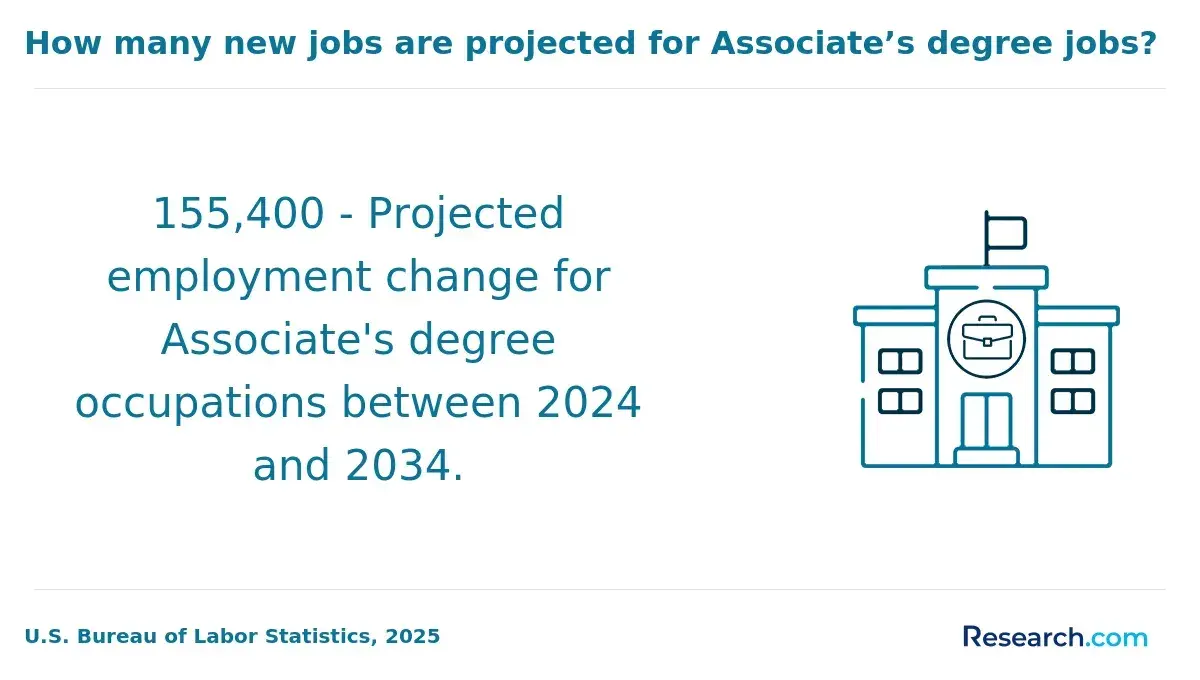
What Does a Typical Week Look Like in a 2-Year Software Engineering Program?
Grasping the weekly workload and structure is essential for anyone considering an accelerated software engineering degree. This insight helps set realistic expectations and aids in preparing for the demands of a condensed program. Below is an overview of the typical activities students juggle throughout their week.
- Class Sessions: Students typically dedicate 15 to 20 hours attending lectures covering fundamentals like programming, algorithms, and system design, ensuring a robust base of technical knowledge.
- Assignments and Assessments: Around 10 to 15 hours weekly are spent completing projects, quizzes, and exams that reinforce concepts and foster practical application.
- Group Collaboration: Working in teams for 3 to 5 hours each week simulates realistic development environments, sharpening communication and problem-solving skills.
- Independent Study: Time outside of structured activities focuses on reviewing materials, practicing code, and preparing for evaluations, demanding disciplined time management due to the program's accelerated pace.
- Instructor Interaction: Regular access to instructors via office hours or forums offers personalized support essential for navigating challenging topics.
A graduate who completed a two-year bachelor's degree in software engineering shared his reflections on the intense rhythm: "At first, the nonstop pace was overwhelming-balancing deep coding assignments with group deadlines tested my endurance." He found that "staying organized and reaching out early to instructors made a big difference."
He described moments when the pressure peaked, saying, "Some weeks felt like a sprint with no finish line in sight, but the teamwork kept me grounded." This experience highlights how resilience and proactive effort are just as critical as technical skills in succeeding within such a condensed timeframe.
Are 2-Year Software Engineering Programs Available Online?
Choosing the right delivery format is crucial for students pursuing an accelerated software engineering degree, as it greatly influences flexibility, accessibility, and time management. Online options cater to various lifestyles, enabling learners to balance studies with work or family obligations more effectively. The following points outline key aspects of two-year programs offered through online platforms.
- Fully Online vs. Hybrid Formats: Programs may be entirely online or combine online coursework with occasional on-campus sessions. Fully online options provide complete remote access, while hybrid formats blend digital learning with some face-to-face engagement.
- Asynchronous and Synchronous Learning: Asynchronous classes allow students to study on their own schedules, offering maximum flexibility. Synchronous sessions, in contrast, offer real-time interaction with instructors and peers, enhancing collaboration and immediate feedback.
- Technology Requirements: Reliable hardware and internet connectivity are essential, along with access to specified software or development tools. Programs generally specify these criteria upfront to ensure students are prepared.
- Student Support Services: Online learners benefit from resources such as virtual tutoring, academic advising, and career counseling, which support academic success and career readiness.
- Impact on Pacing and Engagement: Online delivery often enables faster program completion compared to traditional formats, facilitating a quicker return on investment. However, it demands strong self-discipline to manage coursework and maintain active participation without the structure of in-person classes.
How Much Does a 2-year Software Engineering Degree Cost?
Assessing the total cost of a 2-year software engineering degree is vital for determining its return on investment, especially when considering accelerated programs. These programs pack dense coursework into a shorter period, which can impact both tuition expenses and other fees. A careful breakdown of costs helps clarify what students need to budget for and how the accelerated pace might affect overall affordability.
- Tuition structure: Tuition is typically charged per credit hour, and accelerated software engineering programs may require more credits per term. This intense course load can increase short-term tuition costs, despite fewer total semesters compared to a traditional degree.
- Additional fees: Beyond tuition, students usually face fees such as registration, technology use, and lab access. These institutional fees add to the total price and vary by school.
- Books and learning materials: Up-to-date textbooks and digital resources are essential in software engineering, creating ongoing costs. Required hardware or software subscriptions for labs may further increase expenses beyond tuition.
- Technology and lab costs: Specific software licenses or hardware might be necessary to complete projects, which are often not included in tuition. These can be significant but essential investments for practical skill development.
- Impact of accelerated pacing: Shortening a degree to approximately two years reduces living and opportunity costs, but the compressed schedule means tackling more credits at once. This may increase financial strain per semester, affecting how the total cost is managed.
For students comparing options, considering the 2-year software engineering degree tuition cost alongside these factors is key. Those exploring different fields might also find insights by reviewing a reputable healthcare administration degree for comparison on accelerated program costs and structures.
Understanding the full financial commitment helps prospective learners make informed decisions about the cost of accelerated software engineering programs and their potential benefits.
Can You Get Financial Aid for 2-Year Software Engineering Programs?
Financial aid plays a crucial role for students assessing accelerated software engineering programs, as it can significantly affect both affordability and timeline. Securing appropriate funding options is often necessary to manage the costs of an intensive, compressed curriculum without derailing career or personal responsibilities. Here's a closer look at the types of financial aid available and the unique considerations for these shorter programs.
- Federal Student Aid Eligibility: Many accelerated bachelor's programs qualify for federal financial aid, including Pell Grants and Direct Loans, accessed through FAFSA. Being eligible opens opportunities for substantial support but requires meeting specific enrollment and academic progress standards within a tighter timeframe.
- Scholarships and Grants: Numerous scholarships target students pursuing degrees in technology and engineering fields. These awards often do not require repayment, helping reduce overall debt burden and increasing access, especially from private organizations and institutional funds.
- Employer Tuition Assistance: Working adults may benefit from employer-sponsored tuition reimbursement programs. These options provide financial assistance in exchange for continued employment, offering practical support for balancing education and work.
- Accelerated Program Pacing: The condensed nature of accelerated degrees can affect how and when financial aid is distributed. Institutions often require proof of continuous enrollment and satisfactory academic progress, sometimes necessitating quicker validation compared to traditional schedules.
- Payment Plans: Many schools offer flexible payment arrangements to help students spread tuition costs over the course duration, easing financial pressure during an intensive study period.
When discussing the reality of financial aid for accelerated 2-year degrees with a professional who completed this path, her reflections illuminated both challenges and successes. She recalled navigating the FAFSA process amid a fast-paced curriculum, where deadlines felt more urgent than in a traditional program.
"It was intense," she noted, "making sure all paperwork was in on time while juggling a full course load." Yet, employer tuition assistance proved invaluable, covering a large portion of her costs and encouraging her to maintain employment during studies.
She emphasized how scholarships tailored to tech students helped fill gaps without adding debt. This combination of aid sources made completing a bachelor's in software engineering within two years achievable and financially manageable, underscoring that with careful planning, funding options are available even in accelerated formats.
What Jobs Can You Get With a 2-Year Software Engineering Degree?
Evaluating career outcomes is essential when considering the value of an accelerated software engineering bachelor's degree. Understanding potential job prospects helps students and working adults assess how the time commitment and investment may translate into real-world opportunities. Below is a detailed overview of common roles and career paths available with a 2-year software engineering degree.
- Junior Software Developer: Graduates often start as junior developers, focusing on foundational programming, debugging, and collaborating with senior team members. This role allows hands-on experience in coding languages and development methodologies learned during the accelerated program.
- Quality Assurance Tester: Entry-level positions in quality assurance emphasize testing software products to identify bugs and ensure functionality. This role leverages analytical skills and attention to detail, essential competencies developed in an accelerated curriculum.
- Computer Support Specialist: Many associate degree holders qualify for technical support roles, assisting users with hardware and software issues across various industries. This position benefits from practical skills in troubleshooting and customer communication.
- Web Developer: With training in coding and web technologies, graduates can build and maintain websites for organizations in diverse sectors such as finance, healthcare, and retail. The fast-paced nature of accelerated programs prepares them to contribute effectively from day one.
- Industry Versatility and Skills Application: The diverse range of industries hiring these graduates-IT, finance, healthcare, and retail-reflects growing demand for software solutions. Program structures that emphasize teamwork and practical skills enable early career readiness and potential advancement opportunities.
While some software engineering positions require a bachelor's degree, many employers value 2-year software engineering degree job prospects for early-career technical roles, especially when supplemented by relevant internships or certifications. Employment growth in the field remains robust, with a projected 22% increase from 2020 to 2030, highlighting strong demand for graduates who continue skill development beyond initial employment. For students researching educational options, exploring pathways similar to the cheapest online WHNP programs can provide insight into affordable, accelerated degree programs that balance speed and career outcomes.
Many who pursue accelerated programs find that high-paying jobs with accelerated software engineering degree credentials become attainable with added experience and continuous learning. These programs' compact structure helps students save time and tuition costs compared to traditional four-year degrees, making them an attractive option for career-focused individuals.
How Do Salaries Compare for 2-year Software Engineering Degree vs. Traditional Bachelor's Degrees?
Salary outcomes are a critical factor when evaluating the return on investment (ROI) of accelerated versus traditional degree paths in software engineering. Understanding the financial implications can help prospective students, graduates, and working adults decide which program aligns best with their career and financial goals. Below is a detailed comparison of salary differences between 2-year software engineering degrees and traditional bachelor's degrees.
- Early-Career Earnings: Graduates with a 2-year software engineering degree typically start with median salaries ranging from $55,000 to $70,000 annually. In contrast, those holding traditional bachelor's degrees often begin in the $70,000 to $90,000 range, reflecting employer preferences for more comprehensive training.
- Employer Perception: Many employers favor 4-year bachelor's degrees as a stronger signal of in-depth knowledge and theoretical grounding. This perception influences initial salary offers and hiring decisions, often giving bachelor's graduates an edge in the job market.
- Career Progression Timelines: Accelerated 2-year programs allow students to enter the workforce sooner. This earlier workforce entry can lead to faster accumulation of experience and skill development, potentially offsetting lower starting salaries over time.
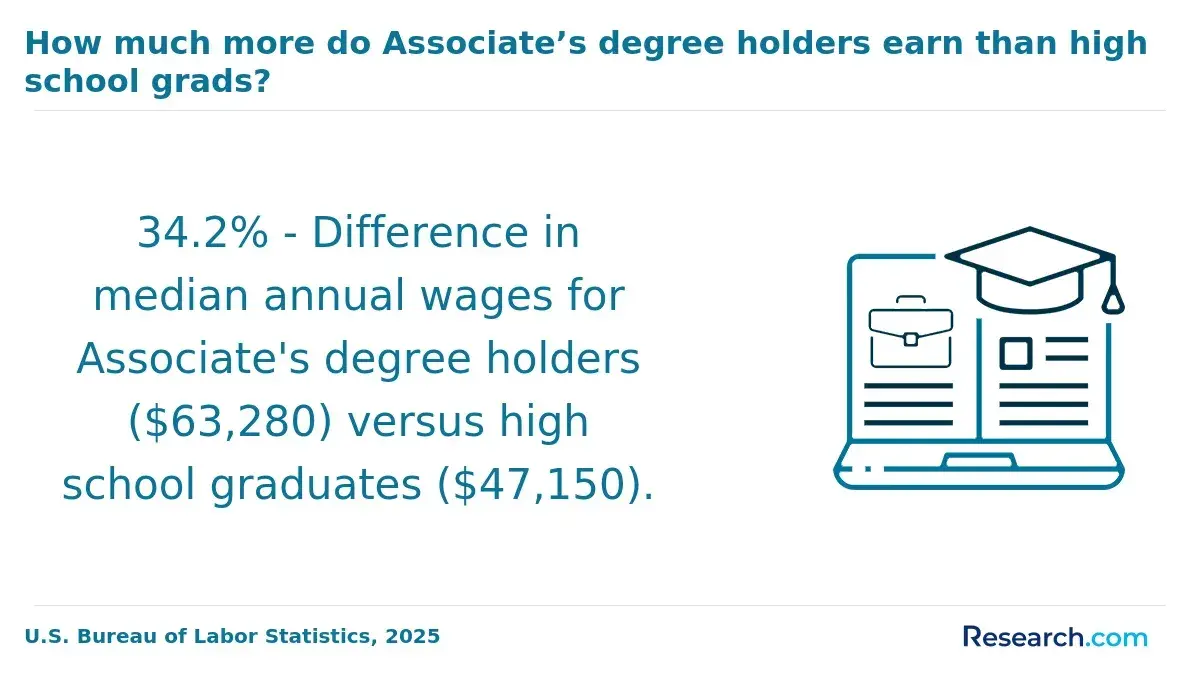
- Long-Term Earning Potential: Research from the Georgetown University Center on Education and the Workforce shows that traditional bachelor's degree holders typically reach higher lifetime earnings, with median lifetime income around $2.27 million compared to $1.3 million for associate degree holders.
- Impact of Faster Workforce Entry: While 2-year degree holders benefit from beginning their careers earlier, the salary difference between accelerated software engineering degree graduates and traditional bachelor's graduates means that long-term financial growth may be higher for those with the latter. Balancing time saved with potential earnings is essential for informed decision-making.
For those exploring flexible, affordable options, it's worth comparing the salary prospects with other fields such as nursing, where programs like the cheapest RN to BSN online can also impact earnings and career advancement.
Which Factors Most Affect ROI for Accelerated Software Engineering Degrees?
Evaluating the return on investment (ROI) is essential for students considering accelerated software engineering degrees, as it helps determine the financial and career benefits relative to the time and costs involved. Understanding the factors that impact ROI can guide informed decisions and set realistic expectations. Below are the main elements that affect the overall value of these programs.
- Time-to-completion: Accelerated programs shorten the typical four-year timeline to two or three years, enabling quicker entry into the job market. This reduction decreases the period without income, which can boost ROI by cutting down opportunity costs.
- Tuition and total cost: While total tuition is generally lower due to fewer semesters, some programs charge more per credit or add fees. It is important to consider not only tuition but also additional expenses like textbooks and living costs when assessing true affordability.
- Opportunity cost savings: Reduced time in school often means less borrowed money and earlier career advancement, lowering overall debt burden and enhancing long-term financial benefits.
- Employment outcomes: Demand for software developers is expected to grow notably, benefiting graduates with relevant skills. However, the alignment of the program's curriculum with current industry needs is crucial for securing competitive positions.
- Salary growth: Early workforce entry may jumpstart earnings, but the market's perception of accelerated credentials varies. Graduates who gain versatile, up-to-date technical skills tend to experience stronger wage increases over time.
- Industry demand: Rapid expansion in technology sectors favors those who can quickly adapt and apply learned competencies. Accelerated programs focused on in-demand technologies position students advantageously.
- Transferability of skills: Broad training in coding, system architecture, and problem-solving enhances flexibility across different roles, helping graduates sustain career growth amid technological changes.
How Do You Decide If a 2-year Software Engineering Degree Is Right for You?
Choosing a 2-year software engineering degree requires assessing your ability to manage a fast-paced curriculum, as these programs condense traditional coursework into a shorter timeframe. Reflect on your learning style and whether you thrive under pressure and tight deadlines. Time availability and your readiness to absorb material quickly are critical, especially since accelerated programs demand strong discipline. Additionally, consider how urgently you need to enter the job market, as completing a degree sooner might better align with your career goals.
From a financial standpoint, two-year programs often reduce tuition costs and shorten the time before earning a salary, potentially improving return on investment. However, it's important to compare total expenses at accredited schools and weigh these against long-term career ambitions. While job growth for software developers remains strong, some employers might still favor candidates with more extensive credentials. Think about future flexibility too-whether you intend to pursue advanced degrees later or need diverse skills to adapt to evolving technology roles.
What Graduates Say About Their 2-Year Software Engineering Degree
- Nolan: "The 2-year software engineering degree was a strategic choice for me, especially given the rising costs of education. The rigorous schedule required disciplined planning, but it pushed me to prioritize what truly mattered both academically and professionally. This degree has distinguished me in the competitive job market and opened doors to promising roles that I might not have accessed otherwise. "
- Cannon: "I chose the 2-year program because it offered a focused and efficient path into software engineering, which suited my goal of switching careers quickly. Though the pace was demanding, balancing work and study taught me valuable skills in time management and resilience. Reflecting on the journey, I can confidently say this degree accelerated my professional growth in ways I didn't anticipate, making the intensive commitment worthwhile. "
- Dan: "Choosing a 2-year accelerated bachelor's degree in software engineering was the perfect fit for my fast-paced lifestyle. The intensive schedule was challenging, but I organized my time meticulously and stayed committed, which really paid off. Graduating quickly allowed me to enter the tech industry sooner and start advancing my career without the typical delay of a 4-year program. The opportunity to save on tuition fees, around the average cost of attendance, was an additional bonus. "
Other Things You Should Know About Software Engineering Degrees
In 2027, accelerated bachelor's degrees in software engineering are generally accepted by many employers, particularly in tech-forward industries. These programs often focus on skills and practical experience, which align with industry demands. However, acceptance may vary depending on the company's size and their specific hiring criteria.
In 2026, the demand for skilled software engineers remains high, increasing the value of a 2-year software engineering degree. This helps graduates find job opportunities faster while benefiting from competitive salaries, enhancing the degree's ROI despite its shorter duration compared to traditional programs.
References
- 2026 Best Accelerated Engineering Degree Programs - Educating Engineers https://educatingengineers.com/degrees/accelerated-engineering-degree-programs/
- Centennial College - Software Engineering Technician https://www.centennialcollege.ca/programs-courses/full-time/software-engineering-technician
- The Complete Guide to Engineering ROI (Maximize Returns on Your Technical Investments) https://fullscale.io/blog/measuring-engineering-roi-guide/
- 2025 Most Affordable Online Software Engineering Degrees https://www.onlineu.com/most-affordable-colleges/software-engineering-degrees
- The ROI of Hiring Software Developers https://www.apprentify.com/media/blog/the-roi-of-hiring-software-developers/
- 10 Software ROI Factors You Should Measure & Improve https://www.softkraft.co/software-roi/
- Software Engineer for GPU-Accelerated Scientific Libraries https://careers.cern/jobs/software-engineer-gpu-programming/
- Is Software Engineering Still Worth It in 2025? https://dev.to/koladev/is-software-engineering-still-worth-it-in-2025-j3b
- Discover Scholarships for Computer Science Majors https://www.computerscience.org/scholarships-overview/


