
2027 Is Nurse Administrator a Hard Major? What Students Should Know

Co-Founder and Chief Data Scientist
The nurse administrator major is often perceived as highly demanding due to its blend of health care expertise and leadership skills. In the U.S., employment for medical and health services managers, including nurse administrators, is projected to grow 28% over a decade, highlighting the field's expanding relevance. This growth challenges students to maintain both clinical knowledge and managerial competencies simultaneously.
This article will explore the academic rigor of nurse administrator programs, typical workload expectations, essential skills like critical thinking and communication, and factors such as prior experience and personal aptitude that shape how difficult the major may feel for different students.
Key Benefits of Nurse Administrator as a Major
- Nurse administrator programs develop leadership and management skills, aiding career changers in transitioning smoothly into healthcare management roles.
- Flexible course structures accommodate full-time workers returning to school, supporting balancing education with professional responsibilities.
- Traditional undergraduates gain specialized knowledge, boosting confidence in handling complex healthcare administration challenges through practical and theoretical learning.
Where does nurse administrator rank among the hardest college majors?
Nurse administrator is not commonly listed among the nation's most difficult college majors, which are often dominated by fields like engineering, physics, and architecture due to their extensive labs, advanced mathematics, and technical coursework. Instead, its difficulty is assessed based on factors such as workload intensity, leadership and analytical skills, and the completion of leadership-focused practicums.
Students in nurse administrator programs typically handle rigorous schedules involving policy analysis, group projects, and management simulations, particularly at graduate levels. Although clinical hours are fewer than in direct patient care tracks, students must often balance practicums with professional nursing responsibilities, adding to the time commitment and complexity of the program.
Perceptions of nurse administrator difficulty vary depending on the institution and individual background. Many top programs require a minimum undergraduate GPA of around 3.0, reflecting moderate academic demands. Compared to other nursing tracks, nurse administrator is considered similarly challenging as nurse educator roles but generally less intense than nurse anesthesia or nurse practitioner programs, which demand more clinical and technical skills.
Students with prior clinical or supervisory experience often find nurse administrator coursework more manageable, whereas those new to leadership may face a steeper learning curve. Ultimately, the program's challenge level hinges on a student's strengths in leadership, communication, and time management rather than fixed ranking positions.
What factors make nurse administrator a hard major?
The nurse administrator major demands a blend of advanced academic skills and practical expertise, making it a challenging path for many students. Its rigorous coursework and extensive time commitments require perseverance and strong study habits.
Students facing the academic challenges of nurse administrator degree programs must be prepared for a significant workload and stress levels associated with mastering both clinical and managerial competencies.
- Advanced Coursework: Students tackle complex subjects including advanced health assessment, physiology, pathophysiology, pharmacotherapeutics, and statistics. These courses require mastery of scientific principles and healthcare management, emphasizing analytical and scientific thinking.
- Academic Standards: Maintaining a minimum GPA of 3.0 is typically required, with strict grading policies such as a minimum course grade of C- (70%). Repeating courses is limited, increasing pressure to perform consistently well throughout the program.
- Time Commitment: Nurse administrator program workload and stress include an extended education timeline, usually six years or more. This includes four years for a BSN and an extra two to three years for a master's degree, plus clinical experience prerequisites before admission.
- Technical and Analytical Complexity: Beyond clinical skills, students must gain proficiency in healthcare finance, law, ethics, human resources, and organizational behavior. Mastery in quantitative analysis and evidence-based decision making is essential to succeed.
- Field-Specific Demands: Practical experience through practicum placements or hundreds of leadership and management hours is crucial. This hands-on training adds depth but also increases the workload and difficulty of the curriculum.
Those interested in advancing their credentials may consider exploring highest paying certifications related to nursing leadership to complement their education and enhance career opportunities.
Who is a good fit for a nurse administrator major?
Recognizing the ideal student profile is essential for those considering the nurse administrator major, as it helps determine success in a challenging and multifaceted field. The skills needed to succeed in nursing administration go beyond clinical expertise, requiring a blend of leadership, communication, and analytical abilities.
- Strong Leaders: Students with advanced leadership qualities thrive by guiding teams effectively and delegating responsibilities to optimize healthcare operations. This trait supports managing intensive coursework and real-world administrative duties.
- Analytical Thinkers: Those with sharp analytical skills excel in processing complex information and making critical decisions, crucial for handling policy, finance, and systems management aspects of the major.
- Effective Communicators: Excellent interpersonal communication enables students to navigate conflicts and mentor others, which is vital when balancing clinical and administrative roles.
- Detail-Oriented: A keen eye for detail helps students manage large volumes of information accurately, ensuring quality in both academic and professional settings.
- Motivated Problem-Solvers: Students driven by improving healthcare systems adapt well to pressure and demanding workloads, benefiting from the blend of clinical knowledge and human resources topics.
Those interested in this major may also explore the best online colleges with open admissions policy, which can provide flexible pathways to develop these best traits for nurse administrator students.
How can you make a nurse administrator major easier?
Many students find the nurse administrator major demanding due to its intensive curriculum and workload. However, adopting effective strategies can significantly lighten these challenges and improve academic outcomes.
- Build effective time management: Balancing coursework, practicums, and personal responsibilities requires planning; tools like digital planners and setting consistent study blocks help maintain steady progress.
- Grasp core concepts early: A strong foundation in healthcare systems, policy, and informatics simplifies advanced topics later and enhances problem-solving abilities.
- Leverage academic support services: Utilizing tutoring, writing assistance, and study groups can clarify difficult subjects, especially technical ones like financial management or healthcare technology.
- Engage in active study techniques: Methods such as self-quizzing, spaced review, and applying case studies boost understanding and long-term retention.
- Connect with mentors and networks: Building relationships with faculty and professionals offers valuable guidance and emotional encouragement throughout the program.
When I spoke with a graduate who completed the nurse administrator major, she described how overwhelming it initially felt to juggle intense coursework with hands-on practicum hours. She emphasized that discovering personalized study methods-like breaking materials into manageable chunks and regularly revisiting challenging topics-was a turning point.
"I remember feeling stressed but realized that adopting a flexible schedule kept me on track without burnout," she shared. She also highlighted the importance of peer support, noting, "Forming a small study group made complex subjects less intimidating and provided a sense of community." Her experience illustrated that while the major is rigorous, proactively adjusting study habits and seeking support can transform those challenges into manageable growth opportunities.
Are admissions to nurse administrator programs competitive?
Admissions to nurse administrator programs are indeed highly competitive, mainly due to a combination of large applicant volumes and limited program capacities. Many well-known public universities, particularly some California State University campuses, report acceptance rates as low as 1-2%, reflecting the intense demand and restricted resources such as faculty and clinical placement sites. These programs require applicants to meet strict standards, making the selection process more rigorous than many other fields.
Selectivity varies widely depending on the institution and program type. Competitive schools often expect a minimum GPA of 3.0, completion of core prerequisites like anatomy and microbiology, and sometimes prior experience in nursing or healthcare. However, less selective programs-including certain private or online options-may offer much higher acceptance rates or even open admission for qualified candidates. Admissions competitiveness also fluctuates year-to-year, influenced by trends in student interest and ongoing faculty shortages.
When I asked a professional who majored in nurse administration about his experience applying, he described the process as "intense but rewarding." Despite the daunting GPA requirements and prerequisite courses, he was motivated by a desire to make a meaningful impact in healthcare leadership. He recalled waiting anxiously after submitting his application, knowing the program's capacity was limited. Ultimately, his perseverance paid off, and he emphasized that understanding the demanding selection process helped him prepare both academically and mentally for the challenge.
Is an online nurse administrator major harder than an on-campus program?
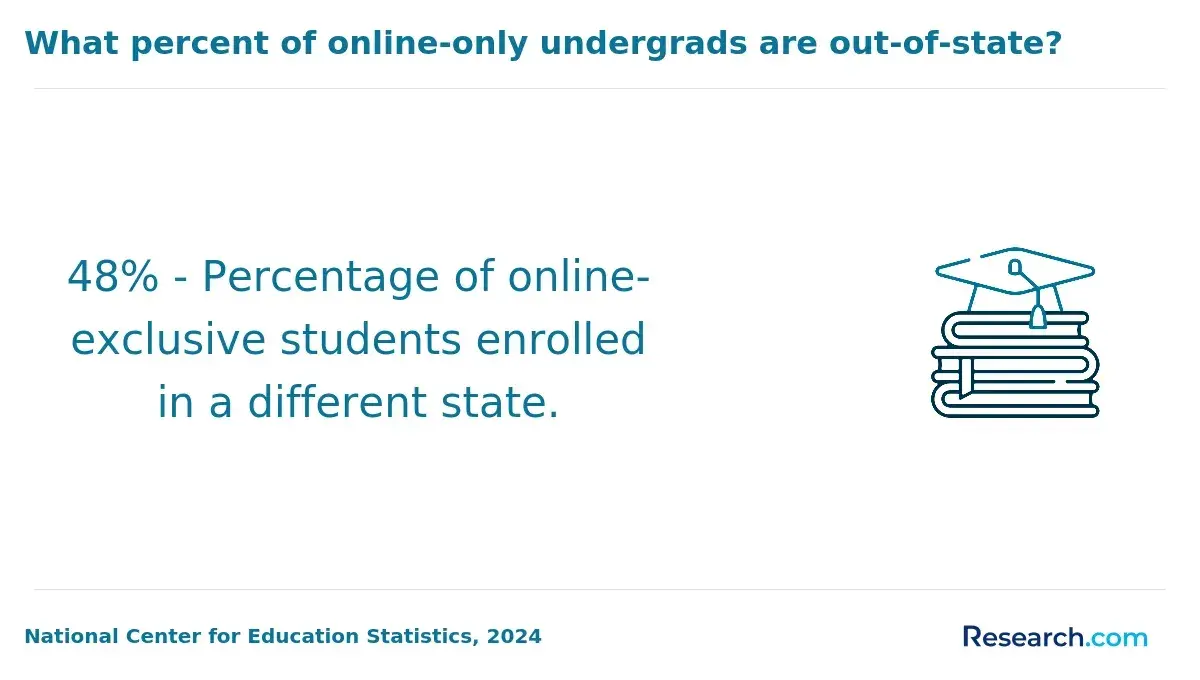
Online nurse administrator programs are generally as challenging as on-campus programs, with each format demanding distinct skills and academic approaches. The level of difficulty hinges more on individual learning preferences than the inherent rigor of either format.
Here is a comparison of online vs on-campus nurse administrator program difficulty based on several key factors:
- Academic Expectations: Both formats maintain similar workloads, assignments, and clinical hours, ensuring comparable academic rigor.
- Workload and Pacing: Online students benefit from flexible pacing, which helps those balancing work and family but requires strong self-motivation and time management to avoid procrastination.
- Interaction and Support: On-campus learners enjoy immediate feedback and in-person networking, while online students often rely on emails and discussion boards, which can limit spontaneous collaboration.
- Learning Environment: The online setting offers adaptability but may feel isolating, whereas traditional programs provide immersive experiences and established peer networks.
- Unique Challenges: Online students might need to secure clinical placements independently and manage isolation, while on-campus students typically have more direct access to hands-on support.
Ultimately, those weighing an online nurse administrator program difficulty should consider their comfort with independent study versus preference for structured, in-person engagement. For those exploring career options, nurse administration may rank among more demanding fields but offers valuable opportunities aligned with lucrative majors.
Are accelerated nurse administrator programs harder than traditional formats?
Accelerated nurse administrator programs are indeed harder than traditional formats due to their condensed timelines, accelerated course pacing, and intensified workload. This higher intensity demands rapid mastery of complex material, leaving little time for breaks or outside commitments, which directly impacts the student experience.
Below is a comparison highlighting key aspects of the accelerated nurse administrator program difficulty versus traditional formats.
- Course Pacing and Content Density: Accelerated programs compress the same coursework and clinical requirements into shorter periods, often 11 to 19 months, compared to two to four years in traditional routes.
- Workload Management: Traditional vs accelerated nurse administrator workload differs significantly, as accelerated formats require full-time dedication, while traditional programs offer more flexibility for students balancing work or family.
- Academic Expectations and Skill Demands: Accelerated students must quickly assimilate advanced management and leadership skills, often leading to higher stress but also higher academic performance for those who adapt well.
- Learning Retention and Stress Levels: The intense academic demands in accelerated programs contribute to elevated stress levels and can challenge long-term retention compared to the slower paced traditional routes.
- Flexibility and Scheduling: Traditional programs provide a more flexible day-to-day schedule, allowing for breaks and personal time, whereas accelerated programs are immersive with few gaps.
For prospective students seeking the quickest degree to make the most money, accelerated nurse administrator programs offer an intense but efficient pathway, provided they are prepared for the demands of accelerated nurse administrator program difficulty.
Can you manage a part-time job while majoring in nurse administrator?
Balancing a part-time job while majoring in nurse administrator is feasible for some students but depends on several key factors. The demanding nature of the program involves intensive reading, technical assignments, and often practicum hours, requiring 15-20 hours of weekly study outside class.
Flexibility in course schedules-such as evening or online classes-combined with strong personal time-management skills significantly impacts a student's ability to handle both responsibilities. The type of part-time job also matters, with roles offering adaptable hours fitting better alongside academic demands.
Students managing both commitments often reduce their credit loads to accommodate the rigorous coursework and unpredictable project cycles characteristic of nurse administrator programs. Choosing jobs with flexible schedules, like remote administrative tasks or per diem nursing, helps align work hours with academic obligations.
Additionally, many rely on campus or online academic resources to navigate periods when deadlines clash with work shifts. Those with additional personal responsibilities, such as family care, may still face challenges balancing these demands despite employing these strategies.
What jobs do nurse administrator majors get, and are they as hard as the degree itself?
Career paths for nurse administrator graduates vary widely in difficulty, responsibility, and required skills. While some jobs closely mirror the academic rigor of the major, others are less demanding or challenging in different ways, such as requiring strong interpersonal skills or operational adaptability.
Nurse Administrator: Oversees nursing staff, manages budgets, develops policies, and ensures regulatory compliance for an entire facility or multiple departments. This position is generally as demanding as the major, combining leadership, strategic planning, and complex problem-solving skills.
Nurse Manager: Responsible for directing a specific unit or department, including staff scheduling, team performance, and patient care standards. Although challenging, this role usually has a narrower focus than senior administration, making it somewhat less demanding but still requiring advanced leadership competencies.
Clinical Director: Leads clinical operations and coordinates care delivery across several departments while evaluating service quality. The difficulty level matches that of the major but emphasizes operational management over academic complexity, with high accountability for outcomes and regulations.
Quality Improvement Coordinator: Designs and implements patient care improvement programs, audits outcomes, and enforces adherence to best practices. This role demands accountability for measurable results and continuous learning but involves less direct managerial oversight, presenting a different kind of challenge.
Human Resources Nurse Manager: Focuses on recruiting, training, and supporting nursing staff, managing personnel issues, and fostering workplace culture. This path tends to be less academically demanding but requires strong communication and conflict resolution skills.
Graduate nursing administration tracks report average GPAs from 3.4 to 3.6, indicating moderate-to-high academic demands compared to other health majors. Those seeking nurse administrator career paths and salary insights may also benefit from exploring the highest paying nurse administrator jobs in New York. For prospective students, finding the best online school for trade skills can offer additional educational opportunities outside traditional nursing leadership roles.
Do nurse administrator graduates earn higher salaries because the major is harder?
There is no direct link between nurse administrator majors being more difficult and graduates earning higher salaries. While the program may involve challenging coursework in leadership, health policy, and management, salary increases are more closely related to the specialized skills gained and the high demand for healthcare leaders.
Employers tend to prioritize experience, advanced credentials, and leadership abilities over academic difficulty alone. Thus, a rigorous curriculum contributes to skill-building but does not solely dictate earnings.
The salaries for nurse administrator graduates depend on several factors including industry demand, job role, geographic location, and experience. For instance, the U.S. Bureau of Labor Statistics reports a median wage of $117,960 for medical and health services managers in 2024. Higher earnings are common in certain regions, with some areas offering salaries above $130,000.
Job titles also influence income; chief nursing officers average $149,791 annually, while nursing home administrators earn around $120,725. Further education like a master's degree and relevant experience can significantly boost earning potential.
What Graduates Say About Nurse Administrator as Their Major
- Yitzchok: "Pursuing nurse administrator was definitely challenging, especially balancing coursework with hands-on practical experience. However, the knowledge I gained about healthcare management has been invaluable in advancing my career. While the average cost of attendance was significant, I believe the investment was worth every dollar for the doors it has opened."
- Boston: "Studying nurse administrator proved to be a rigorous learning journey that pushed me beyond my limits. Reflecting on the personal impact, I've developed critical leadership skills that have transformed my approach to patient care. The financial burden was noticeable, but scholarships and careful planning helped me manage the expenses effectively."
- Adriel: "The major of nurse administrator required dedication and strong time management, and although it wasn't easy, it was incredibly rewarding. Professionally, it enhanced my understanding of healthcare systems, paving the way for better career opportunities. Considering the average cost of attendance, I found it was a worthwhile investment in my future."
Other Things You Should Know About Nurse Administrator Degrees
A nurse administrator major emphasizes leadership, communication, and strategic management skills. Students learn to oversee nursing staff, manage budgets, and ensure healthcare compliance. Clinical knowledge is combined with administrative training to prepare graduates for supervisory roles in healthcare settings.
Yes, most nurse administrator programs require prior clinical nursing experience or coursework in nursing practice. This foundation is essential because effective administration in healthcare demands an understanding of clinical workflows and patient care. Some programs may also include practicum or internships focused on healthcare management.
The nurse administrator major can be challenging due to its diverse coursework, which typically includes healthcare management, leadership, policy, and finance classes. These components require strong analytical and organizational skills, coupled with a solid understanding of nursing practice, enhancing the difficulty level of the program.
In pursuing a nurse administrator major, students should focus on developing leadership, communication, and critical thinking skills. These are essential for managing teams and improving healthcare outcomes. Emphasizing these skills can enhance their ability to effectively oversee nursing departments and implement policy changes.
References
- Characteristics of a Nursing Administrator | UKEssays.com https://www.ukessays.com/essays/nursing/characteristics-of-a-nursing-administrator.php
- What is a Nurse Administrator? Responsibilities & Qualifications https://www.carerev.com/blog/the-role-of-nurse-administrators
- A comprehensive evaluation of factors affecting nurse leaders’ work-related well-being https://pmc.ncbi.nlm.nih.gov/articles/PMC9590637/
- 13 Pros and Cons of Being a Nursing Administrator [2025] https://www.careerherd.com/pros-and-cons-of-nursing-administrator/
- A Look At Every Master's Degree In Nursing | NurseJournal.org https://nursejournal.org/degrees/msn/types-of-masters-degrees-in-nursing/
- How to Become a Nurse Administrator https://nurse.org/resources/nurse-administrator/
- Highest Paying Nursing Jobs and APRN Salary Guide by Specialty https://degree.astate.edu/online-programs/healthcare/msn/salary-guide-earning-potential/
- How to Become a Nurse Administrator https://www.herzing.edu/become/nurse-administrator
- Nurse Administrator Graduate Certificate Online - Penn State World Campus https://www.worldcampus.psu.edu/degrees-and-certificates/penn-state-online-nurse-administrator-graduate-certificate


