
2027 Can You Complete an Online Urban Planning Degree Program While Working Full-Time?

Co-Founder and Chief Data Scientist
Many full-time professionals face the challenge of managing demanding work schedules, family responsibilities, and the coursework of an online urban planning degree. According to recent data, nearly 40% of online college students in the U.S. are working full-time while enrolled, reflecting a common reality for adult learners pursuing advanced education.
This article explores practical strategies and factors to consider when deciding if an online urban planning program fits within a busy lifestyle. Understanding time commitments, course flexibility, and personal priorities can help working adults make informed decisions about balancing career advancement with academic goals.
Key Benefits of Completing an Online Urban Planning Degree Program While Working Full-Time
- Flexible scheduling allows full-time workers to balance coursework with job responsibilities, enabling steady progress without sacrificing professional duties in the urban planning field.
- Access to recorded lectures and digital resources supports diverse learning paces, helping professionals absorb complex zoning laws and environmental policies effectively.
- Online collaboration tools facilitate networking and project work with peers, simulating real-world urban planning team dynamics despite remote study conditions.
How Long Does It Take to Complete an Online Urban Planning Degree While Working Full-Time?
The time it takes to complete an online Urban Planning degree while working full-time varies depending on several important factors. Typically, part-time students require three to four years, longer than the usual full-time duration.
Key factors influencing the online Urban Planning degree duration for working professionals include the following:
- Enrollment Status: Part-time students, especially those balancing full-time jobs, usually take fewer courses per semester. This reduces their course load but extends the overall completion time by one to two years compared to full-time students.
- Course Format: Programs offering asynchronous or accelerated courses provide flexibility to manage work and study. Although this helps with scheduling, most students still need to maintain consistent progress each semester to graduate on time.
- Transfer Credits: Some programs, like Liberty University's online MPA in urban planning, allow up to 50% of credits to be transferred. This can significantly shorten the part-time Urban Planning master's program completion time if relevant prior coursework is accepted.
- Work Schedule and Study Hours: Students should expect to dedicate about three hours per week for every credit hour. For example, a six-credit semester typically demands around 18 hours of study weekly, making time management crucial for those employed full-time.
- Program Requirements: Additional elements such as capstone projects, internships, or professional development requirements can add complexity. These must be coordinated around work commitments, sometimes extending the graduation timeline.
For those seeking a more rapid path, exploring options like fast online degrees for working adults can offer accelerated alternatives to standard pacing while balancing job responsibilities.
Is an Asynchronous or Synchronous Online Urban Planning Program Easier for Students Working Full-Time?
Asynchronous online urban planning programs are generally easier for students working full-time because they offer the flexibility to complete coursework on a personal schedule. This format allows learners to access lectures and assignments at any time, making it possible to balance professional responsibilities and family obligations.
The best asynchronous online urban planning programs for working professionals enable students to engage with complex topics like zoning laws or GIS mapping at their own pace without the constraints of fixed class times.
In contrast, synchronous urban planning degree flexibility for full-time employees is more limited since it requires attendance at live sessions, which can be difficult to manage alongside work commitments.
However, synchronous programs provide real-time feedback and peer interaction, beneficial for activities such as group design charrettes typical in urban planning education. While asynchronous formats prioritize time management and adaptability, synchronous courses foster accountability and engagement. For those considering enrollment, exploring colleges offering open enrollment can reveal program options that best fit their scheduling needs.
What Time Management Strategies Help Online Urban Planning Students Working Full-Time?
Balancing a full-time job with an online urban planning degree demands strong time management to handle study commitments alongside work responsibilities. Efficient planning helps prevent burnout and keeps coursework on track.
Here are five research-supported strategies tailored to working urban planning students:
- Establish a regular study schedule: Set dedicated weekly study times that fit around your work, such as early mornings or weekends, to create consistent habits and reduce last-minute cramming.
- Divide projects into manageable tasks: Break down major assignments, like policy reports or case studies, into smaller milestones spread across days to avoid overload.
- Schedule study like work meetings: Use calendar blocks and timers to protect your study time, treating it with the same priority as job tasks.
- Focus on urgent and important tasks first: Identify coursework deadlines and prioritize assignments with the biggest impact on your grades or learning goals.
- Minimize distractions during study sessions: Create a quiet workspace and use tools to block interruptions, optimizing your limited study windows.
Reflecting on these strategies, a graduate who balanced full-time work with her online urban planning program shared that at first, juggling long workdays and coursework felt overwhelming. She found that setting small daily goals made large projects manageable, and carving out uninterrupted study blocks early in the morning was crucial.
"It wasn't easy, especially when unexpected work demands popped up, but keeping a focused space and breaking down my assignments helped me stay calm and on track," she explained. This thoughtful approach enabled her to complete her degree without sacrificing job performance or personal time.
What Are the Biggest Challenges Full-Time Workers Face in Online Urban Planning Programs?
Full-time professionals often find it difficult to manage their job duties while keeping up with the demanding coursework of an online urban planning degree. Balancing work and study requires careful attention to time and energy, especially given the practical and interdisciplinary nature of the program. Key challenges faced by these students include:
- Time management and workload balance: Managing a full-time career alongside complex assignments, group projects, and fieldwork can stretch available time thin. Urban planning studies demand significant effort across various disciplines, which can increase stress and impede steady progress if not handled effectively.
- Mastering technical skills remotely: Learning specialized software such as GIS and CAD without face-to-face instruction can be daunting. Many students may lack prior experience with these tools, yet proficiency is crucial for success in urban planning careers.
- Effective collaboration and communication: Remote education often complicates teamwork and stakeholder engagement essential to planning processes. Limited interaction with peers and professionals through virtual tools can reduce the quality of communication needed for real-world scenario preparation.
How Do Online Urban Planning Programs Handle Internships for Full-Time Workers?
Balancing internships with a full-time job can be challenging for online urban planning students, yet these experiences remain crucial for practical learning and meeting program standards. To address this, many programs have introduced flexible approaches that accommodate working professionals. Here are common strategies employed:
- Flexible Scheduling: Internships can often be completed part-time during evenings, weekends, or extended over several months. This helps students gain experience without disrupting their regular work hours.
- Remote and Project-Based Internships: Programs and employers increasingly offer virtual or project-focused internships, allowing students to complete tasks online and at times that fit their schedules, enhancing accessibility.
- Credit for Relevant Work Experience: Some universities recognize prior or current professional work that aligns with urban planning requirements, providing alternatives to traditional internships.
- Summer Intensive Options: Intensive internships concentrated in shorter periods, like summer breaks, allow students who can temporarily reduce work hours to fulfill their requirements faster.
- Faculty and Employer Collaboration: Advisors work with students and employers to customize internship plans, ensuring alignment with career goals and schedules, while also assisting in placement searches.
One student pursuing an online urban planning degree while working full-time shared that coordinating his internship required patience and open communication with both his employer and faculty mentor. He recalled feeling anxious initially about managing deadlines alongside job responsibilities but appreciated the program's flexibility in approving a tailored remote internship focused on his current work projects.
Regular check-ins with advisors kept him motivated and confident that the experience was meaningful. He described the process as "a balancing act that demanded effort but ultimately reinforced the real-world relevance of what I was learning." This experience gave him a sense of accomplishment, knowing the program respected his professional commitments while supporting academic growth.
What Technology Do You Need for an Online Urban Planning Degree While Working Full-Time?
Having the right technology is essential for full-time professionals pursuing an online urban planning degree, as it enables smooth access to coursework and collaboration tools while accommodating a demanding work schedule.
Reliable technology reduces disruptions and helps balance job responsibilities with academic deadlines. To support these needs, students should focus on the following technology requirements for online urban planning degree success.
- High-Speed Internet Connection: A stable broadband internet connection is crucial for live lectures, accessing course resources, and engaging in virtual discussions. Since urban planning programs often involve video conferencing for group projects and presentations, uninterrupted connectivity directly impacts learning and collaboration.
- Up-to-Date Computer or Laptop: Modern hardware with at least 8GB RAM and a multi-core processor is needed to efficiently run specialized software like ArcGIS, AutoCAD, or SketchUp. Such tools are indispensable for mapping, spatial analysis, and design tasks central to urban planning coursework and practice.
- GIS and Mapping Software Access: Geographic Information Systems (GIS) such as ESRI's ArcGIS are core to spatial analysis and scenario modeling in the field. Many institutions offer discounted or free licenses, but students must ensure compatibility and support to fully leverage this essential GIS software for remote urban planning students.
- Online Learning Platform Familiarity: Knowledge of university LMS platforms like Canvas, Blackboard, or Moodle enables asynchronous management of lectures, assignments, and submissions, allowing working professionals to study efficiently alongside their job commitments.
- Collaboration and Communication Tools: Platforms including Zoom, Microsoft Teams, and Slack facilitate virtual teamwork, presentations, and client communication. These tools support peer feedback and group projects that enhance both academic and professional development in urban planning.
Busy professionals considering advanced degrees can explore options such as an online doctorate without dissertation to further their education with flexible technology requirements.
Can You Qualify for Financial Aid If You Study Online and Work Full-Time?
Financial aid can be a crucial consideration for full-time professionals pursuing online urban planning degrees, as tuition and related expenses often accumulate rapidly. Balancing work and study requires careful attention to funding options to ensure education remains affordable. The following factors highlight key points about financial aid eligibility for working adults considering an online urban planning degree.
- Federal Financial Aid (FAFSA): Full-time workers enrolled in accredited online urban planning degree programs are typically eligible to apply for federal student aid by completing the Free Application for Federal Student Aid (FAFSA). Your employment status does not exclude you from aid, but your income level will influence the amount of need-based aid available.
- Employer Tuition Assistance: Many employers provide tuition reimbursement or education benefits for employees advancing their skills related to their jobs, including urban planning. For instance, a city planning department might reimburse a portion of tuition expenses if the degree supports your current role. This aid can often be combined with federal loans for working professionals in online urban planning programs, though employer requirements may include maintaining a certain grade or committing to continued employment post-graduation.
- Scholarships and Fellowships: Numerous online urban planning programs offer merit- or need-based scholarships open to part-time and full-time students. These are competitive, so checking deadlines and specific eligibility criteria early increases your chances of securing aid.
- Part-Time vs. Full-Time Enrollment: Eligibility for some financial aid, including federal loans, usually requires at least half-time enrollment. However, certain scholarships or assistantships might demand full-time status, so verify your enrollment classification carefully with the financial aid office.
- Income and Aid Calculations: Your reported income affects need-based aid eligibility via FAFSA. Higher earnings may reduce grant or subsidized loan amounts, but unsubsidized federal loans are generally accessible regardless of income. Planning ahead and consulting aid advisors can help optimize your financial aid eligibility.
For those exploring their options, researching the best universities offering flexible online urban planning programs with financial aid resources can be an essential step toward success.
Do Employers Support Employees Pursuing Online Urban Planning Degrees in 2027?
Employer support has become a crucial factor for full-time professionals pursuing online urban planning degrees, as balancing work and academic demands is often challenging. Workplace policies can significantly influence a student's ability to manage both responsibilities successfully, shaping the likelihood of completing a degree while maintaining career performance.
These company policies supporting employees earning urban planning degrees online typically manifest in several key ways:
- Tuition Reimbursement Programs: Many organizations provide partial or full tuition assistance for employees pursuing relevant degrees, reducing financial strain. Particularly in fields valuing credentialed planners, firms may also cover costs for certifications like AICP, supporting career advancement.
- Flexible Work Schedules: Employers often offer adjusted hours or compressed workweeks during intense study periods. This flexibility helps students attend evening classes or allocate time for projects, accommodating course formats designed for working professionals.
- Career Advancement Incentives: Completion of an urban planning degree can lead to prioritized promotions or salary increases, motivating employees to invest effort into their education. This concrete reward links degree attainment with professional growth within the organization.
- Professional Certification Support: Some employers actively encourage and sponsor certification efforts, recognizing that PAB-accredited online programs provide pathways to industry-recognized credentials that boost planners' roles and responsibilities.
- Hesitation Over Performance Impact: Despite benefits, some companies hesitate to offer tuition assistance or schedule flexibility due to concerns about reduced productivity or availability, especially in intense or on-site roles.
Overall, navigating employer tuition reimbursement for online urban planning degrees and understanding workplace support helps working students assess their options carefully. For those interested in dual degree options or comparing programs, see this resource on the best undergraduate dual degree programs.
Does Completing an Online Urban Planning Degree While Working Full-Time Improve Your Salary?
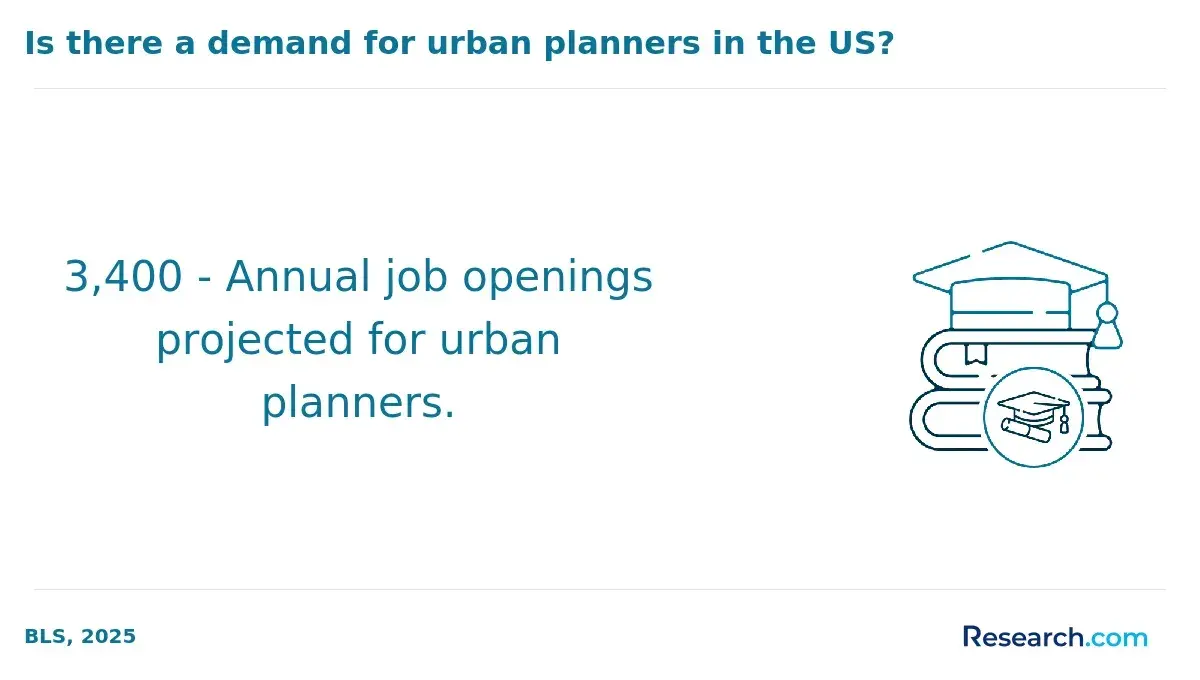
Completing an online urban planning degree can boost salary prospects, but several factors shape the outcome. Industry demand for urban planners is steady, with growth expected at 3-4% in upcoming years. A higher-level degree, typically a master's, tends to correlate with increased earning potential.
Employers are increasingly accepting online credentials from accredited programs, improving graduates' marketability. Additionally, combining relevant work experience with new academic qualifications often leads to better-paying and more advanced roles. As of May 2024, the median annual salary for urban and regional planners was $83,720, though this varies by location and specialized fields.
Balancing full-time work while earning an online degree allows immediate application of new skills in the workplace, potentially accelerating promotions and enhancing job security. Some employers may offer tuition reimbursement or adjust pay scales in recognition of the degree. However, salary improvements depend on specific urban planning sectors, employer advancement policies, and regional economic factors. For instance, planners in areas like California command higher median incomes, reflecting local demand and living costs.
What Should Full-Time Workers Look for When Choosing an Online Urban Planning Program?
Choosing the right online urban planning program is crucial for full-time professionals balancing work and study, as program flexibility and design can either support or hinder their progress. A program that fits a busy schedule and meets professional needs greatly improves the chance of degree completion without excessive stress. Key aspects to consider include:
- Flexible Course Delivery: Programs offering asynchronous or self-paced formats enable students to coordinate coursework with their work hours, avoiding rigid schedules. This flexibility helps professionals maintain balance and stay on track.
- Accreditation and Recognition: Enrollment in a Planning Accreditation Board (PAB)-accredited program ensures quality education and boosts employability. For example, the University of Florida features the first fully online PAB-accredited urban planning master's program nationwide.
- Relevant Curriculum: Look for courses emphasizing practical skills and real-world planning scenarios. Such content better prepares working students for career advancement within the urban planning profession.
- Cost and Financial Aid: Understanding tuition rates and aid availability helps professionals budget effectively. Transparent pricing like Florida's $865 per credit hour rate simplifies financial planning.
- Student Support Services: Dedicated advising, technical help, and career resources tailored to online learners are vital for managing professional and academic demands simultaneously.
What Graduates Say About Completing an Online Urban Planning Degree While Working Full-Time
- Gael: "The professional pacing of the online urban planning degree suited my demanding work hours perfectly, and I could apply coursework directly to projects at my job, enhancing both my learning and my contributions. While I was initially concerned about balancing costs, the program provided great value that justified every dollar spent. This journey has been transformative personally and career-wise, giving me credentials and skills to lead more sustainably planned initiatives. "
- Zane: "Pursuing an online urban planning degree while working full-time gave me a unique perspective on urban issues, blending academic theories with real-world applications I encountered daily. I appreciated that the program's structure respected my schedule and the cost was manageable, easing stress about financial strain. Reflecting on this experience, I feel more confident in making impactful decisions that benefit communities I serve. "
- Vicente: "Balancing a full-time job with an online urban planning degree was challenging but incredibly rewarding. The flexible learning pace allowed me to deeply understand concepts without sacrificing my professional responsibilities, and the tuition was surprisingly affordable compared to traditional programs-well worth the investment. This degree has opened doors for new career opportunities in city development that I hadn't imagined before. "
Other Things You Should Know About Urban Planning Degrees
Balancing group projects while working full-time can be challenging. Online Urban Planning programs often offer flexible meeting times, but coordinating with others requires careful planning. Effective time management and communication are crucial to successfully engage in collaboration without compromising work responsibilities.
In 2027, online Urban Planning degree programs often offer flexible course schedules that accommodate full-time job commitments. Many programs provide asynchronous classes, allowing students to study at their own pace, as well as real-time sessions in the evenings or weekends to fit diverse schedules.
Online urban planning programs may offer virtual simulations, case studies, or project-based assignments to provide practical experience for full-time workers. Some programs might also facilitate internships or field experiences tailored to fit around a full-time job, though availability varies by program.
References
- Time Management Tips for Students Working Online While Traveling - Goats On The Road https://www.goatsontheroad.com/time-management-tips-for-students/
- Online Bachelor of Science in Urban Planning https://urbanplanningdegree.com/online-bachelor-of-science-in-urban-planning/
- School of Urban and Regional Planning (SURP) https://www.queensu.ca/geographyandplanning/surp
- Mastering Time Management: A Guide for College Students https://mybeta.ca/mastering-time-management-college-students/
- The evaluation of synchronous and asynchronous online learning: student experience, learning outcomes, and cognitive load https://pmc.ncbi.nlm.nih.gov/articles/PMC10960437/
- MURP Admissions and Financial Aid FAQ https://uppp.soceco.uci.edu/murp/murp-admissions-and-financial-aid-faq
- Time Management Tips for Online Students in Malawi (2025) https://unima.ecampus.ac.mw/the-ultimate-guide-to-time-management-for-online-students/
- Accredited Courses | Championing the power of planning https://www.rtpi.org.uk/become-a-planner/study-at-university/england/
- Planning Degrees and Schools https://www.planning.org/choosingplanning/degrees/
- Urbanism – study in English | The Faculty of Architecture at the Gdańsk University of Technology https://arch.pg.edu.pl/en/admission/master-studies/urbanism-study-english


