
2027 Which Employers Hire Communication Disorders Degree Graduates? Industries, Roles, and Hiring Patterns

Co-Founder and Chief Data Scientist
A communication disorders degree can lead to very different employers depending on your credential level, clinical interests, and willingness to work in schools, healthcare, public agencies, nonprofits, or technology. The biggest career decision is not simply “What job can I get?” but “Which employer type fits my training, licensure path, salary expectations, and preferred population?”
Hiring is especially concentrated in healthcare and education. Recent data shows that nearly 60% of entry-level communication disorders professionals secure roles in healthcare industries, while school districts remain significant employers for graduates focused on pediatric speech and language services. That mix creates opportunity, but it also means students and graduates need to understand where employers are hiring, what credentials they expect, and how internships or geographic flexibility affect job prospects.
This guide explains the major employer categories for communication disorders graduates, the entry-level and mid-career roles they commonly fill, how public sector and nonprofit hiring differs from private employment, and what practical factors should shape a job search.
Key Things to Know About the Employers That Hire Communication Disorders Degree Graduates
- Graduates commonly find employment in healthcare settings-hospitals, rehabilitation centers, and private clinics-focusing on speech-language pathology, audiology, and therapy roles that demand clinical certification.
- Educational institutions-public schools, early intervention programs, and universities-hire graduates primarily as speech therapists, special educators, and research assistants supporting diverse learning needs.
- Hiring patterns favor metropolitan areas with established healthcare and education infrastructures; early career roles rely heavily on internships and licensure, while mid-career professionals access leadership and specialized clinical opportunities.
Which Industries Hire the Most Communication Disorders Degree Graduates?
The industries hiring communication disorders graduates most often are healthcare, educational services, public agencies, rehabilitation settings, private practices, nonprofits, and a smaller but growing group of technology and research employers. The best-fit industry usually depends on whether the graduate holds an associate, bachelor’s, master’s, or doctoral-level credential and whether the role requires licensure.
Data from the Bureau of Labor Statistics (BLS), the National Center for Education Statistics (NCES), and LinkedIn Workforce Insights point to several major employment channels:
- Healthcare: Hospitals, outpatient care centers, rehabilitation facilities, long-term care providers, and specialty clinics employ many communication disorders graduates. Licensed speech-language pathologists, audiologists, and clinical support professionals work in assessment, therapy, rehabilitation, care coordination, and patient education.
- Educational services: K-12 schools, special education programs, early childhood programs, and educational agencies hire graduates for speech and language support, assessment coordination, intervention services, and family collaboration. School-based roles are especially relevant for those interested in pediatric speech, language, and learning needs.
- Government and public administration: Federal, state, and local agencies hire communication disorders professionals for public health programs, veterans’ services, disability services, early intervention, and education compliance. These jobs often combine clinical knowledge with documentation, program delivery, and policy implementation.
- Residential care and rehabilitation facilities: Long-term care, neurorehabilitation, developmental disability, and brain injury programs need professionals who understand communication, swallowing, cognition, hearing, and adaptive support needs.
- Private practice and health services: Private clinics, group practices, and contract therapy companies offer direct-service roles and, for experienced licensed professionals, opportunities to specialize or build a business.
- Research and academia: Universities, research centers, and clinical labs employ a smaller share of graduates, often in research coordination, teaching support, data collection, or advanced academic roles. These positions generally favor higher degrees and methodological training.
- Telepractice and communication technology: Telehealth providers, assistive technology companies, and digital therapy platforms hire graduates who can connect communication science with user support, clinical workflows, accessibility, and product design.
Degree level matters. Associate and bachelor’s degree holders are more likely to qualify for assistant, aide, care coordination, research support, or program roles. Independent clinical practice in speech-language pathology typically requires graduate-level preparation and licensure, while audiology roles generally require advanced professional training. Readers comparing adjacent regulated health careers may also want to understand how an online pharmacy degree differs in prerequisites, licensing structure, and employer demand.
What Entry-Level Roles Do Communication Disorders Degree Graduates Typically Fill?
Entry-level roles for communication disorders graduates depend heavily on credential level. Bachelor’s degree holders commonly enter support, assistant, coordination, or research-related positions. Graduates pursuing licensed speech-language pathology roles usually need a master’s degree and supervised clinical training, while audiology careers require more advanced preparation.
Common early-career roles include:
- Speech-language pathology assistants: These professionals support licensed speech-language pathologists by preparing therapy materials, helping carry out treatment activities, documenting sessions, and assisting with client or student progress tracking. State rules vary, so graduates should confirm local registration, supervision, and scope-of-practice requirements before applying.
- Rehabilitation support specialists: In hospitals, outpatient centers, or rehabilitation facilities, graduates may help clients practice communication strategies, coordinate therapy schedules, support adaptive communication tools, and work as part of a broader rehabilitation team.
- Early childhood intervention coordinators: These roles focus on children with communication delays or developmental concerns. Responsibilities may include coordinating services, communicating with families, documenting progress, and helping educators or clinicians implement support plans.
- Research assistants or clinical research coordinators: Universities, hospitals, and research organizations may hire graduates to recruit participants, collect data, manage study materials, support assessment protocols, and contribute to communication science research projects.
- Case managers or care coordinators: Nonprofits, public agencies, and healthcare organizations may employ graduates to connect clients with therapy, school services, disability supports, insurance resources, or community programs.
- Communication analysts in corporate settings: Some graduates apply their knowledge of language, accessibility, and communication behavior in training, human resources, accessibility review, or organizational communication roles.
- Associate consultants in management consulting: A smaller number of graduates enter consulting roles that involve communication strategy, accessibility initiatives, healthcare operations, training design, or client research.
For students whose goal is independent clinical practice as a speech-language pathologist, comparing accredited speech pathology master's programs can be an important next step after the bachelor’s degree. Graduate education is not necessary for every communication-related job, but it is central to many licensed clinical pathways.
Entry-level applicants should pay close attention to job descriptions. Titles such as “assistant,” “aide,” “coordinator,” and “specialist” can mean very different things across states and employers. Strong candidates usually show a combination of coursework in speech, language, and hearing sciences; direct observation or practicum exposure; documentation skills; professionalism with families and patients; and comfort working under supervision.
Graduates interested in healthcare operations or supervisory roles later in their careers may also compare options such as a health care administration masters, especially if they want to move from direct service into management, compliance, or program leadership.
What Are the Highest-Paying Employer Types for Communication Disorders Degree Graduates?
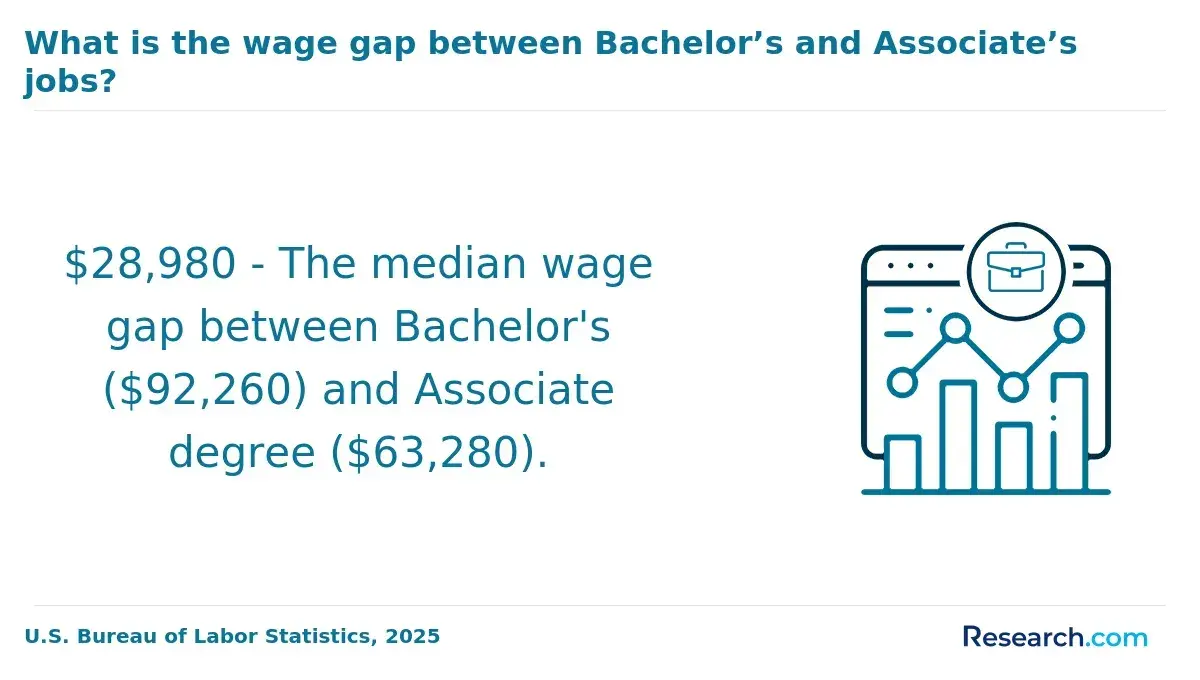
The highest-paying employers for communication disorders graduates are usually organizations with strong revenue streams, specialized clinical demand, or technology-driven business models. Compensation varies by degree, licensure, location, experience, productivity expectations, and whether the role is clinical, administrative, research-based, or product-focused.
| Employer type | Why pay may be higher or lower | Trade-offs to consider |
| Private healthcare providers | Hospitals, specialty clinics, outpatient groups, and rehabilitation companies may pay competitively for licensed professionals who can deliver billable services and manage complex caseloads. | Workloads, productivity targets, documentation requirements, and schedule demands can be significant. |
| Investment-backed technology firms | Companies developing speech-related software, assistive tools, AI language products, or teletherapy platforms may offer strong compensation packages, sometimes including equity or profit-sharing arrangements. | Roles may be less common, more competitive, and tied to product cycles or startup funding conditions. |
| Financial services organizations | Some large institutions hire communication, accessibility, wellness, or training specialists and may offer elevated base pay and performance incentives. | These roles are specialized and may involve less direct clinical work. |
| Professional services consultancies | Consulting firms may pay above-average salaries for communication training, accessibility strategy, healthcare operations, or organizational development expertise. | Travel, client deadlines, and project-based work can be demanding. |
| Government agencies | Public agencies often use fixed pay bands, so starting salary may be lower than in some private settings. | Benefits, retirement plans, leave, job stability, and mission-driven work may improve total value over time. |
| Nonprofit organizations | Nonprofits usually operate with tighter budgets, which can limit salary growth. | Roles may offer community impact, broader responsibilities, Public Service Loan Forgiveness eligibility, and strong mission alignment. |
Graduates should compare total compensation, not just base salary. A lower starting salary may be offset by strong health coverage, retirement contributions, paid leave, supervision support, professional development funds, loan forgiveness eligibility, or predictable hours. A higher-paying role may come with heavier caseloads, stricter productivity metrics, less mentorship, or limited flexibility.
A communication disorders graduate described the decision this way: “Navigating the job market was intimidating at first-deciding between a high-paying but rigid position and a lower-paying role with mentorship wasn’t easy. I eventually chose a mid-sized clinic that offered steady advancement and supportive leadership, which proved critical for my career growth. The security and culture outweighed the initial paycheck, and now, five years in, my compensation and responsibilities have grown well beyond what early salary figures suggested.”
Do Large Corporations or Small Businesses Hire More Communication Disorders Degree Graduates?
Most entry-level communication disorders graduates find opportunities in small businesses, clinics, school districts, nonprofits, and community-based organizations rather than in large corporations. Data from the U.S. Census Bureau Statistics of U.S. Businesses and the BLS Quarterly Census of Employment and Wages shows that smaller employers and nonprofit organizations play an especially important role in early-career hiring across healthcare, education, and social services.
Large employers still matter, particularly large hospital systems, rehabilitation networks, school systems, universities, contract therapy companies, and technology firms. However, Fortune 500 companies and mid-market firms more often hire experienced specialists for defined roles rather than large numbers of recent communication disorders graduates.
- Large corporations and large institutions: These employers may offer structured onboarding, formal supervision, recognizable brand names, internal mobility, benefits, and clearer promotion ladders. They may also have more rigid policies, larger teams, and narrower job duties.
- Small businesses and private practices: Smaller clinics, therapy practices, and community providers often give new graduates broader responsibility earlier. This can accelerate skill development but may also mean less formal training, fewer advancement levels, and greater dependence on the quality of one supervisor or owner.
- Nonprofits and community agencies: These organizations may hire graduates for direct service, outreach, early intervention, case management, and advocacy roles. They can be strong early-career environments for graduates who value mission alignment and varied responsibilities.
- Specialization fit: Subfields such as augmentative and alternative communication, complex medical rehabilitation, auditory processing, and assistive technology may be easier to pursue in larger, resource-rich settings. Community speech-language support, early intervention, and school-based services may be more available through local agencies and smaller providers. Professionals interested in broader integrated care may also compare how FNP programs differ from communication disorders pathways in scope, licensure, and patient care responsibilities.
- Career strategy: Employer size should not be the only filter. Candidates should also evaluate supervision, caseload, population served, licensure support, benefits, location, documentation expectations, and the employer’s track record with early-career professionals.
A practical approach is to apply across employer sizes while asking targeted interview questions: Who provides supervision? How are caseloads assigned? What training is offered? How is performance measured? What percentage of employees stay beyond the first year? The answers often reveal more than company size alone.
How Do Government and Public Sector Agencies Hire Communication Disorders Degree Graduates?
Government and public sector agencies hire communication disorders graduates through formal application systems, credential reviews, civil service procedures, and agency-specific requirements. Common employers include the Department of Veterans Affairs, the Department of Health and Human Services, the Department of Education, state health departments, local education agencies, public hospitals, early intervention programs, and disability services agencies.
- Classification system: Many federal positions use the General Schedule (GS) pay scale, which ties pay to education, experience, job duties, and grade level. State and local agencies use their own classification systems.
- Credential requirements: Clinical roles may require a master’s degree, state licensure, supervised experience, or professional certification. Requirements vary by job type and jurisdiction, so applicants should read postings carefully.
- Hiring processes: Federal roles are commonly posted through USAJobs and may use competitive service procedures that include detailed applications, eligibility screening, qualification reviews, and sometimes assessments. Excepted service positions may use different hiring authorities.
- Security and background checks: Roles involving veterans, military-affiliated programs, children, protected health information, or public schools may require fingerprinting, background checks, or clearance-related steps.
Public sector jobs often trade speed and flexibility for stability and benefits. Hiring timelines can be slow, and advancement may follow formal rules such as performance evaluations, years of service, and time-in-grade requirements. In return, employees may receive strong health coverage, retirement benefits, paid leave, predictable policies, and long-term career security.
Common public-sector entry points include:
- Department of Veterans Affairs: Clinical fellowships and rehabilitation roles may focus on communication, swallowing, cognition, hearing, and recovery needs among veterans.
- Health Resources and Services Administration: Loan repayment and scholarship programs may support professionals working in underserved health environments.
- Local education agencies: School districts and education agencies hire speech-language professionals and related support staff through special education programs and grants under the Individuals with Disabilities Education Act.
One professional who began in public service described the process this way: “The competitive service process meant submitting detailed applications and waiting through multiple review stages, which tested my patience and organization.” She added that the structure, benefits, and mission-driven work made the process worthwhile. Her advice to applicants was to prepare documentation early, match resumes closely to the job announcement, and treat the hiring timeline as part of the public sector career path rather than as a sign of employer disinterest.
What Roles Do Communication Disorders Graduates Fill in Nonprofit and Mission-Driven Organizations?
Nonprofit and mission-driven organizations hire communication disorders graduates for roles that combine service delivery, advocacy, outreach, coordination, and program development. These employers often focus on underserved communities, disability services, early childhood development, health equity, aging services, school partnerships, and family support.
- Program specialists: Graduates may help design, implement, and evaluate therapy-adjacent or educational programs for children, adults, veterans, individuals with developmental disabilities, or people with acquired communication disorders.
- Community outreach coordinators: These roles involve workshops, screening events, family education, school partnerships, and public awareness campaigns related to communication, hearing, literacy, or accessibility.
- Case managers: Case managers connect clients and families with therapy providers, insurance resources, school services, assistive technology, transportation, and social supports.
- Advocacy and policy analysts: Some graduates work on access to care, disability rights, reimbursement issues, education policy, or community health initiatives related to speech, language, and hearing services.
- Volunteer or program managers: In smaller nonprofits, graduates may supervise volunteers, coordinate events, maintain community partnerships, and track outcomes for grant reporting.
Nonprofit roles often require broader responsibilities than private clinical jobs. A single position may include client contact, documentation, outreach, fundraising support, grant reporting, and cross-agency collaboration. That variety can help early-career graduates build judgment and leadership skills quickly, but it can also lead to workload strain if staffing is limited.
- Culture: Nonprofits often emphasize collaboration, mission alignment, and community impact. This can be rewarding for graduates who want their work tied directly to access and equity.
- Compensation: Salaries tend to be more moderate than in some private or corporate settings. However, benefits, flexible scheduling, supervision quality, and Public Service Loan Forgiveness eligibility may affect the overall value of a role.
- Career mobility: Graduates can move from nonprofit coordination into school systems, public agencies, healthcare administration, advocacy leadership, or clinical graduate study.
Mission-driven for-profit organizations, including benefit corporations, B Corporations, social enterprises, and impact startups, create another pathway. These employers may blend social impact with business growth, offering roles in product support, community partnerships, accessibility, impact evaluation, and service design. They can be attractive for graduates who want mission-oriented work but also want exposure to business operations and innovation.
How Does the Healthcare Sector Employ Communication Disorders Degree Graduates?
The healthcare sector employs communication disorders graduates in clinical, rehabilitation, administrative, research, and technology-adjacent roles. Hospitals, outpatient clinics, rehabilitation centers, long-term care facilities, public health agencies, insurance organizations, and health technology companies all use communication disorders expertise, but they do so in different ways.
- Hospitals and health systems: Licensed professionals may work in acute care, inpatient rehabilitation, outpatient therapy, pediatric services, swallowing and feeding support, cognitive-communication rehabilitation, and interdisciplinary care teams.
- Outpatient clinics and private healthcare providers: These settings often focus on ongoing therapy, assessment, family education, and treatment planning for speech, language, voice, fluency, swallowing, or hearing-related needs.
- Rehabilitation and long-term care facilities: Graduates may support patients recovering from stroke, traumatic brain injury, neurological disease, developmental disability, or age-related communication and swallowing concerns.
- Insurance carriers and managed care organizations: Communication disorders graduates may work in case management, utilization review, claims analysis, provider relations, or policy interpretation related to speech and hearing services.
- Public health agencies: These employers may focus on screening programs, communication accessibility, early intervention, community education, and population-level health initiatives.
- Health technology companies: Startups and established companies hire graduates to support teletherapy platforms, assistive communication tools, speech therapy apps, patient education products, and accessibility testing.
Healthcare roles frequently require strong documentation habits, familiarity with patient privacy standards, understanding of insurance procedures, and ability to collaborate with physicians, nurses, occupational therapists, physical therapists, educators, social workers, and caregivers. Many direct clinical roles require licensure or certifications such as the Certificate of Clinical Competence in Speech-Language Pathology (CCC-SLP).
For job seekers, healthcare can offer stability and specialization, but it also requires careful review of caseload expectations, productivity standards, supervision, weekend coverage, and documentation workload. Graduates should ask whether the employer supports continuing education, clinical supervision, specialty training, and reasonable caseload management.
Which Technology Companies and Sectors Hire Communication Disorders Degree Graduates?
Technology employers hire communication disorders graduates when products depend on language, speech, accessibility, human-computer interaction, telehealth, assistive communication, or inclusive design. These roles are not always labeled “communication disorders,” so graduates should search by function as well as by degree title.
- Assistive technology companies: Employers developing augmentative and alternative communication devices, speech-generating tools, hearing-related products, and accessibility platforms may value graduates who understand user needs and communication barriers.
- Telehealth and digital therapy platforms: These companies hire for clinical operations, provider support, user education, quality review, product training, and sometimes direct service roles where licensure permits.
- AI and speech technology firms: Companies working on speech recognition, natural language processing, voice interfaces, and language tools may use communication disorders expertise in product testing, annotation, user research, bias review, and accessibility evaluation.
- Health tech: Health technology companies may hire graduates for patient communication tools, cognitive rehabilitation products, remote monitoring support, and clinical workflow design.
- Edtech: Education technology employers may need specialists who understand language development, literacy, accessibility, special education, and adaptive learning tools.
- Technology functions inside non-tech companies: Healthcare systems, universities, school networks, insurers, and financial services firms may hire communication disorders graduates for accessibility, training, digital adoption, and user support roles.
Technology hiring is often skills-based. A graduate does not always need to be a software engineer, but a strong portfolio can help. Useful evidence may include assistive technology projects, user research summaries, accessibility audits, telepractice experience, data analysis work, digital content samples, or product testing documentation.
Remote work can expand access to these roles, but it also increases competition. Candidates should be prepared to explain how their communication disorders background improves product quality, accessibility, patient or learner outcomes, and user trust. Students comparing related interdisciplinary fields may also review the best online exercise science degree pathways to understand how rehabilitation, movement science, and health technology careers can intersect.
What Mid-Career Roles Do Communication Disorders Graduates Commonly Advance Into?
Mid-career roles for communication disorders graduates commonly appear between five and ten years into the field, after professionals have built clinical judgment, documentation skill, supervision experience, and a clearer specialty. Advancement may require licensure, certification, graduate education, management training, or evidence of strong outcomes.
- Senior clinician: Experienced speech-language pathologists, audiologists, or rehabilitation professionals may handle complex cases, mentor junior staff, support quality improvement, and lead specialty services.
- Clinical coordinator or department lead: These roles combine clinical expertise with scheduling, caseload management, documentation review, compliance, and staff support.
- Program manager: Mid-career professionals may oversee early intervention programs, school-based services, outpatient therapy lines, nonprofit initiatives, or rehabilitation programs.
- Clinical supervisor: Supervisors guide assistants, fellows, interns, or new clinicians and may be responsible for training, performance feedback, and adherence to professional standards.
- Healthcare administrator: Some graduates move into operations, service line management, quality assurance, compliance, or patient experience roles.
- Specialist roles: Professionals may focus on swallowing disorders, voice therapy, fluency, pediatric language, autism-related communication, auditory rehabilitation, cognitive-communication disorders, or augmentative and alternative communication.
- Research, product, or policy roles: Mid-career professionals with research literacy or technology exposure may move into clinical research, product strategy, accessibility leadership, or public policy.
Credentials influence advancement. The Certificate of Clinical Competence (CCC), state licensure, specialty workshops, supervisory training, and graduate degrees can all strengthen career mobility. Professionals considering a larger shift into nursing or healthcare leadership may compare options such as the cheapest direct entry MSN programs, but they should weigh the cost, licensure implications, and career change requirements carefully before leaving the communication disorders track.
The best mid-career strategy is intentional. Graduates should identify whether they want deeper clinical specialization, people management, program leadership, research, technology, or policy work. Each path rewards different evidence: case expertise, outcomes data, supervisory success, grant experience, product work, or administrative performance.
How Do Hiring Patterns for Communication Disorders Graduates Differ by Geographic Region?
Hiring patterns for communication disorders graduates vary by population density, healthcare infrastructure, school district needs, university presence, state licensure rules, and access to specialty services. Major metropolitan centers such as New York City, Los Angeles, Chicago, and Washington, D.C. tend to have larger employer ecosystems because they concentrate hospitals, universities, public agencies, private practices, research centers, and technology companies.
Mid-sized cities such as Raleigh, NC, and Salt Lake City, UT, may offer a strong balance of healthcare and education hiring with lower living costs than some major metros. Smaller and rural markets usually have fewer total openings, but demand can remain steady in school districts, community clinics, regional hospitals, early intervention programs, and public agencies.
Since 2020, remote and hybrid work has changed the job market. LinkedIn data reveals a 22% increase in remote communication disorders job postings since 2021. Remote roles can help graduates in lower-cost or rural areas access employers outside their region, but they also create national competition. Applicants need clear evidence of telepractice readiness, digital communication skills, documentation discipline, and state-specific licensure awareness when applicable.
- Major metropolitan areas: Offer more employers, specialties, research opportunities, and career mobility, but may come with higher living costs and stronger competition.
- Mid-sized cities: Can provide a practical balance of salary, affordability, healthcare infrastructure, and school-based demand.
- Rural and underserved regions: May have fewer openings but stronger need for generalists, school-based professionals, telehealth support, and community-oriented services.
- Remote roles: Expand access but require stronger differentiation because applicants may compete nationally.
- Relocation strategy: Graduates with geographic flexibility can target regions anchored by hospitals, research universities, public agencies, or large school systems. Those who cannot relocate should build relationships with local districts, clinics, hospitals, and nonprofits early.
Before relocating, graduates should compare pay against cost of living, licensure transfer requirements, commuting realities, caseload expectations, and the availability of supervision or mentorship. A higher salary in a major metro may not always produce better financial or professional outcomes.
What Role Does Internship Experience Play in How Employers Hire Communication Disorders Graduates?
Internship experience is one of the strongest signals employers use when evaluating communication disorders graduates. According to National Association of Colleges and Employers (NACE) data, around 80% of those who finish internships receive job offers within six months of graduating. Internships can shorten the time to employment, improve interview performance, and help students demonstrate that they understand real client, student, patient, or program environments.
The value of an internship depends on relevance and quality. A placement in a hospital, school, rehabilitation center, private clinic, public agency, research lab, nonprofit, or technology company can help a graduate show practical readiness. Strong internships also produce references, work samples, documented accomplishments, and clearer career preferences.
- Clinical or school placements: Help students understand documentation, supervision, family communication, treatment planning, assessment support, and interdisciplinary collaboration.
- Research internships: Build data collection, literature review, participant interaction, and study coordination skills.
- Nonprofit or public agency internships: Develop outreach, case coordination, grant reporting, program evaluation, and community partnership experience.
- Technology internships: Support portfolios in accessibility testing, user research, assistive technology, telehealth operations, and product feedback.
Access is not equal. Students from economically disadvantaged backgrounds may struggle to accept unpaid internships, and students at institutions with weaker employer networks may have fewer local options. Virtual internships, paid placements, cooperative education, faculty-led partnerships, and diversity-focused employer programs can reduce those barriers.
Practical steps for students include:
- Start early: Begin researching internships at least a year ahead when possible, especially for competitive healthcare, school, or research placements.
- Target by career goal: Choose placements that match your intended setting, such as pediatric practice, adult rehabilitation, public health, schools, research, or technology.
- Use faculty and alumni: Professors, supervisors, alumni, and career offices often know which employers train students well.
- Document outcomes: Track projects, populations served, tools used, hours completed, and measurable contributions while respecting privacy rules.
- Ask about supervision: A prestigious internship with poor supervision may be less valuable than a smaller placement with structured feedback and meaningful responsibility.
For communication disorders students, internships are not just resume entries. They are a way to test employer settings, build references, clarify whether graduate school is necessary, and enter the job market with evidence of practical readiness.
What Graduates Say About the Employers That Hire Communication Disorders Degree Graduates
- Mordechai: "Graduating with a communication disorders degree opened doors for me in diverse industries-ranging from healthcare to education. I found that hospitals and private clinics tend to hire extensively for therapy and diagnostic roles, often favoring candidates with clinical experience. It's fascinating how geographic markets like urban centers have a higher demand, reflecting a growing awareness and need for specialized communication support."
- Casen: "Reflecting on my career path, I see that nonprofit organizations and school districts are major employers of communication disorders graduates, focusing on community outreach and developmental programs. These roles often offer a balance of direct client interaction and administrative work, which I greatly appreciated. Hiring patterns tend to prioritize candidates with a mix of empathy and evidence-based skills-qualities I honed during my studies."
- Walker: "Professionally, I noticed that technology firms and research institutions are increasingly recruiting communication disorders graduates for roles related to cognitive-linguistic research and assistive device development. Such careers require adaptability and a willingness to engage in interdisciplinary projects-something that wasn't obvious until I was in the field. The employment landscape here is competitive but rewarding, especially in regions with strong healthcare and tech sectors."
Other Things You Should Know About Communication Disorders Degrees
Graduate degree holders in communication disorders generally have stronger hiring prospects than bachelor's graduates. Employers in healthcare, education, and specialized therapy settings often require a master's degree or higher for clinical roles such as speech-language pathologists and audiologists. Bachelor's degree holders may find more opportunities in support roles or entry-level positions but typically face limitations in certification and scope of practice.
The job market outlook for communication disorders graduates is positive, with demand expected to grow faster than average due to an aging population and increased awareness of speech and language therapy needs for children. Employment opportunities will expand across healthcare, schools, and private practice. The need for qualified professionals in rural and underserved areas is also anticipated to increase, widening geographic hiring patterns.
In 2027, communication disorders degree graduates are primarily hired within healthcare, educational services, and social assistance industries. Employers in these sectors include hospitals, private clinics, schools, and rehabilitation centers, emphasizing roles such as speech-language pathologists and audiologists. These fields show consistent demand due to ongoing healthcare needs.
Graduates should focus on securing relevant clinical experience through internships and practicums to build strong portfolios. Networking within professional associations and targeting job markets with high demand-such as healthcare facilities, schools, and rehabilitation centers-can improve hiring chances. Staying current with certifications and specialization options, like pediatric or geriatric communication disorders, also enhances employability.
References
- What Can You Do With a Master of Science in Speech-Language Pathology? https://onlinegrad.pepperdine.edu/blog/what-can-you-do-with-slp-masters/
- The Importance of Internships: Gaining Practical Experience Before Graduation https://www.alliedonesource.com/the-importance-of-internships-gaining-practical-experience-before-graduation
- Career Description - Communication Sciences and Disorders https://westliberty.edu/communication-sciences-disorders/career-description/
- Where the jobs are: Nonprofit roles that always need filling | Work for Good https://workforgood.org/career-insight-where-the-jobs-are-nonprofit-roles-that-always-need-filling/
- The Role of Internships: Building Experience and Advancing Careers https://ifim.edu.in/ifim-college/role-of-internships-building-experience-advancing-careers/
- How Internships Boost Confidence and Communication Skills https://absoluteinternship.com/blog/how-internships-boost-confidence-and-communication-skills/
- Speech-Language Pathologist | Commissioned Corps of the U.S. Public Health Service https://www.usphs.gov/professions/speech-language-pathologist/
- Career outlook https://clas.wayne.edu/csd/programs/career-outlook
- The Professional Skills and Values of an Internship - Workplace Options https://www.workplaceoptions.com/blog/the-professional-skills-and-values-of-an-internship/
- Category https://cshassoc.org/category/job-post/


