
2027 Different Types of Surgical Tech Degrees and Their Salaries

Co-Founder and Chief Data Scientist
Choosing a surgical tech degree is a practical decision: you are weighing how quickly you want to enter the operating room, how much you can afford to spend, whether you need flexibility, and what credential will help you qualify for stable work. Surgical technologists support surgeons, nurses, anesthesiology teams, and patients before, during, and after procedures, so training quality matters.
This guide explains the main surgical tech education paths, including certificates, diplomas, associate degrees, online and accelerated options, and less common bachelor’s-level routes. It also covers specialization choices, typical timelines, program costs, job outcomes, salary differences, and the factors that should guide your decision. The goal is not to push one degree type for everyone, but to help you choose the option that fits your career goals, schedule, budget, and local employer expectations.
Key Points About Different Types of Surgical Tech Degrees and Their Salaries
- Most surgical techs pursue an associate degree, which typically takes about two years and offers entry-level roles with median salaries around $49,000 annually according to the U.S. Bureau of Labor Statistics.
- A bachelor's degree in surgical technology or a related healthcare field can open doors to supervisory positions and specialized roles, often increasing salary potential by 10% to 20% compared to an associate degree.
- Although rare, master's degrees in surgical technology or healthcare management can lead to advanced career opportunities in education, administration, or surgical equipment consulting, with salaries often exceeding $70,000 per year over time.
What are the different types of surgical tech degrees available?
The main surgical tech education options are certificates, diplomas, and associate degrees. Each can prepare students for entry-level surgical technology work, but they differ in depth, transferability, clinical preparation, and long-term career flexibility.
- Certificate in Surgical Technology: A certificate is usually the shortest academic route into the field. It focuses on core operating room skills such as sterile technique, surgical instrumentation, infection control, patient safety, and procedure preparation. This option can work well for students who want a focused program with fewer general education courses, but students should verify whether the program is accredited and whether local employers accept the credential.
- Associate of Science (AS) in Surgical Technology: An AS degree usually combines surgical technology coursework with broader academic subjects such as anatomy, physiology, pharmacology, and medical terminology. This route may be better for students who want a stronger academic foundation, may transfer credits later, or want to keep additional healthcare education options open.
- Associate of Applied Science (AAS) in Surgical Technology: An AAS is often career-focused and designed to prepare graduates for direct employment. It emphasizes technical proficiency, clinical practice, aseptic technique, and participation in surgical procedures under supervision. For many students, this is the most practical balance of hands-on preparation and recognized credential value.
When comparing programs, do not choose by title alone. A certificate from a strong accredited program with robust clinical placements may be more useful than a longer program with weak employer connections. On the other hand, an associate degree can provide broader preparation and may support advancement, certification readiness, or future education.
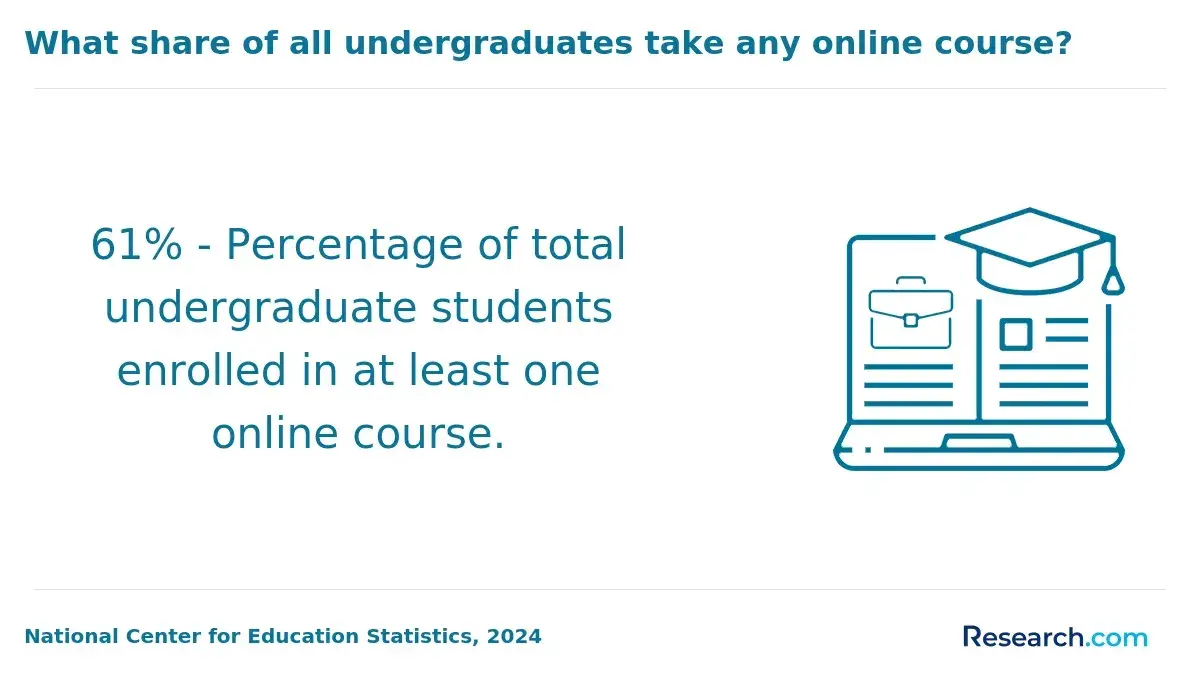
Students who are balancing school with work or caregiving responsibilities may also want to compare flexible formats, including fast online degrees for working adults. For surgical technology, however, any credible program should include in-person labs, skills checks, or clinical experience because operating room competency cannot be learned through online coursework alone.
What specializations are available in surgical tech degrees?
Surgical tech programs typically begin with general operating room preparation. Specialization usually develops through clinical rotations, employer training, continuing education, certification preparation, or experience in a particular surgical service. Choosing a specialization can help you target the work environment and procedures that fit your strengths.
- Cardiovascular Surgical Technologist: Supports procedures involving the heart, lungs, and major blood vessels. This path requires comfort with high-acuity cases, specialized equipment, and rapid communication in pressure-filled environments.
- Neurosurgical Technologist: Assists with surgeries involving the brain, spinal cord, and nervous system. This specialization demands precision, patience, strong attention to detail, and familiarity with delicate instruments and positioning requirements.
- Orthopedic Surgical Technologist: Works on procedures involving bones, joints, ligaments, and connective tissue. Students interested in trauma, sports medicine, joint replacement, or implant systems may find this area especially relevant.
- Plastic And Reconstructive Surgical Technologist: Supports cosmetic and reconstructive procedures, including work that may involve burns, trauma repair, or elective surgical cases. This area often requires careful handling of fine instruments and attention to aesthetic and functional outcomes.
- Trauma And Emergency Surgical Technologist: Works in fast-moving emergency surgical settings where priorities can change quickly. This specialization suits students who can remain calm, organized, and responsive during urgent or life-saving procedures.
Before choosing a school based on a claimed specialization, ask how that focus is delivered. Look for evidence such as clinical rotation sites, procedure exposure, lab equipment, faculty experience, and employer partnerships. A program that simply lists a specialty without related clinical access may not provide meaningful preparation.
If flexibility is a major factor in your education planning, it may also help to compare broader academic options such as the easiest degrees to get online. Surgical technology is different from many online-friendly majors, though, because clinical competence and sterile technique require supervised practice.
How long does it take to complete each type of surgical tech degree?
Completion time depends on the credential, enrollment pace, prerequisites, clinical scheduling, and whether you already have transferable college credits. The fastest option is usually a certificate or diploma, while associate degrees take longer but may provide broader preparation.
- Certificate or Diploma in Surgical Tech: These programs typically take about 9 to 12 months to complete. They are designed for quicker workforce entry and usually include practical training in surgical instruments, sterile technique, procedure setup, and patient safety. Accelerated formats may shorten the timeline, while part-time attendance can extend it.
- Associate Degree in Surgical Tech: Associate programs usually require 18 to 24 months. They add general education and science coursework to surgical technology training, which can strengthen academic preparation and may support certification readiness or future study. Hybrid programs may place lectures online while requiring in-person labs and clinical rotations.
- Bachelor's Degree in Surgical Tech: A bachelor’s degree in surgical tech or a related surgical technology field is less common and typically takes 4 years of full-time study. This route is usually more relevant for students interested in leadership, education, healthcare operations, or broader health science roles rather than immediate entry-level surgical tech work.
Students should also account for hidden timeline factors. Some programs require prerequisite courses before admission, clinical sites may have limited availability, and background checks, immunizations, drug screening, or documentation requirements can delay placement if not completed early.
Are there accelerated surgical tech degree programs?
Yes. Accelerated surgical tech programs are designed to move students into the workforce faster than traditional schedules. Some compressed programs can be completed in as little as 8 to 15 months, depending on the credential, academic calendar, transfer credits, and clinical structure.
These programs usually reduce downtime between terms, require a heavier weekly workload, and expect students to keep pace with intensive labs, exams, and clinical requirements. Some schools offer nine-month certificates or 15-month associate degrees, while online accelerated options may advertise completion periods as brief as four to nine months.
The key caution is quality. A faster program is only useful if it still provides credible training, supervised hands-on practice, and clinical experience that employers and certification pathways recognize. Surgical technology is a patient-facing, high-responsibility role, so a short timeline should not come at the expense of competence.
When an accelerated program may be a good fit
- You can study full time and handle a demanding weekly schedule.
- You have already completed transferable general education or science courses.
- You want to enter the workforce quickly and can prioritize school for the duration of the program.
- The program is properly accredited and includes in-person clinical experience.
When a standard-length program may be safer
- You need to work substantial hours while enrolled.
- You have family or caregiving responsibilities that limit clinical availability.
- You need more time to build confidence with anatomy, instruments, sterile technique, and operating room routines.
- You may want credits that transfer into future healthcare education.
Applicants should ask direct questions before enrolling: Is the program accredited? Where are clinical rotations completed? Are clinical sites guaranteed or competitive? What prerequisites are required? Will the program qualify graduates for the national certification exam? What happens if a student fails a clinical competency or needs to repeat a course?
One graduate described an accelerated surgical tech program as “intense yet incredibly rewarding.” He said the condensed schedule required discipline, time management, and a willingness to ask for help early. He valued entering the workforce sooner, but also noted that clinical rotations remained demanding and could not be treated as a shortcut. His experience reflects the main trade-off: accelerated programs can work, but they require focus and reliable support.
Are online surgical tech degrees as credible as traditional ones?
Online surgical tech degrees can be credible when they come from properly accredited programs and include required in-person labs, skills assessments, and clinical rotations. The online format alone does not determine quality. Accreditation, clinical training, graduate outcomes, and employer recognition matter more.
Accredited surgical technology programs are commonly reviewed by recognized bodies such as the Commission on Accreditation of Allied Health Education Programs (CAAHEP) or the Accrediting Bureau of Health Education Schools (ABHES). These standards help ensure that students receive appropriate academic instruction and supervised practical preparation.
Traditional programs may offer more immediate face-to-face feedback, easier access to simulation labs, and closer daily interaction with instructors. Online or hybrid programs may offer more schedule flexibility and sometimes lower tuition costs, but students must be self-directed and prepared to travel to approved clinical sites. A fully online surgical tech program with no in-person skills component should be treated with caution.
Employer acceptance has grown as more reputable schools use hybrid models for didactic coursework while preserving in-person clinical requirements. Still, employers generally want proof that graduates can function safely in the operating room. That proof comes from accredited training, documented clinical experience, and certification readiness rather than the label “online” or “traditional.”
Recent labor market context also supports careful program selection. Demand for surgical technologists continues to rise, and the U.S. Bureau of Labor Statistics reported median annual salaries around $56,350 as of 2024. Students who want to compete for these roles should prioritize accredited programs with strong clinical placements and a clear path to certification eligibility.
How much does each type of surgical tech degree typically cost?
Surgical tech program costs vary widely by school type, credential, location, delivery format, and whether the student qualifies for in-state tuition or financial aid. Tuition is only one part of the total cost; students should also budget for books, uniforms, lab fees, background checks, immunizations, exam fees, transportation to clinical sites, and lost work hours during rotations.
- Certificate or Diploma in Surgical Tech: These programs usually cost about $4,000 to $8,000 at community colleges or technical schools. Some online options are available for as low as $1,599 to $4,000. Public institutions are often less expensive than private schools, especially for local residents.
- Associate Degree in Surgical Tech: Associate programs typically cost between $10,000 and $30,000, with some private colleges charging up to $38,000. Students may pay different rates depending on in-state or out-of-state residency, and the longer timeline can increase indirect costs.
- Online Surgical Tech Programs: Online certificate programs often charge between $1,599 and $4,000. These programs may reduce commuting costs for classroom coursework, but students should confirm accreditation, clinical placement arrangements, state acceptance, and whether the advertised price includes all required fees.
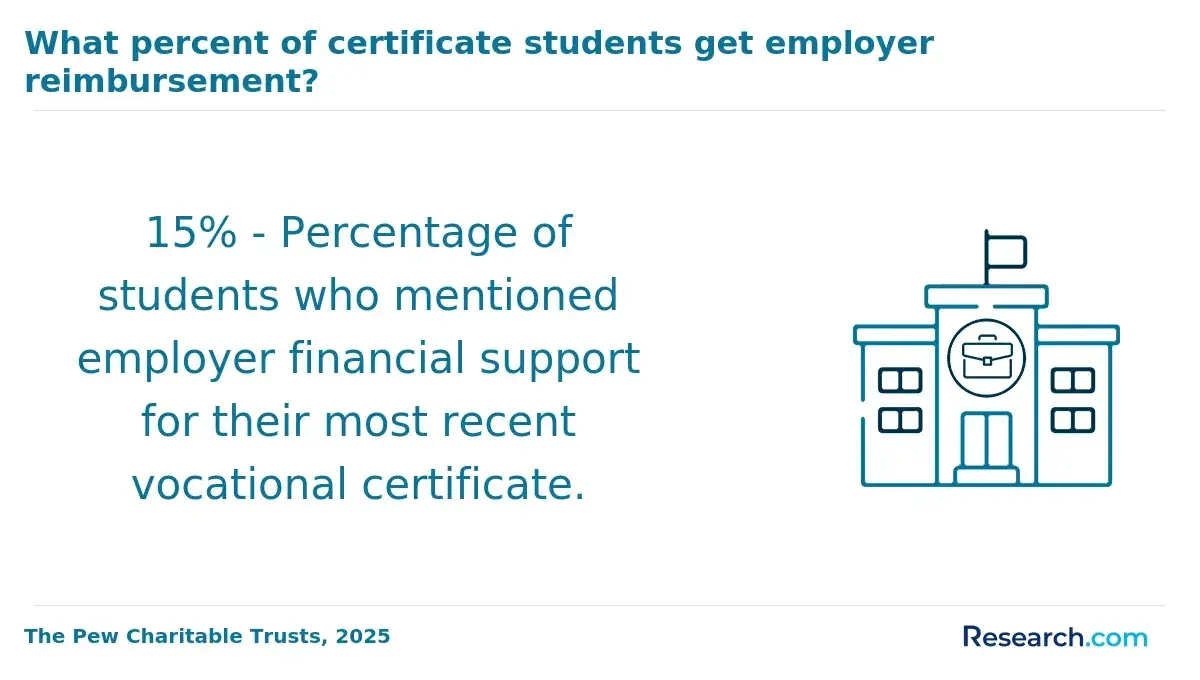
- Vocational Surgical Tech Programs: Private vocational schools tend to be more expensive, averaging around $31,281 for surgical tech training in 2025. Financial aid availability can vary, so students should verify whether the institution participates in federal aid programs and whether credits will transfer if they continue their education later.
Common funding sources may include federal Pell Grants, state awards, institutional scholarships, federal loans, work-study programs, military education benefits, external grants, and monthly payment plans. Before borrowing, compare total program cost against local entry-level wages and employment outcomes.
A graduate who attended a regional community college said affordability depended on planning early. She combined scholarships, part-time work, and financial aid to manage costs and later described the investment as worthwhile because it led to stable employment. Her main advice was direct: “Being proactive about financial aid made all the difference; it allowed me to focus on my studies rather than stress about money.”
Breakdown of All 2-Year Online Title IV Institutions

What jobs can you get with each type of surgical tech degree?
Most surgical tech credentials are designed for operating room support roles, but the degree level can affect competitiveness, advancement options, and access to specialized or supervisory work. Employers may also consider certification, clinical experience, local regulations, and facility policy.
- Certificate in Surgical Technology: Certificate graduates may qualify for entry-level roles such as surgical technologist or operating room (OR) tech. Typical duties include preparing operating rooms, setting up sterile instruments, maintaining the sterile field, assisting during procedures, and helping with room turnover. These roles are commonly found in hospitals, outpatient surgery centers, and physician offices.
- Associate Degree in Surgical Technology: Associate degree graduates, including those with an Associate of Applied Science (AAS), may be more competitive for certified surgical technologist (CST) roles and positions involving more complex procedures. They may also build experience in specialties such as orthopedics, cardiovascular surgery, neurosurgery, or trauma. With experience, some move into lead tech, preceptor, or central supply supervisor roles. According to latest data, the median annual salary for surgical technologists was $55,960 in 2023.
- Bachelor's Degree or Further Study: A bachelor’s degree in health sciences, healthcare management, or a related field may support movement into leadership, education, coordination, or quality improvement roles. Possible positions include operating room manager, surgical services coordinator, or clinical educator. These roles usually require experience in addition to the degree.
If cost is a major concern, comparing the cheapest online associate programs can help students think through affordability. For surgical technology specifically, however, affordability should be balanced against accreditation, clinical access, certification eligibility, and employer reputation.
How do salaries differ by surgical tech degree type?
Surgical tech salary is influenced by degree type, certification, experience, specialty, employer, shift schedule, and location. Degree level can help, but it is not the only factor. In many markets, certification and relevant clinical experience can be just as important as the credential name.
- Certificate or Diploma in Surgical Technology: Certificate or diploma graduates can often enter the workforce quickly. Salaries typically start between $43,000 and $51,000 per year, though actual pay depends heavily on employer and region. Advancement may require certification, experience, or additional education.
- Associate Degree in Surgical Technology: Associate degree holders often qualify for a broader range of openings and may be more competitive in hospitals and outpatient surgery centers. Starting salaries commonly range from $51,000 to $63,000 annually. Earning a professional credential such as the Certified Surgical Technologist (CST) can improve competitiveness.
- Bachelor's Degree in Surgical Technology or Related Field: A bachelor’s degree is less common for entry-level surgical technologists, but it can support supervisory, education, management, or specialized healthcare roles. Salaries may fall in the upper range of $63,000 to over $77,000 annually, especially when paired with experience and leadership responsibilities.
Students should avoid assuming that the highest degree automatically produces the highest immediate salary. In surgical technology, local employer demand, certification status, overtime availability, procedure specialty, and years of experience can strongly affect earnings. Before enrolling, review job postings in your area and note which credentials employers actually request.
Prospective students may also compare accredited online schools no fee enrollment options when planning costs, but they should verify that any surgical tech program meets accreditation and clinical training expectations before committing.
Is there high demand for surgical tech degree holders in the job market?
Yes. Demand for surgical tech degree holders is strong in many parts of the US healthcare market, especially in hospitals, outpatient surgery centers, trauma facilities, and specialty surgical departments. The role remains important because surgical teams rely on trained professionals who can maintain sterile technique, anticipate instrument needs, and support safe procedure flow.
Several factors support demand. Advances in medical technology, including minimally invasive procedures and robotic surgery, have increased the need for surgical team members who can work with complex equipment and adapt to changing operating room practices. The aging population also contributes to surgical volume, which supports ongoing staffing needs.
According to the U.S. Bureau of Labor Statistics, employment for surgical technologists is projected to grow by 6% from 2023 to 2033, faster than the average for all occupations, with about 8,700 new job openings annually. The national median annual wage was $62,830 as of May 2024.
Demand and pay vary by region. Some states like California and New York offer higher average salaries, often exceeding $100,000 in metropolitan areas, while other regions may offer lower wages but strong entry-level access. Facility type also matters: large hospitals, high-volume surgical centers, and specialized departments may offer different compensation and advancement paths than smaller clinics.
Workforce shortages may create additional openings as experienced surgical tech professionals retire or move into other healthcare roles. Graduates who complete accredited programs, gain certification, and build specialty experience are generally better positioned for stable employment and advancement.
What factors should you consider when picking a type of surgical tech degree?
The right surgical tech degree depends on your timeline, budget, career goals, learning style, and local job market. A shorter program may help you start working sooner, while a longer program may provide stronger academic preparation and more flexibility later.
- Career Goals: If your goal is entry-level surgical tech employment, a certificate, diploma, or associate degree may be enough if it meets employer and certification expectations. If you want supervisory, educator, or management roles later, an associate degree or bachelor’s-related pathway may provide more room for advancement.
- Time Commitment: Certificate programs usually take 12-18 months, while associate degrees require about two years. Students who need faster employment may prefer a shorter program, but those who want broader training may benefit from the longer route.
- Salary Potential: Degree level can influence earning capacity. Surgical techs with an associate degree earn a median annual salary around $62,480, generally higher than those with only a certificate. Consider whether the additional time and cost are likely to pay off in your local market.
- Accreditation and Certification: Choose programs accredited by organizations such as CAAHEP or ABHES when possible. Accreditation can affect eligibility for the Certified Surgical Technologist (CST) exam, employer acceptance, and confidence in the quality of clinical preparation.
- Cost and Financial Aid: Compare total cost, not just tuition. Include fees, supplies, transportation, clinical requirements, and lost income. A less expensive program is not a bargain if it lacks accreditation or clinical access, while a higher-cost program should be able to justify its price through outcomes and support.
- Clinical Placement Quality: Ask where students complete clinical rotations, how placements are assigned, and whether the program has stable healthcare partnerships. Strong clinical experience is one of the most important parts of surgical tech training.
- Schedule and Format: Online or hybrid coursework can be helpful, but surgical technology still requires in-person practice. Make sure lab times, clinical shifts, commute distance, and attendance rules fit your life before enrolling.
A good decision process is simple: first confirm accreditation and certification eligibility, then compare clinical access, cost, timeline, and local employer preferences. If a program cannot clearly answer those questions, keep looking.
What Surgical Tech Graduates Say About Their Degree and Salary
- : "Completing my diploma program in surgical tech gave me a fast path into hospital work. The schedule fit my busy life, and the clinical rotations helped me understand what the operating room actually requires. I started building confidence by handling instruments, following sterile procedures, and learning how to support the surgical team under pressure. For me, the biggest value was entering a stable healthcare role quickly while still receiving hands-on preparation. — Maria"
- : "My associate degree gave me more than technical training. The coursework helped me understand anatomy, procedures, and the judgment needed when a case changes quickly. After graduation, I felt better prepared for certification opportunities and for the variety of surgeries I assist with every day. The degree also helped me see a path toward leadership, not just entry-level work. — Jamal"
- : "Earning a bachelor's degree changed how I viewed surgical technology. I still value the operating room skills, but the additional study in healthcare management and technology helped me contribute to broader quality improvement work. It prepared me to think about team coordination, protocols, and patient outcomes beyond a single procedure. — Liang"
Other Things You Should Know About Surgical Tech Degree Programs & Salaries
In 2027, surgical technologists can pursue a certificate, diploma, or associate degree. Certificates and diplomas take 9-12 months, with salaries averaging $45,000-$50,000. An associate degree takes two years and offers higher earnings potential, averaging $50,000-$55,000 annually.
In 2027, surgical techs can earn a certificate, diploma, or associate degree. Certificates and diplomas generally take 9-15 months and lead to entry-level positions with salaries around $40,000. An associate degree takes about two years, offering broader opportunities with potential earnings from $45,000 to $60,000 annually.
References
- Surgical Technology Program | Berkeley College https://berkeleycollege.edu/academics/undergraduate-degrees/surgical-tech-program/index.html
- Cost to Become a Surgical Tech (Programs & Certification) https://www.stepful.com/post/cost-to-become-a-surgical-tech
- What is the Surgical Tech Career Path? From Start to Advancement https://www.rasmussen.edu/degrees/health-sciences/blog/surgical-tech-career-path/
- Why the Surgical Tech Shortage is the Next Industry Crisis https://www.hctravelnursing.com/blog/surgical-tech-shortage
- Surgical Technologist Careers: Salary Insights, Training, and Future Demand | Aequor https://www.aequor.com/resources/surgical-technologist-careers-salary-insights-training-and-future-demand/
- Surgical Technologist: Job, Career Path, Salary, and More https://www.coursera.org/articles/surgical-technologist
- Surgical Technology Associate Degreee | Lasell University https://www.lasell.edu/graduate-studies/academics/surgical-technology.html
- How Much Do Surgical Techs Make? https://nurse.org/healthcare/surgical-tech-salary/
- 4 Surgical Tech Specialties https://www.fortis.edu/blog/healthcare/surgical-tech-specialties.html
- Your 2025 Career Outlook: Surgical Technologists - Supplemental Health Care https://shccares.com/blog/allied-health/your-surgical-technologist-career-outlook-2025/


