
2027 Can You Get Licensed With an Online Geoscience Degree? Requirements, Rules, and What to Know

Co-Founder and Chief Data Scientist
Many prospective geoscience students wonder if earning an online degree will qualify them for professional licensure. This concern is valid, as licensure boards often require accredited education and specific coursework. According to the U. S. Bureau of Labor Statistics, employment for geoscientists is projected to grow 6% from 2022 to 2032, increasing demand for qualified professionals. However, only degrees meeting certain state board standards can lead to licensure.
This article clarifies licensure eligibility for online geoscience degrees, explains regulatory requirements, and guides readers on how to navigate credentialing challenges in this evolving educational landscape.
Key Benefits of Getting Licensed with an Online Geoscience Degree
- Licensure with an online geoscience degree validates professional credibility and meets strict state requirements, enabling eligibility for roles requiring certified expertise.
- Licensed geoscientists access broader employment markets, including federal agencies and private sectors, enhancing job mobility across regions and industries.
- Licensed professionals often experience higher earning potential and accelerated advancement, with licensed geoscientists earning up to 20% more than their non-licensed counterparts.
Can You Get Licensed With an Online Geoscience Degree?
Obtaining licensure with an online geoscience degree is achievable when the program meets accreditation and curriculum standards required by licensing boards. Candidates must complete degrees from programs accredited by recognized agencies such as ABET or equivalent regional accreditors. These programs include essential coursework in geology, hydrology, and environmental science, which are vital for fulfilling academic requirements. Additionally, the practical experience component-commonly an internship or supervised work under a licensed professional-is necessary to demonstrate real-world applied skills, a key criterion for licensure eligibility. Many online programs assist students in finding local fieldwork opportunities to meet these requirements, ensuring alignment with licensed geoscientist requirements online degree regulations.
Earning a professional license through an online geoscience degree opens doors to regulated career paths like environmental consulting, natural resource management, and civil engineering support roles. Licensed professionals often gain the authority to sign off on technical reports and manage projects, increasing their responsibility and professional standing. Licensure also enhances salary potential and job security, making it a valuable credential for career advancement. Prospective students interested in this pathway might consider exploring related fields such as edd degree programs to understand alternative education options. This comprehensive approach ensures graduates are well-prepared to meet geoscience degree licensing eligibility and rules within their professional pursuits.
Do Licensing Requirements for Geoscience Vary by State?
Licensing rules for geoscience professionals are established to ensure consistent standards of competence and safeguard public safety. Requirements vary by state, with about 30 states requiring the ASBOG Fundamentals of Geology exam as part of their licensure process. These differences affect how geoscience professionals plan their careers across state lines.
Key areas where licensing requirements for geoscience vary by state include:
- Examinations: While most states mandate passing the ASBOG exam, some require additional state-specific assessments. These extra exams can impact the timeline and preparation needed for licensure.
- Supervised Experience: States differ in required work experience, typically ranging from two to five years under a licensed geologist. This supervised practice ensures hands-on proficiency but influences how quickly one can become fully licensed.
- Continuing Education: Some states enforce annual license renewal with mandatory continuing education credits, while others have multi-year renewal cycles without such requirements. This variation can affect ongoing certification costs and professional development planning.
- Scope of Practice: The authorized activities for licensed geoscientists may differ, shaping career opportunities and the kinds of projects professionals can undertake in different states.
- Renewal Policies: Frequency and procedures for renewing licenses vary, which may require careful tracking to maintain active status.
Those exploring geoscience licensure eligibility should also consider how an online education fits into meeting these requirements. For a well-informed approach, some seek the cheapest online counseling degree as a model for how accredited online programs can support licensure pathways. Understanding the nuances of state-specific geoscience licensure rules is essential for anyone pursuing a career in this field.
- Geoscience licensing requirements by state
- State-specific geoscience licensure rules
Are Online Geoscience Programs Different From Campus Programs for Licensure?
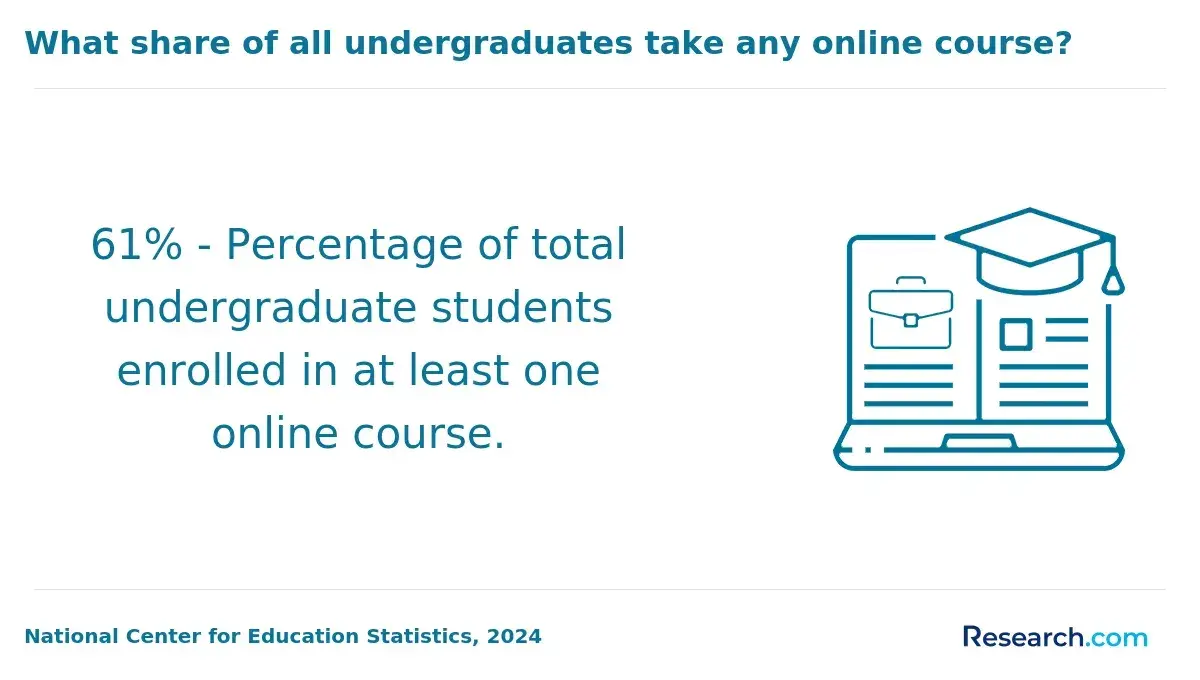
Online and campus geoscience programs generally hold equal weight regarding eligibility for professional licensure. Over 70% of state licensing boards now accept accredited online degrees, showing growing confidence in their quality and compliance with educational standards.
- Curriculum Coverage: Both formats must include essential subjects like geology, earth systems, and environmental science to prepare students for licensure exams and professional standards.
- Practical Experience: Hands-on components are mandatory, often completed through local internships or fieldwork. Online students usually fulfill this requirement at approved sites to ensure they meet licensure criteria.
- Assessment Standards: Exams and project evaluations are designed to uphold rigorous academic quality, regardless of whether students study on campus or online.
- Skill Development and Employer Views: Employers increasingly appreciate online graduates' flexibility and independence but continue emphasizing validated skills and experience over delivery mode.
A licensed professional who earned his geoscience degree online shared his perspective after choosing several elective classes that aligned closely with his career goals. He described feeling initially uncertain about whether his fieldwork completed remotely would be recognized but found the process well-supported by his program and licensing board. "The real challenge was coordinating local lab access and staying disciplined without face-to-face classes," he reflected. His experience confirmed that while online study demands more self-initiative, it does not compromise the integrity or acceptance of the degree when pursuing licensure.
Does an Online Geoscience Degree Require Clinical or Practicum Hours?
Clinical or practicum hours are essential in preparing students for professional practice and licensure in geoscience by providing real-world, hands-on experience. These hours enable candidates to apply theoretical knowledge, develop technical skills, and meet professional standards under the guidance of experienced supervisors.
- Typical Hours Required: Geoscience licensure often requires between 100 and 600 practicum or clinical hours, depending on state regulations and specific professional pathways. These hours represent a mandatory step to demonstrate practical competence alongside academic achievement.
- Placement Settings: Students commonly complete their practicum in environmental consulting firms, government agencies, or research institutions. Such diverse settings offer exposure to site assessments, sampling methods, geospatial data collection, and analysis.
- Supervision & Evaluation: All practicum experiences are supervised by qualified professionals who provide evaluations to verify the student's skill development and completion of required hours. This oversight is crucial for ensuring licensure eligibility.
- Online Geoscience Degree Practicum Requirements: Online programs typically partner with local organizations near the student's residence to facilitate required in-person practicum hours. This hybrid model allows students pursuing an online geoscience degree practicum requirements to be met without relocating.
- Documentation for Licensure: Students must submit verified documentation of completed hours and supervisor evaluations. Regulatory boards prioritize demonstrated field experience when assessing eligibility for professional licensure, in addition to coursework.
Those exploring options in related fields may also consider a library science degree online, which similarly balances academic and practical components for effective career preparation.
Meeting clinical hours for geoscience licensure in the US is a critical factor that complements academic study and supports successful entry into the profession.
What Licensing Exam Is Required After Earning an Online Geoscience Degree?
Licensing exams are essential to confirm a candidate's technical expertise and readiness to uphold professional standards in geoscience fields. Successfully passing these exams unlocks eligibility to work as a certified geoscientist or engineer, with around 70% of first-time test-takers clearing the Fundamentals of Geology exam. The following summary outlines key points about the exam process and requirements for graduates of online geoscience programs.
- Exam Name: The required test is typically the Fundamentals of Geology (FG) Exam, though some candidates may take the broader Fundamentals of Engineering (FE) Exam depending on career paths and state regulations.
- Content Areas: Exam topics cover core subjects such as geology, hydrology, soil mechanics, geophysics, and environmental legislation, assessing both theoretical knowledge and practical problem-solving skills.
- Format: The exam is computer-based with multiple-choice questions, designed to evaluate understanding across various technical domains relevant to geoscience practice.
- Preparation Strategies: Candidates generally benefit from structured study guides, practice tests, and review courses to build confidence and proficiency before sitting for the exam.
- Retake Policies: Policies vary by jurisdiction, often allowing limited retakes with mandatory waiting periods between attempts, ensuring candidates demonstrate adequate preparation before retesting.
- Relevance for Online Graduates: Licensing authorities usually accept degrees obtained from accredited online programs, but verifying specific state requirements is crucial to ensure eligibility.
When I spoke with a licensed professional who earned her geoscience degree online, she emphasized how the exam served as a valuable milestone confirming her skills. "Preparing remotely demanded discipline," she remarked, "but practice exams helped me identify weak spots early." She also noted the reassurance felt knowing her degree was recognized despite pursuing an online path. The wait times between attempts were challenging emotionally, but each retake refined her knowledge further. Ultimately, passing the exam validated her commitment and opened doors in a competitive field, reinforcing how licensing exams crucially complement academic credentials.
Is Supervised Work Experience Required After an Online Geoscience Degree?
Supervised work experience is generally required after earning an online geoscience degree to qualify for professional licensure. This hands-on practice helps graduates develop essential skills and apply academic knowledge under expert guidance, ensuring they are prepared for the demands of the profession. Industry data shows that about 85% of licensed geoscientists complete this supervised period before receiving full credentials. The following points outline key aspects of this process.
- Duration: Typically ranges from three to four years, varying by state regulations, providing sufficient time to gain practical exposure and expertise.
- Work Settings: Includes diverse environments like government agencies, consulting firms, and industrial organizations where candidates encounter real-world challenges.
- Mentorship: Experienced professionals offer feedback and guidance, fostering continuous skill enhancement and professional judgment.
- Skill Development: Focuses on applying scientific and engineering principles to projects, improving technical competence and problem-solving abilities.
- Licensure Impact: Completion of supervised experience is often mandatory to document qualifications and become eligible for professional licensure examinations.
Does Licensure Reciprocity Apply to Online Geoscience Graduates?
Licensure reciprocity is an agreement that allows licensed professionals to practice across different states or regions without completing the entire licensing process again. This arrangement is crucial for professionals seeking career flexibility, especially when pursuing opportunities in various geographic locations. Below are key factors affecting reciprocity for online geoscience graduates.
- Eligibility requirements: Reciprocity often hinges on meeting state licensure transfer for geoscience graduates criteria, which includes having credentials from accredited institutions. States typically require that online degrees meet certain academic and ethical standards to ensure graduates are fully qualified.
- Program accreditation and coursework: The accreditation status of an online geoscience degree greatly influences reciprocity acceptance. States expect the curriculum to align with their licensing board guidelines, emphasizing essential coursework and professional ethics relevant to geoscience practice.
- State agreements on reciprocity: Licensure reciprocity varies widely depending on state agreements. Some states participate in formal compacts that simplify transferring credentials, while others might have unique or stricter policies, especially regarding degrees earned online.
- Application process: Graduates seeking reciprocity must submit documentation such as education proof, exam results, and work experience. States may also require references and additional verifications, which can be more stringent for online degree holders due to concerns about program rigor.
- Potential limitations: Some states impose additional conditions or require further exams for those with licensed online geoscience degree reciprocity applications. This reflects a cautious approach to online education, which can impact how smoothly professionals transfer licensure.
For those considering further academic growth that supports career advancement in leadership roles, exploring a phd organizational leadership program might complement geoscience expertise and expand professional opportunities.
What Are the Pros and Cons of Online Geoscience Programs for Licensure?
Online geoscience programs are increasingly popular, with fully online STEM degree enrollment rising by more than 30% recently. Many students focus on licensure potential, given the importance of meeting state requirements for professional certification. Below are key advantages and disadvantages to consider.
Pros
- Flexible schedule: Students can manage study time alongside jobs or personal commitments, helping maintain progress without relocating.
- Broader accessibility: Geography is less a barrier, allowing students from diverse locations to enroll in quality programs.
- Theoretical coursework parity: Online degrees often deliver content comparable to in-person classes, supporting exam readiness.
Cons
- Limited hands-on experience: Opportunities for supervised fieldwork and practical training may be fewer, complicating licensure requirements.
- Employer perception: Some employers may be cautious about online credentials lacking in-person components, affecting job prospects.
- Reduced networking and mentorship: Online formats often offer fewer chances to build professional relationships crucial for career growth.
Prospective students must ensure their chosen online program fulfills state licensure criteria, especially regarding practical experience, to support successful credentialing and career entry.
Does Getting Licensed With an Online Geoscience Degree Affect Salary?
Obtaining licensure after earning an online geoscience degree can significantly enhance earning potential. Licensed geoscientists typically earn 15-20% more on average than their non-licensed counterparts, reflecting the increased responsibility and professional trust the credential entails. Understanding these salary differences is crucial for graduates planning their career trajectory.
- Access to Higher-Paying Roles: Licensure qualifies geoscientists for positions involving official report sign-offs and supervised engineering projects, roles often unavailable to non-licensed graduates. These positions come with elevated pay scales and improved benefits, directly impacting overall salary.
- Eligibility for Leadership Positions: Employers prefer licensed professionals for leadership and managerial roles due to their validated expertise. This preference opens pathways to promotions and salary increases that might not be accessible otherwise.
- Specialized Responsibilities: Licensed geoscientists are entrusted with critical tasks such as environmental assessments and project approvals. Such responsibilities not only enhance professional standing but also contribute to higher compensation.
- Increased Job Security: Professional licensure offers greater stability in a competitive job market by proving a commitment to industry standards and continuous education. This security often correlates with sustained or increased earnings over time.
For graduates weighing the impact of an online college programs in geoscience, meeting licensing board requirements remains essential. Beyond immediate financial rewards, licensure fosters long-term career growth and recognition within the field, making it a critical consideration for anyone examining online geoscience degree salary impact or licensed geoscientist salary differences.
What Jobs Can You Get With or Without a License as an Online Geoscience Degree Holder?
Licensure plays a crucial role in widening career pathways for graduates with an online geoscience degree, often unlocking positions that require legal responsibility and public accountability. While many rely on licenses to advance and increase earnings, others find valuable opportunities without this credential. Notably, licensed geoscientists tend to earn around 20% more on average than their non-licensed peers, highlighting the economic benefits license holders enjoy. The following sections break down typical roles accessible with and without a license.
Jobs With a License
- Environmental consultant: These professionals evaluate environmental impact and ensure compliance with regulations, often signing off on reports and advising clients on best practices.
- Hydrogeologist: Specialists in groundwater resources, they conduct studies critical to water management and often work in regulatory or governmental settings where licensure is required.
- Mining geologist: Focused on mineral exploration and extraction, licensed mining geologists oversee safety standards and regulatory adherence, enabling progression to senior project management roles.
Jobs Without a License
- Geological technician: Supporting field studies and laboratory testing, these technicians assist in data collection and analysis but typically do not require licensure.
- Research assistant: Usually employed in academic or governmental research, they focus on scientific investigation and data interpretation without engaging in regulatory decisions.
- GIS analyst: Utilizing geographic information systems, GIS analysts map and analyze spatial data, a technical role not dependent on licensure but integral to many projects.
What Graduates Say About Getting Licensed with an Online Geoscience Degree
- Francis: "Enrolling in the online geoscience degree program was a game-changer for me. The affordability-averaging around $20,000-made it accessible without sacrificing quality. The flexible schedule allowed me to learn at my own pace while working, and now, as a licensed geoscientist, I see how this investment directly accelerated my career growth. "
- Rhys: "Reflecting on my journey, the cost of the online geoscience degree and licensure fees was a significant yet worthwhile commitment. The program's rigorous coursework and real-world applications provided me with a deep understanding, even though it required considerable self-discipline. Ultimately, this degree opened doors to professional licensure and meaningful roles in the industry. "
- Mitchell: "From a professional standpoint, the online geoscience degree combined with licensure costs was an efficient path compared to traditional routes. The program's structure was robust, emphasizing core geoscience principles while offering practical skills I use daily. Achieving licensure has validated my expertise and enhanced my credibility in the field, validating the investment. "
Other Things You Should Know About Geoscience Degrees
Accreditation is critical for online geoscience degree programs when pursuing licensure. Most state licensing boards require degrees from programs accredited by recognized bodies such as ABET or similar regional accreditors. Graduating from an accredited program ensures the coursework meets professional standards and is often a prerequisite to sit for licensing exams.
Yes, most states mandate continuing education for licensed geoscientists to renew their credentials. Online graduates must comply with the same continuing education requirements as on-campus graduates. This can include courses, workshops, or professional development activities relevant to geoscience.
References
- Top 10 Highest Paying Geology Jobs 2025 (Inc Salaries) | Nexford University https://www.nexford.edu/insights/highest-paying-geology-jobs
- 49 Pa. Code § 37.36a. Requirements for licensure as a professional geologist without certification as geologist-in-training. https://www.pacodeandbulletin.gov/Display/pacode
- Geology Licensing Guide | Harbor Compliance https://www.harborcompliance.com/geology-license
- Professional Geologist Licensure Requirements and the ASBOG National Geology License Examinations https://learning.americangeosciences.org/courses/course-v1:ASBOG+ASBOG001+2025/about
- Engineering/Geoscience Licensee https://www.apegs.ca/apply/how-to-apply/engineering-geoscience-licensee
- State Licensure https://aipg.org/page/statelicensure
- Licensure or Certification by State https://www.americangeosciences.org/licensure/licensestatus/
- Professional Geologist License https://geology.pitt.edu/undergraduate/geology-bs/professional-geologist-license
- State Licensing for Geosciences https://www.coloradomesa.edu/state-licensing/geosciences.html
- Professional Geologist Licensure https://www.grow-geocareers.com/licensure


