
2027 What Does a Disaster Management Specialist Do: Responsibilities, Requirements, and Salary

Co-Founder and Chief Data Scientist
Disasters often occur unexpectedly, causing significant disruption to communities and organizations. Disaster management specialists play a vital role in preparing for, responding to, and recovering from such events. Their expertise ensures that risks are minimized, resources are effectively coordinated, and recovery efforts are carried out efficiently.
This guide provides a comprehensive overview of the profession, including key responsibilities, educational and skill requirements, and salary expectations. It is designed to help readers gain a clear understanding of what the role entails and to determine whether a career as a disaster management specialist aligns with their professional goals.
Key Things You Should Know About Being a Disaster Risk Management Specialist
- Disaster risk management specialists play a crucial role in preparing for, mitigating, and responding to emergencies to reduce the impact of natural and human-made disasters.
- The position typically requires a strong background in emergency management, risk assessment, and communication, often supported by a relevant degree or certification.
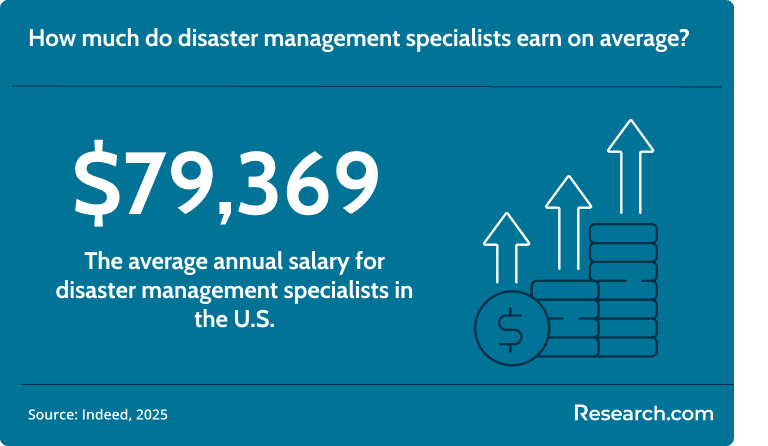
- The average annual salary for a disaster risk management specialist is approximately $79,369.
What are the main duties of a disaster management specialist?
Disaster management specialists perform a wide range of tasks aimed at reducing risks, improving preparedness, and ensuring effective responses to emergencies. Their work spans from planning and training to coordination and recovery, making them essential to community resilience and safety. Here are some common ones:
- Developing Emergency Response Plans: They create detailed strategies outlining procedures for different disaster scenarios. These plans ensure that organizations and communities can act quickly and effectively when emergencies occur.
- Conducting Risk Assessments: Specialists evaluate potential hazards, vulnerabilities, and impacts in specific areas or industries. Their assessments guide preventive measures and resource allocation to minimize potential losses.
- Coordinating Response Efforts: During disasters, they lead or collaborate with emergency services, government agencies, and NGOs in the U.S.. Their coordination ensures that communication, logistics, and resources are managed efficiently.
- Training and Public Education: They organize workshops, drills, and educational programs to prepare staff and the public for emergencies. This helps build awareness and strengthens the overall capacity to respond effectively.
- Managing Recovery Operations: After a disaster, they oversee the recovery process, including relief distribution, damage assessment, and restoration of essential services. Their efforts help communities rebuild and return to normal operations.
- Maintaining Communication Systems: They ensure that communication networks remain operational before, during, and after disasters. Effective communication allows for timely information sharing and decision-making.
How do they prepare communities and organizations for potential disasters?
Disaster management specialists play a vital role in helping communities and organizations prepare for potential emergencies through careful planning and proactive measures. They develop preparedness programs that outline clear procedures for different disaster scenarios and ensure that these plans are understood by all stakeholders. Regular training sessions and simulation exercises are conducted to test readiness and identify any weaknesses in response strategies.
In addition to education and training, specialists work to strengthen the physical and organizational resilience of communities. They collaborate with government agencies, local leaders, and emergency responders to build coordinated disaster preparedness networks.
Disaster management specialists also assess the vulnerability of infrastructure, such as hospitals and schools, and recommending improvements to minimize damage during emergencies. Many also help implement early warning systems that detect and communicate potential threats quickly, allowing for timely and effective action.
For those interested in advancing their analytical and managerial capabilities, exploring what can you do with an engineering management MBA can be especially valuable. This degree equips professionals with the skills to integrate technical risk analysis with decision-making, resource allocation, and policy development—key components in improving disaster preparedness and response strategies.
What educational background is required to become a disaster management specialist?
A strong educational foundation is essential for a career in disaster management, providing the knowledge and skills needed to assess risks, coordinate responses, and lead recovery efforts. Various degrees and certifications can prepare candidates for this demanding and impactful profession.
- Bachelor’s Degree in Emergency Management or Related Fields: A degree in emergency management, public safety, or a related field such as environmental science or public administration is often the minimum requirement. This provides a broad understanding of disaster preparedness, risk assessment, and crisis response.
- Master’s Degree for Advanced Roles: Advanced positions, particularly in leadership or specialized areas, often require a master’s degree in emergency management, public health, or a related discipline. This level of education develops strategic planning, research, and management skills.
- Certifications in Emergency or Disaster Management: Professional certifications, such as Certified Emergency Manager (CEM) or Associate Emergency Manager (AEM), enhance credibility and demonstrate expertise. These credentials can be critical for career advancement and leadership roles.
- Specialized Training Courses: Courses in risk assessment, business continuity, or incident command systems provide practical skills and knowledge applicable to disaster scenarios. Continuous learning helps specialists stay current with evolving threats and technologies.
- Internships and Practical Experience: Hands-on experience through internships, volunteer work, or entry-level positions in emergency services provides valuable real-world understanding. This experience is often essential for applying theoretical knowledge effectively during actual disasters.
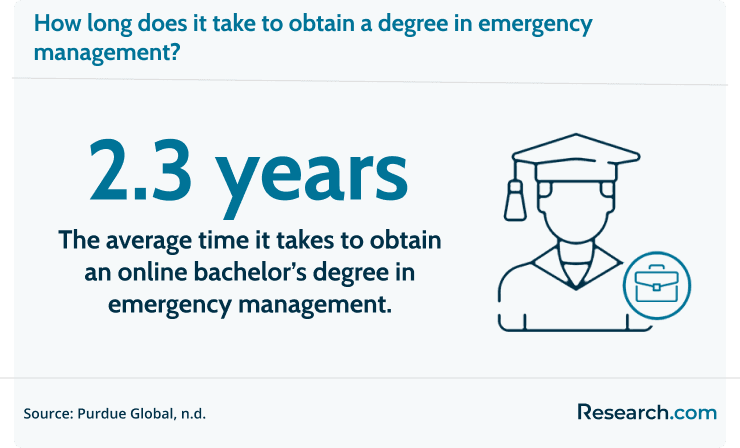
Completing an online bachelor’s degree in emergency management typically takes around 2.3 years for students who transfer in credits or pursue accelerated programs. This timeframe allows students to efficiently fulfill core requirements in disaster preparedness, risk assessment, and crisis response while balancing flexibility for work or personal commitments.
What kind of risk assessment tools does a disaster management specialist use to improve disaster response plans?
Risk assessment is a critical aspect of disaster management, enabling specialists to identify potential hazards, evaluate vulnerabilities, and develop effective mitigation strategies. To achieve this, they rely on a variety of analytical and technological tools designed to gather, interpret, and visualize data for informed decision-making.
- Geographic Information Systems (GIS): Specialists use GIS software to map hazard-prone areas and analyze spatial data. This helps them understand how disasters might impact specific regions and populations.
- Hazard Mapping and Zonation Tools: These tools identify and categorize areas based on their exposure to risks such as floods, earthquakes, or wildfires. They are essential for prioritizing resource allocation and emergency planning.
- Risk and Vulnerability Assessment Models: Specialists apply models like HAZUS or CAPRA to estimate potential losses and assess community resilience. These models provide quantitative data that guide policy and infrastructure improvements.
- Early Warning and Monitoring Systems: They utilize tools that track weather patterns, seismic activity, and other environmental indicators. This real-time monitoring allows for early detection of threats and faster emergency responses.
- Data Analytics and Simulation Software: Specialists use simulation tools to model disaster scenarios and predict outcomes under various conditions. These insights help refine response strategies and improve preparedness measures.
- Community Risk Assessment Surveys: By conducting surveys and interviews, they collect information on local vulnerabilities, resources, and preparedness levels. This data ensures that disaster response plans are tailored to community needs.
Professionals in this field rely on advanced digital tools to assess risks, coordinate responses, and ensure efficient recovery operations. Those interested in strengthening their technical foundation may consider enrolling in one of the best online information technology bachelor degree programs, which can provide essential skills in data analysis, cybersecurity, and systems management.
Where do disaster management specialists typically work?
Disaster management specialists can be found in a wide range of industries, reflecting the universal need for effective emergency planning and risk reduction. Their work environments vary from research institutions to government agencies, with salaries differing based on the sector and level of responsibility.
- Professional, scientific, and technical services: Specialists in this field often work with consulting firms or research organizations, developing risk analysis models, advising on disaster preparedness policies, and supporting corporate resilience planning.
- Hospitals; state, local, and private: In healthcare settings, they ensure that hospitals maintain emergency response capabilities, coordinate evacuation procedures, and implement crisis communication systems.
- Colleges, universities, and professional schools; state: Those in academia focus on research, training, and developing disaster management curricula to educate future professionals and enhance institutional preparedness.
- Local government, excluding education and hospitals: Specialists working for local governments design and implement community disaster response programs, conduct drills, and manage coordination with emergency services.
- State government, excluding education and hospitals: At the state level, they contribute to broader disaster risk reduction policies, manage inter-agency cooperation, and oversee statewide emergency management initiatives.
Specialists must coordinate with government agencies, emergency responders, and the public to ensure effective disaster preparedness and response. Earning a fast track online business communication degree can be especially beneficial for professionals in this field, as it enhances skills in crisis communication, team coordination, and stakeholder engagement.
The top-paying fields, including professional, scientific, and technical services, hospitals, and academic institutions, reflect the high demand for expertise in planning, coordination, and crisis response. The chart below illustrates these salary differences, offering a clear overview for those exploring career options in emergency management.
What does a typical workday look like for someone in this role?
A typical workday for a disaster management specialist often begins with monitoring alerts, news, and weather reports to stay informed about potential threats or ongoing incidents. Mornings may include coordinating with emergency services, government agencies, and organizational leaders to review preparedness plans or address emerging situations.
Much of the day is spent analyzing risk assessments, updating response protocols, and ensuring that resources and personnel are ready for deployment. Communication is a key part of the role, as specialists must relay critical information to both internal teams and the public to maintain awareness and readiness.
Afternoons are frequently dedicated to planning and training activities, such as organizing drills, conducting workshops, or evaluating past responses to improve future strategies. Specialists may also attend meetings with community stakeholders, review infrastructure vulnerabilities, or develop educational materials for public awareness campaigns. The workday often requires flexibility, as emergencies can arise unexpectedly, demanding immediate attention or overnight coordination.
Data plays a pivotal role in disaster management, enabling professionals to predict risks, allocate resources, and make informed decisions during crises. Advanced data modeling, analytics, and machine learning are increasingly being used to assess vulnerabilities and optimize emergency response strategies. Enrolling in an accelerated data science master’s online program can provide disaster management specialists with the technical expertise to analyze complex datasets and improve situational awareness..
What key skills are most important for success as a disaster management specialist?
Disaster management specialists rely on a combination of technical, analytical, and interpersonal skills to effectively plan for, respond to, and recover from emergencies. Each skill contributes to their ability to protect communities and coordinate complex operations under pressure.
- Risk Assessment and Analytical Skills: Specialists must evaluate potential hazards and predict their impacts on communities and infrastructure. Strong analytical abilities allow them to develop accurate, data-driven disaster response plans.
- Crisis Management and Decision-Making: Quick, informed decisions are critical during emergencies to reduce damage and protect lives. Effective crisis management ensures that resources and personnel are deployed efficiently.
- Communication and Public Relations: Clear communication is essential for coordinating teams, agencies, and the public during emergencies. Specialists must also convey warnings, instructions, and educational messages effectively.
- Leadership and Team Coordination: Leading diverse teams is crucial for ensuring that disaster response plans are executed correctly. Strong leadership fosters collaboration and keeps all stakeholders aligned under stressful conditions.
- Problem-Solving and Adaptability: Disasters often present unexpected challenges that require creative solutions. Specialists must adapt plans quickly to changing circumstances while maintaining operational effectiveness.
- Technical Proficiency: Knowledge of tools like GIS, simulation software, and emergency communication systems enhances planning and response. These technologies help specialists monitor risks and coordinate actions efficiently.
- Attention to Detail and Organizational Skills: Tracking resources, logistics, and procedural steps is vital for effective disaster management. Being organized ensures that both preparation and response efforts run smoothly and without critical errors.
Mapping, spatial analysis, and environmental assessment are key components of successful disaster planning and risk reduction. Enrolling in one of the accelerated online geography degree programs can equip future professionals with essential knowledge of landforms, climate systems, and geographic information systems (GIS).
How much do disaster management specialists earn on average?
Disaster management specialists earn an average annual salary of approximately $79,369, reflecting the specialized knowledge and responsibility required in this field. Salaries can vary based on factors such as experience, education, geographic location, and the sector in which a specialist is employed.
Professionals working in leadership roles or in high-demand industries may earn higher compensation, while entry-level positions or roles in smaller organizations may fall below the average.
In addition to base salaries, some disaster management specialists may receive benefits such as health insurance, retirement plans, and performance-based bonuses. The earning potential also tends to increase with advanced degrees, professional certifications, and hands-on experience in emergency planning and response.
Overall, a career in disaster management offers competitive compensation for individuals dedicated to safeguarding communities and coordinating effective disaster response efforts.
Are there opportunities for career advancement or specialization?
Disaster management specialists have multiple paths for career growth and opportunities to specialize in areas that match their interests and expertise. Advancement often comes through gaining experience, additional education, or professional certifications.
- Leadership and Management Roles: Experienced specialists can move into positions such as emergency management director, operations manager, or program coordinator. These roles involve overseeing teams, budgets, and large-scale disaster response initiatives.
- Sector Specialization: Professionals can focus on specific sectors such as healthcare, government, education, or private industry. Specializing allows them to develop expertise in managing risks and emergencies unique to that sector.
- Technical and Analytical Specialization: Specialists may choose to concentrate on areas like GIS mapping, risk modeling, or early warning systems. These skills are in high demand and enhance their strategic planning capabilities.
- Training and Education Roles: Some specialists transition into roles that involve training staff, conducting workshops, or teaching disaster management courses. This path leverages their experience to educate and prepare the next generation of professionals.
- Consulting and Policy Development: Advanced specialists may work as consultants or policy advisors, helping organizations and governments develop comprehensive disaster preparedness and response strategies.
- Professional Certification Advancement: Obtaining certifications such as Certified Emergency Manager (CEM) or advanced technical certifications can open doors to higher-level positions and specialized career tracks.
Environmental geography provides a strong foundation for understanding how natural systems interact with human activity, a crucial aspect of effective disaster management. Professionals in this field analyze how factors like land use, climate change, and resource distribution influence disaster risks and recovery efforts.
Pursuing one of the shortest online environmental geography degrees allows students to gain these insights quickly while developing practical skills in environmental assessment and sustainability.
What is the job outlook for this profession in the next decade?
The job outlook for disaster management specialists, particularly those in leadership roles such as emergency management directors, is stable and steadily growing. Employment in this field is projected to increase by 3 percent from 2024 to 2034, which is about as fast as the average growth rate for all occupations.
This growth reflects the ongoing need for effective disaster preparedness, risk mitigation, and emergency response across communities, organizations, and government agencies.
Over the next decade, an average of 1,000 openings for emergency management directors are expected each year, resulting in a total workforce range of approximately 13,200 to 13,600 by 2034. These openings will primarily arise from retirements, career changes, and ongoing demand for skilled professionals to manage natural and human-made disasters.
The consistent demand highlights the importance of this role and the opportunities available for those pursuing a career in disaster management. The chart below shows the projected number of employees in emergency management directors and specialists in the U.S.
Here’s What Graduates Have to Say About Their Emergency Management Degree
- Fidel: "Pursuing a degree in emergency management opened doors I never imagined. I’ve been able to lead critical response efforts during hurricanes and wildfires, knowing my planning directly saves lives and protects communities. The combination of technical skills and real-world experience has been incredibly rewarding."
- Lois: "My career in disaster management allows me to constantly challenge myself while making a meaningful impact. From coordinating emergency drills to implementing early warning systems, every day feels purposeful. Knowing that my work strengthens community resilience gives me a deep sense of fulfillment."
- Margarette: "Earning an emergency management degree gave me the confidence and expertise to specialize in risk assessment and crisis planning. Working closely with local governments and hospitals, I’ve seen firsthand how proactive preparation prevents loss and chaos. The teamwork, problem-solving, and real-life impact make this career truly inspiring."
Key Findings:
- Disaster management specialists play a critical role in preparing for, responding to, and recovering from emergencies, ensuring community safety and resilience.
- The average annual salary for these specialists is approximately $79,369, with higher earnings in sectors such as professional, scientific, and technical services ($122,610).
- Employment of emergency management directors is projected to grow 3 percent from 2024 to 2034, which is about as fast as the average for all occupations.
- On average, 1,000 job openings for emergency management directors are expected each year over the next decade, resulting in a total workforce of 13,200 to 13,600 by 2034.
- Career advancement opportunities exist through specialization, leadership roles, certifications, and consulting, allowing professionals to focus on sectors, technical skills, or policy development.
Key Findings
- Disaster management specialists develop and implement emergency response strategies, including risk assessments, evacuation plans, and coordination with agencies during crises.
- They work across sectors—government, NGOs, private firms—managing resources, training personnel, and leading recovery efforts in both natural and human-made disaster scenarios.
- A bachelor’s degree in emergency management, environmental science, public administration or a related field is typically required, while many roles prefer or require a master’s degree for advanced positions.
- Entry-level salaries generally begin around $50,000–$60,000 per year, with mid-level roles earning up to $80,000–$100,000+ depending on experience and location.
- As climate change and the frequency of emergencies increase, job growth is estimated at about 8% through 2030, highlighting rising demand for qualified specialists in disaster management.
Other Things You Should Know About Being a Disaster Management Specialist
In 2027, a Disaster Management Specialist typically needs a bachelor's degree in emergency management, public safety, or a related field. Advanced positions may require a master's degree, and certifications like Certified Emergency Manager (CEM) can enhance opportunities.
In 2027, a Disaster Management Specialist often requires certifications like the Certified Emergency Manager (CEM) or certifications from the Federal Emergency Management Agency (FEMA). These credentials verify proficiency in emergency management and can be essential for career advancement.
References
- Indeed. (2025). Emergency management specialist salary in the United States. Indeed
- Purdue Global. (n.d.). Online Bachelor's Degree in Emergency Management. Purdue
- U.S. Bureau of Labor Statistics. (2025). Occupational Outlook Handbook: Emergency Management Directors. U.S. BLS
- USA.gov. (n.d.). Disasters and emergencies: Learn about disaster assistance and find government benefits for other emergencies. USA.gov


