2027 Accounting Practicum Requirements Explained

Co-Founder and Chief Data Scientist
Accounting students often discover practicum requirements late, after they have already planned their course schedule, graduation date, or certification timeline. That can create avoidable problems: missed application deadlines, unapproved placements, incomplete hour logs, delayed background checks, or coursework that was taken out of sequence. Because 78% of U. S. accounting programs now mandate supervised field experiences to enhance workforce readiness, students should treat the practicum as a core graduation requirement rather than an optional add-on.
This guide explains what an accounting practicum is, who qualifies, how many hours students may need, what paperwork is commonly required, how placements are assigned, and how supervision and evaluation work. It is designed for accounting majors, transfer students, online learners, career changers, and anyone comparing programs where practical field experience may affect completion time, employability, or certification eligibility.
Key Things To Know About Accounting Practicum Requirements
- Practicum requirements integrate real-world accounting scenarios, enhancing problem-solving skills and ensuring graduates can apply theoretical knowledge effectively in professional settings.
- Supervised hours and internships provide essential networking opportunities that can lead to job placements and mentorship from experienced accounting professionals.
- Field experience gained during clinical placements fosters a deeper understanding of ethical standards and regulatory compliance vital for successful accounting careers.
What Is A Practicum In Accounting Program?
A practicum in an accounting program is a supervised, credit-bearing field experience that allows students to apply classroom learning in a real or simulated professional accounting setting. Unlike a standard course, the practicum is built around documented practice, feedback, and evaluation. Students may work with accounting firms, corporate finance departments, nonprofit organizations, government offices, tax preparation services, or approved internal university sites.
The purpose is not simply to “get experience.” A well-designed practicum helps students connect accounting principles, ethics, documentation standards, software tools, and client or employer expectations. Studies show that over 70% of employers prioritize practical experience like practicums when evaluating accounting graduates, which is why many programs use the practicum to verify career readiness before graduation.
How an accounting practicum usually works
- Approved fieldwork: Students complete accounting-related tasks such as bookkeeping, reconciliations, audit support, tax preparation, payroll assistance, internal control documentation, or financial reporting. The work must usually be approved by the department before hours begin.
- Supervised hours: Programs generally require 100 to 300 documented hours over a semester or academic year. Students normally need a site supervisor and a faculty contact who can verify progress.
- Structured learning goals: The practicum should connect to specific outcomes, such as accuracy in financial records, ethical decision-making, communication with stakeholders, and use of accounting software.
- Evaluation and feedback: A certified accountant, workplace supervisor, or faculty member typically reviews the student’s performance. Feedback may cover technical accuracy, professionalism, confidentiality, reliability, and communication.
- Academic approval: Students usually begin the practicum only after completing prerequisite courses and meeting GPA or departmental standards. Unapproved work experience may not count.
Students comparing an online accounting and finance degree with campus-based options should ask early whether practicum placements can be completed locally, remotely, or only through school-approved partner sites.
For students exploring options among easiest online degrees that pay well, the key takeaway is simple: an accounting practicum can strengthen employability, but it also adds scheduling, documentation, and approval requirements that must be planned in advance.
What Are The Eligibility Requirements For Accounting Practicum?
Accounting practicum eligibility requirements are designed to confirm that students are ready to represent the program in a professional setting. A placement site expects students to understand basic accounting concepts, follow confidentiality rules, meet deadlines, and accept supervision. Research indicates that nearly 78% of accounting students who meet practicum readiness criteria report increased confidence and improved job placement outcomes after graduation.
Eligibility rules vary by institution, but most programs review academic progress, professional readiness, and administrative compliance before approving a student for placement.
Common eligibility requirements
- Minimum GPA: Many programs require a cumulative GPA of approximately 2.5 to 3.0. A GPA threshold helps the department confirm that the student has a working grasp of accounting fundamentals before entering a professional environment.
- Completed prerequisite coursework: Students are often expected to finish courses such as financial accounting, managerial accounting, intermediate accounting, and sometimes auditing or taxation before applying.
- Demonstrated competencies: Programs may look for evidence of spreadsheet skills, accounting software familiarity, data analysis, written communication, ethical judgment, and attention to detail.
- Faculty or departmental approval: An advisor, practicum coordinator, or department chair may review the student’s transcript, degree plan, and readiness before granting permission.
- Administrative compliance: Depending on the placement site, students may need background checks, liability forms, confidentiality agreements, drug screenings, immunization records, or other clearance documents.
Questions to ask before applying
- When is the practicum application deadline?
- Which courses must be completed before placement approval?
- Can transfer credits satisfy practicum prerequisites?
- Does the program place students, or must students find their own site?
- Will paid employment count if the duties match practicum outcomes?
- Are online or remote accounting placements allowed?
Students interested in programs that combine advanced business study with applied work may also review eMBA programs, which often emphasize real-world decision-making alongside academic requirements.
How Many Practicum Hours Are Required For Accounting Program?
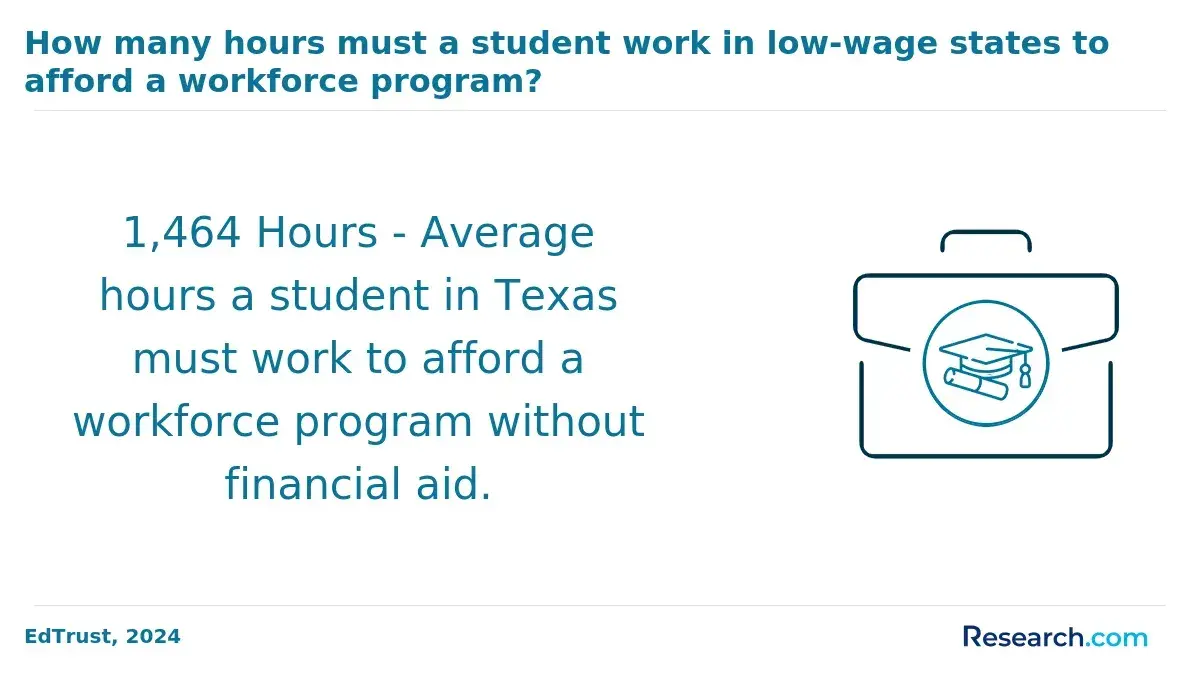
Accounting practicum hour requirements differ by school, degree level, accreditation expectations, state rules, and placement model. Many programs align around 120 to 150 hours, while others set broader requirements between 100 and 200 total practicum hours. Some programs with stronger certification or graduate-level expectations may require more structured documentation, even when the total hour count is similar.
The number of hours matters because it affects course load, work availability, transportation, childcare planning, and graduation timing. Students should confirm whether hours must be completed within one term, spread across multiple terms, or tied to specific weekly schedules.
Typical practicum hour patterns
| Requirement area | What students should confirm |
| Total hours | Programs often require 100 to 200 total practicum hours, while some descriptions reference 100 to 300 documented hours depending on program design. |
| Weekly schedule | Many curricula expect 8 to 12 hours per week during the practicum term. |
| Semester fit | Some practicums are completed in one semester; others may extend based on program requirements and student availability. |
| Activity type | Hours may include observation, supervised accounting tasks, documentation, training, meetings, and evaluation activities. |
| Verification | Students commonly submit time logs, supervisor signatures, progress reports, and competency evaluations. |
What counts toward practicum hours?
- Direct accounting work: Examples include reconciliations, ledger review, tax preparation support, audit documentation, payroll assistance, budgeting support, or financial statement preparation.
- Professional observation: Some programs allow limited observation of client meetings, audit procedures, reporting workflows, or internal finance operations.
- Training and onboarding: Orientation, software training, compliance training, and site-specific procedures may count if the program approves them.
- Reflection and reporting: Journals, faculty check-ins, and final practicum reports may be required, but students should verify whether they count as field hours or only as academic assignments.
One professional who completed his practicum while pursuing an accounting degree described the weekly commitment as “intense but rewarding.” He noted that balancing consistent hours with coursework deadlines required planning, and that supervisor guidance helped him move from theory to practice. “Tracking every hour felt tedious, yet it became a helpful record of my growth,” he said. Rotating through different departments also helped him identify his strengths before entering the accounting workforce.
What Courses Must Be Completed Before Starting Practicum?
Most accounting programs require students to complete foundational coursework before practicum placement. The reason is practical: placement sites need students who can handle basic accounting tasks with accuracy, confidentiality, and professional judgment. A 2023 National Association of Colleges and Employers report found that over 80% of finance and accounting employers emphasize practical experience supported by solid academic preparation.
Exact prerequisites vary, but students should expect the practicum to come after introductory and intermediate accounting courses rather than at the start of the degree.
Common prerequisite course areas
- Financial accounting: Students need to understand financial statements, recording transactions, adjusting entries, and generally accepted reporting concepts before working with real financial records.
- Managerial accounting: This coursework supports budgeting, cost analysis, internal reporting, and business decision-making tasks that may appear during placement.
- Intermediate accounting: Many programs require intermediate coursework because it builds technical depth in assets, liabilities, equity, revenue recognition, and financial reporting.
- Auditing: Audit-related courses prepare students to understand evidence, internal controls, risk assessment, documentation, and professional skepticism.
- Taxation: Tax coursework may be required or strongly recommended for placements involving individual tax preparation, business tax support, or compliance work.
- Accounting information systems: Students may need exposure to accounting software, databases, spreadsheets, controls, and transaction processing systems.
- Business law and ethics: These courses help students understand confidentiality, professional responsibility, fraud risk, regulatory obligations, and ethical decision-making.
- Business communication: Strong writing and professional communication skills matter because practicum students may prepare memos, explain findings, document workpapers, or communicate with supervisors.
Why course sequencing matters
Taking courses in the wrong order can delay practicum approval. For example, a student who has completed introductory accounting but not intermediate accounting may understand basic journal entries but still lack the depth needed for audit support or financial reporting work. Before registering for the term when the practicum is planned, students should ask an advisor to confirm that every prerequisite will be completed on time.
For comparison, students in a psychology online degree may face different practicum prerequisites because their fieldwork is shaped by human services, research methods, or clinical preparation. In accounting, the prerequisite sequence is mainly about technical accuracy, ethics, software use, and readiness to work with financial information.
How Does The Accounting Practicum Placement Process Work?
The accounting practicum placement process usually begins before the practicum term. Students often need to verify eligibility, submit an application, receive departmental approval, interview with a site, complete paperwork, and finalize a learning plan before any hours count. A survey by the National Association of Colleges and Employers found that 82% of employers favor candidates who possess relevant experiential training, which helps explain why programs treat placement quality as an important academic matter.
Typical steps in the placement process
- Eligibility review: The program checks GPA, completed courses, academic standing, and any required competencies.
- Practicum application: Students submit forms listing career interests, schedule availability, preferred accounting areas, and sometimes a resume.
- Site matching or site proposal: Some schools match students with approved partners. Others allow students to propose a site, but the department must approve it before the placement begins.
- Interview or screening: Host organizations may interview students to assess professionalism, communication, software familiarity, and schedule fit.
- Learning agreement: The student, site supervisor, and faculty supervisor may sign an agreement defining duties, hours, learning outcomes, confidentiality expectations, and evaluation methods.
- Onboarding and compliance: Students complete site training, access forms, confidentiality documents, background checks, or other required paperwork.
- Supervised fieldwork: Students begin approved duties, track hours, and communicate regularly with supervisors.
- Final evaluation: The site supervisor and faculty member review performance and verify whether practicum requirements were met.
Common placement mistakes to avoid
- Starting work before the department approves the site.
- Assuming current employment automatically counts as a practicum.
- Missing the application deadline for the desired semester.
- Choosing a site that cannot provide enough accounting-related duties.
- Failing to document hours weekly.
- Waiting too long to complete background checks or onboarding forms.
A professional who launched his career after completing an accounting practicum described the process as demanding but useful: “Navigating the initial eligibility paperwork was time-consuming, and coordinating schedules between the firm and university required patience. The interview process was thorough but fair, helping me clarify my strengths. Throughout the placement, mentorship from my supervisor made a significant difference-I could see how classroom theories translated into day-to-day tasks. The regular feedback loop with faculty ensured I stayed on track and addressed any issues swiftly. Looking back, the practicum was challenging but invaluable, giving me confidence and practical insights before graduating.”
What Documents And Paperwork Are Required Before Practicum?
Before an accounting practicum begins, students usually must complete paperwork that confirms academic eligibility, clarifies legal responsibilities, protects confidential information, and documents the learning arrangement. These requirements may feel administrative, but they can determine whether a placement starts on time. Pre-practicum paperwork helps nearly 80% of programs improve onboarding and compliance outcomes in experiential learning environments.
Common pre-practicum documents
- Practicum application: This form typically lists the student’s degree program, completed coursework, GPA status, career interests, placement preferences, and expected practicum term.
- Advisor or department approval: Faculty approval confirms that the practicum fits the degree plan and that the student has satisfied prerequisites.
- Resume and professional materials: Some placement offices require a resume, cover letter, references, or interview preparation materials before matching students with host sites.
- Learning agreement: This document often identifies the site supervisor, faculty supervisor, work schedule, approved duties, total required hours, evaluation process, and academic assignments.
- Liability waiver: A waiver may explain risks, responsibilities, insurance coverage, and institutional limits.
- Code of conduct: Students may need to agree to professional behavior standards, attendance rules, communication expectations, and disciplinary policies.
- Confidentiality agreement: Accounting students may handle sensitive financial records, employee data, tax documents, or client information, so confidentiality forms are common.
- Background check authorization: Some sites require criminal history screening or identity verification before allowing access to financial systems or confidential records.
- Site-specific forms: Host organizations may require technology access forms, security policies, workplace safety acknowledgments, tax season availability forms, or remote work agreements.
- Medical clearances or immunizations: These are not standard for every accounting placement, but they may be required in healthcare, education, government, or client-facing settings.
Paperwork timeline advice
Students should begin collecting documents as soon as the practicum application window opens. Background checks, site approvals, and supervisor signatures can take longer than expected. If one form is missing, the program may refuse to count hours already worked, even if the tasks were relevant.
What Background Checks, Immunizations, Or Clearances Are Needed?
Accounting practicums do not always require the same health and safety clearances as healthcare, education, or counseling placements. However, students may still need screenings because accounting work often involves confidential financial data, payroll records, tax information, government systems, or vulnerable client populations. Research indicates that more than 80% of institutions have enhanced their background screening protocols to meet evolving workplace safety and regulatory mandates.
Possible clearance requirements
- Criminal background check: Many schools or host sites require a criminal history review before students access financial records, client information, or internal systems.
- Fingerprinting: Some government, education, nonprofit, or regulated placements may require fingerprinting as part of identity or security verification.
- Child abuse clearances: These are less common in accounting but may apply if the placement is connected to schools, youth-serving organizations, or agencies serving vulnerable populations.
- Drug screening: Some employers require drug testing under workplace policy, especially in regulated industries or organizations with strict risk management procedures.
- Immunization records: Accounting placements in hospitals, clinics, long-term care organizations, or other healthcare-related finance departments may require documented vaccinations.
- Tuberculosis testing: TB testing may be required when students are placed in healthcare or social service environments, even if their role is administrative or financial.
- CPR certification: CPR certification is not typical for accounting practicums, but a site may require it if students work in settings where all personnel must meet facility-wide safety rules.
- Confidentiality and data security training: Students may need to complete training related to privacy, cybersecurity, fraud prevention, or financial information handling.
What students should verify
Requirements can vary by state law, school policy, and placement site. Students should ask whether clearances must be completed before interviewing, before onboarding, or before the first day of practicum hours. They should also confirm whether a prior background check can be reused or whether the program requires a new screening through an approved vendor.
What Should Students Expect During Accounting Practicum Placement?
During an accounting practicum placement, students should expect supervised work that is more structured than a casual part-time job but more practical than a classroom assignment. The experience is meant to expose students to real accounting workflows, professional standards, deadlines, documentation requirements, and workplace communication. Research shows that over 70% of employers prefer applicants with experiential learning, which makes the practicum an important opportunity to build evidence of job readiness.
Typical practicum responsibilities
- Bookkeeping support: Students may record transactions, review entries, organize documentation, or help maintain ledgers under supervision.
- Account reconciliation: Practicum students may compare records, identify discrepancies, and prepare reconciliation worksheets.
- Audit assistance: Students may help gather evidence, organize workpapers, test selected transactions, or document internal controls.
- Tax preparation support: In tax-focused settings, students may assist with data collection, basic return preparation, document review, or client intake tasks.
- Financial reporting: Students may help prepare schedules, draft reports, update spreadsheets, or support month-end and year-end processes.
- Software and systems use: Many placements involve spreadsheets, accounting software, enterprise systems, document management tools, or tax software.
Professional expectations
- Confidentiality: Students must protect financial, payroll, tax, and client information.
- Accuracy: Small errors can affect reports, reconciliations, or compliance work, so students should check their work carefully.
- Punctuality: Practicum schedules should be treated like professional commitments, not optional campus activities.
- Communication: Students should ask questions early, document instructions, and notify supervisors when deadlines or assignments are unclear.
- Initiative: A strong practicum student does assigned work well and looks for appropriate ways to learn more without overstepping authority.
Challenges students may encounter
Students may need time to adjust to workplace pace, unfamiliar software, tax season demands, audit documentation standards, or feedback from multiple supervisors. The best approach is to keep a weekly record of tasks, questions, hours, and lessons learned. That record can support faculty check-ins, final reflections, resume updates, and future interview answers.
Students interested in related practice-based programs may also explore an accelerated paralegal program, where applied experience and professional supervision also play an important role.
How Are Practicum Students Supervised And Evaluated?
Accounting practicum supervision gives students a safety net while they learn professional tasks. Evaluation gives the school evidence that the student met academic and workplace expectations. These processes usually involve a workplace supervisor, a faculty advisor, and sometimes a practicum coordinator. Research shows that 78% of students engaged in experiential learning programs demonstrate significant improvements in workplace readiness, highlighting the value of structured feedback.
Who supervises the student?
- Workplace supervisor: This person assigns daily tasks, explains procedures, reviews work, verifies hours, and provides performance feedback.
- Faculty advisor: The faculty advisor connects the placement to academic outcomes, reviews assignments, checks progress, and helps resolve concerns.
- Practicum coordinator: Some programs use a coordinator to manage placements, collect documents, communicate with sites, and confirm that requirements are met.
How evaluation usually works
- Direct observation: Supervisors may assess how the student completes assigned accounting tasks, follows instructions, uses software, and handles confidential information.
- Competency checklists: Programs may use checklists to rate technical skills, professionalism, communication, ethical behavior, accuracy, and reliability.
- Progress meetings: Scheduled reviews allow the student and supervisor to discuss strengths, mistakes, goals, and next steps before the final evaluation.
- Reflective journals or reports: Students may be asked to connect fieldwork experiences to accounting concepts, ethical standards, and career goals.
- Hour verification: The site supervisor usually signs time logs or confirms hours through an institutional system.
- Final evaluation: The final review may combine supervisor ratings, faculty feedback, student self-assessment, completed assignments, and verified hours.
What evaluators often look for
| Evaluation area | What it means in practice |
| Technical accuracy | The student completes accounting tasks carefully and corrects mistakes when identified. |
| Professionalism | The student is punctual, prepared, respectful, and responsive to feedback. |
| Ethics and confidentiality | The student protects sensitive information and follows workplace rules. |
| Communication | The student asks clear questions, documents work, and communicates problems early. |
| Initiative | The student shows curiosity and responsibility while staying within the assigned role. |
For students comparing applied learning models outside accounting, art therapy masters programs can offer another example of how practicum supervision, feedback, and professional development are integrated into graduate preparation.
How Does Practicum Help With Licensure Or Certification Requirements?
An accounting practicum can support licensure or certification preparation by documenting supervised experience, strengthening professional competencies, and helping students apply accounting standards in practice. However, students should not assume that a practicum automatically satisfies every licensure or certification rule. Requirements can differ by credential, state board, employer, and program type.
A recent study shows that over 70% of employers in finance and accounting prioritize candidates with completed supervised practical experience. That makes the practicum valuable even when it is not a direct licensing requirement, because it can help students demonstrate readiness for entry-level accounting roles and future credential pathways.
Ways practicum experience can support credential goals
- Documented fieldwork hours: Students complete supervised hours that may support academic, programmatic, or professional experience expectations.
- Competency development: Practicums can strengthen financial analysis, audit support, tax preparation, documentation, ethical judgment, and communication skills.
- Supervisor verification: Signed logs, evaluations, and learning agreements create evidence that the student completed approved work under supervision.
- Professional references: A strong supervisor relationship can lead to references for jobs, graduate programs, or future credential applications.
- Career direction: Practicum exposure can help students decide whether to pursue public accounting, corporate accounting, tax, audit, nonprofit finance, government accounting, or another path.
Important caution
Students pursuing a specific credential should verify requirements directly with the relevant licensing board, certification body, or academic advisor. A practicum may help with readiness and documentation, but separate rules may apply for exams, education credits, professional experience, ethics requirements, or supervised work after graduation.
What Do Students Say About Their Accounting Practicum Experience?
- : "My practicum in accounting challenged me right from the start due to stringent eligibility requirements, which initially felt discouraging but ultimately pushed me to strengthen my foundational knowledge. The placement exceeded my expectations because I was able to engage with real-world financial scenarios under close supervision, greatly enhancing my practical skills. The mentors provided detailed evaluations that fostered continuous improvement, making this experience truly enriching. — Ryker"
- : "Reflecting on my accounting practicum, I found the eligibility criteria somewhat confusing, which delayed my placement by a few weeks. However, once I was placed, the work environment was supportive and aligned well with what I had hoped for, allowing me to apply classroom concepts practically. The supervisory approach was more hands-off than anticipated, encouraging me to take initiative, while periodic evaluations kept me accountable. — Eden"
- : "During my accounting practicum, I appreciated the transparent communication regarding eligibility requirements-it made the entire process smoother than I expected. The practicum itself offered a professional setting that met all my expectations and enriched my understanding of accounting principles in practice. I was closely supervised and received constructive feedback regularly, which helped me develop a disciplined and thorough approach to my work. — Benjamin"
Other Things You Should Know About Accounting Degrees
In 2027, accounting practicum students typically need a reliable computer, internet access, and software proficiency in programs like Excel and accounting software such as QuickBooks or SAP. Technical skills in cloud-based accounting solutions and familiarity with data analytics tools are increasingly important for remote practicum opportunities.
Accounting practicums are usually hosted by a variety of organizations including public accounting firms, corporate finance departments, government agencies, and nonprofit organizations. These placements offer exposure to real-world accounting tasks such as financial reporting, auditing, and tax preparation under professional supervision.
Students may need to demonstrate proficiency with common accounting software like QuickBooks, Excel, or industry-specific tools before or during their practicum. Programs often require reliable access to computers with updated software and sometimes secure connections for confidential data handling in compliance with confidentiality agreements.
The practicum experience significantly enhances a student's resume by providing practical skills and professional references. It also helps build a network within the accounting industry, improving chances of job placement after graduation and better preparing students for certifications such as the CPA.
References
- Accounting Internship Etiquette: How to Start on the Right Foot - Weinstein Spira https://www.weinsteinspira.com/accounting-internship-etiquette-how-start-right-foot/
- Inside the world of accounting internships: What to expect : ThisWayToCPA : AICPA https://www.thiswaytocpa.com/work-experience/articles/internships/inside-world-accounting-internships-what-expect/
- CPA practical experience requirements - CPA Canada https://www.cpacanada.ca/become-a-cpa/cpa-designation-practical-experience-requirements-overview
- Healthcare Background Check Requirements: What You Need to Know https://www.cisive.com/blog/healthcare-background-check-requirements
- LibGuides: Internship Guide: Internship Documentation Checklist https://guides.centralpenn.edu/internship/documentationchecklist
- How to Prepare for an Accounting Internship | Gleim CPA https://www.gleim.com/cpa-review/blog/how-to-prepare-for-an-accounting-internship/
- EN | The documents for starting an internship or job | XIRO.bg https://xiro.bg/en/career-adviser/section/2-selection/category/3-preparation/post/18-the-documents-for-starting-an-internship-or-job
- Practicum vs. Internship in Counseling Programs: What’s the Difference? https://www.nec.edu/news/practicum-vs-internship-counseling-programs
- MACP Practicum Portal https://practicum.yorkvilleu.ca/students/practicum-information/
- Guide to Accounting Placements | Higherin https://higherin.com/career-guides/accounting/accounting-placements