
2027 How to Compare Accounting Degree Programs Effectively

Co-Founder and Chief Data Scientist
Choosing an accounting degree is a career and cost decision, not just an academic one. Prospective students must compare accreditation, CPA preparation, course depth, delivery format, tuition, internships, and graduate outcomes before committing time and money. With over 330,000 accounting graduates entering the U.S. workforce annually, the right program can improve access to internships, licensure pathways, and entry-level roles, while the wrong fit can create transfer-credit problems, scheduling strain, or unnecessary debt. This guide explains how to compare accounting degree programs by quality, affordability, flexibility, specialization, and career value so you can choose a program that matches your goals and circumstances.
Key Benefits of Comparing Accounting Degree Programs Effectively
- Verify program accreditation by recognized bodies like AACSB to ensure credibility and alignment with industry standards, improving employability.
- Assess curriculum relevance, focusing on specializations such as forensic or managerial accounting that match your career goals.
- Consider total cost versus average graduate salary; flexible scheduling options also impact return on investment and work-study balance.
What Types of Accreditation Should a Accounting Degree Program Have?
Accreditation is one of the first filters to apply when comparing accounting degree programs. It affects credit transfer, financial aid eligibility, employer confidence, graduate school options, and, in some cases, the path toward professional credentials. Graduates from regionally accredited institutions enjoy employer recognition rates exceeding 85%, which is why accreditation should not be treated as a minor detail.
Look for two levels of accreditation: institutional accreditation and, when available, business or accounting-specific accreditation.
- Regional Accreditation: This applies to the college or university as a whole. It confirms that the institution meets broad academic standards for faculty qualifications, curriculum quality, governance, student services, and financial stability. For students, regional accreditation is especially important because it often affects federal financial aid, transfer credits, and admission to graduate programs.
- Specialized Accreditation: Business and accounting programs may hold specialized accreditation from organizations such as the Association to Advance Collegiate Schools of Business (AACSB). This type of accreditation evaluates the program’s curriculum, faculty expertise, assessment practices, and professional relevance. It can strengthen employer trust and may be useful for students who plan to pursue CPA eligibility or advanced accounting roles.
When comparing programs, do not stop at a school’s general reputation. Verify the institution’s accreditation status through the accreditor or the school’s official accreditation page. Then check whether the accounting department or business school has separate programmatic accreditation. A regionally accredited program without specialized accreditation may still be legitimate, but students aiming for highly competitive public accounting, corporate finance, or graduate study should understand the trade-off.
Working professionals who are also considering management-focused graduate study may want to compare accounting options with the best MBA programs online to see whether an accounting degree, MBA, or accounting-focused MBA better fits their advancement goals.
What Specializations Are Offered in Accounting Degree Programs?
Accounting degree specializations help students build skills for specific roles instead of completing a broad curriculum with no clear career direction. Employment for accountants skilled in auditing and forensic accounting is projected to grow by 7% from 2022 to 2032, according to the Bureau of Labor Statistics, so students should compare programs by how well their concentrations connect to actual job functions.
Common accounting specializations include:
- Financial Accounting: Focuses on preparing, interpreting, and analyzing financial statements. This path is useful for students interested in external reporting, corporate accounting, public accounting, investor reporting, or compliance-focused roles.
- Auditing: Trains students to evaluate financial records, internal controls, and compliance with accounting standards. Auditing is a strong option for students considering public accounting firms, internal audit departments, risk management, or assurance services.
- Tax Accounting: Covers tax law, tax planning, return preparation, and compliance for individuals and organizations. Students who enjoy research, regulation, and client advisory work may find this specialization especially practical.
- Forensic Accounting: Combines accounting, investigation, fraud detection, and litigation support. Graduates may work with corporations, government agencies, law firms, insurers, or law enforcement-related financial investigations.
- Managerial Accounting: Emphasizes budgeting, cost analysis, internal reporting, forecasting, and decision support. This specialization fits students interested in corporate finance, operations, performance management, and leadership-track accounting roles.
Choose a specialization by starting with the job you want, then reviewing whether the program offers matching electives, faculty expertise, internship partners, and certification preparation. For example, a student interested in public accounting should review auditing, taxation, and CPA-aligned coursework, while a student targeting corporate leadership may benefit more from managerial accounting, analytics, and finance electives.
Cost-conscious students can also compare how other fields evaluate affordability and program quality, including guides such as the cheapest online engineering degree, then apply the same discipline to accounting program comparisons.
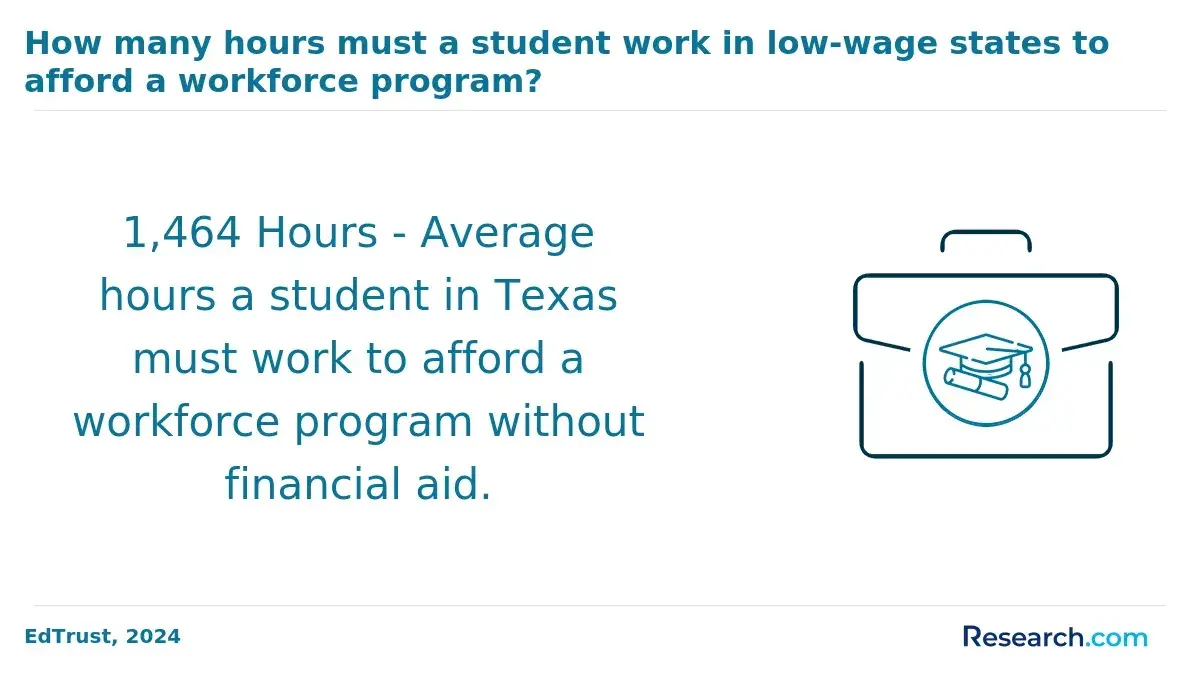
How Can You Compare Courses Across Accounting Degree Programs?
Course lists reveal whether an accounting program is rigorous, current, and aligned with your career goals. Recent studies show that comprehensive curricula can lead to up to a 15% higher course completion rate, which suggests that students benefit when programs are well sequenced, clearly structured, and connected to practical outcomes.
Use the curriculum to answer three questions: Will you learn the accounting fundamentals? Will you build job-ready technical skills? Will the coursework support licensure or certification goals?
- Review Course Descriptions: Go beyond course titles. “Taxation,” “Audit,” or “Accounting Systems” can mean very different things across schools. Read descriptions to see whether the content includes current standards, applied assignments, analytics tools, ethics, and case-based learning.
- Check Credit Hours: Credit requirements affect cost, completion time, workload, and licensure planning. Students who transfer credits or attend part time should calculate how many credits remain and whether courses are offered often enough to avoid delays.
- Evaluate Practical Components: Strong programs include case studies, simulations, accounting software, data analysis, internships, capstone projects, or client-style assignments. These experiences help students turn theory into workplace-ready skills.
- Analyze Prerequisites: A logical prerequisite sequence matters. Introductory financial and managerial accounting should support intermediate accounting, auditing, taxation, systems, and advanced electives. Poor sequencing can make advanced courses harder than necessary.
- Compare with Professional Standards: If you plan to pursue the CPA or another credential, compare the curriculum with your state board’s education requirements and the exam areas you expect to face. Do not assume every accounting degree automatically satisfies licensure expectations.
Students evaluating online formats should also compare individual course delivery, instructor access, exam proctoring, and software requirements. Taking accounting classes online can be a flexible way to complete prerequisites or compare program fit before committing to a full degree path.
If you are comparing graduate education models more broadly, reviewing an online masters degree psychology can also show how other disciplines organize flexible coursework, practicum expectations, and online student support.
Breakdown of All 2-Year Online Title IV Institutions

What Scheduling Options Are Available in Accounting Degree Programs?
Scheduling can determine whether a program is realistic. Accounting students often balance classes with work, family, internships, or exam preparation, so the best program is not always the one with the strongest name recognition. It is the one you can complete without sacrificing academic performance or financial stability.
Common scheduling options include:
- On-Campus Day Classes: These work best for students who can attend during traditional weekday hours and want direct access to faculty, classmates, tutoring, student organizations, and campus recruiting. They may be less practical for full-time workers or students with long commutes.
- Evening and Weekend Classes: These formats are designed for working adults and students with daytime obligations. They offer more flexibility but may require careful planning around peak accounting seasons, family responsibilities, and commute time.
- Fully Online Programs: Online programs allow students to study from anywhere and often provide asynchronous coursework. They are convenient for students with unpredictable schedules, but they require strong self-management, reliable technology, and proactive communication with instructors.
- Hybrid Models: Hybrid programs combine online coursework with scheduled campus meetings. This can provide structure, networking, and faculty access while reducing the number of required campus visits.
- Part-Time and Accelerated Pacing: Part-time study can reduce weekly workload and help students manage costs, while accelerated formats can shorten time to completion. Accelerated programs are best for students who can handle heavier course loads and limited breaks.
Before enrolling, ask how often required accounting courses are offered, whether online students can access the same electives as campus students, and whether internship or capstone requirements have fixed schedules. A program that looks flexible on paper may still create delays if key courses are offered only once per year.
What Are the Pros and Cons of Online vs Campus-Based Accounting Degrees?
The choice between online and campus-based accounting degrees affects learning style, networking, access to recruiting, and daily logistics. In 2020, nearly 37% of undergraduates enrolled in at least one distance education course, showing that online learning is now a mainstream option rather than an exception. Still, the better choice depends on how you learn, how much structure you need, and what career support you expect.
Online Accounting Degrees
- Flexible Scheduling: Online programs are often better for students who work, care for family members, live far from campus, or need to study outside standard class hours. The trade-off is that students must manage deadlines without as much in-person accountability.
- Broader Access: Students can compare programs outside their local area without relocating. This can expand options for specialization, cost, and accreditation.
- Comparable Curriculum in Accredited Programs: Accredited online accounting degrees can follow the same academic standards as campus programs. Students should verify that online sections include qualified instructors, rigorous assessments, and access to the same academic resources.
- More Intentional Networking Required: Online students may need to work harder to build relationships through virtual office hours, discussion boards, professional associations, internships, and alumni events.
Campus-Based Accounting Degrees
- Direct Faculty and Peer Interaction: In-person classes can make it easier to ask questions, form study groups, receive immediate feedback, and participate in accounting clubs or honor societies.
- Stronger On-Campus Recruiting: Many campus programs host employer visits, career fairs, mock interviews, and internship events. This can be valuable for students targeting public accounting firms or local employers.
- Structured Routine: Fixed class meetings help some students stay engaged and organized. Students who struggle with self-paced learning may perform better in a campus environment.
- Higher Logistical Demands: Commuting, housing, parking, relocation, and schedule conflicts can make campus-based study more expensive or less accessible.
Neither format is automatically better. Compare accreditation, faculty access, course availability, internship support, CPA preparation, and career outcomes before making the decision. A strong online program is usually better than a weak campus program, and a strong campus program may be worth the added logistics if it offers superior recruiting and support.
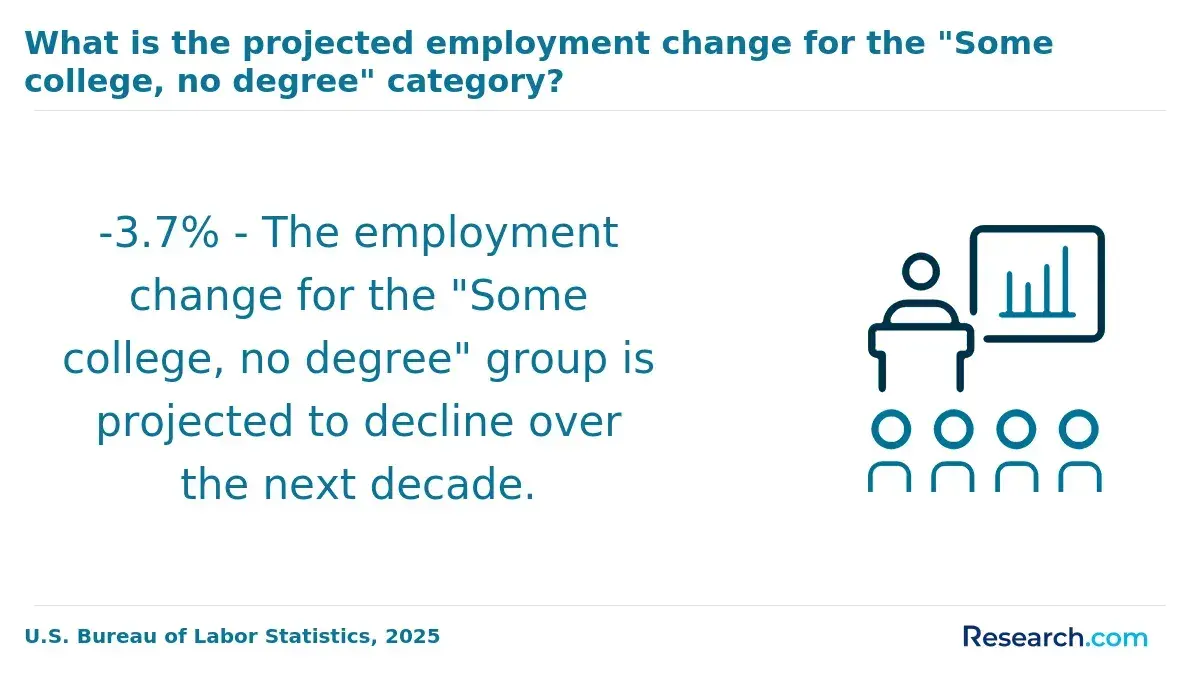
How Do GPA Requirements Vary Among Accounting Degree Programs?
GPA requirements vary by school, degree level, applicant pool, and program selectivity. They are important because they show how a program evaluates academic readiness, but they should not be the only admissions factor you consider.
- Varied Thresholds: Some programs require a solid 3.0 on a 4.0 scale, while others use more flexible standards. More selective programs may also evaluate prerequisite grades, recent coursework, or performance in quantitative classes.
- Holistic Review: Many schools consider GPA alongside work experience, recommendation letters, personal statements, prior accounting coursework, military experience, or professional certifications. This can help applicants whose overall GPA does not fully reflect their current ability.
- Flexibility Options: Some institutions allow applicants to show improvement through recent grades, completed prerequisites, relevant work experience, or conditional admission. If your GPA is below the stated preference, ask whether the program offers a pathway to strengthen your application.
- Program Level Impact: Graduate accounting programs often set higher GPA expectations than undergraduate programs because they involve advanced technical coursework and may prepare students for licensure or specialized practice.
- Course-Specific Requirements: Accounting programs may care more about grades in financial accounting, managerial accounting, statistics, economics, business law, or other prerequisites than about the cumulative GPA alone.
Applicants should review both the minimum requirement and the profile of admitted students when available. A posted minimum does not always mean admission is likely, especially for competitive programs. If your GPA is borderline, contact admissions before applying and ask whether additional coursework, a stronger statement, or professional experience can improve your file.
How Can You Compare Tuition Across Accounting Degree Programs?
Tuition comparisons should focus on total cost, not just the advertised per-credit rate. With the average undergraduate student loan debt reaching approximately $28,400, students should calculate what they will actually pay after fees, transfer credits, financial aid, and time to completion.
Use these cost factors when comparing accounting programs:
- Total Program Cost: Add up tuition for all required credits, not just one semester or one year. Include prerequisite courses if you need them before entering upper-level accounting classes.
- Cost Per Credit: Per-credit pricing matters for transfer students, part-time students, and students who may need extra courses for licensure. A low annual estimate can be misleading if the program requires more credits than expected.
- Mandatory Fees: Technology fees, online learning fees, student services fees, course materials, proctoring fees, graduation fees, and accounting software costs can raise the real price of attendance.
- Financial Aid Availability: Compare grants, scholarships, institutional aid, state aid, and accounting-specific awards. Focus on aid you do not have to repay before relying on loans.
- Employer Tuition Benefits: Working students should ask employers about tuition reimbursement, direct billing, grade requirements, annual caps, and required service commitments after graduation.
- Long-Term Value: A cheaper program is not always the better value if it lacks accreditation, CPA alignment, career support, or internship access. Compare cost against completion rates, licensure preparation, and graduate outcomes.
Ask each school for a full cost-of-attendance estimate and a personalized transfer-credit review before deciding. This is especially important for students comparing online and campus programs, because fees and residency-based tuition rules can vary significantly.
Does a Accounting Degree Meet Licensure Requirements?
An accounting degree may support licensure, but it does not automatically guarantee eligibility. Licensure rules vary by state, and students who plan to become CPAs or pursue other regulated credentials must verify requirements before enrolling. Nearly 70% of U.S. jobs require some form of certification or licensure, so overlooking this step can delay career plans after graduation.
When comparing programs, check the following:
- Curriculum Alignment: The program should cover key areas such as auditing, taxation, financial reporting, accounting systems, business law, ethics, and regulation. Students should compare required and elective courses against their state board’s education rules.
- Accreditation Standards: Degrees accredited by organizations such as AACSB or ACBSP may offer stronger assurance of business and accounting curriculum quality. However, students should still confirm state-specific eligibility because accreditation alone may not satisfy every requirement.
- State Requirements: Some states require up to 150 semester hours for CPA licensure. Students should determine whether the bachelor’s program alone is enough, whether they need a master’s degree, or whether additional credits can be completed separately.
- Supervised Experience: Some states require supervised professional experience before licensure. Programs with internships, employer partnerships, or accounting career advising may help students plan for this requirement.
- Exam Preparation: Programs that offer CPA exam advising, review resources, faculty guidance, and clear state-by-state licensure information can reduce confusion and help students avoid missed requirements.
Before enrolling, contact the program and your state board of accountancy. Ask whether the degree meets education requirements in your state, whether online coursework is treated differently, and whether the school has a documented process for helping students plan the licensure sequence.
Which Accounting Programs Have the Best Career Placement Rates?
The strongest accounting programs provide more than coursework. They help students connect with internships, employers, alumni, and career services that lead to relevant jobs. According to the National Association of Colleges and Employers (NACE), about 85% of accounting graduates find relevant jobs within six months of completing their degrees, making placement outcomes a practical comparison point.
When reviewing career placement data, focus on quality and transparency:
- Employer Partnerships: Programs with relationships across public accounting firms, corporations, government agencies, nonprofits, and financial institutions may provide more internship and hiring opportunities. Ask which employers recruit accounting students regularly.
- Internship Pipelines: Internships help students build experience before graduation and can lead to full-time offers. Strong programs make internship preparation part of the student experience through advising, resume support, and employer connections.
- Alumni Outcomes: Active alumni networks can support mentoring, referrals, informational interviews, and career transitions. Review where graduates work and whether alumni are involved in recruiting or professional events.
- Program Support Services: Career services should include accounting-specific resume guidance, interview preparation, job boards, recruiting events, and help with internship applications. General career support is useful, but accounting-focused support is better.
Ask schools how they calculate placement rates. Important details include whether the rate includes only full-time accounting roles, whether it counts students continuing to graduate school, and how many graduates responded to the survey. Students seeking a faster route into the workforce may also compare an accelerated bachelor's degree option in accounting, provided it still offers accreditation, career support, and appropriate academic depth.
How Do Salaries Compare Across Accounting Degree Program Graduates?
Salary outcomes can help students estimate return on investment, but they should be interpreted carefully. The average annual wage for accounting and auditing clerks ranges between $40,000 and $55,000, and actual earnings vary by role, location, industry, credentials, experience, and degree level.
Key factors that influence accounting graduate salaries include:
- Role Differences: Entry-level bookkeeping, clerk, and junior accounting roles typically pay less than roles in audit, tax, financial analysis, advisory services, or corporate accounting. Specialized skills and certification plans can affect early earning potential.
- Industry Impact: Corporate finance and consulting firms usually offer higher salaries than some nonprofit or government roles. However, lower-paying sectors may offer stability, benefits, mission alignment, or predictable schedules.
- Geographic Location: Salaries are often higher in metropolitan areas or states with higher costs of living. Students should compare salary data with housing, commuting, tax, and relocation costs.
- Experience and Credentials: Salary growth is steepest during the first 5 to 10 years after graduation. Credentials such as CPA or CMA can support faster advancement, especially when paired with relevant experience.
When comparing programs, ask for salary outcomes by job type, not only overall averages. A single average may combine clerical roles, staff accountant roles, graduate school enrollment, and unrelated employment. Students who need to manage education costs alongside flexibility can also review online colleges with financial aid as part of a broader affordability strategy.
What Graduates Say About Comparing Accounting Degree Programs Effectively
- Wilder: "Before pursuing an accounting degree, I weighed the benefits of going straight into the workforce against the value of additional education. The average cost of attendance was a serious consideration, but the program's affordability compared to other degrees made the decision feel practical. Since graduating, I have seen stronger career opportunities and salary growth than I expected."
- Mica: "I was initially cautious about the financial commitment required for an accounting degree. With tuition costs averaging lower than many other professional degrees, the investment felt more manageable, especially because the job market for graduates was strong. The degree gave me stability and helped shape a clearer professional path."
- Callen: "My decision came down to balancing cost and career potential. I compared the average cost of attendance across multiple programs and chose the one that offered quality education at a competitive price. The impact has been tangible in my corporate role because the degree strengthened my technical skills and professional credibility."
Other Things You Should Know About Accounting Degrees
Faculty expertise is a crucial factor in evaluating accounting degree programs. Look for programs where instructors have professional certifications such as CPA or CMA, as well as practical experience in accounting fields. Faculty involvement in research, industry partnerships, or advisory roles can also enhance the quality of education and networking opportunities.
In 2027, program reputation remains crucial as it reflects the quality of education, faculty expertise, and employment opportunities. A reputable program often has strong industry connections, enhancing graduates' job prospects and providing a network of successful alumni, which can be beneficial for career growth.
In 2027, comparing tuition costs is crucial as it affects financial commitment and potential return on investment. Students should assess not only the cost but also financial aid options and anticipated salary after graduation to make informed decisions.
References
- Bachelor of Science Degree in Accounting | 4-week Classes | NU https://www.nu.edu/degrees/accounting-finance-economics/programs/bachelor-of-science-accounting/
- Accountant certification requirements by state: A NEXT Insurance guide https://www.nextinsurance.com/blog/accountant-license-requirements-by-state/
- Accounting Degree Requirements - Complete Guide https://big4accountingfirms.org/requirements/
- What GPA is needed to be hired by a CPA firm? | AccountingCoach https://www.accountingcoach.com/blog/what-gpa-is-needed-to-be-hired-by-a-cpa-firm
- Accounting degrees & courses https://universitycompare.com/courses/degrees/accounting
- What You Should Know If You're Considering an Accounting Degree https://www.pearsonaccelerated.com/blog/accounting-degree.html
- CPA Exam requirements https://www.becker.com/cpa-review/requirements
- Program Comparison https://www.cpawsb.ca/cpa-professional-program/program-comparison/
- The Disproportionate Effects of Declining Interest Within Different Accounting Fields - The CPA Journal https://www.cpajournal.com/2025/10/22/the-disproportionate-effects-of-declining-interest-within-different-accounting-fields/
- Accounting | LACC https://www.lacc.edu/academics/aos/accounting


