
2027 Is Demand for Accounting Degree Graduates Growing or Declining?

Co-Founder and Chief Data Scientist
Choosing an accounting degree in 2026 is not just a question of whether accountants still find jobs. The better question is which accounting roles remain resilient as automation changes routine work, employers raise expectations, and organizations need stronger financial controls. For students, career changers, and working professionals, the value of the degree depends on the type of role you want, the credential level you pursue, and how well your skills match current hiring needs.
Accounting remains tied to core business functions: tax reporting, auditing, compliance, budgeting, financial analysis, risk management, and advisory work. A 2023 report from the U.S. Bureau of Labor Statistics projects a 7% growth in accounting jobs through 2031, suggesting continued demand even as software takes over some repetitive tasks. This guide explains where demand is strongest, which occupations are growing, how geography and degree level affect employability, what employers now expect from graduates, and whether an accounting degree still offers a practical return on investment.
Key Things to Know About the Demand for Accounting Degree Graduates
- Employment for accounting degree graduates is expected to grow about 7% from 2022 to 2032, reflecting steady demand despite automation advancements.
- Specializations in forensic and environmental accounting often lead to higher job stability and more competitive salaries amid evolving industry practices.
- Technology integration and regulatory changes increasingly require accountants to adapt skills, enhancing long-term career prospects for graduates.
What Factors Are Driving Demand for Accounting Degree Professionals?
Demand for accounting graduates is being shaped by a mix of business growth, regulatory complexity, technology adoption, and workforce turnover. Automation has reduced the need for some manual bookkeeping tasks, but it has also increased demand for professionals who can interpret financial data, verify accuracy, advise decision-makers, and manage compliance risk.
The strongest demand drivers include:
- Business and finance expansion: Organizations still need reliable accounting talent to prepare statements, manage transactions, support audits, and guide budgeting. As companies grow across markets, their reporting and tax needs become more complex.
- Technology-driven change: Accounting software, automation, and analytics tools make routine work faster, but employers need graduates who can evaluate outputs, investigate exceptions, and translate financial data into business insight.
- Regulatory and tax changes: Shifting tax laws, reporting standards, internal control expectations, and compliance rules create steady need for accountants who understand documentation, risk, and accurate reporting. This is one reason students should verify that a program is properly accredited and recognized by employers.
- Retirements and workforce replacement: As experienced accountants leave the workforce, firms and employers need new graduates who can move into staff, audit, tax, and financial analysis roles.
- Broader employer expectations: Many accounting jobs now combine technical accounting with advisory work, risk assessment, data analysis, and communication. Graduates who can explain financial findings clearly are more competitive than those prepared only for transaction processing.
Students comparing business education pathways can also review resources such as affordable online MBA programs, but an MBA is not a substitute for checking whether an accounting program fits CPA, audit, tax, or financial reporting career goals.
Which Accounting Occupations Are Seeing the Highest Growth Rates?
The fastest-growing accounting-related occupations are not limited to traditional staff accountant roles. Growth is strongest where accounting knowledge intersects with regulation, fraud prevention, business analysis, and risk management. The U.S. Bureau of Labor Statistics projects overall employment to grow about 5% over the next decade, while several accounting-adjacent roles show higher projected growth.
- Financial examiners: This occupation is expected to grow by 12%, supported by increased attention to regulatory compliance, financial institution oversight, and risk controls. Candidates typically need a bachelor's degree in accounting, finance, or a closely related field; relevant certifications can improve competitiveness.
- Auditors and accountants: These roles are projected to grow 7%, with demand tied to financial reporting, tax work, compliance, and global business activity. A bachelor's degree is commonly expected, and CPA preparation can be important for advancement in public accounting and audit roles.
- Forensic accountants: This area is showing rapid growth of about 11% as organizations focus more on fraud detection, litigation support, cyber-related financial investigations, and internal controls. A bachelor's degree is generally necessary, with specialized forensic accounting credentials strengthening a candidate's profile.
- Management analysts: This role is projected to grow by 14% and can fit accounting graduates who want to use financial data to improve operations, reduce costs, and advise leadership. A bachelor's degree in accounting or business is typical, while advanced degrees and certifications may help with consulting-oriented roles.
The practical takeaway is that students should not view accounting as one narrow career track. Those who combine accounting fundamentals with analytics, compliance, fraud examination, or operations knowledge may have access to a wider set of opportunities. Students who want to compare online education models in another technical field can review an online engineering degree guide, though accounting career planning should remain focused on finance, audit, tax, and compliance requirements.
Which Industries Hire the Most Accounting Degree Graduates?
Accounting graduates are hired across nearly every sector because organizations need accurate financial records, tax compliance, budget control, and reporting. The best industry for a graduate depends on whether they want client-facing work, internal finance responsibilities, government stability, or specialized regulatory exposure.
- Public accounting firms: These firms hire graduates for audit, tax, assurance, and advisory services. Public accounting can offer broad exposure to many clients and industries, but it often comes with demanding deadlines, especially during busy seasons.
- Corporate employers: Companies in manufacturing, technology, retail, healthcare, energy, and other sectors hire accounting graduates for general ledger accounting, financial analysis, budgeting, internal audit, compliance, and controllership support. These roles may offer clearer internal promotion paths and deeper knowledge of one business model.
- Government agencies: Federal, state, and local agencies need accountants and auditors to oversee public funds, evaluate controls, support compliance, and review financial activity. These roles may appeal to graduates who prioritize stability, public service, and structured career ladders.
- Financial services: Banks, insurance companies, investment firms, and related employers rely on accounting graduates for reporting, risk evaluation, regulatory documentation, financial controls, and audit support. Strong analytical skills and attention to compliance are especially important in this sector.
Students should compare industries by workload, advancement model, licensing expectations, and specialization. For example, public accounting can be useful for CPA-oriented graduates, while corporate accounting may be better for students who prefer internal financial operations and long-term company-specific growth.
How Do Accounting Job Opportunities Vary by State or Region?
Accounting job opportunities vary by region because business density, industry mix, cost of living, state tax rules, and employer concentration differ across the country. Large business centers usually offer more openings, but smaller markets can provide less competition and broader responsibilities earlier in a career.
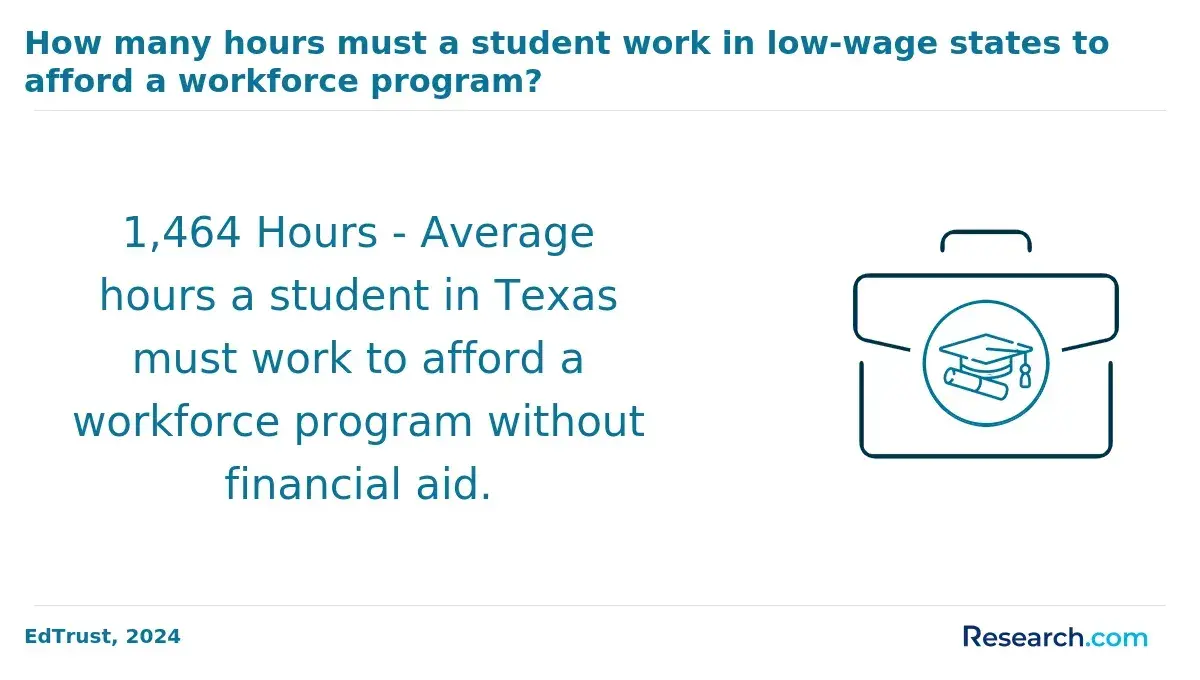
- High-demand states: California, New York, Texas, and Illinois tend to have strong demand because they have large business communities, extensive financial activity, and diverse employers that need accounting, tax, audit, and compliance talent.
- Local industry mix: Regions with strong manufacturing, technology, energy, healthcare, or financial services sectors may prefer accountants who understand industry-specific reporting, cost structures, or regulatory requirements.
- Urban versus rural markets: Urban hubs often provide more openings, larger firms, and stronger networking opportunities. Rural areas may offer fewer jobs but can have lower competition and faster exposure to a wider range of accounting tasks.
- Cost of living: Higher salaries in expensive markets do not always translate into better purchasing power. Graduates should compare compensation against housing, commuting, taxes, and other local costs before relocating.
- Remote and hybrid work: Flexible accounting roles can expand access to employers outside a graduate's immediate region. However, some audit, client-service, government, and compliance roles may still require in-person work or location-specific knowledge.
When evaluating location, students should look beyond the number of job postings. A strong market is one where the available roles match their degree level, experience, certification goals, and desired industry.
How Does Degree Level Affect Employability in Accounting Fields?
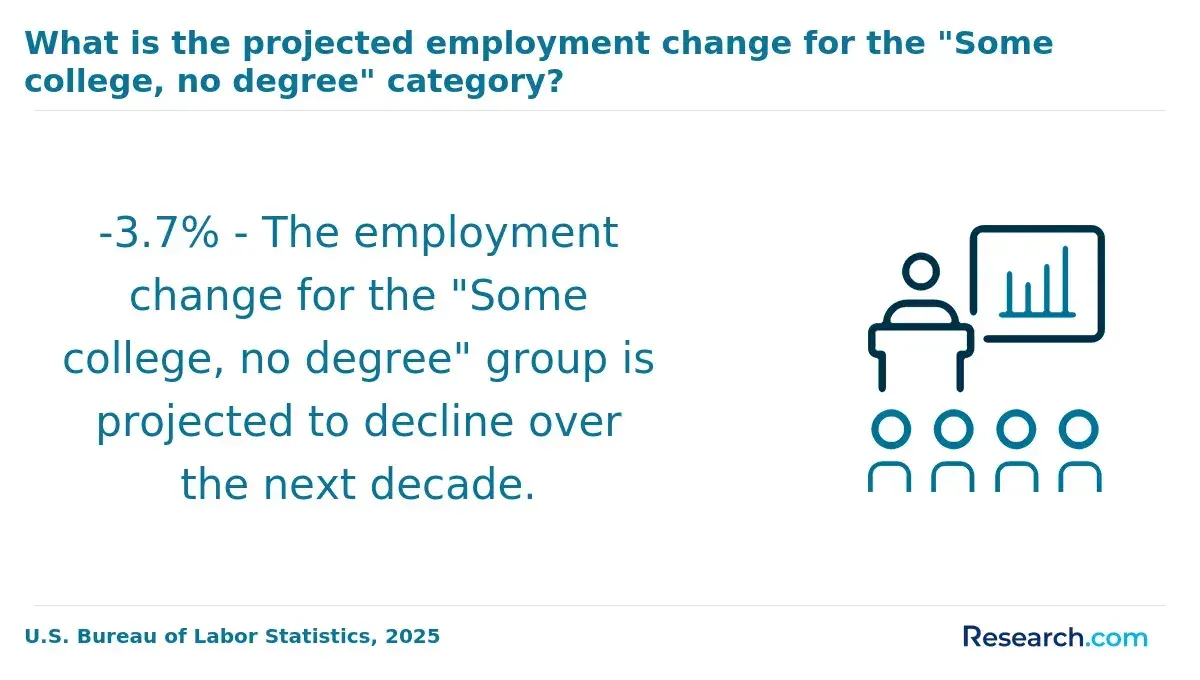
Degree level strongly affects which accounting jobs a graduate can realistically pursue. An associate degree may be enough for support roles, while a bachelor's degree is the common baseline for professional accounting positions. Graduate study can improve access to specialized, managerial, or CPA-aligned pathways, depending on the program and state requirements.
- Associate degree: This credential is commonly used for entry-level roles such as accounting clerk, bookkeeping assistant, payroll clerk, or accounts payable and receivable support. It can be a cost-conscious starting point, but advancement into accountant or auditor roles may require further education.
- Bachelor's degree: A bachelor's degree is the standard credential for many staff accountant, auditor, tax associate, and financial analyst positions. It also provides the academic foundation many students use when preparing for CPA-related requirements, though exam and licensure rules vary by state.
- Master's degree: A master's program can deepen knowledge in taxation, auditing, analytics, forensic accounting, or financial reporting. It may help graduates qualify for more advanced roles, strengthen CPA preparation, or move toward leadership positions.
- Doctorate degree: A doctorate is usually pursued for teaching, research, policy, or high-level consulting rather than standard accounting practice. It is rarely necessary for typical accounting jobs but can be valuable for specialized academic or expert advisory paths.
Before selecting a program, students should compare curriculum, accreditation, CPA alignment, internship access, and total price. Researching accounting degree cost can help applicants decide whether a lower-cost online pathway meets their career and credential goals. Students comparing online graduate formats outside accounting may also review an online master's degree psychology guide to understand how program flexibility, tuition, and delivery models can differ by field.
What Skills Are Employers Seeking in Accounting Graduates?
Employers increasingly want accounting graduates who can do more than record transactions. Technical accuracy still matters, but hiring managers also look for graduates who can use software, analyze data, communicate findings, and apply sound judgment under deadlines.
- Accounting fundamentals: Graduates need a strong command of financial statements, journal entries, reconciliations, internal controls, tax concepts, audit procedures, and reporting standards relevant to the role.
- Analytical thinking: Employers value candidates who can identify patterns, investigate unusual balances, test assumptions, and explain what the numbers mean for a business decision.
- Technology aptitude: Spreadsheet skills, accounting systems experience, and familiarity with analytics tools help graduates work efficiently and reduce errors. Technology skill is now part of baseline employability, not a bonus.
- Communication: Accountants often explain financial information to managers, clients, auditors, or colleagues who do not specialize in accounting. Clear writing and concise verbal explanations can separate strong candidates from technically capable but less effective communicators.
- Attention to detail: Small errors can affect reports, tax filings, reconciliations, and audit results. Employers want graduates who can work accurately while managing competing deadlines.
- Ethical judgment: Accounting roles require trust. Graduates must understand confidentiality, independence, documentation, and the importance of raising concerns when information appears incomplete or misleading.
One recent graduate described the workplace learning curve this way: "During my internship, I realized that being detail-oriented under time pressure was crucial. Sometimes you're juggling multiple reports, and one small oversight could cascade into bigger issues. Employers really expect you to not just crunch numbers but to understand the story behind them and communicate that effectively." That experience reflects what many entry-level accountants discover quickly: employability depends on accuracy, judgment, teamwork, and the ability to explain financial information clearly.
Breakdown of Private Fully Online Nonprofit Schools

How Does Job Demand Affect Accounting Graduate Salaries?
Job demand affects accounting salaries by influencing how aggressively employers compete for qualified candidates. When demand is strong and the supply of prepared graduates is limited, starting offers and advancement opportunities can improve. When hiring slows, new graduates may face more competition and slower wage growth.
Employment of accountants is projected to grow 7% from 2022 to 2032, faster than the average for all occupations, which supports a generally positive salary outlook. However, actual earnings depend on location, employer type, degree level, experience, credentials, and specialization.
- Starting salaries: In stronger hiring markets, employers may offer more competitive entry-level compensation to attract graduates with solid technical, software, and communication skills.
- Wage growth: Accountants who gain experience in audit, tax, financial reporting, compliance, analytics, or advisory work may see stronger salary progression than those who remain in narrow transaction-processing roles.
- Long-term earning potential: Demand for accounting expertise can support stable career growth, especially for professionals who earn relevant credentials, move into supervisory roles, or specialize in high-value areas.
- Market cycles: During economic slowdowns, employers may delay hiring or become more selective. Graduates can improve resilience by building practical experience, technology skills, and a clear specialization.
Students should avoid judging an accounting degree only by first-year pay. The more useful question is whether the degree creates a path to higher-responsibility work, certification eligibility, and roles that remain valuable as tools and regulations change.
How Is AI Changing Demand for Accounting Professionals?
AI is changing accounting work, but it is not eliminating the need for accounting judgment. With 61% of firms having adopted AI tools as of 2023, employers increasingly expect graduates to understand how automated systems process information, where errors can occur, and how to use AI-supported insights responsibly.
- Routine task automation: AI can assist with data entry, invoice processing, categorization, reconciliations, and document review. This reduces demand for purely manual work while increasing the value of review, interpretation, and exception handling.
- New specialized responsibilities: Accounting teams need professionals who can evaluate automated outputs, support AI-related audits, strengthen cybersecurity awareness, and use data analytics in fraud detection and risk review.
- Higher skill expectations: Graduates must combine accounting knowledge with critical thinking, technology fluency, and the ability to explain AI-generated findings to clients or managers.
- Changing entry-level work: Some traditional junior tasks may become less common, which means students should seek internships, projects, and coursework that build practical judgment rather than relying only on textbook accounting.
- Ethics and accountability: AI tools can produce incomplete, biased, or incorrect outputs. Accountants remain responsible for professional skepticism, documentation, confidentiality, and compliance.
A recent accounting graduate described the transition as a shift in mindset: "It was challenging at first to learn how to collaborate with AI tools rather than seeing them as replacements. But by embracing data analytics and cybersecurity skills, I found new opportunities that wouldn't have existed before." Her experience captures the main career lesson: AI favors accountants who can supervise technology, question results, and turn financial data into useful advice.
Is Accounting Considered a Stable Long-Term Career?
Accounting is generally considered a stable long-term career because organizations continue to need financial reporting, tax compliance, audit support, internal controls, budgeting, and decision analysis. The field is changing, but its core function remains essential across industries.
- Broad employer demand: Businesses, government agencies, nonprofits, financial institutions, and public accounting firms all rely on accounting expertise. This broad demand reduces dependence on any single industry.
- Regulatory necessity: Organizations must meet tax, reporting, audit, and compliance obligations regardless of economic conditions. That requirement helps support ongoing need for qualified accounting professionals.
- Adaptability to technology: Automation changes daily tasks, but accountants who can interpret results, advise leaders, and manage risk remain relevant. The most stable careers are likely to belong to professionals who keep updating their skills.
- Credential and specialization value: CPA preparation, forensic accounting, tax advisory, audit, analytics, and compliance specialization can improve resilience and advancement potential.
- Transferable business knowledge: Accounting develops skills in financial interpretation, controls, documentation, and business operations. Those skills can transfer into finance, management, consulting, operations, and leadership roles.
For professionals considering advanced leadership-oriented study, a doctorate in organizational leadership online may complement accounting experience, although it serves a different purpose than accounting licensure or technical specialization.
Is a Accounting Degree Worth It Given the Current Job Demand?
An accounting degree can be worth it for students who want a practical business credential with access to stable roles in audit, tax, corporate finance, compliance, financial analysis, and advisory work. The demand outlook is not explosive across every role, but it remains steady enough to make accounting a defensible choice for students who are prepared to build technology, analytics, and communication skills.
Employment for accountants and auditors is expected to increase by about 7% from 2022 to 2032, matching the average growth rate across all occupations. That projection suggests continued opportunity, but graduates should not assume the degree alone is enough. Employers increasingly prefer candidates who understand accounting software, data analytics, current regulatory expectations, and professional communication.
The degree is most likely to pay off when students choose an accredited program, complete internships or applied projects, understand CPA-related requirements in their state, and pursue roles aligned with market demand. Shorter credentials can also support skill-building; students comparing add-on credentials may review online certificate programs with strong earning potential as part of a broader career plan.
What Graduates Say About the Demand for Their Accounting Degree
- Rylie: "Choosing to pursue an accounting degree was a turning point for me; it offered a clear path to a stable and rewarding career. The return on investment became evident as I quickly secured a position in a reputable firm with competitive salary growth. Today, my degree continues to open doors and provides a solid foundation for professional success."
- Esther: "Looking back, the decision to study accounting was more than just about numbers-it was about understanding business from the ground up. The financial benefits have certainly paid off, but the skills I developed have been invaluable for my career advancement and confidence in leadership roles. This journey has profoundly shaped my professional identity."
- Brandon: "As a professional in the finance sector, my accounting degree has been essential in building credibility and expertise. The investment in education translated into meaningful opportunities and career progression, reinforcing the practical value of the degree. I appreciate how it set me apart in a competitive job market."
Other Things You Should Know About Accounting Degrees
Yes, employers continue to hire accounting graduates in 2027, although industry growth has slowed. Companies require professionals who can navigate complex regulations and financial technologies. While growth might not be rapid, the need for skilled accountants remains steady due to critical business demands.
Graduates can remain competitive by gaining relevant certifications, developing technological skills such as proficiency in accounting software, and staying updated on industry regulations. Internships and practical experience also improve job prospects. Networking and professional development through organizations like the American Institute of Certified Public Accountants (AICPA) can provide valuable opportunities.
References
- How AI and Emerging Technologies Are Transforming the Accounting Profession https://www.njcpa.org/article/2025/06/13/how-ai-and-emerging-technologies-are-transforming-the-accounting-profession
- Why Should You Consider a Career in Accounting? | Mirchawala https://mirchawala.com/blogs/why-should-you-consider-a-career-in-accounting/
- Accountant Salary | State-by-State Accounting Salaries https://www.allbusinessschools.com/accounting/salary/
- THE EMPLOYABILITY SKILLS FOR ACCOUNTING GRADUATES IN DIGITAL ERA https://gaexcellence.com/ijmoe/article/view/1815
- Accountants of the Future https://www.deloitte.com/us/en/programs/center-for-controllership/blogs/future-of-accounting-profession.html
- Best Cities for Accountants | Accounting.com https://www.accounting.com/resources/best-cities-accountants/
- High Hurdles and Low Pay Dissuade Graduates from Accounting Careers https://www.nysscpa.org/article-content/high-hurdles-and-low-pay-dissuade-graduates-from-accounting-careers-051223
- Top 8 jobs for accounting majors to pursue after graduation https://schneiderjobs.com/blog/jobs-for-accounting-majors
- Accounting: best states for employment in the U.S.| Statista https://www.statista.com/statistics/317599/states-with-the-highest-employment-level-in-accounting-and-auditing-us/
- Finance & Accounting Roles in Demand 2025-2026 https://www.kbwfinancial.com/accounting-finance-jobs-in-demand/


