2027 Best Online Psychiatric Mental Health Nurse Practitioner Degrees for Jobs

Co-Founder and Chief Data Scientist
Choosing the best online psychiatric mental health nurse practitioner degree poses a significant challenge for prospective students navigating diverse accreditation standards, curriculum quality, cost, and career outcomes. With 40% of online nursing programs failing to meet national accreditation criteria, the risk of investing in subpar education is high-especially for career changers and veterans leveraging education benefits. Practical experience requirements and robust student support often distinguish credible programs, impacting job readiness and advancement. This article examines these critical dimensions-accreditation, rigor, ROI, outcomes, practicums, and support-to equip readers with a data-driven framework for selecting top-tier online psychiatric mental health nurse practitioner degrees.
Key Things to Know About the Best Online Psychiatric Mental Health Nurse Practitioner Degrees for Jobs
- Top online psychiatric mental health nurse practitioner programs hold accreditation from the Commission on Collegiate Nursing Education, ensuring curriculum rigor and nationwide recognition.
- Curriculum rigor is critical-programs typically balance advanced pharmacology, psychotherapy, and diagnostic coursework, with over 500 clinical hours required for competent skill development.
- Cost must be weighed against career outcomes-graduates experience a 20% higher employment rate within six months, making investment in accredited programs financially prudent long-term.
What Is a Psychiatric Mental Health Nurse Practitioner Degree, and What Can It Do for Your Career?
A psychiatric mental health nurse practitioner (PMHNP) degree prepares students to deliver advanced mental health care by blending nursing science with psychiatric knowledge. Accredited professional associations define this role as specializing in assessing, diagnosing, and treating psychiatric disorders throughout the lifespan. This specialization distinctly focuses on the delivery and management of mental health care-setting it apart from family nurse practitioners or registered nurses.
Core educational domains include biological, psychological, and social factors influencing mental health. The curriculum emphasizes evidence-based therapeutic approaches, pharmacology, and frameworks such as cognitive-behavioral therapy and psychopharmacology. Applied skills taught include patient evaluation, care planning, and counseling, essential for effective mental health practice.
Academic credentials in this field vary to suit different career paths:
- Associate's Degree: Offers foundational nursing knowledge with limited mental health training, often a stepping-stone toward registered nursing.
- Bachelor's Degree: Provides essential nursing skills along with introductory psychiatric nursing concepts; typically required for advanced practice program entry.
- Master's Degree: The primary route to becoming a certified PMHNP, emphasizing advanced clinical care and leadership development.
- Doctoral Degree: Prepares professionals for leadership, research, and academic roles with a focus on clinical expertise and healthcare innovation.
This article targets working adults and aspiring professionals seeking the best online psychiatric mental health nurse practitioner programs for job opportunities. It highlights important factors such as accreditation, curriculum quality, cost-effectiveness, practical experience, and career outcomes. Readers will also find a reliable framework to evaluate programs based on their criteria, ensuring informed decisions for career advancement.
For those comparing costs and return on investment, exploring the best online pharmacy school resources can provide helpful financial benchmarks.
How Do Online Psychiatric Mental Health Nurse Practitioner Degree Programs Compare to Traditional Campus Programs?
Accreditation data demonstrates that reputable online psychiatric mental health nurse practitioner degree programs meet the same rigorous standards-typically from the Commission on Collegiate Nursing Education (CCNE) or the Accreditation Commission for Education in Nursing (ACEN)-as traditional campus programs.
This parity underpins comparable curriculum depth and rigor, with both formats offering comprehensive coursework in psychiatric theory, pharmacology, and clinical decision-making based on evidence-based practices.
- Curriculum Depth and Rigor: Online programs replicate the advanced content found on campus, ensuring graduate competency aligns across delivery modes.
- Faculty Qualifications: Instructors hold equivalent credentials and clinical experience whether teaching online or on-site, sustaining instructional quality.
- Student-Faculty Interaction: While face-to-face engagement thrives on campuses, online programs leverage video conferencing, discussion boards, and live seminars to promote accessibility and timely feedback, though some learners note less immediacy.
- Peer Collaboration: Traditional cohorts encourage organic networking; however, many online programs employ cohort models, synchronous sessions, and virtual breakout groups that support meaningful peer connections.
- Clinical or Practicum Requirements: Both modalities mandate supervised clinical hours, but online students benefit from arranged local placements that remove geographic barriers-critical for those facing limited campus access.
- Employer Perception: Surveys confirm employers prioritize accreditation and graduate competencies over program format, generally valuing online degrees as equivalent to traditional ones.
These attributes make online psychiatric mental health nurse practitioner programs particularly advantageous for working adults balancing employment, caregivers and parents needing remote access, and remote or rural students overcoming geographic isolation.
This flexibility-highlighted in comparisons of online psychiatric mental health nurse practitioner degree programs versus traditional campus options-does not sacrifice educational quality or career readiness.
- Working Adults: Asynchronous coursework enables study alongside full-time jobs.
- Caregivers and Parents: Remote access minimizes family disruption and relocation needs.
- Remote or Rural Students: Online programs break down geographic barriers to nationally recognized degrees.
Limitations such as reduced spontaneous networking and occasional technology hurdles persist, yet leading programs mitigate these through mandatory on-campus residencies, cohort engagement strategies, and advanced learning platforms simulating clinical scenarios.
For those exploring a pathway from nursing fundamentals to advanced practice, resources like ADN to BSN programs provide essential stepping stones-integrating education with career outcomes and accreditation standards.
What Are the Accreditation Standards That Define a Reputable Online Psychiatric Mental Health Nurse Practitioner Degree?
Accreditation verifies the quality of online psychiatric mental health nurse practitioner programs-an essential factor for licensure, employment, and further study. Regional accreditation reflects institutional excellence across multiple domains, including faculty, curriculum, and financial health. Key regional accreditors are:
- Middle States Commission on Higher Education: Recognized nationwide, serving mainly mid-Atlantic institutions.
- Southern Association of Colleges and Schools Commission on Colleges: Covers a large network of southern U.S. schools.
- New England Commission of Higher Education: Oversees colleges in the northeastern United States.
Programmatic accreditors focus specifically on nursing and psychiatric mental health programs, certifying curricular rigor and faculty expertise. Important ones include:
- Commission on Collegiate Nursing Education (CCNE): Sets standards for psychiatric mental health nurse practitioner specialties and nursing education quality.
- Accreditation Commission for Education in Nursing (ACEN): Emphasizes nursing program excellence nationwide.
Choices to enroll in unaccredited or poorly accredited programs can result in serious drawbacks-such as ineligibility for licensure, transfer credit difficulties, and limited employer acceptance. Confirm accreditation through the U.S. Department of Education's searchable database or the Council for Higher Education Accreditation (CHEA) directory before applying to any program.
Accreditation must be a mandatory baseline when assessing online psychiatric mental health nurse practitioner degrees-irrespective of tuition fees or the program's flexibility. It ensures your education meets nationally accepted standards and supports your professional goals.
Which Types of Psychiatric Mental Health Nurse Practitioner Degrees Are Available Online-Bachelor's, Master's, or Doctoral?
According to IPEDS, bachelor's completion typically requires 2-3 years, master's 2-3 years, and doctoral study 3-5 years. Online formats offer flexible scheduling but show varied completion rates important to adult learners balancing work and study.
- Associate's and Bachelor's Completion Programs: These pathways provide foundational nursing education lasting 2-4 years, ideal for recent high school graduates, working adults new to nursing, and veterans using education benefits. Graduates qualify for registered nurse roles but must pursue advanced study to become psychiatric mental health nurse practitioners.
- Master's Degrees: The primary route for online psychiatric mental health nurse practitioner degree options, requiring a bachelor's in nursing plus active RN licensure. These 2-3-year programs emphasize advanced clinical skills and practicum experience, preparing graduates for certification and higher-paying mental health care roles suited to RNs seeking specialization or advancement.
- Doctoral Programs: Including Doctor of Nursing Practice (DNP) and PhD, these 1-5-year programs build on master's credentials to foster clinical leadership, research, or academic careers. DNP programs focus on evidence-based practice and healthcare policy, while PhDs emphasize research and teaching, unlocking top executive and academic salaries.
- Post-baccalaureate Certificates: Designed for those with RN licensure and bachelor's or higher degrees, these certificates allow focused specialization in psychiatric mental health without a full degree. Many offer stackable credentials transferable toward bachelor's or master's degrees-facilitating flexible, career-paced growth.
- Prerequisites and Experience: Entry requirements vary-from high school diplomas and science courses for bachelor's programs to RN licensure and clinical experience for graduate levels-tailored to students ranging from novices to seasoned nurses targeting leadership roles.
For those seeking reputable options, resources recommending online colleges no application fee can help minimize enrollment barriers.
What Is the Typical Cost of an Online Psychiatric Mental Health Nurse Practitioner Degree, and How Can You Finance It?
Costs for an online psychiatric mental health nurse practitioner degree vary depending on institution type and additional fees. Public universities typically offer the lowest tuition-ranging from $15,000 to $40,000 for in-state students-while out-of-state learners often pay substantially more. Private nonprofit programs generally fall between $40,000 and $70,000, and for-profit schools may exceed $80,000 in total tuition.
Aside from base tuition, students should budget for technology fees, which can run several hundred to over a thousand dollars annually, plus possible travel and lodging costs for required clinical residencies or practicums.
Several federal financial aid avenues assist students pursuing this degree:
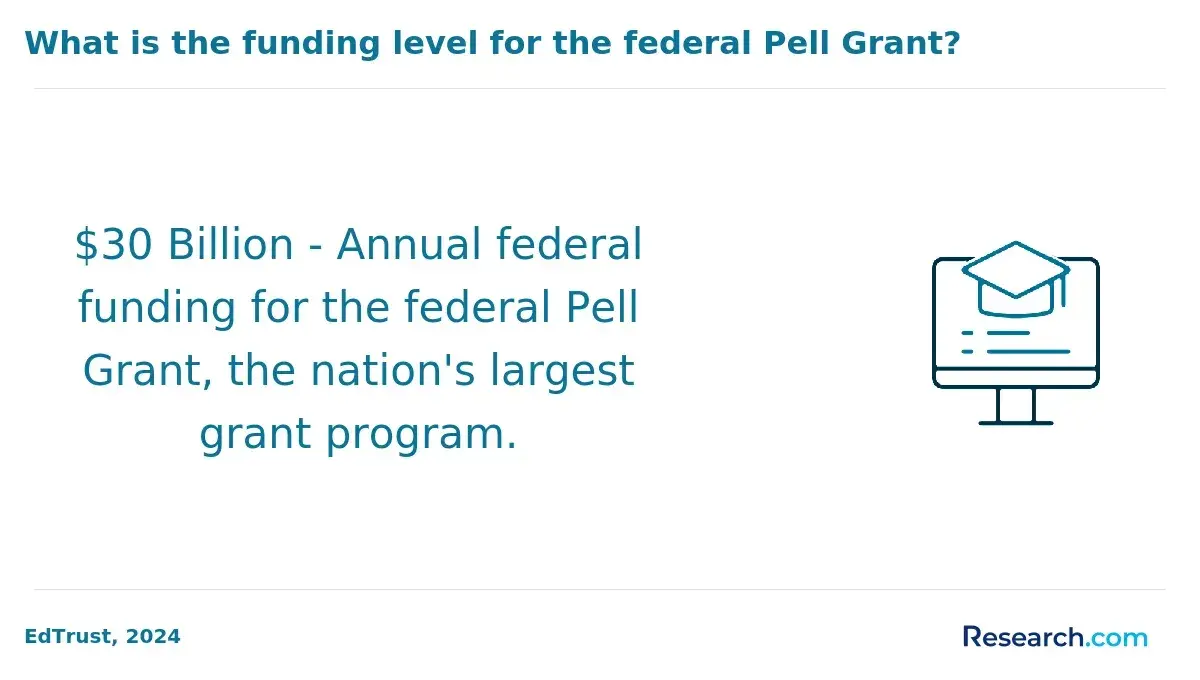
- Pell Grants: Need-based awards for eligible undergraduates and some graduate students that do not require repayment and reduce student debt.
- Federal Loans: Subsidized options cover interest while in school, whereas unsubsidized loans accumulate interest immediately; both are accessed through FAFSA.
- GI Bill Benefits: Veterans and active service members may apply these educational benefits to offset tuition and related expenses significantly.
Scholarships aimed specifically at psychiatric mental health nurse practitioner students complement federal aid. Opportunities frequently come from professional organizations like the American Psychiatric Nurses Association, state workforce initiatives promoting mental health careers, and institutional merit- or need-based funds.
Evaluating total program costs-factoring in all tuition, fees, and associated expenses-is essential rather than focusing narrowly on per-credit pricing. Tools such as the College Scorecard's net price calculator offer personalized estimates of final out-of-pocket costs after financial aid, helping prospective students make well-informed decisions aligned with their financial and career goals.
How Long Does It Take to Complete an Online Psychiatric Mental Health Nurse Practitioner Degree Program?
The time required to finish an online psychiatric mental health nurse practitioner degree varies by level-associate's, bachelor's, master's, or doctoral-and program structure. Associate degrees typically serve as a foundational step rather than a direct path to certification. Bachelor's programs generally span 3 to 4 years online.
Master's degrees, commonly the minimum for nurse practitioner certification, often take 2 to 3 years full-time. Doctoral degrees, like the DNP, usually extend from 3 to 4 years.
- Enrollment Status: Full-time students complete programs faster, while part-time study can double completion times.
- Transfer Credits: Prior academic credits or relevant professional experience may reduce time to degree through transfer credits or prior learning assessment (PLA), which some programs specifically offer.
- Program Format: Accelerated tracks and year-round enrollment help students progress without traditional semester breaks, shortening overall duration.
- Competency-Based Progression: Flexible pacing models allow advancement based on demonstrated skills rather than fixed timelines, benefiting highly motivated learners.
- Practical Experience: Required clinical practicum hours can influence length depending on scheduling availability and flexibility.
- Time Limits and Financial Aid: Students must consider minimum and maximum program durations to maintain financial aid eligibility under satisfactory academic progress (SAP) policies.
- Average Completion Times: Accredited programs often report master's degree completion averaging 2.5 years, exceeding advertised 2-year timelines, while doctoral programs frequently take around 3.5 years to finish.
Programs offering PLA credit, accelerated options, or continuous enrollment best support working adults or those with prior experience aiming for swift career advancement in psychiatric mental health nurse practitioner roles.
What Core Curriculum and Coursework Should a Quality Online Psychiatric Mental Health Nurse Practitioner Program Include?
High-quality online Psychiatric Mental Health Nurse Practitioner programs distinguish themselves through a curriculum aligned with the rigorous standards set by accrediting bodies such as the American Nurses Credentialing Center (ANCC) and the Commission on Collegiate Nursing Education (CCNE). These programs provide a structured, evolving educational experience focused on preparing students for complex clinical roles.
- Core Coursework: Robust foundational courses cover advanced psychiatric assessment, psychopharmacology, psychotherapy modalities, neurobiology, and psychopathology-equipping students with comprehensive knowledge needed to treat mental health conditions across age groups.
- Required Sequences: Effective programs carefully sequence coursework from foundational theory to evidence-based practice, culminating in supervised clinical practicums or residencies that build clinical competence and confidence.
- Integrative Learning Experiences: Capstone projects or integrative clinical rotations enable students to apply advanced clinical reasoning, synthesize interdisciplinary knowledge, and engage in reflective practice under expert supervision.
- Competency Areas: Graduates demonstrate measurable proficiency in mental health assessment, diagnostic reasoning, individualized treatment planning, psychotropic medication management, and culturally competent communication-skills that translate directly to valued workplace performance for Psychiatric Mental Health Nurse Practitioner employers.
- Curriculum Currency: Leading programs maintain relevance through regular curriculum reviews-typically every 3 to 5 years-and advisory boards comprising clinical experts who ensure incorporation of emerging methodologies, evidence-based practices, and updated regulatory standards.
- Program Transparency: Prospective students should request detailed sample course sequences, syllabi, and learning outcomes maps instead of relying solely on marketing materials to make informed comparisons of program rigor and fit.
Reflecting the growing demand for advanced psychiatric care, the U.S. Bureau of Labor Statistics projects employment growth for nurse practitioners at 23% through 2031, highlighting the importance of selecting programs that offer comprehensive, current, and clinically rich curricula aligned with workforce needs.
Which Online Psychiatric Mental Health Nurse Practitioner Programs Offer the Best Return on Investment for Working Adults?
Evaluating online psychiatric mental health nurse practitioner programs with highest ROI for working adults requires careful attention to factors that impact both educational costs and career outcomes. Public universities offering competitive tuition paired with strong employer networks consistently demonstrate superior return on investment as graduates secure meaningful employment aligned with their training.
These programs typically boast higher employment rates and stronger median salaries relative to tuition expenses, making them especially appealing for career advancement.
- Cost Efficiency: Public institutions often provide notably lower tuition for in-state learners and participate in reciprocity agreements that extend savings to students in neighboring states-significantly cutting the overall expenses of online degree completion.
- Employment Outcomes: Graduates benefit from established healthcare employer connections, resulting in faster job placement, reduced unemployment rates, and robust earnings six to ten years after enrollment-all critical indicators of long-term ROI.
- Financial Support: Employer tuition reimbursement and available scholarships further lower out-of-pocket costs for working adults maintaining their careers while pursuing their degree, enhancing affordability and value.
- Program Quality: Accredited programs approved by nationally recognized nursing boards and built on rigorous curricula ensure graduates meet professional competencies, boosting employability and salary potential.
- Student Support: Proven advising services, clinical placement assistance, and mentorship foster timely graduation and smoother transition to practice-essential supports for online learners balancing competing responsibilities.
For those considering the best online psychiatric mental health nurse practitioner degrees for career advancement, it is crucial to look beyond generalized institutional rankings. Instead, prospective students should analyze detailed program-specific data such as median earnings at six and ten years post-enrollment, graduation rates, loan default statistics, and employment percentages.
This insightful, data-driven perspective equips working adults to invest wisely in programs aligned with their career objectives and financial realities-paralleling approaches used in evaluating other specialized fields like dietetics programs.
What Admissions Requirements Do the Top Online Psychiatric Mental Health Nurse Practitioner Programs Typically Require?
Admissions requirements for competitive online Psychiatric Mental Health Nurse Practitioner programs typically include multiple academic and professional components designed to ensure preparedness for rigorous graduate-level training and clinical responsibilities. While individual criteria vary, several elements remain common across selective programs.
- Minimum GPA: Most programs require a minimum undergraduate GPA-usually around 3.0 on a 4.0 scale-to demonstrate strong academic standing. Highly selective institutions may expect higher GPAs or offer flexibility if supplemented by other strengths.
- Standardized Tests: Many schools have adopted test-optional policies, reflecting trends in graduate education; nevertheless, some still request GRE scores, especially for applicants with marginal GPAs or limited clinical experience.
- Letters of Recommendation: Typically, two or three letters are required-usually from academic instructors, clinical supervisors, or nursing professionals who can vouch for readiness and aptitude in advanced practice.
- Personal Statement: Applicants must provide a well-written statement articulating their motivation for psychiatric mental health nursing, career goals, and the fit of the specific program with their aspirations.
- Professional Experience: Most programs expect candidates to hold an active registered nurse (RN) license with relevant clinical nursing experience, serving as a foundation before undertaking specialized psychiatric mental health training.
- Prerequisite Coursework: Those without prior psychiatric mental health or related nursing coursework may need to complete foundational classes-such as pathophysiology, pharmacology, and advanced health assessment-to prepare for graduate study.
Admissions criteria vary significantly across program tiers. Open-enrollment programs at community colleges or less selective schools often require fewer prerequisites and offer more flexible entry options for working nurses. In contrast, research-intensive universities maintain stricter GPA cutoffs, emphasize research or leadership experience, and expect a robust overall academic record. Understanding these differences helps applicants self-assess where their credentials align most competitively.
Given the evolving landscape of admissions-including shifting test-optional policies, GPA minimums, and prerequisite coursework requirements-prospective students should reach out directly to admissions advisors for the most current guidance. For those seeking comprehensive information and comparative data to identify the best pathways, consider reviewing the best online post master's FNP program rankings and research.
For working adults and professionals evaluating program quality and practical demands, understanding psychiatric mental health nurse practitioner program admission criteria and online psychiatric mental health nurse practitioner prerequisites for enrollment is essential to select a program that aligns with career goals and personal circumstances.
What Career Paths and Job Titles Are Available to Online Psychiatric Mental Health Nurse Practitioner Degree Graduates?
Graduates of online Psychiatric Mental Health Nurse Practitioner degree programs access a broad spectrum of professional roles spanning direct care, leadership, education, and research. Initial positions often include clinical practitioners who provide mental health assessments, diagnoses, and treatment plans in settings like outpatient clinics, hospitals, or community centers-working closely with interdisciplinary teams.
- Behavioral Health Nurse: Often entry-level, these roles support mental health patients by assisting with medication management, crisis intervention, and patient education under supervision.
- Advanced Specialists: Nurses with graduate degrees and certifications frequently specialize in areas such as substance use disorders, geriatric psychiatry, adolescent mental health, or forensic nursing-assuming complex treatment and care coordination responsibilities.
- Management and Leadership: Seasoned practitioners may advance to leadership roles including clinical directors, nurse managers, or program coordinators, overseeing mental health services, staff development, and organizational policies within hospitals or government agencies.
- Research and Education: Postgraduate credential holders often pivot to academia or clinical research-contributing to psychiatric nursing advancement and educating future practitioners through universities or professional programs.
- Career Pivot Professionals: Individuals from related healthcare backgrounds-such as registered nurses or social workers-can transition into psychiatric mental health nursing by obtaining targeted training and certifications, broadening their scope and career flexibility.
- Employment Sectors: Healthcare systems including hospitals, mental health outpatient clinics, and community health organizations. Educational institutions offering student mental health services. Correctional facilities providing behavioral health care. Military and veterans' health programs addressing service-related mental health needs. Private practices and telehealth platforms delivering remote psychiatric care.
- Career Progression: Over five to ten years, graduates commonly move from hands-on clinical roles to positions with greater autonomy or specialization, including leadership and research. Lateral moves into policy or education roles reflect the evolving needs and opportunities in psychiatric mental health nursing.
What Is the Salary Outlook for Professionals with an Online Psychiatric Mental Health Nurse Practitioner Degree?
Salary prospects for graduates with an online psychiatric mental health nurse practitioner degree show encouraging growth, fueled by increasing demand in mental health care. Median annual earnings typically range from $110,000 to $130,000, though actual pay varies widely depending on several factors.
- Degree Level: Salaries tend to rise with advanced qualifications - master's degree holders usually earn less than those with a Doctor of Nursing Practice (DNP) or PhD, whose pay can approach or exceed $140,000.
- Experience: New nurse practitioners often start near $90,000 to $100,000, with those gaining five to ten years boosting their median earnings to $120,000 or more.
- Industry Sector: Compensation differs by work setting. Practitioners in hospitals or specialized mental health facilities generally receive higher wages than those in community clinics or primary care.
- Geographic Location: Urban areas and states with a higher cost of living - including California, New York, and Massachusetts - tend to offer salaries above the national 75th percentile.
- Specialization and Certifications: Credentials such as the American Nurses Credentialing Center (ANCC) Psychiatric-Mental Health Nurse Practitioner certification typically result in a 5% to 15% salary increase.
Online graduates have the opportunity to obtain relevant certifications shortly after completing their degrees, which can enhance both employability and compensation. Further specialization, for instance in addiction psychiatry or child and adolescent mental health, may elevate income levels even more.
- Professional Advancement: Ongoing education and earning advanced certificates often translate into sustained salary growth over a career.
- Salary Projections: Employment conditions for psychiatric mental health nurse practitioners are expected to improve significantly, with growth rates exceeding 20% over the next decade, signaling a likely upward trend in salaries.
- Verification and Updates: Since wages respond to healthcare policy shifts and regional economic factors, prospective and current professionals should regularly consult updated salary databases and industry reports to stay informed.
What Graduates Say About the Best Online Psychiatric Mental Health Nurse Practitioner Degrees for Jobs
- Shmuel: "The accreditation standards of the program I completed truly set it apart-knowing the degree met rigorous national criteria gave me confidence when entering the job market. What impressed me most was the curriculum rigor-it pushed me to master both clinical theory and practical skills thoroughly. This comprehensive approach made the investment of time and money worthwhile, considering the career advancement opportunities I secured. Overall, it's a strong foundation for anyone serious about becoming a Psychiatric Mental Health Nurse Practitioner."
- Shlomo: "Reflecting on my education, the blend of practical experience requirements and robust student support infrastructure made all the difference. The hands-on clinical hours were essential, ensuring I felt ready for real-world challenges. Meanwhile, the constant availability of advisors helped me navigate the complexity of balancing work, study, and family life-something every online student can appreciate deeply. It was demanding-but thoroughly rewarding."
- Santiago: "I entered the program with concerns about cost and return on investment, but it exceeded my expectations. The program's affordability combined with strong career outcomes-like high job placement rates and employer recognition-proved the degree's value immediately. Plus, the curriculum's focus on evidence-based practices meant I graduated fully prepared to impact patient care positively. From a professional standpoint, this was a smart and pragmatic choice for advancing my career as a Psychiatric Mental Health Nurse Practitioner."
Other Things You Should Know About Psychiatric Mental Health Nurse Practitioner Degrees
The top online psychiatric mental health nurse practitioner programs emphasize advanced clinical skills in mental health assessment, diagnosis, and treatment planning. Graduates gain competencies in psychopharmacology, evidence-based therapy techniques, and crisis intervention. These programs also strengthen communication skills necessary for patient advocacy and interdisciplinary collaboration within mental health care teams.
Even though the coursework is online, psychiatric mental health nurse practitioner programs require students to complete clinical hours in approved healthcare settings. Schools typically assist students in securing practicum placements near their residence, ensuring real-world experience. These clinical rotations are essential for applying theoretical knowledge and meeting licensing board requirements.
Leading programs often offer dedicated academic advising, career counseling, and technical support to online students. Many provide virtual networking through student organizations, alumni groups, and professional development webinars. These resources help students build connections and access guidance that supports successful job placement post-graduation.
In 2027, essential components of online psychiatric mental health nurse practitioner programs include supervised clinical hours, virtual simulations, and practicum placements with local healthcare facilities. These elements ensure students gain practical experience and develop critical skills necessary for effective patient care.
References
- How to Become a Psychiatric Nurse Practitioner (PMHNP) https://nursinglicensemap.com/advanced-practice-nursing/nurse-practitioner/psychiatric-and-mental-health-nurse-practitioner-pmhnp/
- BSN to PMHNP Programs Online: Top Degrees & Key Details https://www.edumed.org/online-schools/nurse-practitioner-programs/psychiatric-mental-health/bsn-to-pmhnp/
- Most Affordable Online PMHNP Programs (2025) https://www.healthcaredegree.com/blog/most-affordable-pmhnp-programs
- Psychiatric Nurse Practitioner PMNHP Jobs (including Telehealth ) | LifeStance https://careers.lifestance.com/psychiatric-nurse-practitioner/
- Psychiatric Mental Health Nurse Practitioner Salary & Job Outlook | Bradley University Online https://onlinedegrees.bradley.edu/blog/psychiatric-mental-health-nurse-practitioner-salary
- Psychiatric Nurse Practitioner Salary + Job Outlook | NKU https://onlinedegrees.nku.edu/programs/healthcare/msn/pmhnp/salary-career-outlook/
- How to Become a Psychiatric-Mental Health NP (PMHNP) https://www.npschools.com/blog/how-to-become-a-psychiatric-nurse-practitioner
- Advancing Your Nursing Career With an Online PMHNP Degree https://yourhealthmagazine.net/article/healthcare-careers/advancing-your-nursing-career-with-an-online-pmhnp-degree/
- MSN Psychiatric-Mental Health Nurse Practitioner Specialization https://www.chamberlain.edu/academics/nursing-school/psychiatric-mental-health-nurse-practitioner