2027 Different Types of Environmental Management Degrees and Their Salaries

Co-Founder and Chief Data Scientist
The demand for skilled professionals in environmental management continues to rise as organizations prioritize sustainable practices and regulatory compliance. Employment in this sector is projected to grow significantly in the coming years, reflecting increased focus on environmental protection and resource conservation. Choosing the right educational path is critical for aspiring experts seeking to maximize their impact and earning potential.
This article provides a clear overview of the various types of environmental management degrees available and examines the expected salary outcomes for graduates from each educational track, offering valuable insights for individuals planning their careers in this dynamic field.
Key Points About Different Types of Environmental Management Degrees and Their Salaries
- Individuals with an associate degree in environmental management typically enter technician or support roles, earning a median annual salary of around $47,000, but may face limited advancement without further education.
- Graduates holding a bachelor's degree in environmental management often qualify for professional positions such as environmental consultants or analysts, with starting salaries averaging between $55,000 and $65,000 and stronger prospects for career growth compared to associate degree holders.
- Master's degree holders in environmental management frequently access leadership and specialized roles in sustainability or regulatory compliance, commanding median salaries above $80,000, alongside greater long-term earning potential and opportunities in research or policy development.
What Are the Different Types of Environmental Management Degrees Available?
Understanding the different types and levels of environmental management degrees is crucial for students to make informed decisions that align with their educational backgrounds and career goals. Each degree option offers distinct academic focuses and skill development tailored to various professional paths. To clarify these options, below is an overview of the main types of environmental management degrees and what makes each unique.
These degrees help students build expertise across scientific, policy, management, and safety aspects of environmental work, forming the foundation for diverse opportunities and salary potentials.
- Bachelor of Science (BS) in Environmental Management: This degree emphasizes foundational scientific principles and technical skills, covering environmental monitoring, risk assessment, and sustainability. Typical coursework includes ecology, geospatial analysis, and environmental health to equip students with practical tools for environmental challenges.
- Bachelor of Arts (BA) in Sustainability or Environmental Studies: Concentrating on policy, communication, and governance, this program integrates social science perspectives with environmental problem-solving. Courses often explore environmental ethics, policy design, and leadership within sustainability contexts.
- Master of Science (MS) in Environmental Management: Combining advanced science with management and economics, this graduate degree includes studies in sustainability, financial concepts, and regulatory frameworks. Core and elective courses are complemented by seminars and often a thesis or capstone experience.
- Master of Science in Occupational Safety and Health with Environmental Management Concentration: This degree links occupational safety with environmental management, focusing on workplace health and regulatory compliance. Coursework typically addresses environmental regulations, hazard assessment, and safety systems management.
- PhD in Environmental Management: Designed for advanced research expertise, doctoral study emphasizes research methods, publication, and fieldwork. Programs usually include mentorship and intensive project development to tackle complex environmental issues.
Salary expectations for these degrees vary significantly with education level, ranging from approximately $54,000 for bachelor's degree holders to $70,000 or more annually for those with a master's degree in the US. For students looking to begin their educational journey quickly, options like the best online associate degree in 6 months can provide a foundational step toward these higher degrees and related careers.
What Specializations Are Available in Environmental Management Degrees?
Choosing a specialization within environmental management degrees is a critical factor that helps students tailor their education to specific career objectives. Specializations provide focused training and relevant skills, enabling graduates to stand out in competitive job markets and align their studies with professional goals.
Below are some common Environmental Management specializations, each with a brief overview of its focus areas, key competencies, and typical career paths:
- Environmental Management In Policy And Planning: This specialization concentrates on environmental laws, policy formulation, and land use planning. Students develop skills in regulatory compliance, stakeholder engagement, and policy analysis, preparing them for roles like environmental consultant, policy analyst, or government advisor.
- Environmental Management In Conservation And Natural Resource Management: Focused on the protection and sustainable management of natural ecosystems, this area trains students in ecological monitoring, habitat restoration, and resource planning. Graduates may become conservation scientists, park managers, or resource management specialists.
- Environmental Management In Energy And Sustainability: Emphasizing renewable energy technologies and sustainable systems, this track teaches energy auditing, project planning, and sustainability assessment skills. Common career outcomes include sustainability coordinator, renewable energy project manager, or clean tech analyst.
- Environmental Management In Environmental Health And Safety: This specialization targets risk assessment, hazard mitigation, and environmental regulations related to public health. Students gain expertise in monitoring and safety protocols, leading to roles such as environmental health officer, safety manager, or compliance specialist.
- Environmental Management In Geographic Information Systems (GIS): Concentrating on spatial data analysis and mapping, this field develops proficiency in GIS software, spatial modeling, and data visualization. Graduates often work as GIS analysts, environmental planners, or data scientists.
For those exploring academic options later in life, reviewing the top degrees for 60 year olds can provide valuable guidance on how to integrate specialization choices with lifelong learning goals.
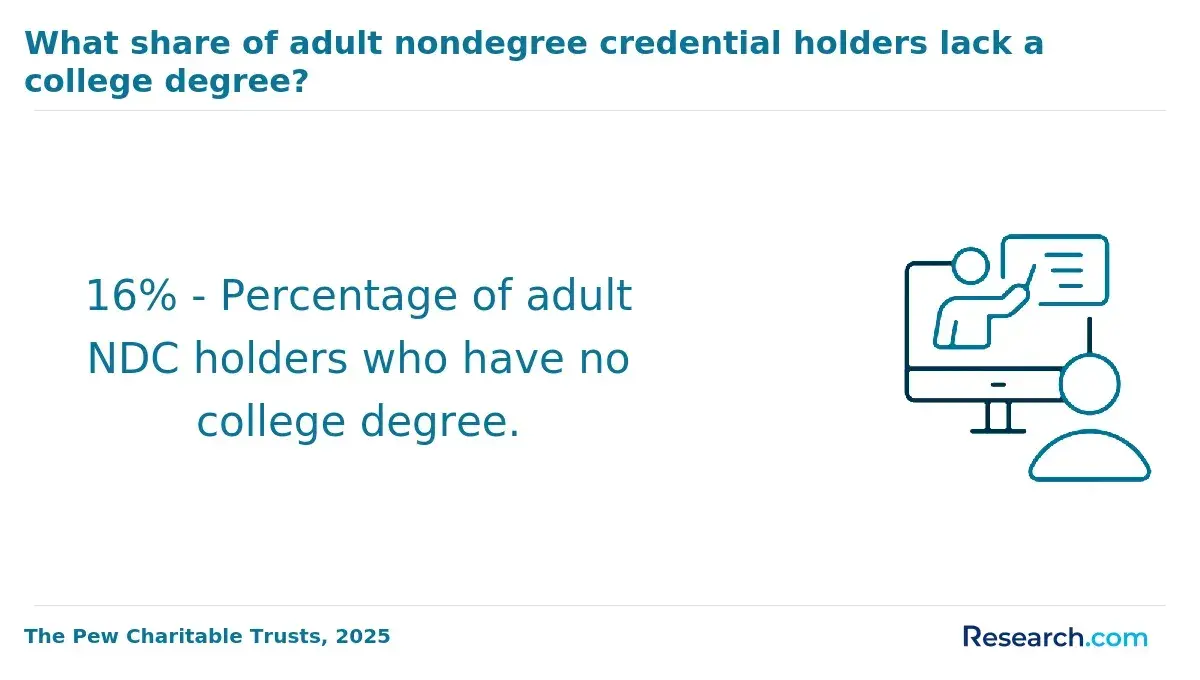
How Long Does It Take to Complete Each Type of Environmental Management Degree?
Understanding the length of time required to complete various environmental management degree programs is crucial for students as they plan their academic paths and career goals. Knowing the typical duration helps in setting realistic expectations and arranging finances, work commitments, or family responsibilities accordingly. Below is an overview of common environmental management degree types and their typical completion times.
Here are the main environmental management degree types and how long it usually takes to earn each one:
- Associate Degree in Environmental Management: This program generally takes about two years of full-time study at a community college or technical school. Part-time students may take longer, while some schools offer accelerated options that shorten the timeframe. Transfer credits from high school or other college courses can also reduce the time needed.
- Bachelor's in Environmental Management: A bachelor's degree typically requires four years of full-time study at a university. Factors such as part-time enrollment, dual majors, or co-op programs can extend the duration. Many institutions now offer online or hybrid formats, providing flexibility to complete coursework more quickly or around work schedules.
- Master's in Environmental Management: Most master's programs take one-and-a-half to two years of full-time study to complete. Students enrolling part-time or those balancing employment often need additional semesters. Accelerated or online programs are increasingly available, allowing motivated students to finish in as little as one year.
- Doctorate in Environmental Management: Doctoral degrees generally require three to six years beyond a master's, depending on research scope and dissertation progress. Full-time commitment speeds completion, but many candidates work while studying, which can lengthen the process. Some programs offer structured timelines and part-time paths to accommodate professionals.
Are There Accelerated Environmental Management Degree Programs?
Yes, accelerated environmental management degree programs do exist and are offered by several universities across the United States. These programs allow students to finish both their bachelor's and master's degrees in a shorter time frame, often around five years instead of the traditional six or more. Common formats for acceleration include condensed courses that cover material more intensively, year-round academic terms without extended breaks, and options to transfer graduate-level credits earned during undergraduate studies directly toward master's requirements. For instance, some programs enable students to apply up to 22 graduate credits toward both degrees, effectively reducing the time needed to complete the master's portion. This approach benefits students eager to enter the workforce sooner and can also lead to a quicker return on investment through earlier career advancement.
However, enrolling in an accelerated program requires careful consideration of factors such as workload intensity and eligibility criteria. Because the pace is faster and demands overlap more rapidly, students often face a significantly heavier course load and less time for extracurriculars or part-time jobs. Eligibility typically includes maintaining a strong GPA and submitting a separate application, often during the junior year. Some universities also impose strict deadlines to finish master's degree requirements soon after completing undergraduate studies to retain credit transfer privileges. While accelerated paths can help students save time and money, the intensity and prerequisite conditions should be carefully weighed to ensure success and well-being throughout the program.
I recently spoke with a graduate of an accelerated environmental management degree program who described his experience as both challenging and rewarding. He recalled that balancing the condensed schedule felt overwhelming at times: "You really have to be organized and ready to handle multiple demanding courses simultaneously." He also emphasized how the opportunity to transfer credits saved him nearly a full semester, which allowed him to focus more on specialized topics in his final year. Despite limited downtime, he appreciated entering the job market earlier than his peers, noting it gave him a competitive edge. Reflecting on his journey, he shared, "It wasn't easy, but the structure pushed me to develop strong time-management skills. I'm grateful for how the accelerated program prepared me for the fast pace of a real-world environmental management career."
Are Online Environmental Management Degrees as Credible as Traditional Ones?
Online environmental management degrees from accredited institutions now closely mirror the academic standards of traditional, on-campus programs. Both formats usually require the completion of 120-124 credit hours that include general education, core environmental science courses, and electives. While hands-on lab work and field experiences have traditionally been integral to on-campus degrees, online programs increasingly replicate this through virtual labs, mailed lab kits, and local field assignments. Leading universities such as Southern New Hampshire University and University of Maryland Global Campus provide rigorous, career-focused curricula along with robust student support, indicating parity in quality and learning outcomes between online and traditional formats.
Recent trends show growing employer acceptance of online environmental management degrees, especially when earned from reputable, accredited schools. For instance, graduates from the University of Maryland Global Campus report a median salary of $72,828, reflecting strong workforce demand and recognition of online credentials. Online programs offer added advantages of flexibility, accessibility, and often lower tuition, attracting working professionals and career changers. High graduate recommendation rates, such as 96% at Wilmington University, further highlight student satisfaction and readiness for environmental careers. Ultimately, the credibility of an environmental management degree depends more on the institution's reputation and accreditation than on whether the program is delivered online or in person, with both modalities now respected across the industry.
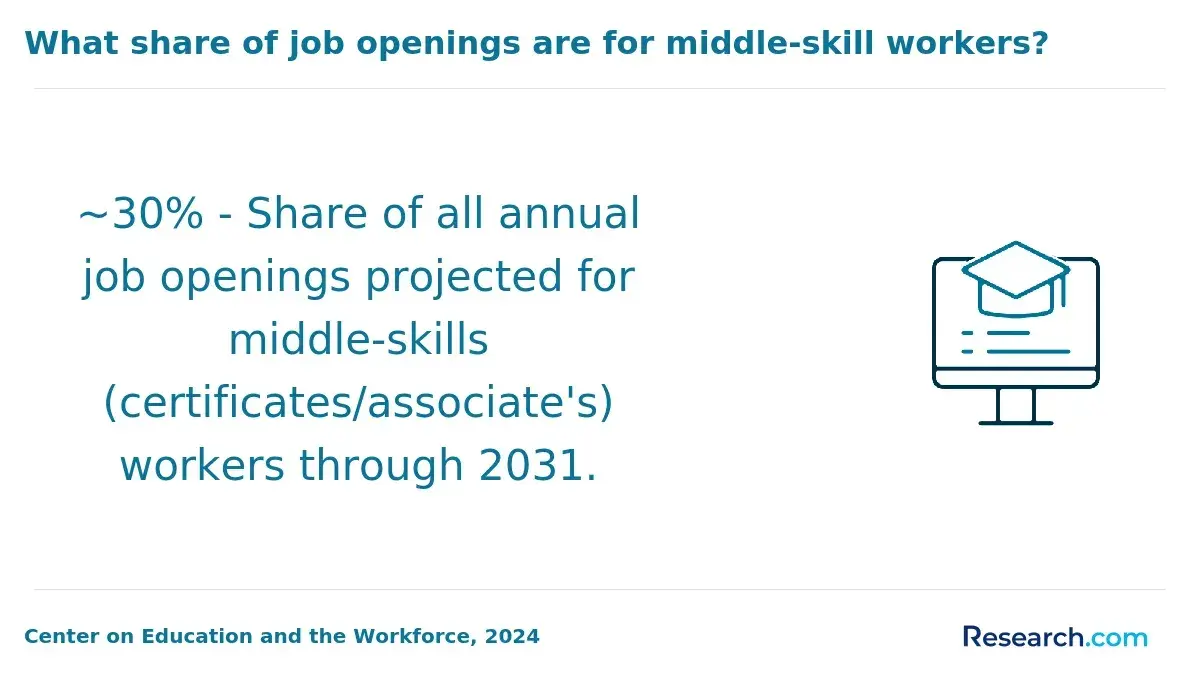
How Much Does Each Type of Environmental Management Degree Typically Cost?
Understanding tuition differences across degree levels in environmental management is essential for effective budgeting and long-term financial planning. Costs can vary significantly depending on factors such as the degree type, institution, residency status, and program format. Below is an overview of typical tuition ranges for each type of Environmental Management degree to help guide prospective students in their decision-making process.
- Associate Degree in Environmental Management: Tuition for associate degrees at community colleges generally ranges from $3,000 to $10,000 per year for in-state students. Out-of-state tuition tends to be higher, while online options may offer more competitive rates. Federal Pell Grants and state-specific financial aid are common funding sources that students can explore to offset costs.
- Bachelor's in Environmental Management: Bachelor's programs often cost between $10,000 and $30,000 annually at public universities, with private institutions charging up to $34,000 per year. In-state tuition is considerably lower than out-of-state rates. Online programs, such as those offered by Columbia Southern University and Wilmington University, present flexible and sometimes more affordable alternatives, with costs based on per-credit pricing. Scholarships, federal loans, and institutional aid frequently help students manage expenses.
- Graduate Certificate in Environmental Management: Graduate certificates usually use per-credit tuition models. For example, one university charges about $582 per credit, totaling approximately $11,000 for a 19-credit certificate, excluding fees. Financial aid options may be more limited but often include employer tuition reimbursement programs or private loans.
- Master's in Environmental Management: Master's degree tuition can vary from $20,000 up to $45,000 total, with public universities typically offering lower costs for in-state residents. Additional mandatory fees and living expenses should also be considered. Many students rely on scholarships, federal loans, and graduate assistantships to help fund their studies.
- Doctorate in Environmental Management: Doctoral programs generally have higher tuition rates, commonly exceeding $10,000 per year at public institutions and reaching $50,000 or more at private universities. Some programs charge per-credit rates close to $561. Funding often includes research grants, teaching assistantships, and federal loans to ease financial burdens.
When I spoke with a graduate of an environmental management degree program about her journey with tuition costs, she shared a nuanced perspective. She reflected that managing expenses was initially daunting but became manageable through a combination of carefully selected scholarships and part-time work aligned with her field. "I prioritized programs that offered solid financial aid, not just the lowest sticker price," she explained.
Her investment in a flexible online bachelor's program allowed her to continue working while studying, which eased the financial strain considerably. Importantly, she emphasized how this approach not only reduced her debt but also enhanced her career prospects immediately upon graduation, making the financial sacrifices worthwhile and sustainable in the long run.
What Jobs Can You Get with Each Type of Environmental Management Degree?
The level of an environmental management degree significantly influences the career paths and roles graduates are qualified for, with higher degrees often leading to more specialized and leadership positions. Entry-level degrees prepare students for technical jobs, while advanced degrees open doors to senior roles and higher salaries. The following list outlines common jobs associated with each degree level in environmental management.
- Associate Degree in Environmental Management: Graduates frequently work as environmental technicians, field sampling assistants, or waste management specialists. These roles focus on data collection, site inspections, and supporting environmental monitoring in government agencies, laboratories, or private firms.
- Bachelor's Degree in Environmental Management: This degree commonly leads to positions like environmental consultant, environmental health and safety specialist, or natural resource manager. Responsibilities often include regulatory compliance, environmental impact assessments, and managing sustainability projects across industries such as consulting and manufacturing. Many bachelor's graduates pursue high paying 4 year degrees to enhance their job prospects.
- Master's Degree in Environmental Management: Graduates qualify for advanced roles including environmental planner, sustainability director, or project manager. These professionals direct strategic planning, lead teams, and develop environmental policies in sectors like urban planning and corporate sustainability.
- Doctoral Degree (PhD) in Environmental Management: A doctorate enables entry into academic, research, and high-level policy roles such as university professor, environmental policy analyst, or research director. PhD holders often lead major research projects and influence environmental regulations for governmental or international bodies.
How Do Salaries Differ by Environmental Management Degree Type?
Degree level in environmental management often influences earning potential, with advanced qualifications generally leading to higher salaries over time. Understanding how salaries differ by degree type can help students make informed educational and career decisions. Below is a breakdown of typical salary ranges for various environmental management degree levels to guide prospective students in choosing their educational path.
- Associate Degree in Environmental Management: Entry-level roles such as environmental science and protection technicians typically start around $47,370 annually. Salaries at this level are generally lower, with limited advancement opportunities without further education or experience.
- Bachelor's Degree in Environmental Management: Graduates often qualify for positions like environmental scientists and specialists, earning a median annual wage of approximately $80,060. Factors such as industry sector and geographic location influence starting salaries, which can range from $60,000 to $85,000, with private sector jobs in urban areas tending to pay more.
- Master's Degree in Environmental Management (MEM): Holding a master's degree opens access to higher-paying jobs such as environmental consultants and managers. Salaries typically range between $58,000 and $124,000, depending on experience, leadership roles, and employer type. Environmental consultants usually earn around $77,315, while specialists can make up to $103,000 annually.
- Doctoral Degree (PhD) in Environmental Management: Those with a PhD may pursue research, academic, or senior consultancy roles. While specific salary data varies, positions often exceed $120,000 yearly, especially in academia or executive-level jobs, reflecting experience and specialization.
- Environmental Manager (all degree backgrounds): Environmental managers have an average salary of $109,000, with typical earnings between $91,000 and $199,000. The top 10% earn more than $171,000, highlighting how advanced degrees and experience contribute to salary growth in this field.
Keep in mind that salaries differ based on geographic location, industry, employer size, and years of experience. Students interested in this area may also want to explore options at an online school that accepts fafsa to find flexible pathways toward these degree milestones.
Is There High Demand for Environmental Management Degree Holders in the Job Market?
There is a strong demand for environmental management degree holders driven by several key factors. Emerging technologies such as climate data analytics, renewable energy engineering, and advanced compliance software require professionals with specialized knowledge, increasing the need for skilled graduates. Workforce shortages also play a significant role; as of 2025, 57% of companies report challenges in filling environmental, health, and safety positions, partly due to retirements and limited awareness about career opportunities. Additionally, regional differences influence hiring trends-financial hubs like New York and coastal cities facing acute climate risks are particularly active in recruiting for climate risk and compliance roles. While some regulatory rollbacks in the US may affect narrow areas of hiring, overall investment in renewable energy and sustainability initiatives remains robust, supported by expanding green bond markets anticipated to exceed $1 trillion in 2025.
The job market for those with environmental management degrees reflects growth in diverse sectors such as energy, agriculture, supply chain logistics, and finance, with roles including sustainability analysts, ESG specialists, and environmental managers. Salaries typically range from $60,000 to $110,000, highlighting the value placed on expertise and the competitive nature of these positions. Students considering this field might also explore the top career path for introverts, as many environmental management roles offer work environments conducive to independent project work and analysis. Overall, the outlook remains promising for graduates entering the workforce, with sustained demand fueled by organizational priorities around sustainability and regulatory compliance across multiple industries.
What Factors Should You Consider When Picking a Type of Environmental Management Degree?
Choosing the right degree level in environmental management is a critical decision because it directly impacts your career trajectory and personal circumstances. Aligning your education with your professional goals and life situation sets the foundation for future success. To help guide this decision, consider the following key factors:
- Career Goals: Your degree choice shapes the types of jobs you qualify for. Entry-level positions may only require a bachelor's degree, while leadership or research roles often demand a master's or PhD. Reflect on where you want to be in your career to select the appropriate level.
- Salary Potential: Advanced degrees typically lead to higher salaries. While bachelor's programs have lower starting pay on average, master's graduates often access better-paying opportunities. Weigh your education investment against potential earnings.
- Time Commitment: Bachelor's degrees usually require about four years, master's programs two to three years, and doctoral degrees take several more. Consider how much time you can realistically dedicate given your work and family obligations.
- Program Specialization: Environmental management covers areas such as sustainability, policy, forestry, and conservation. Choosing a specialty that matches your interests and career plans will enhance your motivation and job fit.
- Flexibility and Format: Many schools offer online or part-time environmental management programs, which are ideal if you need to balance studies with other responsibilities. Executive master's options specifically target experienced professionals seeking leadership roles.
- Accreditation and Reputation: Enrolling in an accredited program with a strong reputation can improve job prospects and ensure educational quality. Institutions known for their environmental management programs often provide better networks and employment outcomes.
What Environmental Management Graduates Say About Their Degree and Salary
- Jamal: "Completing my bachelor's degree in environmental management has truly transformed my understanding of sustainable practices and their real-world applications. The program's combination of fieldwork and theory prepared me to start my career with confidence, landing a position at a leading environmental consultancy within months of graduation. What I appreciate most is how this degree opens doors to diverse industries, allowing me to contribute meaningfully to conservation projects while continuously growing my skillset. The hands-on experience and networking opportunities were crucial to my professional development and have fueled my passion for protecting natural resources."
- Isabella: "Reflecting on my time earning a master's degree in environmental management, I realize how much it shaped not just my career but also my approach to solving complex ecological problems. The challenging coursework, combined with interdisciplinary collaboration, pushed me to think critically and act strategically in community-based environmental programs. This journey deepened my commitment to social equity in environmental policy and helped me become an advocate for vulnerable populations affected by environmental degradation. It was a truly enriching experience that empowered me to effect positive change on both local and regional levels."
- DeShawn: "As a graduate with a specialized degree in corporate environmental management, I found unique opportunities that bridged sustainability and business operations. This degree gave me the tools to guide companies in reducing their ecological footprint while improving efficiency and compliance with regulations. The professional development workshops and internships included in the curriculum were invaluable for advancing my career and establishing credibility in a competitive field. I am proud to be part of a growing movement that helps organizations thrive responsibly and ethically in today's market."
Other Things You Should Know About Environmental Management Degree Programs & Salaries
In 2027, an environmental management degree can lead to careers like sustainability consultant, environmental planner, conservation scientist, and environmental policy analyst. These roles focus on developing sustainable practices, implementing policy, and managing natural resources.
In 2027, students can pursue different environmental management degrees, including bachelor's degrees focusing on sustainability, environmental science, and policy. At the postgraduate level, there are master's programs specializing in climate change, conservation, and environmental policy. These degrees prepare graduates for various roles in consultancy, government, and NGOs.
References
- Cost of Attendance https://environment.yale.edu/admissions/masters/funding-your-degree/cost
- Environmental Specialization Area for Environmental Studies Concentration https://sd.appstate.edu/academics/sample-specializations/environmental-studies-concentration
- Environmental Sciences and Sustainability BSc (Hons) Degree – University Centre Farnborough https://www.ucfarnborough.ac.uk/course/bsc-hons-environmental-studies-and-sustainability/BES1/
- 10 highest paying jobs with an environmental science degree - FutureLearn https://www.futurelearn.com/info/blog/top-jobs-with-environmental-science-degree
- List of environmental degrees - Wikipedia https://en.wikipedia.org/wiki/List_of_environmental_degrees
- Launching Your Career in Environmental Management https://www.columbiasouthern.edu/blog/blog-articles/2025/may/launch-career-environmental-management/
- Choosing an appropriate university or college environmental management system - ScienceDirect https://www.sciencedirect.com/science/article/abs/pii/S0959652609000614
- Web Content Display Web Content Display https://studia.uj.edu.pl/en_GB/kierunki/wb/enviro.prot.mana
- Top 7 Highest Paying Environmental Careers https://unity.edu/career-corner/top-7-highest-paying-environmental-careers/
- Environmental Management | UNjobs https://unjobs.org/themes/environmental-management