
2027 How to Become a Certified Occupational Health Nurse: Education, Salary, and Job Outlook

Co-Founder and Chief Data Scientist
If you are an RN who wants to move from bedside care into prevention, workplace safety, compliance, and employee wellness, occupational health nursing can be a strong fit. Certified occupational health nurses help employers reduce injuries, support safe return-to-work plans, manage employee health programs, and respond to job-related illnesses or emergencies.
This guide explains the credentials, skills, experience pathways, salary expectations, work settings, and career trade-offs involved in becoming a certified occupational health nurse. It is designed for nursing students, licensed RNs, and working nurses who want a clearer path into occupational health roles and certification.
What are the benefits of becoming a certified occupational health nurse?
- The job outlook for certified occupational health nurses is positive, with a projected growth rate of 7% through 2025, reflecting rising demand in workplace health and safety.
- Average annual salaries range from $70,000 to $95,000, offering competitive compensation compared to other nursing specialties.
- Pursuing this career provides stability, diverse work environments, and opportunities to impact employee health and regulatory compliance effectively.
What credentials do you need to become a certified occupational health nurse?
To become a certified occupational health nurse, you first need to be a licensed registered nurse. Certification builds on that foundation by verifying that you have occupational health experience, understand workplace safety requirements, and can apply nursing judgment in employment-based settings.
Core credentials and eligibility requirements
- Registered Nurse (RN) license: You must complete an Associate Degree in Nursing (ADN) or a Bachelor of Science in Nursing (BSN) from an accredited nursing program and hold an active RN license. This is the baseline credential for occupational health nurse certification.
- Occupational health nursing experience: To meet occupational health nurse certification eligibility criteria for 2025, applicants must have at least 3,000 hours of hands-on occupational health nursing experience within the last five years. This is a key requirement for the Certified Occupational Health Nurse (COHN) exam offered by the American Board for Occupational Health Nurses (ABOHN).
- Alternative qualifications: If you do not meet the experience requirement, a post-baccalaureate degree in occupational health or a related field may be accepted as a substitute for experience in some cases. Review current ABOHN requirements before planning your timeline.
- Certified Occupational Health Nurse-Specialist (COHN-S): This advanced credential requires a bachelor's degree or higher, not necessarily in nursing, along with RN licensure and relevant experience. The COHN-S is often better aligned with nurses pursuing administration, program management, education, or policy-focused roles.
- Continuing education and advanced degrees: Continuing education is required to maintain certification and stay current with regulations. Many occupational health nurses later pursue graduate study, such as a Master's in Nursing or Public Health, to move into leadership, consulting, or nurse practitioner roles.
How to choose the right education path
An ADN can help you enter nursing faster, but a BSN may give you stronger preparation for corporate health, public health, leadership, and certification-focused roles. If your long-term goal is management, consulting, or advanced practice, plan early for a bachelor's degree and possibly graduate education.
For students still comparing degree options, reviewing the best college majors to get a job can help you understand how nursing and related health fields connect to occupational health careers.
What skills do you need to have as a certified occupational health nurse?
A certified occupational health nurse needs more than clinical competence. The role sits at the intersection of employee care, workplace safety, compliance, prevention, and business operations. You may be the only health professional on site, so employers expect independent judgment and clear communication.
Clinical and prevention skills
- Advanced assessment: Evaluate workplace injuries, illnesses, exposures, and urgent health concerns accurately, often with limited immediate clinical backup.
- Preventive care: Coordinate screenings, immunizations, wellness initiatives, and risk-reduction programs that help employees stay healthy and reduce avoidable absences.
- Case management: Track injured or ill employees, coordinate disability cases, communicate with providers, and support safe return-to-work plans.
- Environmental hazard evaluation: Recognize workplace risks, document findings, and recommend practical steps to reduce employee exposure and prevent injury.
Compliance and workplace operations skills
- Regulatory knowledge: Understand OSHA, ADA, workers' compensation, and FMLA requirements well enough to support compliant policies and documentation.
- Health promotion: Design programs that address chronic disease prevention, stress, ergonomics, fatigue, substance use concerns, or other workforce health needs.
- Critical thinking: Work through complex cases involving work-related illness, accommodations, exposure events, or competing employee and employer needs.
- Leadership and initiative: Lead projects, write procedures, participate in safety committees, and make recommendations without waiting for step-by-step direction.
Communication and professional judgment
- Communication: Explain health risks and policies clearly to employees, supervisors, executives, and outside providers while protecting confidentiality.
- Teaching ability: Train workers and managers on first aid, workplace safety, disease prevention, and emergency procedures in a way that is practical and memorable.
- Emotional stability: Stay calm during injuries, conflict, sensitive health disclosures, or difficult return-to-work conversations.
What is the typical career progression for a certified occupational health nurse?
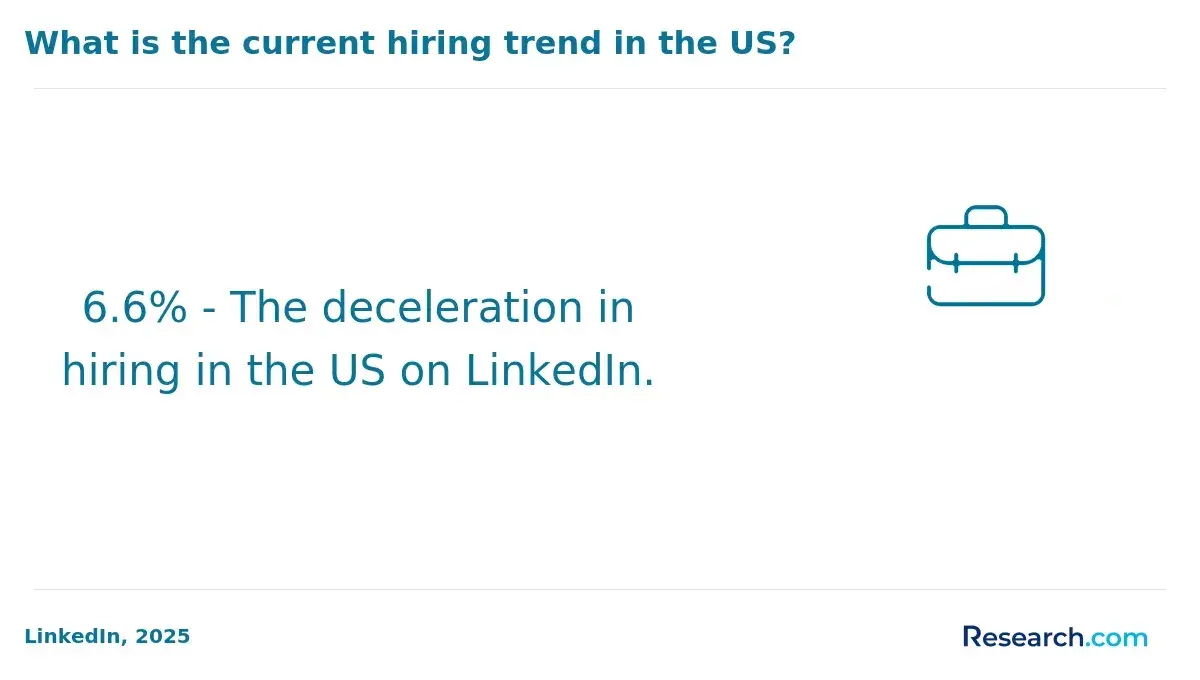
The occupational health nursing career path usually starts with direct employee care and expands toward case management, compliance, program design, and leadership. Certification can help formalize your expertise, but advancement also depends on the complexity of the workplaces you serve and your ability to work with management, safety teams, and employees.
- Early Career (1-3 years): New occupational or employee health nurses typically provide hands-on services such as injury assessment, first aid, health screenings, immunizations, exposure follow-up, and safety counseling. This stage is about learning workplace risks, documentation standards, and how occupational health differs from hospital-based care.
- Mid-Level Roles (3-5 years): With experience and certifications like COHN or COHN-S, nurses may move into specialist or case management roles. Responsibilities often include complex workers' compensation cases, wellness program development, surveillance programs, compliance tracking, and return-to-work coordination.
- Leadership Positions (5-10 years): Nurses with advanced education or strong management experience may become employee health managers, occupational health program leaders, or corporate health and safety advisors. These roles can involve staff supervision, budgets, policy creation, vendor management, and advising senior leadership on health-related risks.
- Specialization and Lateral Moves: Experienced occupational health nurses may specialize in ergonomics, industrial hygiene, disability management, emergency preparedness, health promotion, or regulatory compliance. Others move into consulting, education, research coordination, or multi-site corporate health roles.
A useful way to plan your progression is to decide whether you want to remain primarily clinical, become a program leader, or move into consulting and policy. Each route requires different experience, education, and professional relationships.
How much can you earn as a certified occupational health nurse?
Certified occupational health nurse pay varies by location, industry, education, certification, and level of responsibility. Nurses who manage programs, handle complex case management, or work in high-cost labor markets may earn more than those in entry-level or lower-demand settings.
The average occupational health nurse salary in the United States ranges from $82,000 to $94,000 per year, with the national average around $86,380 annually as of 2025.
Hourly wages typically fall between $39 and $45. Pay can be higher in regions with stronger demand, higher cost of living, or more complex employer health needs. Highly experienced nurses, especially those with advanced certifications, may earn salaries exceeding $104,000 to $110,000.
Factors that influence salary
- Experience: Entry-level occupational health nurses tend to start near the lower end of the pay scale. Nurses with over ten years of experience often qualify for higher-paying roles with more autonomy.
- Education: A bachelor's degree (BSN) can improve competitiveness, especially for corporate, leadership, and program management roles.
- Certification: The Certified Occupational Health Nursing (COHN) credential may support stronger pay and broader job options compared with an associate degree alone.
- Location: States like California and New York stand out with salaries surpassing $100,000, while the Southeast and Midwest usually offer lower rates.
- Specialization: Case management, occupational health program management, disability management, and compliance-heavy roles can improve earning potential.
Certification is not the only way to increase income, but it can help employers see that you have verified occupational health expertise. If you are comparing short credential options, exploring easy to get certifications that pay well may help you identify additional credentials that match your goals.
Certified occupational health nurse salary by state varies considerably because regional demand and cost of living differ. Before accepting a role, compare base pay, benefits, schedule, travel expectations, and whether the position includes management or on-call duties.
What internships can you apply for to gain experience as a certified occupational health nurse?
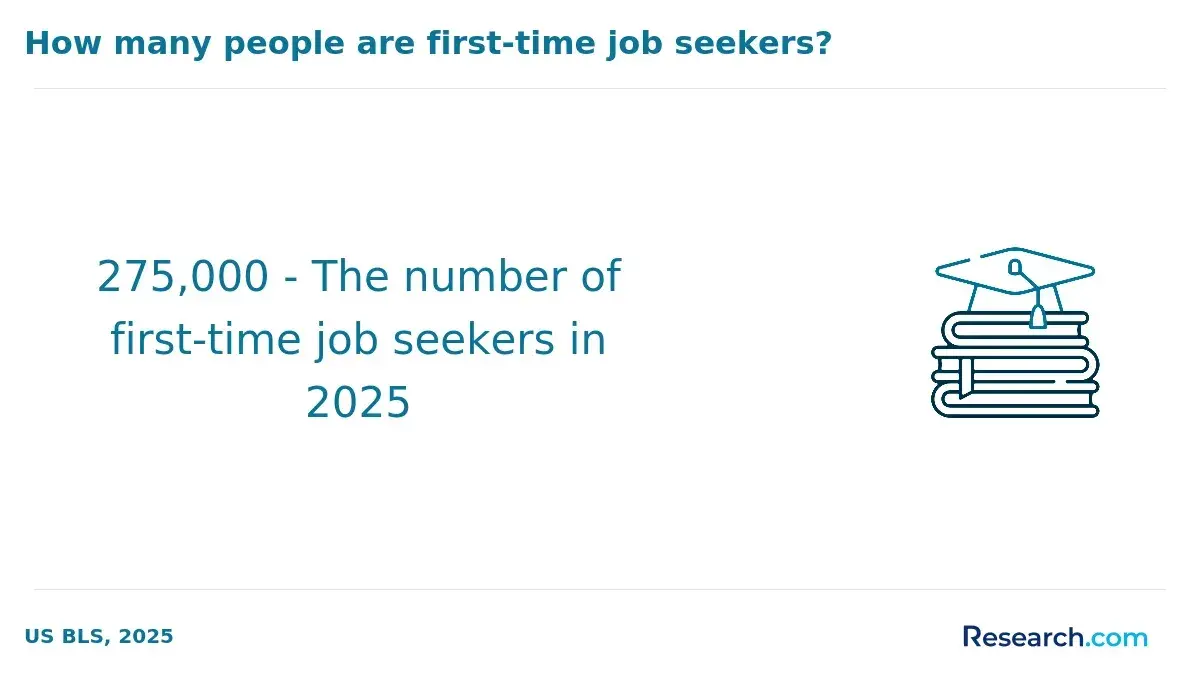
Internships, externships, and structured clinical experiences can help you build the kind of workplace health exposure that supports occupational health nursing certification later. Because many certification requirements depend on direct occupational health experience, early exposure can also help you decide whether the specialty fits your goals.
Internship and experience options to consider
- OSHA Graduate Nurse Internship Program: This federal eight-week internship places graduate nursing students in OSHA's Office of Occupational Medicine and Nursing in Washington, D.C. Interns work on real projects under expert guidance and gain exposure to national workplace health policies and regulatory issues.
- Mayo Clinic Health System, Mount Sinai South Nassau, and Richmond University Medical Center: These hospital-based student nurse internship programs for occupational health offer paid externships lasting 8-11 weeks during summer. They focus on clinical nursing rotations, assessment skills, emergency response, and patient care relevant to occupational health settings.
- Corporate and industrial internships: Large companies, manufacturing plants, utilities, transportation firms, and industry-specific health departments may offer internships, externships, or shadowing opportunities. These may not always be advertised as occupational health nursing internships, so contacting human resources or employee health departments directly can be useful.
How to make an internship count
- Ask whether the experience includes exposure to injury logs, return-to-work planning, employee screenings, health education, and safety committee participation.
- Keep a record of your responsibilities, hours, settings, and supervisors, since documented experience may matter later for certification eligibility.
- Look for placements that show both clinical care and workplace systems, not only general nursing tasks.
For nurses planning graduate study, affordable online masters programs can complement workplace experience and support advancement into public health, leadership, or advanced practice roles.
How can you advance your career as a certified occupational health nurse?
After earning your COHN or COHN-S certification, career advancement usually comes from combining deeper expertise with broader responsibility. The strongest candidates can manage clinical issues, interpret workplace requirements, communicate with leadership, and design programs that reduce risk.
- Pursue specialty certifications: Additional credentials can strengthen your niche. For example, the Case Management (CM) certification from ABOHN focuses on rehabilitation and return-to-work strategies, which can be valuable for roles involving workers' compensation, disability management, and complex employee cases.
- Advance your education: A Master of Science in Nursing may support a path toward nurse practitioner roles or Occupational Health Clinical Nurse Specialist positions. In many states, nurse practitioners enjoy full practice authority, enabling independent diagnosis, treatment, and management of workplace health. A Master's in Public Health can prepare nurses for corporate health director, public health, consultant, or policy-oriented roles.
- Engage in professional development: Professional organizations such as the American Association of Occupational Health Nurses (AAOHN) offer workshops, educational resources, annual conferences, and networking opportunities. These can help you stay current with regulations, technology, and best practices.
- Seek strategic experience: Move beyond direct care when possible. Administrative roles, consulting projects, safety committee leadership, policy development, and private occupational health services for smaller employers can expand your career options. Experienced COHN-S holders are often promoted within large companies to lead health teams.
Common advancement mistakes to avoid
- Relying only on clinical experience without learning compliance, documentation, and business operations.
- Waiting too long to document occupational health hours and responsibilities.
- Choosing graduate education without first deciding whether you want clinical practice, leadership, public health, or consulting work.
- Ignoring communication skills, even though many occupational health roles require negotiation between employees, supervisors, insurers, and providers.
Where can you work as a certified occupational health nurse?
Certified occupational health nurses work wherever employers need to protect worker health, manage job-related injuries, reduce hazards, and meet safety obligations. The best setting for you depends on whether you prefer direct care, compliance, education, consulting, or program leadership.
- Corporate settings: Large corporations, including Fortune 100 companies, employ occupational health nurses to design health programs, conduct medical screenings, manage employee health records, and support regulatory compliance.
- Consulting firms: Occupational health nurses may advise employers on health and safety policies, workplace audits, emergency planning, wellness programs, and injury prevention strategies.
- Manufacturing and construction: These industries often involve higher physical risk. Nurses may provide immediate injury care, identify hazards, support safety training, and coordinate return-to-work plans.
- Healthcare systems: Hospitals and healthcare organizations may hire occupational health nurses to oversee employee wellness, exposure follow-up, infection prevention support, immunization programs, and staff safety protocols.
- Government agencies: Agencies such as the Occupational Safety and Health Administration (OSHA) offer roles connected to workplace safety standards, policy, enforcement support, and public health initiatives.
- Educational institutions: Universities and colleges may employ occupational health nurses to support employee health services, campus safety, research-related occupational health needs, or related instruction.
- Nonprofits and community organizations: These organizations may use occupational health nurses for public health education, workforce wellness, community safety programs, or outreach to vulnerable worker populations.
If you are trying to enter the field quickly or strengthen your credentials, fast degree programs that pay well may be worth comparing with traditional nursing and public health pathways. Be sure to verify accreditation, clinical requirements, transfer policies, and licensure implications before enrolling.
What challenges will you encounter as a certified occupational health nurse?
Occupational health nursing can offer more predictable hours than some hospital roles, but it is not a low-responsibility specialty. You may be expected to protect employee health, help employers manage risk, document carefully, and make sound decisions in situations where clinical, legal, and business concerns overlap.
Key challenges to prepare for include:
- Demanding workload: You may manage direct care, health education, regulatory compliance, surveillance programs, supplies, and documentation for large employee groups. Strong systems and prioritization are essential.
- Emotional strain: Serious injuries, chronic work-related illness, disability cases, and employee mental health concerns can be difficult. Occupational health nurses need healthy boundaries and strategies to reduce stress and compassion fatigue.
- Adapting to industry advancements: Telehealth, electronic health records, exposure tracking systems, and wearable health technology may change how employee health data is collected and used. Ongoing training is part of the job.
- Navigating regulatory complexities: OSHA updates, workplace policies, workers' compensation procedures, ADA issues, FMLA questions, and international safety standards for multinational employers can create complex compliance demands.
- Competitive job market: A national shortage of nurses affects hiring and workload. Specialized skills, relevant certifications, and documented occupational health experience can improve job security and career prospects.
- Working with diverse populations: Employees may differ in language, culture, health literacy, job duties, and trust in management. Effective occupational health care requires cultural competence, confidentiality, and proactive communication.
What tips do you need to know to excel as a certified occupational health nurse?
To excel as a certified occupational health nurse, focus on reliability, prevention, documentation, and influence. The best practitioners are clinically competent, organized, and able to translate health concerns into practical workplace action.
- Build dependable tracking systems: Use digital tools to monitor medication supplies, expiration dates, screenings, follow-ups, injuries, training completion, and required documentation. Poor tracking can create compliance and patient safety problems.
- Protect confidentiality: Employees need to trust that their health information will be handled appropriately. Be clear about what can be shared with management and what must remain private.
- Communicate in plain language: Explain risks, restrictions, accommodations, and safety procedures clearly. Good communication reduces confusion and helps employees follow health recommendations.
- Stay current: Continue learning about workplace safety, mental health, regulatory updates, ergonomics, emergency response, and occupational exposures. Certifications from organizations such as the American Board for Occupational Health Nurses can support long-term growth.
- Network with peers: Professional organizations and events can help you solve unusual cases, learn from other industries, and discover job openings that may not be widely advertised.
- Understand the business context: Learn how productivity, staffing, risk, insurance, and safety metrics affect decisions. This helps you present recommendations in a way leadership can act on.
- Use data to support prevention: Track injury patterns, absence trends, screening results, and program outcomes. Data can justify wellness initiatives, ergonomic improvements, staffing changes, or policy updates.
- Lead with empathy and boundaries: Occupational health nurses often support employees during stressful situations while also working within employer policies. Fairness, compassion, and consistency matter.
How do you know if becoming a certified occupational health nurse is the right career choice for you?
Occupational health nursing is a good fit for nurses who like prevention, education, workplace problem-solving, and a broader systems view of health. It may be less satisfying if you prefer high-acuity hospital care, frequent procedures, or a fast-paced emergency environment.
- Personality and values: Successful COHNs are detail-oriented, empathetic, practical, and comfortable serving as a liaison between employees and management. They value prevention, safety, wellness, and fair treatment across different job roles.
- Skills required: Strong communication and organizational skills are essential for explaining health risks, influencing policies, managing records, and supporting regulatory compliance. Clinical experience in community or emergency care plus interest in public health regulations can strengthen your candidacy.
- Lifestyle preferences: Occupational health nursing generally offers a stable work-life balance with standard business hours, less physical strain than hospital nursing, and occasional travel between sites. However, some settings may require emergency response, after-hours availability, or work across multiple locations.
- Motivation and interests: If you are motivated by injury prevention, wellness, workplace safety laws, and employee advocacy, this field may align well with your goals. If you want constant high-acuity patient care, you may find the role too administrative or prevention-focused.
- Career outlook and requirements: With median salaries around $82,000 and growing demand, becoming a COHN requires an active RN license, at least 3,000 hours of occupational health nursing experience, and passing a certification exam. Recertification every five years helps ensure up-to-date expertise.
Questions to ask yourself before choosing this path
- Do I enjoy preventing health problems as much as treating them?
- Can I communicate effectively with both frontline employees and executives?
- Am I comfortable with documentation, compliance, and policy work?
- Do I want a nursing role that connects clinical care with workplace systems?
- Am I willing to keep learning about regulations, safety risks, and industry-specific hazards?
For nurses considering broader leadership or interdisciplinary training, researching colleges with dual degree programs can help identify options that combine nursing with public health, business, or related fields.
What Professionals Who Work as a Certified Occupational Health Nurse Say About Their Careers
- Caleb: "Becoming a certified occupational health nurse has truly secured my career path, especially with the growing demand in industrial and corporate health sectors. The salary potential is competitive, and the stability allows me to focus on delivering quality care without constant job worries. I'm grateful for the confidence and peace of mind this certification has brought me."
- Dennis: "The challenges in occupational health nursing keep me continuously engaged-it's such a dynamic field! From managing workplace injuries to implementing wellness programs, each day offers unique learning opportunities. This career has expanded my professional skills beyond typical nursing roles, which I find extremely rewarding."
- Thomas: "Professional development is a major advantage in this specialty; the variety of training programs and certifications available helps me advance steadily. Working as an occupational health nurse has opened doors to leadership roles in health and safety management, enhancing my career growth. It's fulfilling to see such clear pathways for advancement."
Other Things You Should Know About Becoming a Certified Occupational Health Nurse
To become a certified occupational health nurse in 2027, you generally need to have a valid RN license and complete relevant clinical experience. Specific educational requirements often include courses in occupational health and safety, and a Bachelor's degree in nursing can enhance your qualifications.
Certification is not legally required to work as an occupational health nurse, but it is highly recommended and often preferred by employers. Being certified demonstrates specialized knowledge and commitment to the field, which can improve job prospects and salary potential.
As of 2027, it typically takes 4 to 6 years to become a certified occupational health nurse. This includes obtaining a Bachelor of Science in Nursing (BSN), gaining 2 years of work experience, and passing the certification exam offered by the American Board for Occupational Health Nurses.
References
- Becoming an Occupational Health Nurse: What You Need to Know | Joyce University https://www.joyce.edu/blog/becoming-an-occupational-health-nurse/
- Navigating Unique Challenges: The Role of Occupational Health Nurses in Promoting Workers Health and Safety - CareerSmart Learning https://careersmart.com/navigating-unique-challenges-the-role-of-occupational-health-nurses-in-promoting-workers-health-and-safety/
- Graduate Nurse Internship Program - Overview | Occupational Safety and Health Administration http://www.osha.gov/nurse-internship
- What is an Occupational Health Nurse? | All Nursing Schools https://www.allnursingschools.com/specialties/occupational-health-nurse/
- Five reasons why nurses should consider a career in occupational health | The Society of Occupational Medicine https://www.som.org.uk/five-reasons-why-nurses-should-consider-career-occupational-health
- Common Nursing Problems & How to Solve Them - Nightingale Foundation https://nightingalefoundation.com/blog/nursing-problems/
- Occupational health nursing: Realities and challenges https://pubmed.ncbi.nlm.nih.gov/38226681/
- Occupational Health Nurse: Duties, Salary & How to Become - Nightingale College https://nightingale-2025.oudeve.com/blog/occupational-health-nurse.html
- COHN / COHN-S Eligibility | ABOHN, Inc. https://www.abohn.org/certification/cohn-cohn-s-eligibility
- Certifications https://aohp.org/aohp/EDUCATION/Certifications.aspx


