2027 Psychiatric Mental Health Nurse Practitioner Degree Programs You Can Start Without Meeting All Requirements

Co-Founder and Chief Data Scientist
Many aspiring psychiatric mental health nurse practitioners face barriers such as insufficient GPA, incomplete prerequisites, or career gaps that delay entry into graduate programs. Yet, numerous programs offer conditional admission, bridge courses, and alternative credential reviews that allow early enrollment before all requirements are met. With salaries averaging over $120,000 annually and growing demand across diverse healthcare settings, gaining timely access to these programs is crucial for career advancement. This article explores legitimate pathways, detailing conditional policies, foundational options, and institutional support to help prospective students navigate flexible entry routes while meeting academic benchmarks and progressing toward professional licensure.
Key Things to Know About Psychiatric Mental Health Nurse Practitioner Degree Programs You Can Start Without Meeting All Requirements
- Conditional admission policies allow candidates with incomplete prerequisites or GPA deficits to begin coursework while meeting specific academic benchmarks within a defined timeframe to secure full enrollment.
- Bridge and foundational courses offer tailored pathways for students lacking key nursing coursework, enabling them to prepare adequately before advancing to the core psychiatric mental health nurse practitioner curriculum.
- Institutions increasingly recognize alternative credentials such as clinical experience or prior health certifications, streamlining early enrollment and supporting diverse professional backgrounds through dedicated academic advising.
What Is the Minimum GPA Requirement for a Psychiatric Mental Health Nurse Practitioner Degree Program?
GPA requirements for psychiatric mental health nurse practitioner programs vary widely depending on institutional selectivity. Highly selective schools usually expect a minimum GPA between 3.3 and 3.5, reflecting competitive applicant pools. Moderately competitive programs often set a threshold near 3.0, balancing academic rigor with accessibility. Meanwhile, open-admission institutions may accept GPAs as low as 2.0 to 2.5, focusing more on holistic evaluations than on strict numeric cutoffs.
Admissions committees factor in more than just raw GPA figures. Upward grade trends, increased difficulty in recent coursework, and grade replacement policies can all improve a candidate's standing. Prerequisite courses related directly to nursing tend to weigh more heavily than general education credits. These nuances mean students slightly below posted minimums should not assume denial but pursue alternatives.
Students who do not meet minimum GPA requirements are encouraged first to contact admissions counselors to discuss their options. Requesting a holistic review that includes work experience, personal statements, and professional achievements can reveal strengths beyond grades. Some programs offer conditional admission paths, enabling enrollment contingent on meeting specific academic benchmarks over time.
Next, we will explore specific schools with formal policies for students with academic deficiencies that allow starting psychiatric mental health nurse practitioner programs through bridge or conditional options. For those interested in expanding their credentials beyond nursing, programs such as a PharmD degree offer alternative pathways worth investigating.
Which Psychiatric Mental Health Nurse Practitioner Programs Accept Applicants on Academic Probation or With Academic Deficiencies?
Several psychiatric mental health nurse practitioner programs accepting academic probation applicants offer conditional admission pathways that help those with academic deficiencies gain entry before meeting all traditional criteria. These provisions let students demonstrate their capacity to succeed while benefiting from a structured support system during their probationary terms.
- George Washington University (Doctor of Nursing Practice, Regional Accreditation by Middle States Commission on Higher Education): GWU's provisional admission allows applicants on academic probation to enroll with a requirement to maintain a minimum 3.0 GPA across the first nine credit hours. Foundational courses are prescribed, and academic advisors conduct regular reviews to ensure steady progress.
- University of Texas at Arlington (Master's Program, Accredited by Southern Association of Colleges and Schools Commission on Colleges): UTA limits probationary enrollment to 6 credit hours per semester. Students must maintain at least a 3.0 term GPA, supported by biweekly meetings with faculty advisors who provide academic coaching.
- University of Cincinnati (DNP Track, Accreditation by Higher Learning Commission): This program requires a 3.2 GPA minimum in the first two terms and restricts course load to 8 credit hours per semester. Mandatory advising sessions and skills workshops help applicants with academic probation histories.
- Adelphi University (MSN Program, Accredited by Middle States): Adelphi's track suits adult learners returning after academic gaps, mandating a 3.0 GPA in the first 12 credit hours. Advisors focus on study skills and time management during close oversight.
- Western Carolina University (MSN Psychiatric Mental Health Nurse Practitioner, SACSCOC Accredited): Western Carolina permits conditional admission with a probation period capped at 7 credit hours and a 3.0 GPA requirement, ensuring academic progress through faculty supervision.
Conditional enrollment typically involves completing a manageable number of credit hours while achieving a GPA around 3.0 or higher. Continuous advisor oversight through progress reports, meetings, and coaching fosters accountability and academic improvement among students on probation. These academic obligations and timeline expectations define the flexible pathways that psychiatric mental health nurse practitioner admission with academic deficiencies can follow.
Because conditional admission policies frequently evolve and may differ between undergraduate and graduate tracks, it is essential that prospective students verify specific details directly with admissions offices. Applying with a less-than-ideal academic record is not an automatic exclusion-crafting a compelling personal statement and securing strong professional references remain critical complementary strategies.
For applicants interested in finding nursing programs without early standardized test barriers, resources listing nursing schools that don t require TEAS test near me can provide helpful options while navigating conditional admission routes.
How Do Conditional Admission and Provisional Enrollment Work for Psychiatric Mental Health Nurse Practitioner Degree Seekers?
- Conditional Admission: This pertains to students accepted with specific academic or prerequisite requirements to fulfill, such as achieving a minimum GPA in early courses or completing foundational classes within a specified time frame, often one to two semesters. It ensures students remain on track to full admission by meeting these benchmarks.
- Provisional Enrollment: Typically, a temporary status, this allows students to begin coursework while awaiting completion of administrative paperwork like official transcripts or test scores. Unlike conditional admission, it generally does not impose academic performance conditions and serves as an interim measure until proper documentation is reviewed.
- Typical Conditions: These might include maintaining designated GPA levels, finishing prerequisite coursework by deadlines, and submitting pending documentation promptly. When students satisfy these requirements, they transition to full admission, gaining full program privileges. Failure to meet expectations can lead to dismissal or the need to reapply after addressing deficits.
A student admitted conditionally may take a missing prerequisite during the first semester and, after earning the required grade, secure full admission by the second semester, demonstrating these pathways are designed to support, not exclude, motivated learners.
Prospective students should inquire what prompts conditional or provisional status, the timeframe for review, and who decides final admission, to understand clearly what's expected and what support is available.
One professional who completed a psychiatric mental health nurse practitioner degree reflected that navigating conditional admission felt "challenging but manageable." He recalled, "At first, I worried the conditions might block my path, but regular check-ins with advisors kept me accountable. Completing the required courses on schedule and submitting documents early turned anxiety into confidence. It was tough balancing work and study, yet knowing the structure was meant to help-not punish-made all the difference." This insight highlights how conditional pathways-though demanding-can be crucial stepping stones to success.
What Alternative Admission Pathways Are Available for Psychiatric Mental Health Nurse Practitioner Programs When Prerequisites Are Not Met?
Alternative admission options for psychiatric mental health nurse practitioner programs often provide essential flexibility for applicants who do not meet traditional prerequisites. These pathways recognize diverse experiences and backgrounds, supporting conditional enrollment pathways for psychiatric mental health nurse practitioner prerequisites through various methods.
- Portfolio Review: This route permits submission of a detailed portfolio showcasing skills and knowledge gained through work experience or unconventional education.
- Programs Most Likely to Recognize It: Typically master's and DNP programs emphasizing holistic admissions and experiential learning.
- Required Documentation: Work samples, clinical case logs, reflective essays, certifications, and recommendation letters.
- Institutional Infrastructure: Admissions committees trained in evaluating experiential credentials and systems for managing documentation.
- Demonstrated Professional Experience: Candidates may offset missing coursework by proving significant clinical experience in relevant mental health settings.
- Programs Most Likely to Recognize It: Programs affiliated with healthcare systems or those maintaining strong clinical partnerships.
- Required Documentation: Verified employment records, supervisor evaluations, and professional training logs.
- Institutional Infrastructure: Formal collaborations with clinical sites and protocols for verifying experience authenticity.
- Prior Learning Assessment Credit: Some programs grant credit for prerequisite requirements through evaluations such as challenge exams or competency tests.
- Programs Most Likely to Recognize It: Especially common in programs serving adult learners or individuals changing careers.
- Required Documentation: Official standardized test scores and agreements confirming credit equivalency.
- Institutional Infrastructure: Clear credit transfer policies and advisors guiding applicants through the process.
- Placement Testing as a Substitute for Prerequisites: Applicants may demonstrate readiness by successfully completing placement exams in key disciplines like anatomy or pharmacology.
- Programs Most Likely to Recognize It: Often those with competency-based or accelerated tracks.
- Required Documentation: Test scores sent directly to admissions.
- Institutional Infrastructure: Testing centers and defined cut-off scores for eligibility.
Because many schools do not prominently advertise these alternative admission options, prospective students should actively reach out to program directors or department chairs. Early, direct communication clarifies documentation needs, academic expectations, and performance benchmarks that govern continued enrollment. Navigating these conditional enrollment pathways for psychiatric mental health nurse practitioner prerequisites demands proactive inquiry rather than reliance on generalized admissions information.
For those exploring flexible options to advance their nursing education, researching a self paced accredited online college can be a valuable component of an individualized plan.
Which Psychiatric Mental Health Nurse Practitioner Programs Allow Students to Begin While Completing Remaining Prerequisites Concurrently?
Concurrent enrollment in psychiatric mental health nurse practitioner (PMHNP) programs enables students to start degree courses while still completing outstanding prerequisites. This differs from conditional admission, which allows entry contingent on fulfilling set requirements before full acceptance. Concurrent enrollment permits simultaneous progress; students might take foundational PMHNP classes alongside courses like introductory statistics or research methods, often designated as prerequisites.
Such arrangements typically suit those with practical experience who need to complete academic gaps concurrently. Yet, this dual-track approach increases academic demands, requiring robust time management and disciplined study habits-especially challenging for those working or managing family duties.
To confirm if a PMHNP program allows concurrent prerequisite enrollment, prospective students should:
- Review Course Catalogs: Examine detailed program outlines to spot co-requisite options and prerequisite policies.
- Consult Academic Advisors: Engage with advisors for precise guidance on enrollment possibilities and course sequencing.
- Request Degree Audits: Secure formal evaluations of remaining requirements and compatibility with concurrent coursework.
Managing this intensive schedule benefits from strategies such as:
- Prioritization: Focus on high-impact tasks and allocate study time to challenging subjects.
- Scheduling: Employ calendars or digital tools to organize classes, study sessions, and personal responsibilities.
- Self-Care: Incorporate regular rest and stress-relief techniques to sustain wellbeing amid rigorous demands.
A professional who completed a psychiatric mental health nurse practitioner program shared that navigating concurrent enrollment was initially stressful yet rewarding. She recalled, "Balancing prerequisite coursework with graduate-level studies felt overwhelming at times, especially juggling work and family. Still, the structured support from advisors and careful planning made it manageable." Her experience underscores that while the workload intensifies, students committed to clear organization and utilizing available resources can succeed in this pathway.
How Do Community College Partnerships Help Students Enter Psychiatric Mental Health Nurse Practitioner Programs Without Full Qualifications?
- 2+2 Articulation Agreements: These partnerships allow students to complete two years of foundational and prerequisite courses at a community college before transferring directly into a psychiatric mental health nurse practitioner bachelor's or graduate program, streamlining admission by offering transferable credits that demonstrate academic progress.
- Dual-Enrollment Arrangements: Students can simultaneously enroll in courses at both a community college and their target institution, helping them adjust to university-level expectations and ease transition challenges early in their academic journey.
- Community College Pathway Programs: These programs offer targeted routes that support students lacking full admission credentials, providing opportunities to rebuild GPA and acquire core skills essential for success in psychiatric mental health nurse practitioner studies.
- Valued Coursework: Admissions committees prioritize community college courses focused on completing prerequisites, improving GPA, and building foundational knowledge in areas like anatomy, psychology, and pharmacology, which all contribute to demonstrating readiness beyond traditional first-time freshman standards.
Prospective students should review program websites or contact admissions offices to verify if formal articulation agreements exist with local community colleges. Without formal agreements, students can still explore general transfer policies and collaborate with academic advisors to craft personalized transfer plans.
Community college credits are often assessed with greater leniency than typical freshman admissions, enabling students who don't yet meet full entry requirements to incrementally build qualifications. Recent data indicates more than 40% of nursing programs nationwide have expanded conditional and transfer pathways since 2023 to address workforce needs and student diversity.
What Role Do Personal Statements and Letters of Recommendation Play in Gaining Psychiatric Mental Health Nurse Practitioner Program Access Without Meeting All Requirements?
When quantitative credentials fall short, such as GPA, test scores, or prerequisite coursework, personal statements and letters of recommendation become pivotal persuasive tools for gaining access to psychiatric mental health nurse practitioner degree programs. These narratives allow applicants to present a fuller picture, emphasizing readiness and potential beyond mere numbers.
A compelling personal statement for a conditionally admitted psychiatric mental health nurse practitioner applicant should include a candid but forward-looking account of academic setbacks. Applicants need to acknowledge these challenges with transparency while focusing on lessons learned and personal growth.
It's equally important to articulate how prior professional or life experiences have prepared them for the rigors of graduate study. Additionally, explaining specifically why the chosen psychiatric mental health nurse practitioner program is the right fit, highlighting faculty expertise, clinical opportunities, or curriculum strengths, demonstrates genuine motivation and thoughtful intent.
- Candidness: Address academic challenges honestly, showing resilience and self-awareness.
- Experience: Share relevant professional or practical experiences that prove preparedness for graduate demands.
- Fit: Clearly explain why this program aligns with career goals and personal values.
Regarding letters of recommendation, those from supervisors or instructors with direct knowledge of an applicant's intellectual abilities and professional achievements hold the most weight. Admissions committees prioritize recommendations that speak concretely about skills, critical thinking, and work ethic over generic character endorsements or personal acquaintances.
- Professional Insight: Letters from supervisors familiar with the candidate's work quality and responsibilities.
- Academic Understanding: Endorsements from educators who can attest to readiness for graduate-level coursework.
Your personal statement is your primary opportunity to control your narrative-make it honest, focused, and inspirational to help admissions committees see your potential despite gaps in formal qualifications.
Which Psychiatric Mental Health Nurse Practitioner Programs Offer Bridge or Foundational Courses That Replace Unmet Admission Requirements?
Non-Credit Boot Camps: Offered primarily by universities and nursing schools, these intensive short-term courses provide quick remediation for unmet prerequisites without academic credit. Completion is documented through certificates of attendance or competency. Designed to help students begin Psychiatric Mental Health Nurse Practitioner programs sooner, boot camps require passing to maintain enrollment. Duration typically ranges from a few days to weeks, with costs varying widely, from free or low-cost to several hundred dollars. These programs support students seeking psychiatric mental health nurse practitioner bridge programs for unmet prerequisites with an urgent need for flexible entry.
Post-Baccalaureate Preparatory Sequences: Found mainly at four-year institutions, these credit-bearing sequences serve students lacking essential undergraduate sciences or nursing prerequisites. Successfully completed courses appear on academic transcripts, often applying toward graduate prerequisites. While extending the educational timeline by a semester or more, this pathway offers full academic credit and enhances readiness. Tuition usually reflects regular undergraduate rates, making it pricier and longer than boot camps, but valuable for students pursuing foundational courses for psychiatric mental health nurse practitioner admission flexibility.
Certificate-Level Prerequisite Bundles: Typically available at community colleges or specialized nursing education centers, these certificate programs group required prerequisite courses. Completion confers official academic credit and transcript recognition. Designed to be completed within one or two semesters, costs vary by institution. This model suits students needing a structured route to fulfill multiple prerequisites simultaneously and a smooth transition into Psychiatric Mental Health Nurse Practitioner degree programs.
Self-Paced Online Remediation Modules: Increasingly popular among accredited nursing programs and universities, these modules offer remote, flexible learning to bridge knowledge gaps. Completion often comes with digital badges or certificates, but may not yield academic credit. Cost-effective and reducing enrollment delays, these options require passing assessments to demonstrate mastery, ensuring students can continue without further delay. Such flexibility is vital for many navigating different career stages or educational backgrounds.
Important Note: Bridge or foundational courses are sometimes not prominently mentioned in official materials. Prospective students-including high school graduates, community college transfers, adult learners, and career changers-should explicitly request information on these pathways when contacting admissions offices. Doing so helps uncover all options for conditional admission and support for unmet prerequisites. For additional guidance on related educational programs with financial assistance, consider exploring the best online medical assistant programs.
How Does Work Experience or Professional Background Substitute for Academic Requirements in Psychiatric Mental Health Nurse Practitioner Programs?
Work experience and professional background can play a significant role in offsetting unmet academic requirements in psychiatric mental health nurse practitioner degree programs that use holistic admission reviews. This approach is especially useful for students who fell short of GPA thresholds, are community college transfers still completing prerequisites, adult learners returning after a gap, or career changers with strong work histories but incomplete transcripts. Programs recognizing this alternative pathway assess candidates based on practical readiness and relevant competencies demonstrated through real-world work-an important consideration when seeking professional background credit options for psychiatric mental health nurse practitioner admission.
- Relevant Experience: Employment directly related to psychiatric mental health nursing-including clinical roles, case management, or mental health counseling-is highly valued. This includes years working in psychiatric units, outpatient mental health services, or behavioral health settings.
- Industry Certifications: Credentials such as Certified Psychiatric Nurse licenses or other specialized certifications can bolster an applicant's profile by proving advanced knowledge and commitment.
- Leadership Roles: Management or supervisory positions within healthcare or mental health organizations demonstrate responsibility and maturity that admissions committees appreciate.
- Professional Contributions: Publishing articles, presenting at conferences, or participating in research related to psychiatric mental health further establish scholarly engagement and expertise.
- Community Service: Volunteer work in mental health organizations, crisis hotlines, or support groups highlights dedication and valuable field experience.
- Application Presentation: A professional resume tailored for academic review-emphasizing measurable achievements, dates, and concrete responsibilities-is essential. Applicants may also need to provide detailed documentation such as letters of recommendation from supervisors verifying clinical skills and work ethic, along with proof of certifications and roles.
- References: Securing references from professionals familiar with an applicant's competence in psychiatric mental health fields is critical. These should address skills and accomplishments beyond academic performance.
- Caution: Prospective students must confirm with programs whether non-academic experience is formally evaluated as part of admissions decisions before investing effort-policies vary widely and not all programs accept these substitutions.
Flexible admission pathways often include conditional policies or foundational courses that help students address academic gaps over time. For many, this process aligns well with entry through bridge programs, comparable to options in ADN to NP pathways, which provide structured academic support and realistic timelines. Such institutional support is crucial for students leveraging work experience as a substitute for academic requirements in psychiatric mental health nurse practitioner programs while proving readiness and commitment through professional achievements.
What Financial Aid and Scholarship Options Are Available to Conditionally Admitted Psychiatric Mental Health Nurse Practitioner Students?
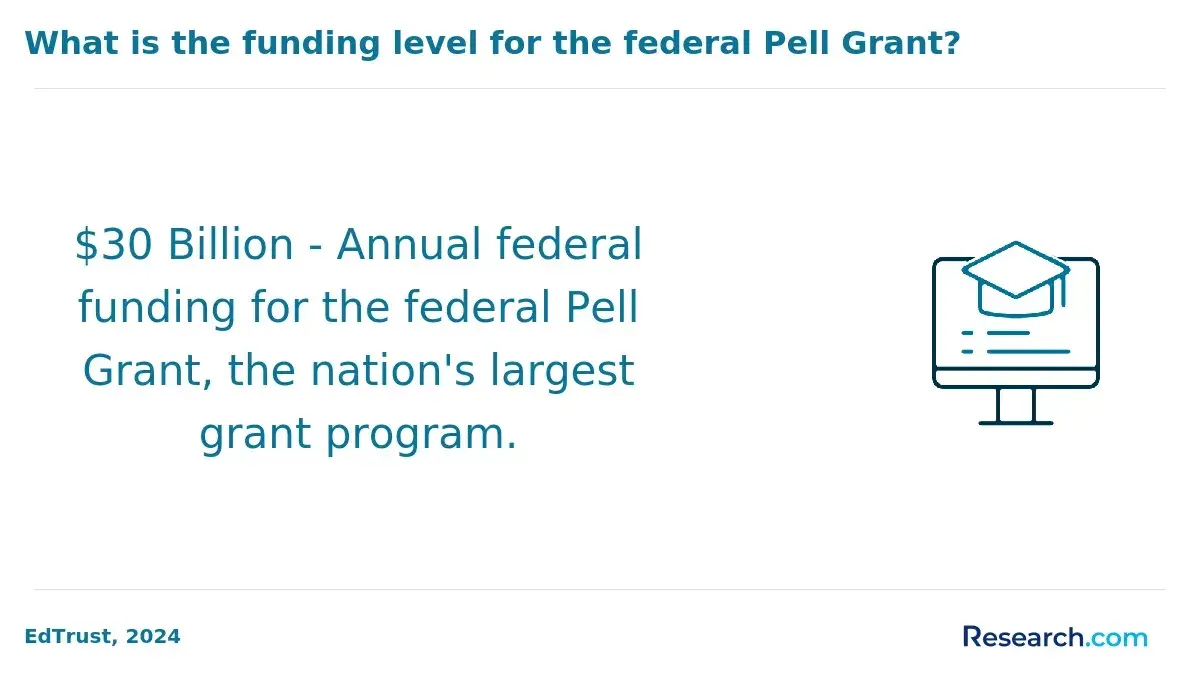
Students granted conditional admission to psychiatric mental health nurse practitioner programs retain access to various funding avenues designed for those outside traditional full-admission pathways. Federal financial aid remains an important resource; students can qualify for Pell Grants and Direct Loans if they complete the FAFSA accurately and enroll at least half-time. Maintaining satisfactory academic progress during provisional enrollment is critical to continuing eligibility.
- Federal Aid Compliance: Conditional students must satisfy FAFSA rules, including enrolled credit minimums and progress standards, demonstrating steady movement toward degree completion despite provisional status.
- Institutional Scholarships: Many colleges provide targeted awards for learners with unconventional academic records or ongoing prerequisite coursework. These scholarships often evaluate professional experience and community engagement alongside traditional GPA.
- Private Funding Sources: Specialized scholarships support adult learners, career changers, and those returning to nursing education after a break. These awards prioritize life experience and dedication over uniform academic metrics, aiding those with interrupted studies.
- Enrollment and Academic Requirements: Maintaining at least half-time enrollment is typically necessary to secure aid. Students usually must complete foundational or bridge courses within defined periods to keep financial support intact.
- Strategic Advising: Before accepting conditional admission, students should collaborate with financial aid counselors and academic advisors to navigate complex aid packaging and enrollment interdependencies, minimizing unexpected costs.
How Do Online Psychiatric Mental Health Nurse Practitioner Programs Compare to Campus-Based Programs in Admission Flexibility?
Online Psychiatric Mental Health Nurse Practitioner programs, especially those managed by large public universities or for-profit institutions, tend to offer more lenient admission criteria. They may accept applicants with lower GPAs, incomplete prerequisite courses, or alternative qualifications, accommodating diverse educational backgrounds more readily than traditional campus programs.
- Prerequisite Waivers and Conditional Enrollment: Many online programs provide prerequisite waivers or conditional admission pathways, enabling students to start coursework while fulfilling outstanding requirements.
- Campus-based options usually have stricter prerequisite rules and rarely allow conditional enrollment.
- Students admitted conditionally must meet specific academic benchmarks within designated timeframes to maintain enrollment.
- Support Infrastructure: Conditionally admitted online students should assess the availability and quality of resources, which vary widely by institution and format.
- Academic advising may be less immediate but often includes scheduled virtual sessions.
- Tutoring and disability services are generally available but differ in accessibility and responsiveness.
- Mental health support might be offered remotely or on-site, with varying levels of ease of access.
- Accreditation and Outcomes: Flexible admissions do not imply inferior program quality. Reputable online programs maintain regional accreditation and show graduation and certification rates comparable to their campus counterparts.
- Student Considerations: Prospective students should prioritize verifying accreditation and reviewing graduation and licensure outcomes rather than choosing programs solely for easier entry.
What Graduates Say About Psychiatric Mental Health Nurse Practitioner Degree Programs You Can Start Without Meeting All Requirements
- Reese: "Starting the psychiatric mental health nurse practitioner program without meeting all the entry requirements was initially daunting, but the flexible timeline allowed me to balance work and study effectively. The academic obligations ramped up quickly, demanding consistent performance in assignments and clinical hours to maintain my conditional status. This journey taught me that discipline and proactive communication with faculty are crucial to succeeding under such conditional admissions."
- Schmanzki: "Reflecting on my experience, entering the psychiatric mental health nurse practitioner degree program with conditional admission was a valuable challenge. The program's clear performance benchmarks pushed me to elevate my clinical skills steadily and manage coursework on a strict timeline. It was insightful to realize how these academic obligations weren't just hurdles-they were essential in preparing me to provide quality mental health care confidently."
- Santiago: "My perspective on the psychiatric mental health nurse practitioner program is that conditional admission offers a genuine pathway for those not fully prepared at the start. The timeline expectations were demanding but fair-with each semester serving as a gatekeeper for advancing in the program based on solid academic results. What struck me most was the program's emphasis on maintaining a high standard even under provisional acceptance-ensuring that students like me truly meet the professional benchmarks required in the field."
Other Things You Should Know About Psychiatric Mental Health Nurse Practitioner Degrees
Accreditation for psychiatric mental health nurse practitioner degree programs is primarily overseen by the Commission on Collegiate Nursing Education (CCNE) and the Accreditation Commission for Education in Nursing (ACEN). These bodies establish standards that allow some programs to offer conditional or provisional admission to candidates who do not yet meet all traditional requirements. Flexibility is often tied to maintaining rigorous academic and clinical benchmarks once admitted.
Prospective students can strengthen their case for early or conditional admission by demonstrating relevant healthcare experience, strong recommendations, and a clear academic plan for completing prerequisite coursework. Some programs consider bridge courses or foundational classes taken concurrently with graduate-level studies as evidence of readiness. Maintaining communication with admissions counselors to clarify plans and progress is crucial.
Programs that admit students conditionally typically provide targeted academic advising, tutoring, and access to bridge or refresher courses designed to fill gaps in knowledge. Mental health counseling and peer support groups may also be available to address the unique challenges faced by students balancing early admission requirements alongside personal or professional obligations. These resources aim to ensure students meet necessary benchmarks to continue in good standing.
Transfer students entering Psychiatric Mental Health Nurse Practitioner programs from different fields often face the challenge of catching up on prerequisite nursing and psychiatric coursework. Additionally, understanding clinical requirements and integrating into the program's community without a background in healthcare are significant hurdles.
References
- Psychiatric or Mental Health Nurse Practitioner: Alternate Paths to Mental Treatment | Maryville Nursing https://nursing.maryville.edu/blog/psychiatric-or-mental-health-nurse-practitioner
- MSN in Psychiatric Mental Health Nurse Practitioner https://www.unthealth.edu/college-of-nursing/msn-in-psychiatric-mental-health-nurse-practitioner.html
- What Is a PMHNP? What They Do & How To Become One https://my.clevelandclinic.org/health/articles/psychiatric-nurse-practitioner-pmhnp
- Top Online PMHNP Programs 2026 (Comprehensive Rankings) https://www.npschools.com/rankings/all-online-pmhnp-programs
- Financial Aid and Costs: Psychiatric Mental Health Nurse Practitioner - Cumberland University https://www.cumberland.edu/financial-aid-and-costs-psychiatric-mental-health-nurse-practitioner/
- How to Become a Psychiatric Nurse Practitioner (PMHNP) https://nursinglicensemap.com/advanced-practice-nursing/nurse-practitioner/psychiatric-and-mental-health-nurse-practitioner-pmhnp/
- Online FNP to Psych NP Programs: Guide to Top Degrees https://www.edumed.org/online-schools/nurse-practitioner-programs/psychiatric-mental-health/fnp-to-pmhnp/
- Online FNP Programs vs. Campus-based FNP Programs https://www.nursepractitionerlicense.com/aprn-guide/online-fnp-programs-vs-campus-based-fnp-programs/
- Why I Want to Be a Psychiatric Nurse Practitioner: Personal Statement - Free Essay Example - Edubirdie https://hub.edubirdie.com/examples/why-i-want-to-be-a-psychiatric-nurse-practitioner-personal-statement/
- School of Nursing https://www.ohsu.edu/school-of-nursing/psych-mental-health-nurse-practitioner