
2027 Competency-Based Online Forensic Accounting Master's Degrees

Co-Founder and Chief Data Scientist
Choosing a forensic accounting master’s program is not only a question of subject matter. For many working accountants, auditors, compliance professionals, and career changers, the bigger question is whether a graduate program can fit around full-time work, family responsibilities, and uneven weekly availability. Traditional programs often move on a fixed academic calendar. Competency-based education offers a different model: you advance when you prove you have mastered defined skills, not simply because a semester has ended.
That flexibility matters in forensic accounting, where employers look for practical ability: identifying fraud indicators, analyzing financial records, documenting findings, understanding legal and ethical constraints, and communicating evidence clearly. According to the National Center for Education Statistics, online master's programs in forensic accounting have seen a 35% enrollment increase over the past five years, reflecting growing demand for adaptable learning options.
This guide explains how competency-based online forensic accounting master’s degrees work, what admissions teams typically review, how GPA and prior experience are considered, how long programs may take, what costs to expect, how accreditation affects degree value, and what career outcomes graduates can pursue.
Key Benefits of Competency-Based Online Forensic Accounting Master's Degree
- Competency-based online forensic accounting master's degrees offer flexibility by allowing working professionals to progress at their own pace, accommodating varied schedules without compromising career or personal commitments.
- This model accelerates skill acquisition by focusing on demonstrated mastery over seat time, enabling students to advance quickly through familiar material and concentrate on challenging competencies.
- Students gain access to global networking opportunities through virtual collaboration platforms, connecting with diverse peers and industry experts worldwide, enhancing professional growth and career prospects.
What Is a Competency-Based Forensic Accounting Master's Degree, and How Does It Work?
A competency-based forensic accounting master’s degree is a graduate program organized around measurable skills rather than a fixed number of classroom hours. Instead of progressing mainly by completing weekly assignments on a semester schedule, students move forward after demonstrating mastery of specific competencies tied to forensic accounting practice.
In practical terms, this model works best for disciplined learners who already have some professional maturity and can manage independent study. It can be especially useful for accountants, auditors, finance professionals, fraud examiners, and compliance staff who want graduate-level training without pausing their careers.
- Mastery-based progression: Students advance by proving they can perform required skills, such as analyzing financial irregularities, preparing evidence-based reports, or applying fraud examination methods. Completion is tied to demonstrated competence rather than attendance alone.
- Self-paced learning: Learners may move quickly through familiar material and spend more time on unfamiliar or technical topics. This flexibility can help working adults, but it also requires planning and consistent study habits.
- Modular curriculum design: Programs are typically divided into competency-focused units covering areas such as fraud examination, legal and regulatory issues, financial data analysis, ethics, and investigative reporting.
- Faculty and mentor support: Although the format is self-directed, students are not expected to work in isolation. Faculty, evaluators, academic coaches, or mentors often provide feedback, clarify expectations, and help students stay on pace.
- Use of prior knowledge: Students with relevant work experience may be able to complete some competencies faster because they already use related skills on the job.
A recent report by the American Council on Education noted a more than 15% rise in enrollment in competency-based graduate programs, showing broader interest in flexible, skills-focused graduate education. Students comparing long-term academic pathways may also review related advanced-study options, including online doctoral programs designed for busy professionals.
What Are the Admission Requirements for a Competency-Based Online Forensic Accounting Master's Program?
Admission requirements for competency-based online forensic accounting master’s programs usually combine standard graduate admissions criteria with evidence that the applicant can succeed in a self-paced, skills-driven format. Schools want to know whether you have the academic foundation, professional discipline, and accounting-related background needed for graduate-level forensic work.
- Bachelor’s degree and official transcripts: Applicants generally need a bachelor’s degree from an accredited institution. A background in accounting, finance, business, criminal justice, or a related discipline may be preferred, and transcripts are used to confirm academic preparation and prerequisite coursework.
- Relevant professional experience: Experience in accounting, auditing, financial analysis, compliance, investigations, or fraud-related work can strengthen an application. It may not always be mandatory, but it helps show readiness for applied forensic accounting assignments.
- Standardized test policies: Many competency-based programs waive GRE or GMAT requirements because the model emphasizes demonstrated ability, professional readiness, and mastery of competencies. Applicants should still verify each school’s policy before applying.
- Letters of recommendation: Some programs ask for recommendations from supervisors, professors, or professional mentors who can speak to the applicant’s analytical ability, ethics, communication skills, and readiness for graduate study.
- Statement of purpose or personal essay: Applicants may need to explain their career goals, interest in forensic accounting, and ability to succeed in an independent online format.
- Holistic review: Admissions teams may weigh academic history, work experience, professional certifications, writing ability, and evidence of relevant competencies together rather than relying on one metric alone.
Applicants should be specific when describing forensic accounting competencies. Instead of simply saying they have accounting experience, they should identify work involving fraud indicators, reconciliations, audit documentation, internal controls, financial investigations, or regulatory compliance. Those still building an accounting foundation may also ask, can i get an accounting degree online, before moving into a specialized master’s pathway.
For learners considering shorter academic routes before graduate study, resources on options such as a degree in 6 months online can provide additional context on accelerated online education formats.
What Is the Minimum GPA Requirement for a Forensic Accounting Competency-Based Master's Program?
A common minimum GPA expectation for forensic accounting competency-based master’s programs is a 3.0 GPA on a 4.0 scale. However, competency-based admissions can be more flexible than traditional admissions when applicants can show strong professional experience, relevant certifications, or clear evidence of graduate-level readiness.
- Typical GPA benchmark: A 3.0 GPA on a 4.0 scale is often used to indicate adequate academic preparation for graduate coursework.
- Professional experience may help: Some programs may consider applicants below the standard GPA threshold if they have substantial experience in accounting, auditing, investigations, compliance, or related financial roles.
- Alternative evidence of readiness: Competency-based programs may review portfolios, writing samples, skill demonstrations, interviews, or competency exams to assess whether an applicant can succeed.
- Program policies vary: GPA rules are not identical across institutions. Some schools publish strict cutoffs, while others allow conditional admission or additional review.
- Advisor conversations matter: Applicants with GPA concerns should speak with admissions advisors before applying. An advisor can clarify whether professional experience, certifications, or supplemental materials may strengthen the file.
A lower GPA should not automatically end the search, but it should change the application strategy. Candidates should prepare a stronger statement of purpose, document relevant work achievements, highlight analytical writing ability, and ask recommenders to address readiness for graduate-level study directly.
A professional who entered a competency-based online forensic accounting master’s program after earning below a 3.0 GPA described the admissions process as “challenging but fair.” He said the school reviewed his work portfolio and competency tests closely, which helped demonstrate skills that his undergraduate record did not fully capture. His experience shows why applicants should not rely on GPA alone when a program allows holistic review.
How Long Does It Take to Complete a Competency-Based Forensic Accounting Master's Degree Online?
The time required to complete a competency-based online forensic accounting master’s degree depends heavily on pace, prior knowledge, transfer options, weekly study time, and the program’s tuition model. These programs are often attractive because they may allow faster completion than fixed-term formats, but speed is not automatic. Students still have to meet every required competency.
- Flexible pacing: Students can move through material as soon as they demonstrate mastery. Those with accounting, auditing, or fraud examination experience may progress faster in familiar areas.
- Typical completion range: Forensic accounting master’s programs in this format often vary from about 12 months for highly motivated individuals to up to three years for learners balancing work, family, and other obligations.
- Subscription-based incentives: Many competency-based programs charge tuition by subscription periods. In those models, completing more competencies within each period can reduce overall cost.
- Prior learning and transfer credit: Relevant coursework, professional training, or assessed prior learning may shorten the path if the program accepts it.
- Study schedule realism: Applicants should estimate weekly study time honestly. A student who can study consistently several evenings per week will likely have a different timeline than someone with unpredictable work travel or seasonal workload spikes.
Before enrolling, ask the program how many students finish within the fastest timeline, what the average completion time is, and what happens if you need to pause or slow down. Students comparing affordability across business-related online programs may also review online business degrees to understand how pricing structures differ across fields.
How Much Does a Competency-Based Online Forensic Accounting Master's Degree Cost?
The cost of a competency-based online forensic accounting master’s degree depends on the school, tuition model, transfer policies, fees, and the amount of time a student takes to finish. The most important budgeting issue is not only the listed tuition rate, but how tuition is charged and how quickly you can realistically complete competencies.
- Subscription-based tuition: Students pay a fixed fee for a term or subscription period and may complete as many competencies as they can during that time. This model can reward faster progress and predictable study habits.
- Per-competency or per-credit pricing: Some programs charge by competency or credit. This can be easier to compare with traditional tuition, but total cost may increase if students repeat work, slow down, or need additional terms.
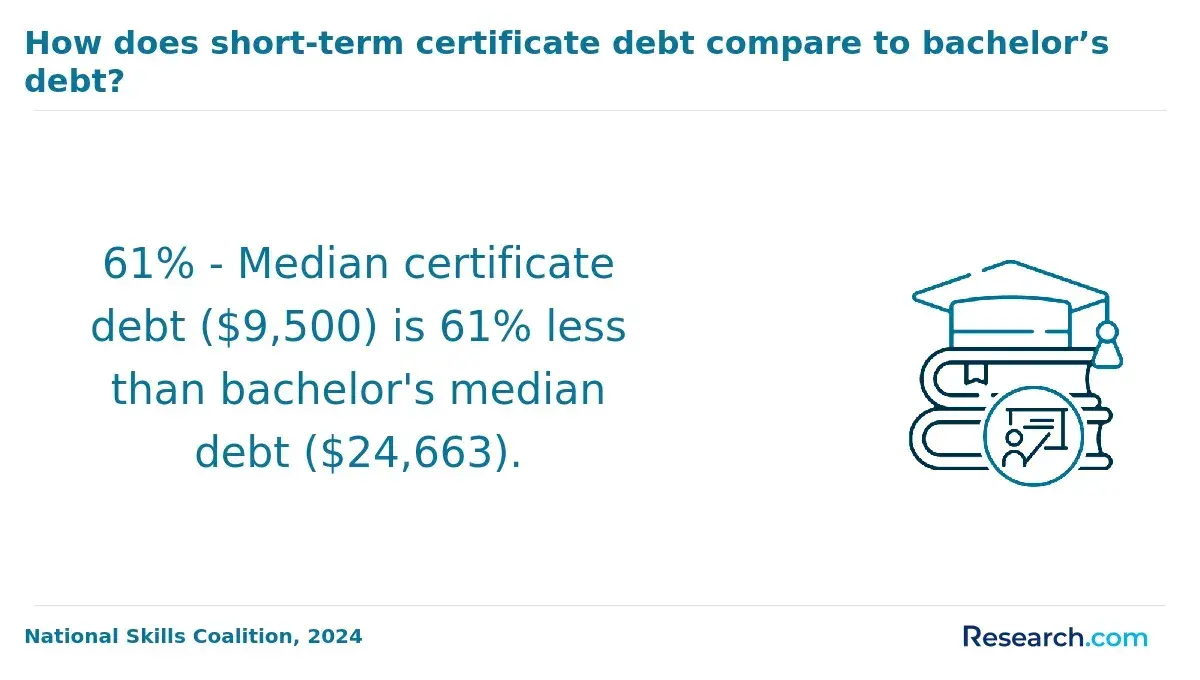
- Potential savings: Competency-based master’s degrees usually cost less when students complete requirements faster and avoid extra terms. Savings can range from 10% to 40% relative to conventional degrees.
- Financial aid: Many students may qualify for federal student loans if the institution and program meet eligibility rules. Employer tuition assistance and scholarships for forensic accounting graduate students may also reduce out-of-pocket cost.
- Additional expenses: Budget for technology fees, textbooks, software, exam or assessment fees, and any required accounting or data analysis tools. Online does not always mean fee-free.
- Opportunity cost: Even if tuition is lower, the program still requires time. Students should consider whether study hours may reduce overtime, consulting work, or other income opportunities.
A professional who completed a forensic accounting master’s through a competency-based online format said the subscription model helped her budget because she knew what she would pay each term. She also noted that employer tuition support and scholarships made the degree more manageable. Her experience highlights a key point: the best pricing model is the one that matches your schedule, discipline, and financial resources.
Which Accrediting Bodies Recognize Competency-Based Forensic Accounting Master's Programs?
Accreditation is one of the most important quality checks when evaluating a competency-based online forensic accounting master’s program. It affects credit transfer, employer recognition, eligibility for federal financial aid, and the overall credibility of the degree.
- Regional accreditation: Institutions offering forensic accounting master’s degrees typically hold accreditation from regional bodies such as the Higher Learning Commission (HLC), Southern Association of Colleges and Schools Commission on Colleges (SACSCOC), and WASC Senior College and University Commission (WSCUC). Institutional accreditation confirms that the school meets recognized academic and administrative standards.
- Programmatic accreditation: Forensic accounting does not have a single specialized accrediting agency. However, related business and accounting programs may be connected to the Association to Advance Collegiate Schools of Business (AACSB), which is commonly associated with quality standards in business education.
- Federal financial aid implications: Accreditation can determine whether students are eligible for federal loans or grants. An unaccredited or poorly recognized institution may limit aid access and reduce degree portability.
- Employer and licensing relevance: Employers, certification bodies, and state boards may care where credits were earned. Students planning to pursue accounting licensure or professional credentials should verify whether the program’s accreditation and coursework meet their specific requirements.
- Verification process: Prospective students should confirm accreditation through the U.S. Department of Education's Database of Accredited Postsecondary Institutions and Programs (DAPIP), rather than relying only on marketing pages.
- Warning signs: Be cautious of schools that emphasize “accreditation” from agencies not recognized by federal authorities. Unrecognized accreditors can be associated with low-quality providers or diploma mills.
A practical rule is simple: verify the institution first, then review the business or accounting program’s recognition, then ask how the degree is recorded on transcripts. Competency-based delivery should not weaken the legitimacy of the credential when the school is properly accredited.
What Core Competencies and Curriculum Areas Are Covered in a Forensic Accounting CBE Master's Program?
A forensic accounting CBE master’s program should build applied skills that connect accounting knowledge with investigation, evidence, law, ethics, and communication. Because the degree is competency-based, the curriculum is usually framed around what students must be able to do, not only what topics they have studied.
- Analytical reasoning and critical thinking: Students learn to evaluate complex financial records, identify inconsistencies, assess fraud indicators, and draw defensible conclusions from incomplete or disputed information.
- Fraud detection and examination: Coursework may address fraud schemes, internal control weaknesses, investigative procedures, asset misappropriation, financial statement fraud, and documentation practices.
- Financial data analysis: Programs often include work with spreadsheets, databases, accounting systems, data extraction, and analytical techniques used to detect unusual transactions or patterns.
- Legal and regulatory context: Students study how forensic accounting intersects with litigation, evidence, regulatory compliance, expert reporting, and professional standards.
- Ethics and professional responsibility: Ethical judgment is central to forensic work. Programs emphasize objectivity, confidentiality, independence, documentation, and responsible handling of sensitive financial information.
- Communication and reporting: Graduates must be able to explain findings to non-specialists, write clear reports, support conclusions with evidence, and present information to executives, attorneys, regulators, or courts.
- Leadership and collaboration: Many roles require coordination with auditors, legal teams, investigators, compliance officers, and management. Programs may include project management and team-based case analysis.
- Applied projects and capstones: Assessments often simulate workplace scenarios, requiring students to investigate a case, analyze records, prepare findings, and defend their conclusions.
When comparing programs, review the competency map rather than relying only on course titles. A strong curriculum should clearly show how each competency supports forensic accounting practice and career goals.
What Delivery Formats and Technology Platforms Are Used in Online Forensic Accounting CBE Programs?
Online forensic accounting CBE programs depend on technology that supports independent pacing, secure assessment, document submission, feedback, and progress tracking. The platform matters because students spend much of the program navigating modules, submitting evidence of learning, and communicating with faculty or evaluators.
- Learning management systems: Programs commonly use Canvas, Blackboard, or proprietary systems to organize readings, recorded lectures, assignments, rubrics, assessments, and progress dashboards.
- Asynchronous coursework: Most learning activities are designed for flexible access. Students can review materials, complete case work, and submit assignments around work schedules rather than attending class at a fixed time every week.
- Synchronous options: Some programs include optional live sessions, webinars, virtual office hours, or group discussions. These can be useful for students who want more interaction, but applicants should confirm whether any live components are required.
- Assessment and proctoring tools: Depending on the program, students may use secure testing systems, plagiarism detection, identity verification, or project submission portals.
- Data and accounting tools: Forensic accounting coursework may require spreadsheet software, accounting platforms, data analysis tools, or case management materials. Students should ask for a full technology list before enrolling.
- Accessibility and mobile compatibility: Strong programs provide closed captioning, screen reader compatibility, accessible documents, and mobile-friendly access. However, major writing, data analysis, and case work will usually be easier on a laptop or desktop computer.
- Technical support: Reliable support is important because delays with login access, software, or submission systems can affect progress in a self-paced model.
Before committing, request a platform demo, sample module, or orientation preview. Students comparing online education costs and quality indicators across fields may find resources such as the cheapest online bachelor's degree in psychology useful for understanding how online program features can vary widely.
How Are Students Assessed, and How Is Mastery Demonstrated in Forensic Accounting CBE Programs?
In forensic accounting CBE programs, assessment focuses on whether students can apply knowledge to realistic professional tasks. Instead of relying mainly on timed exams, programs often require written analyses, case investigations, simulations, projects, and portfolio evidence.
- Performance-based assessments: Students may complete fraud case analyses, transaction reviews, control evaluations, litigation-support memos, investigative reports, or capstone projects that resemble workplace assignments.
- Clear rubrics: Faculty evaluators use rubrics that define what mastery looks like. These rubrics may assess accuracy, reasoning, evidence use, ethical judgment, writing quality, and professional presentation.
- Feedback and resubmission: If a submission does not meet the required standard, students may receive feedback and revise the work. This process is designed to produce mastery, not simply assign a low grade and move on.
- Portfolio development: Some programs require students to collect completed projects that demonstrate competencies. A strong portfolio can support job applications by showing applied work rather than only listing completed courses.
- Employer-relevant proof: Competency-based assessment can make skills more visible to employers because students can point to completed forensic accounting projects and documented outcomes.
Applicants should ask how many attempts are allowed, how quickly feedback is returned, whether assessments are graded by course faculty or separate evaluators, and whether completed projects can be used in a professional portfolio. Students interested in other applied online fields can compare assessment approaches with accredited cyber security masters programs, which may also use project-based demonstrations of skill.
What Transfer Credit and Prior Learning Assessment Options Exist for Forensic Accounting CBE Programs?
Transfer credit and prior learning assessment can be valuable in a competency-based forensic accounting master’s program because many applicants already bring relevant workplace knowledge. These options may reduce duplicated learning, shorten completion time, and lower total cost, but policies vary significantly by school.
- Transfer credit: Programs may accept graduate-level coursework from accredited institutions when the content aligns with required competencies. However, schools often limit how much credit can transfer to protect the integrity of the degree.
- Prior learning assessment: Students may be able to demonstrate existing knowledge through portfolio review, professional documentation, certifications, completed training, or institution-specific assessments.
- Standardized exams: Some programs use exams such as CLEP and DSST, along with challenge exams, to validate prior knowledge. Applicants should confirm whether these options apply at the graduate level for the specific program.
- Documentation requirements: Strong evidence may include job descriptions, work samples, training certificates, audit or investigation experience, professional credentials, supervisor letters, and descriptions of relevant responsibilities.
- Limits and exclusions: Core forensic accounting competencies, capstones, ethics requirements, or advanced projects may have to be completed through the institution even if the student has related experience.
- Timing matters: Prior learning and transfer reviews are usually most useful before enrollment or early in the program. Waiting too long can reduce the benefit.
Applicants should ask for a written transfer and PLA policy before enrolling. Key questions include how credits are evaluated, whether there is a fee for assessment, how long the review takes, what documentation is required, and whether awarded credit reduces both time and tuition.
What Career Outcomes and Professional Opportunities Does a Forensic Accounting CBE Master's Degree Unlock?
A competency-based online forensic accounting master’s degree can support advancement into roles where financial analysis, fraud investigation, compliance, and evidence-based reporting are central. The degree may be especially useful for professionals who want to move from general accounting or auditing into more investigative, advisory, or litigation-related work.
- Potential career paths: Graduates may pursue roles such as forensic accountant, fraud investigator, audit specialist, compliance officer, and litigation consultant in corporate finance, public accounting, government agencies, law enforcement, insurance, and consulting.
- Salary potential: Professionals with advanced forensic accounting credentials earned through CBE programs typically command salaries ranging from $70,000 to $120,000, with higher pay possible in federal positions or large corporations.
- Skills employers may value: Employers may look for evidence that candidates can analyze financial records, identify suspicious activity, document findings, work ethically, communicate with legal or executive stakeholders, and use relevant data tools.
- Portfolio advantage: Competency-based programs can help graduates show completed projects, case analyses, and assessment evidence. This can make interviews more concrete than relying only on a transcript.
- Professional credibility: A master’s degree may strengthen credibility, but it does not automatically replace certifications, licensure requirements, or field experience. Students should check whether their target roles require CPA licensure, fraud examination credentials, or other qualifications.
- Networking and development: Professional associations, alumni networks, faculty contacts, industry events, and employer partnerships can help graduates identify job openings and build long-term career momentum.
The strongest career outcomes usually come from combining the degree with relevant experience, strong writing skills, ethical judgment, and a clear professional narrative. Students should choose programs that produce evidence they can use in the job market, not just a credential on paper.
What Graduates Say About Their Competency-Based Online Forensic Accounting Master's Degrees
-
: "
Choosing a competency-based online forensic accounting master's program was a game-changer for me because it allowed me to progress at my own pace while balancing a demanding job. The cost was surprisingly reasonable compared to traditional programs, making it a smart investment in my career. Since graduating, I've noticed a significant boost in my analytic skills and confidence during audits, which has opened up new leadership opportunities. — Nadia
"
-
: "
I was drawn to the flexibility of the forensic accounting program since I needed to keep up with professional obligations and family life. The affordability of this competency-based format helped me avoid crushing debt while still gaining highly relevant, practical skills. Reflecting back, this approach not only enhanced my technical expertise but also strengthened my strategic thinking, directly impacting my effectiveness in fraud examination roles. — Ruby
"
-
: "
What stood out to me was how the curriculum focused on proven competencies rather than seat time, which meant I could demonstrate what I already knew and move faster through familiar areas. The low overall cost allowed me to complete the program without financial stress. Professionally, earning this master's has elevated my credibility in forensic accounting circles and expanded my consulting opportunities, which has been very rewarding. — Josephine
"
Other Things You Should Know About Forensic Accounting Degrees
Enrollment typically requires a bachelor's degree in accounting or a related field. Some programs may also require relevant work experience and completion of foundational accounting courses. Additionally, applicants may need to submit transcripts, letters of recommendation, and a statement of purpose.
Competency-based forensic accounting master's programs differ primarily in pace and assessment style, allowing students to progress by demonstrating mastery of skills rather than completing set credit hours. This model offers greater flexibility and often shorter completion times for motivated learners. Traditional online master's programs tend to follow fixed schedules with regular coursework and graded assignments, which may suit those preferring structured timelines.
Graduates of a 2027 competency-based online forensic accounting master's degree can explore diverse career paths such as forensic accountant, fraud examiner, and financial investigator. These roles often involve working with law enforcement and auditors to detect financial discrepancies and fraudulent activity in both the public and private sectors.
References
- Innovative Training for Forensic Professionals. https://www.forensicglobal.org/
- Top Software Tools Used by Forensic Accountants Today https://jobshub.ee/top-software-tools-used-by-forensic-accountants-today/
- What Can You Do With a Master’s in Forensic Accounting? https://www.stevenson.edu/online/about-us/news/masters-in-forensic-accounting-career-opportunities/
- How to Become a Forensic Accountant | Accounting.com https://www.accounting.com/careers/forensic-accountant/how-to-become/
- All About Master’s in Accounting https://www.allbusinessschools.com/accounting/masters-degree-in-accounting/
- MScForensic Accounting and Auditing https://www.solent.ac.uk/courses/postgraduate/forensic-accounting-and-auditing-msc
- Forensic Auditing Analytics (MS) https://www.etamu.edu/programs/forensic-auditing-analytics-ms/
- Master of Professional Accountancy https://catalog.msudenver.edu/preview_degree_planner.php
- Forensic Accounting Career Paths, Skills & Salary Guide https://online.ewu.edu/degrees/business/mba/accounting/career-paths-salary-guide/
- What Software Do Forensic Accountants Use? | Mango Practice https://mangopractice.com/blog/what-software-do-forensic-accountants-use/


