2027 Are There Any One-Year Online User Experience Degree Programs Worth Considering?

Co-Founder and Chief Data Scientist
One-year online User Experience (UX) degree programs are gaining attention as education providers respond to growing demand for efficient, flexible learning paths. These accelerated programs appeal to students seeking to quickly build core skills in areas like interaction design, usability testing, and user research without a prolonged commitment.
The condensed format suits UX's practical nature, emphasizing hands-on projects that mirror real-world challenges. This approach allows students to develop portfolios rapidly, crucial in a field where demonstrated skills often outweigh formal credentials.
This article explores the availability, academic focus, and learning outcomes of these programs, helping prospective students assess their options effectively.
Key Points About One-Year Online User Experience Degree Programs
- One-year online User Experience degrees emphasize practical skills and rapid workforce entry, differing from traditional programs that often focus on theory and longer internships.
- Students should expect condensed curricula covering UX research, design tools, and usability testing, tailored for working professionals seeking career shifts.
- Industry reports indicate a growing 22% demand increase for UX roles, making short, intensive degrees an attractive option for timely upskilling and career advancement.
Is It Feasible to Finish a User Experience Degree in One Year?
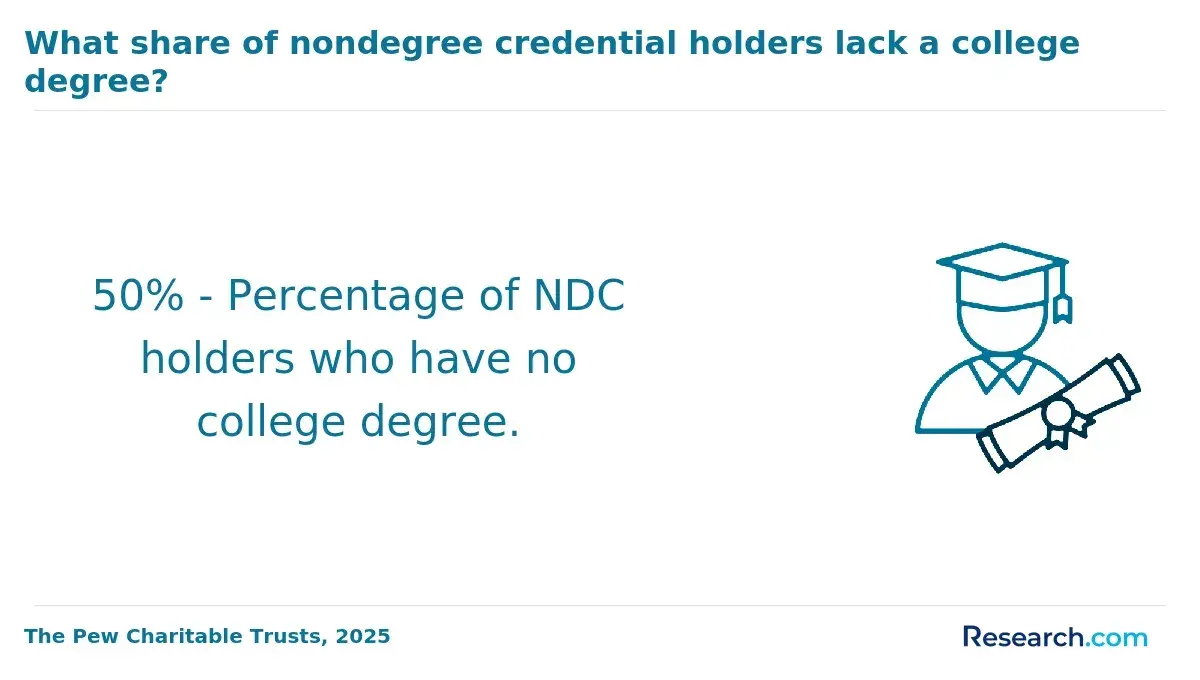
Completing a full User Experience (UX) degree online within one year is uncommon, especially at the bachelor's or master's level. Accelerated options mostly exist for certificates or diplomas, which take weeks or months but do not offer an official degree. Some intensive programs focus on skill-building rather than formal accreditation.
Factors affecting completion time include prior transferable credits, which can shorten associate or bachelor's degree durations. Accelerated tracks tend to apply to certificate courses, while accredited degree programs usually require longer commitments. Additionally, UX degrees often include practicums or portfolio projects that extend study time.
Generally, obtaining a fully accredited UX bachelor's or master's degree requires at least two years, even with an accelerated schedule. Short-term programs serve as valuable skill enhancers but are not substitutes for comprehensive academic degrees in the field.
Are There Available One-year Online User Experience Degree Programs?
There are currently no accredited one-year online User Experience (UX) bachelor's or master's degree programs available in the United States. Most accredited UX degrees, such as bachelor's offerings from Arizona State University or Academy of Art University, require multiple years to complete, even when taken online. For those seeking shorter, more intensive pathways, several accelerated UX design certificate online programs offer solid preparation for entry-level roles in under a year.
While these accelerated programs are not formal academic degrees, they are widely recognized by employers and help students build professional UX portfolios. Anyone looking to explore fast-tracked, fully online options may also find value in reviewing other accelerated online degree programs that can reduce time to completion across various fields.
- University of Texas at Austin Postgraduate Certificate in UI/UX Design: This six-month program covers user research, human-centered design, wireframing, usability testing, and includes a mentored capstone project. Students engage in over 150 hours of instruction coupled with personalized mentorship, finishing with hands-on projects and a final portfolio.
- Google UX Design Professional Certificate (Coursera): A self-paced program lasting 3-6 months that teaches the entire UX design process, including user research, prototyping, and usability testing. No prior experience is needed, and graduates gain access to a job platform connecting them with major employers.
- CareerFoundry Intro to UX Design: A one-month full-time program that introduces design thinking, user-centered design, and information architecture. Participants complete practical exercises and create a portfolio-worthy first app design.
Why Consider Taking Up One-year Online User Experience Programs?
One-year online User Experience (UX) programs provide an accessible, efficient pathway for those seeking to quickly gain skills in a growing industry. These programs are ideal for career changers, working professionals, and recent graduates who require flexibility due to other commitments. The benefits of one-year online UX degree programs extend beyond convenience, offering career-relevant training in a condensed timeframe.
Such accelerated user experience program career advantages appeal to individuals looking to enter the UX field without the multi-year commitment of traditional degrees, making skill acquisition faster and more targeted.
- Accelerated learning: Comprehensive training in user research, design thinking, prototyping, and usability testing is completed within a single year, enabling a swift career transition.
- Industry-focused curriculum: Courses prioritize practical skills, hands-on projects, and portfolio development essential for securing UX roles in competitive job markets.
- Mentorship and career support: Many programs offer access to mentors, networking opportunities, and job preparation modules, facilitating smoother transitions into UX careers.
- Accessibility: Online delivery removes geographic barriers and facilitates learning from any location, accommodating diverse student needs.
For those exploring educational options, understanding what is the easiest bachelor's degree can also complement decisions about entering related fields through efficient pathways.
What Are the Drawbacks of Pursuing One-year Online User Experience Programs?
One-year online User Experience (UX) degree programs can appear convenient but come with notable challenges. The demanding curriculum and the nature of remote learning often create obstacles for students aiming to gain comprehensive skills within a short timeframe.
Though one-year UX degrees may be rare or unavailable, those interested should consider the following disadvantages often associated with accelerated online formats:
- Intense workload: Compressing a traditional two-year course into a single year means managing overlapping deadlines and heavy assignments, which can hinder deep learning and skill mastery.
- Risk of burnout: The fast-paced nature often leaves little space for rest, making it difficult to balance studies with work, internships, or personal life.
- Limited networking opportunities: Shortened programs and online delivery reduce chances for in-person mentorship, collaboration, and industry connections crucial for career development in UX.
- Fewer interactive experiences: Participation in live workshops or studio critiques, which are key to enhancing design thinking and communication skills, can be harder to access online.
Students can address these issues by organizing their schedules, engaging in virtual communities, building portfolios independently, and maintaining realistic expectations about their progress in such condensed programs.
What Are the Eligibility Requirements for One-year Online User Experience Programs?
Eligibility criteria for online UX programs lasting one year vary depending on the institution and degree level, but general trends exist across many US offerings. These programs aim to provide focused education in User Experience that can be completed quickly while maintaining academic quality. Prospective students should understand how requirements differ between associate-level and graduate degrees.
One-year online User Experience degree admission requirements typically reflect the program's academic level and prior experience. For those interested in UX as a field, meeting these criteria is essential to ensure readiness and alignment with career goals.
- Associate-level application: Submission of an online application along with official high school and any college transcripts is usually required, often demonstrating a minimum GPA of about 2.0.
- Transfer credits: If transferring fewer than a set amount of credits (e.g., 24), applicants must provide high school transcripts, though many programs accept credit transfers up to half the coursework, facilitating completion within a year.
- Graduate-level degree: Applicants generally need a bachelor's degree from an accredited institution, with proof of relevant coursework or professional experience in design, technology, or related areas.
- Portfolio and recommendations: Some programs require a portfolio showcasing design or UX skills, letters of recommendation, and a statement of purpose detailing career intentions.
- Interviews and tests: These are less common but may be part of competitive programs to assess candidate fit and readiness.
- Background checks: Not typically required as UX programs do not usually involve sensitive placements.
These eligibility points clarify what students should prepare when seeking a one-year online User Experience degree. Understanding these requirements helps ensure students select programs aligned with their experience and ambitions. For those curious about pursuing some of the most rewarding majors available, User Experience is a growing field with flexible educational paths.
What Should I Look for in One-year Online User Experience Degree Programs?
Students seeking the best one-year online user experience degree programs should carefully evaluate several important factors to ensure the program aligns with their academic and professional ambitions. Although fully accredited one-year online UX degrees are relatively rare, selecting the right program requires attention to core elements influencing quality and outcomes.
- Accreditation: Ensure the program is offered by a regionally accredited university or a recognized professional body. Accreditation guarantees academic rigor and can influence financial aid eligibility and employer recognition.
- Faculty expertise: Look for faculty members with relevant industry experience and a strong research background in user-centered design, usability testing, and interaction design to enrich your learning experience.
- Curriculum quality: A robust curriculum should cover key UX topics like information architecture and user research while offering portfolio development opportunities and a capstone project aligned with your career goals.
- Course delivery format: Online UX courses that blend asynchronous flexibility with synchronous components, such as live sessions, enable real-time engagement and accommodate diverse learning styles.
- Credit transfer policies: Understand how credits may transfer within institutions if you plan to pursue further education or a related degree.
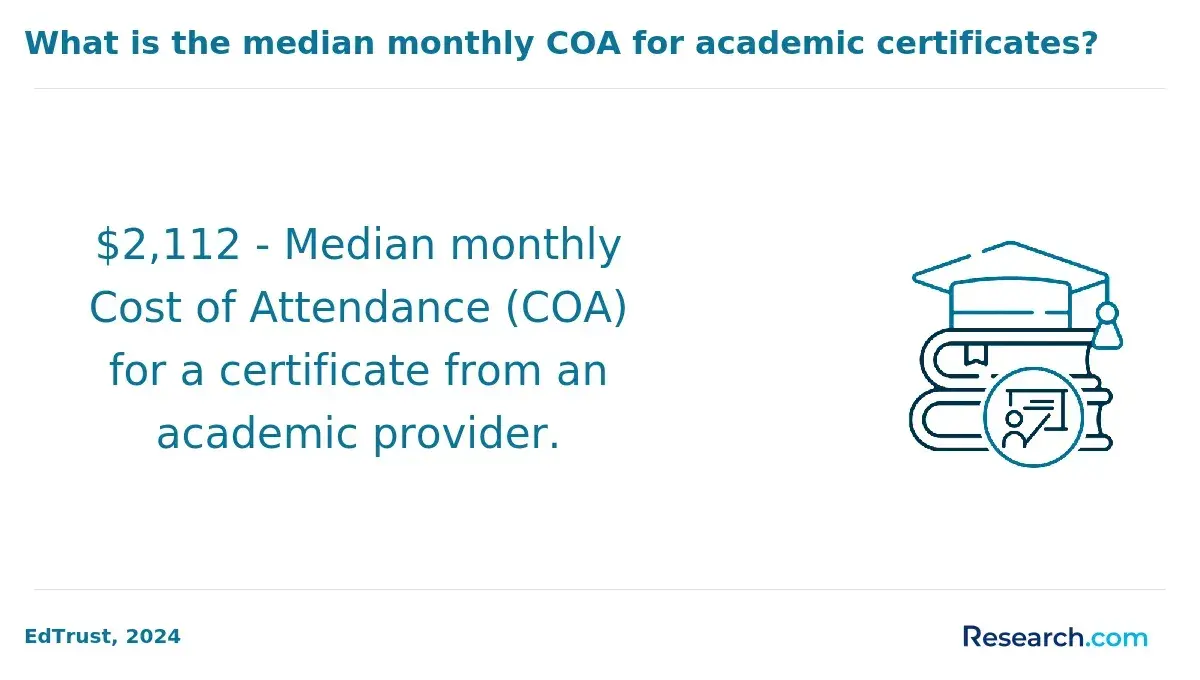
- Tuition cost: Costs vary widely from certificate programs around $5,400 to graduate degrees nearing $20,000. Compare prices and available financial aid carefully.
- Student support services: Access to mentoring, career guidance, and technical support significantly impacts your success as an online learner.
- Admissions requirements for user experience degree online: Research each program's application criteria thoroughly to prepare strong submissions and ensure you meet prerequisites.
For those interested, reviews of top accredited online colleges non profit can provide valuable insights into well-regarded institutions offering quality online programs in related fields. Carefully weighing these factors helps students select a one-year UX degree or certificate program that fits their unique goals and circumstances.
How Much Do One-year Online User Experience Degree Programs Typically Cost?
One-year online User Experience programs generally cost between $7,900 and $16,900, with some more budget-friendly options under $300. For example, CareerFoundry offers a 10-month UX Design program starting at $7,900, Flatiron School charges $16,900 for its 40-week bootcamp, and UCLA Extension's certificate program is about $6,500. The affordable Google UX Design Certificate is available via Coursera with a monthly fee of $39.
Tuition varies based on factors like personalized mentorship, career support, and program format. Courses with one-on-one guidance and job placement guarantees tend to cost more, while self-paced, peer-reviewed programs without direct instruction are less expensive. Additionally, geographic location influences pricing, as some providers adjust tuition according to local market conditions.
Compared to traditional four-year UX degrees, which can exceed $40,000 to $100,000, one-year online programs offer focused, practical training at a fraction of the cost. These shorter courses emphasize industry-relevant skills without the broader general education requirements of longer degree paths.
What Can I Expect From One-year Online User Experience Degree Programs?
Students embarking on a one-year online User Experience degree program should be prepared for a fast-paced and immersive learning environment that integrates foundational theory with practical skills. These programs commonly emphasize core UX principles such as user research, interaction design, and usability testing while involving real-world projects aligned with industry standards.
Learning experiences often include video lectures, interactive assignments, peer critiques, and direct instructor feedback. Many programs provide 1:1 mentorship, group discussions, and client-based capstone projects, allowing learners to apply skills in authentic settings. The flexibility of online study demands strong self-discipline and time management. These One Year UX Design Program Benefits help students build multiple portfolio pieces vital for showcasing expertise to future employers.
Graduates can expect to master UX methodologies, user research techniques, and proficiency in wireframing, prototyping, and user flows. Soft skills like communication and teamwork are frequently highlighted, which are essential for multidisciplinary collaboration. However, while the Online User Experience Degree Outcomes establish a solid foundation, further experience and networking remain important for career growth. Reliable internet, relevant design software, and sometimes coding know-how are technical prerequisites. Students should also be aware that mentorship and guidance may be more limited without in-person interaction, presenting unique challenges. Those looking for alternative career paths might explore trades that pay well.
Are There Financial Aid Options for One-year Online User Experience Degree Programs?
Financial aid is accessible for students pursuing one-year online degrees in User Experience (UX), though specifics vary by institution and program type. Various funding sources help reduce the cost, making these accelerated programs more affordable.
- Federal and State Aid: By completing the Free Application for Federal Student Aid (FAFSA), students can qualify for federal grants, loans, and work-study opportunities. Eligibility depends on factors like financial need, citizenship, and enrollment in an accredited UX program, with some states also offering additional aid.
- Scholarships: Numerous scholarships target UX and related design fields, often based on academic achievement, portfolio quality, or support for underrepresented groups in tech. Examples include awards and mentorships from organizations such as PAVE and VMSD, along with school-specific scholarships for qualified candidates.
- Employer Tuition Assistance and Institutional Support: Working professionals may access tuition reimbursement through their employers if the program supports their career development. Some institutions also provide private grants or flexible payment plans to ease financial burdens, though these often require early application due to limited availability.
What User Experience Graduates Say About Their Online Degree
- Azrael: "Pursuing the one-year online User Experience degree allowed me to swiftly pivot my career without sacrificing quality. The competency-based structure meant I could focus on mastering practical skills that employers truly value, all while balancing my busy schedule. Considering the program's reasonable average cost, it was a smart investment in my future."
- Alvaro: "Reflecting on my experience, the accelerated User Experience degree exceeded my expectations with its hands-on projects and real-world applications. It was intense but rewarding, helping me build a solid portfolio in just twelve months. The program's affordability and flexible pacing made it accessible without overwhelming me financially."
- Robert: "Completing an online User Experience degree in one year was a professional game-changer. The streamlined curriculum focused on essential UX principles, allowing me to quickly enhance my design expertise while reducing time-to-completion compared to traditional degrees. It was efficient, cost-effective, and perfectly suited my career goals."
Other Things You Should Know About Pursuing One-Yeas User Experience Degrees
In 2027, one-year online User Experience degree programs often offer asynchronous classes, allowing students to work at their own pace. This flexibility helps those balancing work or personal commitments and enables them to study from anywhere with internet access.
In 2027, one-year online User Experience degrees are generally recognized by employers, especially if the program is accredited. However, employers may also consider work experience, portfolio strength, and acquired skills, making it vital to choose a reputable program with a solid curriculum.
One-year online User Experience degree programs in 2027 often cover foundational topics useful for UX certification exams like the Certified Usability Analyst (CUA) or the UX Certification from Nielsen Norman Group. However, students may need additional study or resources beyond the degree program to fully prepare for certification success.
References
- 8 Reasons to Join Us and Learn UX Design https://www.interaction-design.org/turn-passion-into-paycheck
- Types of Financial Aid for Online Colleges https://www.umassglobal.edu/blog-news/types-financial-aid-online-colleges
- The 14 Best UX Design Courses for 2025 (For Beginner & Experienced Designers) https://designlab.com/blog/best-ux-design-course-online
- 6 Popular UX/UI Design Courses in 2025 | SquarePlanet https://hype4.academy/articles/design/6-popular-ux-ui-design-courses-in-2025
- The State of UX Design Education, Part 2: Graduate Degree and Certificate Programs https://www.uxmatters.com/mt/archives/2021/06/the-state-of-ux-design-education-part-2-graduate-degree-and-certificate-programs.php
- UX & Service Design M.A. Degree Online | SRH Online University https://www.srh-distance-learning-university.com/master-online/ux-service-design/
- UX Bootcamp Vs. Design Degree: Which Is Best? https://careerfoundry.com/en/blog/ux-design/design-degree-vs-ux-bootcamp/