
2027 Different Types of Applied Psychology Degrees and Their Salaries

Co-Founder and Chief Data Scientist
The demand for skilled professionals in applied psychology continues to rise as organizations seek experts who can address complex human behavior and improve workplace outcomes. The U.S. Bureau of Labor Statistics projects a faster-than-average employment growth for psychology-related occupations over the next decade, reflecting expanding opportunities and increasing salary potential in this dynamic field. Choosing the right educational path is crucial for those aiming to maximize career prospects and financial rewards. This article offers a clear guide to the various types of applied psychology degrees available and outlines what graduates can expect to earn across different specializations, helping prospective students make informed decisions based on well-researched career insights.
Key Points About Different Types of Applied Psychology Degrees and Their Salaries
- Associate degrees in applied psychology typically prepare graduates for entry-level roles such as behavioral health technicians, with average salaries around $35,000 annually, but offer limited advancement opportunities compared to higher degrees.
- Bachelor's degrees in applied psychology open doors to a wider range of positions including human resources and counseling assistants, with median salaries near $55,000, reflecting stronger career prospects and a competitive edge in the job market.
- Master's degrees in applied psychology significantly enhance earning potential and job growth, with many graduates earning between $65,000 and $85,000 annually while qualifying for specialized roles like industrial-organizational psychologist or licensed counselor.
What Are the Different Types of Applied Psychology Degrees Available?
Understanding the different types and levels of applied psychology degrees is crucial for students because each option addresses specific career goals and educational backgrounds. Knowing these differences helps prospective students choose a program that aligns with their interests, skills, and the professional path they aim to pursue.
Below is an overview of the main types of applied psychology degrees and what makes each unique:
- Associate Degree in Applied Psychology: Provides a foundation in psychological principles, human development, and basic counseling skills. Coursework usually includes introductory topics in cognitive theory and social services, preparing students for entry-level support positions or further academic study.
- Bachelor's Degree in Applied Psychology: Centers on key psychological theories, research methods, and applied subjects such as assessment, abnormal psychology, and counseling techniques. Students develop analytical and communication skills through courses in psychological research and report writing.
- Master's Degree in Applied Psychology: Emphasizes an advanced study of clinical or counseling psychology, applied behavioral analysis, or child psychology. Coursework often includes psychological assessment, group counseling, and specialized electives to deepen understanding of intervention strategies and research methods.
- Doctoral Degree (PhD or PsyD) in Applied Psychology: Focuses on original research, advanced statistics, and scientific inquiry in psychology. Programs require in-depth coursework in methodology, psychological measurement, and completion of a dissertation, preparing students for academic, research, or top-tier professional roles.
Each degree level corresponds with different salary ranges and professional roles, reflecting varied training and expertise. For students considering their options, exploring what certifications make the most money in related areas can provide additional guidance on maximizing career potential.
What Specializations Are Available in Applied Psychology Degrees?
Choosing a specialization is a vital factor when pursuing an applied psychology degree because it directs your academic focus and prepares you for specific career paths. Specializations help students align their education with their professional goals, enhancing both job satisfaction and earning potential.
Common applied psychology specializations include the following:
- Industrial-Organizational Applied Psychology: Focuses on improving workplace productivity, employee satisfaction, and organizational health. Key skills include data analysis, personnel assessment, and organizational consulting. Graduates often work in human resources, management consulting, or talent development, enjoying some of the highest salaries in the field.
- Health Applied Psychology: Centers on promoting healthy behaviors and designing interventions for individuals and communities. Skills in behavioral assessment, program evaluation, and patient communication are central. Career paths often include health promotion, patient education, and roles in public health agencies.
- Educational Applied Psychology: Enhances learning outcomes and teaching methods through psychological principles. Important skills include assessment, curriculum design, and consultation. Graduates may become school psychologists, educational consultants, or academic advisors.
- Legal and Forensic Applied Psychology: Applies psychological expertise to legal matters, such as court evaluations and correctional programs. Skills in assessment, interviewing, and report writing are developed. Careers include forensic evaluator, expert witness, or roles within legal and correctional systems.
- Human Factors/UX Applied Psychology: Optimizes human interaction with technology, environments, and products. Emphasizes research methods, experimental design, and usability testing. Graduates work as user experience researchers, human factors specialists, or in product design for technology firms.
For those considering further study options or seeking guidance on educational pathways, exploring the top online college degrees for seniors can provide valuable insights into accessible programs that accommodate diverse learning needs.
How Long Does It Take to Complete Each Type of Applied Psychology Degree?
Understanding how long it takes to complete each type of applied psychology degree is crucial for students as they plan their education and career paths. The duration impacts not only the financial investment but also the timing of entering the workforce or pursuing further studies.
Here is an overview of the main applied psychology degree types and their typical completion times.
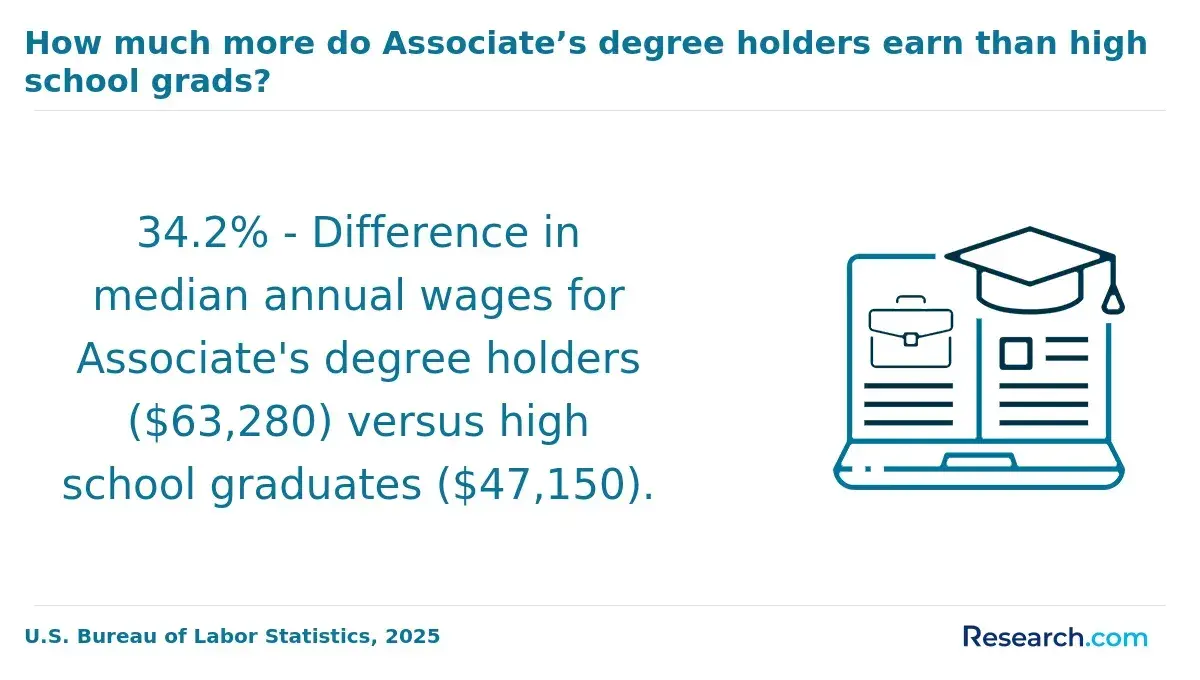
- Associate Degree in Applied Psychology: Usually completed in about two years of full-time study, this degree can be shorter with transfer credits from prior coursework. Part-time students may take longer, but some community colleges offer accelerated or online programs to help finish sooner.
- Bachelor's Degree in Applied Psychology: Typically a four-year commitment, though accelerated tracks can reduce this to three years. Factors such as internships, co-op programs, or part-time enrollment can extend the timeline, while online options provide flexibility to balance work and study.
- Master's Degree in Applied Psychology: Generally requiring 1.5 to 3 years post-bachelor's degree, the length varies based on whether the program is full-time or part-time. Many programs offer online or hybrid formats, enabling students to accelerate completion while managing other responsibilities.
- Doctorate in Applied Psychology (PhD or PsyD): This advanced degree often takes 4 to 7 years, including dissertation work and supervised clinical hours. Time to completion depends heavily on research progress, clinical training, and whether the student enrolls full- or part-time; some programs have flexible pacing or accelerated paths.
Breakdown of Public Fully Online Title IV Institutions

Are There Accelerated Applied Psychology Degree Programs?
Yes, accelerated applied psychology degree programs do exist and provide a faster path to both undergraduate and graduate credentials compared to traditional timelines. Common formats include "4+1" or five-year bachelor's/master's tracks, where students begin graduate coursework during their senior undergraduate year, allowing credit sharing between degrees.
Some institutions offer condensed courses and year-round academic schedules, which further shorten the duration. For example, certain online bachelor's programs enable transfer students with prior credits to complete their degree in as little as 14 months.
At the graduate level, accelerated master's programs in applied psychology are also available online, with some allowing completion in as few as 16 months. These accelerated paths are designed for motivated students seeking to enter the workforce sooner without sacrificing educational quality.
Students considering these programs should be aware of the increased demands involved. Accelerated curricula often require taking a heavier course load, balancing both undergraduate and graduate-level classes simultaneously, and maintaining a minimum GPA-typically around 3.25.
Eligibility is competitive, with many programs requiring faculty recommendations, prior research experience, and a strong academic record. Time management and organizational skills are critical for success, as the pace leaves little room for delays.
Financially, accelerated programs can reduce total tuition costs and help graduates reach higher-earning roles faster. According to the U.S. Bureau of Labor Statistics, those with master's degrees in applied psychology fields may earn median salaries around $85,330, with some specialties like industrial-organizational psychology reaching upwards of $139,280.
When asked about his experience, a graduate of an accelerated applied psychology degree program reflected on the journey as both challenging and rewarding.
He recalled feeling the pressure of managing overlapping coursework and the intensity of maintaining high academic standards, noting, "It was definitely a test of my time management skills, but the structure forced me to prioritize and stay focused."
Despite the workload, he appreciated the seamless transition into graduate-level classes, which deepened his understanding and prepared him for professional opportunities sooner than his peers in traditional programs. The accelerated format also made a financial difference, reducing living expenses and enabling earlier entry into the job market.
Ultimately, he described the experience as "intense but empowering," emphasizing that while not everyone may thrive in such a fast-paced environment, for those committed to advancing quickly, it's an excellent option that opens doors sooner than expected.
Are Online Applied Psychology Degrees as Credible as Traditional Ones?
Both traditional and online applied psychology degree programs in the U.S. uphold rigorous academic standards when offered by regionally accredited institutions. Core requirements, such as completing 120 credit hours for a bachelor's degree and maintaining similar curricula, are consistent across both formats.
Online programs often provide added flexibility in scheduling and pacing, allowing students to manage their studies around other commitments.
Accreditation remains the most critical factor in determining program quality; regionally accredited schools must meet independent benchmarks, while specific programmatic accreditations like APA-CoA for doctoral programs further ensure graduates are prepared for professional practice.
Accelerated online master's programs, which can be completed in 12 to 18 months, require the same credit hours and maintain equal academic rigor and time commitment as traditional two-year programs. However, online formats may lack some of the face-to-face networking and real-time feedback opportunities available on campus.
Recent trends reveal growing employer acceptance of online applied psychology degrees. A 2023 report found that 61% of HR professionals approve of online degrees, including psychology, and 71% have hired candidates with online credentials.
While some skepticism exists, particularly for graduate-level and specialized fields like industrial-organizational psychology, most employers prioritize accreditation, curriculum rigor, and the reputation of the issuing institution over delivery format.
Salary outcomes typically reflect degree level and career path, with median annual earnings ranging from $48,000 for bachelor's-level roles to $80,000 and above for master's and specialist positions, showing no significant difference between online and traditional degree holders.
Ultimately, the credibility of an applied psychology degree depends far more on the institution's reputation and accreditation than on whether the program is offered online or on campus.
How Much Does Each Type of Applied Psychology Degree Typically Cost?
Understanding tuition differences across degree levels in applied psychology is crucial for effective budgeting and financial planning. These costs can vary widely depending on the degree type, institution, and program format.
To provide a clear comparison, here is a breakdown of typical tuition ranges for each major type of applied psychology degree:
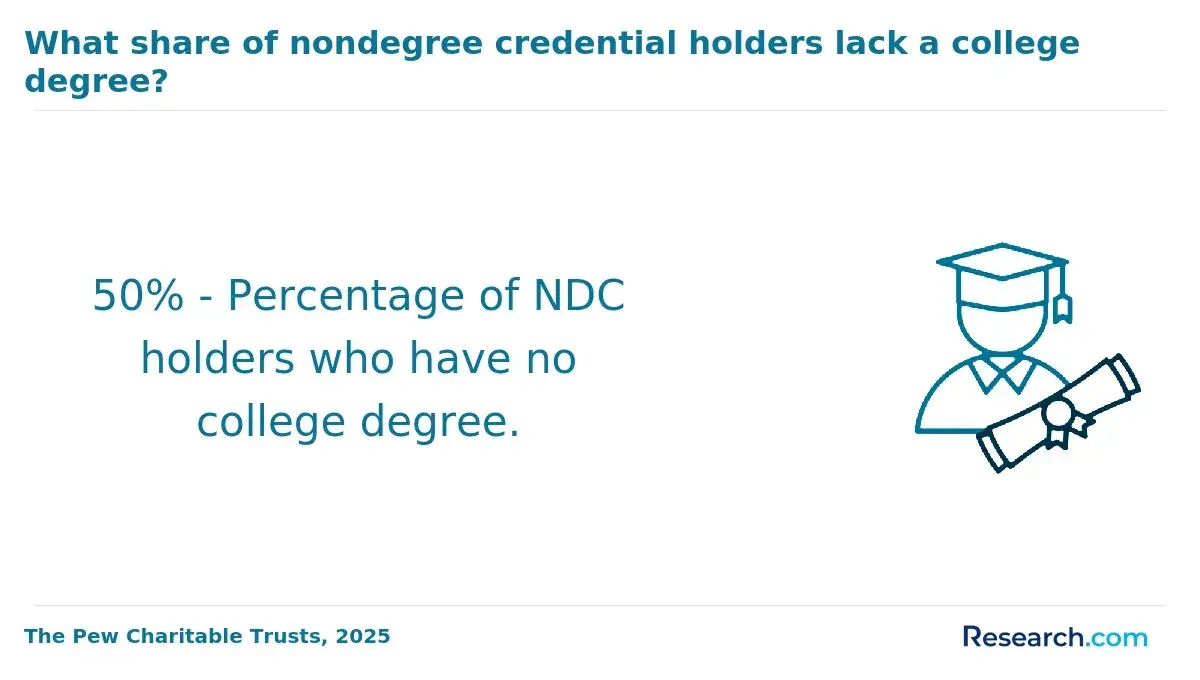
- Associate Degree in Applied Psychology: Tuition for these programs is generally lower than bachelor's degrees, typically ranging from $4,371 to $15,000 per year at community colleges or state schools. Public institutions often offer the most affordable rates, and online formats can reduce additional expenses like transportation. Many students benefit from federal Pell Grants and state aid to help offset costs.
- Bachelor's in Applied Psychology: Annual tuition varies from about $9,000 to $12,000 at public in-state universities, $25,000 to $32,000 for out-of-state students, and $35,000 to $45,000 at private institutions. The total cost for four years may range between $40,000 and $175,000. Most undergraduates receive financial aid in the form of grants, scholarships, or loans, which significantly reduces net expenses.
- Master's in Applied Psychology: Graduate tuition costs are highly variable, typically falling between $4,181 and $60,446 annually, with the average around $16,521. Private programs can be more expensive, sometimes exceeding $90,000 for the full degree. Scholarships, assistantships, federal loans, and employer tuition reimbursement programs are common financial resources for graduate students.
- PhD in Applied Psychology: Doctoral tuition often represents the highest cost bracket, ranging from approximately $9,990 to $10,385 per term depending on the institution. Since PhD programs span multiple years (3-5 years), total costs accumulate accordingly. Many doctoral candidates manage expenses through research assistantships, teaching roles, and fellowships offered by their universities.
When discussing tuition costs, I recently spoke with a graduate of an applied psychology master's program who shared her experience managing the financial demands of her education. She described initially feeling overwhelmed by the sticker price but found relief through a combination of scholarship awards and a part-time assistantship that covered a significant portion of her fees.
"It wasn't easy, but the support I received made the investment feasible," she reflected. Her commitment paid off as she secured a fulfilling role in a mental health organization soon after graduation, emphasizing that strategic financial planning and available aid can make these degrees accessible and worthwhile.
Her journey highlights that while costs vary, many students successfully navigate funding challenges and reap tangible career benefits.
What Jobs Can You Get with Each Type of Applied Psychology Degree?
The level of your applied psychology degree-associate, bachelor's, master's, or doctorate-significantly influences your career path and the roles you qualify for in the field. Higher degrees generally grant access to specialized, licensed, or leadership positions, while lower-level degrees often lead to entry-level or support roles.
Below is a list of common jobs linked to each degree type in applied psychology:
- Associate Degree in Applied Psychology: Graduates usually qualify for entry-level support roles such as behavioral technician, psychiatric technician, or administrative assistant. These jobs involve assisting licensed professionals in mental health clinics, hospitals, or social service organizations with client care and daily tasks.
- Bachelor's Degree in Applied Psychology: This degree prepares individuals for roles like case manager, community outreach coordinator, support specialist, and research assistant. Positions include coordinating client services, managing caseloads, behavioral interventions, and supporting research projects, typically in schools, nonprofits, and government agencies.
- Master's Degree in Applied Psychology: Master's graduates can become licensed counselors, school psychologists, rehabilitation specialists, or career counselors. These positions are usually state-licensed and focus on providing psychological assessments, counseling, and interventions in clinics, schools, or private practice.
- Doctorate (Ph.D. or Psy.D.) in Applied Psychology: Doctorate holders qualify for advanced jobs such as clinical psychologist, industrial-organizational psychologist, or educational psychologist. These roles include independent practice, research, teaching, or consulting in settings like hospitals, universities, and corporations. Many students also explore the cheapest online doctoral programs to advance their careers in this field.
How Do Salaries Differ by Applied Psychology Degree Type?
Degree level often plays a crucial role in shaping earning potential within the field of applied psychology. Understanding these salary differences can help students make informed decisions about their education and career paths.
Below is an overview of typical salary ranges associated with various applied psychology degree types:
- Associate Degree in Applied Psychology: Graduates with an associate degree usually qualify for entry-level positions such as administrative assistants or behavior technicians. The average starting salary ranges from about $40,000 to $43,000 per year, influenced by factors like geographic location and job setting. Advancement opportunities at this level tend to be limited without pursuing further education.
- Bachelor's Degree in Applied Psychology: A bachelor's degree can lead to roles like counselor, research assistant, or case manager, with starting salaries typically between $41,500 and $54,700 annually. Some positions, like applied behavior analysis therapist, may require additional certification. Salaries may be higher in metropolitan areas or within the private sector.
- Master's Degree in Applied Psychology: Earning a master's degree allows entry into more specialized careers, such as mental health counselor or marriage and family therapist. Average salaries for master's graduates generally range from $59,000 to $80,300 per year. Pay can vary based on specialization, employer type, and region, with better prospects for advancement and long-term earnings.
- Doctoral Degree in Applied Psychology (PhD or PsyD): Doctorate holders in applied psychology-including clinical, forensic, or organizational psychologists-command the highest salaries, usually between $81,900 and $101,500 annually. Some areas, such as industrial-organizational psychology, may offer even higher pay. Doctoral-level professionals are qualified for independent practice and academic roles, reflecting their extensive training and licensure.
For students exploring educational options in this field, reviewing a list of best online universities offering applied psychology programs can further help in making choices that balance cost, convenience, and career outcomes.
Is There High Demand for Applied Psychology Degree Holders in the Job Market?
The demand for applied psychology degree holders is growing steadily, fueled by several key factors in the evolving job market. One significant driver is the increasing recognition of mental health's importance, which has sparked a rise in need for psychological services across healthcare and community settings.
Additionally, applied psychology skills are highly sought after in emerging technologies, especially in fields like user experience design and human factors engineering. These areas rely heavily on insights into human behavior to improve product usability and customer satisfaction.
Workforce needs in corporate environments also contribute to demand, as organizations invest in leadership development and organizational culture, applying psychological principles to enhance employee well-being and productivity.
Regional differences further influence job opportunities and salary levels, with metropolitan areas and states having higher costs of living typically providing more competitive compensation. Professionals working in private practice may also see higher earnings compared to institutional roles, albeit with greater business-related responsibilities.
Specializations in sports psychology, neuropsychology, and forensic psychology add to the diversity of career paths available for graduates.
This interdisciplinary approach can open doors to varied employment sectors, including market research, where psychology-trained analysts earn a median salary of $74,680.
Job security for applied psychology graduates is strong due to ongoing mental health awareness, technological innovation, and diverse industry applications.
The field offers numerous entry points, including roles accessible with associate or bachelor's degrees, making it an accessible and strategically sound investment for students aiming for a dynamic and adaptable career trajectory over the coming decade.
For students exploring educational options, combining applied psychology with other disciplines can be advantageous. Those interested in expanding their skill set might consider enrolling in the best double degrees that incorporate psychology with related fields such as business, education, or health sciences.
What Factors Should You Consider When Picking a Type of Applied Psychology Degree?
Choosing the right degree level in applied psychology is a critical decision that directly impacts both your career path and personal circumstances. The level of education you pursue determines your qualifications, time commitment, and financial investment.
Here are the key factors to consider when selecting the appropriate applied psychology degree level:
- Career goals: Different degree levels open doors to varying roles. For instance, a bachelor's degree may qualify you for entry-level positions in human services, while independent careers like clinical psychology typically require a doctoral degree and state licensure. Matching your career aspirations with the degree's typical outcomes is essential.
- Time commitment: Higher degree levels generally require more years of study. A bachelor's usually takes four years, whereas doctoral degrees can span 8-12 years including postdoctoral experience. Consider how much time you can realistically dedicate to your education.
- Salary expectations: Salaries in applied psychology vary by degree and specialization. Master's-level roles like mental health counselors have median salaries near $59,190, while licensed psychologists with doctorates can earn $95,000-$110,000 or more. Weigh potential earnings against educational costs.
- Licensure and accreditation: Many clinical roles need advanced degrees along with state licensure and graduation from accredited programs. Confirm your chosen program meets these requirements to ensure eligibility for professional practice.
- Practical experience: Programs that include internships or practicums provide essential hands-on training and often fulfill licensure prerequisites. Practical experience can improve job prospects after graduation.
- Financial investment: Higher degrees involve greater tuition and living expenses. Evaluate total costs and available financial aid to balance debt with future earning potential.
- Personal interests and strengths: Reflect on whether you prefer research, direct client work, or organizational consulting. Applied psychology suits those motivated to apply psychological principles to real-world problems.
What Applied Psychology Graduates Say About Their Degree and Salary
- Tom: "Completing my degree in clinical applied psychology was a transformative journey that prepared me for a career where I can make a tangible difference in people's mental health. The program's strong emphasis on evidence-based practice gave me the confidence and skills to thrive in a demanding yet rewarding clinical environment. Knowing that my work directly contributes to improving the quality of life for my clients fuels my passion every day. The steady demand for professionals in this field also means excellent job stability and ongoing opportunities for advancement. This degree truly opened doors to a meaningful and sustainable career path. "
- Jermaine: "My background in educational applied psychology has allowed me to support students and educators in ways that extend far beyond traditional teaching. Through this degree, I learned to analyze learning challenges and design effective interventions that foster inclusive and supportive classroom environments. One of the most rewarding aspects has been seeing children overcome obstacles and gain confidence through tailored support strategies. This field cultivates not only professional growth but also a deep sense of connection to the community. Reflecting on my journey, I feel proud to contribute to better educational outcomes and healthier school climates. "
- Clara: "Working in industrial and organizational applied psychology has been a fascinating career path that blends human behavior with business strategy. The degree equipped me with unique insights into employee motivation and organizational development, which companies highly value for improving workplace culture and productivity. I appreciate how this field challenges me to think critically and creatively while impacting real-world business outcomes. Plus, the professional development opportunities have been abundant, allowing me to continuously grow as a consultant and leader. It's fulfilling to apply psychology in ways that directly enhance both employee well-being and organizational success. "
Other Things You Should Know About Applied Psychology Degree Programs & Salaries
An applied psychology degree significantly impacts earning potential in 2027, with graduates typically earning between $50,000 and $80,000 annually. Specific salaries may vary based on degree specialization and industry.
Yes, salaries in applied psychology differ significantly depending on geographic location. Urban areas and regions with higher living costs tend to offer greater compensation compared to rural or less costly areas. For example, salaries in states like California or New York are generally higher than in smaller cities or towns.
In 2027, the average salary for an applied psychology graduate varies depending on the specific field. For instance, clinical psychologists earn around $80,000 annually, while industrial-organizational psychologists can earn approximately $95,000. Salaries are influenced by the degree level, location, and industry demand.
Experience significantly affects salaries in applied psychology careers. Entry-level positions might start at around $45,000 annually, while seasoned professionals can earn $85,000 or more. As psychologists gain expertise, manage larger projects, or move into specialized fields, their compensation typically increases accordingly.
References
- Online Degree Completion Program in Applied Psychology https://www.elms.edu/academics/online-ce/psychology/
- Fields Of Psychology - Which Should I Choose? - SACAP https://www.sacap.edu.za/blog/applied-psychology/fields-of-psychology/
- Choosing the “right” grad school path for psychology majors https://yara-mekawi.medium.com/choosing-the-right-grad-school-path-for-psychology-majors-5c8ae3b5ffef
- Applied psychology careers https://www.apa.org/education-career/development/applied-psychology
- Results for Undergraduate Applied psychology Courses https://www.thecompleteuniversityguide.co.uk/courses/search/undergraduate/applied-psychology
- Types of Psychology Degrees You Can Pursue | All Psychology Schools https://www.allpsychologyschools.com/degrees/
- Applied Psychology Career Scope, Skills & Salary – 2025 Stats https://www.upes.ac.in/blog/liberal-studies/applied-psychology-scope-and-careers
- Best Applied Psychology Degrees and Schools Online [2025] https://www.psychologyschoolguide.net/applied-psychology/
- Top 5 Highest-Paying Psychology Careers - Rivier Academics https://www.rivier.edu/academics/online/resources/program-resources/top-5-highest-paying-psychology-careers-rivier-university/
- Applied Psychology Salary Outlook https://mastersinpsychologyguide.com/articles/applied-psychology-salary-masters-graduate-students/


