
2027 Online vs On-Campus Gifted Education Degree Programs: Pros & Cons

Co-Founder and Chief Data Scientist
Online gifted education degree programs have surged in popularity, with recent data showing that over 35% of U.S. graduate students now enroll in some form of online learning. This shift reflects growing demand for flexible and accessible education options. However, aspiring educators must weigh important factors when choosing between online and on-campus formats.
This article examines key advantages and disadvantages of each mode, focusing on flexibility, cost, learning experience, and career outcomes. By providing a clear comparison, the analysis aims to support informed decisions tailored to students' academic and professional goals in gifted education.
Key Benefits of Online vs On-Campus Gifted Education Degrees
- Online gifted education degree programs offer flexible scheduling that allows 70% of students to balance studies with work and family commitments effectively.
- These programs often cost 30-50% less than on-campus options, making advanced education more accessible to a wider range of candidates.
- On-campus gifted education degrees provide rich face-to-face interaction with peers and faculty, which 65% of students report enhances their critical thinking and collaborative skills.
Are Online vs. On-Campus Gifted Education Programs Structured the Same Way?
Online and on-campus gifted education degree programs differ significantly in structure, affecting how students experience learning and engagement. While on-campus programs rely on fixed schedules and in-person instruction, online formats emphasize flexibility and varied delivery methods.
Below is a comparison of key structural elements that distinguish online and on-campus gifted education programs, highlighting how each impacts student learning and interaction:
- Course Delivery: Online programs blend asynchronous, self-paced modules with synchronous live sessions, offering accessibility from any location. On-campus programs depend on face-to-face lectures, seminars, and labs with set class times requiring physical attendance.
- Class Schedules: Online formats allow students to choose when to attend classes and advance through coursework at their own speed, accommodating work or family responsibilities. In contrast, on-campus programs follow strict semester calendars and fixed class meeting times, limiting schedule flexibility.
- Personalization and Acceleration: Online gifted education often provides tailored learning paths, enabling students to progress quickly in areas of strength and spend more time on challenges. Campus-based programs may offer some differentiation but usually follow group pacing with less individualized instruction.
- Interaction and Collaboration: While online programs include live workshops, virtual cohorts, and mentoring, real-time engagement tends to be less frequent than on-campus. Traditional settings facilitate daily face-to-face interaction, promoting immediate group work and spontaneous academic or social collaboration.
- Student Engagement and Social Opportunities: Online students benefit from virtual events and community-building activities, though these may feel less organic. On-campus programs naturally encourage social connections through clubs, extracurriculars, and informal encounters, enhancing the overall campus experience.
Are Admission Requirements the Same for Online vs On-Campus Gifted Education Degree Programs?
Colleges and universities generally maintain consistent academic standards for both online and on-campus gifted education programs, ensuring that graduates meet comparable professional expectations.
However, they may differ in how they assess applicants' preparedness for remote learning environments, adding specific evaluations for technological proficiency or self-directed study skills in online settings.
Below is a comparison of the most common admission requirements for online versus on-campus gifted education degree programs, highlighting their key similarities and differences.
- Academic qualifications: Both program types usually require a bachelor's or master's degree, often in education or a related field, along with a minimum GPA-commonly around 3.0 on a 4.0 scale. Online programs may offer more flexibility, sometimes accepting GRE scores or relevant professional experience for applicants with lower GPAs. For those interested, some students pursue a bachelor's degree fast track to strengthen their qualifications.
- Application materials: Requirements such as a graduate admission application, official transcripts, a personal statement, and a resume are standard across both formats. Online programs often place additional emphasis on the personal statement to evaluate readiness for independent study and effective use of technology.
- Teaching certification & work experience: Many gifted education programs prefer or require candidates to hold initial teaching certification and have relevant classroom experience. Online programs tend to cater more directly to working professionals by offering flexible schedules and multiple start dates throughout the year.
- Proof of English proficiency: For non-native English speakers, both online and on-campus options require standardized English proficiency test scores like TOEFL or IELTS, following consistent standards across formats.
- Technology readiness: Unlike most on-campus programs, online gifted education degree prerequisites often include an informal or formal assessment of an applicant's comfort with online platforms and technology skills to ensure a smooth learning experience.
- Academic support & flexibility: Online programs usually provide robust support services such as academic advising, technical assistance, and tutoring. They also offer flexible class schedules and accelerated options that benefit students balancing work and study commitments, which is a significant factor for many graduate students choosing online paths.
Do Online Gifted Education Students Receive the Same Academic Support as On-Campus Students?
Universities have significantly expanded their academic support systems to ensure that online gifted education students receive comparable resources and assistance as their on-campus peers. This development reflects the growing population of graduate students taking courses in flexible, digital formats.
To understand how support services align across learning modes, it is helpful to compare the types of academic assistance typically offered in both settings.
- Tutoring Services: Both online and on-campus students access tutoring through writing centers, subject-specific help desks, or peer tutoring programs. Online learners connect with tutors via video calls, chat, or discussion boards, while on-campus students meet tutors face-to-face. These services support mastery of advanced content and sustained academic performance.
- Academic Advising: Personalized advising helps students plan courses, track degree progress, and navigate policies. Online students meet advisors virtually, whereas on-campus students have in-person sessions. Advisors ensure gifted education students remain on schedule and leverage advanced learning opportunities.
- Library Access: Digital libraries provide all students with 24/7 access to databases, e-books, and research tools. On-campus students further benefit from physical collections and study spaces. For online students, continuous digital access is crucial for independent research and accelerated learning.
- Faculty Interaction: Online programs offer virtual office hours, email communication, and discussion forums to encourage engagement. On-campus students enjoy spontaneous face-to-face interactions with faculty. Both formats prioritize accessibility for mentorship and deep exploration of gifted education topics.
- Career Counseling: Career services include virtual workshops, resume reviews, and counseling sessions for online students, mirroring on-campus offerings. This ensures all gifted education graduates receive guidance on job placement, networking, and professional growth.
- Technical Support: Dedicated technical support helps online students troubleshoot learning platforms to maintain uninterrupted access. On-campus students rely on IT departments with hands-on support when needed. Effective technical assistance is vital for a smooth academic experience in both formats.
How Long Does It Take to Complete an Online vs an On-Campus Gifted Education Degree?
Program length for a gifted education degree can vary based on the delivery format, student pace, and the flexibility of scheduling options. These factors significantly impact how quickly a student can finish their studies.
To clarify these differences, here is a comparison of average completion times for online versus on-campus gifted education programs:
- Online gifted education degree: Most online master's programs can be completed in as little as 15-24 months, with accelerated options allowing full-time students to finish in under two years. The asynchronous structure offers flexibility for working professionals to study around their schedules, while part-time enrollment may extend the timeline. Additionally, online programs often provide year-round enrollment and the chance to take heavier course loads, potentially shortening the total time to graduate.
- On-campus gifted education degree: Traditional on-campus programs typically require about 18-24 months of full-time study across two academic years. These programs follow semester-based calendars with fixed course sequences, offering less scheduling flexibility. They usually demand regular attendance and provide structured in-person support, which benefits students who prefer a more guided learning environment.
- Key factors influencing completion time: Students with prior coursework or relevant teaching experience may transfer credits or receive recognition for prior learning in both formats, which can reduce overall duration. Online programs tend to be more accommodating with credit transfer and flexible entry points. Regardless of format, course availability and personal commitments remain important considerations affecting how long graduation takes.
When discussing program length, a professional who pursued an online gifted education degree shared his experience with completing such a program. He emphasized that flexibility was essential, as balancing work and family required adjusting his study pace several times.
"I started full-time but shifted to part-time during a demanding work project, which stretched my timeline to nearly two years," he recalled. Despite initial concerns about completing the program, he appreciated the asynchronous courses that allowed him to study evenings and weekends without classroom pressures.
He noted that while some peers finished faster, the ability to pause and resume based on life's demands made the online format ideal for him. His journey highlighted that completion time is less about a fixed schedule and more about adapting to personal circumstances, which is a significant advantage of an online gifted education program.
Are Online Gifted Education Programs Cheaper Than On-Campus Ones?
Tuition, fees, and other expenses generally differ between online and on-campus gifted education programs, with online options often providing lower overall costs. Understanding these differences helps prospective students evaluate affordability based on their unique situation.
Here is a breakdown of the main cost factors influencing the total price of each learning format:
- Tuition and Fees: Online gifted education programs usually charge less tuition than on-campus formats, with averages ranging from $9,000 to $21,000 for master's degrees. The annual online undergraduate cost averages $12,216, compared to $18,981 on campus. However, some institutions may apply higher per-credit rates or out-of-state fees for online students.
- Living Expenses: Students attending on-campus must budget for room and board, which tends to be about $744 more annually than living costs for online learners. Those studying online often save money by living at home or managing independent housing without campus-related fees like meal plans and commuting.
- Technology Costs: Online students face additional expenses for computers, internet service, and specialized software, but these typically remain lower than the savings on travel and housing. Certain programs requiring proctored exams or advanced tools may increase these costs slightly.
- Financial Aid Availability: Both online and on-campus gifted education students generally qualify for federal aid, scholarships, and grants. Some universities offer special discounts for online learners or in-state residents, though on-campus students might access extra merit- or extracurricular scholarships as well.
- Schedule Flexibility and Academic Support: The flexibility of online programs can help gifted students work and study simultaneously, improving affordability. However, on-campus programs may provide stronger academic support and networking that benefit long-term career prospects.
The reputation and salary outcomes of degrees from either format tend to be comparable if the program is accredited and recognized.
For students exploring affordable options, researching the easiest master's degree to get online in their field can be an additional starting point to assessing cost and entry barriers.
What Are the Financial Aid Options for Online vs On-Campus Gifted Education Programs?
Both online and on-campus students pursuing gifted education degrees may qualify for financial aid, but eligibility and accessibility can differ depending on program format, institutional policies, and accreditation status.
Below is a summary that outlines and compares the main financial aid options available for both online and on-campus gifted education students:
- Federal Aid: Both online and on-campus students at accredited institutions can apply for federal financial aid by submitting the FAFSA. This includes Pell Grants, federal student loans, and work-study opportunities. Online students must verify that their program is accredited to qualify, but most reputable online gifted education degrees meet these standards.
- State Aid: State financial aid such as grants and scholarships is generally available to residents attending in-state public institutions, whether online or on campus. While some states restrict aid to campus-based programs, an increasing number of online programs at public universities now qualify, especially when in-state tuition rates apply to online learners.
- Scholarships and Grants: Both online and on-campus students have access to institutional, private, and professional organization scholarships. Online programs sometimes offer unique scholarships targeting distance learners, whereas campus programs may provide additional merit-based or need-based awards. For those researching scholarships for on-campus gifted education degrees, many traditional universities offer substantial internal scholarships. Notably, Arizona State University and Southern New Hampshire University provide significant scholarships for online students.
- Employer Tuition Reimbursement: Many employers support tuition reimbursement for employees pursuing gifted education degrees regardless of format. Online programs appeal to working professionals because of their flexibility, allowing continued employment while studying. However, eligibility depends on employer policies and program accreditation.
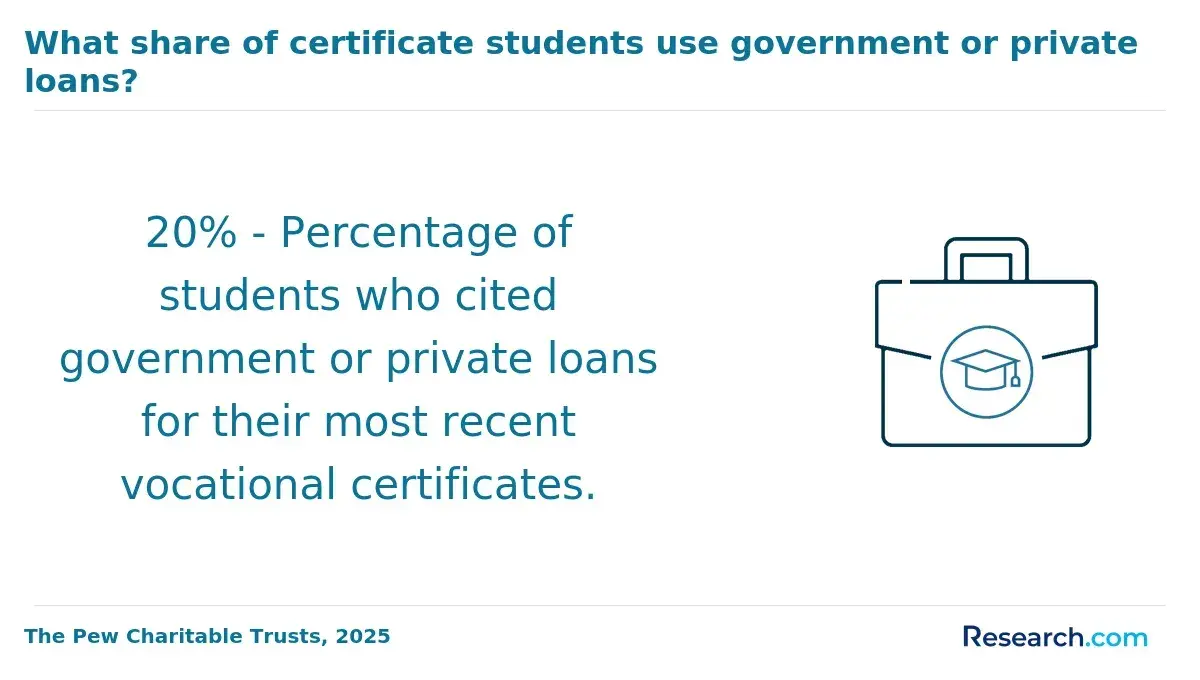
- Private Student Loans: Private loans are an option for both online and on-campus students, though terms can vary widely. Online students must confirm their program's accreditation and eligibility with lenders, as some restrict loans to campus-based degrees.
When considering financial aid options alongside cost, online gifted education programs often prove more affordable. Tuition at leading online programs typically ranges from $9,274 to $15,315 for a master's degree.
For those weighing study formats, researching the fastest masters degree online options can provide additional guidance on program length and affordability, complementing the financial aid information crucial for making the best decision.
Are Online Gifted Education Programs as Credible as On-Campus Ones?
The credibility of online and on-campus gifted education programs is largely grounded in their accreditation, faculty qualifications, and curriculum standards. Both formats often receive accreditation from recognized bodies such as the Council for Exceptional Children, which maintains rigorous preparation standards.
Faculty members in these programs usually hold advanced degrees in relevant fields like cognitive science and education, ensuring the quality of instruction is consistent regardless of delivery method.
The curricula for both online and in-person programs cover essential topics such as identification of gifted learners and curriculum differentiation, providing a standardized educational experience. Employers and licensing bodies primarily evaluate credentials based on the institution's reputation and accreditation rather than whether the degree was earned online or on campus.
Recent trends indicate a growing acceptance of online gifted education credentials as virtual learning technologies improve and more institutions develop robust online options. Leading universities now offer online certificates that hold the same academic and professional value as their on-campus counterparts, helping to normalize online education within the field.
Industry partnerships and technological advancements have further enhanced the credibility of online programs, especially for working professionals needing flexible options.
As a result, the perception gap between online and traditional gifted education degrees continues to narrow, giving prospective students greater confidence that online programs can effectively support career advancement in education.
Do Employers Prefer Online vs On-Campus Gifted Education Degrees?
Employer attitudes toward online and on-campus Gifted Education degrees have become increasingly nuanced as remote and hybrid work arrangements have gained prominence.
While 54% of global employers now regard online and in-person graduates as equally qualified, U.S. employers remain somewhat cautious; only 28% express equal valuation of both formats, with nearly half expressing reservations.
Reputation and accreditation of the degree-granting institution play critical roles in shaping these perceptions. An online degree from a well-known, accredited university generally holds comparable weight to an on-campus credential, with 83% of business leaders affirming this equivalency.
Employers also acknowledge that online learners often develop valuable skills such as technical proficiency, project management, and virtual collaboration, which align with current workforce needs, although some still perceive on-campus graduates as having slight advantages in leadership and communication abilities.
Research suggests that online learning effectiveness rivals or even modestly surpasses traditional classroom instruction, which supports growing employer openness to online degrees.
The flexibility inherent in online gifted education programs allows working educators to advance their qualifications without geographic constraints, a factor that resonates strongly in the education sector. However, regional differences and industry-specific biases persist, tempering full acceptance.
Notably, 96% of online program graduates report positive employment outcomes, indicating that hiring managers recognize the value of these credentials when backed by recognized institutions.
As workplace norms evolve, especially with remote and hybrid models becoming standard, hiring decisions increasingly prioritize demonstrated skills and institutional credibility over delivery format alone.
When asked about her experience securing employment with an online gifted education degree, a professional shared that her journey underscored the importance of choosing an accredited, well-regarded program.
She observed that her employers were initially curious about the online format but quickly focused on her demonstrated competencies and practical experience gained during the program.
She noted, "The flexibility of the online program allowed me to work full-time while honing skills that were directly applicable to my job." This balance helped her build confidence and credibility, with hiring managers valuing her proactive approach and mastery of virtual collaboration tools.
Her positive career progression affirms that, when paired with institutional reputation and relevant skills, an online gifted education degree can effectively meet employer expectations in today's evolving educational landscape.
Do Online vs On-Campus Gifted Education Program Graduates Earn the Same Salaries?
Salary comparisons between online and on-campus Gifted Education graduates are increasingly shaped by factors beyond the learning format itself. While the mode of degree completion once raised questions about earning potential, today's salary outcomes depend more on other variables influencing career success.
Several key factors determine the salary dynamics for graduates, highlighting why the average salary for online gifted education degree graduates closely aligns with those from traditional programs.
- Experience Level and Career Progression: Entry-level educators earn similar starting salaries regardless of online or on-campus credentials, with approximately $36,900 annually. Over time, seasoned teachers and those moving into leadership roles can expect significantly higher wages, reflecting their growing expertise rather than degree format.
- Position Type and School Level: Salaries vary by job title and educational setting, such as elementary, middle, or high school gifted programs. Instructional coordinator roles tend to offer higher median earnings, and both online and on-campus graduates compete for these positions with comparable compensation structures.
- Geographic and Institutional Factors: Location and employer characteristics affect salaries more dramatically than degree delivery method. Differences in public vs. private institutions, state funding, and regional cost of living play crucial roles in determining pay scales.
- Access to Accredited Programs: Choosing programs from accredited schools impacts credential recognition and salary potential. Prospective students should consider reputable institutions, including accredited schools that offer free online applications, to ensure quality education that supports competitive earning potential.
How Do You Decide Whether an Online vs On-Campus Gifted Education Program Is Right for You?
Choosing between online and on-campus gifted education programs depends largely on your personal learning preferences, lifestyle, and professional goals. Deciding which format suits you best requires a thoughtful assessment of several important factors.
- Learning style: Online programs often appeal to students who prefer independent, self-paced learning and want to customize their study plans. On-campus programs typically provide more structured environments with direct access to instructors and immediate peer interaction.
- Flexibility needs: If balancing work, family, or other commitments is essential, online gifted education programs usually offer asynchronous courses that fit your schedule. Campus programs require set class times, which may be less convenient for those needing flexible study hours.
- Budget: Online programs often reduce costs tied to housing and commuting, making them more affordable for many students. However, tuition varies, so comparing total expenses carefully is advisable before enrolling.
- Networking opportunities: On-campus students tend to benefit from natural face-to-face connections with faculty and peers at classes and events. While some online programs foster strong virtual communities, others may not provide the same level of engagement.
- Access to campus resources: Traditional students enjoy immediate use of campus facilities like libraries and labs. Many online programs offer digital resources and advising, but levels of support can vary widely.
To make an informed choice, evaluate these factors carefully in relation to your situation and career aspirations. Those interested in more flexible learning might also explore lucrative certificate programs that complement gifted education studies.
Here's What Graduates of Online vs On-Campus Gifted Education Programs Have to Say About Their Degree
- John: "Completing my gifted education degree online allowed me the flexibility to balance my full-time job and family responsibilities while gaining invaluable knowledge and skills. The virtual classroom environment was engaging, and the diverse perspectives from classmates across the country enriched my learning experience. Starting my career with an online degree opened doors to remote teaching positions and professional development opportunities I never imagined possible. I am passionate about supporting gifted students and feel empowered to create inclusive and stimulating learning environments. This program truly transformed both my career and personal growth. "
- Paul: "Attending the gifted education degree program on campus was a transformative journey that immersed me in a vibrant academic community. The in-person collaboration with professors and peers fostered deep connections and hands-on experiences that prepared me to excel as a specialist. I started my career with strong confidence, backed by rigorous training and access to local networks that helped me secure a leadership role in a school district. Reflecting on my time there, I treasure the mentorship and real-world practicums that shaped my professional path. It profoundly reinforced my dedication to nurturing young minds' potential in person. "
- George: "Pursuing a hybrid gifted education degree gave me the best of both worlds: the convenience of online coursework combined with the rich interaction of face-to-face sessions. This flexible format challenged me to be disciplined while still providing moments of community engagement that enhanced my learning. Starting my career, I appreciate how the hybrid experience made me adaptable to various teaching environments, a key asset in today's evolving educational landscape. Developing close relationships with faculty and fellow students during on-campus intensives was inspiring and fueled my passion for advocating gifted students' unique needs. It was a professional and personal growth journey unlike any other. "
Other Things You Should Know About Online & On-Campus Gifted Education Degree Programs
Online gifted education degree programs in 2027 offer flexibility, enabling students to learn at their own pace and balance other commitments. These programs often provide access to diverse resources and expert faculty regardless of location, but may lack the immediate face-to-face interaction found in on-campus settings.
In 2027, students in online gifted education degree programs often face challenges like reduced interaction with peers and instructors, which can hinder collaborative learning. Additionally, managing self-discipline and time effectively while navigating technical issues can be daunting for students accustomed to traditional classroom settings.
Online gifted education programs may present challenges such as limited face-to-face interaction and fewer opportunities for hands-on learning. Students might feel isolated or miss out on spontaneous discussions that occur in a physical classroom. Technical difficulties or lack of access to necessary technology can disrupt learning, making it essential for students to have strong time-management skills.
In 2027, on-campus gifted education programs provide students with direct access to faculty, peer collaborations, and in-person resources—fostering a rich learning environment that's hard to replicate online. These experiences can cultivate critical thinking and networking skills essential for future educational and career advancements.
References
- Admission Requirements | In-Person & Online School for Gifted Elementary and Middle School Students | Ability-Based Education for Highly Gifted Students | Cyprus Classical Academy https://www.cyprusclassicalacademy.com/admission-requirements.html
- Why You Should Pursue a Gifted Education Certification or Endorsement - Graduate Programs for Educators https://www.graduateprogram.org/blog/why-you-should-pursue-a-gifted-education-endorsement-or-certification/
- Gifted Education Endorsement https://online.uc.edu/endorsements/gifted-education/admissions/
- How Schools for Gifted Students Differ from Other Programs https://oakcrestacademy.org/schools-for-gifted-students-different-from-other-programs/
- Online and on-campus colleges | University of Phoenix https://www.phoenix.edu/blog/cost-of-online-vs-traditional-college.html
- Pros and Cons of Online Learning | National University https://www.nu.edu/blog/weighing-the-pros-and-cons-of-online-vs-in-person-learning/
- Admission Requirements for the Graduate Program in Gifted Education https://www.fhsu.edu/aep/gifted-education/admission/
- For Educators: Gifted Ed. Degree Programs - Davidson Institute https://www.davidsongifted.org/gifted-blog/for-educators-gifted-ed-degree-programs/
- Gifted Education Tuition and fees https://online.missouri.edu/degrees-programs/mu/education/gifted-education/m-ed/financial
- Online Degrees: Pros and Cons https://www.smartkidswithld.org/getting-help/college-bound/online-degrees-pros-cons/


