2027 Psychiatric Mental Health Nurse Practitioner Internship Requirements: Hours, Placements, and Supervision

Co-Founder and Chief Data Scientist
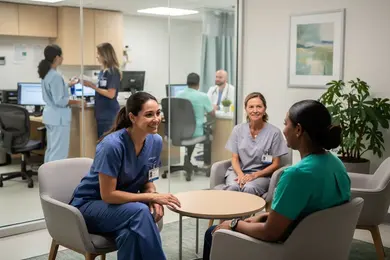
A student entering a psychiatric mental health nurse practitioner internship soon faces the challenge of balancing rigorous clinical hours with diverse placement options. Internships commonly occur in settings such as hospitals, community mental health centers, or private practices. Supervision by experienced psychiatric nurse practitioners or psychiatrists ensures skill development and professional growth.
With over 45% of psychiatric mental health nurse practitioners reporting increased workforce demand in recent years, meeting these internship requirements is critical to timely graduation and licensure. This article explores the essential hours, placement procedures, and supervision expectations within psychiatric mental health nurse practitioner degree programs to guide students through these demands.
Key Things to Know About Psychiatric Mental Health Nurse Practitioner Internship Requirements
- Required internship hours for psychiatric mental health nurse practitioner programs typically range from 500 to 700, demanding careful scheduling to balance clinical experience with academic coursework.
- The placement process depends on site availability and affiliations, often requiring early applications; limited psychiatric settings can affect where students complete internships.
- Supervision standards mandate oversight by board-certified psychiatric mental health practitioners, with structured evaluations shaping competency development throughout the internship.
Do All Psychiatric Mental Health Nurse Practitioner Degrees Require an Internship?
Many psychiatric mental health nurse practitioner programs incorporate internships or clinical placements to provide students with essential hands-on experience. Approximately 90% of these degree programs require clinical internships or placements resembling internships as part of their curriculum. Below are key factors that affect whether a psychiatric mental health nurse practitioner internship requirement exists within a program.
- Program Type: Master's-level psychiatric mental health nurse practitioner programs typically have strict clinical hour mandates, often requiring internships to fulfill these. Doctor of Nursing Practice (DNP) programs may offer more flexible experiential learning options that can partially or fully substitute traditional internships depending on the curriculum design.
- Accreditation Standards: Programs accredited by bodies such as the Commission on Collegiate Nursing Education (CCNE) or the Accreditation Commission for Education in Nursing (ACEN) usually mandate supervised clinical hours. These hours are primarily earned through internships or practicums to ensure students meet competency and certification requirements tied to those accreditations.
- Specialization Tracks: Focus areas within psychiatric mental health nursing influence internship structures. For example, community or outpatient focused tracks might arrange clinical experiences differently than inpatient psychiatric care programs, affecting how clinical internships are required or organized.
- Alternative Experiential Learning: Some programs incorporate simulation labs, telehealth practicums, or integrated clinical rotations that serve as partial or full substitutes for traditional internships. These alternatives reflect evolving educational approaches that maintain clinical skill development while providing variety in experiential learning.
Those exploring a psychiatric mental health nurse practitioner degree should carefully evaluate how each program handles clinical internships and experiential learning. For those interested in healthcare through a broader lens, exploring options like a pharmacy school online may also offer flexible pathways to clinical expertise in related fields.
What Requirements Must Be Met Before Starting a Psychiatric Mental Health Nurse Practitioner Internship?
Psychiatric mental health nurse practitioner programs set specific prerequisites to ensure students are prepared for the clinical demands of their internships. Research shows about 85% of nurse practitioner programs require a minimum GPA of 3.0, highlighting the emphasis on academic readiness. These requirements help maintain high standards for patient safety and clinical effectiveness. Below are common eligibility criteria students must meet before starting an internship.
- Minimum GPA: Most programs require a minimum grade point average, typically around 3.0 or higher, to ensure students have achieved sufficient academic competency in relevant core nursing and psychiatric courses.
- Completed Coursework: Students must finish prerequisite classes covering advanced pathophysiology, pharmacology, mental health assessment, and therapeutic interventions. This groundwork is vital for effective clinical management of psychiatric conditions.
- Application Approval: Formal applications or internship proposals are required and reviewed by faculty or clinical coordinators. This process verifies compliance with program standards and assesses the student's readiness to begin clinical work.
- Background Checks: Criminal background screenings and health clearances, such as immunization records and drug tests, are essential to protect patients and meet healthcare regulations before clinical placement.
These well-defined prerequisites not only uphold program quality but also support a safe and supportive environment for students transitioning from didactic studies to professional practice as Psychiatric Mental Health Nurse Practitioners.
How Many Internship Hours Are Required for Psychiatric Mental Health Nurse Practitioner Degrees?
Internship hours are a vital part of psychiatric mental health nurse practitioner degrees to ensure clinical competence before entering practice. Typically, programs require between 500 and 1,000 clinical hours, with many using credit-to-hour conversions where one credit equates to about 45 clinical hours. Several factors influence these hour requirements, which are outlined below.
- Credit Hour Equivalencies: Most programs tie their clinical hours directly to credit requirements. For instance, a 15-credit practicum often translates to roughly 675 clinical hours, providing a standardized measure of students' hands-on experience.
- Program Structure: Full-time versus part-time attendance can impact how internship hours are distributed, with some students completing hours more intensively over a shorter period and others pacing them out over a longer timeframe.
- Accreditation Standards: Organizations like CCNE and ACEN set minimum standards for clinical training. While requirements may differ slightly, these accreditors emphasize comprehensive clinical exposure to prepare students adequately.
- Degree Level Variations: Master's programs generally have different hour expectations compared to Doctor of Nursing Practice (DNP) pathways, affecting total clinical hour demands and curriculum design.
- Delivery Model Impact: Online, hybrid, and campus-based programs each influence how clinical hours are structured, affecting scheduling flexibility and internship placement arrangements.
When asked about his experience, a psychiatric mental health nurse practitioner graduate shared that accumulating the required hours was often demanding yet rewarding. He recalled coordinating between clinical sites and balancing coursework was challenging, noting, "There were moments when scheduling felt overwhelming, but each clinical hour brought new insights into patient care." He emphasized that the hands-on practice was crucial for building confidence, especially when transitioning from classroom learning to real-world psychiatric settings.
Where Do Psychiatric Mental Health Nurse Practitioner Students Complete Internships?
Internship placement environments are vital for psychiatric mental health nurse practitioner students, providing practical experience across diverse clinical and organizational settings. Over 60% of students report working in three or more types of clinical or community placements, which enriches their adaptability and clinical skills. Below are common locations where these internships occur.
- Clinical Facilities: Psychiatric hospitals, outpatient mental health clinics, and primary care centers with integrated behavioral health services are primary clinical sites. These settings expose students to a wide range of patient needs and treatment approaches, essential for developing hands-on expertise.
- Government Agencies: Internships often take place within government healthcare systems, including veterans' health administration centers. These placements allow students to address complex mental health issues specific to veteran populations and navigate large institutional frameworks.
- Nonprofit Organizations: Community-based nonprofits serve underserved or marginalized populations, offering psychiatric mental health nurse practitioner internship placement locations where students engage in outreach and preventive mental health initiatives.
- Corporate Wellness Programs: Some students gain experience in workplace environments, participating in employee assistance or wellness programs aimed at managing occupational mental health challenges.
- Research Institutions: Opportunities at research centers enable students to contribute to clinical trials and psychiatric studies, fostering a deeper understanding of evidence-based practices within their training.
For more insight into program costs and training structures, consider reviewing RN to BSN online programs cost comparison.
How Are Internship Placements Assigned in Psychiatric Mental Health Nurse Practitioner Programs?
Internship placements in psychiatric mental health nurse practitioner programs are carefully organized to ensure students gain tailored clinical experience that aligns with educational goals and personal interests. A 2022 report indicated that about 70% of programs use a formalized process to match students with appropriate sites, reflecting the importance of structured placement systems. Below are some common methods used in assigning internships.
- Faculty-Guided Matching: Faculty members recommend clinical sites based on their knowledge of students' skills and career goals. This method allows experienced coordinators to balance site availability with student preferences.
- Student-Driven Applications: Students select preferred placements by submitting applications or rankings. This approach empowers students to target specific clinical experiences that suit their interests or backgrounds.
- Partnership-Based Assignments: Programs often rely on existing agreements with healthcare facilities to assign students. These collaborations streamline placement by automatically allocating slots at partner sites.
- Centralized Placement Systems: Some institutions use online platforms that manage placement logistics, considering factors such as site capacity and supervisor availability, to optimize matches.
When I spoke with a psychiatric mental health nurse practitioner degree student about her placement experience, she described it as both "exciting and nerve-wracking." She mentioned how submitting her site preferences required balancing her clinical interests with limited openings at top locations. She appreciated the transparency of the process but found waiting for confirmation stressful. Ultimately, she valued how the program's coordinators worked to place her where she could build meaningful skills while fitting her personal circumstances, noting, "It felt like a collaborative effort designed to support my growth, even when it wasn't exactly what I initially hoped for."

Are Virtual or Remote Internships Available?
Remote and virtual internships have become a notable component of psychiatric mental health nurse practitioner programs, reflecting broader shifts toward flexible education and healthcare delivery. In 2023, around 40% of clinical hours in graduate nursing were completed via hybrid or fully virtual formats, highlighting this growing trend. These internship models are reshaping how students gain clinical experience while balancing academic responsibilities. The following discussion explores how these formats operate within such programs.
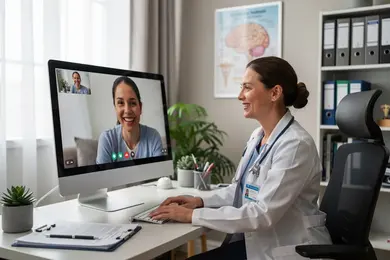
Virtual internships blend in-person clinical work with online activities, allowing students to interact with patients and preceptors through telehealth and digital communication platforms. This hybrid approach provides greater scheduling flexibility and extends clinical placement options beyond local limits. The use of video conferencing and secure messaging supports timely supervision and feedback. However, the availability of remote internships depends on each program's curriculum design and accreditation standards, meaning prospective students must confirm these options meet licensing board requirements.
Are Part-Time Internships Allowed for Working Students?
Many students enrolled in psychiatric mental health nurse practitioner programs balance employment with demanding academic and clinical requirements, making part-time internship options highly relevant. Research indicates that about 70% of graduate nursing students work while studying, emphasizing the need for adaptable internship scheduling. Below are key features of part-time internships that support these working students.
- Scheduling Flexibility: Part-time internships allow students to complete clinical hours over extended periods, often outside the traditional 9-to-5 workday, enabling integration with job commitments.
- Employer Accommodations: Some workplaces offer support by adjusting shifts or providing time off, helping students meet their clinical requirements without sacrificing employment.
- Academic Workload Balance: Spreading internship hours across a longer timeline helps students manage coursework alongside clinical practice more effectively.
- Program-Specific Restrictions: While many psychiatric mental health nurse practitioner programs offer flexible internships, some impose minimum weekly clinical hours or limit the duration of extensions to ensure timely progression.
These part-time internship arrangements are designed to help students fulfill clinical hours in a way that aligns with their work and personal lives. Students should review their program's policies closely to maintain compliance with accreditation and certification requirements while benefiting from flexible clinical education opportunities.
What Supervision Is Required During a Psychiatric Mental Health Nurse Practitioner Internship?
Supervision during psychiatric mental health nurse practitioner internships is essential for ensuring interns develop clinical competence while maintaining patient safety. A 2022 survey found that over 85% of nurse practitioner students felt consistent mentorship significantly improved their confidence and clinical decision-making. The following elements illustrate key supervision requirements in psychiatric mental health nurse practitioner internship supervision requirements to support professional growth.
- Faculty Oversight: Educational institutions provide ongoing supervision by regularly communicating with both the intern and the clinical mentor. Faculty verify adherence to program standards, monitor progress, and intervene when concerns arise, ensuring structured academic supervision.
- Workplace Mentors: Experienced psychiatric nurse practitioners or mental health professionals take on daily supervision roles. They deliver clinical teaching, mentorship, and practical feedback, blending hands-on experience with academic expectations.
- Progress Monitoring: Scheduled meetings, case reviews, and reflective exercises help interns apply theoretical knowledge to clinical practice. This approach reinforces competency development and addresses individual learning needs throughout the internship.
- Performance Feedback: Supervisors provide continuous, targeted feedback that highlights strengths and identifies areas for improvement. This feedback fosters professional accountability and prepares interns for independent psychiatric practice.
- Professional Accountability: Supervision helps interns meet ethical standards and develop critical thinking and autonomous care skills essential for psychiatric mental health nurse practitioners. Mentors act as role models, guiding interns through complex cases and ethical challenges.
Those pursuing advanced roles can also explore pathways such as a PhD in nursing education to further contribute to clinical supervision guidelines for psychiatric mental health nurse practitioner trainees and improve educational practices in the field.
How Are Psychiatric Mental Health Nurse Practitioner Internships Evaluated?
Evaluation of psychiatric mental health nurse practitioner internship performance is crucial to ensure students are clinically competent and professionally prepared. Research shows programs using multi-source feedback see a 30% higher success rate in board certification on the first attempt. This highlights the importance of comprehensive assessment in internship quality and outcomes. Common evaluation methods include:
- Supervisor Reviews: Clinical preceptors observe student interactions with patients, assessing diagnostic accuracy, therapeutic communication, and management of psychiatric conditions to provide detailed feedback on student competence. Supervision and feedback in psychiatric mental health nurse practitioner internships play a vital role in shaping clinical skills.
- Reflective Assignments: These encourage students to critically analyze their clinical experiences, integrating evidence-based practices with personal insights. Reflective write-ups help programs evaluate student decision-making and professional growth.
- Faculty Assessments: Faculty combine feedback from clinical supervisors with academic performance reviews, including case studies and practical exams, to measure mastery of theoretical and practical knowledge within the program.
- Performance Benchmarks: Programs set benchmarks aligned with national certification standards to ensure students meet essential clinical competencies before graduation.
- Multi-source Feedback: Utilizing evaluations from supervisors, peers, and patients enhances comprehensive assessment and supports meeting internship evaluation criteria effectively.
Those seeking related clinical training might explore online sonography programs as an example of structured internship and evaluation models in other healthcare fields.
What Challenges Do Psychiatric Mental Health Nurse Practitioner Students Face During Internships?
Internships are essential for psychiatric mental health nurse practitioner students to gain hands-on experience, though they often come with significant stress. A 2022 study found that over 60% of these students experience moderate to high stress during clinical placements due to demanding workloads. These experiences highlight various challenges students commonly face during their internship phases.
- Balancing Responsibilities: Juggling coursework, internship hours, and personal life creates a heavy time-management burden. Many students find it challenging to allocate enough energy and focus to each area without becoming overwhelmed.
- Adapting to Clinical Settings: Transitioning into fast-paced healthcare environments requires quick adjustment to multidisciplinary teams and new workflows. Developing clinical judgment under pressure can be difficult, especially during early internships.
- Financial and Transportation Strains: Unpaid or low-paid internships often lead to financial hardship. Costs related to travel and commuting add to this burden, making it harder to maintain a stable routine.
- Emotional Demands: Managing the emotional impact of caring for patients with complex mental health issues is taxing. Students must develop resilience while providing compassionate and effective care.
- Supervision Challenges: Common supervision hurdles for psychiatric mental health nurse practitioner students include varying expectations and limited availability of mentors, which can affect learning quality and confidence.
For those exploring options, many find online BSN to MSN programs beneficial for balancing education with these internship demands.
What Graduates Say About Psychiatric Mental Health Nurse Practitioner Internship Requirements
- Shmuel: "Completing my psychiatric mental health nurse practitioner degree internship was a pivotal part of my education. The 500 hours required felt intensive but truly necessary to gain hands-on experience in diverse clinical settings. Having supervised internships ensured that I received valuable, real-time feedback which deeply enhanced my confidence and practical skills."
- Shlomo: "Reflecting on my psychiatric mental health nurse practitioner internship, I appreciate how the varied placements exposed me to a broad spectrum of patient populations and mental health conditions. The structured supervision played a crucial role, allowing me to refine my clinical judgment while under expert guidance. These internships have undoubtedly shaped the foundation for my career as a compassionate and knowledgeable practitioner."
- Santiago: "The psychiatric mental health nurse practitioner internship was more than just a requirement-it was a transformative experience that prepared me for real-world challenges. The hands-on hours combined with thorough supervision helped bridge the gap between theory and practice. Today, I attribute much of my professional success to the rigorous clinical training I received during that period."
Other Things You Should Know About Psychiatric Mental Health Nurse Practitioner Degrees
Yes, in 2027, psychiatric mental health nurse practitioner internships often require interns to maintain comprehensive documentation of their clinical experiences. This typically includes a detailed log of clinical hours, case studies, reflections, and assessments by supervisors. A well-organized portfolio is crucial for evaluating the intern’s competencies and progress.
Preferred clinical settings often include inpatient psychiatric units, outpatient mental health clinics, community mental health centers, and substance abuse treatment facilities. These environments provide diverse patient populations and exposure to multiple psychiatric disorders, which are essential for developing relevant clinical skills.
Interprofessional collaboration is highly valued and often integrated into internship experiences. Psychiatric mental health nurse practitioner students are encouraged to work alongside psychiatrists, psychologists, social workers, and other healthcare professionals to ensure holistic patient care and improve treatment outcomes.
References
- How to Become a Psychiatric-Mental Health NP (PMHNP) https://www.npschools.com/blog/how-to-become-a-psychiatric-nurse-practitioner
- How to Become a Psychiatric Nurse Practitioner (Salary 2025) https://www.allnursingschools.com/specialties/psychiatric-nurse/
- | NRR | Dove Medical Press https://www.dovepress.com/internship-challenges-encountered-by-nursing-students-a-qualitative-st-peer-reviewed-fulltext-article-NRR
- What Is a PMHNP? What They Do & How To Become One https://my.clevelandclinic.org/health/articles/psychiatric-nurse-practitioner-pmhnp
- All RN to Psychiatric Nurse Practitioner Programs https://www.rntomsn.org/programs/nurse-practitioner/psychiatric-mental-health/
- Psychiatric Nurse Practitioner PMNHP Jobs (including Telehealth ) | LifeStance https://careers.lifestance.com/psychiatric-nurse-practitioner/
- Top Cities for PMHNP Students to Thrive in Their Career https://www.nphub.com/blog/best-cities-pmhnp-students
- Part-Time/Contract Psychiatric-Mental Health Nurse Practitioner Jobs https://www.doccafe.com/nurse-practitioner-jobs/specialty/psychiatric-mental-health/type/part-time-contract
- Psychiatric Internship/Preceptorship https://careers.elitedna.com/internships/psychiatric-internship-preceptorship/
- PMHNP Preceptorship - Lorenz Clinic https://lorenzclinic.com/join-us/careers/psychiatric-nursing-practicum/