
2027 Medical Assistant vs. Medical Administrative Assistant: Explaining the Difference

Co-Founder and Chief Data Scientist
Many people mistakenly assume that the roles of a Medical Assistant and a Medical Administrative Assistant are interchangeable, leading to confusion in career paths. This misconception can result in pursuing the wrong training, missing out on better opportunities, or failing to meet employer expectations.
The healthcare industry employs over 650,000 medical assistants, with roles increasingly specialized. Understanding the key differences between these positions can save valuable time and energy. This article, prepared by experts in career planning, will clarify the distinctions and provide guidance on how to navigate these career choices effectively.
Key Things You Should Know About Medical Assistant vs. Medical Administrative Assistant
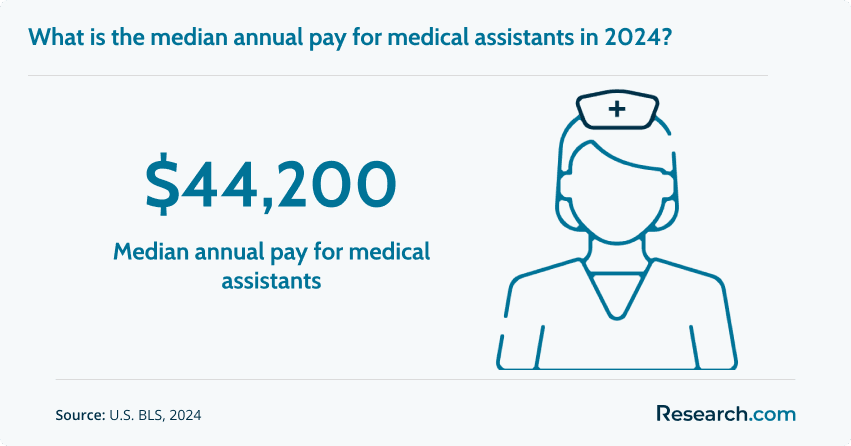
- Medical assistants earned a median annual salary of $44,200 in 2024, while medical administrative assistants earned $35,000–$42,000, depending on location and certification.
- The job outlook for medical assistants shows a projected 16% growth from 2021 to 2031, compared to 9% growth for medical administrative assistants, according to the U.S. Bureau of Labor Statistics.
- Certification pass rates show 65.7% for medical assistants and 61.9% for medical office assistants, reflecting differences in training focus and exam difficulty.
- How do the roles of medical assistants and medical administrative assistants differ?
- What are the daily job duties of medical assistants vs. medical administrative assistants?
- What type of education is required for medical assistants compared to administrative assistants?
- What certifications set medical assistants and administrative assistants apart?
- How do salaries for medical assistants compare to medical administrative assistants for 2027?
- What is the job outlook for medical assistants vs. administrative assistants?
- Where do medical assistants and administrative assistants typically work?
- What Are the Work-Life Balance and Job Security Considerations for Each Role?
- What are the core skills needed for medical assistants vs. medical administrative assistants?
- How can you finance your healthcare support training?
- Can interdisciplinary studies enhance your healthcare support career?
- What qualities do employers prioritize when hiring medical support professionals?
- What are the career advancement options for each role?
- How should students choose between becoming a medical or administrative assistant?
- How can advancements in education and technology reshape your healthcare support career?
How do the roles of medical assistants and medical administrative assistants differ?
Medical assistants and medical administrative assistants have different roles based on whether they work with patients directly or focus on office tasks.
Medical assistants help with both clinical and administrative work, but they often spend more time with patients. Their duties may include:
- Taking vital signs like blood pressure and temperature
- Helping doctors during exams
- Giving injections or collecting lab samples
- Updating patient records
Medical assistants can also draw blood if they have the right certification and they are in a state that allows it. Now, in what states can medical assistants legally draw blood? Check out our separate article on the topic.
Meanwhile, medical administrative assistants mostly handle tasks at the front desk or in the office. Their focus is on keeping the clinic organized. They often do things like:
- Scheduling appointments
- Answering phones and greeting patients
- Managing medical records and charts
- Handling insurance and billing paperwork
In short, medical assistants do more hands-on work with patients, while administrative assistants keep the office running smoothly. Both roles are important in making sure patients get quality care in a timely and organized way.
What are the daily job duties of medical assistants vs. medical administrative assistants?
The daily responsibilities of medical assistants and medical administrative assistants vary, as each role serves a different function in a healthcare setting. While these roles don’t require a doctoral degree, they often support professionals who have advanced credentials—such as those from an online doctor of pharmacy program—by assisting with patient care and administrative tasks.
Medical Assistants
Medical assistants primarily focus on patient care and clinical tasks. Their daily activities may include:
- Preparing patients for exams: Escorting patients to exam rooms and helping them get ready for their visit
- Conducting basic tests: Performing EKGs or spirometry tests, for example
- Administering injections or vaccines: Giving patients their prescribed shots or medications. Now, in what states can medical assistants give injections? Check out our separate article on this topic.
- Sterilizing equipment: Ensuring that medical tools and instruments are clean and ready for use
- Patient follow-up: Checking in with patients after procedures or treatments to ensure recovery
Medical Administrative Assistants
Medical administrative assistants focus on the operational and clerical functions that keep the healthcare facility organized. In other words, it's one of the non clinical healthcare careers.
A medical administrative assistant's daily duties may include:
- Managing patient intake: Verifying insurance information and entering data into the system
- Coordinating office operations: Handling inventory, managing supplies, and ensuring the office runs smoothly
- Processing insurance claims: Working with insurers to ensure claims are submitted accurately
- Providing administrative support: Assisting doctors and nurses with paperwork and other office-related tasks
- Maintaining office confidentiality: Ensuring that patient information remains private and secure
Medical assistants are crucial for providing hands-on patient care, while medical administrative assistants handle essential office functions that help the clinic or hospital operate efficiently.
What type of education is required for medical assistants compared to administrative assistants?
Medical assistants and medical administrative assistants both need postsecondary education, but the focus and training paths differ based on the nature of each role.
Medical Assistants
Medical assistants typically complete a certificate or diploma program, which can take about 9 months to 1 year, or an associate degree, which takes about 2 years. These programs include both classroom instruction and hands-on clinical training. Topics often covered include:
- Basic anatomy and physiology
- Clinical procedures
- Medical terminology
- Pharmacology
- First aid and lab techniques
Some employers may also prefer or require certification, such as the Certified Medical Assistant (CMA) or Registered Medical Assistant (RMA).
Medical Administrative Assistants
Medical administrative assistants usually complete a certificate or diploma program, often lasting 6 months to 1 year. These programs focus on administrative skills rather than clinical work. Common topics include:
- Office procedures
- Medical billing and coding
- Health information management
- Insurance processing
- Customer service in healthcare
What certifications set medical assistants and administrative assistants apart?
Medical assistants and medical administrative assistants can both earn certifications, but the credentials they pursue highlight the different skills required for each role. Similar to how some nurses seek RN to BSN programs without clinical to advance their education in a more flexible way, medical assistants and administrative assistants often pursue credentials tailored to their specific career goals.
Medical Assistants
Medical assistants often earn certifications that focus on clinical and patient care skills. Common certifications include:
- Certified Medical Assistant (CMA) – Offered by the American Association of Medical Assistants (AAMA), this is one of the most recognized credentials for clinical medical assistants.
- Registered Medical Assistant (RMA) – Provided by American Medical Technologists (AMT), this certification also covers clinical and administrative skills.
- National Certified Medical Assistant (NCMA) – Offered by the National Center for Competency Testing (NCCT), focusing on both clinical and administrative tasks.
These certifications typically require graduation from an accredited medical assisting program and passing an exam. You can also learn more about medical assistant certification requirements by state.
Medical Administrative Assistants
Medical administrative assistants earn certifications that emphasize office management and administrative duties. Popular options include:
- Certified Medical Administrative Assistant (CMAA) – Offered by the National Healthcareer Association (NHA), this is a leading credential for administrative professionals in healthcare.
- Certified Electronic Health Records Specialist (CEHRS) – Also from the NHA, this certification focuses on managing digital patient records and health information systems.
These certifications highlight the assistant’s skills in communication, organization, and health information management—key for office-based roles. Each certification validates expertise in different areas, helping professionals stand out in their specific field.
How do salaries for medical assistants compare to medical administrative assistants for 2027?
Medical assistants in the United States typically earn slightly higher salaries than medical administrative assistants, reflecting their broader scope of clinical responsibilities.
Medical Assistants
Medical assistants, who perform both clinical and administrative tasks, generally earn a median annual salary ranging from $38,000 to $45,000. This range can vary based on factors such as experience, certification, and geographic location. Those with certifications like the Certified Medical Assistant (CMA) or Registered Medical Assistant (RMA) may command higher salaries. As interest in allied health careers grows, many individuals also explore options like ultrasound tech programs online to expand their skill sets and career opportunities.
Medical Administrative Assistants
Medical administrative assistants focus primarily on clerical and organizational tasks within healthcare settings. Their median annual salary usually falls between $35,000 and $42,000. While they may not perform clinical duties, their expertise in managing healthcare operations is essential. Certifications such as the Certified Medical Administrative Assistant (CMAA) can enhance job prospects and potentially lead to higher pay.
While both roles are vital to the healthcare system, medical assistants tend to have a higher earning potential due to their involvement in both patient care and administrative functions.
What is the job outlook for medical assistants vs. administrative assistants?
Both medical assistants and medical administrative assistants have strong job prospects, driven by the ongoing expansion of the healthcare industry and the increasing need for healthcare services.
Medical Assistants
The job outlook for medical assistants is highly positive, with the U.S. Bureau of Labor Statistics (BLS) projecting a growth rate of 16% from 2021 to 2031, which is much faster than the average for all occupations. This growth is mainly due to the aging population, which requires more healthcare services, and the increasing number of healthcare facilities offering more outpatient care. Medical assistants are also needed to support the expanded use of preventive care, which requires more routine checkups and screenings.
In addition to clinical duties, those who have certifications like the Certified Medical Assistant (CMA) may find even better job prospects. The demand for qualified medical assistants is expected to remain strong in hospitals, outpatient care centers, and physicians' offices.
Medical Administrative Assistants
Medical administrative assistants also have a positive job outlook, with the demand for skilled office professionals in healthcare expected to grow at a rate of 9% from 2021 to 2031. The primary factors driving this growth include the increasing complexity of healthcare administration, the rise of electronic health records (EHRs), and the growing number of healthcare facilities that require efficient office management.
Healthcare facilities continue to need administrative support to manage patient records, insurance billing, and appointment scheduling. Proficiency in EHR systems and certifications like the Certified Medical Administrative Assistant (CMAA) can help administrative assistants stand out and improve their employment opportunities.
Where do medical assistants and administrative assistants typically work?
Both medical assistants and medical administrative assistants work in healthcare settings, but the nature of their roles determines the specific environments where they are most commonly employed. As healthcare professionals advance in their careers—some even pursuing advanced degrees like post masters FNP online—support roles like medical assistants and administrative assistants remain essential to day-to-day operations.
Medical Assistants
Medical assistants work in a variety of healthcare settings where direct patient care is needed. Common workplaces include:
- Hospitals: Medical assistants may work in outpatient clinics, emergency rooms, or specialized departments.
- Physician’s Offices: Many medical assistants are employed in private practices, where they assist with patient care, clinical procedures, and office tasks.
- Outpatient Care Centers: These centers, which offer non-emergency medical services, employ medical assistants to help with patient assessments and treatments.
- Urgent Care Centers: With the growing need for quick, non-emergency care, medical assistants are in demand in urgent care clinics, performing both clinical and administrative duties.
- Specialty Clinics: Medical assistants also work in specialty areas like pediatrics, dermatology, and cardiology, assisting with specific medical procedures and patient care.
Medical Administrative Assistants
Medical administrative assistants, on the other hand, are more focused on the administrative and office side of healthcare. Their work environments include:
- Physician’s Offices: Many medical administrative assistants work in physician practices, handling scheduling, billing, and patient records.
- Hospitals: Administrative assistants play key roles in managing hospital operations, including patient intake, scheduling, and medical billing.
- Outpatient Care Centers and Clinics: Similar to medical assistants, administrative assistants work in outpatient settings to support office functions and ensure smooth operations.
- Nursing Homes and Assisted Living Facilities: These facilities often require administrative staff to manage patient records, appointments, and billing.
- Health Insurance Companies: Some medical administrative assistants work for health insurance providers, processing claims, managing patient data, and dealing with policy inquiries.
What Are the Work-Life Balance and Job Security Considerations for Each Role?
Medical assistants often work in environments with variable shifts and direct patient care responsibilities, potentially leading to irregular hours and higher physical demands. Conversely, medical administrative assistants typically enjoy more predictable office hours with a focus on organizational tasks, which can contribute to a steadier work-life balance. Both roles benefit from strong job security due to the expanding healthcare industry; however, each presents distinct challenges in managing stress and maintaining personal well-being. Evaluating these factors alongside educational options, such as medical assistant school online, can assist candidates in aligning their career paths with both professional objectives and lifestyle expectations.
What are the core skills needed for medical assistants vs. medical administrative assistants?
The skill sets for medical assistants and medical administrative assistants are distinct, tailored to their unique responsibilities within the healthcare setting. While both roles support healthcare operations, they require specialized skills to perform their tasks efficiently.
Medical Assistants
Medical assistants must be versatile, as they handle a mix of clinical and administrative tasks. Core skills include:
- Conducting patient assessments like history-taking and physical exams
- Assisting in medical procedures such as wound care or administering vaccinations
- Performing diagnostic tests, such as EKGs and urine analysis
- Handling medical equipment and ensuring it is properly maintained
- Effective communication with patients to explain procedures and provide instructions
- Collaboration with healthcare teams to ensure smooth patient care delivery
- Cultural sensitivity to work with diverse populations and address their unique needs
- Familiarity with medical software for scheduling and patient management
- Electronic Health Record (EHR) skills to update patient records accurately
Medical Administrative Assistants
Medical administrative assistants focus primarily on managing the administrative functions of healthcare settings. They require strong organizational and communication skills. Core skills include:
- Managing patient inquiries, such as answering calls, processing requests, and assisting with billing questions
- Scheduling medical appointments and ensuring proper follow-up
- Maintaining accurate insurance records, and verifying patient information for billing purposes
- Accuracy in patient data entry, ensuring correct information is stored in databases
- Processing claims and handling insurance paperwork with precision
- Tracking and organizing patient schedules to ensure proper workflow
- Balancing multiple tasks such as scheduling, billing, and patient correspondence
- Prioritizing tasks to meet deadlines in a fast-paced environment
How can you finance your healthcare support training?
Many aspiring healthcare support professionals often face financial obstacles when pursuing specialized training. Evaluating financial aid options, including scholarships, grants, and low-interest loans, is essential to minimize upfront costs and ensure access to high-quality education. Additionally, many online programs offer flexible payment plans and cost-effective learning alternatives, such as cheap medical billing and coding courses, that allow students to balance professional and personal responsibilities while investing in their future.
Can interdisciplinary studies enhance your healthcare support career?
Expanding your expertise through interdisciplinary studies can position healthcare support professionals for broader career opportunities. Integrating complementary fields—such as courses in patient mobility, wellness, and rehabilitative care—can add significant value to both clinical and administrative skill sets. Pursuing learning in allied subjects improves your ability to engage in holistic patient care and can facilitate smoother coordination between clinical teams and administrative functions. Supplementing your training with offerings from kinesiology online programs is one strategic way to diversify your knowledge base and stay competitive in a dynamic industry.
What qualities do employers prioritize when hiring medical support professionals?
Employers focus on a balanced mix of specialized technical competencies and interpersonal effectiveness. For clinical roles, the ability to integrate patient care with precise attention to regulatory protocols is crucial, while administrative positions emphasize organizational proficiency and managerial communication skills. Demonstrated familiarity with evolving digital systems, including electronic health records and scheduling software, further distinguishes candidates. Prospective employees who enhance their expertise through accredited programs—such as obtaining an healthcare administration degree online—often gain a competitive edge by showcasing readiness for increasingly complex healthcare environments.
What are the career advancement options for each role?
Both medical assistants and medical administrative assistants have opportunities for career advancement, though the paths they take differ based on their responsibilities and interests within the healthcare industry. For those considering a transition into nursing, many often ask, how hard is RN to BSN—a question that highlights the commitment needed for further clinical education and growth.
Medical Assistants
Medical assistants have a variety of career advancement options, especially for those who wish to deepen their clinical expertise or take on more specialized roles. Some potential paths include:
- Specialization in a Medical Field: Medical assistants can choose to specialize in areas like cardiology, dermatology, or pediatrics, allowing them to focus on specific types of patient care. Specialized roles may require additional training or certifications but often come with higher pay and responsibilities.
- Certified Medical Assistant (CMA) or Registered Medical Assistant (RMA): Obtaining certifications like the CMA or RMA can enhance job prospects and open doors to higher-paying positions. These certifications demonstrate expertise and can be a stepping stone to more advanced roles.
- Office Manager or Lead Medical Assistant: With experience, medical assistants can take on leadership roles, such as managing a medical office or supervising a team of assistants. These positions often require a combination of clinical knowledge and administrative skills.
- Nurse or Physician Assistant (PA): Medical assistants with an interest in further education can pursue nursing or PA programs. This path may require additional schooling and clinical hours but offers significant career growth in clinical settings.
- Medical Billing and Coding: Medical assistants can transition into medical billing and coding, working more on the administrative side of healthcare while earning certifications that lead to more specialized, higher-paying roles.
Medical Administrative Assistants
Medical administrative assistants also have a range of career advancement opportunities, often focused on expanding their administrative and managerial skills. These options include:
- Office Manager or Practice Administrator: With experience and leadership skills, medical administrative assistants can move into office manager or practice administrator roles. These positions involve overseeing the daily operations of healthcare offices and managing staff, budgets, and resources.
- Medical Billing and Coding Specialist: Medical administrative assistants interested in the financial side of healthcare can pursue additional training in medical billing and coding. Certification in this area can lead to higher-paying roles in revenue cycle management and healthcare finance.
- Healthcare Administration: Medical administrative assistants can pursue further education in healthcare administration, which may lead to positions such as healthcare manager, operations director, or hospital administrator. These roles involve overseeing larger healthcare facilities and ensuring smooth operational functions.
- Certified Professional Coder (CPC) or Certified Medical Administrative Assistant (CMAA): Earning certifications like the CPC or CMAA can significantly boost a medical administrative assistant’s career, providing access to more advanced administrative positions in healthcare organizations.
- Transition to Human Resources or Healthcare Compliance: With additional training, medical administrative assistants may also pursue careers in human resources or healthcare compliance, where they handle staffing, regulations, and policy enforcement within healthcare settings.
How should students choose between becoming a medical or administrative assistant?
Choosing between becoming a medical assistant or a medical administrative assistant depends on individual preferences, career goals, and skills. Both roles play vital parts in healthcare settings, but they differ in job responsibilities, work environments, and required skills.
Considerations for Becoming a Medical Assistant
- Interest in Direct Patient Care: If you enjoy working closely with patients and providing hands-on assistance in medical procedures, becoming a medical assistant might be the right choice. This role involves tasks like taking vital signs, administering injections, and assisting with medical exams, so it’s ideal for students who want to have direct involvement in patient care.
- Desire to Work in Clinical Settings: Medical assistants typically work in clinics, hospitals, and outpatient care centers, so students should consider whether they prefer a clinical environment. This role offers the opportunity to interact with various medical specialists and gain experience in different areas of healthcare.
- Willingness to Learn Medical Procedures: If you have an interest in medical procedures and enjoy learning about the clinical side of healthcare, a medical assistant role provides continuous hands-on experience. Medical assistants often assist in medical exams, lab work, and diagnostic tests, which requires learning specific clinical techniques.
Considerations for Becoming a Medical Administrative Assistant
- Interest in Office and Organizational Work: If you prefer managing office tasks, handling paperwork, and organizing schedules, a medical administrative assistant role might be more suitable. This position focuses on administrative duties like managing patient records, scheduling appointments, and handling billing, so it’s ideal for those who enjoy organizing and maintaining office systems.
- Communication Skills: Students who excel at communication and customer service will thrive as medical administrative assistants. This role involves interacting with patients and healthcare professionals, answering calls, and managing inquiries, which requires strong communication and problem-solving abilities.
- Interest in Health Administration: If you're interested in learning about healthcare management, medical administrative assistants often gain insight into the business side of healthcare. This can lead to further opportunities in office management or healthcare administration.
Here’s What Graduates Have to Say about Medical Assistant vs. Medical Administrative Assistant
As a medical assistant, I love that my role allows me to directly interact with patients and make a tangible difference in their care. It’s fast-paced, and I feel like I’m always contributing to the health and well-being of others. – Rachel
Becoming a medical administrative assistant has given me the opportunity to work behind the scenes, ensuring everything runs smoothly in a medical office. I enjoy the administrative duties, like managing patient records and appointments, and it’s a perfect fit for my organizational skills. – James
I chose to become a medical assistant because I thrive in environments where I can perform clinical tasks and engage with patients. It’s a hands-on role that keeps me constantly learning. – Olivia T.
How can advancements in education and technology reshape your healthcare support career?
Integrating ongoing education with technological proficiency is emerging as a critical factor for sustained career growth in healthcare support roles. Professionals who embrace advanced training and digital tools are better equipped to handle evolving challenges in both clinical and administrative settings. For instance, enhanced digital literacy in electronic health records and telehealth can lead to more efficient patient management and office operations. Moreover, exploring specialized accelerated programs, such as the fastest online PharmD program, may open pathways to further clinical expertise and diversified responsibilities.
Key Findings
- 56% of medical assistants are employed in physicians' offices, followed by 16% in hospitals and 9% in outpatient care centers.
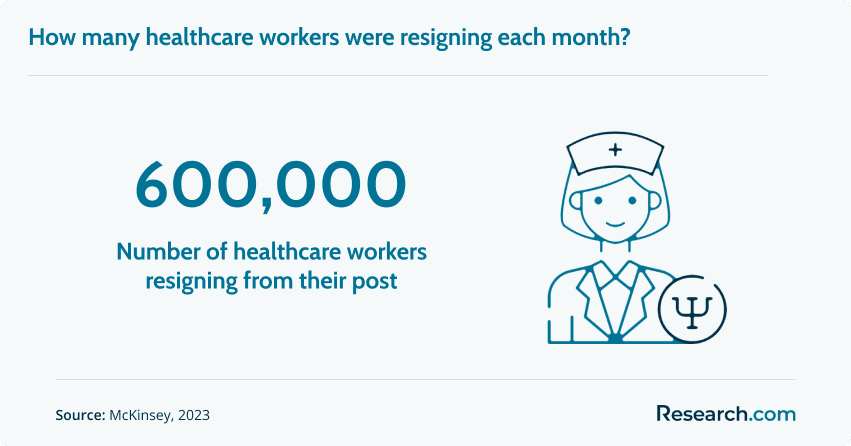
- As of May 2023, around 600,000 healthcare workers were resigning each month, signaling increased turnover across support roles.
- The Certified Medical Administrative Assistant (CMAA) and Certified Electronic Health Records Specialist (CEHRS) are the top two certifications for admin roles.
- Medical assistant roles are increasingly specialized, with over 650,000 employed in the U.S. healthcare system in 2025.
- Task distribution data shows medical assistants split time between patient care and recordkeeping, while admins focus over 80% of their day on scheduling, billing, and office support.
References:
- Bureau of Labor Statistics. (2024). Medical assistants. U.S. Department of Labor. Bureau of Labor Statistics.
- McKinsey & Company. (2024, April 29). How health systems and educators can work to close the talent gap. McKinsey & Company.
- National Center for Competency Testing. (2024). Pass rates. National Center for Competency Testing.
- Wiley Online Library. (2024). The role of medical assistants in primary care: A systematic review. Advances in Public Health.
Other Things You Should Know About Medical Assistant vs. Medical Administrative Assistant
Medical Assistants typically require certification from bodies like the AAMA after completing an accredited program, while Medical Administrative Assistants often do not require certification. However, credentials like the CMAA can enhance job prospects. Certification requirements can vary by state and employer in 2027.
In 2027, medical assistants typically require hands-on clinical training to perform tasks like phlebotomy and patient assessments. Conversely, medical administrative assistants primarily focus on office-related skills, such as patient scheduling and billing, often not requiring the same level of hands-on clinical training.
Yes, in 2027, there are specialized courses for Medical Administrative Assistants, focusing on office management, medical billing, and electronic health records. These courses help enhance organizational skills and proficiency in healthcare software, catered to the evolving demands of medical office environments.


