
2027 Is a Music Education Degree Better Than Experience Alone? Salary, Hiring, and Career Growth Compared

Co-Founder and Chief Data Scientist
In the music education field, degree holders often face a distinct advantage over those relying solely on experience or self-teaching. Licensing and certification requirements in many states mandate a formal degree, limiting entry for non-degree individuals. Salary data from 2025 reveals that degree holders earn an average of 18% more annually compared to experienced peers without formal credentials. Career growth also trends higher for degree holders due to structured advancement paths in schools and institutions. However, some niche roles outside traditional settings value proven skill over credentials. This article explores salary disparities, hiring preferences, and career trajectories to clarify the tangible benefits of pursuing a music education degree.
Key Points About Having Music Education Degrees vs Experience Alone
- Music education degree holders earn on average 18% more than experienced non-degree teachers, reflecting credential value in salary negotiations and institutional budgets.
- Employment opportunities favor degree holders, with 65% of advertised music teacher roles requiring formal academic credentials beyond experience.
- Career growth prospects, including leadership and administrative roles, significantly favor those with music education degrees due to credential-based promotion policies.
What technical proficiencies can you gain from having Music Education degrees vs self-teaching?
Professionals can acquire foundational principles and practical applications of music instruction through formal degree programs, while self-teaching or learning solely on the job often lacks depth and systematic structure. Below are five critical technical skills typically gained from music education degree programs compared to experience-based learning.
- Advanced Music Theory and Analysis: Degree programs provide a rigorous, structured curriculum that enables students to deeply understand complex music concepts. In contrast, self-taught individuals often encounter fragmented learning and may miss nuanced theoretical understanding.
- Orchestration and Arranging: Formal education offers guided practice and exposure to diverse ensembles, helping students master orchestration systematically. Experience-only paths may depend heavily on trial and error without comprehensive mentorship.
- Pedagogical Strategies: Music education degrees emphasize tailored teaching methods for diverse learners, grounded in educational psychology. Self-teachers typically develop instructional techniques through personal trial, lacking broad pedagogical frameworks.
- Conducting Techniques: Degree programs provide hands-on mentorship and real ensemble leadership experience critical for mastering conducting. This skill is difficult to gain through self-study as teaching ensembles and receiving feedback are necessary.
- Technology Integration: Formal coursework combines technical knowledge of music software with instructional design, preparing graduates to incorporate technology effectively. Self-taught individuals might learn software separately but often miss instructional application training.
While some technical skills gained from music education degree programs can be partially developed independently, these degrees offer a depth and breadth that enhances career readiness. This distinction between structured learning and informal experience aligns with research indicating that 68% of employers prefer candidates with formal degrees due to their proficiency in specialized skills.
For students uncertain about pursuing formal training or relying on experience, exploring options like an online SLP masters program may provide insights into the value of guided learning paths. Ultimately, the differences in music education degree versus self-taught proficiencies shape long-term career growth and hiring potential.
Are there certifications or licenses that only Music Education degree holders can obtain?
Continuing education and earning additional credentials can significantly benefit aspiring music teachers, especially as more schools adopt skills-based hiring practices. Certain certifications and licenses require candidates to hold a formal music education degree before eligibility. Here are some key credentials exclusive to music education degree holders:
- State Teaching License: This mandatory credential for public school music educators requires completion of an accredited music education degree program, passing content-specific exams, and fulfilling student teaching hours. Having this license qualifies candidates for teaching jobs and may lead to salary increases and career advancement.
- National Board Certification in Music: Candidates must hold at least a bachelor's degree-often in music education-and possess several years of teaching experience. They must also submit a portfolio demonstrating instructional skills. This certification is recognized for boosting earning potential and signaling a high level of professional expertise.
- Orff Schulwerk Certification: Focused on integrating movement and improvisation into music teaching, this certification commonly requires a music education degree and completion of approved training programs. It helps educators stand out for positions in elementary schools and community music centers.
- Kodály Certification: Designed for educators trained in vocal pedagogy and musicianship, this certification is often preferred or required by school districts. Candidates typically need a music education background to meet its rigorous standards, improving promotion prospects.
- Teacher of Instrumental Music Certification: Certain schools and programs mandate this credential, which requires formal music education credentials to verify the educator's expertise in instrumental teaching.
According to a 2025 education workforce report, 78% of publicly hired music teachers held formal music education degrees along with such certifications, compared to only 42% of self-taught or experience-only musicians. This gap highlights the increasing preference for credentialed candidates in the field.
Pursuing a degree in music education not only prepares students for these essential certifications exclusive to music education degree holders but also aligns with the requirements for state teaching licenses requiring music education degree completion. For those weighing academic credentials against experience, understanding the impact of these certifications on salary and career growth is crucial. For more insight on lucrative educational paths, see the most lucrative college majors.
Will a degree in Music Education make you more employable?
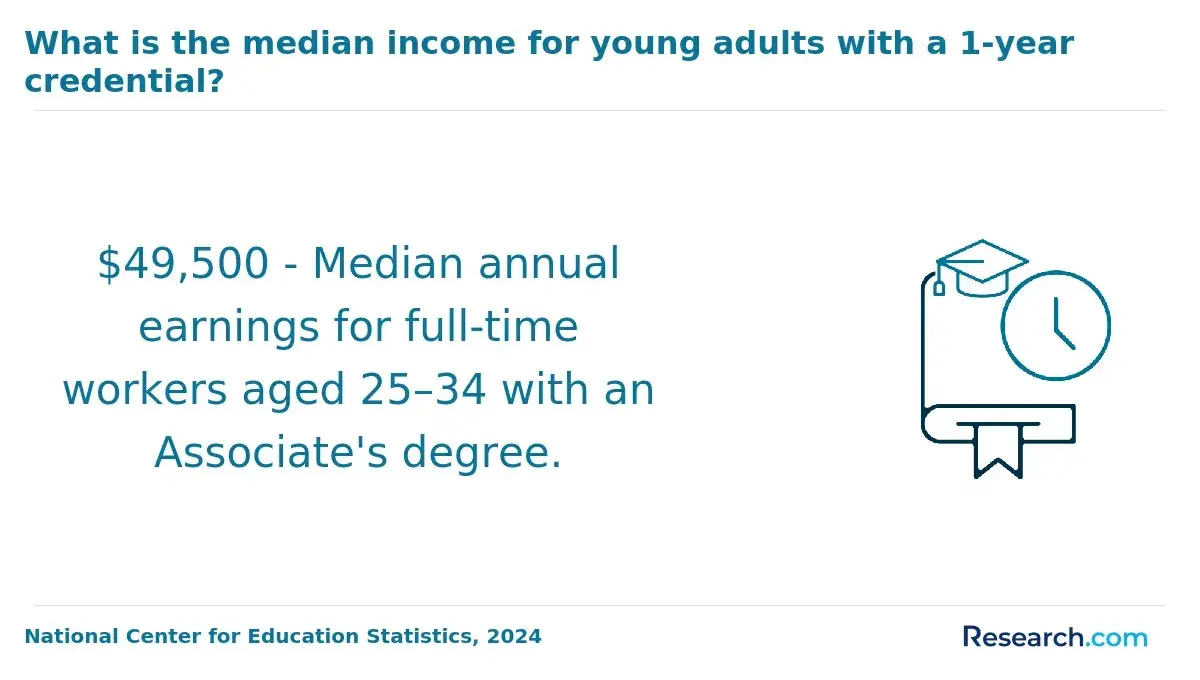
In the job market for music education, candidates with formal degrees generally have an advantage over those relying solely on experience. Many K-12 music programs show a clear preference for applicants holding degrees, as these credentials reflect a structured understanding of pedagogy and curriculum design. Conversely, non-degree holders often find opportunities limited to community centers or private studios that value practical skills and teaching history more than formal qualifications.
The stronger outlook for degree holders comes from several factors: official certification requirements in many schools, comprehensive training in classroom management, and the ability to develop age-appropriate lesson plans. Additionally, degrees often provide access to professional networks and resources that can enhance career growth. While skills-first hiring is slowly gaining traction, these pathways remain less common in traditional educational settings where licensure is mandatory.
Ultimately, the necessity of a music education degree depends on individual career goals. Those aiming for stable positions in public or private education systems will likely need formal credentials, whereas individuals pursuing roles in less formal or entrepreneurial settings may succeed through experience and reputation. Choosing the path that fits long-term objectives and employment environments is key to professional success.
The author spoke with a professional who completed an online music education bachelor's degree and found that the process was both challenging and rewarding. "Balancing coursework with everyday life was tough, especially managing practicums remotely," he said. He also noted the confidence gained from completing a recognized program, which helped him navigate job interviews more effectively. Reflecting on employability, he realized the degree opened doors that would have been hard to access otherwise, though he emphasized that continuous learning and adaptability remain crucial in this field.
What careers are available to Music Education degree holders?
Certain jobs within the music education field require candidates to hold a formal degree, while other roles focus more on skills and job readiness, sometimes favoring experience over credentials. Below are several prominent career paths for music education degree holders, highlighting the typical requirements and responsibilities involved.
- Public School Music Teacher: These educators teach music theory, history, and performance to students across various grade levels. Most states mandate a valid teaching certification coupled with a music education degree, ensuring both pedagogical and musical expertise. While some rural or underserved areas may employ experienced musicians without formal degrees under provisional licenses, certification remains a key requirement in most districts.
- Private Music Instructor: Private instructors provide individualized lessons in instruments or voice. Although many possess formal music education degrees to bolster their teaching credibility, highly skilled performers with strong reputations often substitute for degrees in niche markets. This pathway offers flexibility but typically depends on demonstrated skill and client demand.
- Choir or Band Director: Working in schools or community organizations, these roles demand leadership, ensemble management, and curriculum planning skills. Degree holders are preferred for their comprehensive training in music education methods, but exceptional conductors with proven track records can occasionally secure positions without formal education credentials.
- Curriculum Developer or Arts Administrator: These professionals design music programs and oversee institutional activities, blending educational expertise with organizational skills. Typically, a formal degree is desired; however, musicians with substantial administrative experience may also qualify, particularly within arts organizations or nonprofits.
Data from the National Association of Music Education show that graduates with a music education degree have a 23% higher chance of securing full-time, stable employment compared to those relying solely on experience. Students exploring job opportunities for music education graduates should weigh these statistics carefully when planning their careers.
For those considering related studies, exploring the cheapest paralegal certificate online can offer additional educational pathways and career flexibility beyond music education degree career opportunities.
Does having Music Education degrees have an effect on professional networking?
Music education degree holders benefit from structured networking opportunities that can be hard to find elsewhere. These programs often provide access to faculty members, extensive alumni networks, and partnerships with educational organizations, all of which can open doors to job placements and career development. Such connections frequently lead to referral-based hiring, a prevalent practice within the music education field.
Professionals without formal degrees usually build their networks through local community events, social media groups, and informal gatherings like open mic nights. While these avenues can yield valuable contacts, they tend to lack the broad institutional support and systematic mentorship that degree programs offer. Students in music education programs also gain entry to exclusive resources like university career services, conferences, and internship opportunities that enhance their professional reach.
Key networking advantages for degree holders include access to certified teacher associations, faculty endorsements, and university-sponsored job fairs. In contrast, those relying solely on experience often depend on their immediate circles and workplace contacts. The music education industry relies heavily on these professional networks, making connections forged through academic programs a significant asset for career advancement.
How do Music Education degrees impact promotion opportunities?
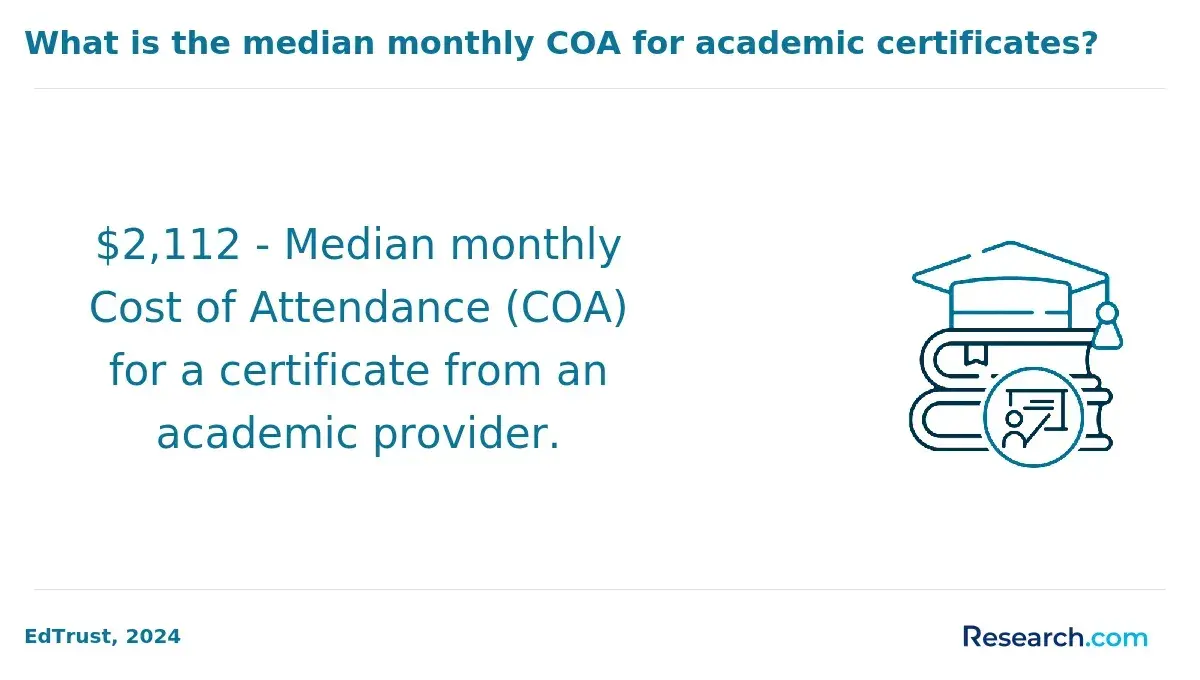
A degree in music education can significantly enhance eligibility for leadership and administrative roles within schools and arts organizations. Many positions, such as department heads or curriculum coordinators, often require formal credentials in addition to experience. The following points highlight why earning this degree may advance career growth for music education professionals.
- Credential Recognition: Employers frequently prioritize candidates with a degree because it demonstrates comprehensive training in both music and instructional methods. This formal background is essential for meeting program accreditation and compliance requirements.
- Leadership Preparation: Degree programs include coursework on educational psychology, curriculum design, and pedagogy, equipping graduates to manage teams and develop programs effectively-skills highly valued in supervisory roles.
- Career Advancement: Holding a music education degree often opens doors to higher salaries and district-level leadership opportunities, supported by strong professional networks and pathways to advanced certifications or graduate studies.
Do Music Education degrees affect a professional's income outlook?
Music education degree holders generally earn more than their non-degree counterparts, especially early in their careers. Entry-level professionals with degrees start with salaries around $40,000 annually, while those without formal qualifications often begin closer to $32,000. This wage disparity reflects the impact of music education degree on salary growth, as degree holders have access to higher-paying positions like specialized instructors and curriculum developers. Professionals relying only on experience may find their income ceilings limited without formal credentials, restricting career income potential for music education graduates over time.
For those considering affordable degree options that support income growth, exploring easy online associate degrees may be a beneficial step.
How long would it take for Music Education degree holders to get an ROI on their education?
On average, pursuing a music education degree costs between $25,000 and $40,000 for a bachelor's program, varying by institution. Typically, graduates see a return on investment (ROI) within 5 to 7 years, since the median starting salary for music educators exceeds $45,000 annually. This ROI timeline can shorten for those who offset education costs with scholarships, grants, or federal financial aid, which are broadly accessible to education students.
Those aiming to maximize ROI might consider accelerated degree programs that allow earlier workforce entry, reducing the break-even point. Research shows that graduates with formal music education degrees earn starting salaries about 20% higher than self-taught educators relying solely on experience, resulting in greater long-term earnings. Combining financial aid with internships and practical teaching experience further boosts employability and salary growth, helping balance upfront costs with sustainable career advancement in music education.
Are Music Education degree holders less likely to be displaced by automation and economic downturns?
The music education field is experiencing shifts as automation and AI tools begin to handle routine tasks such as tuning instruments and providing basic practice feedback. These advances risk displacing roles focused mainly on technical execution. Additionally, economic downturns can increase job uncertainty, especially for those without formal qualifications. However, structured music education programs prepare professionals not only in performance but also in pedagogy, curriculum development, and the integration of technology. These broader skills are less susceptible to automation and help graduates secure positions in schools and community programs that rely on human interaction.
Professionals with degrees in music education benefit from credentials often required for institutional roles, offering a layer of stability during economic instability. By contrast, those relying only on experience or self-teaching may find it harder to navigate job markets disrupted by both technological change and recession. Trends such as hybrid teaching models and a rise in demand for specialized music therapists underscore the importance of formal training that blends diverse methodologies and technology expertise.
When asked about his experience, a professional who earned a bachelor's degree in music education online shared that the degree provided confidence beyond musicianship alone. He recalled initial doubts about whether formal study would translate to job security, but found that mastering curriculum design and educational technology proved invaluable. "Navigating layoffs during the last economic dip was less stressful because my qualifications opened doors to multiple teaching formats," he noted. His journey highlighted the practical benefits of a degree in maintaining career resilience amid automation and economic challenges.
Will a degree in Music Education make it easier to pivot into related industries?
Holding a degree in music education generally makes it easier to pivot into related industries compared to relying solely on experience. Degree holders often possess a stronger theoretical foundation alongside practical capabilities, enabling smoother transitions into adjacent fields. While professionals without formal degrees may have valuable hands-on skills, graduates with credentials tend to demonstrate enhanced curriculum design, analytical, and leadership skills that employers in creative sectors seek. These transferable skills open doors to various roles beyond traditional teaching. Below are some typical industries and role opportunities for music education professionals.
- Arts Administration: This sector offers positions such as program coordinators or arts educators. Graduates utilize their organizational and communication expertise to manage events, outreach, and educational programs supporting arts organizations.
- Music Therapy: Job roles include music therapists or therapeutic program developers. Knowledge in pedagogy combined with musical skills helps in creating interventions that support emotional and physical healing.
- Audio Production: Within audio engineering or production, graduates apply their understanding of performance and sound theory for recording, mixing, and media creation roles.
- Educational Technology: Careers such as instructional designers or content developers benefit from curriculum development skills, adapting musical pedagogy to digital learning platforms and educational software.
Data on how music education degrees impact employment opportunities in creative industries shows that 62% of employers in music-related fields prefer candidates with formal degrees, valuing their adaptability and broader knowledge base. Careers like music director or educational content developer often pay better and offer more growth potential for degree holders. For those exploring alternative credentials, practical experience combined with easy licenses and certifications to get online can also enhance career mobility and salary prospects.
What Graduates Say About Their Music Education Degrees
- Aries: "Graduating with a degree in music education truly set me apart in the competitive job market. The hands-on training and comprehensive coursework not only made me job-ready but also gave me the confidence to lead diverse ensembles with ease. I've seen a clear advantage in promotions and salary growth thanks to the solid foundation my degree provided."
- Massimo: "Reflecting on my journey, earning a music education degree was pivotal in shaping my career path. It wasn't just about the theory - the practical skills and student teaching experience made me highly competitive for roles in schools and community programs. This background constantly opens doors for advancement and raises my value as an educator."
- Angel: "Professionally, my music education degree has been invaluable. It gave me a structured understanding of pedagogy and musicianship, which employers greatly appreciate. The degree's impact on my employment opportunities and salary potential can't be overstated-I've consistently outpaced peers without formal training."
Other Things You Should Know About Music Education Degrees
A music education degree typically provides formal training in diverse teaching methodologies, including curriculum design and educational psychology, which are not always gained through experience alone. Degree holders often learn how to adapt instruction for different learning styles and age groups systematically. In contrast, self-taught professionals may develop effective techniques through trial and error, but may lack a broader theoretical foundation.
Classroom management is a critical skill emphasized in most music education degree programs, which include coursework and practical field experience in maintaining discipline and fostering a positive learning environment. Self-taught educators might acquire these skills in practice, but the structured exposure and training provided by degree programs often result in more consistent and effective classroom management strategies.
In 2027, a music education degree generally provides structured training in cultural competency and diversity, which can enhance an educator's ability to engage diverse student populations more effectively than experience alone. Degree programs often include coursework focusing on inclusive teaching strategies, benefiting educators in diverse classroom settings.
Students in music education degree programs regularly receive structured and guided critical feedback from professors and peers, helping them to refine teaching and musical skills systematically. Self-taught professionals might have limited access to such formal critique, relying mostly on informal or self-assessment. This ongoing, constructive feedback loop in degree programs can accelerate professional growth and pedagogical refinement.
References
- Artificial Intelligence: A revolution in Higher Music Education? Ethical Considerations and Policy Insights. https://aec-music.eu/news-article/artificial-intelligence-a-revolution-in-higher-music-education-ethical-considerations-and-policy-insights/
- What Can Aspiring Musicians Gain From Formal Music Education Over Being Self-Taught? - Merriam Music https://www.merriammusic.com/school-of-music/formal-music-education-vs-self-taught/
- Music Education Franchise Profits: Real ROI & How to Start https://musiclessonsacademy.business/music-education-franchise-profits-real-roi-how-to-start
- Observations and Misconception about the road to Musical Composition (Self Taught or Academia) https://www.youngcomposers.com/t22776/observations-and-misconception-about-the-road-to-musical-composition-self-taught-or-academia/
- Is a Music Degree Worth the Investment? - The Blogging Musician https://adamharkus.com/is-a-music-degree-worth-the-investment/
- Art And Music Education Career Pathways & Earnings https://collegeroi.org/roi/major/art-and-music-education/
- Is Music Education In Danger in the Age of AI? Absolutely Not. — Dr. James Frankel https://www.musictechhelper.com/blog/is-music-education-in-danger-in-the-age-of-ai-absolutely-not
- Why music education matters: Advancing your career through a master’s in music or conducting https://www.messiah.edu/news/2025/11/why-music-education-matters-advancing-your-career-through-a-masters-in-music-or-conducting
- What Can You Do with a Music Degree? https://majoringinmusic.com/what-can-you-do-with-a-music-degree/
- Music Educator Certification - NAfME https://nafme.org/careers/music-educator-certification/


