
2027 Different Types of Music Education Degrees and Their Salaries

Co-Founder and Chief Data Scientist
The demand for skilled professionals in music education continues to rise as schools and institutions recognize the vital role of music in student development and cultural enrichment. According to recent labor market data, employment in this field is projected to grow steadily over the next decade, reflecting expanding opportunities and increased investment in arts education.
Understanding the diverse educational paths available and the corresponding financial outcomes is essential for those seeking to build a career in music education. This article offers a detailed overview of the various music education degrees and provides insight into what graduates can expect to earn, helping prospective students make informed decisions about their academic and professional futures.
Key Points About Different Types of Music Education Degrees and Their Salaries
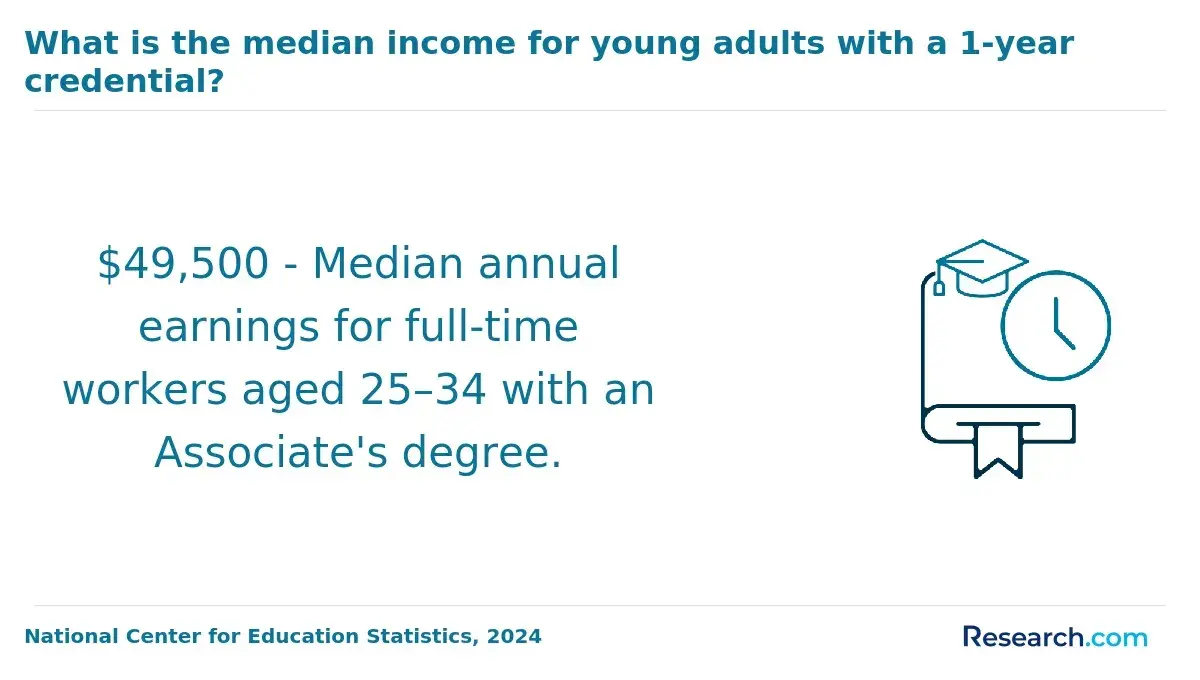
- Associate degrees in music education typically prepare graduates for entry-level roles such as teaching assistants or supplementary music instructors, with median salaries around $35,000 to $40,000 annually, reflecting limited career advancement without further education.
- Bachelor's degrees in music education open doors to certified teaching positions in public schools and private institutions, with average starting salaries ranging from $45,000 to $55,000, and greater opportunities for career stability and benefits compared to associate degree holders.
- Master's degrees in music education often lead to specialized roles such as curriculum developers, music program directors, or college-level instructors, with salaries increasing to an average of $60,000 to $75,000 and enhanced long-term growth potential within education and administrative sectors.
What Are the Different Types of Music Education Degrees Available?
Understanding the different types and levels of music education degrees is crucial for students to select the program that best aligns with their career goals and educational background. Each degree offers distinct focuses and prepares students for various paths within the music field.
Here is an overview of the main types of music education degrees and what makes each unique:
- Bachelor of Music (BM): This degree centers on intensive music study including theory, performance, composition, and history. The coursework is primarily music-focused with minimal non-music classes, designed for students pursuing professional-level training in music disciplines.
- Bachelor of Arts in Music (BA): Combining music studies with a broad liberal arts education, this degree offers academic flexibility. It suits students interested in interdisciplinary studies or double majors, balancing music courses with general education.
- Bachelor of Fine Arts in Music (BFA): Targeted at creative artists, this degree emphasizes deep training in performance or composition. It provides more artistic specialization than a BA but typically less than a BM.
- Bachelor of Science in Music (BS): Focused on application-based music study, this degree integrates music technology, production, or business with scientific and technical coursework. It appeals to students inclined toward the commercial or technical facets of music.
- Master of Arts in Music (MA): Combining advanced music study with pedagogical or academic coursework, the MA builds on the undergraduate foundation. It is suited for those interested in music teaching or research with a balanced mix of music and liberal arts subjects.
- Master of Music (MM): A graduate-level degree offering intensive training focused almost entirely on music areas such as performance, composition, or conducting, deepening expertise beyond the bachelor's level.
- Doctor of Musical Arts (DMA): This advanced practice-based degree emphasizes creative excellence in performance, composition, or conducting. It often requires an original portfolio of work rather than a traditional academic dissertation.
- Doctor of Philosophy in Music (PhD): Focused on scholarly research in musicology, theory, or music education, this degree is research-intensive and prepares students for academic or scholarly careers.
- Artist Diploma (AD): Offering specialized, post-bachelor's performance study with minimal academic coursework, this program is for highly advanced musicians refining artistry at the highest level.
Students exploring these options may also consider accelerated bachelor programs online to advance their academic progress efficiently while choosing the music education degree that best fits their goals.
What Specializations Are Available in Music Education Degrees?
Specialization plays a vital role when choosing a music education degree, as it helps students focus their coursework and skill development toward particular career paths. By selecting a specific track early on, learners can tailor their experience to align with long-term professional goals and gain a competitive edge in the job market.
Common specializations in music education include the following:
- Choral/General Music Education: This specialization focuses on training educators to teach vocal music and lead school choirs. Students develop skills in vocal pedagogy, choral conducting, and repertoire selection, preparing them for roles as choral directors or general music teachers at the elementary through high school levels.
- Instrumental Music Education: Concentrating on band and orchestra instruction, this track emphasizes proficiency in wind, brass, string, or percussion instruments along with ensemble leadership and instrumental pedagogy. Graduates often pursue careers as band or orchestra directors in K-12 schools or community programs.
- Music Technology Education: Here, students learn to integrate technology with music teaching, exploring audio production, music software, and digital instructional methods. Career options include becoming a technology specialist in schools, an electronic music instructor, or an educational technologist.
- Music Administration or Supervision: This area trains students for leadership and management roles in music education, focusing on program coordination, assessment, and educational leadership. Graduates may serve as curriculum coordinators or department chairs overseeing multiple music programs within districts or regions.
For those considering an educational pathway with flexible options and practical outcomes, an easy associates degree may provide a complementary foundation before pursuing specialized music education degrees.
How Long Does It Take to Complete Each Type of Music Education Degree?
Understanding the duration of music education programs is crucial for students as they plan their academic and career paths. Knowing how long each degree typically takes helps manage expectations and coordinate personal and professional commitments.
Below is an overview of the main music education degree types and their typical completion times.
- Associate Degree in Music Education: This program generally takes about two years of full-time study to complete. Part-time enrollment can extend the duration, while transfer credits from high school or other institutions may shorten it. Some community colleges offer accelerated or online options to increase flexibility.
- Bachelor's Degree in Music Education: Typically requiring four years of full-time study, this is the most common credential for those pursuing teaching careers. Students may shorten this timeline by entering with college credits or enrolling year-round. Many universities now provide online courses or hybrid models to accommodate different schedules.
- Master's Degree in Music Education: A master's program usually lasts between one and two years after earning a bachelor's degree. Factors like thesis requirements, part-time status, and enrollment pace can influence completion time. Online and accelerated programs are available at several institutions, making advanced education more accessible.
- Doctoral Degree in Music Education: The doctorate often takes three to five years to complete, depending on research focus and dissertation progress. Full-time students may finish faster, while those balancing work or teaching might take longer. Some programs offer part-time and online formats for greater flexibility.
Breakdown of Private Fully Online Nonprofit Schools (in percentage)

Are There Accelerated Music Education Degree Programs?
Yes, accredited universities across the United States do offer accelerated music education degree programs designed to reduce the time needed to earn both bachelor's and master's degrees.
These programs achieve shorter completion times by combining undergraduate and graduate coursework, often allowing students to double-count graduate-level courses during their senior undergraduate year.
Some universities use year-round academic terms with condensed courses, such as summer and winter sessions or intensive residencies, to maximize learning efficiency. Transfer credits, including AP, IB, or college credits earned prior to enrollment, are also commonly accepted to shorten the undergraduate portion.
This integrated approach frequently includes clinical residencies and teaching practicums embedded within the curriculum to fulfill licensure requirements without extending program duration.
Examples include Virginia Tech's "3+1 Fast Track," which can help students finish both degrees in four years, and 4+1 models at Western Colorado University and Towson University that combine undergraduate and graduate work over five years.
Prospective students considering accelerated music education degrees should be aware of several key factors. The workload in accelerated formats tends to be intense, requiring sustained academic performance and often a minimum GPA for eligibility.
Admission may be competitive and could involve auditions or demonstrated academic achievement, along with prior college credits. While accelerated programs can be cost-effective by saving tuition and allowing earlier entry into the workforce, students must be prepared for limited flexibility in scheduling and high demands on time and effort.
Graduates with master's degrees in music education generally earn higher starting salaries compared to bachelor's degree holders, making these programs an attractive option despite the challenges.
When I spoke with a graduate of an accelerated music education degree program, he reflected on the demanding but rewarding journey. "Balancing the rigorous schedule was definitely challenging - I had to stay focused every single term with barely any downtime," he recounted.
"What really helped was the integration of practical teaching experiences right alongside coursework; it made the pace feel purposeful rather than overwhelming."
He also noted that while the accelerated program pushed him harder than a traditional format might have, it enabled him to start his teaching career almost a year earlier, which gave him a significant boost in both confidence and income. "At times, it felt like a sprint, but looking back, it was the most efficient way to achieve my goals without sacrificing the quality of my training."
This personal experience underscores how accelerated music education degrees, though intense, can be a practical pathway for motivated students ready to embrace the challenge.
Are Online Music Education Degrees as Credible as Traditional Ones?
Online music education degree programs increasingly maintain academic standards comparable to traditional formats by following the same curriculum requirements and securing accreditation from bodies like the National Association of Schools of Music (NASM).
For instance, universities such as Midwestern University require online students to complete identical four-year coursework, including essential subjects like aural skills, music theory, and music history. Applied lessons, which need personalized instruction, are arranged locally for online students with approved teachers to ensure consistent skill development.
Research shows no significant differences in student success or skill acquisition between online and face-to-face students, even in performance-based courses. These outcomes are supported by strong faculty involvement, rigorous course design, and ongoing professional development that help online programs meet or exceed traditional academic expectations.
Employer acceptance of online music education degrees has increased notably in recent years, driven by the growth and accreditation of online programs. Although employers and faculty once favored face-to-face degrees, about 40% of NASM-accredited institutions offered online undergraduate music courses by 2015, and this trend has accelerated.
Today, the credibility of a music education degree depends more on the institution's reputation and accreditation status than on whether the program was completed online or on campus. Employers generally value degrees from well-known, accredited universities regardless of delivery format.
Prospective students can be reassured that the key to long-term value and credibility in music education lies primarily in the quality and accreditation of the institution itself.
How Much Does Each Type of Music Education Degree Typically Cost?
Understanding the differences in tuition costs across music education degree levels is crucial for students aiming to budget effectively and plan their educational financing wisely. These costs vary significantly depending on the degree pursued, the institution type, and the delivery format.
Below is an outline of typical tuition ranges for each type of music education degree:
- Associate Degree in Music Education: Tuition for associate programs generally ranges from $10,330 to $25,153 per year. Public community colleges typically offer the more affordable end, while private institutions command higher rates. Many students benefit from federal grants, state scholarships, and institutional aid, particularly if they attend in-state public colleges.
- Bachelor's Degree in Music Education: Annual tuition for bachelor's degrees usually falls between $23,654 at public universities and over $40,000 at private colleges. Prestigious conservatories and elite music schools may charge upwards of $58,000 to $61,561 annually. Financial assistance often includes merit-based scholarships, federal aid, and work-study opportunities to help offset these costs.
- Master's in Music Education: Master's programs show diverse pricing with public university online options starting as low as $5,600 to $7,252 per year, while national averages hover around $19,749 annually. Private graduate programs can exceed $26,000, and specialized tracks sometimes reach nearly $52,000. Graduate assistantships, fellowships, and loans are common forms of financial support for these advanced degrees.
- Doctorate in Music Education: Doctoral studies represent the highest cost tier, ranging from approximately $71,569 to $87,967 yearly at top institutions. However, many doctoral candidates receive funding through teaching assistantships, research grants, and scholarships aimed at supporting advanced academic work.
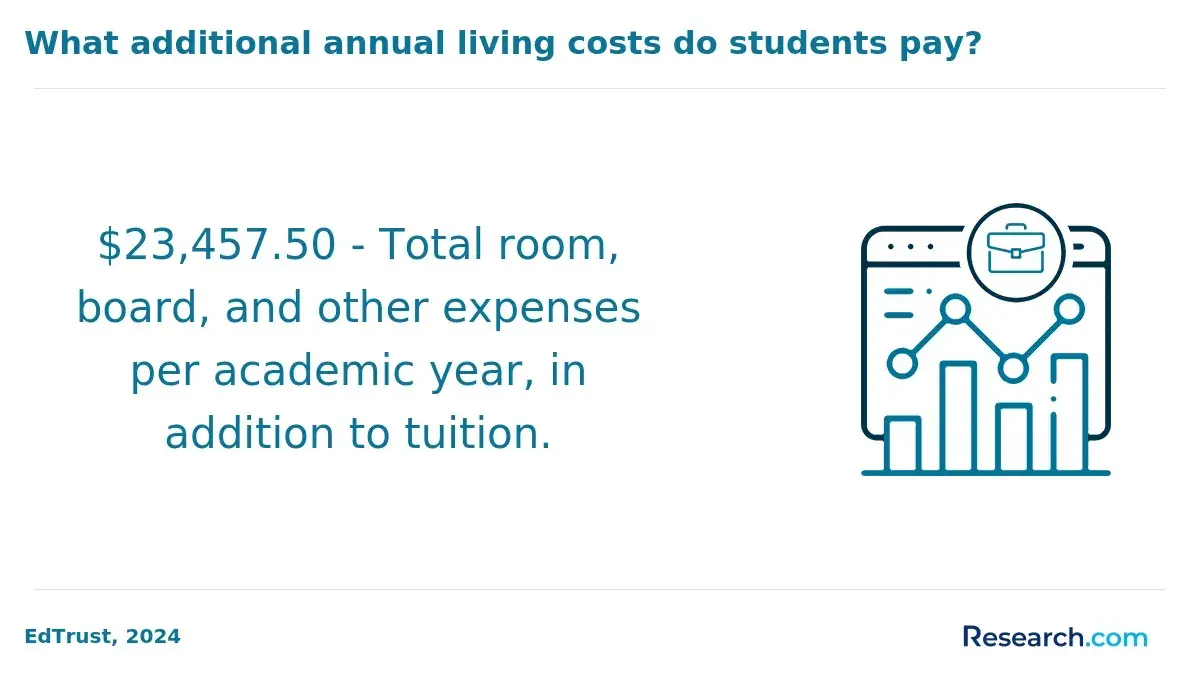
Aside from tuition, students should remain aware of additional expenses such as materials, private lessons, and campus fees, which can substantially increase total costs. Online and hybrid formats may offer cost-effective alternatives, but financial aid is an essential factor across all levels.
When asked about her experience managing degree costs, a graduate of a music education degree program shared her reflective insight: "Balancing tuition with living expenses was definitely challenging, but by applying for scholarships and taking advantage of assistantships, I mitigated a lot of the financial pressure. It wasn't just about paying for school; it was an investment that opened doors for me professionally."
She also noted that the practical skills and network she gained during her program directly contributed to her ability to secure a fulfilling teaching position shortly after graduation.
Her journey underscores the value of exploring all financial aid options and viewing educational expenses as a strategic foundation for a sustainable career path.
What Jobs Can You Get with Each Type of Music Education Degree?
The level of a music education degree significantly influences the types of career opportunities available, with higher degrees qualifying graduates for more specialized and higher-paying roles. Graduates may find themselves in various roles ranging from entry-level teaching to advanced leadership and academic positions.
Below is an overview of common jobs associated with each type of music education degree:
- Associate Degree in Music Education: Graduates often work as music teaching assistants, youth music program aides, or community music instructors in after-school or recreational programs. These roles typically involve supporting lead teachers, assisting with lesson preparation, and offering group instruction in fundamental music skills.
- Bachelor's Degree in Music Education: This degree is generally the minimum requirement for K-12 music teacher positions in public and private schools across the U.S. Graduates may also serve as private instrument or voice instructors, music program coordinators, or ensemble directors, with responsibilities including curriculum design and student performance preparation. For students exploring career options, considering the best bachelor degrees to make money can be a useful guide.
- Master's Degree in Music Education: With a master's degree, professionals can advance to department head positions, postsecondary (college/university) music instructors, or music curriculum specialists. They might also work as conductors or music directors for larger ensembles. These roles typically come with higher salaries, reflecting increased responsibility and expertise.
- Doctoral Degree (Ph.D. or Ed.D.) in Music Education: Those holding doctoral degrees usually qualify for roles such as university professors, researchers, or higher education administrators. They often engage in research, curriculum development, and training future educators, with earning potential reaching $80,000 to $100,000 or more depending on institution and seniority.
How Do Salaries Differ by Music Education Degree Type?
Degree level often plays a significant role in determining earning potential within music education, with advanced qualifications generally opening doors to higher salaries and expanded career opportunities. Understanding these differences can help students make informed decisions about their education and future careers.
Below is a list outlining typical salary ranges for various music education degree types:
- Associate Degree in Music Education: Positions for those with an associate degree tend to be entry level, with salaries typically ranging from $20,000 to $35,000 annually. These roles are often support or paraprofessional, mainly in school settings, and advancement may require further education as earning potential is usually limited without additional qualifications.
- Bachelor's Degree in Music Education: Graduates holding a bachelor's degree start with an average salary around $36,800 per year. Experienced teachers may earn between $38,300 and $75,000 depending on factors such as school district, region, and certifications. Public school music teachers in higher-paying states like New York or California can see salaries exceeding $79,000. Typically, moving up the pay scale requires pursuing a master's degree or additional specialist credentials.
- Master's Degree in Music Education: Those with a master's degree generally experience a noticeable increase in salary, with average earnings near $60,300 annually. Secondary school music teachers and choir directors often earn between $60,000 and $63,000, while postsecondary instructors can earn a median salary of $69,010, with top salaries in some areas surpassing $100,000. Location, specialization, and experience remain crucial factors influencing pay.
- Doctorate in Music Education: Doctoral degree holders typically qualify for university faculty or research roles that offer the highest earning potential. Average salaries for professors hover around $95,500, with some reaching up to $148,975 at senior levels. These positions require considerable experience and scholarly credentials and represent the pinnacle of long-term professional advancement in music education.
Is There High Demand for Music Education Degree Holders in the Job Market?
There is moderate but steady demand for music education degree holders in the US job market, driven largely by workforce needs in K-12 public schools, private institutions, and increasingly in community and freelance settings.
Employment projections from the U.S. Bureau of Labor Statistics indicate about 4% growth for postsecondary art, drama, and music teachers until 2031, aligning with the national average for all occupations.
For K-12 music teachers, the market comprises roughly 123,900 positions nationwide, with an expected job growth of 3.1% to 2032. This sustained demand is supported by research highlighting the cognitive and social benefits of music education, which encourages schools to expand programs and prioritize hiring qualified educators.
Emerging technologies such as Zoom and Google Classroom, which became more prevalent during the COVID-19 pandemic, have also broadened opportunities by allowing music educators to work remotely or in hybrid teaching models. As a result, adaptability and digital literacy have become critical skills in this evolving landscape.
Regional differences significantly influence job availability and salary levels for music education graduates. States like California, New York, and Texas have the highest concentrations of music teachers, while urban centers tend to offer more jobs due to active community outreach and strong demand for private and freelance instruction.
Salaries vary notably with educational attainment; music teachers holding a master's degree earn an average of $60,300 annually, which is approximately 5% higher than those with only a bachelor's degree. Although factors such as school budget constraints and demographic shifts can affect openings in certain regions, the overall job outlook remains positive.
Many music educators supplement their income through private lessons or freelance work, adding flexibility to career paths within the field. For students and graduates, being technologically proficient and open to diverse teaching environments enhances employability and career stability in music education.
Prospective students interested in understanding how these trends intersect with educational options can explore the top schools with national accredited status that support this field.
What Factors Should You Consider When Picking a Type of Music Education Degree?
Choosing the right music education degree level is a critical decision because it shapes your career opportunities, salary potential, and personal fulfillment in the field. Aligning your education with both your professional goals and personal circumstances helps ensure long-term success and satisfaction.
Consider these key factors when deciding which degree path is best for you:
- Career Goals: Your intended role in music, such as teaching, performance, administration, or research, determines the degree level needed. For example, public school music teachers often require a bachelor's degree, while college educators or researchers typically need advanced degrees like a master's or doctorate.
- Salary Potential: Higher degree levels generally lead to increased earning potential. Music teachers with a bachelor's degree earn about $47,000 annually on average, whereas those with master's or doctoral degrees can earn significantly more, especially in postsecondary settings, where median salaries reach $77,400.
- Time Commitment: Degree programs vary in duration and intensity. Bachelor's degrees usually take four years, master's degrees one to two years beyond that, and doctorates an additional three to five years. It is important to consider your availability and willingness to commit this time, especially if you have work or family responsibilities.
- Academic Focus and Flexibility: Some degrees like the Bachelor of Arts provide broader liberal arts training and flexibility for double majors or diverse careers, while degrees like Bachelor of Music or Master of Music emphasize intensive music study, ideal for professional musicianship.
- Admission Requirements: Graduate and doctoral programs often require auditions, portfolios, and relevant undergraduate degrees. Assess your current qualifications and preparedness to meet these prerequisites before applying.
What Music Education Graduates Say About Their Degree and Salary
- James: "Completing my bachelor's degree in music education gave me the hands-on experience I needed to confidently lead school ensembles and manage diverse classroom settings. The program's strong emphasis on both theory and practical application helped me discover innovative ways to engage students with varying musical backgrounds. Now, as a band director, I'm continually inspired by how music can unite and empower young people in my community. The stability and growth opportunities in this field have exceeded my expectations, and I'm proud to be shaping the next generation of musicians. "
- Seth: "Finishing my master's degree in music education was a transformative journey of both personal and professional growth. The advanced coursework allowed me to refine my pedagogical techniques and opened doors to curriculum development roles within leading arts organizations. I appreciate how the degree fostered a reflective practice, encouraging me to adapt and innovate my teaching strategies to meet students' emotional and creative needs. This program truly deepened my passion for mentoring emerging artists while impacting the broader community positively. "
- Michael: "Pursuing my doctorate in music education challenged me to approach music instruction through a research-driven lens, which has been essential in my role as a university professor. The depth of study prepared me to contribute to scholarly discourse and advocate for equitable access to music programs nationwide. Balancing rigorous academic demands with teaching commitments taught me resilience and strategic time management. This degree not only enhanced my career prospects but also enabled me to influence policy and inspire future educators in meaningful ways. "
Other Things You Should Know About Music Education Degree Programs & Salaries
In 2027, pursuing a master's degree in music education can lead to higher salaries and advanced teaching positions. Graduates often become music directors or department heads, with salaries typically ranging from $50,000 to $80,000 annually. The advanced study also provides deeper pedagogical knowledge and specialized skills.
In 2027, music education degrees offer various specializations like Music Composition, Performance, Music Therapy, Conducting, and Ethnomusicology. Each degree path can lead to distinct career opportunities with unique salary prospects depending on the chosen specialty and educational level.
In 2027, the average salary for a music teacher with a bachelor's degree is approximately $47,000 annually. Salaries can vary based on location, experience, and specific school district budgets. Public school positions tend to offer more consistent pay compared to private settings.
References
- What Can You Do With a Music Degree? List of 60+ Music Jobs https://musicschoolcentral.com/what-can-you-do-with-a-music-degree/
- Most Affordable Online Masterâs of Music Education Programs 2025 | Academic Influence https://academicinfluence.com/rankings/affordable-online-masters-music-education
- Sign in to your account https://intranet.music.indiana.edu/departments/academic/music-education/degrees.html
- Music Degrees: The Different Types of College Music Majors Explained https://www.careersinmusic.com/music-degrees/
- 10 Types of Music Degrees - Inside Music Schools https://insidemusicschools.com/blog/the-10-different-types-of-music-degrees/
- UB launches accelerated five-year music education program - College of Arts and Sciences - University at Buffalo https://arts-sciences.buffalo.edu/news-and-events/recent-news/2025/music-education-program.html
- How Much Do Music Teachers Make | Insurance Canopy https://www.insurancecanopy.com/blog/how-much-music-teachers-make
- Music Degrees – Reviewing the Options https://majoringinmusic.com/music-degrees/
- 6 cheapest music schools for international students https://studyinternational.com/news/cheapest-music-school/


