
2027 How Much Does a Music Education Degree Program Cost? Tuition, Fees & Total Expense Breakdown

Co-Founder and Chief Data Scientist
Estimating the true cost of a music education degree program can be challenging, as tuition frequently rises faster than general inflation. Recent data shows average annual increases of about 4. 5% in tuition and fees for music education, making it difficult for students to plan adequately. Unexpected costs like instrument rentals and ensemble fees often further complicate budgeting.
This article breaks down tuition, mandatory fees, and additional expenses typical of music education programs. By understanding these elements, students can compare institutions more effectively, prepare realistic budgets, and avoid surprises during their studies, ensuring better financial planning throughout their academic career.
Key Benefits of Knowing the Music Education Degree Program Cost in 2026
- Knowing the total cost helps students budget effectively, avoiding unexpected financial burdens during the 4-year music education degree, which averages $35,000 to $50,000 annually nationwide.
- Understanding fees and tuition breakdown illuminates cost differences between public and private institutions, guiding informed decisions about value and return on investment.
- Detailed expense awareness supports planning for supplementary costs like instruments, sheet music, and performance fees, which average $1,200 per year in addition to tuition.
What Expenses Are Included in the Full Cost of a Music Education Degree?
Accurately calculating the full cost of a music education degree is crucial for effective financial planning, as expenses extend well beyond tuition alone. Knowing each component helps prospective students budget realistically for their education.
When reviewing 2026 total music education degree program expenses, several key cost categories should be considered:
- Tuition and mandatory institutional fees: Tuition costs vary widely, typically from $10,000 to $40,000 annually depending on whether the school is public or private. Institutional fees cover essential services like campus facilities and student support.
- Books, sheet music, and supplies: Students often need specialized textbooks and sheet music costing between $500 and $1,000 per year, along with potential instrument purchases or repairs.
- Technology and software needs: Essential tools for music education such as composition software, recording equipment, or laptops can add $500 to $1,500, especially in programs emphasizing digital skills.
- Clinical, lab, or ensemble fees: Fees for teaching practicums, lab use, or ensemble participation usually range from $200 to $600 per semester and may cover extra instruction or instrument rentals.
- Living and personal expenses: Housing, food, transportation, and personal costs vary significantly by location but average around $11,000 per year based on College Board data.
For students seeking shorter or alternative pathways, reviewing options like the top 6 month associate online degree programs can be a useful supplement when comparing typical 2026 total Music Education degree program expenses and preparing for the full cost breakdown music education degree 2026 entails.
What Is the Average Total Cost of a Music Education Degree Program in 2026?
The average total cost of a music education degree program in 2026 ranges from $40,000 to over $120,000 in the U.S., depending largely on the type of institution and program format. The total cost includes tuition, fees, supplies such as instruments and materials, as well as estimated living expenses.
Understanding this comprehensive expense is important for prospective students to effectively plan their academic and financial futures, especially since costs fluctuate based on whether the program is offered in-person, hybrid, or online.
According to recent data, public institutions generally charge between $40,000 and $70,000 for a four-year music education degree, while private institutions often exceed $80,000. Regional differences also influence expenses, with urban campuses typically having higher living costs.
Additional factors, such as ensemble participation fees, further affect the total charges. Students exploring affordability should compare these variables alongside scholarships and financial aid options. Those curious about which bachelor's degree is the easiest to get may also find this information relevant when considering their educational investment. The music education degree tuition and fees breakdown for 2026 reflects these diverse cost drivers across the country.
What Mandatory Fees Do Schools Charge for a Music Education Program in 2026?
Mandatory fees are additional charges required by colleges that are separate from tuition but essential for covering various services and resources used by students. These fees contribute to the overall cost of attendance and vary depending on the institution and program.
Below is an outline of common mandatory fees charged in music education degree program charges in 2026.
- Technology fees: Cover access to specialized music software, online resources, and media equipment essential for coursework, ranging from $100 to $400 per semester.
- Lab or clinical fees: Support hands-on learning in practice rooms, ensemble rehearsals, and studio instruction, typically adding $150 to $500 per semester for instrument and facility maintenance.
- Student services fees: Fund campus support such as counseling, career services, and student organizations, usually costing between $200 and $350 annually for music education majors.
- Assessment or testing fees: Charged for proficiency exams, juries, or standardized music theory tests required for program progression, commonly ranging from $50 to $150 per assessment.
- Campus facilities fees: Maintain concert halls, rehearsal spaces, and general campus upkeep, often amounting to $100 to $300 per semester.
According to the College Board's 2023 Trends in College Pricing report, these mandatory fees can increase base tuition costs by approximately 10 to 20 percent at many public and private universities offering music education. Students evaluating total expenses should also consider exploring low cost online associate degrees as a potential pathway to reduce overall educational investment.
Understanding these mandatory fees and their impact on music education programs helps prospective students prepare for the full scope of program charges in 2026.
Are There Additional Program Fees for the Music Education Major in 2026?
Students pursuing a music education degree in 2026 should anticipate additional program-specific fees beyond general tuition and university charges. These extra costs arise from specialized resources and requirements unique to the major.
Common fees include the following:
- Specialized lab or ensemble fees: These cover access to practice facilities, group rehearsals, and performance spaces, often ranging from $100 to $300 per semester.
- Program-specific software costs: Annual expenses for music composition, arranging, and recording software typically fall between $50 and $200.
- Licensing or certification preparation fees: Students aiming for K-12 teaching credentials may face additional costs of several hundred dollars, varying by state and program.
- Required equipment and supplies: Expenses for instruments, sheet music, and maintenance can total $500 or more yearly, depending on individual needs.
- Fieldwork or practicum costs: Transportation, venue rentals, or other fees connected to off-site placements can add to the overall expenditure.
Collectively, these fees can increase the total cost of a music education degree by approximately 10-15% annually, according to data from the National Association of Schools of Music and university catalogs.
How Much Do Required Supplies or Equipment Cost for a Music Education Major?
Accurately budgeting for a music education program involves recognizing the additional costs associated with required supplies and equipment beyond tuition. These expenses can significantly affect the overall financial commitment and should be factored into total program planning.
Common supplies and equipment typically needed by music education students include the following:
- Instruments: Students may need to purchase or rent instruments, with prices ranging from $200 for entry-level models to over $3,000 for professional-grade options.
- Specialized accessories: Items such as metronomes, music stands, and tuners are often mandatory, generally costing between $50 and $150.
- Technical software: Programs like Sibelius and Pro Tools are used for notation and audio editing, usually requiring annual licenses priced from $100 to $400.
- Protective gear: Cases and mouthpieces protect instruments and may add additional costs depending on quality and type.
- Lab kits: Used in courses for ear training or acoustics experiments, these kits typically cost between $100 and $200.
Overall, supply and equipment costs for music education students generally fall between $500 and $1,500 annually, varying by institution and individual requirements.
What Are the Typical Living, Food, and Travel Expenses for Music Education Students?
Living, food, and travel expenses significantly impact the overall cost of pursuing a music education degree, with variations depending on location and individual choices. These costs can fluctuate widely based on urban versus rural settings and lifestyle preferences. Below are key expense categories commonly faced by students:
Essential expense factors include:
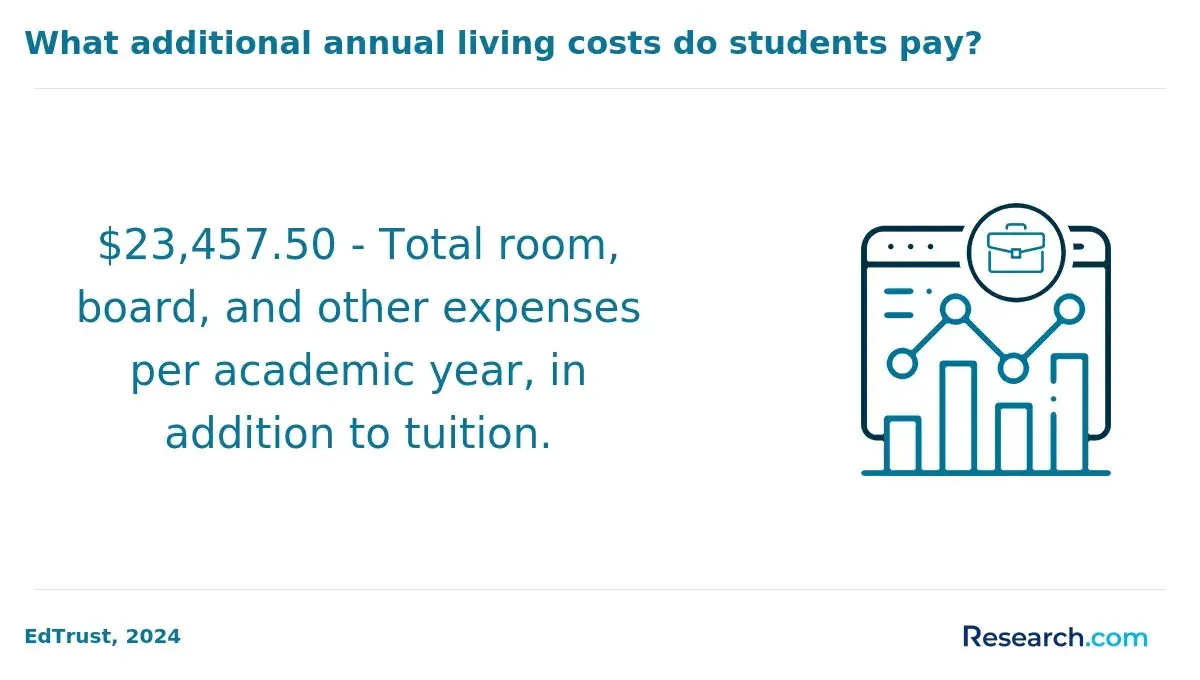
- Housing and utilities: Annual room and board typically range between $11,000 and $13,000 at public universities, though costs increase in cities with a higher living expense and may be lower in college towns or rural areas.
- Groceries and dining: Food expenses generally fall between $3,000 and $4,000 yearly, influenced by cooking habits and the option of campus meal plans.
- Local transportation: Budgeting should cover daily travel needs such as buses, rideshares, or bike maintenance, which vary by campus location and student lifestyle.
- Travel related to internships and fieldwork: Students often travel to schools or performance sites as part of clinical placements, which can include costs for transportation, lodging, and meals.
- Instrument transport: Larger or specialty instruments may require additional fees for shipping or special accommodations during travel.
One student pursuing a music education degree shared insights when asked about her expenses. She explained that managing housing costs was challenging, especially when balancing off-campus rent with utility bills, noting, "I had to carefully monitor my budget to avoid surprises like high winter heating bills."
Food expenses were another juggling act; she often cooked at home to save money but allowed occasional dining out to maintain balance. Traveling for internships sometimes introduced unpredictability-"There were times I had to arrange special transport for my cello, which added unexpected expenses and some stress."
Despite these hurdles, she emphasized that thoughtful planning and flexibility helped her navigate these costs without compromising her academic goals, reflecting a realistic yet hopeful perspective on financing a music education degree.
Do Music Education Programs Require Internships or Residencies that Add Cost?
Many music education programs require internships or residencies that contribute to overall program costs. These practical experiences are crucial for developing essential teaching skills such as lesson planning, classroom management, and hands-on instruction under licensed educators' supervision.
Typically, internships take place in public or private schools, community centers, or music programs and last a semester or an entire academic year. Residencies, although less frequent, involve intensive short-term teaching placements. While generally mandatory, these experiential components vary by program and can significantly affect total expenses depending on their duration and location.
Additional costs tied to internships or residencies often include travel to off-campus sites, housing if accommodations are needed, insurance fees, and purchasing necessary teaching materials or equipment. According to recent surveys, about 60% of programs expect students to cover these expenses independently, which can range from a few hundred to several thousand dollars.
Prospective students should carefully budget and inquire about financial aid or institutional support to manage these supplemental costs effectively during their studies.
Are Online Music Education Programs Cheaper Than On-Campus Programs in 2026?
Most music education programs allow students to switch between part-time and full-time enrollment, though this option depends on institutional policies. Typically, students must submit a formal request or complete a change of status form and obtain advisor approval. Important considerations before switching include financial aid eligibility, course availability, and how the change may affect degree completion time.
Institutions usually require students to be in good academic standing to approve enrollment adjustments. These factors ensure students maintain progress while adjusting their course load.
Common requirements for switching enrollment involve verifying academic performance, as institutions prioritize students who demonstrate satisfactory progress. Financial aid packages can change based on credit load, so students often need to review implications with the aid office.
Course offerings sometimes limit part-time students' access to certain classes, influencing scheduling. Advisor consultations are critical to aligning enrollment status with graduation goals and certification standards. Shifting between statuses may lengthen or shorten the time needed to graduate, depending on course plans.
When I asked a graduate who completed a full-time music education degree about his experience switching from part-time, he reflected on the complexity of making the transition. "It was daunting to navigate the paperwork and get all the approvals," he shared, "but having a supportive advisor made a huge difference."
He noted the challenge of balancing life commitments initially, which made part-time attractive, yet moving to full-time helped him take advantage of more courses and finish sooner. "Switching felt like the right step to stay focused and meet my goals," he added, highlighting the positive impact of flexibility within the program.
How Much Does a Full-Time Music Education Program Cost Compared to Part-Time?
Financial planning is essential for students choosing between part-time and full-time enrollment in music education programs, as costs can vary significantly. Being aware of these cost differences helps prospective students make informed decisions about balancing expenses and time to degree completion.
Below is a clear comparison examining how tuition, fees, and other expenses impact overall cost.
Full-time music education programs
- Tuition per credit: Full-time students typically enroll in 12 to 18 credit hours per semester. This workload leads to higher per-semester tuition bills but a lower overall cost per credit due to accelerated completion.
- Total program cost: In-state tuition for full-time undergraduates averages about $4,700 per semester at public schools, resulting in a total tuition cost between $37,000 and $50,000 through the entire four-year program.
- Mandatory fees: Students must pay fees for technology, instrument rental, and ensemble participation; these apply equally regardless of enrollment status.
- Supplies and equipment: Annual costs for sheet music, instrument upkeep, and specialized software generally range from $500 to $1,200 depending on program requirements.
- Living and travel expenses: Full-time students may have more predictable expenses concentrated during academic terms, potentially reducing extended living costs compared to part-time peers.
Part-time music education programs
- Tuition per credit: Part-time enrollees take between 3 and 9 credits per semester. While per-credit tuition can be similar or sometimes higher than full-time rates, fewer credits per term lengthen program duration.
- Total program cost: Prolonged enrollment leads to accumulating tuition and fees over additional semesters, often increasing overall expenditure despite smaller individual bills.
- Mandatory fees: Like full-time students, part-time students incur technology and instrument-related fees, which may feel more burdensome when spread over a longer timeframe.
- Supplies and equipment: Similar annual supply costs apply, but extended time to completion may increase aggregate spending on materials and maintenance.
- Living and travel expenses: Evening or weekend classes can drive higher travel costs and living expenses, especially if balancing work and study.
When comparing 2026 music education program tuition, considering these factors helps clarify how program duration, credit load, and class scheduling affect total cost. Prospective students seeking financial aid and flexible options may also explore online schools accept fafsa, which can offer additional budgeting benefits.
Cost transparency supports better financial decisions for full-time vs part-time music education degree cost 2026, equipping students to align their academic paths with personal financial goals.
What Hidden Fees Increase the Cost of a Music Education Program in 2026?
When planning for a music education degree program in 2026, students should carefully consider hidden fees that often increase the total cost beyond tuition and mandatory charges. Accounting for these additional costs helps avoid surprises and ensures a more accurate financial plan.
Common hidden fees to watch for include the following:
- Late registration fees: Charged when enrollment deadlines are missed, these fees range from $50 to $200 and encourage timely registration.
- Library or printing fees: Covering access to specialized music resources, scores, and print materials, these fees may add $30 to $100 per semester.
- Lab consumables: Supplies used in practice labs or tech-enhanced classrooms, such as paper, instrument batteries, or software licenses, can cost between $20 and $150 annually.
- Exam or certification fees: Required for teaching credentials, these can include Praxis exams costing around $120 each, adding several hundred dollars to total expenses.
- Parking and transportation costs: For students using personal vehicles or public transit, permits and fares can accumulate expenses ranging from $300 to $800 per academic year.
Being aware of these hidden fees in 2026 music education programs is essential for creating a comprehensive budget. For those interested in practical career paths, exploring the careers you can pursue after trade school offers additional insight into viable options beyond traditional degrees.
What Graduates Say About the Cost of Their Music Education Degree
- Ivy: "Pursuing a music education degree was definitely a significant financial commitment, with the average cost of attendance around $30,000 per year. However, the hands-on learning experience and the supportive community made managing living expenses more feasible through scholarships and part-time jobs. Looking back, the ROI has been incredible as I've secured a rewarding teaching position that fulfills my passion and offers steady growth."
- Peter: "While the tuition and living costs were a challenge, I found the immersive learning environment invaluable in navigating those obstacles effectively. Balancing expenses with student budgets taught me essential life skills beyond music education itself. Ultimately, the degree's value became clear as it opened doors to various educational settings, making the initial investment worthwhile both personally and professionally."
-
Richard: "
The cost of attending a music education program initially felt daunting, but careful financial planning and on-campus work opportunities eased the burden. The comprehensive coursework and practicum experiences truly prepared me for the realities of teaching, demonstrating a strong return on investment. Today, I appreciate how the degree enhanced my skills and employability in a competitive field."
Other Things You Should Know About Music Education Degrees
Yes, there are scholarships specifically for music education students in 2027. Institutions often offer merit-based and need-based scholarships, and professional organizations, such as the National Association for Music Education, provide additional funding opportunities. Prospective students should research and apply early to maximize their chances.
In 2027, the cost of a music education degree is primarily influenced by tuition rates, program duration, and institutional prestige. Additional factors include mandatory fees, living expenses, and geographical location. Demand for professionals can indirectly affect costs through potential financial aid and scholarship availability.
In 2027, the average tuition for a music education degree in the United States ranges from $10,000 to $30,000 annually for in-state students at public institutions and can exceed $50,000 per year at private colleges. These figures exclude additional costs like housing, books, and fees.
The length of a music education program significantly affects the total cost. Longer programs generally accrue more tuition fees and living expenses. A four-year program in 2027 might cost more overall than an accelerated program, which could reduce the financial burden by allowing students to enter the workforce sooner.
References
- SCHMOPERA | Is the Cost of a Music Degree Ethical? https://www.ludwig-van.com/toronto/2015/03/10/schmopera-is-the-cost-of-a-music-degree-ethical/
- Master of Education - Royal Northern College of Music https://www.rncm.ac.uk/study-here/what-you-can-study/graduate/master-of-education/
- Master of Music Education Courses, Schedule and Tuition - University of Wisconsin-Stevens Point https://www.uwsp.edu/music/master-of-music-education-courses-schedule-and-tuition/
- Tuition & Aid | Cost of Music Education Degree https://und.edu/programs/music-education-bm/cost.html
- Traditional Music Degrees and Online Music Courses https://aaft.com/blog/music/online-music-courses-vs-traditional-music-degrees/
- Graduate Cost for Music https://www.colorado.edu/bursar/costs/graduate-costs/graduate-costs-music
- Music Degree Requirements https://www.carthage.edu/academics/majors-minors/music/degree-requirements/
- Music Education MA https://www.ucl.ac.uk/prospective-students/graduate/taught-degrees/music-education-ma
- The Costs of Music Lessons and How to Budget for Them - Groove Academy https://grooveacademy.ca/2025/07/26/the-costs-of-music-lessons-and-how-to-budget-for-them/
- Music Education MMEd https://online.usm.edu/graduate/music-education-online-degree/


