
2027 Which Music Education Degree Careers Offer the Best Return Without Graduate School?

Co-Founder and Chief Data Scientist
Considering the rising cost of higher education, many prospective students wonder if pursuing a bachelor's degree in music education alone can lead to rewarding careers without the burden of graduate school debt. Recent data shows that about 40% of music education graduates enter the workforce within two years without further academic credentials, yet concerns remain about their long-term earnings potential.
With various entry-level roles such as choir director, private instructor, or elementary music teacher accessible with a bachelor's degree, identifying which careers offer the strongest return on investment is crucial. This article explores those options to guide informed decisions.
Key Benefits of Music Education Degree Careers That Offer the Best Return Without Graduate School
- Music education careers often offer strong starting salaries with average annual growth of 3-5%, enhancing long-term return on investment without the cost of graduate education.
- Stable demand in schools and community programs ensures consistent job opportunities, supporting financial security and career advancement over time.
- Entry requirements typically focus on bachelor's degrees and certification, enabling quicker workforce entry and earlier salary accumulation compared to careers needing graduate degrees.
Which Music Education Careers Offer the Best Return Without Graduate School?
Evaluating the return on investment (ROI) in music education careers is crucial for those seeking high-paying music education jobs without graduate degree requirements. With the median annual wage for music directors and composers near $52,000, identifying roles that balance salary potential and stability matters. The following options highlight top career paths for music education graduates without masters that offer strong ROI.
- Public School Music Teacher: This role provides steady employment with benefits and tenure opportunities within the public education system. Demand for qualified teachers remains consistent, offering long-term job security and professional advancement without necessitating graduate study.
- Private Music Instructor: Teaching privately or through music schools allows flexibility and entrepreneurial growth. In communities that value arts education, this career can generate reliable income without requiring a master's degree, making it a favorable option for income-focused graduates.
- Community Music Coordinator: Managing local ensembles or music programs blends administrative duties with artistic engagement. Funded by community organizations, this position affords leadership opportunities and growth potential while maintaining a career focused on music education without further schooling.
- Instrument Repair Technician: Specializing in the repair and maintenance of musical instruments leverages technical skill combined with music knowledge. This niche profession experiences steady demand and delivers strong, consistent income without the need for advanced academic credentials.
What Are the Highest-Paying Music Education Jobs Without a Master's Degree?
Evaluating the earning potential in music education careers without pursuing a master's degree is essential for many students focused on strong financial returns with a bachelor's qualification. The U.S. Bureau of Labor Statistics reports that the median annual wage for elementary, middle, and high school music teachers is about $63,000. Below are some of the highest-paying music education jobs attainable with only a bachelor's degree.
- Public School Music Teacher: This role typically offers salaries ranging from $50,000 to $70,000 annually, depending on location. Public school teachers design music curricula and lead student ensembles while enjoying government benefits, making it a stable, well-paying career path.
- Private Music Instructor: Private instructors can earn between $40,000 and $80,000 yearly, depending on their specialization and student base. Successful teachers often expand their practice by teaching multiple instruments or niche genres, significantly increasing their income.
- Music Director for Community Organizations: Leading music programs at community centers or youth orchestras often yields earnings from $45,000 to $75,000 per year. This position combines leadership and education, producing strong remuneration without advanced degrees.
- Corporate Music Educator: Facilitating music workshops and team-building sessions for companies offers salaries typically between $50,000 and $70,000 annually. These roles require a mix of music expertise and presentation skills, positioning them among the better-paid bachelor-level options.
Which Industries Offer High Salaries Without Graduate School?
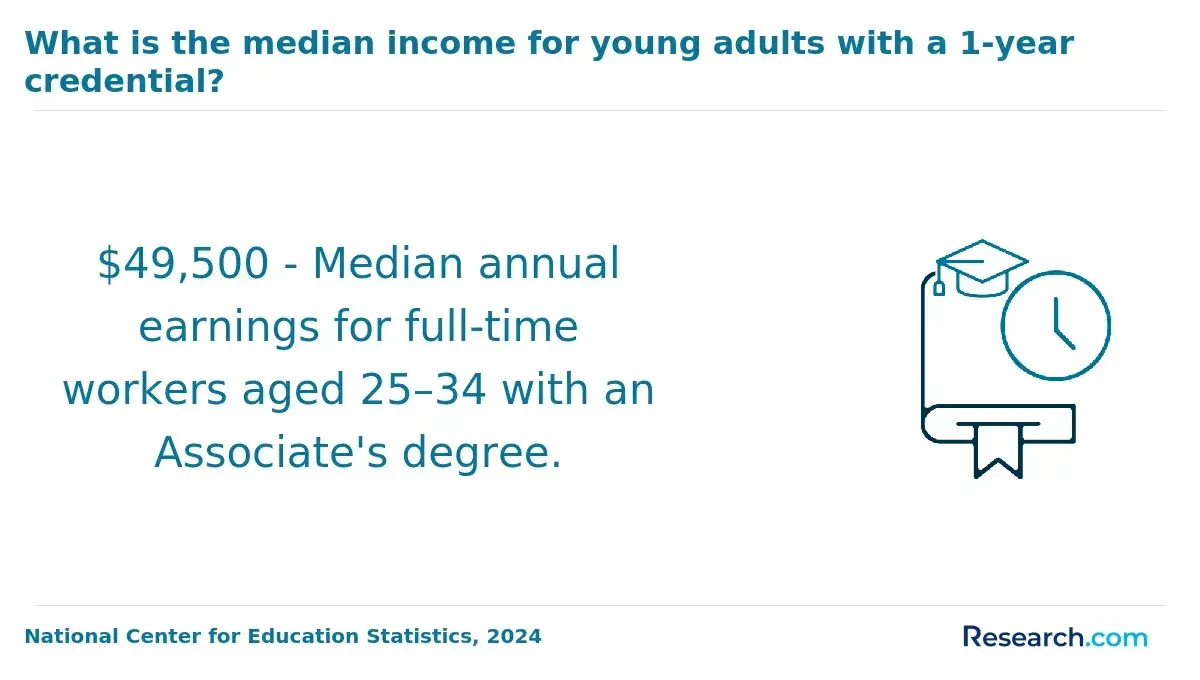
Industry choice strongly shapes earning potential for those holding a bachelor's degree in music education, with wage differences across sectors sometimes reaching 20 to 40 percent for similar positions. Understanding which fields consistently offer higher pay can help graduates maximize their income without pursuing advanced degrees. Below are several industries recognized for delivering strong salary prospects to music education graduates.
- Performing Arts and Production: Organizations like orchestras, theaters, and music production companies benefit from substantial revenue streams, including ticket sales and sponsorships, enabling them to offer competitive salaries. Typical annual incomes range broadly from $50,000 to upwards of $80,000 depending on geographic location and expertise.
- Independent Music Education Services: Offering private lessons or producing digital educational content allows for flexible income generation. With control over pricing and the ability to expand clientele, earnings often fall between $40,000 and $70,000 annually in active markets.
- Corporate Training and Development: Some companies allocate resources to creative and music-based employee development programs, supporting wages from $60,000 to $90,000. This sector's focus on innovation and team enrichment drives relatively high compensation without the need for graduate credentials.
- Arts Administration and Grant Coordination: Nonprofits and cultural institutions rely on administrators to manage programming and secure funding. With support from government grants and philanthropic sources, salaries in this niche typically range from $45,000 to $75,000.
A music education degree graduate I spoke with described the process of breaking into these industries as "both challenging and rewarding." He recalled the early uncertainty of deciding which path would suit him best but emphasized that persistence in building networks and honing practical skills was key. "I didn't expect things to happen overnight," he explained.
"Finding the right niche took experimentation, and sometimes it meant taking less popular routes like corporate training. But the financial stability and job satisfaction made it worthwhile." His experience underscores the value of identifying industries aligned with one's skills and market demand to achieve strong earnings without advanced degrees.
What Entry-Level Music Education Jobs Have the Best Growth Potential?
Selecting entry-level music education roles with clear advancement opportunities is essential for building a fulfilling career. The U.S. Bureau of Labor Statistics projects about 5% growth in education jobs over the next decade, indicating solid prospects for professionals who start in strong foundational positions. Below are several roles known for developing skills that lead to significant career growth.
- Elementary or Middle School Music Teacher: These teachers start by mastering classroom and curriculum management, skills integral to advancing into leadership roles like curriculum coordinator or school principal.
- Private Music Instructor: Building a loyal client base through private lessons can evolve into operating a music school or designing specialized programs, expanding professional influence and collaboration opportunities.
- Music Program Coordinator: Assisting with band, choir, or orchestra programs cultivates organizational and event management abilities, often serving as a pathway to director positions with broader creative and administrative responsibilities.
- Community Music Educator: Working in community centers or nonprofits offers varied teaching experiences and networking, often leading to careers in arts administration or educational policy.
Embarking on one of these roles helps develop the leadership and organizational skills necessary for progression. For those interested, pursuing accelerated bachelor degree programs can further enhance qualifications while gaining practical experience in these promising pathways.
What Skills Increase Salary Without a Master's Degree?
Enhancing specific skills can lead to notable salary increases for those holding a music education degree, even without obtaining a master's. Recent data shows that employees with strong transferable skills earn wage premiums up to 20%, highlighting the growing value of expertise over formal credentials. Below are key skills that elevate earning potential in this field.
- Instructional Technology: Proficiency in digital teaching tools equips educators to deliver lessons through online and hybrid formats, broadening their audience. This adaptability makes educators more marketable and often justifies higher pay through flexible and innovative instruction.
- Advanced Musicianship: Excelling in multiple instruments or genres enhances reputation and demand for private lessons and specialized workshops. Such mastery provides additional revenue streams beyond standard classroom teaching.
- Communication and Presentation: Strong verbal and nonverbal skills improve student engagement and classroom management. They also open doors for leading community events and workshops, creating diverse income opportunities.
- Curriculum Development: Crafting effective, standards-based lesson plans and assessments can position educators for leadership roles. Schools often reward these contributions with salary incentives or stipends.
- Networking and Collaboration: Building professional connections expands access to grants, partnerships, and ensemble projects. Active networking can lead to higher earnings without extra degrees.
When asked about what skills boosted her salary without a graduate degree, a professional with a music education background shared how embracing technology and networking required stepping out of her comfort zone. Initially overwhelmed by mastering online platforms, she gradually found it rewarding as it expanded her student reach beyond local boundaries.
She also emphasized the importance of forming collaborative partnerships, recalling, "Building relationships was not easy at first-it involved persistence and sometimes rejection-but it eventually led to more stable income and exciting project invitations." Her experience reinforces how targeted skill growth can be a practical alternative to further academic qualifications.
What Certifications Can Replace a Master's Degree in Music Education Fields?
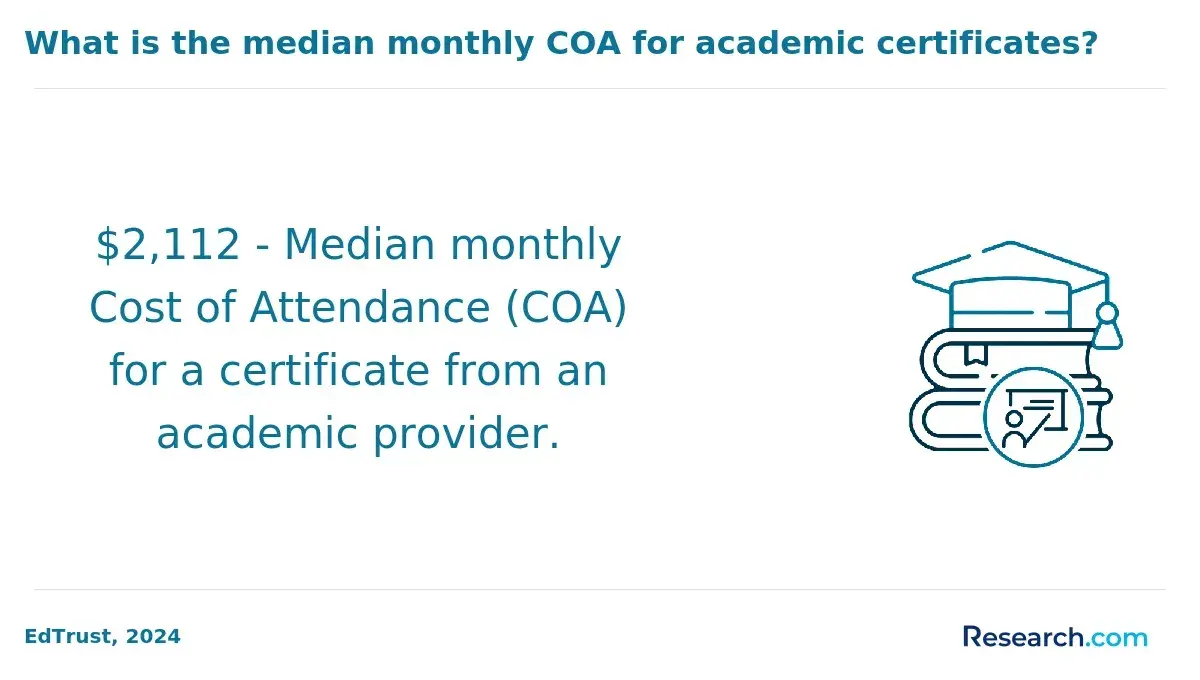
Certifications offer an effective way to boost credibility and advance in music education careers without the need for a master's degree. Research from the National Association for Music Education in 2022 found that professionals with certifications can earn up to 15% more than peers holding only bachelor's degrees. The following certifications are recognized for enhancing skill sets and increasing opportunities in the field.
- Music Educators National Conference Certification: Provided by the National Association for Music Education, this credential reflects adherence to established national standards. It strengthens professional reputation and often leads to improved job opportunities within diverse educational settings.
- Orff Schulwerk Certification: Focused on teaching music through movement and improvisation, this certification is favored for early childhood and elementary music educators. It broadens instructional techniques and supports employment in a variety of learning environments.
- Kodály Certification: This sequential, vocal-based method emphasizes music literacy and is highly valued in schools prioritizing singing and musicianship. Obtaining Kodály certification enhances teaching effectiveness and can unlock specialized roles.
- Registered Music Teacher Credential: Issued by state associations, the RMT requires proof of continuing education. It signals dedication to the profession and can aid in salary growth and leadership development.
- Technology Integration Certification for Music Education: As schools integrate more digital tools, this certification highlights proficiency with current educational technology. It helps educators remain relevant and attractive to tech-forward institutions.
Can Experience Replace a Graduate Degree for Career Growth?
Experience plays a crucial role in advancing careers within music education, often valued more highly than formal credentials by many employers. Demonstrated skills, on-the-job learning, and proven performance frequently outweigh the possession of advanced degrees. Professionals such as private instructors, music directors, and community arts leaders often progress through building strong reputations and practical expertise rather than graduate-level qualifications.
This hands-on experience fosters a deeper understanding of teaching dynamics and real-world problem-solving skills that can be especially appealing in applied fields like performance coaching or music therapy.
However, relying solely on experience has its limitations, as many educational institutions and leadership roles still require graduate degrees as a baseline credential. Initial access to higher-level administrative positions or specialized careers may be slower or restricted without formal advanced education.
Experience becomes most advantageous when combined with continuous professional development and tangible evidence of effectiveness, such as successful student outcomes or program accomplishments.
For bachelor's degree holders aiming for strong career growth without graduate school, targeting roles that prioritize practical expertise-like ensemble directing or community-based positions-can offer rewarding salary potential and long-term returns, although some professionals may still explore the cheapest MBA programs to enhance their leadership and administrative qualifications.
What Are the Downsides of Not Pursuing a Graduate Degree?
Many music education professionals weigh the trade-offs of pursuing graduate degrees, considering factors like career growth and salary potential. Data from the National Center for Education Statistics shows that teachers with master's degrees earn about 15% more on average than those holding only a bachelor's degree. These differences highlight several important challenges that arise when stopping at a bachelor's degree.
- Slower Career Advancement: Leadership roles such as department heads or curriculum specialists often require or prefer candidates with graduate degrees. Without a master's, music educators may face delays or barriers to promotions in administrative tracks.
- Limited Specialized Opportunities: Graduate study offers advanced training in areas like music therapy, technology integration, or education research. Without this expertise, professionals encounter career limitations without graduate degree in music education and a narrower range of specialized roles.
- Competitive Hiring Disadvantages: Some school districts and private institutions set minimum graduate degree requirements or use them for priority hiring. This compounds impact on salary growth without advanced music education degree and can reduce job prospects or earning potential for bachelor's degree holders.
- Reduced Networking and Mentorship: Graduate programs provide stronger access to experienced educators and industry connections. This networking can be essential for career development, which bachelor's degree holders might need to pursue independently.
- Self-Directed Professional Development: Continuing education is crucial as pedagogical methods and technology evolve. Without formal graduate study, individuals must be proactive in seeking resources and training to stay current in the field.
For those seeking alternatives to graduate degrees, exploring the easiest online associates degree options may provide foundational skills while balancing career demands.
How Can You Maximize ROI With a Music Education Degree?
Return on investment (ROI) in education balances the cost and time of earning a degree against the career outcomes and earnings it produces. For music education graduates, the median starting salary in education fields is about $41,000, which underscores the need to identify high-paying careers for music education graduates without graduate school to maximize long-term financial benefits. Below are practical strategies to enhance ROI with a music education degree.
- Develop Marketable Skills: Building expertise beyond traditional teaching, such as in music technology or digital instruction methods, expands career opportunities. These skills can lead to roles in curriculum development, private music companies, or online education platforms that offer higher salaries.
- Choose Geographically Advantageous Employment: Targeting school districts or regions with higher salary scales and lower living costs can significantly improve ROI. Urban and suburban districts often provide better compensation and professional growth than rural areas.
- Leverage Networking: Engaging with music education organizations and local arts councils opens doors to freelance work, performances, and community projects. These supplementary income streams boost earnings without requiring further formal education.
- Seek Leadership Roles: Early career advancement into positions like department head or program coordinator can increase salary through supplements and offer valuable professional experience. Leadership roles strengthen long-term career trajectories.
Maximizing return on investment with a music education degree also involves staying informed about affordable and flexible degree options that enhance value. For those considering additional skill areas, exploring a UX degree online could complement creative teaching abilities and expand career pathways.
When Is Graduate School Worth It for Music Education Careers?
Deciding whether graduate school is a worthwhile investment for a music education career depends heavily on individual goals, industry standards, and the balance of cost versus salary gain in music education graduate programs. Data from the U.S. Bureau of Labor Statistics indicate that educators with advanced degrees can earn around 15% more than those holding only a bachelor's degree.
However, the decision should align with realistic expectations of career advancement and return on investment, especially as some music education paths offer solid salary potential without additional degrees. For those seeking rapid options, exploring an accelerated master's in psychology online can provide insight into fast-track graduate programs related to education fields.
Graduate education is especially valuable in scenarios where specialized roles, higher-level leadership, or regulated professions are the target. Positions such as university instructors, curriculum developers, or educational administrators often require master's degrees or doctorates to qualify for advancement.
Moreover, careers focused on research or shaping education policy benefit from the credentials and opportunities graduate degrees provide, offering stability and influence beyond classroom teaching. Recognizing when graduate school enhances long-term prospects allows music education teachers to strategically invest in their future without unnecessary expense.
What Graduates Say About Music Education Degree Careers That Offer the Best Return Without Graduate School
- Aries: "Choosing not to pursue a graduate degree in music education was a deliberate choice that allowed me to enter the workforce sooner and gain practical experience. I focused on enhancing my teaching skills through workshops and community programs, which significantly boosted my employability. My degree opened doors to a fulfilling career as a public school music teacher without the added time and expense of graduate school."
- Massimo: "The most valuable insight I gained from my music education degree was the importance of networking and continuous learning outside formal education. By attending conferences and collaborating with local musicians, I expanded my professional opportunities without graduate school. This approach helped me build a diverse portfolio and establish a reputation in the industry that young educators often overlook."
- Angel: "Reflecting on my career path, my music education degree was essential in laying a strong foundation, but I realized that practical application and adaptability mattered more than advanced degrees. I invested in mastering digital music tools and personalized lesson plans, which made me stand out as an educator and performer. This hands-on strategy led to steady growth and success in my career without further academic credentials."
Other Things You Should Know About Music Education Degrees
Networking plays a critical role in music education careers that do not require graduate school. Building relationships with local schools, community organizations, and professional musicians can open doors to job opportunities and collaborations. Active involvement in music education associations and attending workshops increases visibility and credibility within the field.
Employers often include public and private K-12 schools, community music centers, youth orchestras, and after-school programs. Some graduates find opportunities with nonprofit organizations focused on arts education or with local government cultural departments. Private teaching studios and music retail stores may also hire individuals with a bachelor's degree in music education.
Continuing education is highly recommended to stay current with teaching methods, technology, and music trends. Workshops, certification programs, and online courses can enhance skills without requiring graduate school enrollment. Many employers value ongoing professional development as evidence of commitment to the profession and student success.
In 2027, music education graduates without additional schooling can pursue leadership roles such as department heads in schools, conductors of community ensembles, or directors of music programs at non-profit organizations. Experience, reputation, and strong networking within the industry can enhance their prospects for leadership positions.
References
- Music Education Jobs | Music Mark https://www.musicmark.org.uk/jobs/
- Top 4 High-Paying Music Careers That Don’t Require a Degree https://www.indiemusicacademy.com/blog/top-4-high-paying-music-careers-that-don-t-require-a-degree
- 5 Tips to Make Yourself Marketable as a Music Educator - NAfME https://nafme.org/blog/5-tips-make-yourself-marketable-music-educator/
- Getting the Lowdown on your Higher Education Investment https://www.csmusic.net/content/getting-the-lowdown-on-your-higher-education-investment/
- Art And Music Education Career Pathways & Earnings https://collegeroi.org/roi/major/art-and-music-education/
- Top Music and Audio Careers You Can Start Without a 4-Year Degree - Dark Horse Institute - Audio Engineering & Music Business School https://darkhorseinstitute.com/audio-careers-you-can-start-without-a-4-year-degree/
- Music education boosts skills for ‘any career path’, says study - Arts Professional https://www.artsprofessional.co.uk/news/music-education-boosts-skills-for-any-career-path-says-study
- Where to Find Work as a Musician https://musiciansunion.org.uk/training-development/job-opportunities-for-musicians
- Understanding the ROI of Investment in Music School Management Platforms - Opus1 https://opus1.io/resources/understanding-the-roi-of-investment-in-music-school-management-platforms/
- How to Measure the ROI of Music Education? https://sharonmusicacademy.com/2022/11/25/how-to-measure-the-roi-of-music-education/


