
2027 Accelerated vs. Traditional Music Education Degrees: Pros & Cons

Co-Founder and Chief Data Scientist
Choosing between accelerated and traditional music education degrees presents distinct advantages and challenges. Accelerated programs appeal to working adults and career changers by offering a faster path to completion, often within two years, while traditional degrees provide a more measured pace that supports deeper academic engagement and practical experience. Notably, enrollment in accelerated learning programs in the U.S. has risen by over 20% in recent years, reflecting growing demand for flexible education.
This article will explore key differences in time commitment, learning experience, and career outcomes for both routes. It will also highlight essential considerations students should weigh to select the best music education degree path suited to their goals and circumstances.
Key Points About Accelerated vs. Traditional Music Education Degrees
- Accelerated music education degrees offer flexibility and reduced completion time, appealing to students eager for faster career advancement and lower tuition costs.
- Traditional programs foster deeper academic engagement, allowing learners to develop comprehensive theoretical knowledge at a balanced, manageable pace.
- Strong peer connections in traditional formats support collaboration and mentorship, benefiting students who prefer immersive, community-oriented learning environments.
What Are the Differences Between Accelerated vs. Traditional Music Education Programs?
Accelerated and traditional music education degree programs differ primarily in pacing, scheduling, and learning intensity, shaping distinct academic experiences. These variations affect how students manage their time, interact with material, and engage with instructors. The following highlights key contrasts between the two formats in various aspects of the learning process.
Here are the main structural differences between accelerated and traditional Music Education programs:
- Course Intensity: Accelerated programs condense coursework into shorter periods, requiring students to maintain a faster learning pace and manage a more intensive schedule. Traditional programs spread content out over longer semesters, providing a steadier pace that may suit learners preferring gradual immersion.
- Learning Modality and Flexibility: Accelerated programs often utilize online or hybrid models, offering asynchronous access that enables self-paced progress and repeated review of lessons. In contrast, traditional programs rely on fixed, in-person classes that limit flexibility but foster routine and direct interaction.
- Feedback and Assessment: Technology-driven tools in accelerated programs provide immediate, personalized feedback through methods like video analysis and automatic tracking. Traditional programs offer real-time, face-to-face instructor feedback, which allows detailed correction but is confined to scheduled class times.
- Student Engagement and Independence: Accelerated formats emphasize autonomy by incorporating interactive platforms and gamified elements that promote consistent daily practice. Traditional programs encourage engagement through social interaction and external accountability with peers and teachers.
- Technology Integration: Accelerated music education integrates multimedia, AI-assisted learning, and digital tools that enhance accessibility and interactivity. Traditional approaches use limited technology, focusing on live demonstrations and physical guidance to maintain conventional teaching styles.
The structural differences between accelerated and traditional Music Education degrees influence not only how students learn but also the habits they develop. These contrasts are reflected in the duration and coursework in accelerated vs traditional Music Education programs, which impact students' ability to balance study with other commitments. For those interested in exploring more about an accelerated bachelor's degree online accredited, understanding these distinctions can guide the choice of the best fit for individual needs.
How Fast Can You Finish an Accelerated vs. Traditional Music Education Program?
Program length varies significantly between accelerated and traditional music education degrees. Accelerated formats condense coursework into shorter terms, often allowing students to complete a degree in less time by studying year-round and taking heavier course loads. Traditional music education programs typically follow a standard academic pace, resulting in longer overall completion times.
Comparing accelerated music education degree completion time with traditional program length reveals notable differences influenced by several key factors.
- Transfer Credits: Students who bring in transfer credits or hold associate degrees can shorten their program, making accelerated or traditional pathways quicker depending on credit acceptance.
- Full-Time vs. Part-Time Enrollment: Full-time students finish faster than part-time students, who may take additional semesters. Accelerated programs usually require full-time status to maintain their shortened timelines.
- Course Intensity and Scheduling: Accelerated programs feature compressed schedules with fewer breaks and higher course loads, demanding greater time commitment but enabling faster graduation compared to the traditional four-year calendar.
- Program Structure: Some institutions offer 3-year bachelor's options or combined bachelor's/master's (4+1) programs that enable students to earn degrees more quickly than usual.
- Prior Learning Assessment: Competency-based credits from professional experience or prior study can reduce time to degree in both accelerated and traditional music education paths.
For students weighing the fastest route, reviewing options including combined degrees and credit transfer policies can be crucial. Those interested in the easiest phd programs may also find accelerated music education pathways appealing for their efficiency.
What Are the Admission Requirements for Accelerated vs. Traditional Music Education Programs?
Admission requirements for accelerated and traditional music education programs often share common standards such as GPA, test scores, and prerequisite coursework. However, they differ significantly in how they evaluate academic readiness and professional experience, reflecting the unique expectations of each program format. Below is a comparison of key distinctions in admissions expectations for these two program types.
- Academic Performance: Traditional music education degree entry criteria typically require a minimum cumulative GPA around 3.0 and place balanced emphasis on academic records alongside musical ability. Accelerated music education program admission requirements tend to emphasize higher GPA thresholds to ensure students can handle an intensive pace.
- Musical Prerequisites: Traditional programs assess demonstrated musical ability through auditions and theory tests, welcoming students developing foundational skills. In contrast, accelerated programs require applicants to show advanced performance proficiency before enrollment, targeting students with a strong existing musical background.
- Work Experience and Teaching Potential: Traditional programs often evaluate teaching aptitude and potential through interviews, focusing on students' growth over a longer timeline. Accelerated admissions prioritize prior musical maturity and teaching experience to accommodate the condensed curriculum.
- Course Load Readiness: Accelerated programs demand evidence of readiness to manage the rigorous, compressed semester schedules. Traditional tracks usually allow for a slower, more manageable workload over four years.
Both pathways offer distinct routes to music education careers, attracting students with varying levels of preparation and professional goals. For those interested in aligning their studies with the most lucrative majors, understanding these admission nuances can clarify the best fit.
How Are Accelerated Music Education Courses Structured Compared to Traditional Ones?
Accelerated music education programs are designed to cover the same curriculum as traditional degrees but in a significantly shorter time, often allowing completion in five years or less. These programs differ mainly in pace, workload, and delivery methods, offering a more intensive but efficient path compared to the longer and more gradual traditional courses.
Key differences between accelerated and traditional music education programs include:
- Course Length: Accelerated programs combine undergraduate and graduate coursework, enabling students to finish faster-sometimes within five years or even a semester for micro-credentials. Traditional routes typically span six or more years, allowing more time for academic exploration and extracurricular engagement.
- Weekly Workload: Students in accelerated tracks face heavier, more concentrated demands, especially in later stages, balancing performance, pedagogy, and student teaching. Those in traditional programs experience a more balanced schedule with opportunities for wider campus involvement.
- Instruction Style: Accelerated formats often use hybrid models blending courses, practical teaching, and capstone projects with flexible, individualized options. Traditional formats follow distinct undergraduate and graduate phases with emphasis on foundational skills, ensemble participation, and extensive fieldwork.
Both pathways uphold strong academic standards and rigorous certification processes. Accelerated options suit motivated individuals and career changers seeking faster certification, while traditional programs are better for students preferring immersive experiences and broader campus resource access.
How Much Do Accelerated Music Education Programs Cost Compared to Traditional Programs?
Tuition and the overall cost of music education programs can vary significantly between accelerated and traditional formats. Accelerated programs often reduce total expenses by shortening the length of study, even if tuition rates per credit are comparable or slightly higher. This difference affects both direct costs and living expenses.
Below are key cost factors distinguishing accelerated and traditional music education programs:
- Total Program Expense: Accelerated master's degrees in education, including music education, generally cost between $12,000 and $30,000 in total tuition, depending on the school and delivery method. Traditional programs tend to be more expensive overall, often ranging from $20,000 to over $40,000 due to longer completion times.
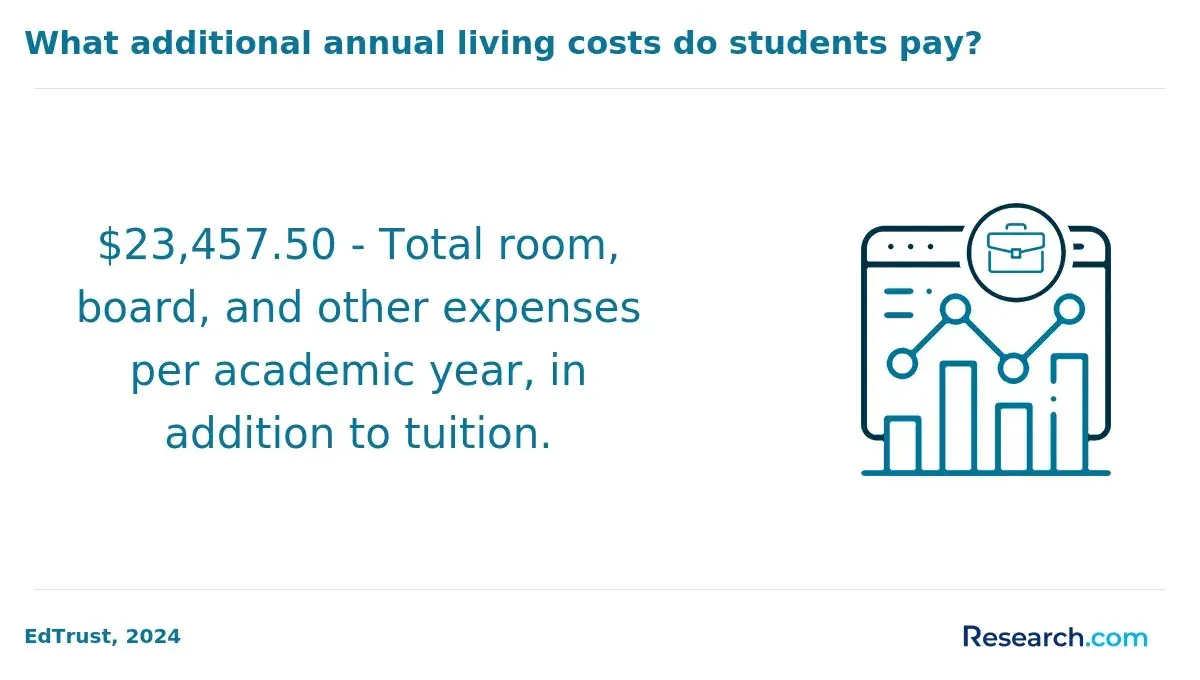
- Program Duration and Living Costs: Accelerated degrees typically require 12 to 18 months to complete, whereas traditional master's programs usually take two to three years, with bachelor's degrees lasting up to four years. Shorter programs mean fewer semesters paying for housing, transportation, and other living expenses.
- Tuition Rate per Credit: The cost per credit hour is similar in both formats, averaging between $431 and $791 at public institutions. Some accelerated online options may offer even lower credit fees, slightly improving affordability.
- Opportunity Cost: Graduates of accelerated programs enter the workforce sooner, allowing earlier salary earnings and reducing time spent out of employment. This can decrease total student debt and improve financial stability sooner than traditional routes.
- Financial Aid Availability: Both program types generally provide comparable financial aid opportunities, but accelerated degrees may require less total aid due to their shorter duration.
What Financial Aid Is Available for Accelerated vs. Traditional Music Education Degrees?
Both accelerated and traditional music education degree students may qualify for financial aid, but eligibility rules and funding schedules often differ depending on program length and enrollment status. Understanding these nuances helps students plan their finances effectively.
Here's a comparison of how financial aid options relate to each program format:
- Federal aid eligibility: Both program types qualify for federal loans, but accelerated students may receive funds over shorter periods, requiring detailed planning for continuous enrollment or summer courses.
- Scholarship timelines: Scholarships are generally open to all students, though some favor traditional students due to full-time status or minimum enrollment duration requirements; some top conservatories offer full-tuition awards regardless of program type.
- Employer tuition assistance: Accelerated students working while studying might access employer aid more easily if schedules are flexible, though this varies widely by employer policy.
- Graduate assistantships: Usually aligned with traditional programs, assistantships involving teaching or research roles are less common in accelerated formats because of condensed schedules.
A professional who pursued an accelerated music education degree shared his experience: "Balancing a full-time job with quick-paced classes was intense, but financial aid made it possible. I had to stay on top of deadlines since funding was divided into shorter terms, which felt stressful at times. Still, having access to flexible scholarships and employer support gave me confidence. It wasn't easy, but knowing the aid was there helped me focus on my studies and finish sooner than I expected." His story highlights the practical challenges and rewards of navigating financial aid in an accelerated pathway.
What Kind of Student Support Do Accelerated vs. Traditional Music Education Programs Offer?
Student support is vital for academic achievement in music education, with significant differences in how services are delivered between accelerated and traditional programs. These variations affect the timing, format, and accessibility of help available to students. Here is a comparison of key support areas in both program types.
Academic Advising: Traditional programs usually provide face-to-face advising with faculty or advisers, fostering ongoing, personalized guidance. Accelerated programs often depend on virtual advising and scheduled sessions, which may limit flexibility due to the faster pace.
Tutoring Services: Students in traditional programs benefit from broad tutoring options, including peer tutors and regular faculty office hours. In contrast, accelerated students often access tutoring primarily online or in group settings and must actively seek assistance because of limited availability.
Career Counseling: Traditional degree paths offer continuous career support through internships, portfolio development, and networking over several years. Accelerated programs condense this into short workshops or online resources, focusing on quick resume building and job placement.
Peer Interaction: Traditional students generally have more consistent opportunities for peer collaboration and community engagement. Accelerated learners face a compressed schedule that can reduce chances for in-depth peer connection outside required activities.
Do Graduates from Accelerated vs. Traditional Music Education Programs Get Hired More Quickly?
Employment outcomes often play a crucial role when choosing between accelerated and traditional music education programs. Both paths can lead to strong careers, but various factors influence how quickly graduates secure jobs. Below is a comparison of hiring trends and key influences on job placement for graduates from each program type.
Here are some insights on employment success and timing for accelerated versus traditional graduates:
- Employer Perception: Traditional degrees are still viewed as more rigorous by many employers, especially in conservative districts, though acceptance of online and accelerated credentials is growing with the rise of flexible learning environments.
- Career Readiness: Graduates of accelerated programs often show strong adaptability and digital skills, which are in demand in schools using modern teaching platforms. Traditional graduates typically have more hands-on practicum experience valued by some employers.
- Industry Demand: Increasing interest in hybrid and online music programs has created opportunities for educators skilled in digital tools, giving an edge to those from accelerated formats familiar with these resources.
- Job Placement Speed: Surveys indicate accelerated program grads tend to find jobs slightly faster, with 62% receiving offers within six months compared to 55% from traditional programs, especially in urban and tech-focused schools.
Reflecting on these trends, a professional with a traditional music education background shared that while her job search required persistence, it was ultimately rewarding. "Securing a role took effort; I applied to many districts and attended interviews that tested both my musical knowledge and classroom management skills," she recalled. She valued the extensive practicum experience from her degree, which helped her feel confident during hiring. "Although it wasn't the quickest path, the thorough preparation made me ready to excel once I started teaching." Her journey demonstrates the meaningful blend of patience and preparedness often needed after traditional study.
Are Accelerated Music Education Degrees Accredited the Same Way as Traditional Programs?
Accreditation ensures academic quality and legitimacy for both accelerated and traditional music education degrees, regardless of the pacing or delivery format. This process confirms that programs meet rigorous standards, impacting financial aid eligibility, credit transferability, and employer recognition. Whether a program is completed on a standard or accelerated timeline, accreditation validates that graduates achieve comparable learning outcomes. Institutions that maintain accreditation from recognized agencies reinforce the credibility of their degrees. Understanding accreditation standards for accelerated music education degrees helps students make informed decisions about their education path.
The accreditation process typically applies equally to both traditional and accelerated program types, though institutions may design accelerated coursework to condense material into shorter, more intensive sessions while still meeting all required standards. Regional accrediting bodies and programmatic agencies, such as the National Association of Schools of Music (NASM) in the United States, oversee these standards. Students should carefully verify that any institution they consider holds current accreditation to ensure their degree will be widely recognized. This is especially important given that accreditation affects licensure and federal financial aid eligibility. For those seeking reputable options, reviewing listings of best accredited online colleges can be a helpful resource when exploring are accelerated music education degrees recognized like traditional programs.
How Do You Choose Between an Accelerated vs. Traditional Music Education Degree?
Choosing between an accelerated and a traditional music education degree depends largely on your career goals, schedule flexibility, and preferred learning pace. Both options offer distinct advantages based on personal circumstances, making it important to evaluate which fits your needs best. Below are key factors to consider when deciding between these two formats, highlighting the main elements of how to choose between accelerated and traditional music education degree paths.
Consider the following deciding factors for accelerated vs traditional music education programs:
- Time commitment: Accelerated programs typically condense coursework into 12 to 24 months for certification or about two years for a bachelor's degree, ideal for those wanting to enter the workforce quickly. Traditional degrees usually take four years for a bachelor's and up to six for a master's, providing a more gradual learning pace and greater depth.
- Flexibility: Accelerated options often include online or hybrid formats, which suit students balancing work or family obligations. Traditional programs tend to have set schedules with more on-campus experiences, better for learners seeking a structured, immersive college environment.
- Learning style: If you thrive in fast-paced, practical settings, accelerated programs can offer a focused, intense experience. Conversely, those who prefer in-depth study with extensive academic support and extracurricular opportunities may benefit from a traditional degree.
- Career goals: Accelerated paths work well for individuals aiming for rapid entry into teaching or those already in education seeking advancement. Traditional degrees might be better for students pursuing advanced studies, specialized teaching roles, or a comprehensive educational foundation.
For students researching affordable options, some of the most affordable online universities for working students offer flexible accelerated programs, which can be a practical solution when balancing priorities and long-term ambitions.
What Students of Accelerated vs. Traditional Music Education Programs Say About Their Degree
- Ronin: "Enrolling in a traditional music education program gave me the chance to deeply absorb each subject at a manageable pace. While the longer duration and higher overall cost felt daunting at times, the comprehensive curriculum truly prepared me for teaching in diverse classroom settings. The balance of theory and hands-on experience has been invaluable to my career growth. "
- Jordan: "The accelerated music education program was intense but rewarding; the rapid pace required excellent time management and focus. Although the cost was somewhat lower than a typical four-year program, the compressed schedule meant fewer opportunities for extracurricular learning. Still, finishing early allowed me to enter the job market quicker and start applying my skills in real-world teaching. "
- Peter: "Pursuing a traditional music education degree was a reflective journey for me. The steady pace allowed me to build confidence in my musical and pedagogical skills, though the financial commitment was significant compared to an accelerated track. Ultimately, the program's depth and structure gave me a solid foundation to pursue a meaningful career in music instruction. "
Other Things You Should Know About Traditional vs. Accelerated Music Education Degrees
Students in accelerated music education programs often deal with an intense workload and compressed schedules, which can limit time for in-depth practice and extracurricular activities. The fast pace may challenge students' ability to fully absorb complex musical concepts or teaching methodologies. Time management and self-discipline are essential skills for success in these programs.
The costs of accelerated programs are often lower due to shorter durations, potentially offering a higher return on investment compared to traditional programs. However, students must weigh these savings against the potential income and job market readiness post-graduation.
References
- Should I Get a Music Degree? https://www.pearsonaccelerated.com/blog/music-degree.html
- Bachelor's Degree (BMME) in Music Education https://academics.uky.edu/programs/bachelors/music-education
- Attrition and success rates of accelerated students in nursing courses: a systematic review https://pmc.ncbi.nlm.nih.gov/articles/PMC4825075/
- Comparison of NCLEX-RN Pass Rates between Accelerated and Traditional Prelicensure BSN Programs https://www.gavinpublishers.com/article/view/comparison-of-nclex-rn-pass-rates-between-accelerated-and-traditional-prelicensure-bsn-programs
- Reliability estimation from two types of accelerated testing considering individual difference and measurement error - ScienceDirect https://www.sciencedirect.com/science/article/abs/pii/S0266892024000067
- Early vs. Regular Music School Admissions 2025: What You Need to Know https://collegemusicmajor.com/early-vs-regular-music-school-admissions-2025-what-you-need-to-know/
- Nontraditional Students in Traditional Music Education Programs: A Case Study | Bulletin of the Council for Research in Music Education | Scholarly Publishing Collective https://scholarlypublishingcollective.org/uip/bcrme/article/251410/Nontraditional-Students-in-Traditional-Music
- NFHS https://nfhs.org/stories/tips-on-selecting-the-right-college-music-program
- Accelerated learning for music https://newharmonyline.org/uncategorized/accelerated-learning-for-music/
- Music Degree Fees & Finance | ACM https://www.acm.ac.uk/course-fees/


