
2027 How to Become a Clinical Nutritionist: Education, Salary, and Job Outlook

Co-Founder and Chief Data Scientist
Becoming a clinical nutritionist is a career decision that combines healthcare, science, patient counseling, and long-term disease management. If you are comparing nutrition degrees, dietetics programs, or healthcare careers, the key question is not only whether you enjoy food and wellness. It is whether you want to use evidence-based nutrition to assess patients, interpret clinical information, create care plans, and work with physicians, nurses, therapists, and other providers.
Clinical nutritionists help patients manage conditions such as diabetes, heart disease, kidney disease, gastrointestinal disorders, malnutrition, and recovery after illness or surgery. The work can be rewarding, but the path requires careful planning because credentials, supervised practice, state rules, and job titles vary. This guide explains the education, certifications, skills, salary expectations, internships, work settings, advancement options, and challenges you should understand before pursuing clinical nutrition as a career in 2026.
What are the benefits of becoming a clinical nutritionist?
- Clinical nutritionists have a projected job growth of 5.5% through 2034, faster than the average for all occupations according to the U.S. Bureau of Labor Statistics.
- The median annual salary for clinical nutritionists is approximately $71,314, with top earners exceeding $92,500 based on experience and location.
- Pursuing this career offers the opportunity to impact public health, work in diverse settings, and benefit from increasing demand in healthcare and wellness industries.
What credentials do you need to become a clinical nutritionist?
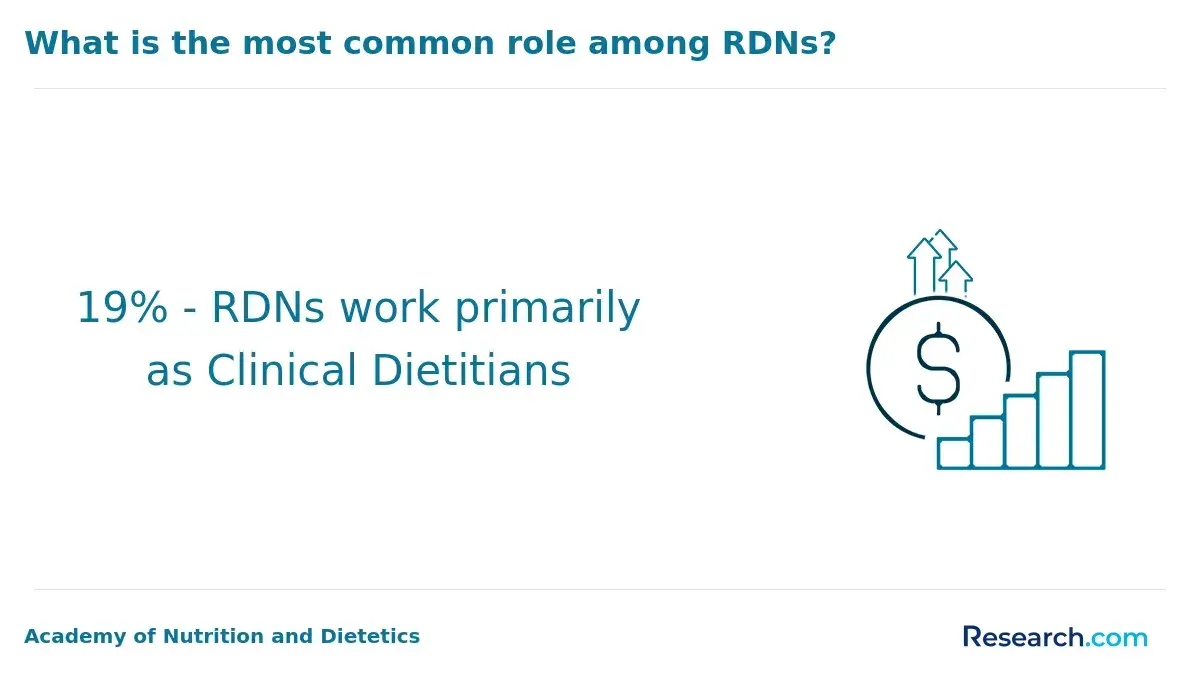
The credentials you need depend on the job title, the state where you plan to practice, and whether the employer requires dietitian registration, clinical certification, or licensure. In many healthcare settings, the most recognized route is the Registered Dietitian Nutritionist credential. Advanced clinical roles may also accept or prefer the Certified Nutrition Specialist credential, especially for practitioners with graduate-level training.
Before enrolling in a program, confirm that it supports the credential you want. A nutrition degree alone may not qualify you for clinical practice, licensure, or hospital employment if it does not meet accreditation, supervised practice, or exam requirements.
- Registered Dietitian Nutritionist (RDN): This is the most common credential for clinical nutrition roles in hospitals, clinics, long-term care, and many outpatient settings. It requires at least a master's degree in nutrition, dietetics, or a closely related field from an ACEND-accredited program. Candidates also complete 1,000 to 1,200 hours of supervised practice in accredited internships and pass the CDR national registration exam.
- Certified Nutrition Specialist (CNS): This credential is designed for advanced clinical practitioners. It requires a master's or doctoral degree in nutrition or a health-related field, 1,000 hours of supervised practice, and passing the CNS exam.
- State licensure: Most states accept the RDN credential for licensure, but requirements are not uniform. Some states have additional standards, alternative pathways, or different rules around who may provide medical nutrition therapy. Always check the licensing board in the state where you intend to work.
- Continuing education: Credentialed professionals must complete ongoing education to maintain certification or licensure. This matters because nutrition science, disease guidelines, telehealth practices, and documentation standards continue to change.
How to choose the right credential path
If your goal is to work in a hospital, dialysis center, oncology clinic, rehabilitation facility, or long-term care setting, the RDN route is often the safest and most portable choice. If you are interested in advanced clinical practice, integrative care, research, consulting, or specialized nutrition counseling, the CNS pathway may also be relevant. Some professionals pursue both, depending on their education and career goals.
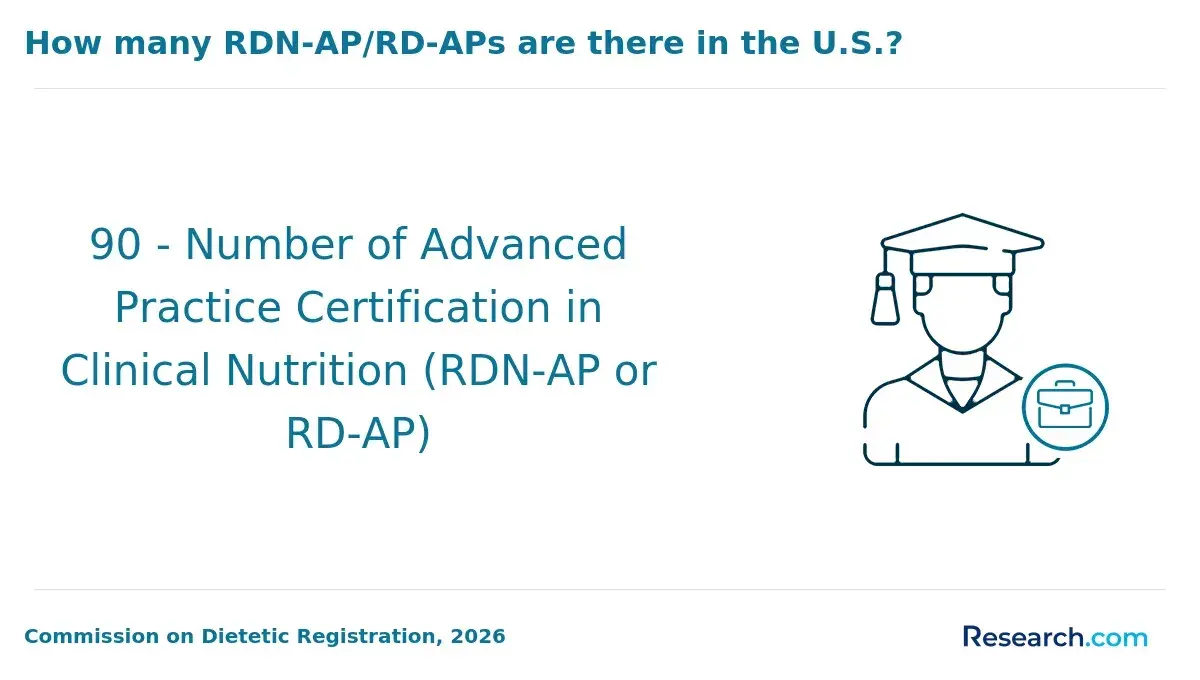
Advanced board certifications may require several thousand hours of clinical experience and proof of continuous education. Students still deciding on an undergraduate path can use resources on the top college majors for the future to compare nutrition-related degrees with other health and science majors.
What skills do you need to have as a clinical nutritionist?
Clinical nutritionists need more than general knowledge of healthy eating. The role requires the ability to connect nutrition science with medical conditions, lab values, medications, patient behavior, cultural food patterns, and realistic care goals. Evidence indicates that more than 70% of clinical dietitians emphasize the importance of advanced nutritional assessments for their roles.
- Nutritional assessment: Clinical nutritionists evaluate medical history, food intake, weight trends, symptoms, diagnoses, medications, and risk factors. In many settings, they also screen for malnutrition, swallowing issues, food insecurity, and disease-specific nutrition risks.
- Biochemical and metabolic knowledge: Practitioners must understand how macro- and micronutrients affect the body, how metabolism changes during illness, and how nutrition interacts with medications and disease progression.
- Diet planning: Effective plans are evidence-supported, medically appropriate, culturally realistic, and financially practical. A plan that a patient cannot afford, understand, or follow is unlikely to improve outcomes.
- Interpreting lab results: Clinical nutritionists use laboratory and clinical data to identify deficiencies, imbalances, inflammation, renal concerns, glucose control issues, and other nutrition-related problems. They also need to know the limits of lab interpretation and when to consult the broader care team.
- Regulatory compliance: Documentation, privacy rules, scope-of-practice limits, facility protocols, and licensure requirements all affect daily practice. Errors in documentation can affect reimbursement, care continuity, and compliance.
- Research and data analysis: Nutrition advice must be grounded in current evidence rather than trends. Strong practitioners know how to evaluate studies, understand limitations, and translate findings into clinical decisions.
- Communication and counseling: Patients may feel overwhelmed, ashamed, skeptical, or fatigued by repeated health advice. Clinical nutritionists need to explain complex information clearly, motivate change, and coordinate with physicians, nurses, pharmacists, therapists, and social workers.
- Problem-solving: Real cases rarely match textbook examples. Patients may face multiple diagnoses, limited income, low appetite, food allergies, religious dietary restrictions, or inconsistent access to care.
- Cultural competency: Nutrition care should respect cultural food traditions, family roles, religious practices, and personal preferences. Competent care adapts recommendations without dismissing the patient’s identity or circumstances.
Technical skills versus patient-facing skills
Technical skills help you design the right plan. Counseling skills help the patient follow it. The strongest clinical nutritionists can do both: analyze complex clinical information and turn it into steps the patient can realistically take. By 2026, this combination is especially important as care becomes more individualized, technology-enabled, and focused on long-term disease management.
What is the typical career progression for a clinical nutritionist?
A clinical nutrition career usually begins with supervised or entry-level patient care and gradually moves toward specialization, leadership, program management, research, consulting, or education. Advancement depends on the credential you hold, the settings where you gain experience, and whether you develop expertise in high-need clinical areas.
- Entry-level clinical roles: Positions such as Clinical Dietitian or Clinical Nutritionist usually focus on nutritional assessments, care plans, patient education, charting, and collaboration with medical teams. Professionals often spend 2 to 4 years developing these core skills.
- Mid-level clinical and lead roles: Senior Clinical Dietitian or Lead Clinical Nutritionist positions usually require 3 to 5 years of experience, plus advanced certifications or graduate education. Duties may include supervising staff, managing complex cases, improving protocols, and supporting institutional nutrition initiatives.
- Management and leadership roles: Experienced practitioners with 5 to 10 years in the field may move into roles such as Clinical Nutrition Manager, Director of Nutrition Services, or Program Coordinator. These jobs focus more on staffing, quality improvement, budgeting, compliance, policy development, and departmental strategy.
- Specialized clinical practice: Many practitioners build expertise in critical care, renal, pediatric, oncology, diabetes, or gerontology nutrition. These areas typically require at least two years of focused experience and a specialty credential.
- Lateral career options: Clinical nutrition experience can lead to roles in research, public health, academia, private practice, corporate wellness, digital health, food industry consulting, and nonprofit program work.
What helps you move up faster?
Career growth is usually strongest for professionals who document measurable outcomes, take on complex patient populations, earn specialty credentials, mentor newer staff, and learn how reimbursement, quality measures, and interdisciplinary care teams work. Graduate education can also support advancement, especially because newly mandated master's degrees affect the path for registered dietitian nutritionists (RDNs).
How much can you earn as a clinical nutritionist?
Clinical nutritionist pay varies by credential, employer, location, specialty, and years of experience. Hospital roles, renal nutrition, management jobs, consulting, and work in high-cost or hard-to-staff regions may pay differently from entry-level outpatient or community roles.
Clinical nutritionists in the U.S. typically earn a median annual salary of $71,314, according to ZipRecruiter. The range typically lands between $31,500 and $92,500. Regionally, the clinical nutritionist salary in Nome, AK often surpasses national averages, at $88,465, reflecting the higher cost of living and demand in that state. The U.S. Bureau of Labor Statistics reported a median wage for all dietitians and nutritionists at $73,850.
Experience has a major effect on earnings. Entry-level positions may start near $45,000, while professionals with advanced degrees, specialty certifications, leadership responsibilities, or hard-to-fill clinical expertise may earn more. For instance, a Registered Dietitian Nutritionist or Registered Dietitian earns $80,400 while a Registered Nutrition and Dietetics Technician earns $56,700.
Work setting also matters. Professionals working in the Merchant Wholesalers, Nondurable Goods services offer the highest median salaries, around $96,520. These roles may differ substantially from direct patient care jobs and can involve product, industry, management, or business-facing responsibilities.
How to evaluate salary offers
- Compare total compensation, not just base pay: Benefits may include health insurance, retirement contributions, paid time off, tuition support, credential reimbursement, and continuing education funding. Total compensation packages often include benefits valued between $15,000 and $30,000 annually.
- Ask about caseload and documentation expectations: A higher salary may come with heavier patient volume, weekend coverage, on-call expectations, or complex regulatory documentation.
- Consider advancement paths: Roles with leadership training, specialty exposure, and support for certifications may be worth more over time than jobs with a slightly higher starting salary but limited growth.
- Factor in graduate education requirements: Obtaining a graduate degree has been required to become a Registered Dietitian Nutritionist (RDN), so education cost should be weighed against long-term earning potential.
If you are still choosing an academic starting point, reviewing the easiest bachelor degree to get online may help you compare flexible undergraduate options before committing to a clinical nutrition pathway.
What internships can you apply for to gain experience as a clinical nutritionist?
Internships and supervised practice are critical because clinical nutrition is learned through real patient cases, not coursework alone. Strong placements expose you to chart reviews, nutrition assessments, care planning, counseling, food service systems, interdisciplinary rounds, documentation, and disease-specific nutrition therapy.
Many students pursue ACEND accredited dietetic internship programs because these programs help prepare candidates for professional standards and credentialing requirements. Clinical nutrition internships in California and other states may be based in hospitals, academic medical centers, VA facilities, corporate providers, nonprofits, and community health organizations.
Key internships to consider include:
- Traditional Dietetic Internships at UCSF Medical Center and UC Davis Health: These programs emphasize clinical nutrition, management, and counseling under the supervision of registered dietitians.
- VA Dietetic Internship Program: This option provides a stipend and comprehensive training that includes medical nutrition therapy, community outreach, and food service management.
- Aramark: These dietetic internships combine clinical and management rotations within corporate and industry-specific settings.
- Crohn's & Colitis Foundation: This nonprofit internship allows participants to work on nutrition-related projects within community health.
How to choose an internship
- Match the rotation mix to your career goal: If you want hospital work, prioritize acute care, intensive care, oncology, renal, or surgical rotations. If you want community practice, look for WIC, public health, nonprofit, and outpatient counseling exposure.
- Check supervision quality: Strong preceptors give feedback on assessment accuracy, documentation, patient communication, and clinical judgment.
- Ask about placement outcomes: Programs with strong employer relationships may help you build references and identify job openings after completion.
- Consider cost and logistics: Stipends, relocation, transportation, scheduling, and unpaid hours can affect whether an internship is financially realistic.
These internships can improve employability by helping students develop applied skills across clinical, community, and management settings. If you are comparing the return on different degrees before entering the field, it may also help to review what bachelor degrees make the most money.
How can you advance your career as a clinical nutritionist?
Advancement in clinical nutrition is usually built through specialization, stronger clinical judgment, leadership experience, and continued education. The clinical nutrition field is expected to grow 5.5% through 2034, outpacing many other professions due to aging demographics and increased emphasis on preventive care. Median earnings for registered dietitians and nutritionists hover around $80,400, with specialists and those in high-demand areas earning above $100,000.
- Earn specialized certifications: Specialty board certifications in critical care, renal, pediatric, oncology, or other areas can show employers that you are prepared for complex patient populations. These credentials may also support advancement into senior clinical roles, specialist positions, or program leadership.
- Use continuing education strategically: A couple of years ago, the Commission on Dietetic Registration has mandated a graduate degree for new registered dietitians, elevating education's role in career progression. Beyond meeting credential requirements, choose workshops, certificates, and training that align with the patients or settings you want to serve.
- Build leadership experience before applying for management: Volunteer to revise protocols, train interns, join quality improvement projects, lead case reviews, or contribute to patient education materials. These experiences help prove that you can improve systems, not just manage individual cases.
- Develop telehealth and digital nutrition skills: Ongoing learning is vital for adapting to telehealth, digital nutrition platforms, remote monitoring, electronic health records, and data-informed patient engagement.
- Network through professional organizations and conferences: Professional groups, conferences, and virtual forums can lead to mentorship, research collaborations, leadership opportunities, and job leads that are not always visible through job boards.
- Consider entrepreneurship or consulting: Nutritionists can expand beyond direct patient care by starting private practices, creating nutrition-related digital content, consulting for healthcare organizations, advising food or wellness brands, or supporting product innovation.
Best advancement moves by career goal
- If you want higher clinical responsibility: Build expertise in a specialty area and document outcomes from complex cases.
- If you want management: Learn budgeting, staffing, regulatory compliance, quality metrics, and program evaluation.
- If you want private practice: Strengthen counseling, referral development, business operations, ethical marketing, and billing knowledge.
- If you want research or academia: Pursue graduate training, participate in studies, publish when possible, and develop teaching experience.
Where can you work as a clinical nutritionist?
Clinical nutritionists work wherever nutrition affects medical outcomes, recovery, prevention, or quality of life. Hospitals are a common employer, but they are not the only option. Your ideal setting depends on whether you prefer acute care, long-term relationships with patients, community work, research, education, management, or business-facing roles.
Most clinical nutritionist jobs in hospitals and clinics involve nutrition therapy in departments such as intensive care and oncology, with prominent employers like Mayo Clinic, Cleveland Clinic, and Kaiser Permanente.
- Hospitals and medical centers: Clinical nutritionists collaborate with multidisciplinary teams to assess patients, create nutrition care plans, monitor progress, and support treatment goals.
- Long-term care facilities and rehabilitation centers: Professionals manage chronic conditions, recovery needs, malnutrition risk, and adherence to federal nutrition standards, including in organizations like Genesis HealthCare and Brookdale Senior Living.
- Outpatient clinics and ambulatory care centers: These roles focus on counseling and disease management for patients with diabetes, cardiovascular disease, gastrointestinal concerns, weight-related conditions, and other chronic issues.
- Dialysis centers: Employers such as DaVita and Fresenius Medical Care hire renal dietitians to support patients with kidney disease and complex dietary restrictions.
- Home healthcare agencies and hospice providers: Organizations like Kindred at Home offer roles for in-home nutritional support in acute, chronic, or terminal cases.
- Public health organizations: Clinical nutritionists may work in state and local health departments or WIC programs to address nutrition access, maternal and child health, prevention, and community education.
- Nonprofits focused on community wellness: Institutions such as The Renfrew Center specialize in treating eating disorders and may need nutrition professionals with strong clinical and behavioral health collaboration skills.
- Corporate wellness programs: Large companies may employ clinical nutritionists to support employee health, preventive care, education, and wellness initiatives.
- Educational institutions: Schools and universities may offer roles in nutrition education, student health, research, program coordination, or academic support.
- Government agencies: Agencies including the US Department of Veterans Affairs and the Department of Health and Human Services provide nutrition services to varied populations.
How to choose the right work setting
Choose acute care if you enjoy fast decisions, complex cases, and teamwork with medical staff. Choose outpatient care if you prefer counseling, follow-up, and long-term behavior change. Choose public health if you want to address nutrition at the population level. Choose consulting or corporate roles if you want to apply clinical expertise to programs, products, or systems.
Students comparing programs should prioritize accredited options and clinical training access. Reviewing top colleges can help you evaluate schools that may support stronger preparation and employment prospects.
What challenges will you encounter as a clinical nutritionist?
Clinical nutrition can be meaningful work, but it also brings pressure. Practitioners must keep up with research, work within healthcare systems that may be understaffed or reimbursement-driven, and help patients make changes under difficult personal, medical, and financial circumstances.
- Limited nutrition education across healthcare teams: Medical professionals often receive minimal nutrition training, which can make collaboration harder. Clinical nutritionists may need to explain why nutrition interventions matter while still respecting each provider’s role.
- Competition and role clarity: Candidates must show clear clinical competence, especially in settings where employers distinguish between wellness coaching, general nutrition advice, medical nutrition therapy, and licensed clinical practice.
- High burden of nutrition-related disease: Escalating costs of nutrition-related diseases place pressure on nutrition professionals to deliver interventions that are measurable, realistic, and cost-effective.
- Technology demands: Personalized nutrition tools, electronic health records, telehealth platforms, automation, and digital monitoring require ongoing technical skill development.
- Changing career paths: The field is expanding beyond one-on-one treatment into population health, sustainability, digital health, community programs, and interdisciplinary care models.
- Complex coordination: Clinical nutritionists often balance patient preferences, physician orders, facility policies, insurance limitations, food access issues, family dynamics, and multiple funding sources.
- Patient adherence challenges: Even accurate advice may fail if it does not account for cost, culture, symptoms, time, literacy, mental health, or access to food and cooking resources.
- Emotional workload: Working with chronically ill, critically ill, or vulnerable patients can be emotionally demanding. Burnout prevention and professional boundaries are important.
How to prepare for these challenges
The best preparation is practical experience. Seek internships, shadowing, and rotations that expose you to real charting, interdisciplinary rounds, difficult conversations, and follow-up care. Build comfort with ambiguity because clinical nutrition often requires adjusting plans as patient status, lab values, medications, and goals change.
What tips do you need to know to excel as a clinical nutritionist?
To excel as a clinical nutritionist in 2026, you need to combine evidence-based practice with strong communication, organized documentation, and the ability to adapt nutrition plans to real patient lives. Clinical expertise earns trust from healthcare teams; counseling skill earns trust from patients.
- Master medical nutrition therapy: Build deep knowledge of disease-specific nutrition care, assessment methods, enteral and parenteral considerations where relevant, and clinical data interpretation.
- Translate science into action: Patients need clear steps, not lectures. Replace broad advice with specific, realistic recommendations tailored to diagnosis, culture, budget, appetite, and schedule.
- Document carefully: Strong documentation supports continuity of care, reimbursement, compliance, and communication across the healthcare team.
- Keep learning: Attend workshops, pursue certifications, read current guidelines, and stay current with clinical best practices to remain competitive in a growing field.
- Use digital tools well: Electronic health records, patient portals, scheduling platforms, telehealth systems, and research databases can improve organization and care efficiency when used correctly.
- Build a professional network: Join professional organizations, participate in online forums, attend conferences, and maintain relationships with preceptors, faculty, and colleagues.
- Ask for feedback: Regular self-evaluation and supervisor feedback help refine clinical decisions, counseling style, documentation, and teamwork.
- Learn from difficult cases: Complex cases are where clinical judgment develops. Review what worked, what failed, and what you would change next time.
According to labor statistics, the employment outlook for nutritionists and dietitians is robust, with a projected growth rate of 5.5% through 2034, reflecting increasing demand for qualified professionals who can adapt to evolving healthcare standards.
How do you know if becoming a clinical nutritionist is the right career choice for you?
Becoming a clinical nutritionist may be a strong fit if you enjoy health science, patient education, problem-solving, and practical behavior change. It may be less ideal if you want quick entry into a high-paying role without graduate study, supervised practice, credentialing, and ongoing continuing education.
Use the following factors to evaluate your fit:
- Interest in science: You should be comfortable with biology, chemistry, physiology, disease processes, and research-based decision-making.
- Communication skills: Clinical nutritionists must explain complex concepts in plain language and adjust their style for different patients, families, and healthcare professionals.
- Empathy and patience: Many patients face chronic illness, financial stress, food insecurity, fear, grief, or frustration. Progress may be slow.
- Analytical thinking: You need to turn medical history, symptoms, medications, dietary intake, lab results, and patient goals into practical care plans.
- Commitment to lifelong learning: Nutrition science and clinical guidelines change, so ongoing education is part of the job.
- Comfort with healthcare environments: Hospitals, clinics, private practices, rehabilitation centers, and community agencies each have different schedules, documentation expectations, and patient needs.
- Realistic view of education costs: Because credentialing can require graduate education and supervised practice, compare program cost, accreditation, financial aid, and employment outcomes before enrolling.
Good signs this career fits you
- You like both science and direct service.
- You can be detail-oriented without losing sight of the person behind the chart.
- You are comfortable collaborating with other healthcare professionals.
- You want a career that can branch into clinical practice, public health, leadership, research, consulting, or education.
When considering is clinical nutritionist a good career in 2026, the job outlook is stable, driven by an aging population and increased emphasis on preventive care. Median annual salaries are around $74,000 but can vary by setting and experience. Financial and educational investment should be weighed carefully, and exploring options such as cheapest online colleges for job holders can help manage costs. Shadowing professionals or completing internships can also give you a clearer view of daily responsibilities, workplace pressures, and long-term fit.
What Professionals Who Work as a Clinical Nutritionist Say About Their Careers
- Leonard: "Pursuing a career as a clinical nutritionist has offered me strong job stability, especially as preventive healthcare receives more attention. The salary potential is competitive, and I value being able to work in different settings, from hospitals to private practice. The most rewarding part is seeing patients improve their well-being through nutrition plans built around their actual needs."
- Jairo: "Clinical nutrition is challenging because the research keeps evolving and every patient brings different needs, barriers, and goals. Those challenges are also what keep the work engaging. I have to keep learning, adjust my approach, and think carefully about how nutrition can support broader public health."
- Charles: "One of the best parts of being a clinical nutritionist is the room for professional growth. Specialized certifications, workshops, leadership opportunities, and collaborative research have helped me build deeper expertise over time. It is an intellectually fulfilling career with a clear path for advancement in healthcare."
Other Things You Should Know About Becoming a Clinical Nutritionist
In 2027, clinical nutritionists can expect salary trends to vary based on location, experience, and education level. Generally, the demand for holistic and preventive healthcare, alongside an aging population, can lead to competitive salaries, often ranging from $50,000 to $80,000 annually.
Continuing education enhances a clinical nutritionist's career prospects in 2027 by keeping them updated with the latest research and practices, improving skills, and potentially increasing salary opportunities. It may also be required for maintaining certain certifications and licensure in the field.
References
- How to Become a Clinical Dietitian in 2025 https://www.nutritioned.org/clinical-dietitian/
- Dietitian or nutritionist? - BDA https://www.bda.uk.com/about-dietetics/what-is-dietitian/dietitian-or-nutritionist.html
- What Does a Nutritionist Do? (Job Duties & Workplaces) https://www.allalliedhealthschools.com/nutritionist/nutritionist-careers/
- Commission on Dietetic Registration https://www.cdrnet.org/board-certification-in-advanced-practice
- Clinical Nutrition Rotation: 4 Tips to Success (that aren't MNT) - Nutrition Cheat Sheets https://nutritioncheatsheets.com/clinical-nutrition-rotation-tips/
- What is happening with the clinical nutritionist? Realities and challenges https://pubmed.ncbi.nlm.nih.gov/38479938/
- Become a CNS https://www.theana.org/certify/become-a-cns/
- Becoming A Clinical Nutritionist: The Steps You Need To Take | Northeast College of Health Sciences https://www.northeastcollege.edu/learn/becoming-a-clinical-nutritionist-the-steps-you-need-to-take
- Clinical Nutrition Internship Program - American Society for Nutrition https://nutrition.org/foundation/awards/clinical-nutrition-internship-program/
- Commission on Dietetic Registration. (2026, January 26). Registered Dietitian (RD) and Registered Dietitian Nutritionist (RDN) by Region. Retrieved January 2026, from https://www.cdrnet.org/registry-statistics?id=6926&actionxm=All
- Commission on Dietetic Registration. (2026, January 26). Registry Statistics. Retrieved January 2026, from https://www.cdrnet.org/registry-statistics
- Academy of Nutrition and Dietetics. (2024). Compensation & Benefits Survey of the Dietetics Profession 2024 (biennial). https://www.cdrnet.org/vault/2459/web//Compensation%20Benefits%20Survey%20of%20the%20Dietetics%20Profession%202024-TOC_Exec%20Sum.pdf
- National Center for Health Workforce Analysis. (2025, December). State of the U.S. Health Care Workforce, 2025. https://bhw.hrsa.gov/sites/default/files/bureau-health-workforce/data-research/State-of-US-Health-Care-Workforce-2025.pdf
- U.S. Bureau of Labor Statistics. (2024, May). Occupational Employment and Wage Statistics. Retrieved January 2026, from https://data.bls.gov/oes/#/industry/000000
- U.S. Bureau of Labor Statistics. (2025, August 28). Occupational projections and worker characteristics. Retrieved January 2026, from https://www.bls.gov/emp/tables/occupational-projections-and-characteristics.htm
- ZipRecruiter. (2026). Clinical Nutritionist Salary. Retrieved February 2026, from https://www.ziprecruiter.com/Salaries/Clinical-Nutritionist-Salary


