
2027 Which Industries Offer the Best Career Paths for Music Education Degree Graduates?

Co-Founder and Chief Data Scientist
Graduates with a music education degree often face uncertainty about which industries provide the best combination of compensation, job stability, advancement opportunities, and supportive workplace culture. For example, while some sectors offer robust salary growth, others may excel in professional development and mission alignment-creating a challenging landscape for career planning. According to the U. S. Bureau of Labor Statistics, median wages for music educators in specialized industries are 15% higher than those in traditional school settings. This article explores the industries where a music education degree holder can find the most promising career paths-equipping readers with data-driven insights to navigate these complex decisions effectively.
Key Things to Know About the Industries That Offer the Best Career Paths for Music Education Degree Graduates
- Public school teaching offers stable employment and clear advancement-but salary growth often plateaus without advanced certifications or administrative roles, challenging long-term compensation gains.
- Performing arts organizations provide dynamic workplace culture and networking but may lack consistent income and stable benefits compared to education-sector roles.
- Corporate and private instruction roles combine higher pay potential and flexible schedules-though they require entrepreneurial skills and ongoing client acquisition for sustained success.
Which Industries Offer the Highest Starting Salaries for Music Education Degree Graduates?
For graduates holding a music education degree, industries offering the highest mean and median starting salaries reflect diverse economic, structural, and labor market forces. Entry-level compensation often aligns with specialized skill demands, labor shortages, or sector-wide profitability that together shape rewarding career paths.
Assessing these industries helps prioritize job searches based on wage potential and informs deeper considerations of career satisfaction and advancement.
- Performing Arts and Music Production: This sector commands premium starting salaries driven by specialized expertise in performance, direction, and production. High-profile venues and companies have the financial resources to pay competitively, reflecting both artistic value and significant revenue-generating abilities.
- Private School Education: Private K-12 institutions frequently offer above-average pay due to smaller class sizes, richer resources, and higher tuition revenue. They actively recruit highly qualified music educators, which contributes to higher entry-level compensation than many public counterparts.
- Higher Education and University Instruction: Colleges and universities provide competitive starting salaries, reflecting advanced degree requirements, faculty research responsibilities, and mentorship roles. Funding sources such as grants and institutional budgets support these salary premiums despite limited immediate vacancies.
- Corporate Music and Media Industry: Music education graduates working in corporate roles-such as audio branding, sound design, or education technology-experience higher starting wages supported by sector profitability and the growing integration of music with business and technology innovation.
- Music Therapy and Healthcare: This niche industry offers above-average entry salaries, buoyed by specialized certification requirements and rising demand fueled by recognition of music's therapeutic value. Labor shortages amplify starting pay, especially in healthcare settings requiring sensitive skills.
- Community Arts and Nonprofit Organizations: Although nonprofits typically offer lower wages, larger community arts organizations with corporate or government funding can provide competitive leadership-track salaries, driven by cultural initiatives and public arts education programs.
- Public School Systems in High-Cost Regions: Some metropolitan or affluent public school districts raise starting salaries to retain music educators amid cost-of-living pressures, reflecting regional competition and budget prioritization of arts education.
While starting salary is a critical consideration, other factors-such as advancement potential, job stability, and professional fulfillment-shape where graduates will truly thrive. Music education professionals mapping their futures should also explore emerging fields and training options, including BCBA online masters programs, which open interdisciplinary pathways blending education, therapy, and behavioral analysis.
What Are the Fastest-Growing Industries Actively Hiring Music Education Graduates Today?
The fastest-growing industries hiring music education graduates today reveal a diverse landscape shaped by economic, demographic, and technological shifts. These sectors offer a blend of traditional roles and innovative career paths, reflecting evolving workforce demands and emerging opportunities.
- Public and Private Education: As the largest employer of music education graduates, this sector benefits from increased focus on arts integration, social-emotional learning, and inclusive curricula. Rising student populations and an aging teacher workforce sustain demand, making this a structurally expanding market with stable career advancement opportunities.
- Online Learning and EdTech: Accelerated by the digital transformation of education, remote and hybrid learning models are creating new roles for music educators specialized in virtual instruction and curriculum development. Long-term investments in personalized, technology-enabled education support continuing growth in this fast-evolving industry.
- Health and Therapeutic Services: Growth in music therapy within healthcare and mental health settings drives demand for certified music education graduates. Demographic trends-such as aging populations-and increasing acceptance of alternative therapies fuel expansion in hospitals, rehabilitation facilities, and community programs.
- Arts and Cultural Organizations: Community arts centers, museums, and nonprofits focused on music education experience cyclical hiring tied to public funding and philanthropic patterns. Though less stable, advocacy for equitable arts access fosters a progressively supportive environment for music education roles.
- Entertainment and Media: Emerging opportunities in digital content creation, music production, and educational programming-especially in streaming platforms-highlight technology-driven job growth. This sector's project-based nature demands adaptability, entrepreneurial skills, and technical expertise alongside music education credentials.
Assessing the sustainability of these industries' growth is essential for graduates mapping their career trajectories. Public education and health services represent structurally secure opportunities supported by demographic and policy-driven factors. In contrast, arts nonprofits and entertainment sectors show volatile, cyclical hiring patterns.
Music education graduates seeking long-term advancement should target industries with clear promotion paths, steady funding, and commitments to ongoing professional development. For those considering a career pivot or accelerated credentials, exploring fast track MSW programs online may complement their skills and open new roles within health and therapeutic services or community outreach sectors.
These insights provide a comprehensive overview of the top career sectors for music education graduates in the US-empowering informed decisions based on projected industry growth, remote work possibilities, and alignment with personal mission and professional goals.
How Does Industry Choice Affect Long-Term Earning Potential for Music Education Professionals?
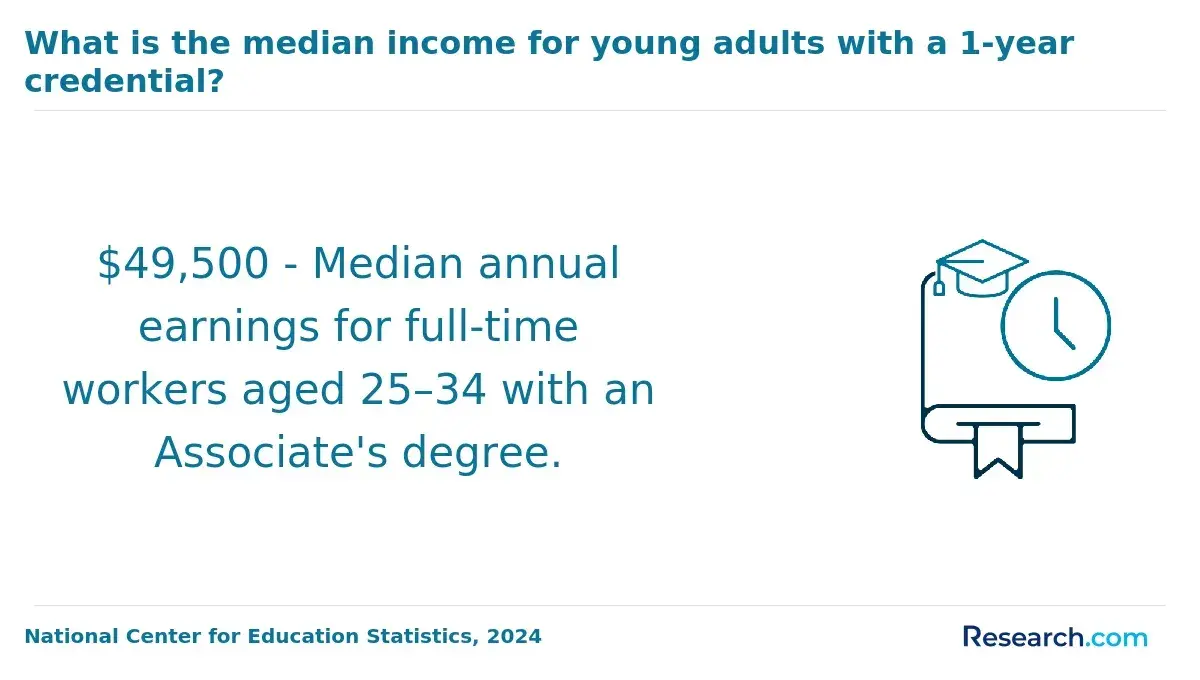
Industry selection plays a critical role in shaping the earning trajectory of music education professionals over time. Wage data spanning years reveals striking differences between sectors with rapid salary growth and those with limited financial mobility.
- Steep Pay Progression: Fields like higher education administration, private studios, and corporate training often show salary increases that double or triple within 10 to 15 years, driven by expanded responsibilities and leadership opportunities.
- Limited Wage Growth: Public schools and some nonprofits tend to maintain narrow salary ranges due to standardized pay scales and union contracts, capping earning potential despite experience or performance.
- Variable Compensation: Roles in corporate music education and entrepreneurial ventures may include bonuses, profit-sharing, or equity stakes, significantly enhancing overall income beyond base pay.
- Security vs. Growth: Public sector positions generally offer stable employment and benefits, but with slower salary advancement compared to private sectors where compensation volatility is greater.
- Long-Term Perspective: Evaluating potential earnings across a decade or two-factoring in industry trends and promotion prospects-is essential rather than focusing narrowly on starting salaries.
- Additional Considerations: Licensing demands, remote work availability, and employer commitment to professional growth also influence long-term career and compensation outcomes.
Which Industries Provide the Most Stable and Recession-Proof Careers for Music Education Graduates?
Employment trends during economic downturns reveal important insights for graduates seeking stable careers for music education graduates in the United States. Public education consistently demonstrates resilience-strong union protections and the essential nature of K-12 instruction help shield jobs even amid recessions. This sector's licensure requirements and clear promotion pathways contribute to a robust and secure career outlook.
Higher education shows mixed stability; while some institutions face layoffs due to budget cuts, tenured and tenure-track roles often maintain security. Online teaching and research roles have expanded, offering remote work options that cater to changing educational demands. However, growth here can be slower and more sensitive to macroeconomic factors.
Nonprofit arts organizations, though reliant on fluctuating grant funding, tend to weather recessions better than private enterprises. Their mission-driven focus and community engagement encourage sustained support, yet their smaller scale can mean limited salary growth compared to the private sector.
- Risk-Reward Balance: Graduates frequently encounter a trade-off between the relatively stable but slower-growing public and nonprofit sectors and higher-paying but more volatile private industry roles-which may include commercial music instruction or entertainment. Those with lower tolerance for financial uncertainty often gravitate toward government or educational institutions, while others may pursue diverse opportunities balancing passion and income.
- Industry Trends: Government roles and essential services employing music educators have proven countercyclical, preserving workforce levels during the 2008 financial crisis and 2020 COVID-19 disruption. Recent data indicate that demand for skilled music educators in public settings remains steady despite economic fluctuations.
Assessing personal obligations alongside job security preferences is crucial. Those exploring alternative career paths might benefit from programs like a criminal justice online degree as part of a broader strategy for career resilience amid evolving market conditions.
What Role Does the Private Sector Play in Shaping Career Paths for Music Education Degree Holders?
The private sector plays a growing role in expanding career options for music education graduates beyond traditional school settings. Opportunities in areas such as private instruction, arts organizations, publishing, and edtech companies allow professionals to apply teaching and musical skills in diverse environments. This shift broadens how music education expertise is valued across both educational and creative industries.
Technology Industry: From established leaders like Apple and Google to emerging startups, the tech sector hires music education graduates for roles in educational software development, music app innovation, and user experience research. This sector offers competitive pay packages that often include bonuses and stock options. Career advancement tends to be rapid, driven by a high-performance, innovation-centric culture.
- Media and Entertainment: Corporations such as Disney and Sony Music employ professionals to develop curricula, manage artists, and produce creative content. These roles emphasize collaboration and artistic creativity, often featuring variable compensation linked to project outcomes and demanding, deadline-driven environments.
- Corporate Training and Development: Firms like Deloitte and PwC use music education skills to facilitate team-building and enhance training through creative methods. Compensation here is typically steady with structured performance reviews, and progression is related to leadership abilities and client impact. Work schedules generally align with traditional office hours, mixing onsite visits and office work.
- Health and Wellness: Private clinics and therapy centers incorporate music education expertise into rehabilitation, music therapy, and outreach. These settings-often nonprofit or privately funded-offer flexible schedules, remote work options, and deeply meaningful, mission-driven careers with variable salaries but strong long-term growth potential.
How Do Public Sector and Government Agencies Compare to Private Employers for Music Education Graduates?
Music education professionals often find government employment within federal, state, and local education departments, public school systems, cultural organizations such as the National Endowment for the Arts, and community outreach initiatives. These roles tend to offer reliable career stability and serve as long-term positions.
- Career Advancement: Government roles typically operate under civil service frameworks featuring defined grade levels and promotion standards based on tenure and performance reviews. This creates a transparent-but generally slower-advancement path compared to the more flexible, merit-based progression common in private-sector jobs.
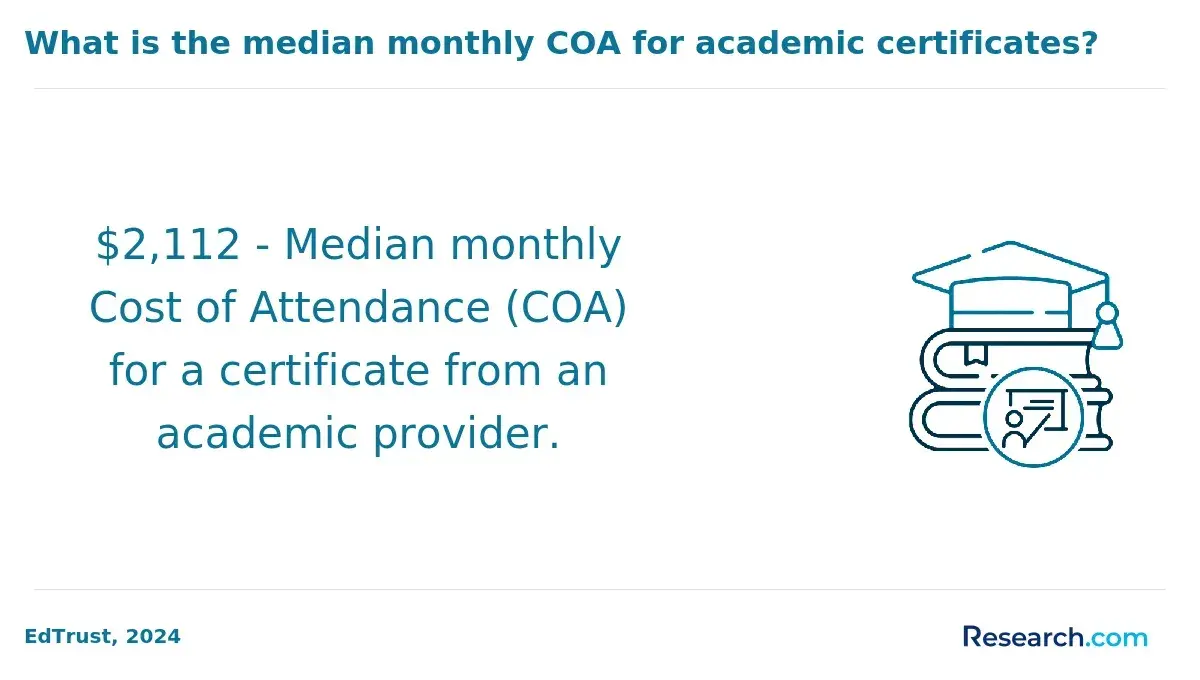
- Compensation: Positions in public agencies are usually governed by standardized pay scales with salary caps, often resulting in starting wages that are lower than those in private music schools, corporate arts programs, or freelance opportunities. However, public employment usually includes benefits that increase incrementally over time.
- Benefits and Job Security: Public sector careers uniquely provide defined-benefit pension plans, offering long-term retirement security not often found in private settings. Additionally, music education graduates within government roles may qualify for student loan forgiveness, a valuable perk absent in most private-sector jobs.
- Trade-Offs: Prospective employees should weigh the slower promotional pace and limited salary growth against the stability and benefits, noting that public positions may involve more bureaucracy and reduced flexibility.
- Recent Industry Trend: Data from the U.S. Bureau of Labor Statistics projects an 8% growth in employment for music directors and composers in government and educational settings from 2022 to 2032-outpacing the average growth rate across all occupations and reflecting ongoing public investment in arts education.
Which Industries Offer the Clearest Leadership and Advancement Pathways for Music Education Professionals?
Industries offering the most transparent and merit-based leadership pathways for music education graduates combine structured promotion practices with ongoing professional development. K-12 public and private education sectors excel in this regard-school districts and private schools provide clear ladders that can advance educators from teaching roles to department chair, curriculum coordinator, and eventually principal or district-level administrator within ten to fifteen years. Such pathways are bolstered by licensure and specialized certifications, including school administration credentials, which clarify expectations and support upward mobility.
Higher education institutions also present robust managerial tracks for music education professionals aiming beyond teaching roles. Graduate studies in education leadership or arts administration accelerate access to director-level positions in academic departments and arts outreach programs.
Many universities further advance leaders into dean or provost roles, especially when supported by an MBA or master's degree specializing in nonprofit management or arts leadership. This combination is particularly valued in large private universities and conservatories, where leadership roles often require both domain expertise and advanced management skills.
The arts and culture sector, including orchestras and theaters, offers distinct executive opportunities for graduates who blend pedagogical expertise with business acumen. Leadership positions here often favor dual backgrounds in education and management, enhanced by graduate degrees such as an MBA in arts administration.
Although transparency in promotion varies, merit-based frameworks and performance reviews are becoming more common.
- Structured Advancement: Well-defined promotion tracks in public schools and higher education supported by credentialing and graduate education.
- Graduate Education Impact: MBAs with arts or education leadership specializations shorten timelines to executive roles.
- Industry Variability: Arts and culture demonstrate growing but uneven clarity in leadership progression, often requiring combined education and management experience.
- Remote Work and Flexibility: Higher education increasingly offers remote leadership roles, enhancing retention and upward mobility.
- Ten-Year Career Ceiling: Forty percent of music education professionals in K-12 move into formal leadership by year ten, compared to 25 percent in arts organizations.
- Professional Development: Industries investing heavily in certification and leadership training correlate with stronger, steadier career advancement.
What Emerging and Technology-Driven Industries Are Creating New Demand for Music Education Skills?
Emerging technology careers for music education graduates increasingly span sectors where creativity meets technical innovation. Employers value professionals blending musical training with skills in advanced auditory processing, acoustics, and digital design. Key industries expanding roles for these graduates include:
- Artificial Intelligence: Specialists with knowledge of musical structure and digital audio tools support machine learning for sound recognition, natural language processing, and generative music algorithms, enhancing AI's auditory capabilities.
- Digital Health: Integrating music therapy with technology drives cognitive rehabilitation and mental health solutions. Graduates versed in neuropsychology, app development, and biofeedback create evidence-based interventions leveraging music's therapeutic effects.
- Advanced Manufacturing: Roles here combine sound engineering and acoustic physics with computer-aided design to develop audio components, focusing on prototyping, user experience, and product quality control.
- Clean Energy: Music graduates contribute by applying sound theory and data analysis to environmental noise mapping and acoustic sensor diagnostics that optimize equipment performance and energy efficiency.
- Biotechnology: Bioacoustic monitoring and sonification of complex data require professionals skilled at interpreting acoustic signals and collaborating on neural interface and patient monitoring innovations.
To thrive in these fields, music education graduates should pursue targeted upskilling in audio engineering, programming, or data science, alongside certifications in digital signal processing, health informatics, or human-computer interaction. Graduate programs emphasizing interdisciplinary applications of music and technology further strengthen career prospects in digital innovation in music education industry contexts.
While these emerging sectors offer substantial growth potential, they also carry higher risk due to shifting job markets and evolving skill demands. Graduates must evaluate industry stability and align opportunities with personal goals carefully, building flexible skills and networks. For those exploring related fields, options like a social media marketing university program can complement expertise and open additional career pathways.
How Do Nonprofit and Mission-Driven Organizations Compare as Career Options for Music Education Graduates?
Nonprofit and mission-driven organizations offer meaningful career opportunities for music education graduates seeking purpose alongside professional development. While salaries in these sectors often trail those in private or for-profit fields-reflecting reliance on limited funding and grants-total compensation frequently includes robust benefits such as comprehensive health insurance, retirement plans, paid time off, and sometimes student loan repayment assistance.
These benefits help ease financial stress that might otherwise deter candidates.
- Compensation and Benefits: Average pay in nonprofit roles tends to be modest but compensated by health coverage, retirement options, and forgiveness programs that improve overall financial viability.
- Public Service Loan Forgiveness (PSLF): Many mission-driven organizations qualify for PSLF, allowing full-time employees to have remaining federal student loan balances forgiven after 10 years of qualifying payments. This can significantly offset lower salaries and make long-term financial security attainable for graduates.
- Advancement Opportunities: Career advancement is often less linear than in corporate settings, demanding additional skills such as fundraising, program management, and community outreach alongside musical expertise. Nonetheless, growth is achievable through increasing responsibility and organizational impact over time.
- Workplace Culture: These organizations emphasize collaboration, a shared mission, and flexibility, often providing remote or hybrid work options and encouraging ongoing professional development linked to social causes and music education innovation.
- Mission Alignment and Job Satisfaction: Graduates drawn to mission-driven organizations typically experience high job satisfaction by contributing to community access to music education, social justice through the arts, or youth empowerment-offsetting gaps in salary with meaningful impact.
For those exploring nonprofit career opportunities for music education graduates, considering holistic factors like workplace culture, benefits such as PSLF, and personal mission alignment is essential. Music education professionals should also evaluate diverse hiring from mission-driven organizations seeking these skills, which could align their values with career trajectory. The appeal often extends beyond pay to a satisfying balance of values and professional growth.
Professionals pivoting sectors or returning to work with new credentials might also explore online colleges for military as a resource for flexible education paths that support mission-oriented careers.
Which Industries Support the Most Remote and Flexible Work Arrangements for Music Education Degree Holders?
Remote and hybrid roles for music education professionals vary widely by sector, shaped by organizational models and technological adoption. Recent workforce studies indicate that nearly 60% of music educators engage in some form of remote or hybrid work, signaling a shift in employer flexibility.
- Technology Sector: Highly adaptable to remote work, this sector includes virtual tutoring, curriculum design, and app-based instruction, with many employers endorsing hybrid schedules that combine online and occasional in-person collaboration.
- Music and Arts Organizations: While performance roles typically require on-site presence, education, outreach, and community engagement positions increasingly leverage digital platforms, offering flexible, remote opportunities.
- Higher Education: Universities and colleges rapidly expanded online offerings in response to demand, providing numerous remote teaching roles; hybrid models are common, accommodating educators' need for flexibility.
- Public and Private K-12 Schools: These institutions generally require in-person teaching due to hands-on ensemble instruction, though some districts permit remote or hybrid formats for theory, history, or technology instruction, albeit less frequently.
- Freelance and Entrepreneurship: Launching private studios or creating digital content allows music education professionals complete control over their schedules and locations, maximizing flexibility and entrepreneurial potential.
- Geographic Flexibility: Remote work eliminates location constraints-allowing educators to earn salaries aligned with high-cost urban markets while residing in more affordable areas, enhancing both financial and lifestyle options.
Candidates should examine policies and employee reviews, ask specific questions about technology support and scheduling flexibility, and negotiate clear terms related to remote work during interviews to ensure successful arrangements.
How Do Industry-Specific Licensing and Certification Requirements Affect Music Education Career Entry?
The path to employment for music education graduates varies widely by sector due to differing certification and licensing demands-some require substantial extra effort beyond academic qualifications. Navigating these requirements is essential for timely career entry and long-term growth.
- Public School Licensing: K-12 public education mandates state-issued teaching licenses, which include passing subject-specific exams, completing supervised student teaching, and background checks. Licenses require ongoing renewal and continuing education, extending the timeline and costs involved.
- Private and Charter Institutions: Certification might not be compulsory, but candidates with official credentials or specialized training in methodologies like Orff or Kodály often gain an advantage during hiring.
- Higher Education and Community Programs: Roles in these areas emphasize advanced degrees over formal licensing; however, professional certificates in areas such as conducting or technology integration can enhance career progression.
- Therapeutic Settings: Music therapists face strict certification requirements from the Certification Board for Music Therapists, including documented practicum hours and board exams. These present significant regulatory obstacles beyond a music education degree.
- Private Instruction and Entrepreneurship: These sectors generally have no formal licensing, but industry-recognized certifications are valuable for establishing credibility with clients and advancing business opportunities.
Securing additional industry-recognized credentials beyond mandatory licenses frequently accelerates hiring and promotion chances. Recent data from the National Center for Education Statistics shows over 85% of public school music teachers hold valid teaching credentials.
Because licensing standards evolve regularly, candidates should consistently check with state education departments and professional organizations to remain informed of current requirements.
What Graduates Say About the Industries That Offer the Best Career Paths for Music Education Degree Graduates
- Aries: "Pursuing a music education degree opened doors to industries where compensation is quite competitive, especially in private institutions and specialized music schools. What surprised me most was the balance these roles offer-strong financial rewards combined with the invaluable satisfaction of nurturing talent. It's a dynamic field with great stability for those willing to keep evolving."
- Massimo: "Reflecting on my journey, the workplace culture in music education roles stands out as incredibly supportive and inspiring-colleagues genuinely share a passion for growth and creativity. While advancement opportunities may not always be rapid, they are thoughtfully structured, allowing you to build expertise and eventually lead programs or curriculums. This profession truly values dedication and ongoing learning."
- Angel: "From my experience, the clearest advantage of a music education degree lies in the stability offered by public school systems and community arts organizations-sectors where my skills have been in consistent demand. Career progression here means expanding your influence beyond teaching, possibly into administration or advocacy. This field blends passion with practical career paths more than I initially expected."
Other Things You Should Know About Music Education Degrees
Public and private K-12 education sectors typically provide the most stable work-life balance for music education graduates, with structured schedules and academic calendars. Higher education institutions also offer considerable job satisfaction through opportunities to teach, conduct research, and engage in community outreach. Additionally, community music programs and arts organizations often emphasize mission-driven work, which can enhance personal fulfillment despite sometimes irregular hours.
In 2027, music education graduates can evaluate industry opportunities by considering the presence of arts organizations, funding for music programs, and demand for music teachers in various regions. Urban areas typically offer more diverse opportunities, but smaller communities might provide unique chances for leadership roles and community engagement.
Public education systems are among the top investors in professional development for music educators, often requiring ongoing certification and offering workshops or training programs. Colleges and universities also support continuing education through conferences and research grants. Arts organizations and nonprofits may provide targeted skill-building in areas like arts administration or community programming, though resources vary widely.
Graduates should consider how an industry's mission and culture align with their passion for music and education. Those prioritizing stability might favor school systems, while individuals seeking creative or leadership roles may explore higher education or nonprofit arts sectors. Evaluating advancement potential, work environment, and community impact is essential to determine where they will thrive professionally and personally over time.
References
- Career Possibilities: What a Music Degree Doesn’t Tell You https://groverpro.com/career-possibilities-what-a-music-degree-doesnt-tell-you
- Music education 'must adapt to industry demands' - Arts Professional https://www.artsprofessional.co.uk/news/music-education-must-adapt-industry-demands
- Why music education matters: Advancing your career through a master’s in music or conducting https://www.messiah.edu/news/2025/11/why-music-education-matters-advancing-your-career-through-a-masters-in-music-or-conducting
- Arts for a Cause: Learn How Nonprofits Benefit Musicians and Their Communities - El Sistema Texas https://elsistematexas.org/2024/02/24/arts-for-a-cause-learn-how-nonprofits-benefit-musicians-and-their-communities/
- Music career pathways - Music Teacher https://www.musicteachermagazine.co.uk/content/features/music-career-pathways
- Technology and Music Education: A Dynamic Partnership Explored https://truecadence.org/technology-and-music-education-a-dynamic-partnership-explored/
- Where to Find Work as a Musician https://musiciansunion.org.uk/training-development/job-opportunities-for-musicians
- Explore Exciting Career Pathways in Music https://www.savethemusic.org/resources/explore-career-pathways-in-music/
- Current Trends in the Music Education Job Market — The Music Teacher Guild https://www.musicteacherguild.org/articles/current-trends-in-the-music-education-job-market
- Why We Need Nonprofits • Maestra https://maestramusic.org/blog/why-we-need-nonprofits/


