
2027 What Job Postings Reveal About Sports Psychology Careers: Skills, Degrees, and Experience Employers Want

Co-Founder and Chief Data Scientist
What do employers really seek when hiring for sports psychology roles? For many recent graduates and career switchers, deciphering job postings can reveal key insights on necessary skills, degree levels, and relevant experience. With the sports psychology field expected to grow by 8% through 2030, understanding employer priorities is crucial for a competitive job search.
Common job titles often emphasize expertise in athlete mental health, performance enhancement, and applied research. This article explores what current job postings disclose about hiring trends in sports psychology, aiming to help candidates align their qualifications with market demands effectively.
Key Things to Know About Skills, Degrees, and Experience Employers Want
- Job postings emphasize strong interpersonal and analytical skills, with 78% seeking expertise in performance assessment and mental resilience strategies.
- Employers commonly require a master's degree in Sports Psychology or related fields, alongside 2-5 years of applied experience in athletic or clinical settings.
- Examining job ads clarifies hiring standards, revealing a growing demand for certifications and practical experience, helping students align education with market expectations.
What Do Job Postings Say About Sports Psychology Careers?
Job postings in sports psychology frequently illustrate the balance employers seek between academic achievements and practical experience. Most roles require at least a master's degree in sports psychology or a related field, with many emphasizing doctoral qualifications.
Beyond education, strong interpersonal and communication skills are highlighted as essential, reflecting the collaborative nature of the work with athletes and coaching staff. Notably, around 70% of job listings stress the importance of soft skills such as empathy and adaptability, showing their critical role in the field.
Patterns in job ads reveal consistent expectations for credentials but notable variation in experience depending on the seniority and specialization of the position. Entry-level jobs might accept supervised practicums, while advanced roles generally demand extensive professional experience.
There is also an increasing trend toward valuing data analysis skills and evidence-based approaches, suggesting employers prioritize candidates who blend psychological expertise with quantitative insight. These trends indicate a competitive environment where diverse competencies are increasingly important.
What Skills Are Most Requested in Sports Psychology Job Postings?
Job postings in the sports psychology field consistently highlight essential skills that employers prioritize for effective practice and athlete support. Over 70% of these listings emphasize communication and interpersonal abilities, indicating their critical role in the profession. These core competencies reflect the growing demand for well-rounded professionals who can navigate the psychological needs of athletes under various pressures.
Below are several key qualifications sports psychology employers seek, which form the foundation of successful careers in this dynamic field.
- Communication: This skill involves clearly conveying psychological concepts to athletes, coaches, and stakeholders. Effective communication ensures that strategies and interventions are properly understood and implemented, making it indispensable for successful collaboration and treatment.
- Emotional Intelligence: Employers value professionals who can recognize and manage emotions in themselves and others. This capacity to navigate emotional dynamics is especially important in high-pressure sports environments and helps build strong therapeutic relationships.
- Analytical Skills: These skills enable practitioners to assess athlete behavior, interpret performance data, and tailor psychological plans. Analytical abilities allow continuous measurement and adjustment of interventions based on evidence, enhancing their overall impact.
- Interpersonal Skills: Strong interpersonal abilities facilitate trust-building and motivation, which are crucial for teamwork with coaches and other professionals. This collaborative competence fosters a supportive environment conducive to athlete development.
- Adaptability: The ever-changing nature of sports demands flexibility in approach, whether responding to injuries, competition schedules, or team dynamics. Adaptability ensures that psychological support remains relevant and effective in varied situations.
For those interested in pursuing related accelerated training, an accelerated CMA program can offer fast pathways into allied professional roles that complement sports psychology careers.
What Degrees Do Employers Require for Sports Psychology Careers?
Job listings for sports psychology careers typically mirror the educational requirements employers seek, which shift depending on the role's complexity and the specific sector. Entry-level positions usually call for a bachelor's degree, while specialized or senior roles often require advanced education.
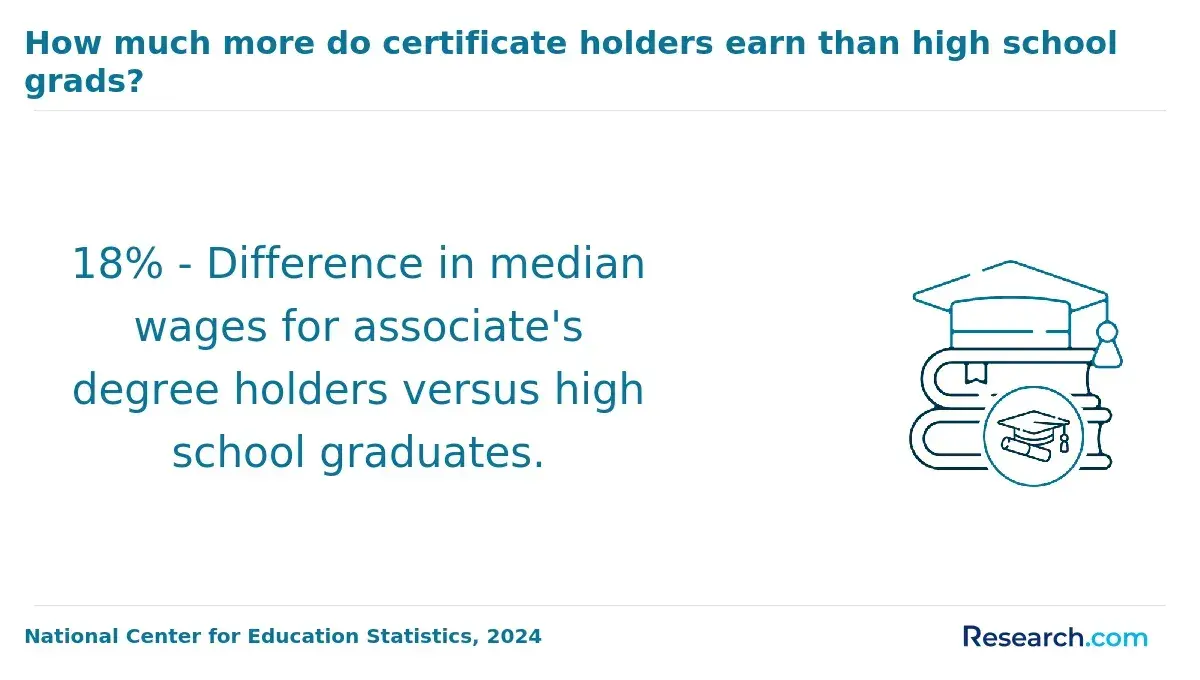
Recent data show that about 62% of jobs in this field demand a master's degree or higher, highlighting the importance of graduate-level training. Common degree requirement trends in sports psychology job postings include the following:
- Bachelor's Degree Foundation: Many entry-level roles prefer candidates holding a bachelor's in psychology, kinesiology, or related areas to ensure a basic understanding of mental and physical performance concepts.
- Advanced Degree Preference: Specialized and leadership positions frequently specify master's or doctoral degrees in sports psychology or closely related disciplines, emphasizing clinical practice or research capabilities.
- Licensing and Certification: Some jobs, particularly those involving counseling or therapeutic support, also require professional certification or licensure in addition to academic qualifications.
- Industry Variation: Requirements differ by setting; professional sports organizations often expect higher degrees and certifications compared to community or collegiate programs, which may value practical experience alongside a bachelor's degree.
When asked about degree requirements, a sports psychology degree graduate reflected on the journey: "Navigating the path wasn't straightforward. I found the push for advanced degrees intense, especially for clinical roles. Balancing coursework with internships was demanding, and pursuing licensure felt like another mountain to climb."
"But these challenges also solidified my commitment, showing me how essential a strong educational foundation and ongoing credentials are to truly support athletes mentally."
How Much Experience Do Sports Psychology Job Postings Require?
Job postings for sports psychology roles vary widely in their experience requirements depending on the position's level and focus. Employers use these criteria to filter candidates, ensuring applicants have appropriate skills and professional insight to support athletes effectively. Experience remains a critical factor for hiring decisions across the field.
Below are common patterns in experience expectations found in sports psychology job postings:
- Entry-Level Roles usually expect minimal prior experience, often 0-1 years, and sometimes accept internship or practicum hours as valid. These positions target recent graduates and emphasize foundational skills over independent practice.
- Mid-Level Positions generally require 2-5 years of direct sports psychology work or related clinical experience. Candidates should demonstrate practical application of psychological principles in athletic contexts and some autonomy in managing athlete mental health.
- Senior Roles demand extensive experience, often exceeding five years, including leadership duties, program development, or mentoring responsibilities. Experience with elite athletes or diverse populations is highly valued at this stage.
- Specialized Jobs tailor experience requirements to specific athlete groups or intervention methods, reflecting the niche expertise needed for those roles.
For those exploring educational pathways aligned with these expectations, advanced options like online NP programs may offer complementary credentials enhancing career prospects in related healthcare and psychological support fields.
What Industries Hire Fresh Graduates With No Experience?
Many industries are increasingly willing to hire fresh graduates in sports psychology who have little to no prior professional experience, a trend clearly visible in entry-level job postings. Research reveals that nearly 40% of initial positions in health-related psychology fields do not require previous work history, making these roles accessible to new graduates.
The following industries are notable for welcoming sports psychology graduates without extensive experience:
- Healthcare Centers: These facilities often seek entry-level sports psychology professionals to assist athletes and patients recovering from injuries, emphasizing motivation and mental health within rehabilitation programs.
- Sports Organizations: Amateur and youth sports clubs frequently offer assistant or trainee roles, providing opportunities for graduates to apply their theoretical knowledge while gaining hands-on experience supporting athlete performance.
- Educational Settings: Colleges, universities, and high schools commonly bring on sports psychology graduates as research assistants or program aides, working alongside coaches to enhance student-athlete mental well-being.
- Fitness Facilities: Jobs in wellness centers often include integrating sports psychology concepts into fitness routines to help clients overcome psychological barriers to exercise and reach their goals.
- Community Groups: Nonprofit organizations engage graduates in programs that promote physical activity and psychological resilience among diverse populations, often without demanding prior experience.
When asked about her experience entering the job market, a recent sports psychology graduate shared how challenging it was at first to find roles that matched her education but didn't require prior experience.
She explained that patience and persistence were vital, as many employers prioritized interpersonal abilities and willingness to learn over extensive backgrounds. Through volunteering and internships, she gradually built confidence and relevant skills, eventually securing a position in a community-based organization.
'It was encouraging to find places that value my enthusiasm and education,' she reflected, emphasizing that such opportunities helped her transition smoothly into the professional world.
Which Industries Require More Experience or Skills?
In certain industries, employers expect higher levels of experience, specialized education, and advanced skills from sports psychology candidates, leading to more selective hiring practices. Job postings in these fields frequently highlight requirements that go beyond foundational credentials, reflecting the complexity and high stakes of the roles.
For instance, about 65% of listings in professional sports and military sectors demand over four years of post-graduate experience, indicating a strong emphasis on proven expertise.
The following outlines key industries known for their rigorous demands on sports psychology professionals:
- Professional Sports Organizations often require candidates to hold master's or doctoral degrees combined with several years of experience working with elite athletes. Certifications like the Certified Mental Performance Consultant (CMPC) are commonly specified, along with skills in mental performance assessment, intervention strategies, and teamwork with coaches and medical staff.
- Military and First Responders seek individuals with advanced clinical training focused on resilience, trauma-informed care, and rapid psychological assessment. Multi-year experience in high-stress environments is typically needed to meet the operational demands of these positions.
- Elite Collegiate Athletic Programs tend to prioritize candidates who demonstrate both specialized knowledge in sports psychology and the ability to navigate competitive, high-pressure academic athletic environments. Experience in applied psychological techniques and strong collaboration skills are essential.
- Research Institutions engaged in applied sports psychology studies emphasize advanced academic credentials and proven research competencies. Professionals are expected to bring expertise in experimental design along with practical insights into athlete behavior and performance.
These sectors share a need for advanced certifications, demonstrated clinical or applied capabilities, and a track record of effective engagement under demanding conditions, setting a higher bar than many community or recreational settings.
Employer Confidence in Online vs. In-Person Degree Skills, Global 2024

Which Credentials Are Most Valuable for Sports Psychology Careers?
Employers assessing candidates for sports psychology roles heavily weigh formal credentials to gauge professional readiness and expertise. Academic qualifications, licenses, and specialized certifications serve as critical indicators of a candidate's ability to meet the demands of the position.
These credentials influence hiring decisions by signaling the level of theoretical knowledge, practical experience, and ethical standards upheld by the applicant.
Several credentials stand out as particularly valuable in sports psychology job postings:
- Academic Degrees: A master's or doctoral degree in sports psychology, psychology, or a related field is often essential. Doctorate degrees such as a PhD or PsyD are especially prized for research-focused or clinical roles, reflecting advanced training in psychological theories, research methodologies, and intervention techniques.
- Licensure: State-issued licenses to practice psychology or counseling independently are typically required for clinical and counseling positions. Licensure confirms adherence to professional ethics, completion of supervised clinical experience, and passing of standardized exams, which assures employers of competence in managing complex psychological issues in athletic settings.
- Specialized Certifications: Certifications from recognized organizations like the Association for Applied Sport Psychology (AASP) demonstrate an individual's dedicated expertise in sports-specific psychological practices. These credentials require documented experience with athletes and commitment to established ethical codes, enhancing the candidate's credibility.
- Mental Performance Credentials: Additional certifications in mental performance coaching or athletic counseling highlight practical skills in applying psychological principles to enhance athlete outcomes. While not always mandatory, these credentials underscore ongoing professional development and specialized knowledge valued by employers.
Are Salaries Negotiable Based on Experience?
Salary levels in sports psychology careers are influenced by a combination of experience, education, and the complexity of the role. Job postings often show a range rather than a fixed salary, signaling that compensation can be negotiable based on a candidate's background.
Professionals with more than five years of experience can earn up to 30% higher salaries compared to entry-level practitioners, highlighting how experience impacts pay scales in this field. Employers may adjust offers to reflect not only educational credentials but also specialized skills and leadership abilities, particularly in competitive or high-stakes roles.
The structure of salary ranges commonly differentiates between entry-level and advanced positions, with entry-level jobs offering lower salaries that correspond to required training and development.
In contrast, advanced roles demand greater expertise, often allowing for salary negotiations that reward demonstrated competence and accomplishments. This flexible approach to pay is a clear example of negotiable sports psychology salaries based on experience and reflects typical industry practices.
Candidates pursuing accelerated education pathways, like those in a fast track program, may also influence how employers consider salary adjustments within their hiring frameworks.
How Can You Match Your Resume to Job Descriptions?
Job postings provide essential guidance for tailoring your resume to better match employer expectations in sports psychology careers. Studies show that about 75% of resumes are filtered out by applicant tracking systems (ATS) before reaching human reviewers, emphasizing the need for precise alignment with job criteria. Understanding these details helps candidates highlight the most relevant skills and qualifications.
Below are key strategies for aligning your resume with sports psychology job descriptions:
- Interpretation of Job Postings: Carefully analyze required skills, certifications, and experience levels stated by employers. Focus on competencies commonly requested, such as psychological assessment expertise or performance enhancement methods.
- Highlighting Relevant Experience: Emphasize internships, research projects, and practical roles directly related to sports psychology applications. Experiences that showcase applied knowledge within sports contexts carry significant weight.
- Aligning Terminology: Incorporate exact phrases and keywords used in the job description. This tactic improves ATS compatibility and clearly signals your qualifications match employer needs.
- Prioritizing Qualifications: Make sure your education, certifications, and licenses mentioned in the postings are prominently displayed. Quantify achievements tied to sports psychology skills where possible to demonstrate measurable impact.
- Education Background: Many employers prefer candidates with relevant academic credentials, such as exercise science degrees online or related fields. Featuring appropriate degrees can reinforce your suitability for specialized roles.
By applying these approaches, candidates focusing on key skills and qualifications for sports psychology careers in the US can better position themselves for success during resume screening and selection stages.
What Should You Look for When Analyzing Job Ads?
Job ads in sports psychology careers serve as valuable tools for understanding what employers prioritize when hiring. Analyzing these postings reveals detailed expectations regarding skills, education, and experience. Recent data shows that over 70% of sports psychology job listings clearly specify required qualifications and competencies, highlighting employer transparency.
To grasp what employers seek, consider these key aspects in job ads:
- Core Responsibilities: Examine duties such as conducting psychological assessments, designing mental skills training, and collaborating with athletes and coaching staff to understand the role's focus.
- Educational Qualifications: Most positions expect advanced degrees like a master's or doctorate in sports psychology or a related field, as well as relevant certifications.
- Experience Expectations: Requirements vary widely; entry-level roles often ask for internships or supervised practice, while senior roles emphasize substantial clinical or applied experience.
- Key Skills: Effective communication, proficiency in data analysis, and knowledge of evidence-based psychological techniques are commonly requested.
- Specialized Knowledge: Some jobs prefer familiarity with particular groups such as youth athletes or elite competitors and the ability to work within multidisciplinary teams.
Employers also value candidates who align with these key skills required for sports psychology careers. For those curious about timelines in related healthcare fields, exploring how long to become a nurse practitioner may provide interesting insights.
What Graduates Say About Skills, Degrees, and Experience Employers Want
- Otis: "As a recent graduate, I found job postings to be invaluable in understanding the specific skills employers seek in sports psychology roles. They helped me tailor my applications to emphasize relevant coursework and internships, making the transition from academia to the workforce smoother. I recommend that fresh graduates carefully analyze these listings to identify emerging trends and qualifications in the field."
- Ronan: "Over the years, job ads have been a strategic tool for advancing my career in sports psychology. Not only do they highlight new opportunities, but they also reveal shifts in employer expectations and preferred certifications. By staying attentive to these details, I've been able to pursue targeted professional development that aligns with market demands."
- Brooks: "From a professional standpoint, the impact of job postings goes beyond simply finding new roles; they provide a snapshot of the evolving landscape of sports psychology. Analyzing multiple ads has given me insight into how diverse the career paths can be, which helps me better advise clients and align my practice with industry standards. The specificity in these postings continually shapes how I approach my work."
Other Things You Should Know About Sports Psychology Degrees
Job postings in sports psychology often emphasize a combination of both practical experience and academic qualifications. Employers typically look for candidates who have completed relevant internships or fieldwork, alongside at least a master's degree in sports psychology or a related field. Practical experience demonstrates an ability to apply theoretical knowledge in real-world settings, which is crucial for effective athlete support.
Yes, certifications and continuing education are frequently highlighted as valuable in sports psychology job postings. Many roles prefer candidates with credentials like Certified Mental Performance Consultant (CMPC) or other recognized certifications. These show a commitment to maintaining current best practices and professional development beyond formal education.
Interpersonal and communication skills are regularly underscored in sports psychology job listings. Employers seek professionals who can build trust with athletes and coaching staff, provide clear guidance, and handle sensitive psychological issues effectively. These soft skills are essential for successful intervention and collaboration.
In 2027, sports psychology job postings frequently emphasize strong interpersonal skills, including the ability to effectively communicate with athletes and coaching staff, foster a positive and collaborative environment, and convey complex psychological concepts in an accessible manner. Active listening and empathy are also highly valued.
References
- The Perfect Sports Psychologist Resume Writing Tips | The Perfect Resume https://theperfectresume.com.au/pages/the-perfect-sports-psychologist-resume-writing-tips
- 10 Awesome Masters in Sports Psychology Careers & Jobs https://mastersinpsychologyguide.com/articles/10-awesome-masters-in-sports-psychology-jobs/
- 5 Sports Psychologist Job Description Templates and Examples https://himalayas.app/job-descriptions/sports-psychologist
- Sports Psychologist Degrees and Careers https://www.psychologycareercenter.org/sports-psychologist.html
- How To Become A Sports Psychologist | Psychology.org https://www.psychology.org/careers/sports-psychologist/
- Guide to Sports Psychology Jobs https://www.sportspsychology.org/resources/jobs/
- Careers in Sport Psychology Articles https://www.sports-psychology.com/careers-sports-psychology/
- Sport Psychologist Qualifications: What Elite Athletes Want https://www.drpaulmccarthy.com/post/sport-psychologist-qualifications-what-elite-athletes-want


