
2027 Which Employers Hire Sports Psychology Degree Graduates? Industries, Roles, and Hiring Patterns

Co-Founder and Chief Data Scientist
Imagine seeking a career with a sports psychology degree but facing uncertainty about which employers actually hire graduates-across diverse industries and roles-the landscape can seem opaque. Recent labor data reveals that 48% of sports psychology graduates find roles within healthcare organizations, including rehabilitation centers and clinics, highlighting a prominent hiring sector often overlooked by newcomers. Meanwhile, others enter educational institutions, professional sports teams, and private practice.
Understanding these hiring patterns is crucial for aligning academic and career strategies. This article dissects industries, organizational types, and role levels that commonly recruit sports psychology graduates-empowering readers with clarity to navigate their professional paths effectively.
Key Things to Know About the Employers That Hire Sports Psychology Degree Graduates
- Sports psychology graduates are primarily hired by professional sports organizations, healthcare providers, and academic institutions-sectors that invest heavily in athlete performance and mental health support.
- Entry-level roles often include assistant consultants and research coordinators, while mid-career positions evolve into clinical specialists, team psychologists, and program directors.
- Hiring trends favor candidates with advanced degrees and licensure-especially in regions with major sports franchises and universities-reflecting structured recruitment cycles tied to sports seasons and academic calendars.
Which Industries Hire the Most Sports Psychology Degree Graduates?
The employment landscape for sports psychology degree graduates spans a diverse set of industries-knowing which sectors hire the most is key for aligning education with career opportunity. According to data from the Bureau of Labor Statistics (BLS), National Center for Education Statistics (NCES), and LinkedIn Workforce Insights, several industries emerge as leading employers for these graduates, reflecting different levels of integration of sports psychology expertise.
- Collegiate and Professional Sports Organizations: These top employers demand roles such as sports psychologists, mental skills trainers, and performance coaches who work directly with athletes-placing sports psychology at the heart of athletic operations and performance enhancement.
- Healthcare Services: Hospitals, rehabilitation centers, and clinical settings employ graduates to aid athlete injury recovery and mental health support, where sports psychology acts as a supportive but vital function within multidisciplinary care teams.
- K-12 and Higher Education Institutions: Schools and universities hire graduates to focus on student-athletes' psychological wellbeing and academic success, blending counseling with performance goals mainly in developmental environments.
- Fitness and Wellness Industry: Gyms, wellness centers, and private coaching firms attract graduates who use sports psychology principles to improve motivation, behavioral change, and client engagement-often addressing broader health and lifestyle outcomes rather than elite sports performance exclusively.
- Military and Law Enforcement: These sectors increasingly incorporate sports psychology to enhance resilience, stress management, and tactical readiness, applying techniques beyond traditional athletic contexts.
- Research and Academic Institutions: Many graduates enter research roles focusing on performance psychology, neuroscience, and behavioral studies-positions that generally require advanced degrees and contribute to the scientific foundation of the field.
- Corporate and Human Performance Consulting: A growing niche where sports psychology techniques improve employee performance, leadership skills, and team dynamics within organizational consulting frameworks.
Industry concentration notably varies with degree level and specialization-associate degrees often lead into the fitness and wellness sector, while graduate degrees open doors in clinical, high-performance sport, and research roles. For students exploring pathways, understanding these leading sectors for sports psychology careers in the US offers a practical framework for selecting programs and targeting internships.
Prospective students evaluating entry routes into health-related fields might also explore options among easy nursing schools to get into, which can complement or parallel sports psychology career strategies.
What Entry-Level Roles Do Sports Psychology Degree Graduates Typically Fill?
Performance Coach: Graduates often begin their careers as performance coaches, helping athletes enhance mental toughness and motivation.
- Core responsibilities: Deliver guided mental skills training, assist with goal-setting, and conduct confidence-building exercises.
- Reporting structure: Typically report to head coaches or athletic directors within sports organizations or college athletics departments.
- Relevant competencies: Expertise in psychological assessment, stress management, and motivational interviewing make graduates competitive in these roles.
Research Assistant: Entry-level sports psychology roles in the United States often include research assistant positions that support evidence-based practices in academic or applied settings.
- Core responsibilities: Collect and analyze data on athlete behavior, prepare reports, and assist in project design.
- Reporting structure: Report to principal investigators or lead researchers within universities or sports science institutes.
- Relevant competencies: Strong skills in research design, statistical analysis, and ethical data collection are essential.
Rehabilitation Coordinator: Graduates working in healthcare or nonprofits may manage psychological components of athlete rehabilitation post-injury.
- Core responsibilities: Develop mental recovery plans, liaise with physical therapists, and monitor patient progress.
- Reporting structure: Typically report to rehabilitation directors or clinical supervisors in hospitals or sports medicine clinics.
- Relevant competencies: Knowledge of trauma-informed care, cognitive-behavioral techniques, and interprofessional communication are crucial.
Wellness Program Associate: Employers like corporate wellness providers or community fitness programs hire graduates to promote mental well-being alongside physical health.
- Core responsibilities: Design stress reduction workshops, conduct mental health screenings, and coordinate wellness initiatives.
- Reporting structure: Report to program managers or human resources professionals.
- Relevant competencies: Program development, group facilitation, and psychoeducational outreach expertise support success.
Sports Analytics Coordinator: In industries such as financial services or management consulting, sports psychology graduates leverage data analysis skills in broader contexts.
- Core responsibilities: Interpret performance metrics, generate behavioral trend reports, and advise decision-makers.
- Reporting structure: Report to senior analysts or associate consultants.
- Relevant competencies: Analytical rigor, proficiency with statistical software, and understanding of human factors enhance candidacy.
Mapping specific entry-level job titles against one's degree focus, internship experience, and portfolio is essential for maximizing employability immediately after graduation. These strategies help clarify which roles align best with individual competencies and preferred sectors in the sports psychology field. Prospective graduates may also explore educational choices and career development resources such as the best online nursing programs for comparative insights into healthcare-related pathways.
What Are the Highest-Paying Employer Types for Sports Psychology Degree Graduates?
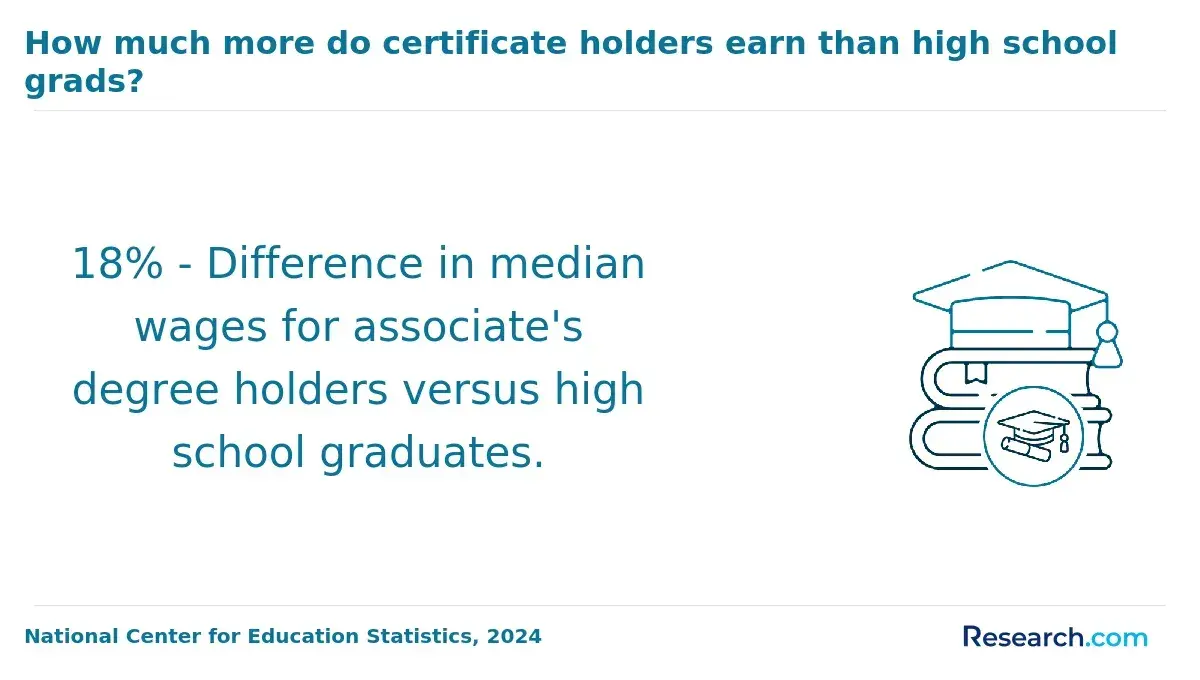
Private High-Revenue Companies: Typically offering the top starting and mid-career salaries, these employers include premier sports franchises and elite training centers. Their significant revenue per employee allows them to invest heavily in niche expertise, translating to competitive pay for sports psychology graduates.
Investment-Backed Technology Firms: Firms integrating sports analytics and athlete wellness solutions frequently provide attractive compensation packages. These companies combine strong salaries with bonuses and equity incentives, driven by venture capital support and scalable business models.
Financial Services Organizations: Although outside traditional sports sectors, these firms emphasize performance psychology and stress management in high-pressure roles. They tend to offer strong base salaries alongside comprehensive benefits and bonus opportunities.
Professional Services Consultancies: Large consultancies focused on organizational health and performance psychology deliver competitive pay that balances moderate base salaries with career advancement prospects and diverse client exposure.
Government Agencies and Nonprofits: Offering lower base pay due to budget constraints, these employers compensate with benefits, pension plans, and job security-important factors in overall compensation considerations.
Total compensation extends beyond base salary-bonuses, profit sharing, equity, retirement contributions, health benefits, and professional development stipends often shape the full package. High base pay employers may provide less generous benefits, while those with moderate salaries might offer richer non-salary rewards. Candidates should also assess long-term career progression and organizational culture, as roles with lower upfront pay but clear growth paths and strong environments often yield better lifetime financial and personal outcomes than high-pay, low-growth jobs.
A professional who graduated with a sports psychology degree shared that navigating job offers felt overwhelming, especially balancing salary against benefits and culture. He recalled, "I initially chased the highest salary but realized the company's limited promotion opportunities and rigid environment didn't suit me. Opting instead for a consultancy with slightly lower pay but better growth and mentorship shaped my career trajectory far more positively." His experience highlights how total compensation and career development often eclipse initial salary in importance.
Do Large Corporations or Small Businesses Hire More Sports Psychology Degree Graduates?
Data from the U.S. Census Bureau's Statistics of U.S. Businesses, the BLS Quarterly Census of Employment and Wages, and the NACE hiring intention surveys indicate that large organizations-such as Fortune 500 companies-hire the majority of sports psychology degree graduates. These corporations typically feature expansive health and wellness programs that support dedicated sports psychology roles within corporate wellness teams or partnerships with professional sports. Their robust infrastructure provides structured onboarding, formal training, clear promotion pathways, and recognizable brand equity that enhances graduates' resumes.
In contrast, small businesses-like boutique sports clinics and specialized coaching studios-offer graduates a wider range of responsibilities and faster opportunities for advancement. This environment fosters cross-functional exposure and accelerates practical skill development, appealing to those seeking hands-on experience early in their careers. Mid-market companies and nonprofits provide a blend of structure and flexibility, often attracting graduates who value mission-driven roles and community engagement.
- Large Corporations: Employ a significant share of graduates with emphasis on operational complexity and structured career growth.
- Small Businesses: Offer broader roles and quicker advancement, ideal for diverse skill-building.
- Mid-Market Companies and Nonprofits: Combine flexibility and organizational structure, suited for candidates focused on community impact or specialized niches.
Specialization within sports psychology influences employer fit as well-those focused on high-performance athlete support or corporate wellness often align with large enterprises, while clinical or community-based practitioners tend to thrive in smaller, agile environments. Graduates should weigh employer size alongside factors like industry sector, mission, geography, and growth potential. For targeted internship and career planning, understanding these distinctions helps select the most fitting role.
For insight on advanced academic options within related fields, explore anchors part-time Ph.D. in economics.
How Do Government and Public Sector Agencies Hire Sports Psychology Degree Graduates?
Federal, state, and local government agencies hire sports psychology degree graduates through formal, regulated systems under the Office of Personnel Management (OPM) and state employment frameworks. At the federal level, positions are classified on the General Schedule (GS) pay scale, with entry levels usually ranging from GS-7 to GS-11 depending on education and experience. Unlike private sector roles, pay bands here prioritize academic credentials and years of service rather than market-driven factors.
- Agency Employers: Departments such as Veterans Affairs, Defense, and Health and Human Services frequently employ sports psychologists to aid in areas like athlete rehabilitation, military support, and public health.
- Hiring Structure: The majority of federal roles fall under competitive service, requiring application through USAJobs, passing assessments when applicable, and meeting strict credential standards. Some positions in excepted service bypass competitive steps but often demand security clearances.
- Credential and Clearance Requirements: Applicants must provide transcripts, certifications, and sometimes clear thorough background checks-especially in defense-related jobs.
- State and Local Employment: Opportunities also exist in local government health departments, school districts, and correctional facilities, usually requiring state-specific licensure or certification.
- Job Security and Benefits: Government roles tend to offer greater job stability, comprehensive health coverage, and defined-benefit pensions, though salary growth may be slower and advancement more structured compared to private industry.
- Career Pipelines: Federal internships and fellowship programs-such as those within the Department of Veterans Affairs or Defense-provide clear pathways for early-career sports psychology professionals.
A sports psychology professional who established her career through public sector roles recalled the hiring process as "both rigorous and reassuring." She emphasized the importance of detailed applications and patience, noting that "progressing through scheduled evaluations and security clearances was challenging but established a strong foundation of trust." She appreciated the structured process for reducing bias, stating, "Although it took time, the transparency and clear requirements helped me focus on building my credentials rather than navigating subjective evaluations." Her experience highlights how government hiring demands persistence but ultimately rewards with stability and clear professional pathways.
What Roles Do Sports Psychology Graduates Fill in Nonprofit and Mission-Driven Organizations?
Graduates with a sports psychology degree often find opportunities within nonprofit and mission-driven organizations where their skills enhance athlete development, mental health initiatives, and community wellness. The nonprofit sector-covering programs in youth sports, adaptive athletics, rehabilitation, and health advocacy-values these competencies for improving performance, motivation, and resilience across diverse groups.
- Program Areas: Many organizations emphasize youth development, adaptive sports for individuals with disabilities, physical activity promotion, and mental health education, generating demand for graduates to lead workshops, counseling, and performance strategies.
- Organizational Types: Employers include national sports foundations, local government recreation departments, nonprofit hospitals, and mental health agencies that integrate physical and psychological health services.
- Functional Roles: Common positions involve program coordination, mental skills coaching, wellness education, and research analysis-often blending counseling, outreach, and administration to support broad organizational objectives.
- Work Environment: Nonprofit jobs require flexibility-practitioners manage multiple duties beyond core sports psychology tasks, accelerating skill expansion but sometimes limiting salary advancement compared to private sector roles.
In contrast, private sector roles typically offer higher pay and more narrowly defined titles such as clinical sports psychologist or performance consultant but involve less cross-disciplinary responsibility. A growing mission-driven for-profit segment-including benefit corporations, social enterprises, certified B Corps, and impact startups-presents alternatives where graduates apply expertise with fewer nonprofit financial limits and a strong social mission focus.
- Compensation and Benefits: Although nonprofit salaries tend to start lower than private companies, some offer benefits like Public Service Loan Forgiveness and intrinsic rewards tied to meaningful community impact.
- Trade-Offs: Graduates attracted to the nonprofit or mission-driven sectors should consider the balance of reduced financial remuneration against faster professional growth, diverse experience, and the fulfillment of contributing to purposeful organizations.
How Does the Healthcare Sector Employ Sports Psychology Degree Graduates?
The healthcare sector employs sports psychology degree graduates across a diverse range of organizations-each utilizing their unique skill sets to address physical and mental well-being, as well as performance optimization in healthcare contexts. Key employers include hospital systems, insurance carriers, pharmaceutical firms, public health agencies, and health tech startups.
- Hospital Systems: Graduates join multidisciplinary teams focusing on rehabilitation, chronic disease management, and behavioral health interventions, applying behavioral science and patient communication skills.
- Insurance Carriers: Roles emphasize operations management, policy research, and data analysis to assess risks, enhance patient adherence, and improve outcomes.
- Pharmaceutical Companies: Contributions center on behavioral research supporting drug development and patient engagement, especially in mental health and chronic illness.
- Public Health Agencies: Graduates design and evaluate community health programs, leveraging behavioral science to boost population health and injury prevention.
- Health Tech Startups: Positions focus on product design, user experience, and data-driven health interventions, requiring expertise in communication and behavior change.
The intersection of sports psychology competencies with healthcare roles often involves data analysis, operations management, communications, policy research, financial management, and behavioral science applications. Graduates skilled in mental skills training, motivation, and stress management fit well in patient engagement and rehabilitation roles.
Healthcare employment commonly demands additional credentials-such as clinical psychologist licensure, rehabilitation counseling certifications, or compliance training related to healthcare regulations and patient privacy laws. Assessing these requirements early helps tailor education and certification plans for target roles.
The healthcare sector's growth and recession-resilience offer stable employment prospects. Rapid expansion in mental health services, rehabilitation facilities, and digital health technologies highlights strategic metropolitan areas with large hospital systems and tech hubs as prime job markets for sports psychology graduates.
Which Technology Companies and Sectors Hire Sports Psychology Degree Graduates?
Technology companies in the US increasingly value sports psychology degree graduates-especially those bringing expertise in human performance, behavior science, and mental wellness to tech-driven products and organizational cultures. These graduates often find roles in firms emphasizing motivation, stress management, and cognitive behavioral strategies to enhance product development and workplace efficiency. This rise aligns closely with the broader trend of technology companies hiring sports psychology degree graduates in the US, which reflects growing interdisciplinary collaboration.
- Health Tech: Strong demand exists within subsectors linking mental health and physical performance via wearable devices, apps, and telehealth platforms aimed at improving athletic training, rehabilitation, and wellness.
- Product Development Roles: Sports psychology graduates improve user engagement and adherence in health, fitness, and mental wellness software by applying behavioral science principles.
- Research and Analytics: AI and machine learning teams in tech firms rely on sports psychology expertise to interpret human behavior data-focusing on cognitive performance, fatigue, and decision-making to refine algorithms and user experience.
- Operations and Organizational Development: Core technology companies leverage sports psychology skills for employee wellbeing programs, leadership training, and performance optimization in high-pressure environments.
- Technology Functions in Non-Tech Firms: Many organizations in finance, education, and climate sectors integrate sports psychology graduates into digital transformation teams, enhancing technology adoption and change management to bridge human factors with tech implementation.
- Hiring Patterns: With remote-first and skills-based hiring models becoming prevalent, barriers have lowered for sports psychology graduates lacking traditional tech degrees. Successful candidates highlight applied behavioral research, technology familiarity, and interdisciplinary teamwork in their portfolios.
- Emerging Sub-Sectors: Fintech firms focusing on stress-resilient decision-making, edtech companies integrating cognitive behavioral strategies for student engagement, and climate tech initiatives addressing human behavior related to sustainability provide expanding opportunities for sports psychology expertise.
Graduates aiming for technology careers benefit from emphasizing competencies that align with human factors, behavior science, and research methods while gaining practical digital tool experience and cross-functional collaboration skills. This dual pathway-working either at technology-core companies or within technology functions of non-tech firms-shapes diverse employment landscapes. Those seeking practical advancement may also consider relevant transfer or bridge programs, such as the CCMA to LPN bridge program, which exemplifies the value of strategically building interdisciplinary skills.
What Mid-Career Roles Do Sports Psychology Graduates Commonly Advance Into?
Mid-career job opportunities for sports psychology graduates in the United States typically emerge five to ten years after entering the workforce-this stage reflects significant progress beyond entry-level roles through growing expertise and leadership capabilities. Based on BLS occupational wage percentiles, LinkedIn career analytics, and NACE alumni data, several patterns define this advancement.
- Title Progression: Graduates often shift from assistant or coordinator roles to titles like sports psychologist, performance consultant, or mental skills coach. Further promotion may lead to managerial positions such as team lead or department supervisor within organizations focused on athlete development or high-performance training.
- Functional Leadership: Mid-career professionals typically combine direct athlete support with program management-overseeing interdisciplinary teams, crafting mental conditioning protocols, and leading research efforts in sports organizations, universities, or rehabilitation centers.
- Specialization Paths: Some deepen their expertise by focusing on injury recovery psychology, youth athlete development, or elite sports performance. This trajectory frequently requires advanced degrees and certifications in counseling or neuropsychology.
- Credential Development: Key career capital frequently consists of professional certifications-such as Certified Mental Performance Consultant (CMPC)-and graduate degrees alongside specialized training in cognitive behavioral therapy, biofeedback, and sports analytics.
- Industry Variation: The nature of mid-career roles often depends on the initial employer. Those starting in large corporations or collegiate athletic programs enjoy structured promotion ladders, while graduates in startups or smaller organizations pursue lateral moves and self-directed growth by broadening competencies and interdisciplinary experience.
- Career Arc Modeling: Successful mid-career paths link early roles-such as research assistant or athletic trainer-to mid-level positions emphasizing leadership, specialization, and networking. Recognizing these sequences helps in planning intentional career moves within competitive sports psychology fields.
In the context of common advancement roles for sports psychology professionals in North America, understanding how career capital builds over time enables graduates to target internships and specializations more strategically. For those considering graduate investments or transfer pathways, options parallel to ADN to NP programs illustrate the value of bridging credentials to boost upward mobility and role diversification within evolving employer ecosystems.
How Do Hiring Patterns for Sports Psychology Graduates Differ by Geographic Region?
Employment opportunities for sports psychology graduates vary greatly across U.S. regions, shaped by local industry presence and institutional networks. Major metropolitan areas such as New York City, Los Angeles, Chicago, and Boston lead in absolute hiring volumes due to their dense concentrations of professional sports franchises, research universities, healthcare providers, and rehabilitation facilities. These hubs offer structured career pathways primarily favoring candidates with advanced degrees.
- Mid-Sized Markets: Cities like Denver, Minneapolis, and Seattle provide moderate hiring demand, balancing professional sports and collegiate wellness programs that open doors for certificate and bootcamp graduates in entry-level roles.
- Rural and Smaller Communities: These areas generally favor sports psychology certificate holders and bootcamp completers for roles in community health, youth development, and local fitness, with fewer opportunities requiring graduate-level qualifications and lower salary potential.
- Salary Differentials: Regional wage data shows that graduates in metropolitan centers earn approximately 20-30% more than the national median, reflecting stronger employer ecosystems.
- Remote Work Impact: The rise of hybrid and remote positions since 2020 has broadened access to well-compensated roles in lower-cost regions, while raising competition nationwide-demanding graduates sharpen virtual networking and digital skillsets.
- Career Strategy: Graduates able to relocate should focus on markets dense with sports medicine and academic employers to accelerate hiring and salary growth, whereas those with location restrictions should identify key local organizations such as university athletic departments or government wellness programs for targeted applications.
- Trending Growth: LinkedIn reports a 15% annual increase in remote sports psychology job listings since 2021, emphasizing the growing interplay between digital proficiency and traditional credentials.
What Role Does Internship Experience Play in How Employers Hire Sports Psychology Graduates?
Internship experience significantly impacts hiring outcomes for sports psychology graduates, correlating strongly with job offer rates, starting salaries, and time-to-employment. Data from the NACE Internship and Co-op Survey reveal that graduates completing internships are far more likely to receive offers before or shortly after graduation. Employers prioritize these experiences as proof of applicable skills, professionalism, and genuine commitment to the field.
The quality and prestige of an internship further intensify these benefits. Internships at respected sports organizations or research institutions enhance immediate employment chances and serve as credential multipliers-signaling cultural alignment and career focus to future employers. This credential effect boosts long-term career growth and broadens professional networks substantially.
However, access to quality internships is not equal. Students from lower-income families often face financial barriers to unpaid roles, while those at less-connected colleges or in regions with limited local opportunities confront additional challenges. To counteract these disadvantages, options such as virtual internships, cooperative education curricula combining work and study, and employer diversity initiatives offer promising pathways for more inclusive access.
For students currently studying sports psychology, approaching internship acquisition strategically is critical:
- Timing: Start applying at least six months in advance of internship periods to meet competitive deadlines.
- Targeting: Focus on organizations specializing in sports psychology practice or research-university athletic departments and sports performance centers are key targets.
- Networking: Utilize career services, alumni networks, and faculty recommendations to access and secure valuable placements.
Recent research shows that sports psychology graduates with internship experience secure employment up to 25% faster than those without, marking internships as pivotal in shaping hiring trajectories.
What Graduates Say About the Employers That Hire Sports Psychology Degree Graduates
- Otis: "Graduating with a sports psychology degree opened my eyes to the variety of industries that value this expertise-from professional sports teams to healthcare organizations focused on rehabilitation. I've noticed that employers tend to prioritize candidates with experience in both clinical and athletic settings, often within metropolitan areas known for sports franchises. It's rewarding to see how diverse organizational roles-from mental performance coaches to research analysts-embrace the skills we bring."
- Ronan: "Looking back, one insight I gained is how organizations in different geographic markets approach hiring for sports psychology roles very differently-smaller cities often have fewer openings but a tight-knit community, while larger urban centers host a range of employers from universities to high-profile sports agencies. Employers typically seek graduates who demonstrate adaptability across roles-whether in counseling, performance enhancement, or program development. This blend of interdisciplinary expectations really challenges and motivates graduates to grow professionally."
- Brooks: "From a professional standpoint, the hiring patterns I've observed highlight a preference for graduates experienced in applied roles within collegiate athletics or private consulting firms. These employers value not only academic credentials but also practical skills-especially in relationship-building and data analysis. Moreover, many positions are concentrated in regions with strong sports cultures, reinforcing the importance of understanding local market demands and organizational dynamics."
Other Things You Should Know About Sports Psychology Degrees
Graduate degree holders in sports psychology generally have a competitive advantage over bachelor's graduates when seeking employment. Employers prioritize candidates with advanced degrees-such as a master's or doctorate-because these individuals tend to possess deeper theoretical knowledge and practical experience in areas like mental skills training and performance enhancement. This often translates into access to higher-level roles in clinical settings, collegiate athletics, and professional sports organizations.
In 2027, employers increasingly prioritize diversity, equity, and inclusion (DEI) initiatives, resulting in sports psychology graduates who highlight DEI experiences or competencies often having an advantage. These initiatives encourage the hiring of graduates from diverse backgrounds and those contributing to inclusive workplace cultures.
The job market for sports psychology graduates is expected to grow moderately in the coming decade. Increasing awareness of mental health's role in athletic performance is driving demand across various sectors-including professional sports teams, schools, and rehabilitation clinics. However, competition remains strong, especially for positions in elite organizations, making advanced qualifications and specialized skills important for improving job prospects.
In 2027, organizations like professional sports teams, NCAA athletics departments, and sports research centers frequently offer internships to sports psychology degree students, enabling them to gain practical experience in applied psychology within sports settings.
References
- Sport Psychology Jobs: Complete Salary Guide https://www.drpaulmccarthy.com/post/sport-psychology-jobs-complete-salary-guide
- How to Land an Internship in Sports Psychology https://www.sportspsychology.org/articles/internship-in-sports-psychology/
- Working in Sport Psychology - Premier Sport Psychology https://premiersportpsychology.com/working-in-sport-psychology/
- How Important Are Sports Internships for Your Career? | GIS https://gis.sport/news/how-important-are-sports-internships-for-your-career/
- Is Sports Psychology the Career Path for You? https://www.verywellmind.com/careers-in-sports-psychology-2795657
- Careers and Internships in Sport Psychology | Grow Wellness Group https://www.growwellnessgroup.com/grow-sport-psychology-mental-performance-improvement/hiring-and-internships-grow-sport-psychology-mental-performance
- University of Western States Where Do Sports Psychologists Work? - https://www.uws.edu/blog/sports-psychologist-careers/
- 10 Awesome Masters in Sports Psychology Careers & Jobs https://mastersinpsychologyguide.com/articles/10-awesome-masters-in-sports-psychology-jobs/


