
2027 What Prerequisites Do You Need for a Sports Psychology Degree? Entry Requirements, Credits & Eligibility Rules

Co-Founder and Chief Data Scientist
Many students eyeing a sports psychology degree feel uncertain about the differing prerequisite requirements across programs. A recent survey found that only 45% of applicants fully complete recommended foundational courses before admission, causing delays in their academic progress. This confusion often stems from varying entry standards and credit policies among institutions.
This article clarifies essential prerequisites, including typical eligibility rules and credit expectations for sports psychology degrees. Understanding these elements early helps applicants prepare effectively to meet academic benchmarks and strengthen their candidacy for competitive programs in this specialized field.
Key Things to Know About the Prerequisites for a Sports Psychology Degree
- Applicants generally need foundational courses in psychology, biology, and statistics with a minimum GPA of 3.0 to meet competitive program standards.
- Most sports psychology degrees require completion of 120-140 undergraduate credits, including specific coursework in exercise science and mental health.
- Strong communication skills and experience in athletic settings significantly enhance eligibility, with some programs preferring applicants who have completed internships or volunteer work.
Do Sports Psychology Programs Require Specific High School Prerequisites?
Sports psychology programs generally do not require highly specific high school prerequisites, but requirements vary by institution and program type. Students interested in pursuing a sports psychology degree should prepare by focusing on foundational subjects that support their academic success.
Common high school subjects recommended or required for sports psychology programs include:
- Biology: Provides essential knowledge of human anatomy and physiology, helping students understand the physical aspects of athletic performance and their impact on mental processes.
- Psychology: Introduces basic concepts of human behavior, cognition, and emotional regulation, which are central to sports psychology's focus on mental performance in athletes.
- Mathematics: Particularly statistics, which aids in grasping research methods and data analysis-key skills for interpreting sports psychology studies and conducting empirical research.
- English or Communication: Develops important reading comprehension and writing abilities necessary for effective communication, report writing, and client interaction in the field.
The growing popularity of psychology-related majors is reflected in a nearly 12% increase in undergraduate enrollments over the past five years, according to the National Center for Education Statistics. Prospective students exploring their options might also consider accelerated paths like 6-month online associate degree programs to build foundational skills efficiently as they plan their academic journey.
High school prerequisites for sports psychology programs generally emphasize scientific reasoning and analytical thinking, equipping students well for advanced study in this multidisciplinary field.
What College-Level Prerequisites Are Required Before Starting a Sports Psychology Degree?
Prospective students aiming to enter a sports psychology degree program must meet specific college-level prerequisites to ensure academic readiness and seamless progression through their studies. These foundational courses provide essential skills and knowledge, preparing learners for complex coursework ahead.
Below are key college prerequisites for sports psychology degree 2026 candidates to consider before applying.
- Introductory Psychology: This course introduces core psychological principles and theories, critical for understanding mental processes influencing athletic performance.
- Statistics: Understanding data analysis methods prepares students to interpret research findings, which are vital for evidence-based practice in sports psychology.
- Composition/Writing: Effective communication skills are developed here, enabling clear documentation of research and professional reporting.
- Lab Sciences (Biology or Physiology): These courses provide insight into physical and neurological functions, grounding knowledge of how body and mind interact during athletic activity.
Meeting these essential college courses for sports psychology admission helps align educational background with program demands. Enrollment in degrees focused on psychological science has risen, emphasizing the importance of multidisciplinary preparation.
Students interested in flexible options may explore the easiest masters degree online to complement their academic journey.
How Many Credits Can You Transfer Into a Sports Psychology Degree?
Typically, students can transfer between 30% and 60% of the total credits required for a sports psychology degree, though this varies widely depending on the institution, program type, and accreditation. For instance, in a 120-credit program, this might mean transferring 36 to 72 credits. Transfer policies differ significantly based on factors such as the level of prior coursework, minimum grade standards, and whether the credits fulfill core or elective requirements within the sports psychology curriculum. Additionally, schools often require students to complete a set number of credits, usually between 30 and 50, directly through their institution to maintain residency standards.
Common limitations include rejecting vocational or experiential learning credits and restricting the acceptance of older courses, often those completed more than seven to ten years prior. The alignment of transferred credits to relevant subjects-like kinesiology, psychology, or research methods-is critical for approval.
Breakdown of All 4-Year Online Title IV Institutions

Do You Need SAT or ACT Scores to Get Into a Sports Psychology Degree Program?
Currently, most sports psychology degree programs do not require SAT or ACT scores due to the growing adoption of test-optional and test-free policies nationwide through 2026. This shift has been accelerated by the COVID-19 pandemic and reflects a broader trend toward holistic admissions approaches. However, some competitive programs, especially at selective public universities or for applicants seeking merit-based scholarships, may still ask for standardized test results.
For instance, certain state school systems use these scores to ensure fairness across extensive applicant pools. According to FairTest, over 1,800 colleges and universities embraced test-optional policies as of 2024, showing a significant move away from testing requirements.
In place of SAT or ACT scores, admissions committees often prioritize other factors such as a strong high school GPA and completed prerequisite courses in psychology or biology. Personal statements or essays highlighting motivation and relevant experience are commonly required, alongside letters of recommendation. Some programs may also request portfolios that showcase research projects or related work. This focus on academic rigor and practical experience aims to identify candidates better suited for the interdisciplinary challenges inherent in sports psychology, rather than relying solely on standardized test performance.
What Essential Skills Do You Need Before Enrolling in a Sports Psychology Degree Program?
Students aiming to enroll in a sports psychology degree must develop a diverse range of skills that are essential for excelling academically and applying knowledge practically. These abilities provide a foundation to understand complex psychological and physiological concepts, alongside managing data and collaborating effectively.
Key skills required include the following:
- Foundational academic knowledge: A solid grasp of biology, psychology, and statistics equips students to comprehend human behavior, bodily functions, and data interpretation critical to the field.
- Technical proficiency: Familiarity with data analysis tools such as SPSS or Excel enables handling and analyzing performance-related metrics.
- Analytical and problem-solving skills: These are vital for evaluating athlete behavior patterns and developing tailored intervention strategies.
- Effective communication: The ability to clearly convey ideas and collaborate with athletes, coaches, and healthcare providers enhances practical outcomes.
- Field-specific enthusiasm and experience: Genuine interest in sports science combined with exposure to athletic environments strengthens readiness and competitiveness during admission.

Do You Need Professional Experience to Enter a Sports Psychology Degree Program?
Whether professional experience is required to enter a sports psychology degree program depends greatly on the institution, program level, and area of focus. Undergraduate programs generally emphasize academic prerequisites like psychology or kinesiology coursework and rarely require prior experience. In contrast, many master's and doctoral programs may recommend or mandate relevant experience, often including internships, volunteer roles, or jobs in athletic or clinical settings.
Some programs treat experience as optional but advantageous, while others, particularly specialized tracks such as performance enhancement or clinical sports psychology, consider it essential. Applicants typically have six months to two years of related experience to enhance their profiles.
Programs value professional experience because it reflects practical knowledge and preparedness for rigorous coursework and applied research. Admissions committees may interpret experience as a sign of dedication and the ability to apply theoretical concepts effectively. Nevertheless, students lacking prior experience can still be admitted if they demonstrate strong academics, research potential, or transferable skills. Due to competitive admissions, experience tends to be a beneficial asset rather than an absolute requirement, supporting success in hands-on internships and supervised practice that are central to sports psychology education.
What Tech Prerequisites Must You Meet Before Starting an Online Sports Psychology Degree?
Online sports psychology programs require specific technology standards to ensure students can fully engage with coursework, participate in interactive activities, and access essential multimedia content. Meeting these tech prerequisites guarantees seamless communication and uninterrupted learning, which is critical in a field that relies on observing behavior and dynamic case studies.
- Hardware requirements: A reliable computer equipped with at least an Intel i5 processor or its equivalent, 8GB of RAM, and a webcam is fundamental. These specifications allow students to run video conferencing tools and specialized sports psychology software without lag, ensuring smooth virtual interactions.
- Internet speed: A stable internet connection with a minimum download speed of 10 Mbps is necessary to prevent disruptions during live lectures, group discussions, and online assessments, which are frequent in this discipline.
- Software proficiency: Familiarity with learning management systems like Canvas or Blackboard, alongside video conferencing platforms such as Zoom or Microsoft Teams, is expected. These tools facilitate collaborative learning and timely instructor feedback.
- Digital literacy skills: Students must be comfortable uploading assignments, navigating discussion boards, and completing online quizzes. These skills underpin the interactive, research-driven nature of sports psychology education, supporting real-time responses and engagement.
Considering the required technical skills for sports psychology programs 2026 helps prospective learners prepare adequately before enrollment. Maintaining these standards replicates the hands-on experience of in-person programs while addressing the remote nature of the study.
For students seeking affordable options, exploring online masters programs cheap can be a practical step toward achieving their academic goals in sports psychology.
What Prerequisites Do International Students Need for Sports Psychology Programs?
International students seeking admission to sports psychology programs face additional prerequisites to ensure proper academic and language readiness. These requirements help maintain program standards and assist applicants in adapting to the rigorous curriculum.
Below are the common prerequisites that international applicants should prepare for:
- English Language Proficiency: Most programs require standardized test scores such as TOEFL or IELTS to confirm the applicant's ability to comprehend and communicate effectively in English. These scores demonstrate readiness for coursework and research activities.
- Academic Credentials Evaluation: Transcripts and degrees must often be evaluated by recognized credentialing organizations to verify equivalency with U.S. academic standards, ensuring that applicants have the necessary foundational knowledge for advanced study.
- Relevant Undergraduate Degree: A bachelor's degree in psychology, kinesiology, or a related field is generally expected. This background provides essential knowledge before advancing to specialized sports psychology topics.
- Statement of Purpose and Letters of Recommendation: Applicants need to articulate their career goals and research interests clearly while providing references from academic or professional sources familiar with their qualifications and potential.
- Entrance Exams or Interview: Some programs may require GRE scores or conduct interviews to assess the candidate's critical thinking ability, motivation, and fit for the sports psychology curriculum.
Enrollment trends in sports psychology continually evolve, influenced by factors such as eligibility rules and credit requirements set by educational institutions across states like Alabama and Alaska. Prospective students exploring a quick degree for high pay job can benefit from consulting resources to compare flexible program options that align with their career objectives.
How Do Program-Specific Prerequisites Differ from General University Requirements?
Differences between general university admission requirements for sports psychology and program-specific prerequisites significantly influence student eligibility and academic timelines. Applicants lacking a solid background in natural sciences or psychology may need to complete additional preparatory courses, extending time to degree completion.
General University Admission Requirements for Sports Psychology
- Minimum GPA: Universities typically require a 3.0 GPA on a 4.0 scale or higher, demonstrating consistent academic performance.
- English Proficiency: Proof via standardized tests such as TOEFL or IELTS ensures applicants can handle coursework in English.
- General Education Coursework: Completion of credits in humanities, mathematics, and natural sciences provides a broad academic foundation.
Program-Specific Sports Psychology Prerequisites 2026
- Core Science and Psychology Courses: Introductory classes in biology, psychology, and statistics prepare students for the interdisciplinary aspects of the field.
- Research and Data Skills: Proficiency in research methods or data analysis relevant to psychological assessments is often required.
- Practical Experience: Internships, volunteer work, or related hands-on experience in athletics, coaching, or counseling strengthen applicants' profiles.
- Portfolio or Statement: Submission showcasing interest and relevant experience in sports psychology is commonly required to demonstrate commitment and knowledge.
According to the American Psychological Association, master's programs in sports psychology usually require completion of 30 to 40 credit hours, combining core and elective courses tailored to the discipline's demands. Prospective students should plan accordingly to meet both sets of requirements effectively.
For those seeking a more affordable starting point, consider exploring options like the cheapest bachelors degree programs, which can provide a cost-effective foundation before advancing into specialized sports psychology studies.
Do You Need to Pay for Prerequisite Courses Before Applying to a Sports Psychology Program?
You generally need to pay for prerequisite courses before applying to a sports psychology program. These foundational classes-often in psychology, biology, or statistics-are required to build essential knowledge. When taken at the same university as the sports psychology program, tuition rates can range from $400 to over $1,000 per credit hour. Community colleges often offer these courses at significantly lower prices, sometimes below $150 per credit hour, making them a cost-effective alternative. Online courses provide flexible options but may vary widely in cost and credit transfer acceptance.
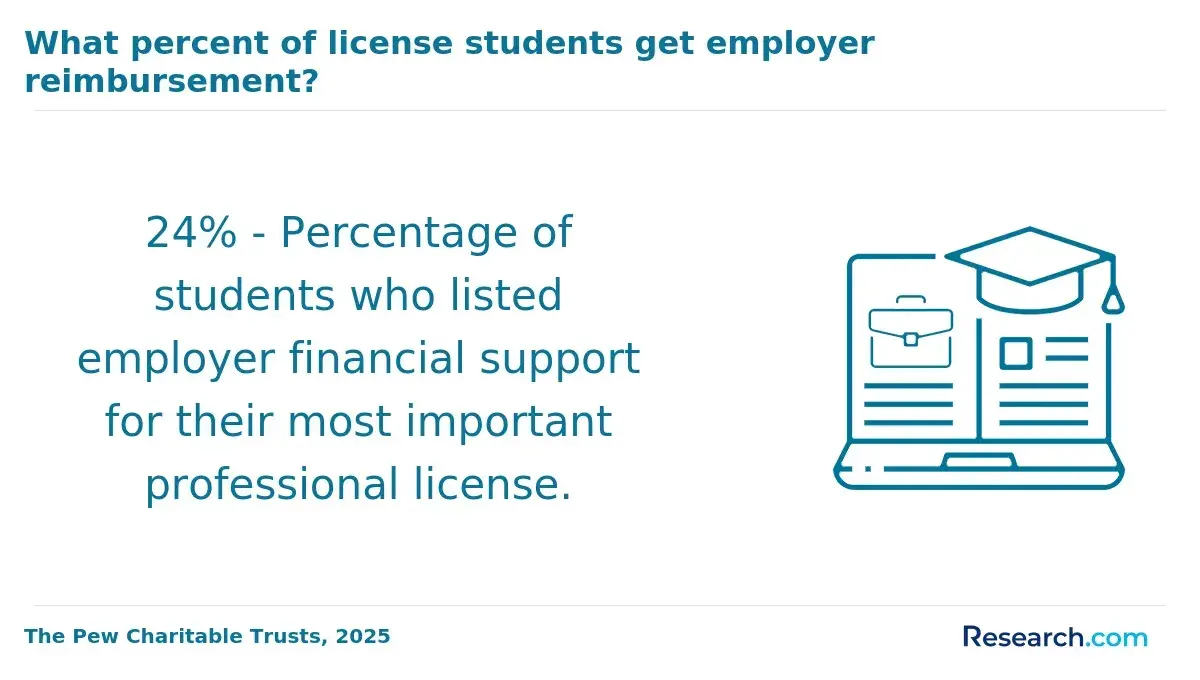
Students commonly use several methods to lower these expenses. Applying for financial aid or scholarships aimed at prerequisite or general undergraduate courses can help offset costs. Many transfer credits from accredited community colleges to decrease the number of expensive university courses needed. Attending in-state public schools also typically reduces tuition fees. Additionally, employed students might access tuition reimbursement programs through their employers to defray expenses.
What Graduates Say About the Prerequisites for Their Sports Psychology Degree
- Campbell: "Getting into a sports psychology degree program was challenging, but meeting the prerequisite courses gave me a strong foundation that made the experience worthwhile. The program cost was quite reasonable compared to other fields-around $25,000 per year-which helped me manage my finances without overwhelming debt. Today, I use the skills I acquired daily, and it has significantly boosted my ability to support athletes' mental resilience. "
- Sloan: "Reflecting on my journey, I remember the importance of completing all the required prerequisites before entering the sports psychology program, which ensured I was fully prepared. Although the tuition was a significant investment, generally averaging $30,000 annually, the return on investment has been profound. My career has evolved considerably, and I am now confident in providing evidence-based psychological support in competitive sports environments."
- Oakley: "The rigor of fulfilling prerequisite requirements for the sports psychology degree provided a clear pathway that made the enrollment process straightforward. While not the cheapest option, with costs close to $28,000 per year, the program's value lies in its direct impact on my professional capabilities. It has enabled me to collaborate effectively with sports teams and enhance athletic performance through mental training techniques."
Other Things You Should Know About Sports Psychology Degrees
While not always strictly required, many sports psychology programs suggest completing foundational courses in psychology, biology, and statistics before applying. These preparatory courses help build essential analytical and scientific skills valuable for advanced study in sports psychology. Applicants with a background in human physiology or kinesiology may also have an advantage when entering these programs.
Maintaining a competitive GPA in prerequisite coursework is crucial for admission into reputable sports psychology programs. Many institutions require a minimum GPA of around 3.0 on a 4.0 scale in relevant courses to ensure readiness for rigorous graduate-level study. Strong academic performance demonstrates a solid understanding of core concepts needed for success in the field.
In 2027, many sports psychology programs require GRE scores as part of their admissions process. However, some institutions may waive this requirement, so it's important to check the specific entry criteria of each program you are interested in. **Question** Are there recommended preparatory courses to strengthen an application for sports psychology degrees? **Answer** Courses in psychology, kinesiology, or related social sciences are recommended to strengthen an application for sports psychology programs. Foundations in research methods and statistics can also enhance your application by demonstrating readiness for the academic rigor of the program. **Question** How important is maintaining a minimum GPA in prerequisite courses for sports psychology programs? **Answer** A minimum GPA, typically around 3.0, is often required for sports psychology programs. Maintaining a high GPA demonstrates academic competence and is crucial to gaining entry into competitive programs, as it reflects a strong foundational knowledge necessary for advanced study.
References
- Psychology (Conversion) (Sport) MSc | Masters Degrees | University of Exeter https://www.exeter.ac.uk/study/postgraduate/courses/psychology/psychology-conversion-sport/
- Sport and exercise psychologist https://nationalcareers.service.gov.uk/job-profiles/sport-and-exercise-psychologist
- Sport Psychologist Qualifications: What Elite Athletes Want https://www.drpaulmccarthy.com/post/sport-psychologist-qualifications-what-elite-athletes-want
- Master's Degree in Sports Psychology (M.S.) Online – ECOK https://online.ecok.edu/online-degrees/master-of-science-in-sport-psychology/
- Sport and Exercise Psychology https://www.shu.ac.uk/courses/sport-and-physical-activity/msc-sport-and-exercise-psychology/full-time
- Bachelor of Science in Sports Psychology, Technology, and Performance Optimization https://www.albizu.edu/academics/programs/bachelor-science/sports-psychology-technology-performance-optimization/
- 2025 Best Bachelor's in Sports Psychology Programs - Online, Low Cost, & Quick Options https://www.counselingpsychology.org/psychology/degrees/sports-psychology/bachelors/
- Sports Psychology Master's: Courses, Requirements, & Careers https://www.psychology.org/degrees/sports-psychology/masters/
- Sports Psychology Programs & Degrees 2025 Guide https://careersinpsychology.org/top-sports-psychology-degree-programs/
- Bachelor of Arts in Sport Psychology | National University https://www.nu.edu/degrees/jfk-psychology/programs/bachelor-arts-sport-psychology/


