2027 Chemistry Degree vs. Certificate: Which Should You Choose?

Co-Founder and Chief Data Scientist
Today's students and professionals face crucial choices when deciding between earning a chemistry degree or a certificate. Both paths can enhance career prospects but vary significantly in duration, depth of study, and cost. A degree often provides comprehensive knowledge and research experience, while certificates focus on specific skills or applications, offering quicker entry into the workforce.
In chemistry, for instance, degree holders may access roles in research and development, whereas certificate holders often specialize in lab techniques or quality control. This article compares their key differences to help readers align their educational choice with career goals and personal circumstances.
Key Points About Chemistry Degree vs. Certificate Programs
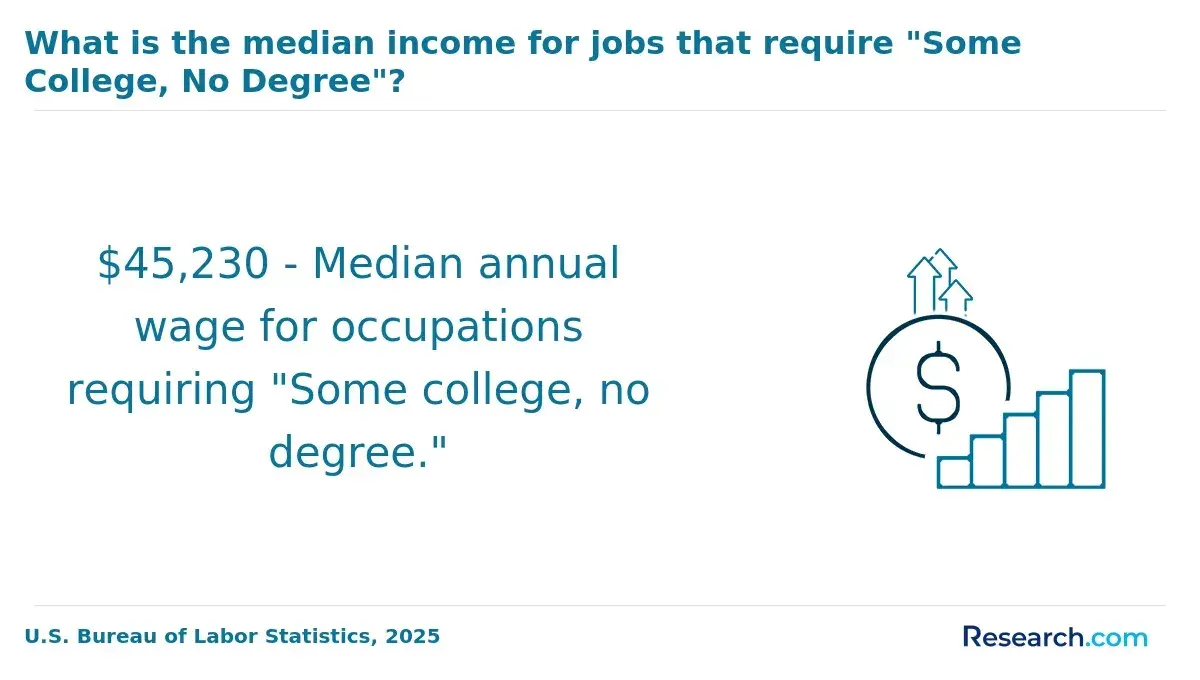
- A chemistry degree offers comprehensive knowledge and research experience, enhancing job prospects and earning potential; graduates earn a median salary of $78,000 versus $45,000 for certificate holders.
- Certificate programs focus on practical skills and shorter completion times, ideal for those seeking quick entry or specific technical roles without extensive academic commitment.
- Degrees support broader career growth, including leadership roles and graduate studies, while certificates target immediate workforce readiness but may limit advancement opportunities.
What Are the Differences Between Chemistry Degree and Certificate Programs?
Both chemistry degree programs and certificate courses offer valuable career paths but differ significantly in several aspects. Recognizing these distinctions enables students to select the educational option that aligns best with their professional goals and available time.
Below is a comparison of the primary differences between the two pathways.
- Depth of Learning: A chemistry degree provides a comprehensive and in-depth study of scientific principles, laboratory techniques, and theoretical knowledge. Certificate programs focus on specific skills or topics, ideal for learners who want targeted expertise without a broad curriculum.
- Time Commitment: Degree programs typically require multiple years of study, demanding a long-term dedication. Certificates are shorter and more flexible, catering to those seeking quicker entry or skill enhancement in a specialized area.
- Career Advancement: A degree often opens doors to a wider range of positions and higher-level roles in research, education, and industry. Certificates may be better suited for professionals looking to upskill or switch fields without the extended commitment of a full degree.
- Cost and Investment: Degrees usually require larger financial and time investments. Certificates provide a more cost-effective option for gaining credentials or foundational knowledge.
- Academic Rigor: Degree programs involve rigorous coursework and assessments, appealing to students prepared for an intensive academic challenge. Certificates prioritize practical competency, which suits those focused on immediate application of skills.
How Long Does It Take to Complete a Chemistry Degree vs. a Certificate Program?
Completion time is a crucial factor for students deciding between a chemistry degree vs. certificate. Understanding the typical timelines helps prospective learners choose the right path that fits their career goals and personal circumstances.
Below is a comparison highlighting key differences in how long is a chemistry certificate program versus degree programs.
- Typical Duration: Certificate programs in chemistry or related technical fields usually take from a few months up to two years. These programs offer focused, career-specific skills and are designed for quicker completion. In contrast, chemistry degree program length varies widely: associate degrees take about two years, bachelor's degrees typically require four years, and advanced degrees like master's or Ph.D. add two or more years beyond the bachelor's level.
- Flexibility: Certificate programs often allow part-time, evening, or online attendance to accommodate working professionals, making pacing more flexible. Degree programs may offer some part-time options but generally demand longer total study time due to broader coursework and general education requirements. For example, students seeking an accelerated path can explore options such as an associates degree online fast.
- Factors Affecting Timeline: Program structure is a major influence-certificates focus narrowly on essential skills, whereas degrees include electives and general education. Prior experience and transfer credits can shorten degree completion by crediting previous coursework, and some certificate credits may apply toward degrees. Enrollment status also matters: part-time students take longer to graduate, with this effect more notable in degree programs due to higher credit loads.
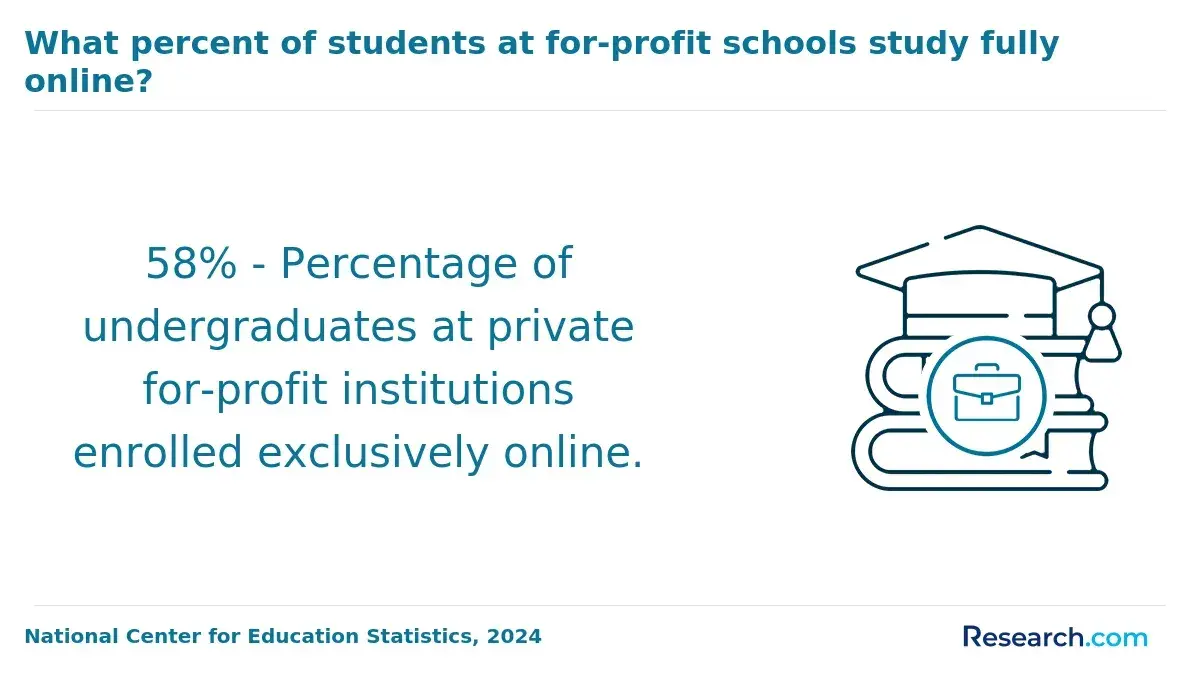
Can You Complete a Chemistry Degree or Certificate Entirely Online?
The rapid growth of online education has expanded access to many scientific credentials, including chemistry. Graduate chemistry certificates, like those at Indiana University, can be completed fully online, providing flexibility and convenience. Several institutions, including Ohio University and the University of Memphis, now offer fully online master's degrees in chemistry, allowing students to fulfill all requirements remotely.
However, accredited online chemistry degree programs in the US at the undergraduate level often require some in-person lab work, as seen with programs at Arizona State University. Most bachelor's degrees still include essential hands-on labs, particularly in organic chemistry and biochemistry, despite the increasing use of virtual labs and simulations.
When choosing between chemistry degrees and fully online chemistry certificate courses USA, hands-on training and licensure requirements are key considerations. Chemistry education demands demonstrated lab proficiency for many employers and certification boards. Some programs supplement with lab kits or simulations but may still require brief on-campus residencies or intensive lab sessions.
Those pursuing professional chemist certification or teaching licensure should verify whether hybrid or fully online formats meet their state's criteria. For students prioritizing flexibility, certificates serve well for professional development, while those targeting research or laboratory roles should consider programs offering robust in-person experiences. For guidance on flexible academic options, see what is an easy master's degree to get.
Breakdown of Private Fully Online Nonprofit Schools

What Are the Admission Requirements for a Chemistry Degree vs. a Certificate Program?
Admission requirements play a crucial role when deciding between pursuing a chemistry degree or a certificate program, as they affect how accessible each pathway is for prospective students. To help you understand these differences, here is a side-by-side comparison of admission requirements for both program types.
Admission Requirements for Chemistry Degree Programs
- Educational Background: Most bachelor's degree programs in chemistry require applicants to have completed a high school diploma or an equivalent qualification.
- Academic Performance: Many universities expect a minimum cumulative GPA, often around 2.0 or higher, for both incoming freshmen and transfer students, reflecting typical chemistry degree admission requirements in the United States.
- Prerequisite Coursework: Applicants usually must have completed foundational courses such as general chemistry, physics, and mathematics-commonly including calculus-with minimum grades of C or better.
- Standardized Tests: Some institutions may still require SAT or ACT scores for first-year applicants, although this is becoming less common.
- Additional Requirements: Certain universities enforce departmental prerequisites, like completing key chemistry and math gateway courses before declaring the major.
- Application Process: Students typically complete a formal university application and, in some cases, an additional declaration or application specifically for the chemistry major.
Admission Requirements for Chemistry Certificate Programs
- Educational Background: Many certificate programs require only a high school diploma or GED, making them accessible to a wider range of applicants.
- Academic Performance: Certificate program requirements for chemistry majors generally include lower or no minimum GPA thresholds compared to degree programs.
- Prerequisite Coursework: Some certificates may require basic chemistry or math courses, but these prerequisites are typically less extensive than those for degree programs.
- Professional Experience: Certain post-baccalaureate or specialized certificates might require a prior degree in a related science field or relevant work experience, especially for advanced career-focused certificates.
- Application Process: The process is usually less competitive and more streamlined, often involving a simple application form and proof of educational attainment.
Choosing between these options depends on your academic background and career goals, as well as your readiness to meet these varied admission standards. For those interested in accelerated educational paths, exploring shortest master degree programs can also be valuable in planning their academic journey.
How Many Credits Do You Need to Complete a Chemistry Degree vs. a Certificate?
Knowing the credit requirements for chemistry degrees and certificates helps students manage their academic plans and timelines effectively. Since these programs vary widely in length and intensity, understanding the credits involved clarifies the time and effort commitment.
Below is a comparison of typical credit expectations for chemistry degrees versus certificate programs:
- Chemistry Degree Credits: Usually between 120 and 124 total credits, with approximately 38 to 56 credits focused specifically on chemistry. These programs also include supportive courses such as math and physics, reflecting their comprehensive nature.
- Chemistry Certificate Credits: Typically between 12 and 24 credits, designed for targeted learning. Undergraduate certificates often require 12-18 credits, while post-baccalaureate certificates extend up to 24 credits.
What Is the Average Tuition for a Chemistry Degree vs. a Certificate?
Tuition costs are a crucial factor when deciding between pursuing a chemistry degree or a certificate, as they directly affect your financial commitment and overall educational value. Understanding how these costs vary can help prospective students evaluate the best option for their goals and budget.
Below is a detailed comparison of the average tuition for chemistry degree programs versus certificate programs in the United States.
Average Tuition for Chemistry Degree Programs
- Undergraduate Tuition Range: The average annual tuition for a chemistry bachelor's degree typically ranges from about $10,367 for in-state students to $33,413 for out-of-state students at public universities.
- Graduate Tuition Range: For master's and doctoral degrees, in-state graduate tuition averages around $11,962 annually, while out-of-state students often pay near $27,997.
- Private vs. Public Institutions: Private universities generally charge higher tuition, with some exceeding $40,000 per year for both undergraduate and graduate chemistry programs.
- Community College Options: Associate degrees in chemistry offered by community colleges are more affordable, commonly costing between $5,000 and $7,000 per year for in-state students.
- Online vs. On-Campus: Online degree options may offer reduced tuition, though chemistry programs often have limited availability online due to lab requirements.
Average Tuition for Chemistry Certificate Programs
- Graduate Certificate Tuition Range: Public universities charge between $16,000 and $22,000 annually for out-of-state students enrolled in chemistry graduate certificate programs.
- Private Certificate Costs: Private colleges may charge substantially more, with some fees approaching $43,000 per year for certificate programs.
- Program Length: Certificate programs usually last 1-2 semesters, resulting in lower total tuition costs compared to full degrees despite higher annual rates.
- Online Certificate Options: While some chemistry certificate programs are available online, they remain less common than in other fields, though online options may sometimes have lower tuition or per-credit pricing.
- Residency Influence: In-state students pay significantly less than out-of-state students for public university chemistry certificate programs, similar to degree tuition differences.
Considering the cost of Chemistry certificate programs vs. degree programs is essential for making an informed choice about your education path. For more information on affordable and accredited options, exploring the best universities online can help identify programs that balance price and quality effectively.
This comparison highlights the average tuition for Chemistry degree programs in the United States and illustrates key factors influencing tuition costs across different learning paths.
Can You Transfer Certificate Credits Toward a Chemistry Degree Later On?
You can transfer certificate credits toward a chemistry degree in some cases, but it largely depends on factors like the policies of the institutions involved, the accreditation status of the certificate program, and how closely the coursework aligns with degree requirements. Most universities only accept credits from accredited programs that offer courses resembling those in their chemistry major, both in content and academic rigor.
Transferability is also contingent on whether the credits meet specific standards set by the receiving school. Thus, while transfer is possible, it is not guaranteed and varies by institution.
Key considerations when planning to transfer certificate credits include grade minimums-usually at least a C is required-and limits on the amount of transferable credits. Many degree programs also demand a certain number of upper-division chemistry courses to be completed on site at the institution granting the degree.
Laboratory courses often must be taken in person, as virtual labs aren't widely accepted for transfer. Students should seek official evaluation and pre-approval to confirm that their certificate credits will count toward their degree, ensuring their efforts align with long-term academic goals.
Are Certificate Programs Accredited the Same Way as Chemistry Degrees?
Certificate programs in chemistry are not accredited in the same manner as chemistry degree programs. Degree programs, particularly at the bachelor's level, often receive accreditation from specialized organizations like the American Chemical Society (ACS), which enforces strict standards for curriculum, faculty expertise, and laboratory work. This ACS accreditation is specifically designed for chemistry degree programs and is widely respected by employers and graduate schools.
In contrast, chemistry certificate programs generally obtain accreditation through the institution's regional accrediting agency rather than a discipline-specific body. These certificates usually focus on practical skills and are shorter in duration, lacking the comprehensive scientific foundation required in degree programs.
Accreditation plays a crucial role in guaranteeing academic quality, validating credit transferability, and enhancing employer trust in a program's rigor. When assessing chemistry education options, prospective students should verify that the institution holds regional accreditation.
For degrees, ACS accreditation adds considerable value, signaling adherence to industry and academic standards. For certificate programs, it is important to ensure the curriculum aligns with professional needs and offers relevant skills. Students should always confirm that a program's accreditation comes from established and recognized accrediting agencies before committing.
What Jobs Can You Get with a Chemistry Degree vs. a Certificate?
Both chemistry degrees and certificates can open pathways to careers in science and laboratory work, but they generally prepare graduates for different levels or categories of positions. Understanding the distinct career opportunities each credential offers is key to making an informed decision.
Below is a comparison of typical roles associated with a chemistry degree versus a chemistry certificate.
Jobs You Can Get with a Chemistry Degree
- Analytical chemist: Conducts detailed chemical analyses in lab settings to identify substances and ensure quality control.
- Research scientist: Designs and carries out experiments to innovate or improve scientific knowledge and products.
- Toxicologist: Studies the effects of chemicals on living organisms, assessing safety and risks.
- Chemistry teacher: Educates students in various chemistry topics at secondary or postsecondary levels.
- Forensic scientist: Applies chemical techniques to analyze evidence for legal cases in crime labs.
Jobs You Can Get with a Chemistry Certificate
- Chemical technician: Supports scientists by performing routine tests and preparing samples in laboratory environments.
- Laboratory assistant: Manages equipment and assists with basic lab procedures to maintain smooth operations.
- Quality control inspector: Monitors production and material quality in manufacturing settings to meet standards.
- Manufacturing operator: Oversees chemical processes and equipment on factory floors to ensure product consistency.
What Is the Average Starting Salary for a Certificate vs. Chemistry Degree Graduates?
Salary potential often varies significantly between chemistry certificate holders and graduates with a full chemistry degree. Understanding these differences can help prospective students or professionals make informed decisions about their education and career paths.
Below is a side-by-side comparison of the average starting salaries, influencing factors, and career outlooks for both certificate and chemistry degree graduates.
- Typical Salary Range: Individuals with a chemical technician certificate typically earn between $40,000 and $56,000 per year, with the U.S. average for chemical technicians around $56,594 annually. In comparison, recent graduates with a chemistry degree start between $34,000 and $55,000, with a median early-career salary near $55,000.
- Influencing Factors: Salaries for both certificate and degree holders are affected by prior experience, geographic location, and industry. Metropolitan areas and sectors like pharmaceuticals, chemical manufacturing, and biotechnology usually offer higher pay. Candidates who have completed internships or gained hands-on lab experience may see better starting salaries.
- Career Outlook: Certificate holders often enter the workforce as technicians, providing stable but sometimes limited advancement opportunities without further education. Chemistry degree graduates generally qualify for a wider array of roles, including research, quality assurance, and regulatory positions, with greater potential for salary growth, often exceeding $90,000 by mid-career.
For those considering ways to expand their qualifications, exploring dual degree programs online can present additional pathways to enhance career prospects in the chemical sciences.
Here's What Graduates of Chemistry Programs Say About Their Degree or Certificate
- Axton: "Choosing the chemistry certificate program was perfect for me because the pace was fast and focused, allowing me to gain practical skills quickly without the heavier commitment of a degree. The lower cost compared to a full degree made it accessible, and it opened doors for better job opportunities in the lab tech field. If you want to upskill efficiently and without breaking the bank, a certificate might just be the right choice."
- Elyon: "Pursuing a chemistry degree was a challenging but deeply rewarding journey; the in-depth learning experience far exceeded what I expected from a certificate. It's a bigger investment - both time and money, with costs often averaging tens of thousands - but the comprehensive training gave me diverse career paths and a solid foundation for future research roles. Reflecting back, the degree truly elevated my professional credibility and long-term growth."
- Ford: "I completed both the chemistry certificate and degree programs, so I understand the trade-offs firsthand. The certificate provided rapid skill-building and affordability, helpful when I was starting out, while the degree expanded my theoretical knowledge and career options. Deciding between the two depends on your goals: faster entry versus comprehensive expertise - and cost is a big factor too. For me, blending both was the smartest route."
Other Things You Should Know About Chemistry Degrees
In 2027, a chemistry certificate can be advantageous for quick entry into the job market or skill enhancement. However, it may limit long-term growth compared to a degree, as it often holds less recognition for advanced positions, potentially requiring a degree for higher-level roles.
Credits earned in a chemistry certificate program sometimes can be transferred toward a related degree program, depending on the institution's policies and the relevance of the coursework. It's important for students to verify transfer agreements before enrolling to ensure that their efforts contribute toward a degree if desired later.
A chemistry degree typically provides more extensive research opportunities than a certificate. Degree programs often include laboratory courses and research projects, allowing students to gain hands-on experience in experimental techniques and methodologies crucial for scientific careers.
References
- Chemistry Transfer Pathway AS https://www.nhcc.edu/academics/degree-pathways/biological-and-health-sciences/chemistry-transfer-pathway
- Why CSC Accreditation Matters for Your Chemistry Degree https://www.cheminst.ca/magazine/article/why-csc-accreditation-matters-for-your-chemistry-degree/
- Chemistry Education Programs (MSEd, Advanced Certificate) https://www.brockport.edu/academics/education/chemistry-masters/
- Certification vs. Degree: Which is Right for You? - TechBuffalo https://www.techbuffalo.org/certification-vs-degree-which-is-right-for-you/
- University Transfer – Chemistry (SFU) https://www.vcc.ca/programs/university-transfer--chemistry-sfu/
- Degree accreditation https://www.rsc.org/standards-and-recognition/accreditation/degree-accreditation
- Certification vs Degree: The Ultimate Career Path Guide 2025 https://www.verifyed.io/blog/professional-certification-or-degree
- Certificate vs. Diploma vs. Degree: What They Are & How They Differ https://potomac.edu/certificate-vs-diploma-vs-degree/
- Career Planning https://www.bc.edu/bc-web/schools/morrissey/departments/chemistry/academics/undergraduate/career.html
- Certificate vs. degree programs: What's the difference? | edX https://www.edx.org/resources/what-is-the-difference-between-a-certificate-and-a-degree