
2027 Part-Time vs. Full-Time Social Work Degree Programs

Co-Founder and Chief Data Scientist
Deciding between a part-time and full-time social work degree is mostly a question of time, money, stamina, and career timing. The right choice depends on whether you can step away from work to study more intensively, whether you need income while enrolled, how quickly you want to qualify for social work roles, and how much flexibility you need for field placement hours.
Nearly 40% of social work students choose part-time study, often because they are already working, supporting family members, or trying to reduce debt while earning a credential. Full-time study, however, can shorten the path to graduation and may create more momentum for students who can manage a heavier weekly workload.
This guide compares part-time and full-time social work degree programs across structure, timeline, admissions, tuition, online availability, employer perception, ROI, and student fit. Use it to identify the format that matches your schedule, finances, learning style, and long-term professional goals.
Key Benefits of Part-Time vs. Full-Time Social Work Degree Programs
- Part-time programs enable students to maintain employment, allowing hands-on social work experience and steady income, which supports career growth while minimizing financial strain.
- Flexible scheduling in part-time study helps manage personal commitments, enhancing work-life balance crucial for social work professionals facing emotional challenges.
- Full-time study often accelerates degree completion, benefiting those aiming to enter advanced roles swiftly, though it demands concentrated financial and time resources.
How Are Part-Time Social Work Programs Structured Compared to Full-Time Programs?
Part-time and full-time social work programs usually cover the same core curriculum, but they organize the workload differently. The biggest differences are credit load, weekly study time, class scheduling, and the pace of field education. Those differences matter because social work programs are not limited to lectures and readings; they also require practice-based learning, supervision, and consistent preparation for client-facing work.
Part-Time Program
- Course load: Part-time students usually take 6 to 9 credit hours per semester, which makes the program easier to combine with employment, caregiving, or other obligations.
- Weekly time commitment: Students typically spend around 15 to 20 hours each week on classes, readings, assignments, discussion boards, and field-related preparation.
- Scheduling flexibility: Many programs schedule evening, weekend, online, or hybrid courses for students who cannot attend weekday classes.
- Online and hybrid access: Over half of accredited programs provide asynchronous coursework, which can help part-time learners complete academic work outside fixed class times.
- Field placement structure: Practicum hours are often spread across a longer period, with fewer hours each week. This can make placement more manageable but may also extend the overall program timeline.
Full-Time Program
- Course load: Full-time students typically take 12 to 18 credit hours per semester, creating a more concentrated academic experience.
- Weekly time commitment: Students often dedicate approximately 30 to 40 hours per week to classes, coursework, group projects, fieldwork preparation, and assignments.
- Scheduling structure: Full-time programs commonly use weekday daytime schedules, which may be easier for students who are not working full time but harder for those with inflexible jobs.
- Field placement structure: Field hours are usually completed over one or two consecutive semesters, requiring more hours per week and stronger availability during agency operating hours.
The practical difference is pace. Part-time study reduces weekly pressure but lengthens the path. Full-time study compresses the experience and may help students build closer connections with faculty, peers, and placement supervisors. Students comparing social work with other fields can also review the top college majors for the future to understand how the major fits broader academic and career planning.
How Long Does It Take to Earn a Part-Time vs Full-Time Social Work Degree?
The length of a social work degree depends on degree level, enrollment status, transfer credit, course sequencing, and field placement availability. Full-time students finish sooner because they take more credits each term. Part-time students move more slowly but often keep working while enrolled.
- Full-time duration: A full-time Bachelor of Social Work (BSW) usually takes four years, while a Master of Social Work (MSW) generally requires two years of study.
- Part-time duration: The time to complete part-time social work degree programs is longer; part-time BSW programs typically last five to six years, and part-time MSW programs extend from three to four years.
- Course load: Full-time students often take 12-15 credits per semester, while part-time students generally enroll in 6-9 credits. This difference is the main reason completion timelines vary.
- Program flexibility: Some schools offer accelerated paths, evening classes, or transfer credit options that may shorten the timeline for eligible students.
According to the Council on Social Work Education (CSWE), flexible scheduling can help working professionals balance school with other responsibilities, but it may extend the total time to graduation. Students who are not ready to enter a BSW or MSW program immediately may also compare earlier academic options, including the easiest associate degree to get, before committing to a longer social work pathway.
Are Admission Requirements Different for Part-Time vs Full-Time Social Work Programs?
Admission requirements for part-time and full-time social work programs are usually similar because both formats lead to the same type of degree. Schools still evaluate academic readiness, writing ability, motivation for social work, and fit with the profession. The difference is often in how applicants present their background: part-time candidates may lean more on work and volunteer experience, while full-time candidates may emphasize academic preparation and readiness for an intensive schedule.
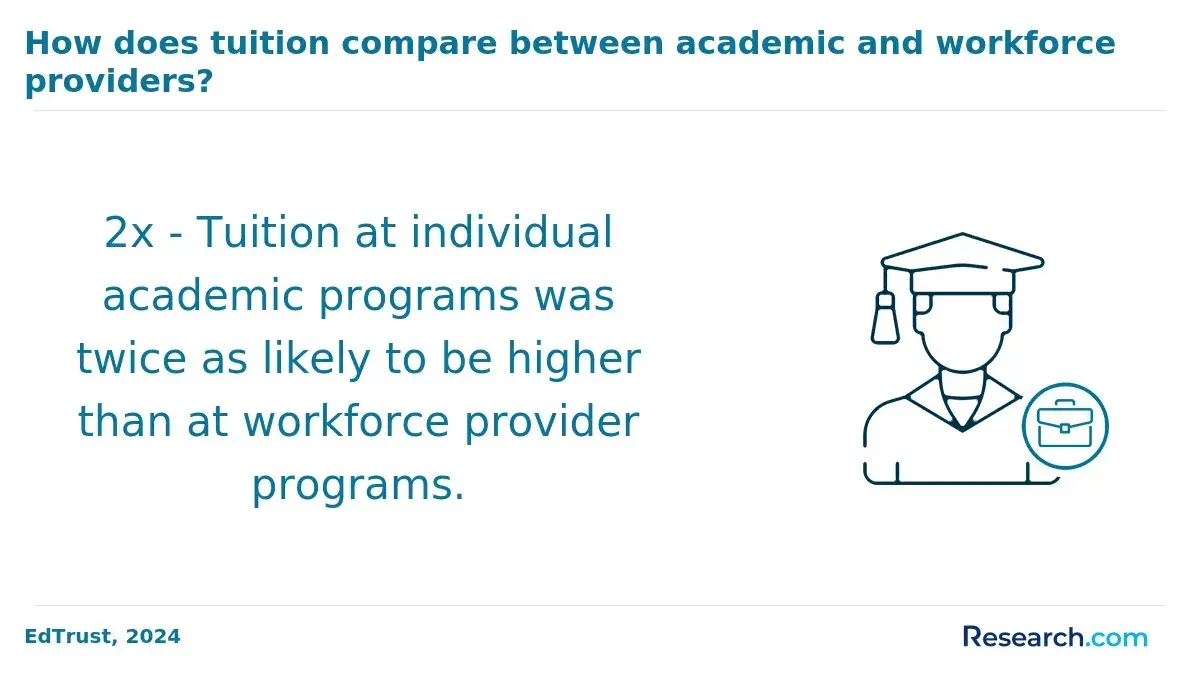
- GPA expectations: Both part-time and full-time social work program entry requirements commonly include a minimum GPA of around 3.0 on a 4.0 scale. Full-time programs may apply slightly higher standards when the applicant pool is more competitive.
- Prerequisite coursework: Common prerequisites such as psychology, sociology, and human development may be required for both formats. Part-time applicants sometimes have more scheduling flexibility to complete missing prerequisites before or during early enrollment.
- Professional experience: Part-time applicants often strengthen their applications with relevant work, service, or volunteer experience. Full-time programs may accept applicants with less direct experience if they show strong academic promise and a clear commitment to social work.
- Standardized testing: GRE requirements vary by school. Many full-time programs still mandate GRE scores, while a growing number of part-time programs waive this requirement to reduce barriers for working professionals.
- Supporting documents: Both formats typically require personal statements, letters of recommendation, and sometimes interviews. Strong applications explain why the student wants social work training, how they understand ethical practice, and how they will manage the program’s workload.
Applicants comparing graduate pathways may also find it useful to review short masters programs when weighing speed, flexibility, and admissions expectations. For social work specifically, students should confirm that the program format they choose supports their field placement needs and long-term licensure plans.
How Do Tuition Fees Differ for Part-Time vs Full-Time Social Work Programs?
Tuition differences between part-time and full-time social work programs are not always obvious from the advertised price. Part-time study may feel more affordable because students pay for fewer credits at once, but the longer timeline can add semester-based fees. Full-time study may require larger payments each term, but it can reduce the number of semesters in which students pay recurring charges.
- Tuition model: Part-time students often pay by credit hour, which lowers immediate costs but spreads payments over more terms. Full-time students may pay a flat semester rate or a larger term bill tied to a heavier credit load.
- Overall expenses: Because part-time students stay enrolled longer, they may pay more in recurring technology, student service, registration, or activity fees. Full-time students may finish sooner and avoid some extended costs.
- Financial aid: Full-time students typically qualify for broader aid opportunities because of their enrollment intensity. Part-time learners may still qualify for aid, but eligibility can depend on credit load, school policy, and aid type.
- Work income: Part-time study can allow students to keep earning while enrolled. Full-time study may limit employment, which can increase reliance on savings, loans, or family support.
Students comparing MSW costs should look beyond tuition and calculate the full price of attendance, including fees, books, transportation, placement-related costs, and lost work hours. Those prioritizing affordability may also want to compare cheapest online msw options as part of a broader cost review.
A graduate of a part-time social work program explained that the staggered payment schedule helped her avoid taking on excessive debt, but it also required careful budgeting every semester. Her experience shows why tuition format matters: the cheaper-looking option is not always the lower-cost option once fees, timeline, and income are included.
Which Social Work Degree Program Format Offers More Online or Hybrid Course Options?
Part-time social work programs generally offer more online and hybrid course options than full-time programs. Schools design many part-time tracks for working adults, so they are more likely to include asynchronous coursework, evening classes, limited campus visits, and flexible pacing. Full-time programs may still include online or hybrid courses, but they often rely more heavily on daytime schedules and in-person learning communities.
- Program design: Part-time tracks often use asynchronous online content and fewer required campus sessions. Full-time tracks more often emphasize live seminars, cohort learning, and intensive face-to-face interaction.
- Institutional policies: Many schools reserve their most flexible hybrid models for part-time students. Full-time students may have stricter campus requirements, especially for courses tied closely to practice skills.
- Student demographics: Part-time students are often employed adults who need predictable flexibility. Full-time students are more likely to have the availability to participate in campus-based schedules and daytime fieldwork.
- Field education limits: Even in online programs, social work field placements usually require in-person work at approved agencies. Students should not assume an online program means every requirement can be completed remotely.
- Flexibility versus connection: Online and hybrid formats improve access, while campus formats can make it easier to build relationships with classmates, faculty, and local placement partners.
The best delivery format is not simply the most convenient one. Social work requires applied judgment, ethical decision-making, and supervised practice. Students should choose an online or hybrid option only after confirming that advising, field placement support, technology access, and licensure preparation are strong enough for their goals.
Can Social Work Students Switch Between Part-Time and Full-Time Enrollment?
Many social work programs allow students to switch between part-time and full-time enrollment, but the change is not automatic. Students usually need to be in good academic standing, consult an advisor, and receive approval from the program or department. The school must confirm that the new pace still fits course sequencing, field placement requirements, and graduation policies.
Before requesting a switch, students should review three practical issues. First, changing status can affect financial aid, scholarships, loan eligibility, and billing. Second, required courses may not be offered every term or in both formats. Third, field placements may need to be adjusted because agency schedules and supervision capacity are often planned in advance.
Moving from full-time to part-time can reduce immediate pressure but may extend graduation by one or two years. Moving from part-time to full-time can shorten the timeline but may require cutting work hours, rearranging childcare, or taking on more debt. Either move should be planned with an academic advisor rather than treated as a simple registration change.
A graduate who moved from part-time to full-time study described the switch as both motivating and demanding. Part-time enrollment helped him manage work at first, but the slower pace eventually felt limiting. After working with advisors to map a realistic plan, he moved into full-time study and found that the heavier workload gave him more momentum and focus.
How Do Online, Hybrid, and Campus Social Work Program Delivery Formats Affect Part-time vs. full-time learning?
Delivery format affects how students manage time, interact with faculty, complete assignments, and prepare for fieldwork. Online, hybrid, and campus programs can all be rigorous, but they create different learning conditions for part-time and full-time students.
- Scheduling flexibility: Online social work degree program formats usually offer the most adaptable schedules, especially for part-time students balancing work and family. Full-time online students can move quickly, but they need strong self-discipline and consistent weekly study habits.
- Workload management: Campus-based full-time programs often require substantial time on site, while part-time online or hybrid programs spread coursework over a longer period. The more flexible option may reduce burnout, but it also requires careful planning to avoid falling behind.
- Accessibility and resources: Online formats improve access for students who cannot relocate or commute regularly. Campus settings provide more direct interaction with faculty, classmates, student services, and placement networks.
- Learning pace and depth: Full-time enrollment supports an immersive pace, especially in campus and hybrid formats. Part-time students often prefer online delivery because it allows a more manageable pace, a pattern reflected in a NASW study showing 65% favoring online formats for this reason.
- Student support services: Hybrid and campus programs may offer more in-person advising, counseling, and career support. Online programs should provide virtual advising, library access, writing support, and peer forums that are easy to use outside standard business hours.
Students considering online social work education should confirm accreditation, field placement support, faculty access, and student services before enrolling. Comparing regionally accredited non profit online colleges can help students evaluate institutional quality alongside schedule flexibility.
Do Employers Prefer Full-Time Social Work Degrees Over Part-Time Degrees?
Employers generally care more about accreditation, licensure readiness, field experience, references, and demonstrated competence than whether a student attended part time or full time. A part-time degree from a strong program is not automatically less valuable than a full-time degree. What matters is whether the graduate can perform the work ethically, communicate well, document accurately, and handle complex client needs.
Full-time programs may signal that a student completed a concentrated academic path. Some employers may see that as evidence of focus and readiness for demanding workloads. However, part-time students often bring professional experience, maturity, and evidence of time management, especially if they worked in human services, healthcare, education, community programs, or nonprofit settings while enrolled.
Industry trends also favor practical readiness. Healthcare and nonprofit employers often value candidates who have already worked with clients, agencies, or community systems. Part-time social work degree value is clear in that about 40% of graduates complete degrees this way, frequently while maintaining employment in related fields. Some competitive government and clinical roles may favor full-time graduates because of their concentrated study schedules, but that preference is not universal.
Students who want to strengthen their academic profile beyond a single degree may also explore international dual degree programs. For most social work job searches, though, the stronger strategy is to choose an accredited program, perform well in field placement, build strong supervisor references, and understand the licensure requirements in the state where you plan to practice.
Is a Part-Time or Full-Time Social Work Degree More Worth It for ROI?
The better ROI depends on what you are trying to optimize: lower short-term financial pressure, faster graduation, less debt, continued income, or quicker access to advanced roles. Full-time study may produce a faster return because students finish sooner and can move into degree-qualified roles earlier. Part-time study may reduce financial strain during school because students can often continue working.
- Total cost: Full-time programs may require higher immediate payments, while part-time programs spread tuition across more years. However, part-time students may pay recurring fees for a longer period.
- Opportunity cost: Full-time students may lose work income while enrolled. Part-time students can often maintain employment, but they delay completion and may postpone access to roles requiring the degree.
- Salary potential: Graduates of full-time programs generally begin with higher median salaries, leading to greater lifetime earnings.
- Career advancement: Full-time study can accelerate movement into advanced roles because the credential is completed sooner. Part-time study may be better for students who are already employed in the field and can use the degree gradually for advancement.
- Debt management: Part-time enrollment can reduce reliance on loans if employment covers some costs. Full-time enrollment may require more aid or borrowing, but it can also shorten the period before post-graduation earnings begin.
- Personal sustainability: ROI is not only financial. A program that causes burnout, job loss, or failed courses can become more expensive than expected, even if it looked faster on paper.
For many students, the best ROI comes from the format they can complete successfully with the least unnecessary debt. Full-time study may be worth it for students who can afford to focus heavily on school and want the fastest path. Part-time study may be worth it for students who need income, benefits, family stability, or a slower academic pace.
How Do You Decide Between a Part-Time and Full-Time Social Work Degree Program?
Start with your weekly capacity, not the program brochure. Social work degrees require academic work, emotional energy, field placement hours, and reliable time for supervision and reflection. A format that looks convenient may become difficult if it does not match your work schedule, finances, or support system.
- Choose full-time if speed is the priority: Full-time programs are better suited to students who want to finish quickly, can reduce work hours, and are ready for a heavier academic and fieldwork schedule.
- Choose part-time if flexibility is essential: Part-time programs are often better for students who need to keep working, manage caregiving, or spread tuition payments across a longer period.
- Check your financial plan: Compare tuition, fees, aid eligibility, commuting costs, books, placement expenses, and lost income. Do not compare tuition alone.
- Confirm field placement logistics: Ask when placements occur, whether evening or weekend placements are available, how far students travel, and whether working students receive placement support.
- Review licensure alignment: If you plan to pursue clinical or licensed social work roles, verify that the degree, accreditation status, and field education requirements align with your state’s expectations.
- Be honest about learning style: Full-time study offers immersion and structure. Part-time study offers flexibility but requires persistence over a longer period.
A simple decision rule can help: choose full-time if you can protect 30 to 40 hours per week for school and field-related work; choose part-time if keeping employment or family stability is necessary for you to complete the degree. The best format is the one you can finish while maintaining academic quality, financial stability, and readiness for professional practice.
What Graduates Say About Their Part-Time vs. Full-Time Social Work Degree
- : "Pursuing my full-time social work degree was intense, but it gave me the structure I needed. The coursework and fieldwork pushed me hard, and the average cost required planning, but the preparation helped me feel ready for professional practice. — Gladys"
- : "A part-time social work degree let me keep my job while studying. It was not easy to balance deadlines, work, and community responsibilities, but I could apply what I learned right away. The tuition and fees felt more manageable because I could spread them out. — Joey"
- : "Choosing the full-time program helped me build momentum. The schedule was demanding, and I had to plan carefully for the average costs, but the depth of study and real-world practice strengthened my confidence and credibility. — Keisha"
Other Things You Should Know About Social Work Degrees
Most social work degree programs in 2027 require a minimum GPA of 3.0 to maintain enrollment and advance successfully, whether part-time or full-time. Specific requirements may vary by institution, so students should verify with their chosen program.
In 2027, both part-time and full-time social work degree programs usually require students to complete field placements at accredited social service agencies. Full-time programs often have more concentrated placements, while part-time programs may offer flexible scheduling to accommodate working professionals.
References
- Program Admission and Requirements | School of Social Work https://www.socialwork.pitt.edu/academics/bachelors-degree-social-work/program-admission-and-requirements
- Benefits of a Part-Time MSW Program https://socialworklicensemap.com/social-work-resources/part-time-msw-benefits/
- Bachelor of Social Work https://www.usc.edu.au/study/courses-and-programs/bachelor-degrees-undergraduate-programs/bachelor-of-social-work
- MSW Tuition & Financial Aid https://socialwork.rutgers.edu/admissions/master-social-work-msw-admissions/msw-tuition-financial-aid
- Online MSW | Erikson Institute https://www.erikson.edu/academics/graduate-education/masters-degrees/online-msw/
- Master of Social Work Program https://www.bc.edu/bc-web/schools/ssw/academics/msw-program.html
- The unexpected benefits of working part-time in social work https://www.communitycare.co.uk/2024/09/26/the-unexpected-benefits-of-working-part-time-in-social-work/
- Future Students - MSW Part-Time Option | School of Social Work | University of Waterloo https://uwaterloo.ca/school-of-social-work/future-students-msw-part-time
- MSW Program Length: 1-4 Year Timeline Guide for 2025 https://www.socialworkdegrees.org/faq/how-long-does-it-take-to-complete-a-msw-program
- Should I Go Part-Time or Full-Time? - Social Workers Forum - The GradCafe Forums https://forum.thegradcafe.com/topic/46808-should-i-go-part-time-or-full-time/


