2027 Can You Complete an Online Health Information Management Degree Program While Working Full-Time?

Co-Founder and Chief Data Scientist
Full-time professionals often face significant challenges when considering an online health information management degree program. Managing work responsibilities, family commitments, and coursework can feel overwhelming. According to the National Center for Education Statistics, nearly 40% of all postsecondary students in the U.S. are working adults, many pursuing healthcare-related fields like health information management to advance their careers.
This article offers practical insights to help busy individuals assess whether an online health information management degree can fit into their demanding schedules. By examining course flexibility, time management strategies, and program support, readers can make informed decisions about balancing education with full-time employment.
Key Benefits of Completing an Online Health Information Management Degree Program While Working Full-Time
- Flexible scheduling allows full-time workers to study during evenings or weekends, accommodating demanding work hours common in health information management roles.
- Online programs often provide asynchronous courses, enabling professionals to balance coursework with job responsibilities like managing patient records efficiently.
- Access to digital resources and virtual labs supports skill development in health data analytics, critical for advancing within the evolving healthcare information sector.
How Long Does It Take to Complete an Online Health Information Management Degree While Working Full-Time?
The time it takes to complete an online health information management degree while working full-time varies based on several factors including course load, prior credits, and program design. Understanding these key influences can help you plan your educational journey more effectively.
Here are the main factors that determine how long does an online health information management degree take for working students:
- Enrollment Status: Full-time students typically finish in about 2 years when taking a standard course load continuously. Part-time enrollment, common among working professionals, can extend completion to 3 years or longer.
- Course Format: Options like asynchronous and accelerated classes offer flexibility, enabling students to balance study with work. Eight-week terms and rolling admissions speed up progress, but internships or practicums may require focused time away from work.
- Prior Academic Credits: Transfer credits and relevant healthcare experience can reduce the total hours needed, with some programs allowing up to 90 transfer credits, significantly shortening duration and cost.
- Work Schedule and Study Hours: Balancing 10-20 weekly study hours alongside a full-time job impacts the pace at which a degree can be completed, especially when faced with demanding work shifts.
- Program-Specific Requirements: Capstone projects, internships, and on-site placements may necessitate temporary adjustments to your work routine and affect your timeline.
Many students seeking to complete online health information management degree while working find it helpful to explore flexible programs that accommodate career demands. For professionals curious about complementary education paths, consider reviewing high paying certification programs that can enhance your credentials and salary potential.
Is an Asynchronous or Synchronous Online Health Information Management Program Easier for Students Working Full-Time?
Asynchronous health information management programs for working professionals are generally easier to manage for students balancing full-time jobs. These programs let students access recorded lectures and complete assignments at their own pace, which is crucial for those with unpredictable or demanding schedules.
This flexibility helps working students stay on track without the pressure of attending live sessions, making it simpler to coordinate coursework with both professional and personal responsibilities.
In contrast, synchronous online health information management degree flexibility offers real-time interaction, which benefits students who prefer immediate feedback and group collaboration. Asynchronous courses provide autonomy, allowing someone working irregular shifts in health information management to review patient privacy modules or coding lectures during breaks or weekends.
However, synchronous formats foster stronger engagement through scheduled discussions but can be challenging for those with inflexible work hours. Practical examples include completing coding assignments on a weekend in asynchronous programs versus attending live data security classes in synchronous ones. For a detailed overview of which bachelor degree is the easiest to manage while working, see which bachelor degree is the easiest.
What Time Management Strategies Help Online Health Information Management Students Working Full-Time?
Balancing coursework with a full-time job requires strong time management for online health information management students to prevent stress and burnout. Effective strategies can make the difference between struggling and succeeding.
Consider these five research-supported approaches:
- Set achievable goals: Divide large tasks into smaller, clear objectives using SMART principles to maintain focus and track progress without becoming overwhelmed.
- Use digital planning tools: Employ calendar apps like Google Calendar to block study times and work hours, with reminders to ensure no deadlines slip by.
- Establish a regular study routine: Schedule study sessions during periods when energy and concentration are naturally higher to optimize learning efficiency.
- Minimize distractions: Silence notifications, restrict access to distracting sites, and group communications to designated times to sustain attention.
- Take frequent breaks: Apply methods like the Pomodoro technique to alternate focused work periods with short rests, preserving mental stamina.
One student shared how juggling a 40-hour workweek with online classes felt initially overwhelming. She described relying heavily on her calendar app to carve out "nonnegotiable" study times, often early mornings before work or late evenings. She emphasized that recognizing her limits and allowing herself brief, intentional breaks helped her avoid burnout.
"It was about respecting my own rhythm and being realistic about what I could handle each day," she recalled. This mindset helped her stay motivated and eventually graduate, proving that disciplined yet flexible time management was key to balancing both commitments effectively.
What Are the Biggest Challenges Full-Time Workers Face in Online Health Information Management Programs?
Full-time professionals enrolled in online health information management programs often find it difficult to juggle their job duties alongside academic requirements. The intensity of coursework paired with work and personal obligations presents ongoing obstacles. Key challenges include:
- Time management conflicts: Balancing unpredictable work hours, assignment deadlines, and personal life demands can be overwhelming. Health information management courses frequently involve group work and active discussions that require consistent availability, making scheduling especially tricky for full-time employees.
- Sustaining motivation and discipline: Without the structure of in-person classes, students must self-regulate their study habits and keep current with complex topics like digital health technologies and compliance standards. Maintaining focus is crucial to avoid falling behind or diluting the degree's practical benefits.
- Limited access to practical experience and networking: Employment responsibilities often restrict participation in internships, hands-on training, or professional events. These opportunities are essential for developing skills and connections needed to advance in the evolving healthcare information field.
How Do Online Health Information Management Programs Handle Internships for Full-Time Workers?
Balancing internships with full-time employment can be difficult due to the onsite hours many health information management programs require, which often conflict with work schedules. Still, internships provide crucial hands-on experience and fulfill accreditation and certification mandates. To assist working students, many programs adopt flexible internship models including:
- Flexible Scheduling: Students often have the option to complete hours evenings or weekends, reducing conflicts with daytime job duties and allowing smoother integration of work and study demands.
- Short-Term Intensive Placements: Condensed internships spanning a few weeks help students concentrate practicum requirements into a manageable timeframe, especially beneficial for those who can arrange time off work.
- Remote and Diverse Site Options: Internships may be offered at various healthcare settings or through virtual arrangements, broadening placement possibilities without requiring relocation or extensive commuting.
- Prior Experience Consideration: Programs sometimes recognize relevant healthcare background, decreasing required internship duration or allowing alternative projects that align with the student's expertise.
- Program Director Support: Faculty and directors often provide personalized guidance to help working students secure appropriate sites and customize internship plans that accommodate employment constraints.
The student I spoke with highlighted how his program's flexibility eased his journey. He described negotiating weekend shifts for internship tasks and appreciated faculty connections to remote internship opportunities close to his home. He shared, "It wasn't easy balancing a full-time job and internship, but knowing the program director was actively working with me made all the difference." Reflecting on the experience, he felt empowered by adapted schedules and collaborative planning, which turned a potentially overwhelming requirement into an achievable milestone within his career path.
What Technology Do You Need for an Online Health Information Management Degree While Working Full-Time?
Balancing full-time work with an online health information management degree requires dependable technology to keep up with course demands and professional responsibilities. Having the right tools ensures that busy students can access materials seamlessly and engage fully in their studies. Below are key technology requirements for working professionals pursuing this degree.
- Modern Computer or Laptop: Essential computer requirements for online health information management degree programs include having a fast and reliable device capable of running specialized software. Many courses utilize electronic health record (EHR) simulation platforms and database tools that demand sufficient processing power to operate smoothly, supporting tasks like data analysis and virtual collaboration.
- High-Speed Internet Access: A reliable internet connection for working professionals in health information management programs is critical to stream lectures, upload assignments, and participate in live discussions without interruption. Consistent high-speed internet minimizes delays and helps students meet deadlines despite busy schedules.
- Health Information Management Software: Exposure to industry-standard HIM software such as Epic, Cerner, ICD-10 coding, or CPT tools provides hands-on experience aligned with workplace demands. Access to these platforms within coursework strengthens practical skills and prepares students for real-world applications.
- Productivity and Collaboration Tools: Software suites like Microsoft Office, Google Workspace, and project management apps such as Trello or Slack help organize assignments and facilitate teamwork. These tools are valuable for working students coordinating projects and communication alongside full-time employment.
- Secure Data Storage and Backup Solutions: Due to the sensitive nature of health data, students need HIPAA-compliant cloud services or encrypted external drives to safeguard their coursework and practice data. This ensures privacy and security when handling patient simulations and virtual lab exercises.
For those interested in pursuing further education with promising career outcomes, exploring the highest paying four year degrees can provide useful insights into the value of various degree paths.
Can You Qualify for Financial Aid If You Study Online and Work Full-Time?
Financial aid can be essential for full-time professionals managing work while pursuing an online Health Information Management degree. Rising tuition costs and limited time create challenges that make understanding aid eligibility important to reduce debt and optimize investment in education. Below are key factors that influence whether working students can qualify for financial aid.
- FAFSA and Federal Aid Eligibility: Most U.S. students pursuing an online health information management degree, including full-time workers, can apply for federal student aid for working professionals by submitting the Free Application for Federal Student Aid (FAFSA). Eligible students may receive federal grants like Pell Grants, Stafford Loans, and work-study opportunities based on financial need and enrollment status.
- Enrollment Status Requirements: To access many federal and institutional aid forms, students usually must be enrolled at least half time, commonly six credits per term for undergraduates. Online programs often offer the flexibility needed for full-time professionals to meet these criteria while balancing work commitments.
- Employer Tuition Assistance Programs: Numerous employers provide tuition reimbursement or assistance for degrees relevant to their employees' roles. This support can substantially reduce out-of-pocket expenses, with some schools allowing tuition deferment or offering additional discounts through corporate partnerships.
- Institutional and Private Scholarships: Students working full time can still compete for merit- or need-based scholarships through their institutions or external organizations. Awards can range from $6,000 to $14,000 annually at institutions like Maryville University, are non-repayable, and often stack with federal aid to maximize financial support.
- Work-Study Program Limitations: Although federal work-study programs provide funding to eligible students, full-time workers might struggle to participate due to scheduling conflicts. Some online programs do offer flexible or remote work-study options, making this form of financial aid more accessible to working adults.
For those seeking affordable study options, exploring no application fee accredited online colleges can also reduce upfront costs. Understanding these elements of online health information management financial aid eligibility empowers professionals to navigate funding opportunities effectively.
Do Employers Support Employees Pursuing Online Health Information Management Degrees in 2027?
Employer support has become a vital factor for full-time professionals considering an online health information management degree, as balancing academic commitments with demanding job responsibilities presents a significant challenge. Workplace policies such as tuition reimbursement, flexible scheduling, and career incentives can directly impact a student's ability to succeed without compromising work performance. Here are key insights on how employers typically support or hesitate to support employees pursuing these degrees.
- Tuition Assistance: Many employers provide tuition reimbursement or discounts for CAHIIM-accredited online programs, easing the financial burden on students. This type of employer tuition reimbursement for online health information management degree programs makes earning a degree more accessible to working professionals.
- Flexible Scheduling: Employers may offer flexible hours or remote work options, enabling students to attend classes, complete assignments, or take exams without sacrificing job duties. Such policies are crucial for maintaining work-study balance.
- Professional Advancement Incentives: Some organizations reward degree completion with eligibility for promotions, supervisor roles, or salary raises. These incentives strengthen employer support for working professionals earning health information management degree credentials and motivate employees to advance their skills.
- Mentorship and Practicum Support: Healthcare employers often facilitate mentorship programs or allow students to fulfill practicum requirements onsite. This real-world experience reduces scheduling conflicts and enhances learning tied to job functions.
- Performance Concerns: Conversely, a few employers hesitate due to fears that pursuing further education may divide attention or affect productivity. In such cases, support might be limited to unpaid leave or require maintaining strict performance standards.
For those exploring affordable options, many turn to cheap online universities for job holders that align with employer support programs and offer flexible pathways to degree completion.
Does Completing an Online Health Information Management Degree While Working Full-Time Improve Your Salary?
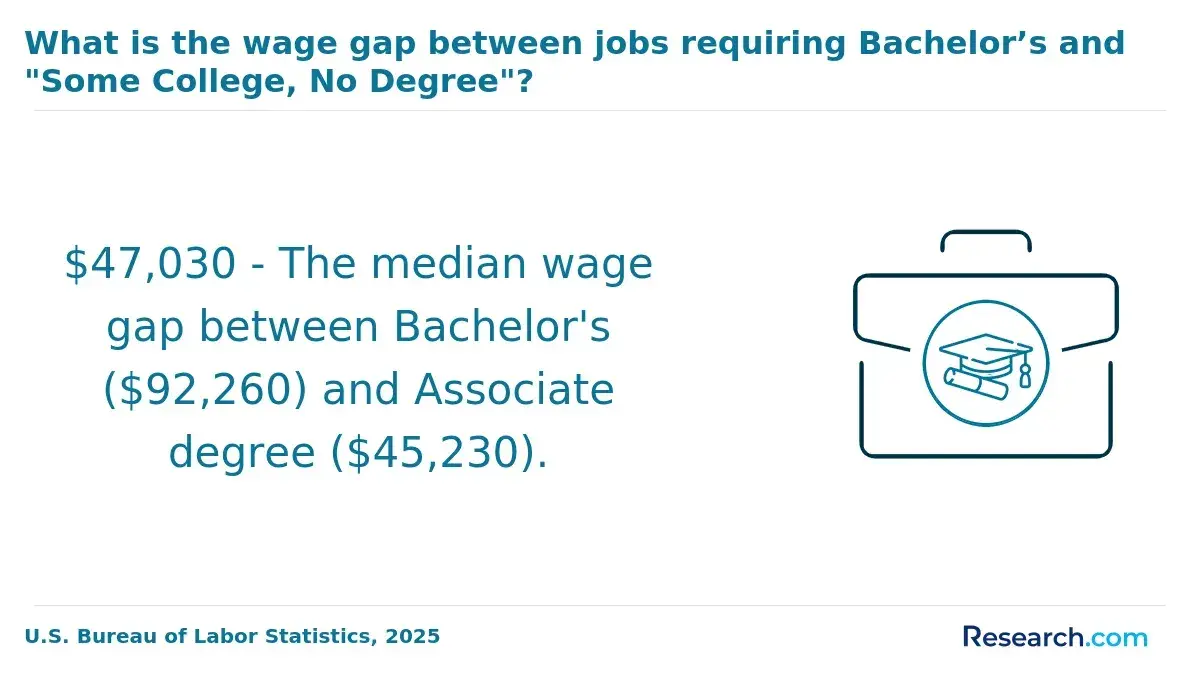
Completing an online health information management degree while working full-time can positively impact salary, but several factors play a role. Growing demand in this field, with projected job growth at 15% through 2034, supports higher earning potential. Degree level significantly influences income, with median salaries ranging from about $55,500 for associate degree holders to over $100,000 for those with bachelor's or master's degrees.
Employers tend to favor candidates who combine formal education with practical experience, viewing current employment during studies as proof of commitment and valuable real-world skills.
Maintaining full-time work while earning the degree offers benefits such as increased promotion prospects, as employers recognize the enhanced qualifications. It also contributes to job security by demonstrating reliability and adaptability. Additionally, applying new knowledge directly at work accelerates learning and boosts professional value.
However, salary improvements depend on specific jobs, company policies, and regional economic conditions-some employers may provide tuition reimbursement or raises after graduation, while others require changing roles to see significant wage increases.
What Should Full-Time Workers Look for When Choosing an Online Health Information Management Program?
Choosing the right online health information management program is critical for full-time workers juggling both employment and studies. The program's design and flexibility directly impact whether students can balance their responsibilities without overwhelming stress. Here are key factors to consider when selecting a suitable program:
- Flexible Learning Formats: Programs offering self-paced or asynchronous courses allow students to tailor study times around work and personal life. Competency-based options or "FlexPath" models enable progression based on mastery, helping maintain balance despite unpredictable schedules.
- Accreditation and Certification Pathways: Enrollment in CAHIIM-accredited programs is essential for eligibility to sit for the Registered Health Information Administrator (RHIA) exam. Accredited programs ensure current industry standards, improving career prospects in health information management.
- Student Support and Advising: Access to dedicated advisors and personalized mentorship supports navigation through coursework, practicum, and certification requirements. Such services are vital to managing workloads effectively while working full time.
- Credit Transfer Policies: Generous acceptance of prior college credits or certifications can shorten degree completion time and reduce expenses. This benefit is especially valuable for professionals returning to education.
What Graduates Say About Completing an Online Health Information Management Degree While Working Full-Time
- Carter: "As a full-time professional, pursuing an online health information management degree was a strategic move for my career development. The coursework was rigorous but thoughtfully designed to fit around my schedule, and the cost was surprisingly affordable for the quality of education received. This experience has definitely enhanced my expertise and confidence in the field. "
- Calvin: "Enrolling in an online health information management program while working full-time gave me the flexibility I needed but also demanded strong time management skills. Reflecting on this journey, the investment felt worthwhile given how it advanced my career in healthcare administration. The cost was reasonable compared to traditional "
- Leandro: "Balancing a full-time job with my online health information management degree was challenging but incredibly rewarding. The self-paced courses allowed me to learn effectively without sacrificing my work responsibilities, and the affordable tuition made the program accessible. This degree has opened doors to managerial roles I never thought possible. "
Other Things You Should Know About Health Information Management Degrees
Yes, online health information management degree programs often offer flexible schedules, allowing students to complete coursework during off-hours. This flexibility, combined with asynchronous learning options, facilitates program completion while maintaining full-time employment in 2027.
Many online health information management programs are designed with flexibility to accommodate various work schedules, including shift work. Programs that offer asynchronous learning modules enable students to complete coursework at times convenient for them. However, some synchronous sessions or deadlines may need attention, so students should review the program structure before enrolling.
References
- Do I Have to Be Very Tech Savvy to Study Health Informatics? - Healthcare Management Degree Guide https://www.healthcare-management-degree.net/faq/do-i-have-to-be-very-tech-savvy-to-study-health-informatics/
- Financial Aid for Healthcare Informatics Programs https://www.healthcarestudies.co.uk/news.aspx
- Bachelor of Science in Health Information Management (BSHIM) Completion Program https://healthinformatics.uic.edu/online-programs/bachelor-of-science-in-health-information-management-bshim/
- Bachelor of Science in Health Information Management https://online.txst.edu/degrees/undergraduate/bs-health-information-management/
- Time management strategies for busy online students https://online.aston.ac.uk/blog/time-management-strategies-for-busy-online-students
- Health Information Management FAQs https://www.tacomacc.edu/academics-programs/your-tcc-path/bpt/health-information/him-faq.aspx
- Current Challenges in Health Information Technology-related Patient Safety - PMC https://pmc.ncbi.nlm.nih.gov/articles/PMC7510167/
- The Ultimate Guide to Time Management for Working Students - Blake Austin College https://blakeaustincollege.edu/the-ultimate-guide-to-time-management-for-working-students/
- How Much Can You Make Working in Health Information Management? https://www.ultimatemedical.edu/blog/health-information-management-pay-information/
- Remote Healthcare Internships | Virtual Internships https://www.virtualinternships.com/interns/career-fields/healthcare-pharmaceutical-internships/