
2027 Different Types of Information Systems Degrees and Their Salaries

Co-Founder and Chief Data Scientist
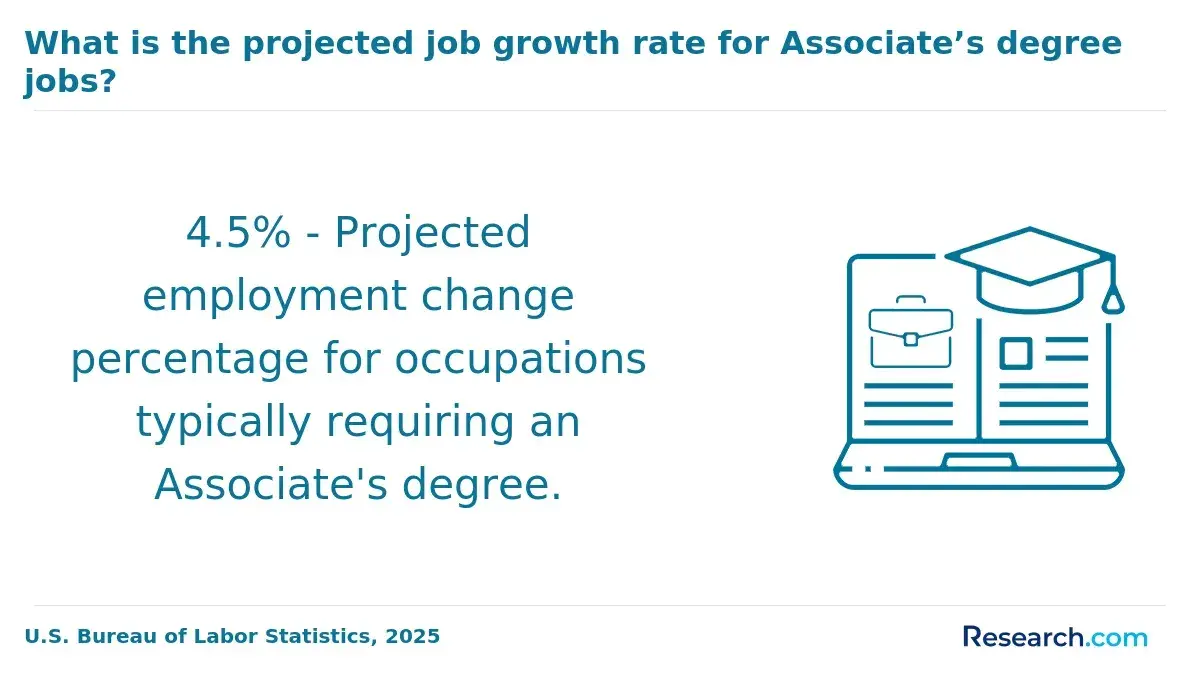
Demand for skilled professionals in information systems continues to surge as organizations increasingly rely on technology to drive business growth and innovation. According to recent labor market data, employment in information systems occupations is projected to grow significantly faster than the average for all jobs, reflecting strong opportunities for well-trained graduates.
This article offers a comprehensive overview of the different types of information systems degrees and explores the salary expectations for graduates in each area, providing valuable insights for those planning their academic and professional futures.
Key Points About Different Types of Information Systems Degrees and Their Salaries
- Graduates with a bachelor's degree in information systems typically earn a median salary of around $90,000 per year, reflecting stronger job prospects and higher entry-level positions compared to associate degree holders who often start with salaries near $50,000 annually.
- Master's degrees in information systems can increase earning potential significantly, with professionals averaging salaries exceeding $110,000, especially for those targeting managerial or specialized roles in data analytics and cybersecurity.
- Long-term career growth is more pronounced for individuals with advanced degrees in information systems, as they are more likely to move into leadership positions and experience higher salary growth compared to those with only an undergraduate or associate degree.
What Are the Different Types of Information Systems Degrees Available?
Understanding the different types and levels of information systems degrees is crucial for students to make informed decisions that align with their career aspirations and educational backgrounds.
To clarify the distinctions, here is an overview of the main types of information systems degrees and what sets each apart.
- Associate degree in information systems: This entry-level degree introduces core concepts such as computer programming, database management, networking, and basic business systems analysis. It provides a broad foundation that prepares students for support roles or further study in a bachelor's program.
- Bachelor's degree in information systems: Building on foundational knowledge, this degree covers advanced topics like application development, information system management, data architecture, and network design. It often includes business courses to demonstrate how technology supports organizational functions.
- Master's degree in information systems: Focused on specialized expertise, master's programs allow students to explore concentration areas such as data analytics, cybersecurity, or user experience design. Coursework emphasizes advanced management and technical skills relevant for leadership.
- Doctorate in information systems (PhD or DPS): Doctoral studies emphasize research, theory, and innovation in information systems. Programs cover strategic information use, systems management, and technology development, preparing graduates for academic or executive roles.
- Bachelor's in management information systems (MIS): This degree integrates business principles with IT, focusing on how organizations employ technology to enhance efficiency and solve challenges. Coursework covers business analytics, project management, and digital strategy.
- Bachelor's in computer information systems (CIS): Emphasizing technical skills, CIS programs include programming, systems security, and network management. The curriculum targets practical applications of technology across settings.
- Information science degrees: More theoretical and user-centered, these programs study the relationship between people and information. Coursework frequently involves system architecture, big data technologies, cybersecurity, and enterprise solutions design.
Choosing the right degree can also impact earning potential, and students interested in alternative pathways might explore easy certifications that pay well to complement or accelerate their careers in information systems.
What Specializations Are Available in Information Systems Degrees?
Choosing a specialization when pursuing an information systems degree is vital because it helps students align their coursework with their specific career goals, making their education more focused and relevant.
Below are some common specializations in information systems degrees that illustrate the diverse paths available to students interested in this field:
- Information Assurance: This specialization emphasizes protecting data and systems from cyber threats and unauthorized access. Students develop skills in risk management, security policies, and incident response, often leading to careers as information security analysts or cybersecurity consultants.
- Project Management: Focused on planning, executing, and overseeing information systems projects, this track teaches budgeting, project planning, and team leadership. Graduates typically pursue roles such as project manager or IT project coordinator.
- Web and Mobile Application Development: This path covers designing and developing applications for web and mobile platforms. Students learn programming languages, user interface design, and application testing, preparing them for roles like web developer, mobile app developer, or software engineer.
- Business Analytics: Concentrating on data-driven decision-making, this specialization trains students in data analysis, statistical modeling, and business intelligence tools. Career options include business analyst, data analyst, and business intelligence analyst.
- Database Design and Management: This area teaches database implementation and maintenance with skills in database modeling, SQL, and data integrity. Graduates often become database administrators, developers, or data architects.
- Network Architecture: Covering design and management of computer networks, this specialization involves network configuration, troubleshooting, and security. Career paths include network administrator, network engineer, and network security specialist.
For those wondering what is the easiest aa degree to get, exploring various information systems specializations can reveal options that best fit individual strengths and career plans, making the education path clearer and more manageable.
More information about these degrees can be found at what is the easiest aa degree to get.
How Long Does It Take to Complete Each Type of Information Systems Degree?
Understanding the duration of various Information Systems programs is crucial for students aiming to plan their education and career paths effectively. Knowing how long each degree typically takes allows for better time management and financial planning during the entire process.
Below is an overview of the main Information Systems degree types and their usual completion times.
- Associate Degree in Information Systems: This degree generally takes about two years of full-time study to complete. The timeline can be shortened if students transfer credits from prior coursework or attend summer sessions, while part-time enrollment may extend the duration. Many community colleges offer online and accelerated options to provide flexibility for working students.
- Bachelor's Degree in Information Systems: Typically requiring four years of full-time study, this is the standard undergraduate path. Some students may finish sooner by taking extra courses or leveraging AP credits from high school. Online and hybrid formats are common, allowing students to balance school with other commitments.
- Master's Degree in Information Systems: A master's program usually takes about 1.5 to 2 years to complete after earning a bachelor's degree. Full-time students can finish faster, whereas part-time students may take up to three years. Many institutions offer accelerated tracks and online learning formats to accommodate different schedules.
- Doctorate in Information Systems: PhD or DBA programs generally require 3 to 6 years depending on the research focus and student pace. The length varies widely based on dissertation progress and whether students are enrolled full-time or part-time. Flexible, research-intensive, and sometimes hybrid options may be available.
Are There Accelerated Information Systems Degree Programs?
Accelerated information systems degree programs in the United States offer students an opportunity to complete both bachelor's and master's degrees faster than the traditional timeline. These programs commonly reduce total study time by allowing graduate-level courses to count toward both undergraduate and graduate degree requirements, often saving students up to a year.
For instance, some universities enable students to earn a Bachelor of Science (B.S.) and a Master of Science (M.S.) in information systems within five years instead of the usual six.
These programs often feature condensed course schedules with shorter terms and more frequent start dates, year-round coursework that includes summer sessions, transfer or advanced placement credits for prior learning, and dual-credit or bridge courses simultaneously fulfilling requirements for both degrees.
Examples such as Northwestern University's accelerated MSIS program condense the curriculum into intensive year-round terms, blending online and on-campus instruction, sometimes allowing completion in just one year for the master's portion.
Students considering accelerated information systems degree tracks should be aware of the increased workload intensity, as these programs typically demand heavier course loads and a faster pace. Balancing such intensity with work or family responsibilities can be challenging.
Eligibility is often restricted to high-achieving students who meet minimum GPA requirements-usually around 3.0 or higher-and who have attained junior or senior status in their undergraduate program. Some programs require departmental approvals or formal petitions.
Despite these challenges, accelerated degrees can provide significant time and cost savings while preparing graduates for lucrative information systems careers like computer systems analysts, database administrators, and IT managers, whose median salaries range broadly but remain high by national standards.
When asked about his experience, a graduate of an accelerated information systems degree program reflected on the demanding pace and how it shaped his learning journey.
He noted that managing back-to-back intensive courses tested his time management skills and required a constant balancing act between studies and part-time work.
"There were moments when it felt overwhelming, but the structure forced me to prioritize and adapt quickly," he shared.
He also mentioned that having access to bridge courses helped smooth the transition between undergraduate and graduate-level work, reducing duplication and keeping motivation high.
Ultimately, he described the experience as rigorous but rewarding, highlighting the pride he felt in finishing early and entering the workforce with both degrees completed. This personal journey underscores how accelerated programs can be a valuable pathway for motivated students ready to embrace their challenges.
Are Online Information Systems Degrees as Credible as Traditional Ones?
Online information systems degrees and traditional in-person programs both maintain rigorous academic standards through institutional and programmatic accreditation processes.
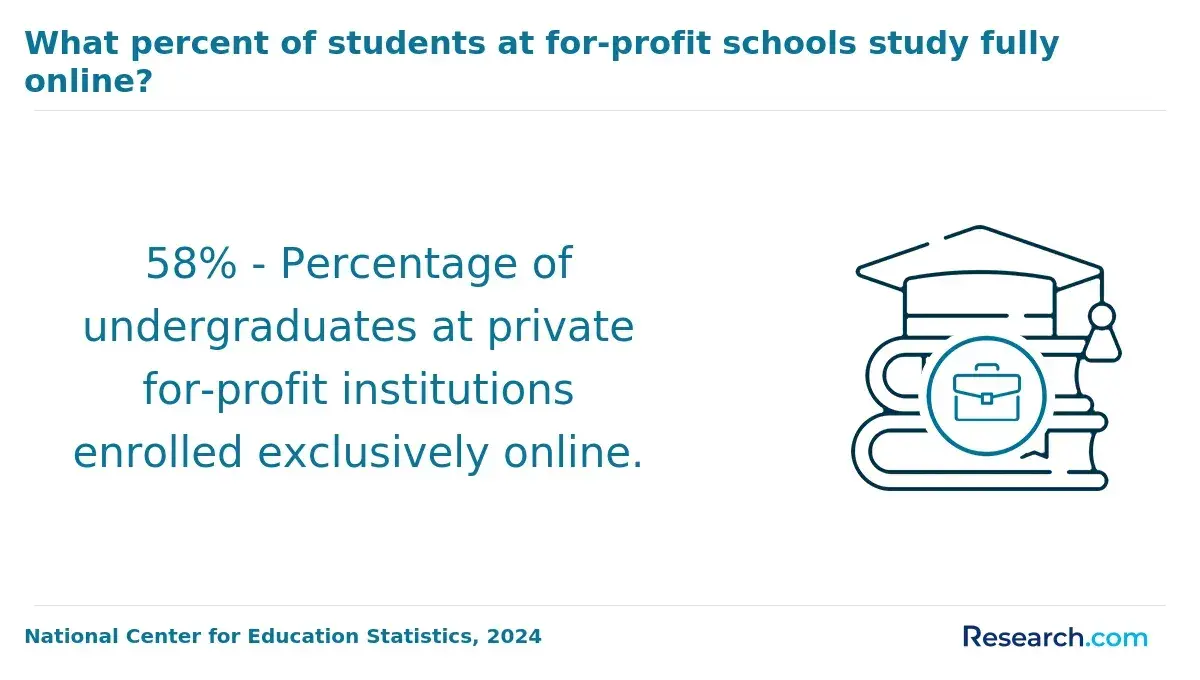
Accredited online degrees typically follow the same curriculum, assessment methods, and faculty qualifications as their traditional counterparts, ensuring students achieve established learning outcomes. In fact, 77% of academic leaders report that online learning outcomes are equal to or better than those found in face-to-face education.
Many reputable, non-profit universities design online programs to match the standards of their on-campus offerings, often delivering identical degrees regardless of delivery format.
Key factors that determine the credibility of these degrees include accreditation status, the institution's overall reputation, and alignment with industry requirements-criteria that apply equally to both online and traditional programs.
Employer acceptance of online information systems degrees has improved significantly in recent years. A 2023 survey found that 61% of HR leaders believe the quality of online learning is equal to or superior to traditional education, and more than 70% of organizations have hired candidates with online degrees within the past year.
Online graduates report a 96% positive return on investment in terms of employment opportunities, highlighting strong recognition of the skills gained through these programs. While some employers still value the networking and hands-on experiences typically associated with traditional education, the majority focus primarily on the accreditation and reputation of the awarding institution.
Ultimately, the credibility of an information systems degree depends far more on the institution's standing and accreditation than on whether the degree was earned online or in person.
How Much Does Each Type of Information Systems Degree Typically Cost?
Tuition rates vary widely based on degree type, institution, and program delivery, making it critical for prospective students to consider these factors carefully.
Below is an overview of typical tuition ranges for various information systems degrees to help guide your decision-making process.
- Associate Degree in Information Systems: Tuition generally ranges from $6,500 to $8,254 for the entire program at affordable online schools like Penn Foster and Ashworth College. Costs may be even lower at public community colleges, especially for on-campus programs. Financial aid options such as federal grants, scholarships, and payment plans are commonly available to reduce out-of-pocket expenses.
- Bachelor's Degree in Information Systems: Annual tuition varies significantly, from about $7,720 at public universities to upwards of $20,626 at private institutions. Online bachelor's programs can offer competitive per-credit pricing between $199 and $395, sometimes including tuition locks or tech perks. In-state students typically pay less, and many can access federal aid, state scholarships, and merit-based awards.
- Master's in Information Systems: Graduate tuition tends to be higher, averaging between $11,829 for state residents and $19,990 for non-residents annually in many U.S. programs. Prestigious part-time programs can cost upwards of $56,000 in total. Assistantships, scholarships, and federal loans are common strategies graduate students use to manage these expenses.
- Ph.D. in Information Systems: Doctoral programs often range from $40,000 to $80,000 over multiple years, but substantial financial support from research assistantships, teaching fellowships, and tuition waivers often offsets this cost. Tuition and funding opportunities depend heavily on the university and the student's research involvement.
A graduate of an information systems degree program I interviewed reflected on her tuition journey, noting how navigating financial aid and choosing a flexible online program was key to managing costs.
She emphasized, "I was able to balance work and study because of the program's payment plan and scholarship opportunities." Her experience highlights that beyond sticker price, available support systems and program structure significantly impact affordability.
This strategic approach enabled her not only to complete her degree without overwhelming debt but also to quickly advance in her career, demonstrating that thoughtful financial planning pays off both academically and professionally.
What Jobs Can You Get with Each Type of Information Systems Degree?
The level of your information systems degree has a direct impact on the career paths open to you, as well as the types of roles you qualify for in the job market. Higher degree levels often lead to more specialized positions with greater responsibility and higher salaries.
Below is an outline of common jobs associated with each information systems degree type to help you better understand the opportunities available.
- Associate Degree in Information Systems: Graduates typically qualify for entry-level technical support roles such as IT help desk specialists, technical support specialists, and network support personnel. These positions mainly focus on troubleshooting, assisting users, and maintaining basic system operations within corporate IT departments, managed service providers, or educational institutions.
- Bachelor's Degree in Information Systems: This degree prepares graduates for mid-level professional roles including systems analysts, database administrators, business systems analysts, IT consultants, and cybersecurity analysts. Many work as programmers, software developers, or IT business analysts, designing and managing technology solutions to meet business needs. Median salaries vary widely, reaching up to $171,200 for information systems managers.
- Master's Degree in Information Systems: Those holding a master's degree move into advanced roles such as information systems managers, senior consultants, and specialized positions in fields like blockchain, fintech, and health information systems. These jobs often involve strategic planning, leadership, and integrating technical expertise with business objectives. Graduates with this degree level typically command higher salaries and greater career advancement.
For students aiming to further their education, researching low cost phd programs can be beneficial for gaining even more advanced expertise in information systems and related fields.
For example, exploring options like low cost PhD programs could be a valuable step after completing a master's degree.
How Do Salaries Differ by Information Systems Degree Type?
Degree level often influences earning potential in information systems, with higher degrees generally leading to better salaries and career opportunities.
Understanding these differences can help students make informed educational and career decisions, especially when considering cost-effective options such as choosing the cheapest online university per credit hour.
The following list outlines typical salary ranges for each information systems degree type.
- Associate Degree in Information Systems: Entry-level positions for associate degree holders typically offer starting salaries around $51,000 per year. Factors such as job role, geographic location, and industry demand influence pay, with common jobs including computer support specialist or junior systems analyst. Advancement often requires further education or certifications to increase earning potential.
- Bachelor's Degree in Information Systems: Graduates with a bachelor's degree usually start with salaries ranging from $65,000 to $76,000 annually. Roles include systems analyst, business analyst, or database administrator, with management information systems majors seeing average entry salaries near $71,500. Salary growth is affected by experience, technical skills, and working in competitive metropolitan areas.
- Master's Degree in Information Systems: Those holding a master's degree often qualify for advanced positions such as IT manager or IT director, with average salaries exceeding $100,000 and sometimes reaching $126,000 or more. Specialized fields like cybersecurity or cloud computing tend to offer higher pay and better long-term prospects.
- Doctorate in Information Systems: Doctoral degree holders commonly pursue academic, research, or executive roles. Salaries vary widely, with professors and senior management earning $100,000 or more, and top executives often attaining median wages above $170,000 annually. Experience and leadership responsibilities significantly impact long-term earnings.
Is There High Demand for Information Systems Degree Holders in the Job Market?
The demand for information systems degree holders remains consistently high in the U.S. job market, fueled by rapid digital transformation across industries. Emerging technologies like artificial intelligence, cloud computing, cybersecurity, and data analytics are expanding technical roles and raising skill expectations for graduates.
As organizations in sectors such as finance, healthcare, and government enhance their IT infrastructures, they increasingly seek professionals capable of managing, securing, and optimizing sophisticated information systems. The rise of remote work and global digital operations also drives a growing need for specialists in cloud and collaboration technologies.
For students exploring educational options, considering the cheapest online bachelors programs can offer accessible pathways to enter this thriving field.
Regional differences impact job availability and salary ranges for information systems professionals, with major metropolitan areas and technology hubs typically offering the highest concentrations of opportunities.
However, the expansion of remote work is helping to level the geographical playing field, making it easier to access quality positions nationwide. Common roles for information systems graduates include systems analysts, information security analysts, data scientists, and IT managers, with entry-level salaries starting around $65,000 and senior-level positions reaching $190,000 or more.
Overall, the job outlook for information systems degree holders is strong, supported by sustained growth, competitive compensation, and diverse opportunities for those who stay current with evolving technologies and workforce needs.
What Factors Should You Consider When Picking a Type of Information Systems Degree?
Choosing the right degree level in information systems is a critical decision that shapes your educational experience and career trajectory. It must align with your professional goals and personal circumstances to maximize both short-term benefits and long-term success.
Below are key factors to consider when selecting the appropriate degree level.
- Career Goals: Your degree level directly impacts the types of roles you can pursue. An associate degree often leads to entry-level support jobs, while a bachelor's degree is typically required for advancement and management positions. Higher-level roles such as chief information officer or technology director generally require a master's degree or beyond.
- Time Commitment: Degree programs vary widely in length-from one-year certificates to doctoral studies that may take several years post-undergrad. Consider how much time you can realistically dedicate to your education, especially if you plan to work or have other responsibilities.
- Salary Potential: Earnings tend to increase with higher degree levels. For example, bachelor's graduates in information systems earn median salaries around $97,430, while those with master's degrees and experience often qualify for roles paying six figures. Entry-level certificates or associate degrees typically lead to lower initial salaries.
- Specialization and Curriculum: Advanced degrees offer opportunities to specialize in areas like cybersecurity or data analytics. Decide whether you prefer a broad foundation or targeted expertise based on your career interests and market demand.
- Delivery Format and Flexibility: Many programs provide flexible options such as online or part-time study, which can be crucial for working adults. Accelerated tracks exist but usually require a more intense workload.
- Cost and Return on Investment: Higher degree levels generally come with increased tuition and fees. Evaluate the financial investment against potential salary gains and look for cost-saving options like transfer credits or employer tuition assistance.
What Information Systems Graduates Say About Their Degree and Salary
- Jada: "Completing my bachelor's degree in information systems was a turning point in my life. The hands-on projects and collaborative environment helped me build confidence and real-world skills, making the transition into a tech analyst role seamless. What truly stood out was the program's emphasis on bridging business and technology, which prepared me not just for a job, but for a career path filled with growth opportunities. I feel grateful to contribute meaningfully to my company's digital transformation initiatives."
- Willow: "After earning my master's in information systems, I realized how critical advanced knowledge and leadership skills are in today's IT landscape. The curriculum challenged me to think strategically and embrace complex problem-solving, which opened doors to senior positions much faster than I expected. Beyond technical proficiency, the program fostered a deeper appreciation for diversity in technology teams and the societal impact of digital innovation. This journey has been as much about personal growth as professional development."
- Mikee: "Pursuing an information systems degree with a focus on cybersecurity empowered me to address one of the most pressing challenges of our time. The program combined rigorous technical training with ethical considerations, fueling my passion to secure critical infrastructure. Starting my career as a cybersecurity analyst has been both demanding and rewarding, and the community of peers and mentors I found during my studies continues to inspire me. I am proud to protect our digital future and support young women pursuing STEM fields through outreach."
Other Things You Should Know About Information Systems Degree Programs & Salaries
In 2027, salaries for information systems degrees can vary significantly. A bachelor's degree holder may earn around $80,000 annually, while those with a master's degree, such as an MIS, could earn upwards of $90,000 to $120,000 per year, depending on the position, industry, and location.
Most information systems degree programs in 2026 require a high school diploma or equivalent, with strong grades in mathematics and computer science. Some programs may also require prior coursework in basic programming or computing principles.
References
- What Employers Really Think about Your Online Degree https://bachelors-completion.northeastern.edu/knowledge-hub/are-online-degrees-respected/
- What Can You Do With A Computer Information Systems Degree? https://mwcc.edu/blog/computer-information-systems-faqs/
- How Credible Are Online Degrees? And are they worth it? https://potomac.edu/are-online-degrees-taken-seriously-by-employers/
- Costs - Computer Information Systems https://www.mtsac.edu/cis/costs.html
- Best Online Information Systems Degrees 2025 https://www.onlineu.com/degrees/information-systems
- What Can You Do With an Information Systems Degree? https://www.park.edu/blog/what-can-you-do-with-an-information-systems-degree/
- Best Information Systems Degree Programs https://www.computerscience.org/degrees/information-systems/
- Online vs Traditional Degrees: Similarities and Differences https://www.aiu.edu/blog/online-vs-traditional-degrees/
- Study Information Technology & Systems, why & how to study https://www.thecompleteuniversityguide.co.uk/subject-guide/information-technology-and-systems
- Accelerated B.S. in Information Systems/M.S.I.S. (IUG) https://harrisburg.psu.edu/business-administration/information-systems-bs-msis


