
2027 How to Compare Sports Psychology Degree Programs Effectively

Co-Founder and Chief Data Scientist
Choosing a sports psychology degree program can be overwhelming when each offers different specializations, internship opportunities, and faculty expertise. For example, some programs emphasize clinical sports psychology, while others focus on performance enhancement or research methodologies. This variety affects how well graduates meet the demands of diverse roles in athletics and mental health.
According to recent data, employment for sports psychology-related roles is projected to grow by 11% over the next decade, reflecting increased recognition of mental wellness in sports. This article will explore key criteria to effectively compare programs, helping students align their choice with career aspirations and practical considerations.
Key Benefits of Comparing Sports Psychology Degree Programs Effectively
- Check accreditation and program credibility to ensure quality education; accredited programs often lead to better licensure and employment opportunities in sports psychology careers.
- Evaluate curriculum focus and specialization options to match career goals, such as performance enhancement, rehabilitation, or coaching psychology.
- Consider cost versus return on investment by comparing tuition fees, financial aid, and reported graduate employment rates within the sports psychology field.
What Types of Accreditation Should a Sports Psychology Degree Program Have?
Accreditation is essential for prospective students comparing the quality, credibility, and long-term value of sports psychology degree programs in the United States. Approximately 90% of employers prefer candidates from accredited institutions, emphasizing the impact accreditation has on career prospects.
Understanding the different types of accreditation helps students identify programs that meet recognized regional and national accreditation standards.
Here are the key types to consider:
- Regional Accreditation: This is the most common and widely recognized institutional accreditation in the U.S. It ensures the overall quality of the institution, facilitates credit transfer between schools, and determines eligibility for federal financial aid, making it crucial for students seeking flexible education paths.
- Programmatic Accreditation: Focused specifically on sports psychology or related fields like counseling or psychology, this accreditation confirms that the program adheres to industry-specific standards, which is vital for licensure and gaining employer trust in specialized careers.
- Specialized Accreditation: Offered by organizations such as the American Psychological Association (APA) or the Association for Applied Sport Psychology (AASP), this accreditation signals adherence to professional best practices, enhancing preparation for credentialing and practical application.
For career changers or working professionals, enrolling in programs with proper accreditation ensures that their educational investment aligns with recognized standards, bolstering licensure possibilities and employer approval. Students should also explore options like online MBA programs if seeking flexible schedules alongside accredited sports psychology degree programs in the United States.
What Specializations Are Offered in Sports Psychology Degree Programs?
Specializations within sports psychology degree programs help prospective students compare options by aligning academic focus with career goals. Recent labor market data shows that about 35% of graduates in related psychological sciences pursue subfields linked to performance enhancement or rehabilitation, reflecting strong workforce demand.
Below are some common specializations offered in these programs.
- Performance Enhancement: Focuses on mental techniques to improve athletes' focus, motivation, and confidence. Students develop skills like goal-setting and visualization, preparing them for roles as mental skills coaches or performance consultants.
- Rehabilitation Psychology: Emphasizes psychological support for athletes recovering from injuries. Counseling methods and coping strategies are key learning areas, relevant for careers in sports medicine and therapy.
- Youth and Developmental Sports Psychology: Centers on fostering healthy psychological growth and resilience in young athletes. This specialization suits educators and youth coaches focused on developmental needs.
Students interested in accelerating their education while exploring advanced sports psychology concentration options may also consider programs that offer flexible learning. For those balancing work and study, a fast track social work degree online can provide complementary skills applicable in sports psychology settings, especially in rehabilitation contexts.
How Can You Compare Courses Across Sports Psychology Degree Programs?
Comparing courses across sports psychology degree programs is vital for prospective students to evaluate program rigor, skill development, and how well the curriculum aligns with their career goals. Research shows that programs with course completion rates often exceeding 85% generally provide more structured curricula, which correlates with improved student outcomes.
To identify the best factors to evaluate sports psychology degree programs, consider the following practical strategies:
- Course Descriptions: Reviewing detailed outlines reveals the depth of topics covered and whether the program emphasizes applied skills or theoretical knowledge.
- Credit Requirements: Comparing the number of required credits per course helps assess workload and curriculum comprehensiveness.
- Practical Components: Checking for internships, labs, or project work indicates hands-on experience crucial for applying skills in real-world sports psychology settings.
- Faculty Expertise: Programs led by faculty with strong research or professional backgrounds tend to offer courses aligned with current industry standards.
- Certification Alignment: Investigating how courses meet relevant certification criteria enhances graduate employability and professional readiness.
In addition to on-campus options, exploring online courses for psychology degree can provide flexible scheduling and accessibility for students balancing commitments. Effectively comparing sports psychology degree courses requires a nuanced approach that balances academic rigor, practical experience, and long-term career benefits.
What Scheduling Options Are Available in Sports Psychology Degree Programs?
Flexible scheduling plays a key role for students choosing sports psychology degree programs, as it helps balance education with work, family, and other responsibilities. Below are common scheduling formats designed to meet diverse needs.
- Full-Time Day Classes: These traditional programs offer structured daytime instruction ideal for students who can dedicate focused hours to study. They typically provide a more immersive experience but require students to commit primarily to academics during the day.
- Part-Time Enrollment: Designed for those juggling jobs or personal obligations, part-time schedules stretch the length of study to reduce weekly course load. This option allows students to progress steadily while maintaining other commitments.
- Online Programs: Fully online formats deliver maximum flexibility, letting students attend classes from any location and often at convenient times. This arrangement benefits working professionals and those needing to fit study around unpredictable schedules.
- Hybrid Models: Combining in-person and online components, hybrid options offer some face-to-face interaction while preserving flexible timing. This mix supports learners seeking both direct engagement and adaptable study hours.
- Evening and Weekend Classes: Tailored for students active during daytime hours, these offerings enable coursework outside typical business hours. They expand access without disrupting employment or daytime responsibilities.
- Accelerated and Modular Scheduling: These approaches allow students to complete courses more quickly or focus intensively on individual subjects. They suit those eager to shorten program length or prefer concentrated study periods.
What Are the Pros and Cons of Online vs Campus-Based Sports Psychology Degrees?
Choosing between online and campus-based sports psychology degree programs significantly affects a student's learning style, schedule, and professional prospects. In 2022, over 40% of graduate students took at least one online course, demonstrating the growing acceptance of digital education.
Below is a comparison of key strengths and weaknesses of each format.
Online Sports Psychology Degrees
- Flexible Scheduling: The ability to study anytime provides students the freedom to balance education with work or family obligations, reducing stress from rigid deadlines.
- Limited Networking: Fewer opportunities for face-to-face interactions can hinder relationship-building with peers and faculty, which may impact professional growth.
- Accessibility: Students can enroll regardless of geographic location, opening doors to programs unavailable nearby without commuting expenses.
- Self-Motivation Challenges: Without in-person accountability, maintaining consistent study habits can be difficult for some learners.
Campus-Based Sports Psychology Degrees
- Hands-On Learning: Direct access to labs, internships, and faculty support facilitates practical skill development critical for the field.
- Scheduling Constraints: Fixed class times and campus activities reduce flexibility, making it harder to juggle outside commitments.
- Resource Availability: On-site services such as counseling, career centers, and libraries enhance the student experience and academic success.
- Additional Expenses: Costs related to housing, transportation, and campus fees can increase the overall financial burden.
A graduate who completed an online sports psychology degree shared how he carefully weighed these pros and cons. He explained, "Balancing a full-time job made the online option appealing, but I worried about missing out on practical experience."
To address this, he sought out local internships independently and used virtual study groups to compensate for less in-person contact. "It was sometimes isolating, and I had to push myself more than I expected," he admitted, "but the flexibility allowed me to finish my degree without sacrificing my income."
His story highlights how personal motivations and circumstances shape the choice between online and campus-based education.
How Do GPA Requirements Vary Among Sports Psychology Degree Programs?
GPA requirements serve as a key criterion when comparing sports psychology degree programs because they reflect program selectivity and admissions priorities. Below are important factors that highlight the diversity in how GPA criteria are applied across different programs.
- Minimum GPA Standards: Some programs enforce a strict minimum GPA, frequently around 3.0 on a 4.0 scale, to ensure candidates meet a foundational academic benchmark. These thresholds are more common in competitive programs with large applicant pools.
- Flexibility and Exceptions: Other programs adopt a more flexible stance, particularly at the graduate level, allowing applicants with slightly lower GPAs to compensate with strong professional experience or other strengths in their application.
- Holistic Review Practices: Admissions committees increasingly evaluate the full candidate profile, including work history, recommendation letters, and motivation, reducing the sole emphasis on GPA. This approach benefits applicants demonstrating unique potential despite below-threshold academic scores.
- Program Differences: GPA policies often differ between undergraduate and graduate sports psychology offerings. Graduate programs tend to weigh additional factors more heavily, while undergraduate programs may rely more on GPA as a basic eligibility criterion.
How Can You Compare Tuition Across Sports Psychology Degree Programs?
Comparing tuition costs among sports psychology degree programs is a vital step in planning your education, as it directly impacts your financial commitment. With nearly 43% of recent graduates carrying an average of $30,000 in student debt, assessing affordability upfront can prevent surprises later.
Here are key factors to consider when evaluating program costs:
- Total Program Cost: Look beyond base tuition to include mandatory fees, textbooks, and other materials that add to the overall price. These extra costs vary widely and can influence your final expenses significantly.
- Cost Per Credit: Analyzing the price charged per credit hour helps you compare programs of different lengths and structures more fairly, especially if you plan to attend part-time or transfer credits.
- Additional Fees: Some programs add charges for lab access, technology use, or administrative services. These fees can increase the total cost, so verify which apply before deciding.
- Financial Aid Availability: Scholarships, grants, and loans differ among institutions. Investigate each program's financial assistance options to estimate your net costs accurately.
- Employer Tuition Benefits: For working professionals, employer-sponsored tuition support can substantially reduce out-of-pocket payments. Confirm whether a program aligns with such benefits if relevant to your situation.
- Long-Term Value: Consider factors like program reputation, alumni success, and networking opportunities as they can justify higher expenses through better career outcomes.
When I spoke with a graduate who completed a sports psychology degree, she described how carefully balancing these aspects felt overwhelming. "I spent weeks comparing every imaginable cost, worrying about hidden fees and whether financial aid would cover enough," she said.
"In the end, choosing a program that provided clear, transparent pricing and strong alumni support made all the difference." Her experience highlights the importance of diligent research and seeking out firsthand perspectives to truly understand the financial and professional value of each option.
"It wasn't just about finding the cheapest program-it was about making sure what I invested aligned with my goals and future opportunities."
Does a Sports Psychology Degree Meet Licensure Requirements?
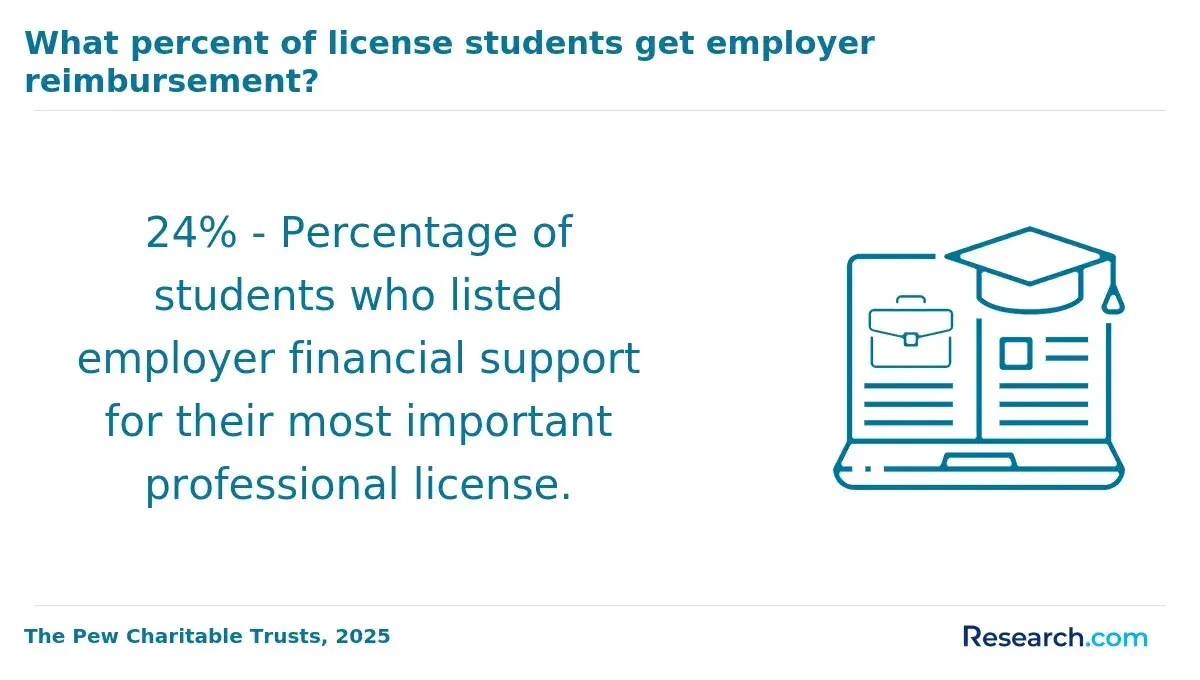
Alignment with licensure requirements is essential for students seeking careers in regulated fields or pursuing professional certification through a sports psychology degree. Over 20% of U.S. occupations require a license or certification, emphasizing the need for programs that meet state standards.
Key comparison points include:
- Curriculum Alignment: Ensure the coursework covers core psychology concepts, ethics, and clinical practice mandated by licensing authorities to satisfy educational prerequisites.
- Accreditation Status: Programs accredited by recognized bodies generally adhere to rigorous standards, improving eligibility for licensure and acceptance by state boards.
- State-Specific Requirements: Licensure criteria vary by state, so confirm if the program meets particular local mandates such as required course topics or degree levels.
- Supervised Experience: Many states require completion of extensive supervised hours-typically between 1,500 and 3,000-under licensed professionals as part of licensure eligibility.
- Exam Eligibility: Graduates must often pass the Examination for Professional Practice in Psychology (EPPP) or equivalent state exams; verify that the program qualifies students to sit for these assessments.
Which Sports Psychology Programs Have the Best Career Placement Rates?
Career placement rates offer valuable insight into how well sports psychology degree programs prepare students to enter the job market. For example, top-ranked sports psychology graduate programs with job placement rates exceeding 85% within six months highlight the critical role of practical training and professional connections.
Several factors influence these metrics, which prospective students should carefully evaluate:
- Internship Pipelines: Programs with established internship pathways provide students with hands-on experience that bridges academic theory and real-world application. Quality internships are often a strong indicator of how well a program connects students to future employers.
- Employer Partnerships: The strength and breadth of a program's relationships with organizations can significantly impact job placement opportunities. Active collaboration with external employers often translates into a higher likelihood of securing meaningful positions upon graduation.
- Alumni Outcomes: Examining the career trajectories and success stories of graduates offers tangible proof of a program's effectiveness. Alumni who hold influential roles or have impactful careers reinforce the value of the education received.
- Support Services: Dedicated resources such as career counseling, job fairs, and resume workshops enhance graduate competitiveness. These services ensure students are well-equipped to navigate the job market and make the transition from study to employment smoothly.
When exploring the best sports psychology programs for career placement, understanding these elements helps identify which schools can provide comprehensive support. Students balancing costs, schedules, and career ambitions may also consider complementary information like the easiest college majors with high pay to align their educational investments with professional goals.
How Do Salaries Compare Across Sports Psychology Degree Program Graduates?
Post-graduation salary outcomes provide a vital metric for comparing sports psychology degree programs because they illustrate the economic returns and career sustainability of the education attained. The average annual wage for sports psychologists ranges from about $50,000 to $110,000, reflecting the potential for significant earnings after completing a degree.
Several factors influence these variations in salary, including role, industry, location, and experience level:
- Role: Clinical sports psychologists and licensed counselors typically earn higher salaries than entry-level research assistants or coaching consultants, highlighting the impact of job responsibilities and qualifications on income.
- Industry: Salaries tend to be greater in private healthcare, professional sports teams, and university athletic departments compared to community recreation centers, demonstrating the influence of sector and employer type.
- Location: Due to cost of living differences, sports psychology graduate salary differences by state can be considerable, with metropolitan and high-cost areas offering higher wages than rural or less affluent regions.
- Experience: Earnings often increase substantially over time, as many sports psychologists double their starting salary after gaining a few years of professional practice.
Considering these salary factors helps prospective students identify programs that align with their financial goals and career trajectory. Those seeking accelerated options might also explore 1 year masters programs that can shorten the path to entering the workforce.
Evaluating average earnings after sports psychology degree completion remains central to understanding the return on investment in this specialized field.
What Graduates Say About Comparing Sports Psychology Degree Programs Effectively
- Brenna: "Before enrolling, I wasn't sure if pursuing a sports psychology degree was financially feasible, especially given the average cost of attendance close to $30,000 per year. However, finding a program that balanced quality and cost was crucial for me. Completing the degree opened doors to work with elite athletes, which has been a truly rewarding experience. "
- Enzo: "Reflecting on my decision, the cost of many sports psychology programs was initially intimidating, but I weighed that against potential career growth. I chose a program that was affordable yet comprehensive, which proved to be a wise investment. Now, as a licensed practitioner, I appreciate how that education has deepened my understanding and credibility in the field. "
- Sloane: "Professionally, the biggest factor before starting my sports psychology degree was cost since some programs were prohibitively expensive. Identifying a mid-range tuition program helped me commit without undue financial stress. Graduating has had a profound impact on my career, enabling me to integrate mental skills coaching into my athletic training practice effectively. "
Other Things You Should Know About Sports Psychology Degrees
Internship opportunities are crucial for hands-on experience. Evaluate the variety and relevance of placements offered by reviewing alumni success stories, consulting faculty advisors, and verifying partnerships with sports organizations. This ensures you gain real-world skills that align with your career goals.
Access to research labs and specialized resources can enhance your learning and practical experience in sports psychology. Programs with dedicated facilities for physiological testing, cognitive assessment, or biofeedback instruments support comprehensive study and experimentation. Such resources are particularly valuable if you plan to pursue a career in research or advanced clinical roles.
Student support services, including academic advising, career counseling, and mental health resources, contribute significantly to your success in sports psychology programs. Schools that offer mentorship, networking events with professionals, and assistance with licensure preparation provide added advantages. Good support services help manage the demands of rigorous coursework and professional development.
References
- What Is Sports Psychology | The University of Olivet https://www.uolivet.edu/what-is-sports-psychology-and-is-it-a-good-degree/
- Best Accredited Sport Psychology Degrees and Programs https://www.psychologydegree411.com/degrees/sport-psychology/
- 15 Best Sports Psychology Degrees, Courses, & Programs https://positivepsychology.com/sports-psychology-degree/
- Can Sports Psychology Improve Your Game? https://www.papsychotherapy.org/blog/can-sports-psychology-improve-your-game-5-key-benefits-for-pittsburgh-athletes
- Top 10 Sports Psychology Certifications to Advance Your Career | Professional Guide https://www.sportspsychology.org/articles/top-certifications-for-sports-psychology-graduates/
- Requirements on How to Become a Sports Psychologist https://www.counselingpsychology.org/psychology/careers/sports-psychologist/
- Certification Criteria - FEPSAC https://fepsac.com/certification/certification-criteria/
- Accreditation in Sport & Exercise Psychology - Setanta College https://www.setantacollege.com/accreditation-in-sport-exercise-psychology/


