2027 Career Paths with a Forensic Psychology Master's Degree Explained

Co-Founder and Chief Data Scientist
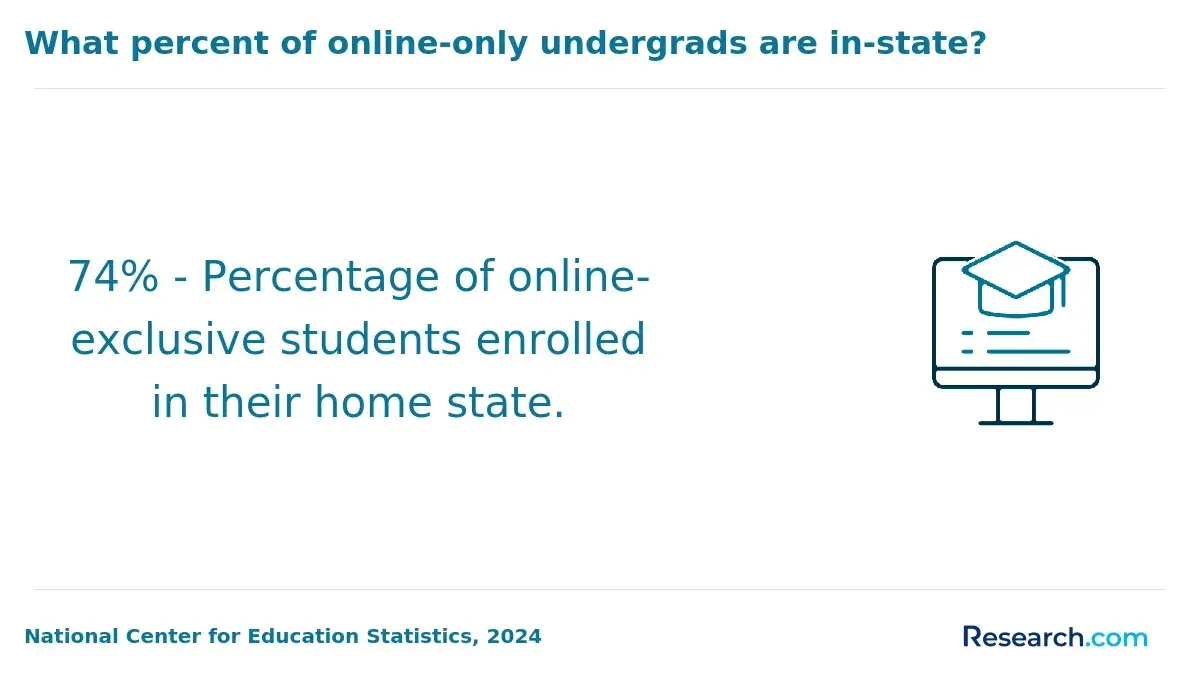
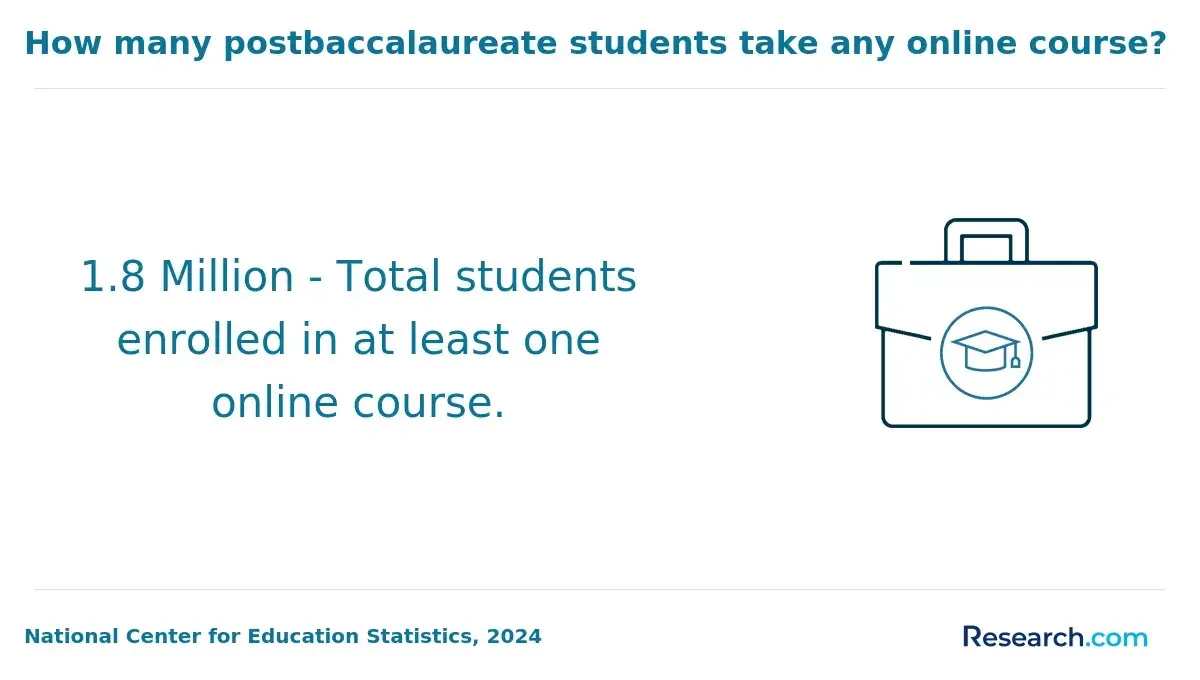
The landscape for professionals with a forensic psychology master's degree is shifting toward greater specialization and leadership within multidisciplinary teams. Employers increasingly seek candidates skilled in employing advanced research methodologies, navigating regulatory environments, and applying data-driven behavioral analysis in legal and correctional settings. These programs cultivate expertise in forensic assessment technologies, ethical frameworks, and strategic decision-making-capabilities that support roles extending beyond analysis to include cross-functional collaboration and management. A 2024 National Center for Education Statistics report highlights steady growth in graduate enrollments among adults balancing careers and education, emphasizing accessibility as a factor in workforce timing and skill acquisition.
This article explores career trajectories tied to a forensic psychology master's degree and guides readers in assessing how these pathways align with their long-term professional objectives.
Key Things to Know About Career Paths With a Forensic Psychology Master's Degree
- Forensic psychology master's programs often emphasize applied skills over broad theory, which can limit flexibility but enhances specialized readiness for roles in legal settings.
- Rising demand for forensic psychologists in criminal justice means employers increasingly value expertise in assessment and expert testimony, shaping role expectations and career trajectories.
- With online forensic psychology programs growing by 12% annually per the National Center for Education Statistics, accessibility improves timing and cost management, yet students must balance reduced in-person networking opportunities.
What Can You Do With a Forensic Psychology Master's Degree?
A forensic psychology master's degree positions graduates within a competitive nexus of psychological expertise and legal system demands, but the career options also come with distinct operational boundaries. Success in this field hinges on recognizing how the degree shapes role eligibility, advancement, and workplace impact rather than assuming it guarantees independent clinical practice or broad licensure. Practical outcomes depend heavily on context-specific knowledge and the ability to navigate interdisciplinary environments amid evolving legal and mental health frameworks.
- Forensic Mental Health Evaluator: This role involves conducting psychological assessments of defendants or offenders to inform court decisions; however, master's holders often work under supervision or in support roles because independent evaluation typically requires additional certification. Advancement can be limited without doctoral credentials but the position offers steady demand in courts and correctional settings.
- Victim Advocate Specialist: Professionals here leverage their understanding of trauma and legal processes to support victims through the justice system, emphasizing communication skills and case management. This path tends to prioritize interpersonal expertise over clinical licensure, offering flexibility but often capped salary potential compared to evaluative roles.
- Correctional Treatment Specialist: In this capacity, graduates of forensic psychology master's programs design and implement rehabilitation programs within prisons or parole systems, blending psychological theory with correctional policy. The degree facilitates technical competence, but career progression often relies on integrating evidence-based practices with institutional regulations and may require cross-training in social work or counseling.
- Crime Analyst: Applying forensic psychology insights to crime pattern analysis and offender profiling, this position demands strong analytical skills and an understanding of criminal behavior but less direct clinical involvement. It opens pathways into law enforcement agencies with growing demand for data-informed strategies, though it may not leverage the full clinical potential of the degree.
What Are the Highest-Paying Careers With a Forensic Psychology Master's Degree?
Compensation in forensic psychology careers hinges significantly on specialization, leadership roles, and the regulatory environment of the hiring organization. Those who leverage advanced technical expertise or assume strategic responsibilities often realize higher earnings, while others without licensure or supervisory duties typically face salary ceilings. For example, a graduate working in federal agency consultation may earn substantially more than one focused on entry-level victim advocacy despite similar academic credentials, highlighting the importance of deliberate career path decisions within this field.
- Criminal Psychologist: This role commands top salaries by combining specialized skills in profiling and mental state assessment with expert testimony in legal cases. Working in federal agencies or private consultation often leads to compensation surpassing $100,000, reflecting the scarcity of professionals adept at navigating both psychological and legal complexities.
- Forensic Psychological Assessment Specialist: Employed primarily in correctional or forensic hospital settings, these specialists evaluate inmates' risk and competency. Though slightly lower paid than criminal psychologists, median salaries remain competitive due to the critical nature of their assessments in institutional decision-making and rehabilitation planning.
- Criminal Justice Program Manager: Positions managing justice-related programs can start with lower salary brackets but offer growth into leadership roles where strategic oversight and grant management responsibilities substantially increase earning potential, rivaling clinical salaries over time.
- Victim Advocate with Forensic Expertise: These roles typically begin with modest compensation but provide meaningful community impact. Combining forensic psychology knowledge with policy development or counseling licensure may enable salary advancement and leadership opportunities.
Notably, licensure plays a pivotal role in unlocking higher-paying positions, as many forensic psychology roles requiring clinical or counseling credentials consistently offer greater remuneration and upward mobility. Those without such credentials often find themselves confined to research or support roles with limited earnings growth, underscoring the practical tradeoff between educational investment and career trajectory.
Which Industries Hire Graduates With a Forensic Psychology Master's Degree?
Graduates with a forensic psychology master's degree are most frequently absorbed into criminal justice settings where they apply psychological frameworks to offender assessment, rehabilitation design, and behavioral profiling. Roles in corrections or probation frequently demand not only analytical competence but also a nuanced understanding of institutional regulations and ethical boundaries around offender management.
By contrast, careers within the legal system, such as expert witnesses or trial consultants, hinge on the ability to translate complex psychological evaluations into courtroom language, requiring both technical mastery and courtroom communication skills. The divergence in required expertise means forensic psychology professionals in these sectors often pursue supplemental certifications or supervised practice to move beyond entry-level positions, highlighting a distinct professional development pathway dependent on chosen industry specialization and its operational demands.
Health care and private sector environments increasingly present alternative employment avenues, with psychiatric hospitals and clinics utilizing forensic psychologists to deliver specialized clinical assessments and treatment plans targeting populations intersecting mental health and legal issues. These roles emphasize clinical diagnostic precision and therapeutic intervention, contrasting with the consultative, assessment-driven focus typical of justice system positions.
Meanwhile, corporate and insurance sectors leverage forensic psychology expertise in fraud detection, security risk assessments, and victim advocacy programs, underscoring a shift toward behavioral risk management outside institutional confines. Compensation trajectories and advancement potential vary accordingly, often favoring sectors where specialization and supervisory experience align with complex leadership responsibilities, making the initial industry choice a critical factor shaping long-term career sustainability and professional identity.
One forensic psychology master's graduate recounted navigating uncertainty between pursuing roles in a legal consultancy versus a correctional facility. Early interviews for legal sector consulting roles underscored the demand for courtroom presentation experience and formal certification, which were not immediately attainable. Conversely, correctional agency hiring managers prioritized practical risk assessment skills and on-site training provisions, offering more direct entry yet with a narrower scope of influence. This experience reinforced the graduate's recognition that choosing an industry path in forensic psychology is not only about fitting existing skills but strategically planning credential acquisition and role expectations to support evolving career goals and work-life balance considerations.
What Is the Job Outlook for Careers Requiring a Forensic Psychology Master's Degree?
The job outlook for careers tied to a forensic psychology master's degree reveals mixed dynamics shaped by industry-specific demand and credential differentiation. While the U.S. Bureau of Labor Statistics projects about 5% growth for psychologists overall from 2024 to 2034, forensic-focused roles such as psychological technicians and criminal justice counselors show varied prospects influenced by evolving legal standards and resource allocation. For instance, psychological technicians supporting court evaluations may see steady but modest increases driven by criminal justice system needs, yet roles requiring direct counseling face fluctuating demand linked to mental health funding within justice agencies.
Candidates must weigh the tradeoff between moderate salary growth and the competitive advantage conferred by practical experience or specialized certifications in this nuanced job market, especially when employer expectations often include skills in risk assessment and legal reporting.
Regional differences and sector-specific trends critically affect employment chances for those holding a forensic psychology master's degree. Growth is comparatively uneven across corrections, law enforcement, and social services, with some public agencies constrained by budget limits that temper hiring despite increasing emphasis on mental health evaluation in criminal justice. For students and career changers, understanding these workforce realities is essential to manage expectations around long-term stability and advancement.
Those supplementing their credentials-such as pursuing a certified professional coder (CPC) or relevant internship experiences-may unlock broader opportunities. Overall, employment trends for forensic psychology master's degree holders suggest stable but competitive conditions, requiring strategic credentialing and adaptability to sector-specific priorities to capitalize on limited but meaningful job growth.
What Entry-Level and Advanced Jobs Can You Get With a Forensic Psychology Master's Degree?
A master's degree in forensic psychology often opens a pathway into entry-level positions that blend psychological expertise with the justice system, yet these roles usually require graduates to prove their value through practical experience and incremental skill-building. Positions such as psychological assistant or victim advocate tend to emphasize support duties-conducting assessments, assisting licensed psychologists, or helping design offender rehabilitation programs-rather than independent case management.
Many employers view these jobs as foundational, with salaries generally ranging from $45,000 to $60,000, reflecting the limited decision-making authority and supervisory responsibilities at this level. Notably, labor forecasts from the U.S. Bureau of Labor Statistics show a projected 12% growth in psychologist-related legal roles by 2034, signaling ongoing demand but also underscoring that early-career candidates must leverage internships or field experience to remain competitive and to build the interdisciplinary skills that employers prioritize.
Advancement into specialized or leadership forensic psychology roles typically hinges on acquiring additional credentials, such as licensing or certifications, and accumulating relevant work experience. Roles like forensic psychologist consultant or correctional treatment specialist involve more nuanced responsibilities, including expert testimony and case evaluations, which demand both technical expertise and legal acumen.
Compensation in these advanced positions can surpass $90,000, but this varies significantly by employer and region, illustrating how sector differences influence career trajectories. Career progression in forensic psychology is seldom linear; some graduates may encounter barriers if attempting to access high-level roles without demonstrated fieldwork. Consequently, candidates must weigh the tradeoffs between immediate employment in basic support roles and the longer-term investment required for licensure and specialization that unlock supervisory or consultative positions within criminal justice, healthcare, or public safety agencies.
Can a Forensic Psychology Master's Degree Help You Change Careers?
A forensic psychology master's degree can serve as a targeted tool for career change, but its effectiveness heavily depends on how well prior experience aligns with new professional goals. For individuals with backgrounds adjacent to criminal justice, social work, or counseling, the degree helps transfer skills and gain specialized competencies such as legal system literacy, psychological assessment, and risk evaluation, which are essential in forensic contexts.
Employers in forensic roles often prioritize candidates with relevant practical experience alongside the degree, making internship or practicum opportunities critical for career changers. However, those entering from unrelated fields may need to reckon with entry-level roles and additional certifications, especially when clinical or legal licensure is required, which tempers short-term salary expectations and requires longer-term planning.
Career transitions involving a forensic psychology master's degree vary widely in outcomes based on specialization choice and industry demand, illustrating the nuanced nature of repositioning professional identity. The presence of rolling admissions programs with tuition ranging roughly from $15,000 to $45,000 supports flexible entry points but also reflects a significant investment with uncertain immediate returns for career switchers. Additionally, the degree's value increases when paired with active networking and applied learning experiences that connect graduates to forensic settings and hiring managers.
For those eyeing sectors that intersect with healthcare or victim advocacy, consideration of pathways like accelerated BSN programs for non nurses California may illustrate alternative routes in related fields with different regulatory landscapes. Ultimately, careers shaped by forensic psychology master's degrees demand a strategic calibration of skills, credentials, and industry expectations to navigate salary transitions and job market competition effectively.
What Leadership and Management Roles Can You Pursue With a Forensic Psychology Master's Degree?
Leadership roles stemming from a master's degree in forensic psychology vary significantly by industry, organizational scale, and the nature of the position. Graduates often find themselves bridging operational management with specialized expertise, where responsibilities extend beyond technical tasks to include strategic planning, compliance oversight, and interdisciplinary team coordination. For example, in correctional institutions, leadership typically involves supervising caseworker teams and enforcing policy in contexts that demand acute risk assessment and an understanding of legal frameworks.
Conversely, private consulting may require directing complex evaluations and managing client relationships, blending forensic psychology proficiency with business and regulatory acumen. These roles often come with heightened accountability and influence over department-level outcomes, demanding a balance between sustaining technical credibility and cultivating advanced managerial skills.
Promotion prospects and compensation growth in forensic psychology leadership depend heavily on experience depth, regulatory knowledge, and organizational complexity, with many employers expecting candidates to demonstrate cross-functional decision-making capabilities. Notably, larger agencies tend to emphasize formal certifications and demonstrated project management to validate readiness for senior management. However, the trajectory for leadership positions is not uniform; some sectors prioritize expert testimony and technical specialization, while others favor broader administrative oversight.
Graduates must navigate these variations carefully, recognizing that advanced leadership roles require continuous professional development and an ability to integrate psychological insight within multifaceted institutional frameworks. This practical reality shapes long-term employability and the real impact a master's degree can deliver in increasingly managerial posts across forensic psychology fields.
One graduate recalled applying mid-cycle amidst a rolling admissions schedule and initially hesitating due to uncertainty about the program's start dates and available leadership training opportunities. After actively seeking clarification and delaying submission by a few weeks to align better with application deadlines, they ultimately felt the extra preparation enhanced their readiness for management responsibilities emphasized later in the curriculum. This experience underscored how timing and strategic decision-making during enrollment can influence one's ability to maximize leadership development within forensic psychology graduate studies.
What Skills Do Employers Expect From Graduates With a Forensic Psychology Master's Degree?
Employers in forensic psychology place a premium on technical expertise and applied analytical skills that directly influence case outcomes and operational integrity. Mastery of psychological assessment tools, familiarity with criminal justice databases, and aptitude in interpreting legal data are not just preferred skills but essential for performing evaluations that meet judicial standards. For instance, a forensic psychologist's ability to deliver defensible risk assessments can determine sentencing decisions and affect institutional safety protocols. Such technical competence often differentiates candidates in a market where entry-level forensic psychology salaries average around $60,000 to $70,000 annually, reflecting the premium placed on validated skills in technology-driven assessment and evidence synthesis.
Beyond technical skills, employers expect leadership and communication abilities tailored to the interdisciplinary nature of forensic work. Graduates must manage diverse teams under stringent confidentiality and ethical frameworks, often bridging gaps between clinical, law enforcement, and legal personnel. Strong organizational skills and strategic planning are critical for navigating complex caseloads and regulatory compliance, especially in correctional or institutional environments where operational efficiency impacts both safety and outcomes.
Conversely, private consultancies may prioritize client reporting and nuanced interpersonal skills, with empathetic yet objective interaction shaping professional credibility. These distinctions highlight how sector-specific demands influence hiring priorities and advancement potential, underscoring the need for adaptable competencies that align with evolving forensic technologies and governance standards.
Are Remote and Flexible Careers Available With a Forensic Psychology Master's Degree?
Remote and flexible career paths within forensic psychology are largely contingent on the specific role and organizational context rather than being universally accessible. Positions that involve direct client contact, such as forensic assessments and courtroom testimony, commonly require physical presence due to legal and procedural demands. In contrast, research-oriented roles like data analysis, policy advising, or academic duties accommodate a hybrid or fully remote structure. For example, forensic psychologists engaged in policy development or digital report writing can often work remotely, leveraging virtual collaboration tools to meet rigorous confidentiality and compliance standards. This segmentation reflects employer emphasis on operational integrity and secure data handling, which varies significantly across sectors-from private research to corrections or law enforcement agencies.
Remote job opportunities for forensic psychology graduates must also be evaluated within the framework of career stage and professional expectations. Entry-level positions typically demand hands-on supervision onsite, limiting flexibility, while mid-career professionals might find hybrid roles that balance leadership responsibilities with remote collaboration.
Such roles come with tradeoffs regarding visibility, advancement potential, and salary structures, as in-person presence remains valued for supervisory duties. Notably, a 2024 workforce survey reported growing enrollment in forensic psychology programs driven by the demand for hybrid roles in supervisory and consulting capacities, underscoring a shift in workforce patterns but also emphasizing competitive markets. Candidates should weigh these dynamics carefully, especially when comparing earnings and lifestyle benefits in various employment settings.
For those exploring broader healthcare career shifts, exploring the cheapest psychiatric nurse practitioner programs may provide alternative flexible pathways aligned with healthcare demand.
What Certifications or Licenses Complement a Forensic Psychology Master's Degree?
Licensing remains a critical gatekeeper for graduates of forensic psychology master's programs, as legal mandates dictate practice authority in many states. For example, obtaining state licensure is often essential to conduct independent psychological assessments or provide therapy in forensic contexts, where unsupervised clinical roles demand compliance with rigorous regulatory frameworks. Employers in clinical and correctional settings typically require these licenses to ensure professionals meet minimum competency and ethical standards, reflecting both public safety concerns and institutional liability management.
While certifications such as board credentials are valuable, they do not substitute for licensure where legally required, meaning bypassing licensure reduces career options to supervised or administrative capacities and can limit salary advancement. Notably, the landscape of state licensure options for forensic psychology graduates varies significantly, compelling candidates to strategically align credential efforts with target jurisdictions and role expectations.
Certifications tailored to forensic psychology, like the American Board of Forensic Psychology (ABFP) certification, function as specialized endorsements that enhance professional credibility beyond baseline licensure. These credentials often increase access to niche roles in consulting, expert testimony, and forensic evaluations, where nuanced expertise is sought and competitive differentiation matters.
While not mandatory in most sectors, employers in federal agencies, courts, or private firms may prefer or require such certifications to signify verified advanced competence, supporting career progression into supervisory or thought leadership positions. However, maintaining certifications entails ongoing education and potentially additional workload, posing practical tradeoffs for early-career professionals. The selective use of these certifications also reflects operational drivers such as compliance with industry standards and client trust.
For those exploring related fields, understanding how different credentials influence job scope and compensation helps inform decisions, similar to evaluating what does an athletic director do in evolving career pathways.
What Graduates Say About Career Opportunities With a Forensic Psychology Master's Degree
- Steven: "Balancing a full-time job while pursuing my master's in forensic psychology was a real challenge, but I chose a program with evening classes that fit my schedule. The decision paid off when I secured a competitive internship during my final semester, which became the cornerstone of my portfolio. Although I didn't get licensed immediately, the hands-on experience allowed me to transition into a remote analyst role faster than I expected."
- Adam: "Finances were tight when I started my forensic psychology master's, so I had to be strategic about which program and internships I could afford. I opted for a course that emphasized practical skills and offered field placements, knowing that employers often value that over licensure early on. While salary growth is slower without a license, the robust internship network helped me land a job at a crime lab, setting me up for gradual advancement."
- Easton: "I faced a career pivot from social work to forensic psychology and struggled with the program's heavy workload alongside family commitments. I ultimately selected a program that offered some flexibility and focused more on certifications than licensure. This decision allowed me to build a niche skillset, but I've noticed that without formal licensure, I need to be proactive about seeking mentorship and relevant internships to compete effectively in hiring."
Other Things You Should Know About Forensic Psychology Degrees
The availability and quality of internships or practicum placements within a forensic psychology master's program significantly influence graduate employability. Programs that integrate hands-on experience with local law enforcement, corrections, or legal agencies provide not only skill development but also critical networking channels, which employers value highly. Prospective students should prioritize programs offering structured, supervised fieldwork because theoretical knowledge alone often falls short of meeting real-world job demands in this discipline.
Yes, the balance between research and applied practice in a forensic psychology program directly impacts career trajectories. A research-heavy program might better suit those aiming for doctoral studies or policy-related roles, while an applied focus aligns more closely with direct practitioner roles such as forensic assessment or consultation. Understanding your long-term career goals will help prioritize programs that emphasize the curriculum elements most relevant to your intended job market.
In 2027, graduates with a forensic psychology master's degree can pursue careers in criminal profiling, forensic case management, and victim advocacy. They may also work in correctional facilities, law enforcement agencies, or mental health centers. Opportunities in academia or research institutions are also viable paths.
Shorter, less expensive master's programs may appeal for quicker workforce entry, but they can sometimes lack depth in practicum opportunities or elective specialties, which impacts competitiveness in forensic job markets. Conversely, longer or more costly programs often provide richer experiential learning and stronger alumni networks, enhancing career prospects. Students must weigh immediate financial and time constraints against the value of enhanced training and professional connections that influence long-term success.
References
- Forbes Advisor. (2025). Forensic psychology master’s degrees: Requirements and career paths. https://www.forbes.com/advisor/education/psychology-and-counseling/forensic-psychology-masters-degrees
- Grand Valley State University. (n.d.). Forensic psychology – Master’s degree. https://www.gvsu.edu/psychology/careers-forensic-psychology-masters-degree-357.htm
- Indeed Editorial Team. (2025, Dec. 10). 12 careers you can pursue with a master's in forensic psychology. Indeed. https://www.indeed.com/career-advice/finding-a-job/jobs-with-masters-in-forensic-psychology
- Indeed Editorial Team. (2025, Dec. 11). What is a forensic psychology degree? (Plus 8 jobs you can pursue). Indeed. https://www.indeed.com/career-advice/career-development/forensic-psychology-masters-programs
- Psychology.org. (2026, Apr. 24). Guide to master’s degrees in forensic psychology. https://www.psychology.org/degrees/forensic-psychology/masters/
- Psychology.org. (2026, Apr. 24). What is forensic psychology? Everything you need to know. https://www.psychology.org/careers/what-is-forensic-psychology/
- PsychologyJobs.com. (2026, Jan. 8). Master’s in forensic psychology: Everything you need to know in 2026. https://psychologyjobs.com/psychology-degrees/masters-forensic-psychology/
- University of Derby. (n.d.). Forensic psychology MSc: Careers. https://www.derby.ac.uk/postgraduate/psychology-courses/forensic-psychology-msc/careers/