
2027 Anthropology Degree Careers That Do Not Require Graduate School

Co-Founder and Chief Data Scientist
Recent anthropology graduates often face a clear divide: some careers welcome candidates with a bachelor's degree and relevant skills, while others demand graduate education or specialized credentials. According to the U. S. Bureau of Labor Statistics, employment in anthropology-related occupations is projected to grow only 5% through 2031, increasing competition for many roles. Employers increasingly favor demonstrated experience and practical expertise over advanced degrees in certain fields. This article examines anthropology degree career options that do not require graduate school, highlighting opportunities with strong long-term potential and employability.
Key Things to Know About the Anthropology Careers That Do Not Require Graduate School
- Bachelor's-level anthropology graduates can enter roles in cultural resource management, museum curation, and social services without requiring graduate school credentials.
- Employers prioritize practical skills, internships, and relevant certifications over advanced degrees for many entry-level anthropology jobs.
- Hands-on experience and applied knowledge create accessible career paths with meaningful growth potential immediately after graduation, supported by positive labor market trends.
What Career Paths Can You Pursue with a Anthropology Degree Without Graduate School?
Nearly half of anthropology degree holders begin their careers immediately after earning their bachelor's degree, entering a wide range of fields that benefit from their diverse skills. Opportunities vary by role type and current industry demand, but many entry-level positions do not require graduate school. This accessibility reflects the degree's broad applicability across social and cultural sectors.
Below are some common entry-level careers suitable for those seeking anthropology degree jobs without graduate school:
- Community Outreach Coordinator: These roles leverage an anthropology graduate's understanding of social dynamics and cultural diversity to engage effectively with various populations. Many organizations and nonprofits hire entry-level individuals for program support and outreach efforts.
- Museum Technician: Anthropology graduates fit well in museum roles involving artifact handling, cataloging, and exhibitions. Such positions typically welcome those with a bachelor's degree due to their foundational knowledge of cultural heritage and research methods.
- Market Research Assistant: Understanding human behavior is key in consumer insights, and anthropology training in qualitative methods makes graduates valuable for market research teams. Companies often hire bachelor's-level employees for these analytical and ethnographic support roles.
- Archaeological Field Technician: Fieldwork positions in archaeology commonly accept bachelor's degree holders to assist with excavation and site surveys under supervision. These jobs provide practical experience without requiring advanced academic credentials.
- Cultural Resource Management Assistant: These positions involve compliance and field surveys focused on preserving cultural heritage, areas where the anthropology bachelor's degree equips graduates well. Entry-level CRM roles often have steady hiring needs for qualified bachelor's-level professionals.
For those looking to build on their bachelor's degree, exploring 12 month master's programs online can be a strategic next step to expand career opportunities and advance in specialized sectors.
What Are the Highest-Paying Jobs for Anthropology Degree Graduates Without a Graduate Degree?
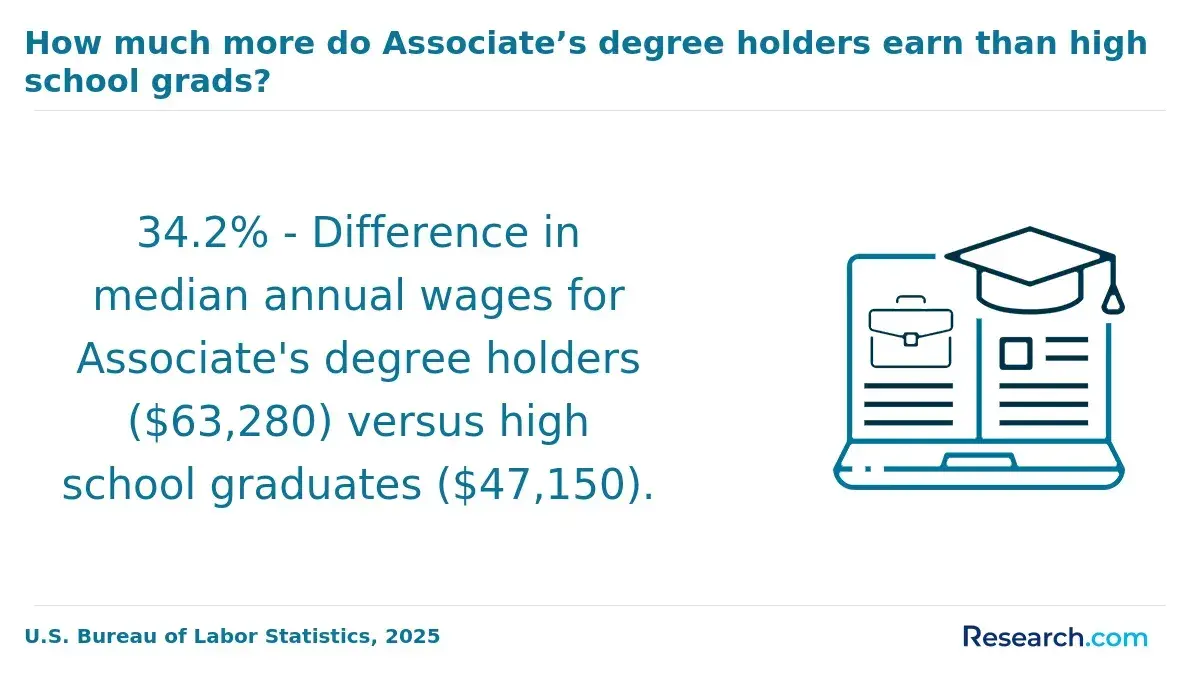
Many high-paying careers for anthropology graduates are accessible with just a bachelor's degree, especially in fields that value their unique insights into human behavior and culture. According to the U.S. Bureau of Labor Statistics, the median annual salary for anthropologists and archeologists was around $66,000 in 2022, but those working in related roles often earn salaries above this median due to strong market demand and specialized skills.
Several roles stand out for their earning potential without requiring graduate school credentials. Here are a few examples:
- Cultural Resource Management Specialist: These professionals help preserve historical sites, often working for government agencies or private firms. Demand for CRM specialists is driven by legal requirements during construction projects, which supports competitive compensation.
- Market Research Analyst: Anthropology graduates excel here by applying their understanding of human behavior to consumer insights. Their impact on business strategies and sales outcomes often translates into higher salaries.
- User Experience Researcher: Leveraging knowledge of human behavior, these researchers design better products and interfaces. The role's direct influence on product success and customer satisfaction typically commands strong pay.
- Survey Researcher or Data Analyst: Increasing emphasis on data-driven decisions across sectors makes these roles well-compensated. Anthropology graduates' skills in analysis and interpretation are highly valued, enhancing their marketability.
- Technical Writer: Skilled communication is critical for industries requiring clear documentation. These roles pay well as they ensure compliance, safety, and clarity in specialized fields.
What Skills Do You Gain from a Anthropology Degree That Employers Value?
An anthropology degree provides students with a range of transferable skills highly valued by employers, particularly for jobs that don't demand graduate-level qualifications. These programs foster abilities that enhance adaptability and critical thinking, vital in a dynamic workforce. A 2023 survey from the National Association of Colleges and Employers found that 92% of employers prioritize transferable skills like communication and problem-solving over specialized technical knowledge when hiring bachelor's degree holders.
Below are some of the key skills anthropology students typically develop:
- Cultural Competency: Students learn to understand and respect diverse cultural norms, which improves communication and teamwork in multicultural environments. This skill is essential for workplaces that value global awareness and inclusion.
- Research and Analysis: Anthropology involves collecting and interpreting qualitative and quantitative data, preparing graduates to handle complex information and draw meaningful conclusions. These skills are useful in areas like market research and policy evaluation.
- Critical Thinking: The discipline trains students to question assumptions and assess evidence thoroughly, promoting independent problem-solving. Employers appreciate this ability to approach challenges with innovative, data-backed solutions.
- Effective Communication: Writing detailed reports and presenting findings help students refine how they convey complex ideas clearly and persuasively, a crucial competency for roles involving client interaction or public engagement.
An anthropology degree graduate shared that early in their career, adapting research methods to unfamiliar workplace contexts was challenging but rewarding. They emphasized that their training in cultural sensitivity and clear communication helped them navigate diverse team dynamics and effectively convey project insights to stakeholders.
What Entry-Level Jobs Can Anthropology Graduates Get with No Experience?
Nearly 70% of anthropology bachelor's degree holders secure jobs within a year of graduating, often in roles that do not require prior professional experience. Employers frequently create entry-level positions aimed at new graduates, allowing those with a degree to enter the workforce without graduate school or extensive job history. This makes transitioning from education to employment more attainable for those starting a career in anthropology.
Entry-level anthropology jobs with no experience typically focus on developing foundational skills through practical work. Below are common roles designed for recent graduates:
- Research Assistant: These positions involve assisting with data collection, fieldwork, and preliminary analysis. On-the-job training is standard, so employers look for enthusiasm and basic research skills rather than prior experience.
- Museum Technician: Roles in this area support exhibit preparation and artifact care. They are accessible to graduates who have academic knowledge but little hands-on experience, emphasizing learning through practice.
- Community Outreach Coordinator: Nonprofits and public organizations hire anthropology grads to engage and educate communities. Strong communication skills matter more than professional background, making this a good entry point.
- Field Technician: These jobs support environmental or archaeological projects and are often filled by recent graduates. Their generalist nature means many employers provide necessary training on site.
Graduates exploring anthropology assistant jobs no experience needed will find these roles valuable for gaining applicable skills and starting a career without additional degrees. Early career success can be enhanced by networking and leveraging connections. For those considering further study, accelerated MSW programs may offer a path to broaden expertise in related fields.
What Certifications and Short Courses Can Boost Anthropology Careers Without Graduate School?
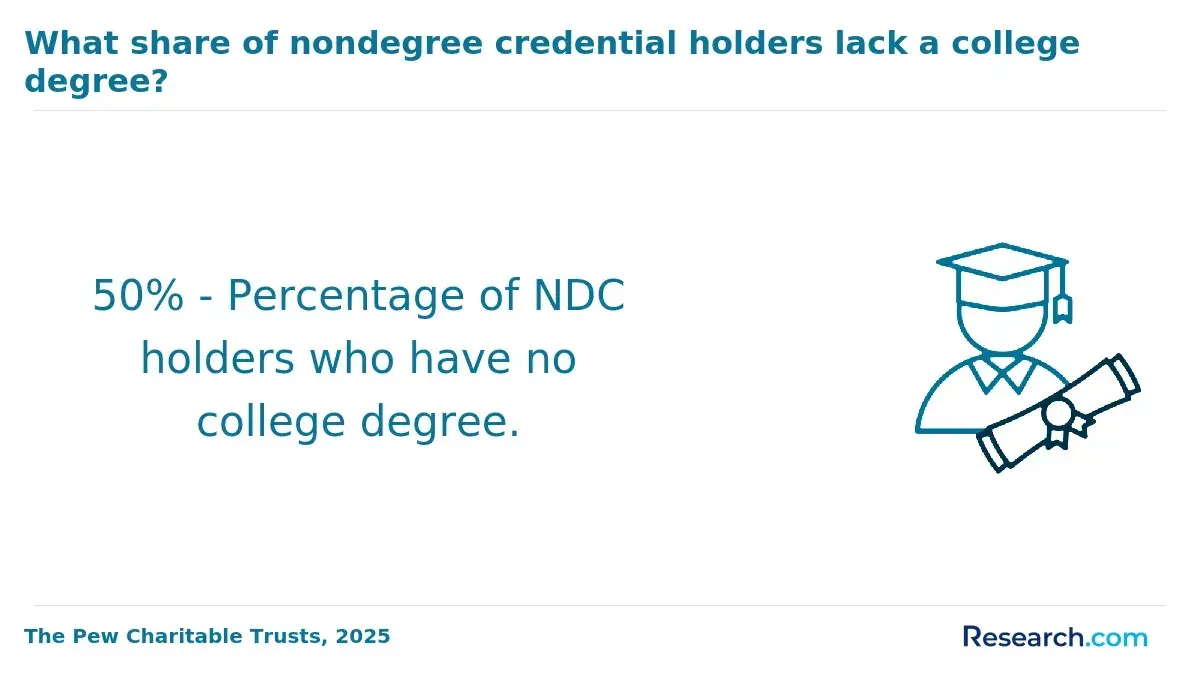
Certifications and short courses offer anthropology graduates practical pathways to boost employability without pursuing graduate studies. These credentials provide specialized skills that improve readiness for job responsibilities and help advance careers in competitive environments. Data shows that 67% of employers prefer candidates with certifications or short-term training, highlighting the increasing emphasis on skills-based credentials in this field.
Here are several key certifications and courses that strengthen career prospects for anthropology majors:
- Certified Cultural Resource Management (CRM) Specialist: Focuses on historical preservation laws and archaeological methods, preparing graduates to manage cultural heritage projects effectively and meet employer expectations in related roles.
- GIS Certification: Teaches spatial analysis and mapping techniques that are critical in research and applied anthropology, broadening opportunities in urban planning and environmental consulting.
- Forensic Anthropology Certification: Provides knowledge in human identification and medico-legal investigations, enhancing qualifications for positions in forensic and law enforcement settings.
- Grant Writing Certification: Develops skills for acquiring project funding, which is invaluable in nonprofit and community-focused roles where securing resources is essential.
- Language and Cross-Cultural Communication Courses: Offer improved proficiency in languages and cultural understanding, supporting work in international development, education, and social services.
A professional with an anthropology degree shared how completing a forensic anthropology certification transformed their career approach. Initially uncertain about their next step, they found the hands-on training in forensic techniques both challenging and rewarding. This experience not only deepened practical expertise but also made them a stronger candidate for positions that demand applied skills, demonstrating how targeted credentials can open doors without additional formal degrees.
Which Industries Hire Anthropology Graduates Without Graduate Degrees?
Opportunities for anthropology graduates without graduate degrees vary widely across industries, largely influenced by workforce demands and hiring patterns. Around 40% of those holding a bachelor's in anthropology find roles in government, nonprofit, and private sectors that do not require advanced education. Certain fields remain especially open to candidates with only a bachelor's degree due to their broad hiring needs and flexible role structures.
The following industries typically offer accessible entry points for anthropology graduates without graduate education:
- Government Agencies: These employ graduates for cultural resource management, policy support, and community engagement roles. They often have consistent demand for bachelor's-level staff to perform administrative and field tasks that assist larger projects.
- Non-Profit Organizations: Many focus on cultural preservation and social services, valuing the graduate's cross-cultural knowledge for program coordination and advocacy positions that rarely require graduate degrees.
- Museums and Heritage Institutions: Positions such as collections management and exhibit coordination prioritize hands-on experience and generalist skills, making them suitable for bachelor's graduates.
- Market Research Firms: Anthropology graduates contribute to consumer insights through qualitative research and analysis. These organizations frequently hire bachelor's-level analysts for data gathering and interpretation.
- Corporate Social Responsibility: Large companies include anthropology graduates in diversity and inclusion initiatives, offering entry-level roles that emphasize cultural competence without graduate degree prerequisites.
What Freelance, Remote, and Non-Traditional Careers Are Available for Anthropology Graduates?
Non-traditional career structures reduce reliance on formal workplace pathways, expanding access for anthropology degree holders. Digital and independent work models influence career entry by enabling location-independent roles and flexible project engagement without graduate degrees. This shift broadens opportunities for recent graduates navigating the job market.
A 2023 Upwork report found that the freelance workforce in the U.S. grew over 15% in two years, with about 35% of social science bachelor's degree holders, including anthropology graduates, participating in location-independent work.
Anthropology graduates can pursue several flexible remote and freelance roles, such as:
- Distributed Research Collaboration: Teams working online on ethnographic analysis, survey coordination, or digital archiving allow graduates to contribute remotely without needing proximity to research hubs.
- Digital-First Content Creation: Producing blogs, educational videos, podcasts, or social media content leverages cultural expertise while providing global freelance opportunities unrestricted by geography.
- Project-Based Consulting and Contract Work: Independent contracting on market research, user experience studies, or heritage documentation projects offers diverse, remote short-term roles, bypassing fixed regional employment.
- Virtual Museum and Cultural Institution Roles: Remote assistance in cataloging collections, virtual exhibits, or educational outreach enables experience within cultural organizations without physical relocation.
- Online Teaching and Tutoring: Remote tutoring or course instruction provides flexible schedules and worldwide student reach for anthropology knowledge dissemination.
How Can You Build a Career Without Graduate School Using a Anthropology Degree?
Anthropology graduates can start building careers without graduate school by entering the workforce directly after completing their bachelor's degree. Early career momentum often depends on access to entry-level anthropology jobs requiring only a bachelor's degree, which typically focus on applied research, communication, and community engagement. These roles provide valuable exposure to working environments and help graduates develop skills relevant to employer needs. According to the American Anthropological Association, about 65% of anthropology graduates with just a bachelor's degree find employment within a year of graduation, demonstrating solid workforce entry without advanced degrees.
Long-term career development for anthropology degree holders without further academic study usually involves progressing within organizations and expanding responsibilities over time. Growth occurs through ongoing professional engagement, gaining practical experience, and adapting to evolving role scopes rather than pursuing additional formal education. This pathway varies across different positions, including roles in community development, cultural resource management, and museum support. For those interested in broadening their skills, exploring options like an accounting degree online can also complement an anthropology background and open further career opportunities.
What Are the Pros and Cons of Skipping Graduate School for Anthropology Careers?
Skipping graduate school is a common pathway in anthropology careers, enabling many to enter the workforce sooner. This approach can offer timely employment opportunities, although it may shape long-term professional options depending on the specific career direction. For instance, employment outcomes show that about 60% of anthropology bachelor's degree holders find jobs in related fields without graduate degrees, though earnings often lag behind those with advanced education.
Consider these key advantages and disadvantages of entering anthropology careers without further study:
- Early Workforce Entry: Graduates can begin gaining practical experience and earning income sooner by pursuing entry-level anthropology jobs without advanced degrees, which can be an important advantage in fast-paced or applied settings.
- Opportunity Cost Savings: Avoiding graduate school reduces tuition expenses and lost wages, making it a financially prudent choice for those focused on immediate economic stability.
- Career Progression Limits: Certain positions, especially in academia or specialized research, often require graduate credentials, potentially restricting advancement for bachelor's degree holders.
- Flexibility in Career Exploration: Jumping directly into the workforce allows graduates to explore diverse roles and industries, helping clarify career goals without the time commitment of further education.
Organizations in anthropology vary widely in their requirements. Some highly selective institutions may reject over 75% of candidates lacking graduate degrees, while others hire bachelor's degree holders based on role needs. Large institutional employers, specialized cultural resource management firms, and academic bodies typically expect advanced qualifications. Yet, many nonprofit and international organizations provide entry points for those with a bachelor's credential.
For those seeking business-related pathways after anthropology studies, pursuing an AACSB accredited online MBA can open further leadership opportunities. Understanding the advantages of anthropology careers without graduate school helps students make informed decisions that balance early job access with potential for future growth.
What Are the Real-World Career Outcomes and Job Market Trends for Anthropology Graduates?
Graduates holding a bachelor's degree in anthropology face a diverse job market with varied employment trends for bachelor's-level Anthropology graduates. While some find steady placement in social sciences and related fields, overall labor market participation reflects a competitive environment with moderate wage levels compared to STEM disciplines. Many anthropology graduates secure roles requiring applied skills rather than advanced degrees, highlighting practical experience as a key factor in job market demand and placement for Anthropology degree holders. Employment rates vary, but many benefit from broader liberal arts employment networks that support career entry without graduate education.
Job outcomes for anthropology graduates are influenced by complex labor market dynamics across sectors like government, nonprofits, museums, and private organizations. Opportunities exist but differ significantly depending on geographic location, employer size, and economic conditions, illustrating no single pattern in career accessibility or earnings. These factors underscore that students should consider how broader workforce shifts affect roles, especially in regions expanding cultural and community projects. For those exploring flexible education options, programs such as online military colleges can complement career preparation effectively.
What Graduates Say About Anthropology Careers Even Without Pursuing Graduate School
- Dante: "Graduating with a degree in anthropology truly equipped me with a versatile skill set that employers value, especially in critical thinking and cultural awareness. I often hear colleagues praise my ability to analyze diverse human behaviors, which helped me land a role in corporate communications without needing graduate school. Looking back, I feel confident that my anthropology education set a solid foundation for my career trajectory."
- Collin: "My anthropology degree was more than just an academic achievement-it was a gateway to understanding people and unraveling complex social patterns, which proved invaluable in customer relations. I didn't pursue further study, but the emphasis on research methods and ethnographic observation gave me tools that employers in marketing truly appreciate. Reflecting on my experiences, I realize how much my undergrad shaped my professional adaptability."
- Dylan: "Entering the workforce directly after my anthropology degree was a decision I'm proud of. The practical skills I gained, such as qualitative data analysis and cultural competency, made transitioning into nonprofit program coordination smoother than I anticipated. I often recall how my teachers encouraged applying theory to real-world problems, a mindset that continues to influence my work. This degree empowered me to make an impact without additional schooling."
Other Things You Should Know About Anthropology Degrees
While not always mandatory, internship experience greatly enhances job prospects in anthropology fields without graduate education. Practical experience helps build relevant skills, industry contacts, and demonstrates commitment to employers. Many entry-level roles prefer candidates who have completed internships or volunteer work related to cultural resource management, museum work, or community outreach.
Yes, anthropology graduates without graduate degrees can find international opportunities, especially in roles involving cultural liaison, nonprofit organizations, or heritage preservation. Positions in international development agencies, museums, and cultural resource firms sometimes value bachelor's-level anthropology professionals for fieldwork and program support. However, such roles may require adaptability, language skills, and cultural competency.
Networking and involvement in professional organizations are crucial for anthropology graduates pursuing careers without graduate school. Groups like the American Anthropological Association offer resources, job boards, and events that facilitate connections with employers and peers. Active participation helps uncover hidden job markets and stay informed about industry trends relevant to anthropology careers.
References
- Career outlook https://clas.wayne.edu/anthropology/programs/career-outlook
- Employers seek skills basic to an athropological education | Brian A. Hoey, Ph.D. https://brianhoey.com/careers-in-anthropology/what-do-employers-want/
- What Can You Do With an Anthropology Degree? 2026 Guide | Extern https://www.extern.com/post/what-can-you-do-with-an-anthropology-degree-career-guide
- Anthropology Major Jobs: Undergraduate Majors & Anthropology Jobs https://www.livinganthropologically.com/anthropology-major-jobs/
- Best Online Anthropology Courses & Certifications 2026 - Eligibility, Fees, Syllabus, Scope https://www.careers360.com/courses-certifications/anthropology-courses-brpg
- How to prepare yourself for a job in anthropology outside of academia when you get out of school http://www.ethnography.com/2007/07/how-to-prepare-yourself-for-a-job-in-anthropology-outside-of-academia-when-you-get-out-of-school/
- What Can You Do With an Anthropology Degree? https://www.snhu.edu/about-us/newsroom/social-sciences/what-can-you-do-with-an-anthropology-degree
- Employability https://www.durham.ac.uk/departments/academic/anthropology/undergraduate-anthropology-degrees/employability/
- 2026 Anthropology Entry-level Jobs | WayUp https://www.wayup.com/s/entry-level-jobs/anthropology/


