2027 Are Online Machine Learning Master's Degrees Respected by Employers? Hiring Trends & Career Outcomes

Co-Founder and Chief Data Scientist
Imagine a software engineer with five years of experience pursuing an online machine learning master's to pivot into AI-driven roles. Although online degrees offer flexibility, many wonder if employers value them equally to traditional programs. Recent surveys show that 62% of hiring managers have neutral to positive perceptions of online tech degrees, yet concerns about program quality and networking remain. This uncertainty affects candidates' confidence in negotiating salaries or accessing top-tier positions. This article examines accreditation, employer attitudes, program rigor, and alumni success from online machine learning master's degrees to equip readers with insights on career impact and hiring trends.
Key Benefits of Knowing Whether Online Machine Learning Master's Degrees Are Respected by Employers
- Employers increasingly recognize accredited online machine learning degrees, with 68% reporting equal confidence in graduates' skills compared to traditional programs.
- Online degree holders demonstrate comparable workplace performance, often leveraging practical project experience to exceed expectations.
- Graduates of respected online programs gain access to promotions and salaries up to 15% higher than peers without advanced degrees, enhancing career trajectories.
How Have Employer Perceptions of Online Machine Learning Master's Degrees Changed Over the Past Decade?
Employer perceptions of online machine learning master's degrees in the US have shifted dramatically over the past decade. In the early 2010s, widespread skepticism stemmed largely from stigma associated with for-profit colleges and the novelty of online education. Employers often doubted the rigor and credibility of these programs, favoring traditional, campus-based degrees when making hiring decisions. This skepticism was reinforced by a lack of consistent accreditation and concerns about instructional quality.
The COVID-19 pandemic served as a catalyst for change by accelerating the growth of remote learning across higher education. Many institutions expanded their online offerings, forcing employers to reconsider the value of online credentials not only in general but specifically for fields like machine learning. Today's hiring managers increasingly weigh skills and competencies alongside educational delivery modes, reflecting evolving hiring trends for online machine learning graduates over the past decade.
Surveys support this shifting landscape. For instance, Champlain College's 2023 survey found that 84% of employers are more accepting of online education now than before the pandemic. This data highlights a growing openness and normalization of online degrees. However, employers currently prioritize institutional accreditation and reputation as key filters to ensure program credibility and graduate preparedness.
Prospective students can also explore quick degrees online that pay well to better understand the value of various online credentials in today's workforce.
What Do Hiring Managers Actually Think About Online Machine Learning Graduate Credentials?
Employer perceptions of online machine learning master's degrees have shifted notably, as reflected in surveys by the National Association of Colleges and Employers (NACE) and the Society for Human Resource Management (SHRM). Earlier skepticism toward online credentials has lessened, especially in industries prioritizing technical skills and demonstrable project-based experience. For many hiring managers at tech companies and startups, a robust portfolio often outweighs the mode of degree delivery. However, acceptance varies by sector, company size, and geography, influencing how these credentials are evaluated in recruitment.
- Sector Differences: Tech firms and startups prioritize skills and portfolios above degree format, while finance and government sectors typically prefer traditional campus-based programs.
- Company Size and Region: Larger corporations and employers in conservative regions scrutinize online credentials more than those in progressive tech hubs.
- Accreditation Matters: Strong institutional reputation and program accreditation remain vital to recruiter trust in online degrees.
- Skills Over Format: Practical machine learning skills and applied experience outweigh whether the degree was earned online or offline.
- Recruiter Perspectives: HR professionals emphasize continuous learning and real-world project experience alongside formal educational credentials.
HR professionals emphasize that institutional accreditation and program rigor are critical criteria. "We look closely at where the degree was earned and the program's rigor, regardless of online or in-person format," shared a recruiter from a multinational corporation. Practical skills, continuous learning, and hands-on experience consistently weigh more than format alone, underscoring a broader trend toward skills-based hiring in the online machine learning master's degree employer perceptions landscape.
Candidates are encouraged to develop comprehensive project portfolios and demonstrate applied expertise alongside their academic credentials to maximize career advancement and salary negotiation potential. For those exploring graduate education options, researching fastest online EdD programs can offer insights into accelerated paths that similarly balance flexibility with rigor.
Does Accreditation Determine Whether an Online Machine Learning Master's Degree Is Respected?
Accreditation is a critical factor in assessing the legitimacy and value of an online machine learning master's degree. Employers and credentialing entities mainly consider two accreditation types: regional accreditation, which certifies an institution's overall quality, and programmatic accreditation, which evaluates the specific discipline's curriculum and standards. While regional accreditation is essential to confirm academic credibility, programmatic accreditation often carries greater weight in specialized fields like machine learning, signaling rigorous, industry-aligned training.
Prospective students can verify program legitimacy through resources such as the U.S. Department of Education's Database of Accredited Postsecondary Institutions and Programs (DAPIP) and the Council for Higher Education Accreditation (CHEA) directory. These platforms provide trustworthy listings of accredited schools and programs, helping candidates identify quality offerings and avoid programs lacking proper recognition. Unaccredited degrees-whether online or on-campus-are generally dismissed by employers, severely limiting professional opportunities.
Specialized accreditation agencies like ABET may oversee programs related to computing and data science fields that intersect with machine learning, providing an additional credential layer that enhances employer confidence. Data suggests that approximately 70% of employers prefer graduates from accredited institutions, highlighting accreditation as a decisive factor in hiring and career advancement.
A professional who enrolled in an online machine learning master's program shared that the accreditation status was one of his main concerns. He recalled spending hours cross-checking the program against official directories, worried that investing time and money into an unaccredited institution could derail his career shift. He noted, "Knowing that employers pay attention to accreditation gave me confidence, but it also added pressure to choose carefully." Despite the initial stress, he found that graduating from an accredited program opened doors and validated his skills during interviews. His experience highlights how accreditation not only affects perception but also influences practical career advancement in this evolving field.
How Does Institutional Reputation Affect the Value of an Online Machine Learning Master's Degree in the Job Market?
The reputation of the institution awarding an online machine learning master's degree often carries significant influence with employers, a concept known as the brand premium. This means degrees from established universities retain their value regardless of online or campus delivery.
For instance, top-tier schools such as Stanford University and the Georgia Institute of Technology offer flagship online machine learning programs that mirror their on-campus standards in faculty expertise, curriculum, and academic rigor. According to hiring data from the National Association of Colleges and Employers (NACE), recruiters frequently rely on institutional name recognition as a marker of candidate quality and program rigor, demonstrating how university reputation strongly affects graduate employability.
Still, accreditation plays a vital role in graduate outcomes. How institutional reputation influences online machine learning master's degree value in hiring decisions extends beyond prestige alone. Well-accredited mid-tier programs with robust industry connections and career support services can sometimes surpass more famous schools in job placement rates and salary potential. As employers increasingly emphasize skills-based hiring, demonstrated competencies and practical experience grow pivotal alongside traditional degree credentials.
Students seeking advanced education should also explore accelerated online programs for efficiency and career alignment.
What Salary Outcomes Can Online Machine Learning Master's Graduates Realistically Expect?
The 2024 BLS 'Education Pays' report demonstrates that workers holding master's degrees earn notably higher median weekly wages and face lower unemployment rates compared to those with only bachelor's degrees. When examining machine learning-specific roles, data from the BLS Occupational Outlook Handbook reveals that professionals with a master's typically receive median salaries 15-25% greater than bachelor's degree holders, highlighting the premium placed on advanced expertise.
Regarding the debate between online and campus-based degrees, multiple institutional studies, including those from NYU SPS, indicate that salary outcomes show little variation once controlling for the institution's reputation and discipline. This reflects growing employer confidence in online credentials, especially from accredited programs, as equivalent to traditional degrees.
Prospective students should carefully evaluate return on investment by factoring in total program costs, including tuition and fees, alongside typical completion time-usually 18 to 24 months-and anticipated salary increases. For instance, a graduate earning an extra $15,000 annually after investing around $30,000 in an online master's could recover their expenses within about four years, after which additional income contributes directly to long-term financial gain.
Significantly, the BLS projects a 15% growth in machine learning occupations through 2032, underscoring strong demand for advanced skills and heightening the value of graduate degrees in this field.
A professional who completed her online master's in machine learning shared that while initially skeptical about how employers would view her degree, she found that her skills and portfolio ultimately mattered most during interviews. Navigating the program required balancing full-time work and rigorous coursework, which was challenging but rewarding. She noted, "Earning my online degree opened doors for higher-level roles and measurable salary bumps similar to campus grads." Her experience highlights that, with a reputable program and determination, online graduates can achieve strong financial and career outcomes consistent with traditional paths.
Which Machine Learning Industries and Employers Are Most Receptive to Online Master's Degree Holders?
Employer attitudes toward online master's degrees in machine learning differ notably across industries, driven by varying recruitment priorities and workforce demands. The technology sector is the most welcoming, emphasizing applied skills and project portfolios more than traditional academic credentials. Prominent tech firms, including many Fortune 500 companies, have embraced candidates with online degrees who demonstrate relevant hands-on experience and practical outcomes.
Healthcare and biotechnology fields show a growing interest in online credentials as these sectors increasingly rely on AI and data analysis. While still somewhat selective, hospitals and biotech firms are gradually shifting toward valuing candidates' demonstrated competencies over institutional prestige.
Government agencies and nonprofit organizations tend to be more cautious but are progressively recognizing the validity of online master's degrees. Many public sector employers, especially those engaged in data analytics and cybersecurity, align with federal initiatives promoting skills-based hiring, reducing focus on degree origin.
Consulting firms exhibit mixed perspectives: smaller consultancies often prioritize direct experience, creating opportunities for online graduates, whereas larger firms, though traditionally favoring conventional programs, are moving toward skill-focused recruitment strategies.
The 2026 Job Outlook survey from the National Association of Colleges and Employers (NACE) reveals that 70% of employers rely on skills-based hiring. This shift significantly benefits online degree holders by focusing on capabilities demonstrated through assessments and problem-solving rather than the mode of education delivery.
How Do Online Machine Learning Master's Programs Compare to On-Campus Programs in Terms of Curriculum and Academic Rigor?
Many established universities ensure that their online machine learning master's programs match their on-campus counterparts in syllabi, faculty involvement, and assessments.
- Curriculum Consistency: Online programs often employ identical syllabi, faculty, and assessments as their on-campus versions to maintain rigorous academic standards.
- Accreditation Standards: Regional and programmatic accreditation ensure quality is upheld equally across online and traditional delivery formats, fostering employer trust.
- Interactive Learning: Synchronous sessions and virtual teams replicate essential peer collaboration found in face-to-face machine learning courses.
- Hands-On Adaptations: Virtual labs and remote tools enable online students to fulfill practical requirements effectively despite geographic barriers.
According to the National Center for Education Statistics, enrollment in online graduate STEM programs grew by 21% between 2019 and 2023, highlighting increased acceptance and investment in remote education within technical fields like machine learning.
What Role Does the Online Learning Format Play in Developing Job-Ready Skills for Machine Learning Careers?
Online learning formats for machine learning master's degrees have shifted from being viewed skeptically to becoming recognized as effective pathways for developing job-ready skills. Employers increasingly appreciate the competencies developed through self-directed study, digital collaboration tools, and asynchronous communication-core elements of online education. These learning modes foster project management, digital literacy, and time management skills, all essential in today's fast-paced technology sectors and highlighted in the National Association of Colleges and Employers (NACE) career readiness competency framework.
Programs designed for remote delivery intentionally build curricula that emphasize practical application through hands-on projects and virtual teamwork. This approach often mirrors, and occasionally surpasses, the opportunities available in traditional campus settings.
Feedback from employers and graduate outcome data consistently indicate that online machine learning alumni demonstrate comparable, if not superior, practical expertise, instilling growing confidence in the value of these programs. Exploring developing job-ready skills through online machine learning programs reveals a robust alignment between educational design and workforce needs.
Nonetheless, online students face challenges in networking, in-person mentorship, and accessing campus recruiting events. Being proactive in cultivating professional relationships and mentorships remains essential for online learners to complement their skill set. Prospective students can also consider affordable educational pathways by exploring options like the cheapest online doctorate in organizational leadership to understand how evolving online credentials fit diverse career goals.
What Do Graduate Employment Outcomes and Alumni Data Reveal About Online Machine Learning Master's Degrees?
Graduate employment outcomes and alumni career success for online machine learning master's degrees offer critical data points that prospective students should prioritize. While general graduation rates from sources such as the National Center for Education Statistics (NCES) Integrated Postsecondary Education Data System (IPEDS) provide broad context, it is essential to request program-specific placement rates, median salaries, and employer partner lists directly from online machine learning programs. This detailed information delivers a clearer understanding of how graduates fare in real-world labor markets.
The National Association of Colleges and Employers (NACE) publishes graduate outcomes benchmarks, which serve as valuable comparative frameworks. Evaluating a program's self-reported data against these NACE standards helps identify whether its employment rates and career advancement figures meet, exceed, or lag behind typical outcomes in technology and data science fields. However, reliance solely on self-reported figures has limitations, as these may lack third-party verification.
Programs that submit their data for independent auditing or validation through NACE surveys provide stronger, more reliable signals of program rigor and transparency. This external verification bolsters confidence in reported graduate success and alumni career trajectories. Alumni of accredited, reputable institutions enjoy better acceptance in hiring markets, especially as employer attitudes have shifted from early skepticism to favor skills-based hiring processes emphasizing practical expertise over education delivery format.
Prospective students exploring online options should approach these degrees with scrutiny, ensuring they assess outcome data alongside factors like curriculum relevance and networking opportunities. For comparison across fields, one might also consider alternative online programs, such as an online game design degree, to better understand the broader landscape of online graduate education.
What Are the Biggest Misconceptions Employers Have About Online Machine Learning Master's Degrees?
Persistent misconceptions about online machine learning master's degrees remain, despite significant progress in employer acceptance. A notable statistic from a survey by Excelsior College and Zogby Analytics reveals that 83% of executives now regard online degrees to be as credible as those earned on campus, reflecting a major shift in perspective. These misunderstandings include beliefs that online programs represent lower academic standards, lack accreditation, offer easier or quicker routes to graduation, or indicate lesser commitment from students.
- Lower Academic Ability: Online programs maintain rigorous standards equivalent to on-campus courses, ensuring graduates acquire robust expertise.
- Unaccredited Programs: Leading universities delivering online degrees hold regional or national accreditation, meeting strict educational criteria.
- Easier or Faster Pathways: Online study demands disciplined time management and dedication, often matching or exceeding traditional timelines.
- Lack of Commitment: The ability to balance demanding coursework with other responsibilities highlights strong motivation and adaptability.
- Impact of Remote Work and Elite Programs: The rise of remote employment and prestigious online offerings has accelerated acceptance, emphasizing skills over delivery method.
What Is the Long-Term Career Outlook for Professionals Who Hold an Online Machine Learning Master's Degree?
The U.S. Bureau of Labor Statistics forecasts strong growth for occupations related to machine learning, including computer and information research scientists, data scientists, and software developers, through 2032-2034. These roles often demand or benefit greatly from a master's degree, with median annual salaries around $131,000 for research scientists. Advanced education remains a critical asset, reflecting in stable career prospects and wage gains.
BLS Monthly Labor Review data reveals an average annual earnings increase of about $24,588-from roughly $69,459 before graduate study to $94,047 after-in technology-related fields closely tied to machine learning. This wage premium highlights the tangible financial benefits of earning an advanced degree.
Once professionals have demonstrated their skills and achievements, the distinction between earning a degree online or on campus generally diminishes in importance. Employers and promotion panels tend to prioritize proven experience and results over the education format.
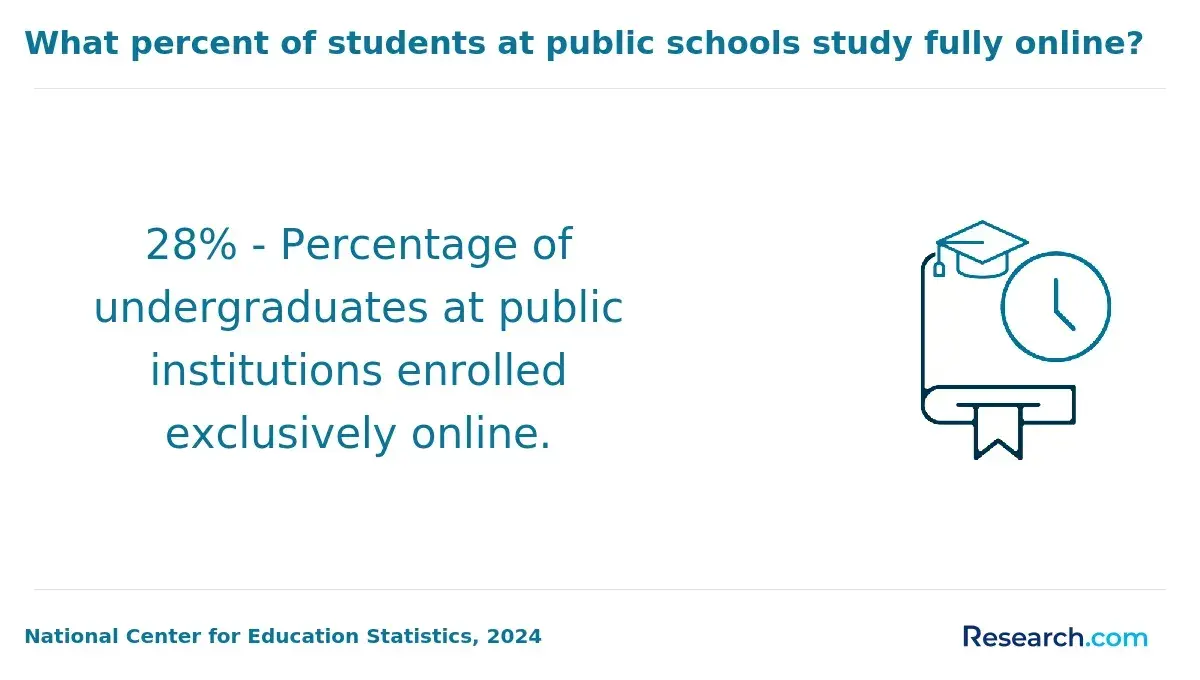
Enrollment figures by the National Center for Education Statistics show over 2.5 million graduate students studying exclusively online in 2023-24. This data underscores the normalization and growing acceptance of online graduate credentials within industry and academia alike.
What Graduates Say About Employer Reception to Their Online Machine Learning Master's Degree
- Augustus: "When I first shared my intention to pursue an online machine learning master's degree, my employer was initially skeptical about the value of a remote program. However, after I completed the degree through an accredited university, the perception quickly shifted; they recognized the rigor and practical skills I acquired. This credential has given me the confidence to lead innovative projects that integrate machine learning solutions at work."
- Antonio: "Choosing an accredited online machine learning master's program was crucial for me, especially because I was transitioning from a non-technical background. My employer's support was surprisingly strong-they appreciated my commitment to advancing my skills despite the unconventional study format. This degree not only opened doors within my current role but also positioned me for new career opportunities in data science and AI."
- Julian: "From a professional standpoint, pursuing an online machine learning master's degree was a strategic move that paid off. My company acknowledged the program's credibility and the depth of knowledge it provided, easing concerns about the online format. It has significantly impacted my career trajectory by enhancing my expertise and allowing me to contribute more effectively to machine learning initiatives."
Other Things You Should Know About Machine Learning Degrees
In 2027, employers increasingly value skills over formal education, boosting demand for online machine learning master's programs. These programs often emphasize practical, job-ready skills that align with current hiring trends, making graduates attractive candidates in a competitive job market.
Graduates should emphasize the program's rigor, accreditation, and any hands-on experience gained during study. Highlighting project work, collaborations with industry partners, and any certifications earned alongside the degree reinforces credibility. Transparency about the online format combined with a strong portfolio can help alleviate employer concerns and demonstrate preparedness.
References
- Top 10 Careers You Can Pursue With an Online Master’s in AI https://www.ucumberlands.edu/blog/careers-you-can-pursue-with-an-online-masters-in-ai
- What Global Employers Really Think About Online Degrees https://edutech.global/global-employer-view-on-online-degrees/
- The role of digital learning in building 21st-century workplace skills: Bridging education and industry https://www.chieflearningofficer.com/2025/02/11/the-role-of-digital-learning-in-building-21st-century-workplace-skills-bridging-education-and-industry/
- The Role of Online Learning Platforms in Enhancing Digital Skills https://vorecol.com/blogs/blog-the-role-of-online-learning-platforms-in-enhancing-digital-skills-10993
- What are the career outcomes after completing the Great Learning AI and ML course? https://www.umu.com/ask/a11122301573853735261
- Why Get a Masters in AI or ML? Career Benefits and Future Outlook https://futurense.com/blog/why-get-a-masters-in-ai-or-ml
- Common Misconceptions About AI/ML Careers: What You Should Know https://michelamonteverdestudio.com/blog/common-misconceptions-about-ai-ml-careers--what-you-should-know
- AI certifications: What employers actually want in 2026 - Spiceworks https://www.spiceworks.com/it-careers/ai-certifications-what-employers-actually-want-in-2026/
- Employers: Your Machine Learning Hires Don't Need PhDs or Masters Degrees https://www.daleonai.com/hire-ml-no-phd/
- What’s the ROI of an online master’s in Data Science? https://onlinesoe.tufts.edu/news-events/news/whats-roi-online-masters-data-science