2027 Audio & Music Internship Requirements: Hours, Placements, and Supervision

Co-Founder and Chief Data Scientist
How many hours must students commit to an audio & music internship, and what does the placement process typically involve? These questions often arise among prospective and current students navigating degree program requirements. Research shows that nearly 65% of graduates in audio-related fields attribute their initial employment success to internship experiences. Internships frequently take place in studios, live venues, or media companies where supervised hands-on roles develop practical skills.
Understanding the balance between required hours, placement settings, and supervision expectations is critical for fulfilling academic and professional goals. This article explains these core facets to help students approach their internships with clarity and confidence.
Key Things to Know About Audio & Music Internship Requirements
- Required internship hours typically range from 120 to 200, demanding careful academic scheduling to balance coursework and professional commitments.
- Placement availability varies by region and institution, with competitive selection processes guiding student assignments to studios, venues, or production companies.
- Supervision involves regular mentor evaluations focusing on technical skill development, professionalism, and project completion, significantly shaping student learning outcomes.
Do All Audio & Music Degrees Require an Internship?
Internships are often included in audio & music curricula to give students practical experience and industry exposure, which are vital for career readiness. According to data from the National Association of Colleges and Employers (NACE), about 64% of audio-related degree programs require internships or equivalent practical work as part of their graduation criteria. Below are several key factors shaping whether an internship is mandatory in a given program.
- Program Type: Bachelor's and master's degrees focused on applied skills like music production or recording technology frequently mandate internships to ensure hands-on learning. In contrast, programs centered on musicology, theory, or composition may not require internships, instead prioritizing research or performance-based experiences.
- Accreditation Expectations: Institutions accredited by recognized bodies such as the National Association of Schools of Music (NASM) often embed internships within their curricula. These accreditation standards promote experiential learning to align academic training with industry demands.
- Specialization Tracks: Tracks emphasizing music business, audio engineering, or sound design tend to require internships due to the practical skills needed in these career paths. Conversely, academic or performance tracks sometimes offer more flexibility on internship requirements.
- Alternative Experiential Learning: Some audio & music programs allow students to fulfill practical experience requirements through in-house projects, studio practicums, or capstone courses that simulate real-world scenarios instead of traditional internships.
- Program-Specific Eligibility: Eligibility criteria for internships vary widely depending on the institution and program design. Students seeking clarity on audio & music program internship eligibility criteria should carefully review specific degree requirements and options to understand what experience is needed.
For prospective students interested in combining practical experience with their studies, investigating the exact internship requirements and alternatives within the chosen audio & music curriculum is crucial. Those curious about flexible, affordable options might explore degrees like an AI online degree which highlights evolving educational models in related fields.
What Requirements Must Be Met Before Starting a Audio & Music Internship?
Internship programs in audio & music establish specific prerequisites to ensure students are academically and professionally prepared. According to a 2022 National Association of Colleges and Employers (NACE) report, 78% of employers prefer interns who have completed foundational coursework pertinent to the internship role. Meeting these criteria helps align student readiness with real-world expectations. Below are common eligibility requirements students must fulfill before starting an internship.
- Minimum GPA Requirement: Most programs require a minimum grade point average, typically between 2.5 and 3.0. This serves as a benchmark for academic discipline and foundational knowledge essential in audio & music fields.
- Completed Coursework: Interns usually must have finished prerequisite classes in areas such as audio production, sound engineering, music theory, or digital audio workstations. These courses provide technical skills and theoretical understanding crucial for internship tasks.
- Application Approval: Formal application is often mandatory, involving submission of a resume, cover letter, and sometimes faculty recommendations. This process helps assess a student's commitment and fit for the internship environment.
- Portfolio or Interview: Many programs require an interview or portfolio review to evaluate practical skills and previous projects, ensuring candidates can contribute effectively.
- Background Checks: For certain internships, especially those affiliated with larger studios or sensitive projects, background screenings or clearance forms might be required to comply with legal and ethical standards.
How Many Internship Hours Are Required for Audio & Music Degrees?
Internship hours in audio & music degree programs are designed to link academic learning with practical industry experience. Typically, these programs require between 100 and 300 hours, often translating to about 3 to 6 academic credits. Below are key factors that determine how many internship hours students must complete.
- Academic Credit Equivalencies: Many institutions equate one credit to roughly 40 to 60 total hours of combined classroom and internship work. This standard means a 3-credit internship generally involves 120 to 180 hours, ensuring students earn credit proportionate to their experiential learning.
- Program Type: The focus of the program-whether it emphasizes performance, technical production, or theoretical study-affects hour requirements. More hands-on or technical programs typically demand higher internship hours to build necessary skills.
- Accreditation Standards: Accreditation bodies often set minimum experiential learning hours that programs must meet. Institutions align internship hour requirements with these guidelines to maintain their accredited status and academic rigor.
- Enrollment Status: Full-time students usually have a set number of required hours within a term, while part-time students might have extended timelines to complete the same total hours, allowing flexibility while upholding consistent hour expectations.
Reflecting on this, a recent audio & music degree graduate shared his experience: "Completing the 150-hour internship was more challenging than I expected because balancing work, school, and the internship required careful planning. My program didn't just assign hours; they encouraged finding placements that truly matched my career goals, which meant extra effort networking and searching. Despite the stress, the hands-on projects and the feedback from industry mentors made the hours feel worthwhile and deeply connected to what I learned in class."
Where Do Audio & Music Students Complete Internships?
Internship placements in audio & music programs expose students to diverse professional settings, which is essential for gaining practical skills and adapting to industry demands. Over 40% of internships occur in corporate and commercial music production environments, highlighting the private sector's role but also reflecting wide-ranging opportunities. Exploring typical internship locations helps students align their experience with career aspirations.
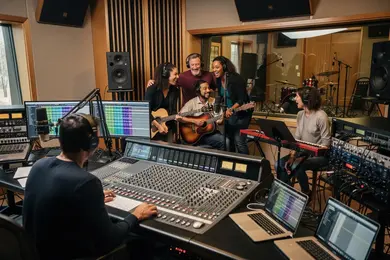
- Corporate Organizations: Many audio & music internship placements in professional studios and live event production companies fall under corporate umbrellas. These environments offer hands-on experience in high-volume workspaces such as recording studios, radio stations, and music publishing firms, where commercial music production thrives.
- Government Agencies: Public broadcasting stations and other government-related media outlets provide internships focusing on sound engineering and media production. These placements often emphasize standards relevant to public communications and large-scale broadcast operations.
- Nonprofit and Community Arts: Internships in nonprofits and community arts programs foster engagement with cultural and educational initiatives. These settings are ideal for those interested in socially driven projects or arts advocacy within regional theaters and music venues.
- Research Institutions: University labs and research centers offer specialized internships that encourage exploration of acoustics, sound design, and audio innovation. Students benefit from access to experimental technologies and cutting-edge audio research.
Students seeking flexible scheduling may also explore online classes that complement hands-on internships by providing foundational knowledge and skill-building opportunities.
How Are Internship Placements Assigned in Audio & Music Programs?
Placement processes in audio & music internship programs are designed to align student interests with industry opportunities while maintaining program standards. About 60% of programs report using structured methods to match students with roles that suit their skills and career goals. The following points summarize common approaches used to assign internships.
- Faculty-Guided Matching: Academic advisors or internship coordinators often play an active role by recommending placements based on students' strengths and career objectives, leveraging their relationships with industry partners.
- Student Preference Submission: Many programs request students to submit lists of preferred companies or roles, which are then considered during the matching process to better fit personal interests.
- Centralized Placement Systems: Some institutions use dedicated platforms or offices that coordinate internship assignments, balancing demand across available positions while adhering to educational outcomes.
- Partnership-Based Assignments: Programs with established ties to studios or production firms may reserve slots for their students, assigning placements through agreements designed to ensure mutual benefit and quality experience.
- Interview-Based Selection: In some cases, students undergo interviews or auditions with prospective hosts, allowing both parties to assess fit before finalizing placement decisions.
When I asked a audio & music degree student about her experience, she described the assignment process as both exciting and nerve-wracking. "I had to be proactive, preparing a portfolio and expressing my preferences clearly," she recalled. She explained how her advisor helped by suggesting studios aligned with her style, but ultimately she attended multiple interviews to secure the best fit. The student appreciated this thorough approach, noting it helped her feel confident that her placement would offer real-world challenges relevant to her goals. She emphasized that while the process required patience and adaptability, it was rewarding to end up in a role where she could actively contribute and grow.
Are Virtual or Remote Internships Available?
Virtual and remote internships have become a significant component of audio & music education, reflecting a broader shift toward online work environments. A 2023 National Association of Colleges and Employers (NACE) report found that around 40% of internships across various fields now include virtual or hybrid formats. This growth is fueled by advances in digital communication technology that support collaboration in tasks such as audio editing and music production. These developments have made remote internships an increasingly popular option for students pursuing industry experience.
In practical terms, remote internships offer flexible schedules that accommodate students' diverse commitments and locations. Interns frequently rely on digital audio workstations, cloud file sharing, video calls, and project management platforms to complete their assignments and stay connected with supervisors. This setup also expands opportunities by enabling students to connect with employers beyond their immediate area, including well-known studios and producers. However, the availability of remote or hybrid internships depends largely on each program's approach, with some emphasizing in-person training while others fully embrace virtual formats to meet students' needs.
Are Part-Time Internships Allowed for Working Students?
Part-time internships are increasingly important for students who balance work and academics. About 43% of college students hold part-time jobs, making flexible internship options essential for gaining experience without overcommitting. Below are key features of part-time internships for audio & music students.
- Scheduling Flexibility: Programs often allow students to spread internship hours over more days with fewer hours per day. This flexibility helps fit internships around work shifts and class schedules.
- Employer Accommodations: Employers in audio & music fields may offer customized work plans or reduced weekly hours to support interns managing work and school responsibilities.
- Academic Workload Balance: These internships help prevent burnout by allowing students to gain practical experience while maintaining focus on coursework and academic progress.
- Program-Specific Restrictions: Some degree programs require a minimum total of internship hours but allow an extended timeframe to complete them part-time, accommodating student needs.
Offering part-time internships enables audio & music students to build relevant industry experience while maintaining their personal and academic commitments. This adaptability is crucial in supporting diverse student circumstances and promoting successful professional development.
What Supervision Is Required During a Audio & Music Internship?
Supervision during audio & music internships is vital for connecting academic knowledge with practical skills in professional settings. Research shows that 78% of interns improve their abilities and industry readiness when effective mentorship is provided. This professional oversight during audio and music internships typically involves layered guidance to support both learning and accountability. Key elements include:
- Faculty Oversight: Academic supervisors track the intern's progress and learning objectives, maintaining close communication with workplace mentors to align the internship with educational goals. This oversight ensures the experience meets curriculum standards and encourages reflective practices.
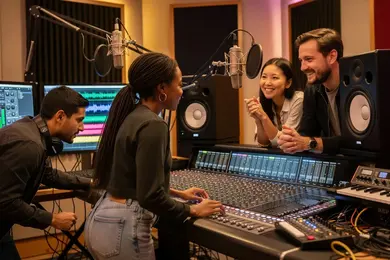
- Workplace Mentors: Experienced professionals such as sound engineers or music producers offer hands-on supervision, sharing industry best practices and providing immediate feedback on tasks and projects, essential for skill development.
- Performance Feedback: Regular reviews and check-ins give interns opportunities to discuss challenges and accomplishments, helping them refine their technical and creative abilities in a supportive environment.
- Collaborative Assessment: Faculty and workplace supervisors jointly evaluate the intern's growth in technical proficiency, teamwork, and professionalism, fostering confidence and accountability throughout the internship.
- Supportive Environment: Structured supervision creates a safe space for experimentation and learning without risking actual projects, while also encouraging networking that can lead to future employment opportunities.
Students interested in expanding their expertise might also explore options that combine academic rigor with practical training, such as a construction management masters, which emphasizes similar mentorship and field experience models.
How Are Audio & Music Internships Evaluated?
Evaluating audio & music internships is essential to ensure students develop necessary skills and meet learning outcomes for their programs. Studies show that 75% of students who receive structured feedback during internships report improved job readiness. Below are common criteria for assessment of audio & music internship performance used by educational programs.
- Supervisor Reviews: Intern supervisors in studios, broadcasting, or live events assess technical skills, communication, work ethic, and adaptability. These reviews combine rating scales with narrative comments, offering both quantitative and qualitative insights into student performance.
- Reflective Assignments: Students critically analyze their experiences linking practical tasks to classroom theory. These reflections help faculty understand how well interns grasp industry practices and demonstrate professional growth.
- Faculty Assessments: Faculty evaluate overall achievement by reviewing supervisor feedback and student reflections jointly. This holistic approach ensures that learning objectives are met consistently across internship sites.
- Performance Benchmarks: Specific skills or projects expected by internship end are used as measurable standards. Meeting these benchmarks confirms competency in key areas of audio & music work relevant to career preparation.
- Research-Based Outcomes: Programs often incorporate evidence-based methods such as outcome tracking to validate assessment quality. Intentional evaluation enhances academic credit worthiness and prepares students for the professional audio & music field.
Students interested in enhancing their qualifications might also explore programs like a bookkeeping course that complements industry knowledge with financial management skills.
What Challenges Do Audio & Music Students Face During Internships?
Internships provide essential real-world experience but can also be highly demanding, with about 62% of students reporting significant stress during these placements. For audio & music students, balancing academic and professional commitments introduces several challenges that require adaptability and resilience. Below are common difficulties often encountered during internships in this field, reflecting common challenges faced by audio and music internship students.
- Schedule Conflicts: Juggling internship hours with coursework and personal obligations can overwhelm students. The pressure to meet overlapping deadlines often causes fatigue and reduced focus on either responsibility.
- Workplace Adaptation: Adjusting to professional norms and expectations in dynamic audio & music environments demands rapid development of communication and teamwork skills. New interns frequently grapple with understanding informal workplace culture and delivering quality work on schedule.
- Transportation and Costs: Many students confront logistical barriers such as limited transit options or the financial burden of commuting, especially when internships are unpaid or located far from campus.
- Professional Accountability: Meeting punctuality and performance standards for the first time can be a source of anxiety. Receiving constructive criticism and managing deadlines add emotional pressure, highlighting issues related to audio and music internship supervision and placement issues.
Students interested in additional mental health support related to internships may find programs like a masters child and adolescent mental health degree helpful for understanding stress management techniques applicable to their studies and career development.
What Graduates Say About Audio & Music Internship Requirements
- Valentino: "The internship component was incredibly structured, requiring a minimum of 150 hours across diverse placements that really pushed my limits. Supervision by industry professionals ensured I received constructive feedback that refined my technical and creative skills. This immersive experience was pivotal in securing my first job, making a real difference in how I approach professional projects today."
- Zev: "Looking back, the supervised internships were the highlight of my degree, providing hands-on learning under expert guidance that textbooks alone could never offer. The variety of placements allowed me to explore different facets of audio & music production, which broadened my understanding of the industry. Those months shaped my confidence and opened doors I hadn't imagined possible at the start."
- Grayson: "The internship hours demanded were rigorous but necessary, giving me invaluable exposure to live sound engineering and studio recording environments. What stood out was the consistent mentorship throughout the process, which encouraged me to develop my unique artistic voice while maintaining professional standards. Ultimately, the internship was a cornerstone in building the career foundation I proudly stand on now."
Other Things You Should Know About Audio & Music Degrees
Unpaid internships are common in audio & music programs, especially in nonprofit organizations and smaller studios. Students should confirm their program's policies on unpaid work and ensure that internships still provide meaningful learning experiences and skill development. It is also important to be aware of labor laws regarding unpaid internships to avoid exploitation.
Interns often assist with setting up recording equipment, managing soundboards, editing audio tracks, and supporting live events. They might also help with file organization, software testing, and basic production duties. Tasks usually align with the intern's skill level and the specific focus of the placement, whether it be studio work, live sound, or postproduction.
Most programs expect interns to have basic familiarity with audio equipment and software before beginning their placement. This foundation allows students to contribute effectively from the start and builds confidence. However, internships also serve as opportunities to gain hands-on experience and learn industry-specific tools under supervision.
References
- How To Land A Successful Music Production Internship https://darkhorseinstitute.com/how-to-land-a-successful-music-production-internship/
- Stellar Tips for Music Internships https://majoringinmusic.com/music-internships/
- Theater & Music Internships Abroad | The Intern Group https://theinterngroup.com/career-fields/music-internships
- INTERNSHIPS | Musicians Corner https://musicianscorner.com/internships
- 15 Summer Music Internships for College Students https://www.lumiere-education.com/post/summer-music-internships-for-college-students
- WAM Internship Program - Women's Audio Mission https://womensaudiomission.org/training/wam-internship-program-2/
- Top 42 Work From Home Music Internships https://internshala.com/internships/work-from-home-music-internships/
- Music Internships Abroad | Go Overseas https://www.gooverseas.com/internships-abroad/music
- Freelance Audio Jobs | Audio Transcription & Editing Jobs | useme.com https://useme.com/en/jobs/category/multimedia,36/music-and-audio,108/
- Navigating Your Internship at a Recording Studio: A Beginner's Guide — New York Audio Institute https://www.newyorkaudioinstitute.com/blog/navigating-your-internship-at-a-recording-studio-a-beginners-guide