
2027 What Job Postings Reveal About Audio & Music Careers: Skills, Degrees, and Experience Employers Want

Co-Founder and Chief Data Scientist
What do employers in audio & music careers truly seek when reviewing job candidates? Recent graduates and career changers often find the list of required skills and qualifications confusing-mixing technical proficiency, degree credentials, and hands-on experience. Studies show that nearly 65% of audio & music job postings emphasize practical software skills alongside formal education. As the industry evolves with technology and diverse roles like sound engineers, composers, and music producers, understanding these demands is crucial. This article examines job postings to reveal the specific skills, degrees, and experience employers prioritize, helping candidates better prepare for success in this competitive field.
Key Things to Know About Skills, Degrees, and Experience Employers Want
- Job postings emphasize proficiency in digital audio workstations and sound engineering software, reflecting a 65% increase in demand for technical skills since 2018.
- Employers often require a bachelor's degree in audio & music or related fields, with 70% of listings preferring candidates with 2-5 years of industry experience.
- Analyzing multiple job listings reveals consistent hiring standards, guiding candidates to tailor portfolios and skillsets effectively for competitive career preparation.
What Do Job Postings Say About Audio & Music Careers?
Job postings in audio & music careers often reflect a blend of technical proficiency, relevant education, and practical experience that employers expect. Many listings highlight the need for expertise in industry-standard software and audio engineering techniques alongside creativity and communication skills. A significant trend shows that nearly 68% of these job postings require candidates to have three or more years of professional experience, even at entry levels. This combination underscores how hands-on skills paired with formal education or equivalent experience shape hiring decisions.
Patterns in job postings reveal that employers consistently seek candidates with a bachelor's degree or comparable practical experience, although some freelance and emerging roles may weigh portfolios more heavily. There is clear variation by role, with specialized positions like sound designers demanding deeper software knowledge, while live audio technicians often prioritize adaptability and problem-solving under pressure. These expectations emphasize a balance of technical competence and interpersonal abilities across different segments of the audio & music field.
What Skills Are Most Requested in Audio & Music Job Postings?
Job postings in audio & music fields consistently reveal which skills employers value most for effective job performance. Over 70% of listings highlight digital audio proficiency as a key requirement, reflecting the technology-driven nature of these careers. These postings provide a clear view of the practical talents sought across various roles in the industry.
Below are some of the essential skills frequently emphasized in audio and music production skills in job postings:
- Digital Audio Workstation (DAW) Proficiency: Mastery of software platforms such as Pro Tools, Logic Pro, or Ableton Live is essential. Employers prioritize this because DAWs are central tools for recording, editing, and mixing audio in both studio and live environments.
- Sound Engineering Expertise: A solid understanding of acoustics, microphone placement, signal flow, and equipment operation is vital. This knowledge ensures high-quality sound capture and playback, which is fundamental for professional audio production.
- Audio Editing and Mixing Skills: The ability to refine and balance audio tracks requires a keen ear and creativity. These skills help produce clear, balanced sound that meets artistic and technical standards.
- Collaboration and Communication Abilities: Working closely with artists, producers, and technicians demands effective teamwork and communication. These skills ensure smooth workflows and accurate interpretation of creative directions.
- Problem-Solving Aptitude: The adaptive nature of audio production involves troubleshooting equipment issues and addressing unexpected challenges. Employers look for individuals who can think quickly and resolve technical or creative problems efficiently.
Students interested in advancing their careers in these areas may also explore options like an online MSW program to develop complementary skills in teamwork and communication, further enhancing their professional profile.
What Degrees Do Employers Require for Audio & Music Careers?
Job announcements in audio & music careers typically outline degree expectations that reflect the complexity and demands of the position. While many roles cite a bachelor's degree as a baseline, higher-level or specialized jobs often seek candidates with advanced academic credentials. Trends also vary by industry segment, showing distinct preferences in formal education.
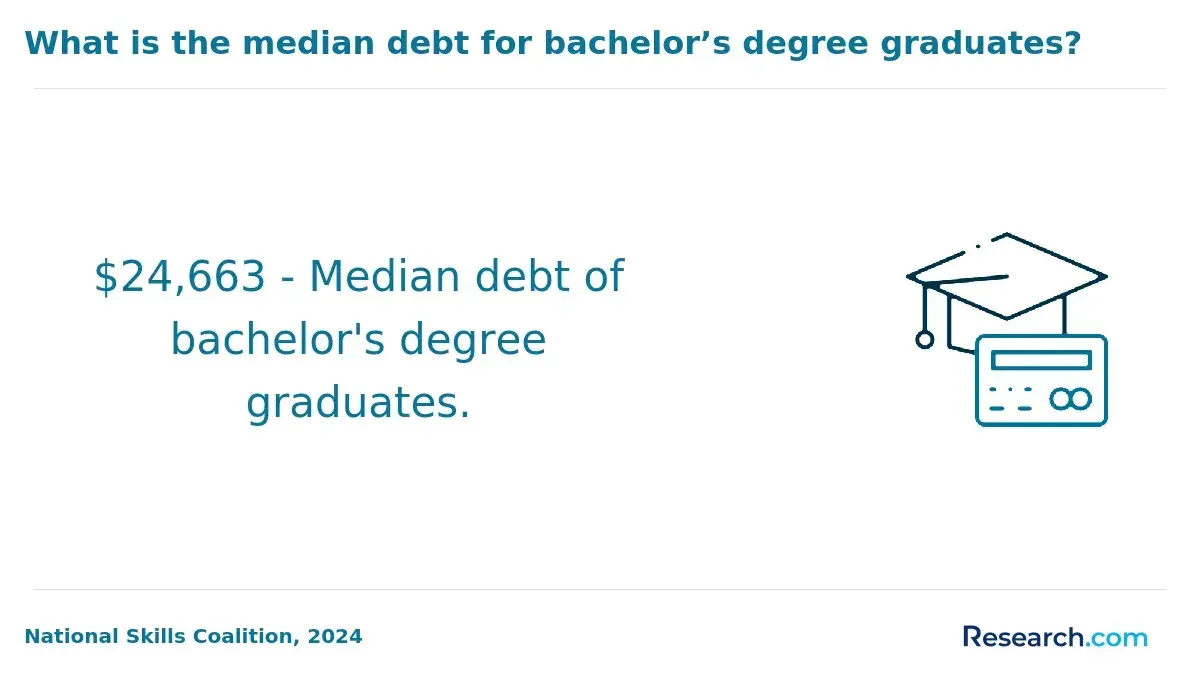
A 2023 industry report revealed that nearly 70% of audio & music job listings specify a bachelor's degree minimum, whereas over one-fifth prefer applicants holding master's degrees or higher, indicating a significant emphasis on education along with role specialization.
Common degree requirement trends include the following:
- Bachelor's Standard: Most entry-level and mid-range positions require a bachelor's degree, typically in audio engineering, music production, or related fields, serving as the foundational credential employers expect.
- Advanced Degrees Preferred: Specialized roles, such as senior sound engineers or academics in music technology, often favor applicants with master's degrees or higher, underscoring technical depth and research capabilities.
- Industry Variability: Fields like live sound and venue audio may emphasize practical experience or associate degrees, while sectors involving film scoring, broadcast audio, and research generally demand formal qualifications.
- Flexibility in Credentials: Some less specialized jobs permit certifications or associate-level education, reflecting differences across subfields and evolving employer expectations.
When discussing degree requirements with a recent audio & music degree graduate, he described the job search as "a balancing act between formal education and demonstrating hands-on skill." He noted that while his bachelor's degree opened doors, many employers also sought proof of specialized knowledge through projects and internships. "It was challenging navigating roles that required advanced understanding without immediately having a master's," he explained, highlighting the pressure to continuously develop academically and practically in this competitive field.
How Much Experience Do Audio & Music Job Postings Require?
Job postings in audio & music often outline experience needs that differ widely depending on the role's seniority and area of focus. Employers regularly rely on experience as a crucial filter to identify candidates whose practical knowledge fits the job demands. This strategy ensures that applicants match the role's complexity and responsibility level.
Experience patterns found in audio & music job postings typically include the following:
- Entry-Level Roles usually ask for little to no professional experience, prioritizing basic technical abilities and foundational understanding of audio & music concepts.
- Mid-Level Positions commonly require between two and five years of relevant work experience, emphasizing demonstrated skills and the capacity to operate independently or contribute meaningfully within teams.
- Senior Roles demand five or more years of comprehensive experience, often highlighting deep industry knowledge accompanied by leadership or project management capabilities.
- Specialized Jobs may expect focused expertise, highlighting mastery of particular tools, genres, or technologies that are essential within niche audio & music sectors.
- Portfolio Importance becomes significant for many roles, with employers valuing documented evidence of past work to verify claimed experience, especially in creative or technical specialties.
Candidates interested in this field should be aware of the average work experience expectations for audio & music roles and how they align with their career stage. Additionally, pursuing education through CACREP-accredited online counseling programs may complement skill development beyond practical experience.
What Industries Hire Fresh Graduates With No Experience?
Many industries actively welcome audio & music graduates who have little to no prior professional experience, focusing more on enthusiasm and willingness to learn. A 2022 survey from the National Association of Colleges and Employers highlights that about 45% of entry-level openings in creative and media sectors accept candidates without extensive work history. This trend underscores an increasing openness to hiring fresh talent in audio-related roles.
Industries that commonly hire inexperienced audio & music graduates include:
- Media and Broadcasting: Entry-level openings often involve roles such as assistant audio engineers and production assistants. These workplaces provide hands-on experience and mentorship within environments like radio stations and television networks.
- Gaming and Interactive Media: Video game companies and interactive content creators frequently list beginner-level sound design and audio production jobs. These roles prioritize creativity and technical flexibility over prior professional experience.
- Live Events and Entertainment: Theatres, concert halls, and event management firms hire junior sound technicians and stage assistants, especially during busy event seasons. These positions allow graduates to gain practical skills in fast-paced, real-time setups.
- Education and Community Programs: Schools and nonprofit groups often bring on audio graduates to handle technical production for workshops and recordings. These settings offer accessible entry points with lower experience demands.
Reflecting on her early career, a fresh graduate with a Audio & Music degree shared that breaking into the field without experience felt daunting yet rewarding. "I remember feeling uncertain applying for roles where I lacked direct experience," she recalled, "but once I found an opportunity in a community project, the hands-on training and collaborative environment made all the difference." She noted that these initial roles helped build confidence and practical skills critical for navigating the industry's challenges. The process taught her the importance of adaptability and maintaining a learning mindset in entry-level positions.
Which Industries Require More Experience or Skills?
Certain sectors within the audio & music field demand significantly higher levels of expertise and specialized knowledge, which makes hiring more selective. Job postings reveal a strong preference for candidates with extensive experience, niche skills, and professional certifications. Notably, a 2023 study showed that 65% of entertainment-related audio roles require a minimum of five years' experience or specialized credentials.
Below are some key industries that typically seek more skilled and experienced audio & music professionals:
- Film and Television Production: Positions often require deep familiarity with complex audio engineering software and hardware specific to visual media. Employers expect mastery in sound design, mixing, and synchronization with video content.
- Video Game Development: Candidates must demonstrate proficiency in immersive sound technologies and interactive audio design. Specialized experience with game audio engines and adaptive soundscapes is frequently mandatory.
- High-End Live Event Production: Roles emphasize advanced technical skills for managing sophisticated live sound setups and real-time problem-solving. Certifications like Pro Tools or Dolby Atmos are commonly requested.
- Broadcast Radio and Corporate Advertising: These sectors prioritize applicants with formal degrees alongside hands-on training. Professionals are expected to manage live broadcasts effectively while customizing sound for target audiences under pressure.
These industries distinctly value proven project experience, technical certifications, and the ability to adapt to evolving audio technologies, all of which raise the entry threshold for prospective audio & music applicants.
Which Credentials Are Most Valuable for Audio & Music Careers?
Employers in audio & music careers rely heavily on various credentials to evaluate candidates' qualifications. Formal degrees, certifications, and licenses all play distinct roles in demonstrating a candidate's expertise and readiness for specialized roles. These credentials help employers gauge both foundational knowledge and practical skills essential in the industry.
Below are some of the most valuable credentials sought by employers in audio & music fields:
- Academic Degrees: A bachelor's degree in audio engineering, music production, or sound design is highly regarded as it provides a solid technical and theoretical foundation. Employers view such degrees as indicators that candidates understand key concepts like acoustics, recording techniques, and music technology.
- Industry Certifications: Certifications from recognized organizations such as Avid (Pro Tools Certification) or Apple (Logic Pro Certification) highlight proficiency with industry-standard software. These certifications reassure employers that candidates possess current, practical skills required for effective audio production.
- Specialized Credentials: Certifications in areas like live sound engineering or audio mixing, often offered by professional bodies or technical schools, emphasize hands-on expertise. Employers value these for roles demanding precise technical execution and real-world experience.
- Professional Licenses: Although less frequently required, licenses related to sound system installation or broadcast engineering demonstrate compliance with regulatory standards. Employers seeking candidates for regulated environments consider these licenses important for ensuring safety and adherence to technical guidelines.
Are Salaries Negotiable Based on Experience?
Salaries in audio & music careers frequently vary depending on a candidate's experience, education, and the complexity of the role. Employers adjust compensation to align with expertise and formal education, often offering more negotiable pay for advanced skills or specialized knowledge. A 2023 industry report found that professionals with over five years of experience earn on average 25% more than entry-level candidates, highlighting the impact of experience on salary levels. This pattern reflects typical audio and music career salary negotiation tips seen in job postings, where pay ranges accommodate various backgrounds and skill sets.
Entry-level positions generally feature more fixed salaries, with companies seeking consistency and cost control, while postings for more advanced roles show greater flexibility in pay. Employers often use structured salary bands that allow upward adjustments based on demonstrated achievements or prior success, especially for complex or managerial duties. This approach to negotiating pay based on experience in audio and music jobs demonstrates how compensation becomes increasingly negotiable as candidates gain expertise. Candidates with strong credentials, including those holding a criminal justice bachelor degree or other relevant qualifications, may also enhance their leverage within these pay scales.
How Can You Match Your Resume to Job Descriptions?
Job postings in audio & music careers provide clear guidance to optimize your resume for audio and music job postings so that it closely matches employer expectations. Studies reveal that resumes closely aligned with job descriptions have a 40% higher chance of passing applicant tracking systems (ATS) and moving forward to human recruiters.
Below are key strategies to tailor your audio and music skills to employer requirements effectively:
- Detailed Analysis: Carefully review job listings to identify essential skills and software, such as Pro Tools or Ableton Live. Incorporate these specific terms directly into your resume to increase relevance.
- Relevant Experience: Emphasize project work, internships, or freelance roles that mirror the job's responsibilities, focusing on technical proficiency and creative accomplishments.
- Education Alignment: Match the educational requirements by listing degrees, certifications, or coursework specifically related to audio engineering or music technology. Considering additional qualifications like an online MBA entrepreneurship degree can also enhance your profile in some multidisciplinary roles.
- Exact Terminology: Use the same language found in job descriptions instead of synonyms to ensure ATS scans recognize your resume as a strong match.
- Prioritize Qualifications: Feature the most critical skills and experiences that appear at the top of job postings prominently in your professional summary or skills section to capture recruiter attention immediately.
By applying these approaches, candidates can maximize their chances of demonstrating the right fit in audio & music positions, resonating with both automated systems and human evaluators during hiring.
What Should You Look for When Analyzing Job Ads?
Job ads in audio & music careers reveal much about what employers expect, providing clarity on the specific skills, experience, and education needed. Research shows that around 65% of job postings in this sector highlight the importance of specialized technical skills, reflecting the industry's focus on hands-on competence. Careful analysis of these postings can help candidates understand the priorities of employers more clearly.
When reviewing job ads, consider the following key elements:
- Responsibilities: These outline the main tasks involved, such as sound editing, mixing, or managing live audio events, offering insight into daily job functions.
- Qualifications: Employers frequently list degree requirements or certifications, often favoring backgrounds in music production or audio engineering. Some roles might also encourage exploring related fields, like LCSW online programs, to diversify skills.
- Experience Level: Job ads specify whether applicants should have entry, mid, or senior-level experience, indicating the expected independence and complexity of the role.
- Skills: Proficiency with digital audio workstations, knowledge of industry-standard software, and an understanding of acoustics are commonly emphasized technical skills.
What Graduates Say About Skills, Degrees, and Experience Employers Want
- Valentino: "As a fresh graduate, I found that scanning job postings was invaluable for understanding exactly which skills and software tools employers value most. It helped me tailor my resume to fit specific roles and gave me confidence to apply for positions I might have otherwise overlooked. Job ads truly shaped my early career path in audio & music, guiding me toward opportunities aligned with my academic strengths."
- Zev: "Having gained some real-world experience, I began relying on job advertisements to identify roles that offered growth and specialization. They revealed industry trends, such as the rising demand for surround sound mixing and live event production skills, which encouraged me to pursue further training. Reflecting on it now, those postings played a key role in steering my professional development and keeping my skills relevant."
- Grayson: "In my established career, job postings serve as a pulse check on the evolving market and shifting priorities within the audio & music industry. They've helped me anticipate new challenges and pivot toward areas like immersive audio and post-production management. I appreciate how these ads function as both a barometer and a roadmap for seasoned professionals looking to stay competitive."
Other Things You Should Know About Audio & Music Degrees
Many audio & music job postings explicitly mention communication, teamwork, and problem-solving as key requirements. Employers value candidates who can collaborate effectively with artists, producers, and technical staff. These postings reveal that soft skills often complement technical expertise and can be decisive in hiring decisions.
Yes, job postings frequently emphasize hands-on experience such as internships, studio work, or live sound engineering. These practical experiences demonstrate a candidate's ability to apply theoretical knowledge in real-world settings. Employers consider such experience crucial for roles that require immediate proficiency with industry-standard tools and environments.
In 2027, the film and television industry within audio & music often requires specialized skills, such as proficiency in sound design software like Avid Pro Tools, to meet specific production needs. Roles in game audio also demand niche expertise in interactive sound design technologies.
In 2027, job postings in the audio and music industry often specify familiarity with key technologies and software. Proficiency in digital audio workstations (DAWs) like Pro Tools or Ableton Live, as well as knowledge of audio editing software, is frequently sought by employers to ensure candidates are equipped to manage technical tasks effectively.
References
- How To Showcase Your Musical Experience On Your Resume|Cover Songs | Switching Styles https://www.switchingstyles.ca/post/how-to-showcase-your-musical-experience-on-your-resume
- What skills do I need to succeed in the music industry? - BBC Bitesize https://www.bbc.co.uk/bitesize/articles/zsm74xs
- Top 10 Tips For An Audio Developer Job Interview | WolfSound https://thewolfsound.com/top-10-tips-for-audio-programmer-job-interview/
- The best careers in the music industry https://www.bridge.audio/blog/the-best-careers-in-the-music-industry/
- Here’s What You Really Need To Know To Work In Audio | Production Expert https://www.production-expert.com/production-expert-1/heres-what-you-really-need-to-know-to-work-in-audio
- Careers You Can Pursue With a Music Production & Audio Engineering Degree https://www.pointblankmusicschool.com/blog/careers-you-can-pursue-with-a-music-production-and-audio-engineering-degree/
- Jobs in Audio: A Handy Visual Chart - SoundGirls.org https://soundgirls.org/jobs-in-audio-a-handy-visual-chart/
- Tips for Creating a Perfect Resume for Audio Industry Jobs https://theproaudiofiles.com/tips-for-creating-a-perfect-resume-when-applying-for-jobs-in-the-audio-industry/
- Top Careers in Music and Audio You Didn’t Know Existed | OIART https://www.oiart.org/news/top-music-audio-careers
- Resume Skills for Sound Designer (+ Templates) - Updated for 2026 https://resumeworded.com/skills-and-keywords/sound-designer-skills


