2027 Best Anthropology Degrees for Working Adults

Co-Founder and Chief Data Scientist
For working adults, the real question is not whether anthropology is interesting; it is whether a degree can fit around a job, family responsibilities, and a clear career goal. A strong anthropology program should help you build research, cultural analysis, communication, and problem-solving skills without forcing you to pause your career.
This guide is for adults comparing anthropology degree options at the undergraduate or graduate level, especially those who need online, hybrid, evening, part-time, or accelerated study formats. Nearly 60% of working adults report difficulty finding accredited programs with flexible scheduling that align with professional responsibilities, so program structure matters as much as academic reputation.
Below, you will learn how to evaluate anthropology degrees for working adults, including program types, admissions expectations, coursework, completion timelines, cost, financial aid, support services, accreditation, salary potential, and career outcomes.
Key Things to Know About Anthropology Degrees for Working Adults
- Many anthropology programs offer online or hybrid courses, enabling working adults to balance study with employment and personal commitments effectively.
- Accelerated degree options can reduce completion time by up to 25%, accommodating professionals seeking faster career advancement.
- Employers increasingly value anthropology skills in areas like cultural competency and research, supporting career growth in diverse sectors.
What Are the Best Anthropology Degrees for Working Adults?
The best anthropology degree for a working adult is one that matches both schedule constraints and career direction. For most employed students, that means an accredited program with online or hybrid delivery, part-time enrollment, predictable course rotations, responsive advising, and assignments that connect theory to real workplace problems.
Anthropology is broad, so the right concentration depends on what you want the degree to do for you. Some programs are research-oriented and prepare students for graduate study or academic pathways. Others are applied and better suited to professionals moving into public health, nonprofit leadership, cultural resource management, user research, community programs, education, or organizational consulting.
Common anthropology degree paths for working adults
- Applied Anthropology: A strong option for professionals who want practical research and problem-solving skills. It can apply to healthcare, business, community development, policy, and cultural resource management. Working adults often benefit from its project-based focus because assignments can connect to current workplace challenges.
- Cultural Anthropology: Best for students interested in social behavior, identity, institutions, migration, globalization, and cross-cultural communication. This path can support careers in human resources, social services, education, advocacy, and international organizations.
- Archaeology: A better fit for students interested in material culture, heritage, preservation, museums, or historical research. Working adults should check fieldwork requirements carefully because some archaeology courses may require in-person labs, field schools, or site-based work.
- Medical Anthropology: Useful for healthcare professionals, public health workers, social service providers, and researchers who want to understand how culture shapes illness, care access, health systems, and patient behavior.
How to choose the best fit
- If you need maximum flexibility, prioritize asynchronous online courses, multiple start dates, and part-time pacing.
- If you want career change support, look for internships, capstones, applied research projects, and employer-connected faculty.
- If you plan to pursue graduate study, confirm that the curriculum includes research methods, theory, writing-intensive coursework, and faculty mentorship.
- If you want archaeology or museum-related work, review in-person requirements before enrolling.
Students comparing flexible graduate options in related people-centered fields may also find it useful to review SLP online programs, especially when comparing accreditation, practicum expectations, and scheduling models. For anthropology, the strongest choice is not simply the most convenient program; it is the accredited program that gives you usable skills, realistic pacing, and a credible path toward your next role.
What Are the Admission Requirements for Working Adults in Anthropology Degree Programs?
Admission requirements for anthropology programs vary by degree level, school, and delivery format. Working adults should expect the same core academic review as other applicants, but many programs use a holistic process that values professional experience, transferable skills, and a clear purpose for returning to school. Nearly 40% of graduate students enroll part-time, which reflects the need for admissions pathways that accommodate career professionals.
Typical undergraduate admission requirements
- High school diploma or equivalent: Bachelor’s programs generally require proof of secondary completion.
- College transcripts: Students with prior college credits usually submit transcripts from every institution attended.
- Transfer credit review: Working adults should ask how many credits can transfer and whether credits from community colleges, military training, or prior institutions count toward major or general education requirements.
- Personal statement or application essay: Some programs ask applicants to explain their goals, academic readiness, or interest in anthropology.
Typical graduate admission requirements
- Bachelor’s degree: A completed undergraduate degree is usually required, though it may not always need to be in anthropology.
- Transcripts and GPA review: Programs may consider GPA alongside career history, writing ability, research interests, and recommendations.
- Statement of purpose: This is especially important for working adults because it explains how the degree connects to career goals, research interests, or professional advancement.
- Letters of recommendation: Professional recommendations from supervisors or colleagues can be valuable when they address analytical ability, communication skills, leadership, and readiness for graduate work.
- Standardized test policies: Many programs waive or offer alternatives to exams like the GRE, but applicants should verify the current policy before applying.
What working adults should ask before applying
- Can I enroll part-time without losing access to advising, financial aid, or required courses?
- Are courses offered online, in the evening, on weekends, or asynchronously?
- How often are required anthropology courses available?
- Will my prior credits shorten the program?
- Can professional experience strengthen my application?
Adults comparing flexible education pathways in other disciplines may find the same decision factors in an engineering degree online: accreditation, transfer policy, cost, schedule design, and support for students who are already employed.
What Coursework Is Required in Anthropology Degree Programs for Working Adults?
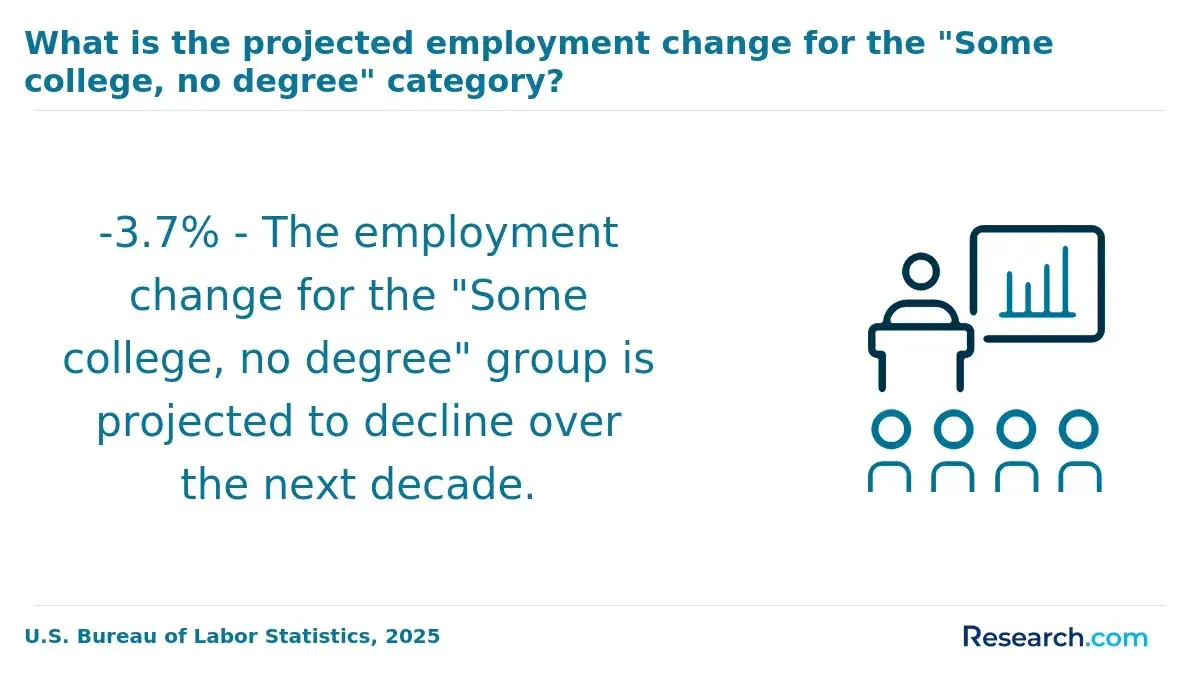
Anthropology coursework usually combines theory, research methods, writing, data interpretation, and the study of human societies across time and place. For working adults, the best programs make this coursework practical by connecting assignments to community issues, workplace settings, policy questions, healthcare systems, cultural heritage, or organizational needs. Recent data shows that about 40% of anthropology students in higher education are adult learners, which helps explain the growth of online and hybrid course formats.
Core courses commonly required
- Cultural Anthropology: Introduces the study of culture, social norms, kinship, belief systems, economic life, power, identity, and globalization. This course is foundational for roles involving diverse communities or cross-cultural communication.
- Archaeology: Examines past human societies through artifacts, landscapes, structures, and material remains. Students interested in museums, heritage work, preservation, or cultural resource management should pay close attention to this area.
- Biological Anthropology: Covers human evolution, genetics, primatology, adaptation, and human biological variation. It can be relevant to students interested in healthcare, forensics, science education, or research.
- Anthropological Methods: Builds research skills such as interviewing, participant observation, ethnography, survey design, field notes, data analysis, and ethical research practice.
- Applied Anthropology: Focuses on using anthropological tools to solve practical problems in organizations, communities, health programs, public policy, development, and advocacy.
Skills students should expect to build
- Qualitative research: Designing interviews, observing social settings, coding themes, and interpreting human behavior in context.
- Writing and analysis: Producing clear research papers, field reports, policy briefs, literature reviews, and project proposals.
- Ethical decision-making: Understanding consent, confidentiality, cultural sensitivity, research impact, and responsibility to communities.
- Comparative thinking: Analyzing how social systems differ across groups, institutions, regions, and historical periods.
- Applied problem-solving: Translating research into recommendations for programs, services, products, or policies.
Students should review whether the program requires a capstone, thesis, internship, lab, field school, or in-person intensive. These requirements can be valuable, but they can also affect scheduling for full-time workers. If you are comparing other flexible, research-centered graduate programs, reviewing an MLIS can help you compare online structure, applied coursework, and affordability across related fields.
How Long Does It Take to Complete a Anthropology Degree While Working?
For working adults, the time needed to complete an anthropology degree depends mainly on enrollment intensity, transfer credits, program format, and personal workload. On average, it takes about five to six years for these students to earn their bachelor's, compared to the traditional four years for full-time learners. Graduate timelines vary by school and course load, but part-time study almost always extends completion time.
Factors that affect completion time
- Program Format: Online and hybrid programs can reduce commuting time and make weekly study more manageable. However, flexibility does not always mean faster completion; some students take fewer courses per term to maintain balance.
- Course Load: Full-time enrollment can shorten the timeline but may be difficult with a demanding job. Part-time enrollment spreads coursework over more semesters and is often more realistic for adults with work and family responsibilities.
- Prior Credits: Transfer credits from earlier college work or approved training can reduce the number of remaining courses. Before enrolling, request a formal transfer evaluation rather than relying on general estimates.
- Work Schedule: Shift work, travel, overtime, caregiving, or seasonal job demands can affect how many courses a student can complete each term.
- Accelerated Options: Summer courses, shorter sessions, and intensive formats may help students finish sooner, but they can also increase weekly workload.
Planning a realistic timeline
A practical approach is to map the entire degree before the first semester. Identify required courses, prerequisites, course rotation patterns, fieldwork or capstone requirements, and terms when your job is busiest. Many working adults succeed by taking a lighter load at the beginning, then increasing credits once they understand the program’s expectations.
When asked about completing an online anthropology degree while maintaining full-time employment, one professional described the experience as demanding but manageable: “I often studied late into the night after work hours,” he explained, “and sometimes had to pause my classes during particularly demanding projects at my job.”
He said the flexibility mattered as much as the curriculum. “It wasn't easy, but the ability to apply what I learned directly to my career kept me motivated throughout.”
How Much Does a Anthropology Degree Cost for Working Adults?
The cost of an anthropology degree depends on tuition, fees, enrollment pace, residency status, transfer credits, and whether the program is online or campus-based. Working adults should focus on net cost, not just published tuition, because employer benefits, grants, scholarships, transfer credits, and course load can significantly change what a student actually pays. Recent trends show that part-time enrollment among adult learners in anthropology programs has grown by over 30% in the past ten years, reflecting demand for more flexible and budget-conscious pathways.
Main cost factors
- Tuition per Credit: Rates differ greatly between public and private schools, ranging from approximately $200 to more than $1,000 per credit hour. Multiply the per-credit price by the number of remaining credits after transfer evaluation.
- Program Length: Part-time enrollment may make each semester more affordable but can extend the total calendar time. Longer enrollment can also mean more semesters of fees.
- Additional Fees and Materials: Technology fees, student service fees, lab charges, fieldwork costs, software, and anthropology textbooks can add to the total cost.
- Online Versus On-Campus: Online programs may reduce commuting, parking, relocation, and housing expenses. However, online students should still check distance-learning fees and any required campus visits.
- Cost-Saving Options: Employer tuition reimbursement, scholarships, federal financial aid, state grants, military benefits, and payment plans can lower out-of-pocket cost.
Cost questions to ask before enrolling
- What is the total estimated cost for the full degree, including fees?
- How many of my previous credits will transfer?
- Are online students charged different tuition or fees?
- Will part-time enrollment affect financial aid eligibility?
- Does the program require travel, fieldwork, lab fees, or in-person intensives?
- Are scholarships available for adult learners, transfer students, or online students?
A lower tuition rate is helpful, but the cheapest program is not always the best value. A program that accepts more transfer credits, offers required courses regularly, and provides strong advising may reduce both total cost and time to graduation.
What Financial Aid Options Are Available for Working Adults in Anthropology Degree Programs?
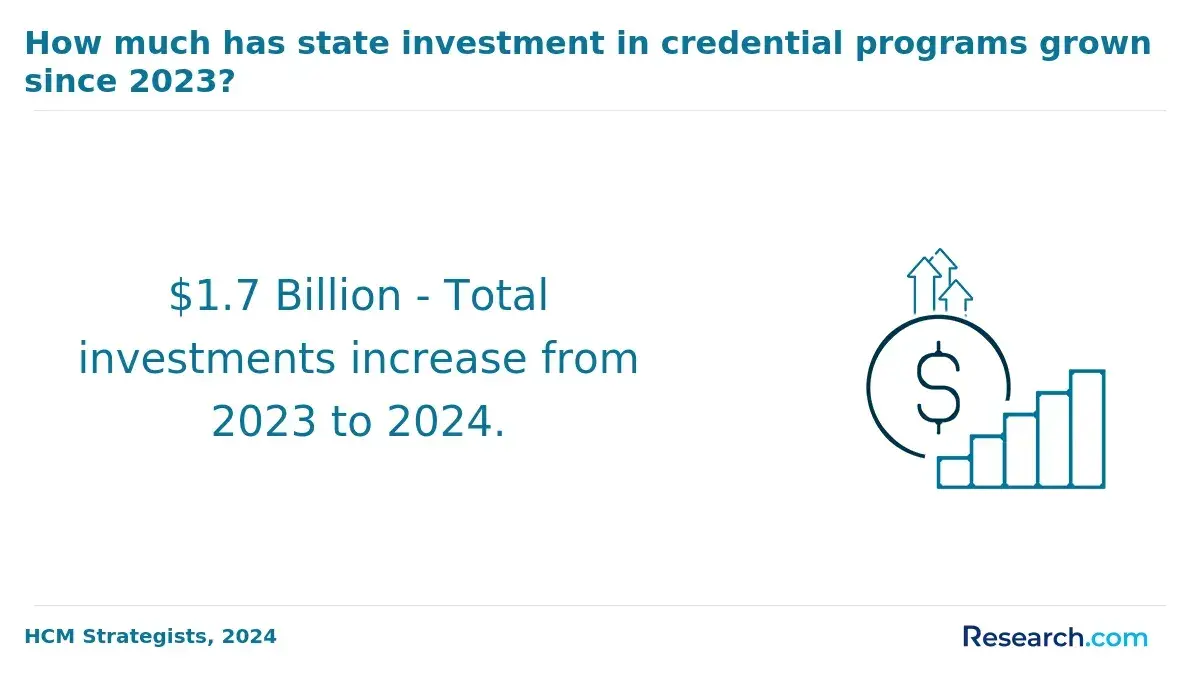
Working adults can often combine several funding sources to pay for an anthropology degree. The best strategy is to start early, track deadlines, and compare the total aid package after scholarships, grants, loans, employer support, and payment plans are included. Financial aid rules can vary by school and enrollment status, so students should confirm eligibility before choosing a part-time or accelerated schedule.
Common financial aid options
- Federal financial aid: Students typically begin by completing the FAFSA. Federal aid may include Pell Grants and federal student loans. Pell Grants offer need-based aid that does not have to be repaid, while loans must be repaid according to federal repayment terms.
- Employer tuition assistance: Some employers provide tuition reimbursement or direct assistance for job-relevant coursework. Working adults should ask about grade requirements, annual limits, repayment obligations if they leave the company, and whether anthropology courses qualify.
- Scholarships for adult learners: Private organizations, nonprofits, colleges, and foundations may offer awards for returning students, transfer students, online students, or students in the social sciences.
- Grants: In addition to federal grants, students may qualify for state, institutional, or private grants based on financial need, residency, background, or academic goals.
- Payment plans and tax benefits: Colleges may offer installment plans that spread tuition across the term. Tax credits such as the Lifetime Learning Credit can also help reduce eligible education costs for some working students.
How to make aid easier to manage
- Create one calendar with FAFSA deadlines, scholarship deadlines, employer reimbursement dates, and tuition due dates.
- Ask the financial aid office how dropping below a certain credit load could affect grants, loans, or scholarships.
- Confirm whether employer reimbursement is paid before or after grades are posted.
- Prioritize grants and scholarships before borrowing.
- Borrow only what is needed after comparing expected career benefits and repayment obligations.
One professional who earned her anthropology degree while working full time said the hardest part was coordinating several funding sources at once. “Applying for aid felt overwhelming at times, especially balancing deadlines between work and school.” She found that combining employer assistance with federal aid and scholarships made the degree more manageable.
“Having a mix of support sources was key,” she shared. “It relieved a lot of the stress, letting me concentrate on coursework and eventually graduate without putting my career on hold.”
What Support Services Help Working Adults Succeed in a Anthropology Program?
Support services can make the difference between steady progress and stopping out. Working adults need more than access to courses; they need advising, technology help, academic support, and career guidance that works outside traditional daytime office hours.
Most useful support services for working adults
- Academic Advising: Advisors help students build a course plan around work schedules, transfer credits, prerequisites, and graduation requirements. Strong advising is especially important when required courses are offered only once per year.
- Flexible Scheduling: Evening, weekend, online, hybrid, and asynchronous courses help students avoid conflicts with work hours. Predictable course rotations also help adults plan around busy seasons at work.
- Online Learning Support: Technical help, orientation modules, library database access, writing tools, and learning platform support reduce avoidable delays for remote students.
- Tutoring Services: Tutoring can help with research methods, academic writing, theory-heavy courses, statistics, and citation practices. Adult learners returning after years away from school may benefit from early use of these services.
- Mental Health Resources: Counseling, wellness programming, stress management resources, and crisis support can help students manage the pressure of combining work, study, caregiving, and financial obligations.
Additional services worth looking for
- Career services for adults: Resume support, interview preparation, internship guidance, and help translating anthropology skills into employer-friendly language.
- Writing center access: Anthropology programs are writing-intensive, so writing support is valuable even for strong students.
- Library and research support: Remote access to journals, citation tools, and research consultations can improve the quality of papers and capstone projects.
- Peer communities: Online cohorts, discussion groups, and student associations can reduce isolation in remote programs.
Before enrolling, ask whether these services are available to online and part-time students, not only full-time campus students. Access matters most when it fits the schedule of someone who works during regular business hours.
Are Anthropology Degrees for Working Adults Accredited?
Anthropology degrees for working adults should be offered by accredited institutions. Accreditation means a school has been reviewed by a recognized accrediting agency for academic quality, governance, student support, faculty qualifications, and financial stability. For students who need federal financial aid, credit transfer, employer recognition, or graduate school eligibility, accreditation is one of the first details to verify.
Adult learners now represent nearly 40% of graduate students in the U.S., which makes flexible accredited programs especially important. A program can be online, part-time, or designed for professionals and still be academically credible, but only if the institution’s accreditation is legitimate and current.
Why accreditation matters
- Financial aid eligibility: Federal and state aid generally depends on attending an eligible accredited institution.
- Credit transfer: Accredited status can affect whether another college accepts your credits if you change schools or pursue another degree.
- Employer trust: Employers are more likely to recognize degrees from accredited institutions when evaluating credentials.
- Graduate study: Many graduate programs require applicants to hold a degree from an accredited institution.
- Professional requirements: Some certifications or licenses in anthropology-related fields may require graduation from an accredited program.
How to verify accreditation
- Check the school’s official accreditation page.
- Confirm the accreditor is recognized by the appropriate government or higher education authority.
- Ask whether accreditation applies to the institution, the program, or both.
- Be cautious with schools that make vague claims, pressure you to enroll quickly, or provide limited information about transfer credits and aid eligibility.
For working adults, accreditation protects both the educational investment and the long-term usefulness of the degree. Flexibility is valuable, but it should never come at the expense of institutional credibility.
Does a Anthropology Degree Increase Salary for Working Adults?
An anthropology degree can support salary growth for working adults, but the increase is not automatic. Pay depends on occupation, location, employer, prior experience, degree level, specialization, and whether the graduate moves into a higher-responsibility role. For working adults with an anthropology degree, median annual salaries range roughly from $50,000 to $75,000 for bachelor's holders, and from $60,000 to $90,000 for those with a master's, depending on the occupation and region.
When the degree is most likely to improve earning potential
- Industry Demand: Cultural resource management, public health, market research, user research, community planning, and policy-related roles may value anthropology training because these jobs require research, cultural analysis, and stakeholder communication.
- Role Advancement: A degree can help working adults qualify for supervisory, analyst, specialist, consultant, or program leadership roles that require stronger research and communication skills.
- Years of Experience: Adults with established work histories may benefit more than new graduates if they can combine job experience with new academic credentials.
- Employer Policies: Some organizations connect degree completion to promotion eligibility, tuition reimbursement, or structured salary increases. Students should ask about these policies before enrolling.
- Specialization: High-demand subfields such as forensic anthropology or medical anthropology may create stronger opportunities when paired with relevant experience, technical skills, or graduate training.
How to evaluate return on investment
- Compare total program cost with realistic job targets, not only ideal outcomes.
- Review job postings in your region to see which roles ask for anthropology, social science, research, or graduate credentials.
- Identify whether you need a bachelor’s degree, master’s degree, field experience, a portfolio, or specific technical skills.
- Ask your employer whether the degree could support promotion, reassignment, or reimbursement.
Working adults comparing anthropology with other high paying degrees should look closely at career fit. Anthropology can be valuable when it strengthens an existing career path or prepares you for a defined role, but it should be chosen with a clear plan for applying the credential.
What Jobs Can Working adults Get With a Anthropology Degree?
Working adults can use an anthropology degree to move into roles that require research, cultural interpretation, community engagement, communication, and analysis. The best job outcomes usually come when the degree is paired with prior professional experience, fieldwork, data skills, writing ability, or a focused specialization.
Career paths for working adults with anthropology training
- Cultural Resource Manager: Oversees preservation, compliance, planning, and management of cultural heritage sites or resources. This path is especially relevant for students with archaeology coursework, field experience, and knowledge of cultural heritage regulations.
- Corporate Anthropologist: Applies anthropological methods to understand consumers, employees, products, and organizational culture. Professionals in this area may contribute to user research, marketing strategy, workplace design, or innovation.
- Program Director for Nonprofits: Leads programs serving diverse communities. Anthropology training can strengthen culturally informed communication, community assessment, program design, and evaluation.
- Research Analyst or Consultant: Uses qualitative and sometimes quantitative methods to answer policy, business, health, or community questions. Strong writing, interviewing, synthesis, and presentation skills are important in this path.
- Higher Education Administrator: Works in student services, academic programs, diversity initiatives, international programs, or community engagement. Anthropology can support roles focused on inclusion, student experience, and institutional culture.
Other roles where anthropology skills may help
- Community outreach coordinator
- Museum or heritage program specialist
- Public health program coordinator
- UX or user research assistant
- Policy or evaluation associate
- International development program staff
- Human resources or diversity program specialist
Students interested in fast, flexible graduate study can compare options such as 1 year graduate programs, but speed should not be the only consideration. For anthropology-related careers, field experience, research quality, portfolio work, and professional networks can be just as important as completion time.
What Graduates Say About Their Anthropology Degrees for Working Adults
- : "Choosing an online anthropology degree while working full time was intimidating at first, but the flexible schedule made it possible to keep earning while studying. Considering that the average cost is around $15,000 to $30,000, I viewed the program as a practical investment compared with more traditional options. After finishing, I was able to take on more meaningful cultural research projects at my company. — Derrick"
- : "A part-time anthropology program helped me deepen my understanding of human societies without leaving my job. The cost felt significant at the beginning, but spreading coursework around my work schedule made it manageable. The degree improved my credibility and helped me work more effectively with diverse communities. — Aya"
- : "Balancing work and online study was challenging, but the anthropology coursework immediately changed how I approached consulting projects. Given the average tuition fees, it felt like a serious but reasonable commitment to career growth. Since graduating, I have been able to apply anthropological principles in ways that improved project outcomes. — Ken"
Other Things You Should Know About Anthropology Degrees
Anthropology degree programs offer working adults insights into human behavior, cultural diversity, and global issues, enhancing critical thinking and communication skills. These programs provide flexible learning options like online courses, accommodating busy schedules, and preparing individuals for careers in education, research, and various industries.
Accreditation ensures that anthropology degree programs meet high academic standards and provide quality education. It signifies that a program is recognized and valued by employers and other educational institutions, which is crucial for working adults seeking career advancement or further education opportunities.
The top anthropology degree programs for working adults in 2027 include those offered by universities like Arizona State University, University of Florida, and Oregon State University. These programs stand out for providing flexible online options, focusing on relevant skills such as cultural analysis and research methods essential for career advancement.
References
- What can I do with an Anthropology Degree? Jobs & Career Paths - Concordia University | Student Success Centre - Concordia University https://www.concordia.ca/students/success/career-planning/paths/anthropology.html
- What Can You Do With an Anthropology Degree? https://www.snhu.edu/about-us/newsroom/social-sciences/what-can-you-do-with-an-anthropology-degree
- Online Anthropology Undergraduate Tutors Spires | What Jobs Can I Get With A Degree In Anthropology? https://spires.co/online-anthropology-tutors/undergraduate/what-jobs-can-i-get-with-a-degree-in-anthropology
- What can I do with my degree in Anthropology? https://student.kent.ac.uk/careers/career-planning/what-can-i-do-with-a-degree-in/anthropology
- Courses https://as.tufts.edu/anthropology/academics/courses
- 2025 Most Affordable Online Colleges for Anthropology Degrees https://www.onlineu.com/most-affordable-colleges/anthropology-degrees
- Frequently Asked Questions https://www.frc.edu/anthropology/frequently-asked-questions
- Grants and Fellowships https://wennergren.org/grants-fellowships/
- 9 Exciting Careers for People Who Have an Anthropology Degree https://careercentral.pitt.edu/blog/2024/01/04/9-exciting-careers-for-people-who-have-an-anthropology-degree/
- Master of Arts in Anthropology (MA) https://www.grad.ubc.ca/prospective-students/graduate-degree-programs/master-of-arts-anthropology